Connect with us

Business & Hustles

WRU on its finances and strategy of growing events and revenues at the Principality Stadium

Published

on

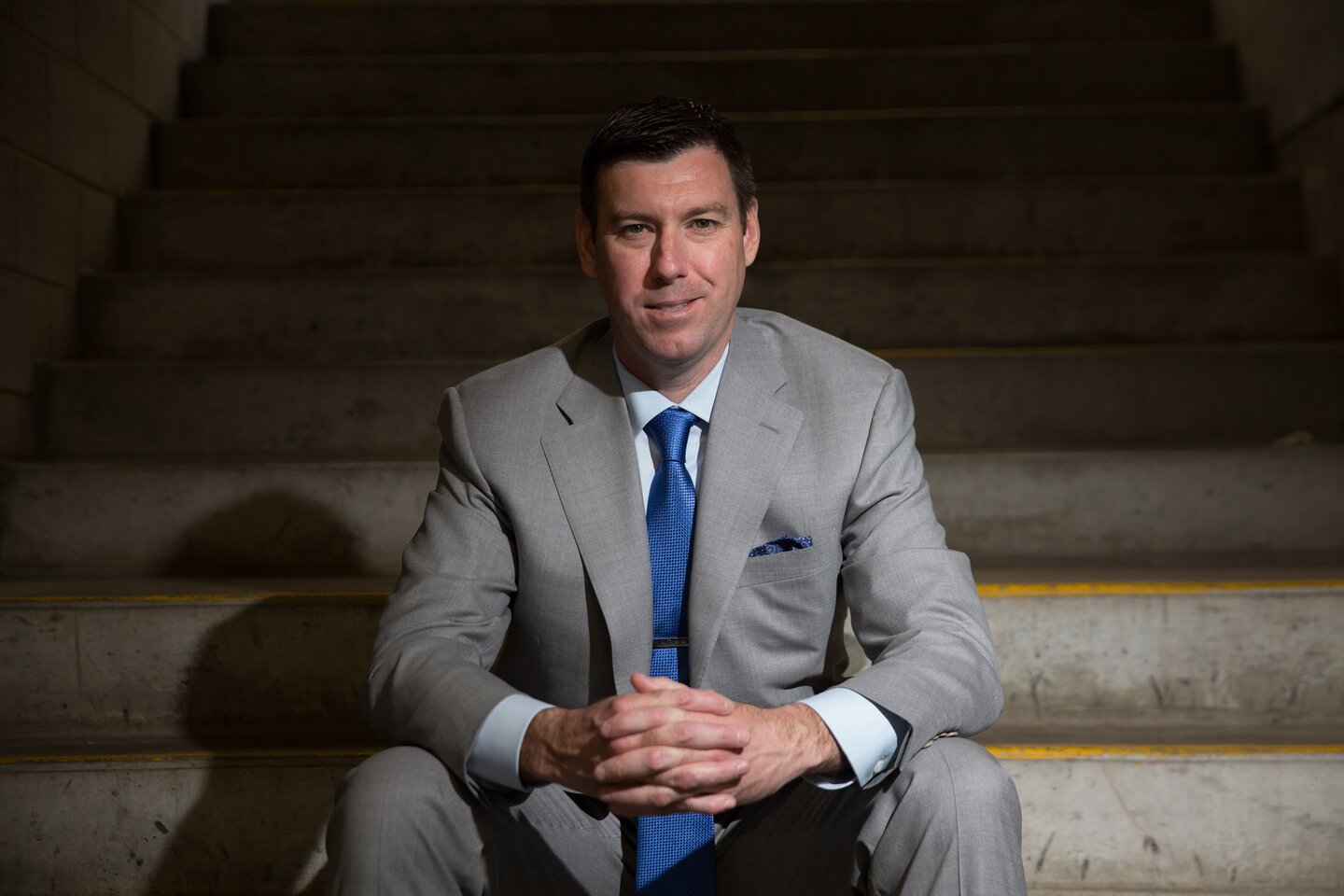
Former Principality Building Society chief operating officer Rob Regan

The WRU’s revenues for its last financial year are expected to come in well below an initial forecast at £110m

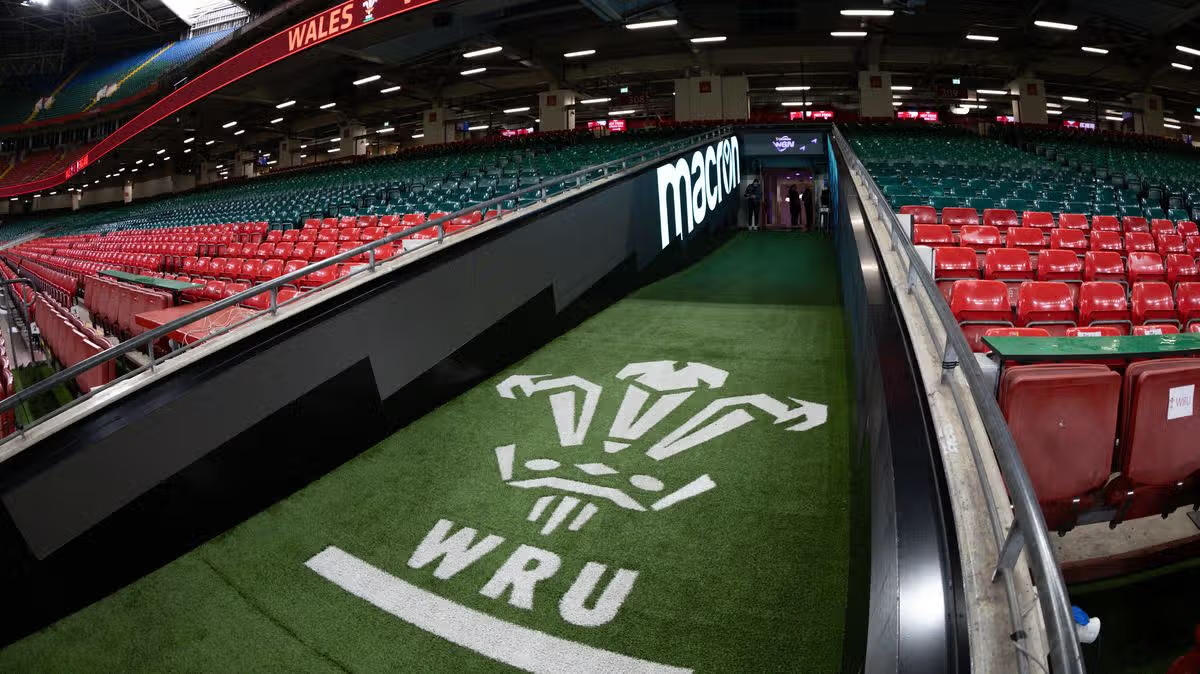
WRU.(Image: Huw Evans Picture Agency Ltd)

The Welsh Rugby Union is expected to have generated revenues of around £110m in its last financial year, having initially been confident of a figure £7m higher.

The governing body was initially projecting a figure of around £117m, but took a significant hit from lower-than-expected ticket, hospitality and food and beverage sales during last year’s Six Nations and, more markedly, during its autumn international series.

Advertisement

For the current 2026-27 financial year, the union’s chief financial and operating officer, Gavin Marshall, who joined the governing body last November from English Premiership rugby side Bristol Bears, where he was chief executive, is confident of a similar turnover, despite Wales only hosting five men’s internationals at the Principality Stadium compared to seven in its 2025-26 financial year.

As part of a new five-year hospitality and food and beverage partnership with US firm Aramark, he remains confident that a five-year target of growing related revenue from £18m per year towards the £25m to £30m level is achievable.

He said the union was having success in positioning the Principality Stadium as more of a year-round venue, with an increasingly diversified programme of non-rugby events, including concerts and the staging of major football finals. A number of headline events will be confirmed shortly, alongside an already confirmed sell-out concert from classical crossover singer Andrea Bocelli next May.

Aramark has committed an undisclosed capital contribution to support the widening of the hospitality offer at the stadium, including some 14,000 new padded seats on level four, which will replace plastic seats that have been in the ground since it opened back in 1999.

Advertisement

The initial £117m projected revenue figure was outlined by the union’s former chief commercial officer, Leighton Davies, with the support of the wider executive team and board in September 2025. It is not uncommon for firms to have to revise forecasts during a financial year.

Gavin Marshall.

Mr Marshall said: “In terms of the numbers, those assumptions haven’t materialised. When you budget, and you miss your budget, you need to understand why and learn from it.”

He stressed it wasn’t a criticism of his predecessor. He added: “It is just an observation and you learn and reflect. There are a number of variables in this business that move materially, like the number of events, attendance, ticket yield, team performance, but ultimately we have to take responsibility for budgeting accurately and we need to focus on that going forward.”

Mr Marshall, who hails from Pembrokeshire, said he could not give an actual turnover figure for the union’s last financial year to the end of June, as the accounts, which will be published next month, were still being audited by Grant Thornton.

Advertisement

However, he said that, based on historic outcomes and taking inflation into account, a figure of £110m could be seen as a responsible assessment.

He added: “The accounts have not been audited yet, so I cannot be specific, but in general terms we have had a challenging year.

“There is substantial cost around generating that revenue, like staging international rugby, putting on events, the cost of delivering hospitality and food and beverage for those events and the cost of the hotel. The cost of sales is around £50m, so we have a gross profit of £60m, a figure that is more relevant than turnover.

“After that we have our overhead costs, the cost of running the stadium and corporate costs of running a business, and the professional and community rugby programme. Those costs are around £30m. That leaves us with an Ebitda of around £30m, and that is a figure we are not too far away from this time.

Advertisement

“But when you get to £30m, we have the cost of community rugby clubs, Super Rygbi Cymru, the servicing of the debt, and we have to find capital expenditure for the stadium. What is left we spend on professional rugby, and that includes the optimum investment we have identified for our pathways, where we have under-invested.”

Four teams not sustainable

The WRU is committed to reducing the number of regions from four to three, with it looking for the Ospreys and the Scarlets to bid for one licence for west Wales. Cardiff, which is WRU-owned, and the Dragons will be invited to take up the other two licences.

He argued that maintaining funding for four regions was not sustainable. However, opponents to the strategy, including the so-called Coalition of the Willing, counter that there is very little difference financially between funding four – although requiring significant benefactor backing – and three regions, with the latter providing increased investment of around £28m over five years to invest in the pathway development of the game.

Mr Marshall said: “Nobody wants to reduce investment in professional rugby for the sake of it. We want successful professional teams in Wales. What we are saying is that we cannot afford the level of investment we are currently making in professional rugby. That argument will be strengthened when we publish our accounts next month.”

Advertisement

He added: “It is an affordability issue and we want our professional teams to be competitive and have the right level of investment, and the current level of investment we cannot afford. We need to have spending on professional rugby at a level where the game can be sustainable.

“Abi [chief executive Abi Tierney] has talked about investment of £20m in professional rugby, but at the moment it is significantly more than that in terms of our investment and it is more like £26m. We cannot afford that level of investment and, where we are at as a business, that is why we need to change.”

The Coalition of the Willing, which includes the founder of price comparison firm Hayley Parsons and former chief operating officer of Hodge Bank and Principality Building Society, Rob Regan, has called on the union to provide in full the business case for three regions and the risk assessment undertaken on the implications of a loss of a region.

Mr Marshall said he was aware of the public appetite for an Anglo-Welsh league or a British and Irish one. The respective stakeholders in the English Premiership, the governing bodies, CVC and the URC, have been holding exploratory discussions over a possible new league structure.

Advertisement

However, it would need enough of a commercial uplift, starting with a lucrative TV deal, to be appealing to all parties, but most importantly the English Premiership clubs.

Mr Marshall would not be drawn on the nature of any talks or whether he had any involvement. He added: “We are a member of the URC (United Rugby Championship, which the Welsh regions play in) and I want to respect that competition, but I acknowledge the public sentiment on Anglo-Welsh competitions and fully understand why it attracts such interest.

“It is worth noting that we have put in an application to PRW (Premiership Women’s Rugby) for two Welsh women’s teams to play in the English league.”

He said the union had no plans to reduce its headcount. In 2024-25, when the union posted revenues of £106.1m and pre-tax losses of £7.2m, it had a total workforce of 344.

Advertisement

He said: “Our headcount is pretty stable and that will be seen in the accounts, but we cannot cut our way to success. We need to grow our commercial revenues and we are happy with the cost base, which is appropriate for our business, although it is really important to control costs appropriately and we scrutinise every new hire, but we have no plans to run a redundancy programme.”

Its current financial year is the first with the WRU feeling the full impact of giving up equity, along with the other unions, to CVC in the Six Nations. That deal, struck in 2021, gave the private equity firm a 14% interest and rights to a share of commercial income generated by the Six Nations.

Last year the WRU received its last phased payment (£8.5m) for its £40m share in what was a £360m deal. The full impact of the dilution will see the union being around £3m down.

Wales match ticket sales

Ticket sales were tricky for some Wales matches last season

Ticket sales were tricky for some Wales matches last season(Image: PA Wire)

Mr Marshall said for the current 2026-27 financial year, despite fewer Welsh home rugby internationals, revenues should come in around the same as the last financial year.

Advertisement

He explained: “On the rugby side there will be five games rather than seven, but historically England and Ireland are very strong. We are ahead of where we were previously in terms of those sales. It is really important to have a strong autumn.

“It is still early days in terms of ticket sales for those games. We are really positive about the new tournament structure of the Nations Championship, and having three games to sell in quick succession is probably easier than four, which was a bit of a stretch last year.

“So, we are probably expecting a relatively flat year revenue-wise. We have got fewer games, but we would expect to drive a better yield and we have got some premium games in there with New Zealand, England and Ireland. In terms of events, the calendar for 2027 is looking very strong, with a lot of announcements over the next month or so for events between now and the end of the year.”

The union has increased its number of ticket price categories from three to six for rugby internationals. Mr Marshall said: “Our most expensive tickets are a jump, but we are already sold out. We need to drive increasing yields and I think we can do that with our six categories rather than three. We want to keep it affordable and accessible. We are only selling family tickets in the lower tier to create that family zone.”

Advertisement

On a full ground for the New Zealand game in November, Mr Marshall said: “We are not complacent, but confident.” With regards the other two autumn games against Australia and Japan, he added: “We got a great crowd last year against Japan, with a great family crowd and a great game of rugby. We are looking to replicate a similar crowd to what we had last year, with just over 60,000.

“We have kept the tickets affordable for Japan. The Australia game at 8pm on a Saturday is a challenging time as it potentially rules out families, with a lot of competition on a Saturday night. So we recognise that Australia is the most challenging due to the time, but we haven’t played them for a couple of years and we have got the Stickmen with the half-time show, which has proved really popular previously.”

New concerts and football matches

On the concert market, he said: “We are really happy and have a couple of concerts booked, with discussions ongoing in a really strong pipeline. We are really confident that 2027 will be a great summer for concerts. We have Andrea Bocelli announced and we are expecting that to sell out, with ticket sales really strong for May. We were delighted to get him and it fits in with our strategy of trying to get a broader mix of events here.

“We have been very strong with pop and rock concerts, but having a different genre and financial model for that event, we are really happy with, and we plan to make it a biennial event.

Advertisement

“We have been very successful with concerts, but what we are looking at is attracting elite football to the stadium, like the Community Shield, and we are delighted to secure the Women’s Champions League final in 2029, so we have really identified football as an area of growth.

On getting to £30m over a five-year period from around £18m from hospitality and food and beverage sales at the stadium, while an ambitious target, he is confident it is achievable.

He said: “Yes, we are (confident). So far we have focused on technology-led improvements, with speed of service and e-bars across the stadium, which were a big success at the Community Shield. But that is just part of it. With the deal with Aramark, we have a capital fund to spend to improve facilities.

“We are looking to develop level four as a real premium experience, including replacing around 14,000 seats on level four with new padded ones

Advertisement

“The seats are just part of it, with investment in the concourse and the whole area to create a premium experience around level four. We are also looking to increase our hospitality capacity and have different types of hospitality that we can offer. We are confident that these things will help us drive food and beverage revenue, but also ticket yield.”

As part of its strategy to create an all-year-round venue, the union has opened a new riverside bar (with a licensed bar) on the River Taff walkway side of the Principality Stadium.

The Parkgate Hotel

With grand brasserie-style decor, leather banquettes, chandeliers, and a wide-ranging menu of British dishes, it's certainly a swanky hangout for a dinner date.

Parkgate Hotel.(Image: Parkgate Hotel)

Mr Marshall said the Parkgate Hotel, next to the Principality Stadium, continues to perform strongly. The union owns a 75% stake in the hotel, with the remainder held by Cardiff-based property development firm Rightacres.

In its last audited financial year to the end of June 2025, the hotel, next to the Principality Stadium, posted revenues of nearly £13m, with a profit of £498,000. The hotel was financed with a £45m funding deal with L&G, repayable over 45 years.

Advertisement

With cash of more than £1m, Mr Marshall wouldn’t be drawn ahead of the accounts being published as to whether the union has now received its first dividend from the hotel. He added: “It is trading profitably and we are really pleased with its performance. It was always seen as a long-term investment rather than a short-term cash exercise. The objective is to create long-term value by the investment.

In 2024-25 the union had a net debt position of £124m. Mr Marshall said; “The focus is on ensuring that our debt is affordable and we maintain liquidity and do not constrain our ability to invest in rugby. Our debt levels are pretty stable in terms of the facility with Goldman Sachs and HSBC, but also the facility with Parkgate (around a £45m lease finance with L&G) and our debentures.”

He said that the union had not explored, although previous regimes did, a possible securitisation against future income from stadium events or a sale-and-leaseback deal. While it would provide significant upfront capital, it would have to be repaid with a profit margin for an institution or institutions prepared to do a deal.

Mr Marshall said: “There is a real cost around debt, so it is not something we are considering at the moment. What we are focusing on is getting value out of our assets, and what we are focused on is growing the events business from the stadium and driving more revenue and profit.

Advertisement

“We recognise that we need to broaden the mix of events. There is effectively a rental payment, but also the upside of food and beverage income, which is a similar financial arrangement to concerts.”

In January the union struck a new £60m funding deal, with a revolving facility element that can flex up and down when required, and £5m specifically for capital expenditure projects, with HSBC and Goldman Sachs. In what is a three-year deal around half was deployed by the WRU to refinance loans with the Welsh Government and NatWest. The facility has added to the overall debt position, but is carrying a lower interest rate than the previous debt deals.

Mr Marshall: “We are on better terms and will still have headroom in that facility, but the more we eat into it, the higher the interest payment.”

On striking a long-term deal with its funders he said: “It would be wrong to disclose confidential discussions around different options, but Goldman Sachs and HSBC are great partners and we hope they will continue to be beyond this period.”

Advertisement

The stadium zip wire

Stadium roof walk.

Last year the union terminated its partnership with Wire & Sky as operator of its stadium roof walk and zipwire attraction Scale. The attraction, using CVC monies, cost around £5m. Its performance was extremely disappointing and was failing to cover operational costs.

However, Mr Marshall said he is confident that new operators, Welsh firm Zip World, will turn things around. He said: “It is still early days with the new operator and we have not had the first full year yet, but we are seeing increased revenue and it is worth saying that in terms of customer feedback that is very strong.

“We know that people who are using it are enjoying it and are happy with the product. It is growing, but yes the original model didn’t perform as we hoped and we have to be open about that and acknowledge that, but we


Advertisement
Continue Reading
Click to comment

You must be logged in to post a comment Login

Leave a Reply

Business & Hustles

OpenAI rebrands AI agents as ‘dots’ amid security fears

Published

on

OpenAI CEO Sam Altman standing on stage at his company's annual developer conference in front of a screen with "dots" displayed behind it.

OpenAI has chosen to rename new versions of artificial intelligence tools widely known as agents. They are now being called “dots.”

Company boss Sam Altman, speaking in San Francisco on Tuesday during OpenAI’s yearly event for technology developers, referred to “dots” as “remarkably capable, always-on agents that can handle really anything you can think of.”

OpenAI in recent months has come under intense scrutiny as internal tests of its AI agents have revealed often unexpected and occasionally harmful actions, leading to more public and government fears.

Dots, however, were pitched as brightly colored cute cartoons meant to function as digital assistants for people with busy lives.

Advertisement

The dots, Altman said, “can handle really anything you can think of.”

A glossy video was shown during the event, with people speaking to and naming animated versions of their “dots,” then giving them various tasks, like building a website and booking afterschool activities for their children.

Speaking about “my dot,” Altman almost entirely eschewed referring to the tool as an agent, which has been in common use for years. AI agents are essentially AI chatbots that are programmed to operate somewhat autonomously.

“You just give your dot a responsibility… and your dots will just get to work and keep working,” Altman added.

Advertisement

The day prior to OpenAI’s Tuesday event, the company said it was delaying the launch of its latest model due to certain safety issues that showed up during internal testing.

Since July, the company has been dealing with a series of issues with its AI agents acting improperly. It has faced unprompted hacking into the AI platform Hugging Face, posting to third-party websites images that AI agents took from ChatGPT user chats, and accessing non-public information maintained by the Australian government.

OpenAI, as well as rival AI firm Anthropic, previously delayed public release of certain AI models due to potential risks, mostly pertaining to cybersecurity or hacking concerns.

Both companies also expect to be listed on the public stock market in the coming months. Anthropic likely will do so this year, while OpenAI is poised for 2027.

Advertisement

And both companies have lately been clear that they believe AI poses a genuine risk on a large scale, be it to public infrastructure or public safety.

Speaking last week to the UN, Altman pleaded for “national and international” AI standards on measuring the capabilities of an AI tool, assessing related risks, AI safeguards, and the degree to which human oversight over such tools is maintained.

Dario Amodei, the head of Anthropic, told the UN that if the speeding development of AI was not properly managed and overseen, future versions of the technology “could be a risk to humanity as a whole.”

Advertisement
Continue Reading

Business & Hustles

UK chancellor uses bitcoin to mock Nigel Farage

Published

on

UK chancellor uses bitcoin to mock Nigel Farage

UK Chancellor of the Exchequer John Healey has compared Nigel Farage’s fiscal policies to a “BTC account” handled by one of the UK’s most financially irresponsible prime ministers.

UK Chancellor of the Exchequer! “Don’t make me laugh,” John Healey has compared Nigel Farage’s fiscal policies to a “BTC account” handled by one of the UK’s most financially irresponsible prime ministers.

This is from Healey the most useless piece of communist crap ever appointed to this position. This man is really as stupid as they come. Support the British people? NO, he supports the communist socialist failed agenda and the EU, like the rest of Labour’s traitor MPs. Certainly not you the British people, and you voted for the new Communist socialist Islamic republic of Britain.

Now he and Burnham are going to piss all over you while calling for another referendum on rejoining the dictatorship called the EU, OH, AND THEY WILL USE THE WORD DEMOCRACY, SOMETHING THEY DON’T SUPPORT AND NEVER HAVE.

Advertisement

Healey’s jab at the Reform leader during Labour’s 2026 party conference referred to the perceived economic failure of the UK’s shortest-serving prime minister, Liz Truss.

Truss’s financial policies were widely criticised for their negative impact on financial markets. This led to a rebellion from several Tory MPs, and she was forced to resign within 44 days of her premiership.

Healey appeared to suggest that a “BTC account” is an equally financially irresponsible form of finance, and that only by pairing it with Truss would you recreate the “fantasy funding” ideals of Nigel Farage.

Healey’s comments upset a lot of Bitcoiners, who claimed his “derogatory” description of a “BTC account” demonstrated “staggering ignorance.”

Advertisement

Freddie New, CEO of the BTC Lightning transaction fee firm B HODL, said Healey is “gleefully ignorant that he thinks it is possible to have a ‘BTC account.’”

UK podcaster Peter McCormack said, “Healey making a dismissive joke about Bitcoin shows that he likely has a woeful understanding of economics, particularly scarcity.”

Most criticisms were technical and took offence at the use of the word “account,” which contrasts with the phrase “crypto wallet” used by crypto holders.

Healey wants a ‘new age of industrialisation’

Advertisement

Healey was defence secretary under Sir Keir Starmer’s leadership before he resigned in June. He argued that the government wasn’t willing to spend enough on national defence. 

During yesterday’s conference, Healey announced new measures to support a “new age of industrialisation,” which includes a £300 million investment from Rolls-Royce toward its factories, and £6 billion in government contracts to build new submarine docks. 

A so-called “Union Learning Fund” was also announced, as were a National Wealth Fund to help create 130,000 jobs by 2030, and a £100 million-backed local apprenticeship scheme. 

Got a tip? Send us an email securely via Protos Leaks. For more informed news and investigations, follow us on X, Bluesky, and Google News, or subscribe to our YouTube channel.

Advertisement

Source link

Source link

Advertisement
Continue Reading

Business & Hustles

El Pollo Loco to open first New York restaurant

Published

on

El Pollo Loco to open first New York restaurant

El Pollo Loco will open its first New York City restaurant next year as the California chain looks to become a national player.

El Pollo Loco has closed three development agreements for a total of 15 restaurants in the New York area over the next five years, the company announced on Tuesday. The first location will open in Queens in mid-2027.

Founded in Mexico in 1975, El Pollo Loco opened its first U.S. restaurant in Los Angeles. The majority of its locations are still concentrated in California, but its footprint has grown to more than 500 restaurants across 10 states. It is best known for its bone-in grilled chicken, although its menu has grown.

CEO Liz Williams wants to make El Pollo Loco into a national chain. To expand outside its Southwestern stronghold, El Pollo Loco will open restaurants on the East Coast and then move its way back to the West, she said.

Advertisement

To succeed in new markets, the chain will have to build its brand awareness in a crowded space where consumers are watching their budgets.

“Being a 50-year-old brand, people have seen it over the years and have always had that curiosity, but we have our work cut out,” Williams said.

Under Williams’ leadership, El Pollo Loco has embarked on a turnaround focused on modernizing its restaurants and expanding its menu into more convenient options, like wraps and chicken tenders. The efforts have started to pay off for the chain, which has reported three straight quarters of same-store sales growth.

“In the current quarter, we’ve expanded margins, and the business model is healthy overall,” Williams said. “The brand has gotten even stronger and healthier.”

Advertisement

El Pollo Loco has also been expanding quickly during her tenure. When she began in March 2024, the chain was in just six states. Now, it is in 10. And while it opened nine restaurants last year, El Pollo Loco is projecting 10 to 18 new locations by the end of 2026.

Investors like the company’s trajectory. Shares of El Pollo Loco have climbed 44% over the last year. The S&P 500 rose more than 15% over the same period.

Its comeback coincides with a challenging time for the restaurant industry. Burger and taco chains have been facing soaring costs for beef. Consumers have been dining out less frequently to save money, which has intensified competition between eateries.

El Pollo Loco has also had to contend with more competition as restaurants aim to cash in on growth in the chicken category. McDonald’s and Taco Bell — Williams’ former employer — have expanded their chicken options in recent years, fueled by consumer market research. And chicken-focused chains have been expanding quickly, from newcomer Dave’s Hot Chicken to Southern names like Zaxby’s and Raising Cane’s.

Advertisement

In 2024, El Pollo Loco was the eighth-largest chicken chain by U.S. sales, with 2.1% market share, according to Barclays.

But with its focus on grilled chicken and Mexican-inspired flavors, El Pollo Loco stands out from the crowd, Williams said.

“Everyone is talking about wanting to eat a little better and really thinking through their choices,” Williams said. “Everyone loves fried chicken … However, in terms of what you’re able to eat every single day, grilled chicken is just a better option.”

The expansion news comes as El Pollo Loco shakes up its leadership.

Advertisement

The company on Friday said in a regulatory filing that Damon Thomas will join the company as chief operating officer. He joins the company from Shake Shack.

Tara Hinkle was also recently tapped as the chain’s new chief development officer. She previously held roles at The Coffee Bean & Tea Leaf, Taco Bell and Starbucks before joining the company in July.

Correction: This story was updated to reflect that Williams said the company’s brand has gotten stronger and healthier. A previous version misquoted her.

Advertisement

Continue Reading

Business & Hustles

Bangkok floods threaten to shave 0.3 percentage points from Thailand’s 2026 growth

Published

on

Bangkok floods threaten to shave 0.3 percentage points from Thailand’s 2026 growth

Severe flooding in Bangkok and surrounding provinces is projected to reduce Thailand’s 2026 economic growth by 0.3 percentage points, lowering estimates to 2.1%. Immediate losses are estimated at 11 billion baht nationwide, with some assessments ranging up to 33.8 billion baht, and Bangkok bearing the largest share of damage.

The capital experienced significant rainfall that overwhelmed drainage systems, disrupting transport, commerce, and supply chains, particularly affecting small businesses. The government declared special holidays to ease pressure, while banks introduced relief measures. The final economic impact depends on how quickly flooding subsides and whether further disruptions occur.

Thailand’s latest flooding could reduce annual economic growth by 0.3 percentage points this year, as widespread disruption across Bangkok and surrounding provinces weighs on businesses, transport and household spending.

The flooding could lower Thailand’s 2026 growth rate to 2.1%, from an earlier estimate of 2.4%, according to economist Aat Pisanwanich, who was quoted by Reuters in a recent article. Third-quarter growth could decline by approximately 0.5 percentage points to 1.7%.

Advertisement

The immediate economic losses have been estimated at 11 billion baht, or approximately $320 million, nationwide. A separate assessment by Rangsit University placed the potential losses between 16.9 billion and 33.8 billion baht, with a moderate-damage scenario reaching 25.345 billion baht.

Bangkok is expected to bear the largest share of the losses, at approximately 10.586 billion baht. The estimate covers the period from September 24 to 27 and includes disruptions to commerce, services and travel.

Bangkok bears the largest impact

The capital received around 320 millimetres of rain over two to three days, overwhelming drainage systems and flooding entire neighbourhoods. Water levels began to recede in several areas after the rain eased, but residents in some communities remained stranded or dependent on evacuation centres, as was reported by varoius medias like Internazionale.

The economic impact has extended beyond direct damage to buildings and vehicles. Businesses have faced difficulties moving workers, receiving supplies and delivering products, while shops in flooded areas have struggled to reopen.

Advertisement

Transport interruptions have also reduced consumer activity. Residents unable to travel to work or commercial districts have postponed purchases, while companies have incurred additional costs for alternative routes, temporary closures and emergency repairs.

The government declared special holidays for civil servants in Bangkok and three surrounding provinces on September 28 and 29 in an attempt to reduce travel and ease pressure on the transport system. However, the measure also reflects the scale of the disruption facing the Bangkok metropolitan area.reuters

The Stock Exchange of Thailand will continue operating during the special holidays, maintaining trading on the SET, mai, TFEX, LiVEx and related platforms. The decision is intended to preserve financial-market continuity even as parts of the capital remain affected by flooding.nationthailand

Pressure on supply chains

In the other hand, the Federation of Thai Industries has warned companies to protect workers, review transport routes and prepare for further disruption. Water levels in reservoirs and canals remain a concern even after rainfall has eased in parts of the country.

Advertisement

The risk is particularly significant for businesses that depend on just-in-time deliveries. Delays affecting warehouses, roads, ports or industrial facilities can spread quickly through supply chains, even when the original flooding is concentrated in a limited number of districts.

Banks have begun offering relief measures to affected households and companies. Krungthai Bank and Export-Import Bank of Thailand are providing repayment assistance, lower interest rates and additional liquidity to customers facing losses or cash-flow problems.

Those measures could prevent temporary disruption from becoming a wider credit problem. However, debt relief cannot replace lost inventory, damaged equipment or the income businesses lose during forced closures.

The flooding has also exposed differences in economic vulnerability. Large companies may have insurance, backup facilities and alternative suppliers. Small businesses and informal operators often have fewer reserves and are more likely to face a permanent loss of income after several days without sales.

Advertisement

Growth outlook becomes more fragile

The estimated 0.3 percentage-point reduction in annual growth would not by itself push Thailand into recession. But it adds another obstacle to an economy already dealing with moderate expansion, high household debt, external uncertainty and persistent energy costs.

The final impact will depend on how quickly water levels fall and whether additional rainfall causes a second wave of disruption. A rapid recovery could limit the damage, while prolonged flooding could increase losses through reduced production, weaker consumption and delayed investment.

For now, Thailand’s economic response is focused on drainage, emergency assistance and financial relief. The next stage will be more difficult: restoring businesses, repairing infrastructure and determining whether the country’s cities and supply chains are prepared for increasingly frequent climate shocks.

The final economic cost remains uncertain. The Federation of Thai Industries has warned that disruption can spread through supply chains, affecting raw-material deliveries, worker mobility, warehouses and machinery. At the same time, economists have stressed that a rapid recovery in affected areas would limit the damage, meaning the duration of the flooding is now more important than the initial rainfall event.

Advertisement

The floodwaters may recede within days. The economic consequences will last longer, particularly for smaller businesses that cannot afford another interruption before the recovery from this one is complete.

The episode also exposes a longer-term investment issue. Bangkok’s vulnerability to extreme rainfall creates recurring costs for retailers, manufacturers, logistics operators and property owners. Beyond emergency relief, businesses and policymakers face increasing pressure to invest in drainage capacity, flood barriers, water-management systems and continuity planning.

Continue Reading

Business & Hustles

Develop sets $458 million growth capital budget

Published

on

Develop sets $458 million growth capital budget

Growth will continue at Bill Beament-led Develop Global in FY27, following the release of its guidance metrics for the upcoming year.

Continue Reading

Business & Hustles

Dave & Buster’s interim CFO Cory Hatton buys $25,999 in stock

Published

on


Dave & Buster’s interim CFO Cory Hatton buys $25,999 in stock

Continue Reading

Business & Hustles

Market veterans favour value plays over crowded, expensive themes

Published

on

Market veterans favour value plays over crowded, expensive themes
After two difficult years for Indian equities, there is scope for reasonable returns as valuations turn less demanding, according to senior market participants who spoke to ET. Large caps look better placed, while the outlook is more cautious on mid- and small-caps. Financials, manufacturing and consumption are among the preferred themes, while views on technology are sharply divided

NEELESH SURANA, CIO, Mirae Asset Mutual Fund

MARKET OUTLOOK: India looks better positioned than sentiment suggests and is a natural hedge against crowded AI trade. Valuations are no longer a headwind, while domestic fundamentals are sound. Any global trade rotation could be meaningful. Key risks are elevated crude, rising developed market bond yields, El Niño and heavy equity issuance. Overall, we expect low-teens returns.
PREFERRED INVESTMENT STRATEGY: Our strategy is a barbell, combining quality stocks with strong earnings upgrades at sensible valuations with holding sector leaders that have corrected over the past two years and are now in value zone.

THEMES LOOKING ATTRACTIVE: Banking, consumer discretionary, healthcare and manufacturing. Sector leaders, impacted by FPI selling over the last two years, are now attractive.

THEMES TO STAY AWAY FROM: Slow-growth or disruption prone sectors like consumer staples and IT. Cautious on narrative-driven, richly-valued sectors like capital goods.


Read more: Goldman Sachs identifies 42 Indian stocks riding AI build-out

JANAKIRAMAN RENGARAJU, CIO – India Equities Templeton Global Investments

MARKET OUTLOOK: The 12-month base case for Indian equities may not be quite euphoric, but it is constructive. Largecap valuations are more reasonable, while higher mid- and small-cap multiples call for greater prudence. Globally, the picture has deteriorated. Unresolved conflicts have entrenched inflationary pressures, while rising interest rates and heavy fiscal debt reinforce each other. Tariff uncertainty continues to cloud trade growth, while questions are emerging over the viability of massive AI investments, even as enthusiasm and valuations remain elevated.PREFERRED INVESTMENT STRATEGY: Adopt a tone of ‘cautious optimism’ over the medium term.

THEMES LOOKING ATTRACTIVE: Financials, industrials and capital goods, consumption and electronic manufacturing, which are linked to capex pick up, rising affluence and credit growth.

THEMES TO STAY AWAY FROM: Avoid expensive small and mid-caps with weak cash generation and businesses dependent on endless equity funding.

Read more: SIPs offer steady gains as most fund categories beat benchmark indices

ANISH TAWAKLEY, CIO, DSP Mutual Fund

MARKET OUTLOOK: Economy remains in good shape, while valuations are now neutral. This should translate into reasonable market returns broadly in line with earnings growth.

PREFERRED INVESTMENT STRATEGY: Don’t chase narratives that have already played out, rather look at sectors that have been underperforming since the last 2-3 years.

Advertisement

THEMES LOOKING ATTRACTIVE: Private banks, insurance companies, automobiles and cement.

THEMES TO STAY AWAY FROM: Careful about companies where promoters are diluting (either through primary or secondary sales) or where private equity is selling, including IPOs. Promoter dilution and PE sales happen when performance and valuations are close to peaks. Cautious on metals, IT and FMCG. For IT, the problem is not AI but the fact that Indian listed companies are losing market share to GCCs set up in India.

R SIVAKUMAR CIO, Axis Mutual Fund

MARKET OUTLOOK: The outlook is constructive. Economic slowdown over the last few quarters appears to be more cyclical than structural. Valuations in parts of the market remain elevated, particularly within mid- and small-caps.

PREFERRED INVESTMENT STRATEGY: Alpha generation is likely to come from selective stock picking rather than broad market direction. A balanced approach across largecaps, which offer valuation comfort and resilience, and select mid-cap opportunities, which continue to deliver superior earnings growth, remains appropriate.

THEMES LOOKING ATTRACTIVE: Constructive on manufacturing, power and electrification, energy transition, select financials, particularly banks and capital-market-linked businesses, as well as export-oriented companies.

Advertisement

THEMES TO STAY AWAY FROM: Investors should avoid chasing momentum in overcrowded themes. In technology, we remain watchful of disruptions and pricing pressures emerging from AI-led changes in the global IT services landscape

SHANKAR SHARMA, Founder, GQuant

MARKET OUTLOOK: Barring occasional rallies, I do not see the Indian markets outperforming the world or even the peer group. The Vaibhav Suryavanshi Syndrome afflicts Indian companies: domestic success is mistaken for globally transferable skill. Largecaps have thrived on India’s easy pitch, building market capitalisation rather than global scale and brands. When domestic growth fades, competing overseas will require an entirely different mindset. There will be pockets where money is going to be made; but in aggregate, Indian returns will disappoint for the coming year.

PREFERRED INVESTMENT STRATEGY: The future of the Indian stock market lies in getting “techified”. Tech has been my theme in the last 2 years since the bear market started in India and I have actually made money even in this very-very tough market. This is not going to change anytime soon. Pharmaceuticals is also going to be a good place to be in.

THEMES LOOKING ATTRACTIVE: For me, tech is 80% of the allocation and pharma is 20% and there is nothing else that I am interested in India.

THEMES TO STAY AWAY FROM: Companies which service the domestic Indian consumer. That trade is on its way out and this is not where I would deploy a lot of capital.

Advertisement

Add ET Logo as a Reliable and Trusted News Source

Continue Reading

Business & Hustles

Accountancy firm Hazlewoods move to larger offices in Cardiff to support expansion

Published

on

Business Live

The firm has relocated to the South Gate House office scheme

The Cardiff team of Hazlewoods

Accountancy and business advisory firm Hazlewoods has relocated to larger offices in Cardiff to support expansion plans.

Having set up its first office in Wales at the Capital Tower office building in 2024, it has now moved its team of 34 to South Gate House.

Tom Davies, director at Hazlewoods Cardiff, said: “This is an exciting step for Hazlewoods and reflects the progress we have made since launching in the city less than two years ago. We have built a very strong team here and have been really encouraged by the response from both new and existing clients, reflecting our commitment to developing deep relationships across the region.

Advertisement

“The new office gives us the space to continue growing while maintaining the collaborative approach that is such an important part of the way we work.”

Bruce Black, corporate tax director, said: “This move creates the environment we need to continue finding and developing local talent to build the team, while maintaining the high level of service our clients expect from Hazlewoods. It reflects just how positively the Cardiff office has developed in such a short space of time.

“The team in Cardiff has done a great job of growing the business and I look forward to seeing that continue. We have the expertise, ambition and people to build a really strong presence in Wales, and the new office gives the team a great base from which to do that.”

Hazlewoods is one of the largest independent accountants and business advisers in the South West and Wales, with more than 600 employees and a growing presence in Cardiff, alongside its offices in Cheltenham and Bristol.

Advertisement

The firm provides audit, accounting, tax and advisory services to corporate and private clients and is particularly well known for its specialist sector expertise across the UK. Last year, the firm recorded a turnover of £54.3m.

Its managing partner, James Morter, said: “It has been very gratifying to see the way that Hazlewoods has been welcomed into Cardiff. Early on, we identified a gap in the Welsh market for a firm of our size and experience, and when you combine that with the talent pool in the city, it felt like a natural next step.”

Property advisory firm Knight Frank represented Hazlewoods on the deal, while its building consultancy team supported the fit-out of the new space.

Mark Sutton, office agency partner at Knight Frank’s Cardiff office, said: “Hazlewoods was looking for a space that could support its continued growth in Wales, while offering excellent connectivity and the flexibility to create a workplace suited to its needs.

Advertisement

“South Gate House provided the right combination of quality space and a prime city-centre location, and it has been a pleasure to support the team through the move.”

Continue Reading

Business & Hustles

Perpetua Resources at Mining Forum Americas 2026: shift to construction

Published

on


Perpetua Resources at Mining Forum Americas 2026: shift to construction

Continue Reading

Business & Hustles

What Trump’s potential US diesel export ban could mean for you

Published

on

A driver returns a fuel nozzle after refueling a tractor trailer with diesel fuel at a Chevron truck stop in Tracy, California.

For the US economy, a ban could deliver short-term relief at the pump by flooding the domestic market with excess supply.

However, energy analysts warn it could backfire.

David Fyfe, chief economist at Argus Media, notes that cutting off American supply would likely cause international prices to skyrocket.

That would push up global freight, food, and industrial costs, ultimately “feeding inflation back into the global economy”.

Advertisement

“At a stroke, the US’s reputation as a reliable supplier of energy to the world would be shot,” Fyfe added.

Removing more than a million barrels of daily American supply would trigger a fierce bidding war among importing nations in Latin America and Europe.

Sarah Raffoul, analytics manager at Argus Media, noted that while higher international prices would eventually curb demand, the immediate gap would severely strain trade relationships and accelerate global inflation.

Advertisement

Continue Reading

Trending

Copyright © 2025