




Connect with us
DAPA Banner

Business

10 Fun Facts About Socceroos Heading to 2026 World Cup

Published

on

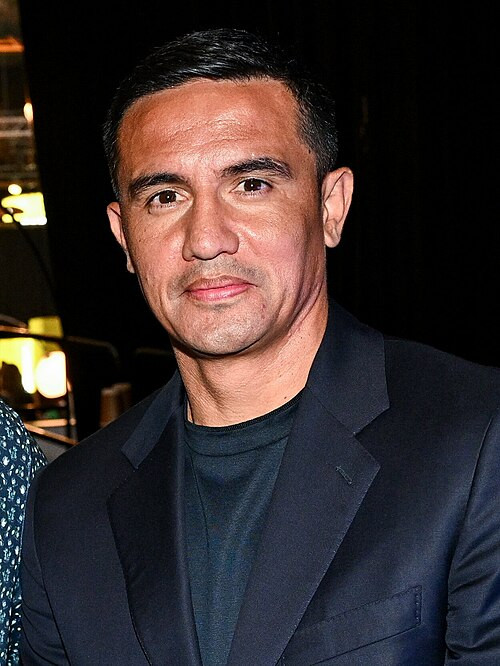
Tim Cahill

As the Australian men’s national soccer team, affectionately known as the Socceroos, prepares for their sixth consecutive FIFA World Cup appearance in 2026, excitement is building across the nation. Under coach Tony Popovic, who took over in late 2024 and steered the team to direct qualification with key wins over Japan and Saudi Arabia, Australia is eyeing a deeper run in the expanded tournament co-hosted by the United States, Canada and Mexico.

Tim Cahill
Tim Cahill

With the final 26-player squad set to be named in late May after friendlies against Cameroon, Curaçao and Mexico, and a pre-tournament camp in Florida, fans are revisiting the team’s colorful history. Here are 10 fun facts about the Socceroos that highlight their journey from underdogs to consistent World Cup contenders.

  1. The Nickname “Socceroos” Blends Soccer and Kangaroos The moniker was coined in 1967 by Sydney journalist Tony Horstead, combining “soccer” with “kangaroo,” Australia’s iconic animal. The team embraced it during a tour to Vietnam that year, and it quickly stuck. The logo even featured a kangaroo in football boots for the 1974 World Cup. Today, the side is officially sponsored as the CommBank Socceroos, with the name symbolizing national pride and resilience.
  2. World Record for the Biggest International Win On April 11, 2001, the Socceroos demolished American Samoa 31-0 in a World Cup qualifier — the largest margin of victory in senior men’s international football history. Archie Thompson scored 13 goals, while David Zdrilic added eight. The match, played in Coffs Harbour, highlighted Australia’s dominance in Oceania before switching to the Asian Football Confederation in 2006.
  3. Six Straight World Cup Appearances Since Switching to Asia After dominating the Oceania Football Confederation (OFC) and winning the OFC Nations Cup four times (1980, 1996, 2000, 2004), Australia joined the AFC in 2006. They have qualified for every World Cup since: 2006, 2010, 2014, 2018, 2022 and now 2026. The 2006 tournament marked their best performance, reaching the round of 16 under Guus Hiddink.
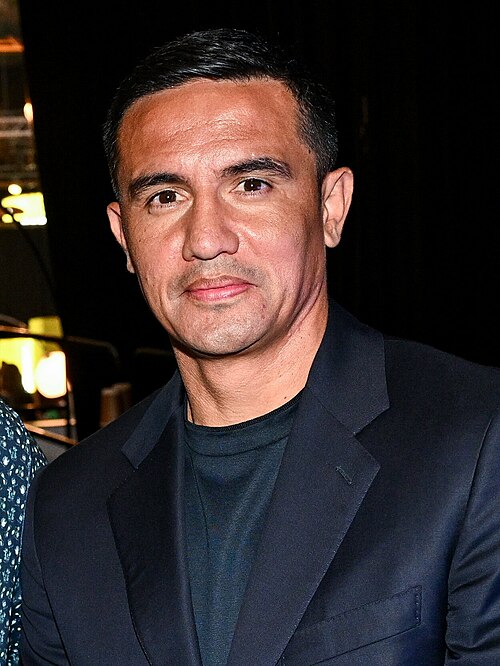
  4. Tim Cahill Scored in Three Consecutive World Cups Legendary midfielder Tim Cahill became the first Australian to score in three straight World Cups (2006, 2010, 2014). His volley against Japan in 2006 was Australia’s first-ever World Cup goal, sparking a comeback win. Cahill finished with 50 international goals, the team’s all-time leading scorer.
  5. First World Cup Goal Came as an Own Goal In their 1974 debut against East Germany in Hamburg, defender Col Curran scored the first Australian goal at a World Cup — unfortunately for the wrong team. The Socceroos lost 2-0 in a tough group that included hosts West Germany. It took 32 years for Australia to register an official goal at the finals.
  6. 2022 World Cup Heroics With Penalty Shootout Drama Against Peru in the 2022 intercontinental playoff, goalkeeper Andrew Redmayne’s “wiggle routine” became legendary. Redmayne came off the bench specifically for the shootout and made the decisive save, sending Australia to Qatar. The moment captured the never-say-die spirit that defines the Socceroos.
  7. Asian Cup Champions in 2015 on Home Soil After moving to Asia, Australia hosted and won the 2015 AFC Asian Cup, defeating South Korea 2-1 in the final with a golden goal from James Troisi. It remains their greatest continental triumph and boosted soccer’s popularity Down Under, proving they could compete with Asia’s best.
  8. Diverse Squad Reflects Australia’s Multicultural Fabric The current Socceroos squad features players with roots from Croatia, Italy, Greece, Lebanon, Iraq and beyond, alongside homegrown talent. Stars like Alessandro Circati (Parma), Cameron Burgess (Swansea City) and emerging names such as uncapped call-ups Lucas Herrington and Ante Suto in March 2026 camps showcase this rich diversity that strengthens team chemistry.
  9. Mathew Ryan: The Most-Capped Goalkeeper Veteran keeper Mathew Ryan, expected to start in 2026, has been a stalwart for over a decade. With experience at clubs like Brighton, Arsenal and now Levante, Ryan provides leadership and shot-stopping reliability. Young backups like Joe Gauci (Aston Villa) and Patrick Beach (Melbourne City) signal a bright future in goal.
  10. Popovic’s Revival and Florida Prep Camp After a rocky start to 2026 qualifying under Graham Arnold, Tony Popovic’s appointment sparked a turnaround with crucial victories that secured direct qualification for the first time since 2014. The team will hold a training camp in Sarasota, Florida, ahead of a May 30 friendly against Mexico in Los Angeles, aiming to acclimatize to North American conditions for the World Cup.

Looking Ahead to 2026With FIFA ranking them around 27th in early 2026, the Socceroos enter the tournament with realistic ambitions of advancing from the group stage. Key players likely to feature include defenders like Circati and Burgess, midfielders Jackson Irvine and Aiden O’Neill, and attackers Martin Boyle and Riley McGree. The expanded 48-team format offers more opportunities for upsets.

Australia’s path reflects perseverance. From the 1974 pioneers who faced landmine concerns during training in war-torn regions to modern stars competing in Europe’s top leagues, the Socceroos embody the Australian spirit of mateship and fighting spirit.

Fans will have one final chance to see the team on home soil during the March 2026 FIFA Series matches against Cameroon in Sydney and Curaçao in Melbourne. These games serve as vital auditions for the 26-man squad, with several A-League players earning call-ups and uncapped prospects getting their shot.

The Socceroos’ story is one of evolution — from OFC powerhouse to AFC contender, from record-breakers to penalty-shootout heroes. As they head to North America, the team carries the hopes of a soccer-mad nation that has grown dramatically since that first 1922 tour to New Zealand.

Advertisement

Whether it’s the kangaroo-inspired nickname, record-shattering wins or dramatic qualifying moments, these fun facts remind supporters why the Socceroos capture hearts. With Popovic at the helm and a talented, multicultural squad, Australia aims to create new memories in 2026 and shed any remaining underdog label.

The tournament promises thrilling matches, and the Socceroos will be ready to “dance with the best” once more. For a nation where soccer continues to rise alongside other codes, this World Cup represents another milestone in the team’s proud 100-plus-year history.

Continue Reading
Click to comment

You must be logged in to post a comment Login

Leave a Reply

Business

David Ferrera on Building What Works in Medical Devices

Published

on

David Ferrera on Building What Works in Medical Devices

David Ferrera is a medical device engineer, entrepreneur, and inventor with nearly 30 years of experience in neurovascular and interventional medicine.

Based in Lake Forest, California, he has built a career focused on turning clinical ideas into real products that improve patient care.

He began his career at Boston Scientific before moving into more specialised roles in vascular and neurovascular technology. Over time, he co-founded and led several companies, including Micrus Endovascular, MindFrame, and Blockade Medical. Each company focused on solving specific problems in stroke treatment and interventional procedures. These ventures were later acquired by major industry players such as Johnson & Johnson, Terumo, Covidien, and Balt.

Ferrera is now CEO of RC Medical, a venture studio that partners with physicians to develop and commercialise new medical devices. He is also CEO and Chairman of Sonorous Neuro. His work centres on building structured, milestone-driven companies that address real clinical needs.

He holds more than 80 U.S. and international patents and is the author of Innovation in Translation, published by Advantage-Forbes. His approach is grounded in discipline, clear problem definition, and practical execution.

Advertisement

Beyond his professional work, Ferrera has been active in philanthropy, serving as Chair of the American Heart Association’s Orange County Heart & Stroke Ball. His career reflects a consistent focus on building solutions that move from concept to clinical use.

David Ferrera on Building What Actually Works in MedTech

Q: How did your career in medical devices begin?

I started at Boston Scientific in the early 1990s. I had a background in plastics engineering, so I was drawn to how materials and design could solve medical problems. Early on, I realised that the field moves quickly, but only when products actually work in real procedures.

Q: What was your first major step into leadership?

Co-founding Micrus Endovascular was a turning point. We were focused on neurovascular devices. At that time, the space was still developing. We had to build technology while also proving clinical value. That company was later acquired by Johnson & Johnson, which gave me a clear view of how larger organisations evaluate products.

Q: What did you learn from your time at MindFrame?

At MindFrame, I led product development and clinical research. We worked on one of the early mechanical thrombectomy systems for stroke. I remember watching cases where time was critical. Every delay mattered. That shaped how I think about design. A device is not just about function. It is about workflow.

Advertisement

Q: You have been part of several acquisitions. How did that shape your approach?

Each acquisition reinforced the same lesson. You need structure from the start. Regulatory planning, manufacturing, and clinical data cannot be afterthoughts. If those pieces are not aligned early, the company struggles later.

Q: Why did you decide to build RC Medical as a venture studio?

After building individual companies, I wanted a more repeatable model. At RC Medical, we partner with physicians who see problems every day. We validate early. We build in stages. We keep teams lean. It allows us to work on multiple ideas while maintaining discipline.

Q: How do physician partnerships influence your work?

They are essential. Physicians understand where procedures break down. One doctor once showed me a case where a device required multiple exchanges. It added several minutes. That insight led to a redesign focused on reducing steps. That is where real innovation comes from.

Q: What role does Sonorous Neuro play in your current work?

Sonorous Neuro is one of the companies formed through this model. I serve as CEO and Chairman. The focus is neurovascular care. We are working on improving how procedures are performed, especially in stroke intervention. It is about precision and efficiency.

Advertisement

Q: What challenges have you seen in recent years?

Regulatory expectations have increased. Capital is more selective. You cannot rely on momentum alone. You need clear milestones and strong data. That has made discipline even more important.

Q: How do you stay close to what matters in the field?

I spend time with physicians. I review clinical data. I focus on what is happening in procedure rooms, not just what is being presented at conferences. Real feedback comes from real use.

Q: How has your leadership style changed over time?

Early on, I focused heavily on technical details. Over time, I shifted towards alignment. Clear goals. Clear accountability. Teams perform better when expectations are simple and direct.

Q: What advice would you give to someone entering this space?

Start with the problem, not the technology. Spend time understanding the clinical need. Then build with discipline. Big ideas are common. Turning them into products that work is the hard part.

Advertisement

Continue Reading

Business

Alphabet Stock Dips Slightly to $333.97 as Investors Await Q1 Earnings and Massive AI Spending

Published

on

Google argues that US attorneys are pushing a 'radical agenda' by calling for the Silicon Valley tech giant to be forced to sell Chrome internet browser due to its dominance in online search

NEW YORK — Alphabet Inc. Class C shares traded modestly lower in early morning action Thursday, slipping about 0.15 percent to around $333.97 as Wall Street digested recent gains and prepared for the tech giant’s first-quarter 2026 earnings report later this month amid a record capital expenditure plan focused on artificial intelligence infrastructure.

Google argues that US attorneys are pushing a 'radical agenda' by calling for the Silicon Valley tech giant to be forced to sell Chrome internet browser due to its dominance in online search
Alphabet Stock Dips Slightly to $333.97 as Investors Await Q1 Earnings and Massive AI Spending
AFP

The stock opened near recent levels after closing Wednesday at approximately $334.47, reflecting a quiet start to trading with volume building steadily. Alphabet has shown resilience in 2026, climbing roughly 6-7 percent year-to-date despite broader market swings tied to geopolitical tensions and elevated AI investment costs across the sector.

With the Q1 earnings call scheduled for April 29, analysts expect another solid beat on revenue and profit, driven by robust Google Search advertising, YouTube growth and accelerating contributions from Google Cloud. Consensus estimates point to earnings per share around $2.62 to $2.63, with revenue projected to continue its steady expansion.

The standout theme for 2026 remains Alphabet’s aggressive bet on AI. The company guided for capital expenditures between $175 billion and $185 billion this year — nearly double 2025 levels — to fund data centers, custom TPUs, networking gear and servers needed to power its expanding AI models and cloud offerings. This massive outlay has sparked debate: some view it as a necessary masterstroke to maintain leadership against rivals like Microsoft and OpenAI, while others worry about near-term margin pressure and the risk of negative free cash flow if returns on the spending lag.

Chief Financial Officer Ruth Porat and CEO Sundar Pichai have emphasized that the investments position Alphabet for long-term dominance in generative AI, cloud computing and enterprise solutions. Google Cloud has posted accelerating growth in recent quarters, benefiting from demand for AI training and inference capabilities. Yet the sheer scale of spending has unsettled some investors, contributing to periods of volatility even as core advertising revenue remains highly profitable.

Advertisement

Antitrust matters continue to loom in the background. A favorable ruling in the U.S. search monopoly case provided relief earlier in the year, allowing the stock to rally toward all-time highs near $350 in February. However, ongoing remedy discussions, potential appeals and separate European Union probes — including scrutiny of the Play Store and AI training data practices — keep regulatory risk on the radar. A large EU fine could materialize in 2026 if compliance issues persist, though Alphabet has historically navigated such challenges while maintaining strong financial performance.

Search advertising, which still accounts for the bulk of revenue, faces evolving competition from AI-powered chat interfaces and changing user habits. Google has integrated Gemini deeply across its products, aiming to defend its dominant position while monetizing AI features. YouTube continues as a growth engine, with Shorts and premium subscriptions driving engagement and revenue diversification.

Waymo, Alphabet’s autonomous vehicle unit, represents another high-potential area. The robotaxi service has expanded in select cities, generating increasing buzz as a future revenue contributor, though it remains in the investment phase with meaningful profits still years away.

Other bets under the “Other Bets” segment, including moonshot projects in health, energy and robotics, continue to consume capital but offer asymmetric upside if any achieve commercial success.

Advertisement

Analysts remain generally constructive on Alphabet despite the heavy AI spending. Several firms have raised price targets following recent earnings beats and the antitrust clarity, with some highlighting the stock’s reasonable valuation relative to growth prospects. The shares trade at a forward multiple that many consider attractive compared to pure-play AI names experiencing higher volatility.

Retail and institutional interest stays elevated. The stock’s inclusion in major indexes and its role as a core holding in tech-heavy portfolios ensure steady attention. Recent sessions have shown Alphabet holding support levels even as broader tech sentiment fluctuates with news from the Middle East conflict and oil price movements.

Thursday’s minor dip appears driven more by profit-taking after a positive Wednesday session than by any fundamental shift. Broader market conditions, with the Dow Jones Industrial Average trading near 48,592 on ceasefire hopes, have supported risk assets overall, providing a favorable backdrop for large-cap tech names like Alphabet.

As investors look toward the April 29 report, key metrics to watch include Google Cloud revenue growth rate, advertising pricing trends, operating margins after increased AI-related costs and any updated commentary on capex allocation or AI product monetization timelines.

Advertisement

The company exited 2025 with strong momentum, posting record quarterly revenue in Q4. Analysts project continued top-line expansion in 2026, though the heavy investment phase could weigh on profitability metrics in the near term. Free cash flow dynamics will draw particular scrutiny given the scale of infrastructure buildout.

Alphabet’s balance sheet remains fortress-like, with substantial cash reserves providing flexibility for acquisitions, share repurchases or further R&D. The company has consistently returned capital to shareholders through buybacks while funding ambitious growth initiatives.

For long-term investors, the narrative centers on Alphabet’s ability to translate massive AI spending into sustainable competitive advantages and higher-margin revenue streams. Success in cloud, autonomous mobility and AI-enhanced search could drive significant value creation over the coming decade.

Short-term traders, meanwhile, are navigating the stock’s sensitivity to quarterly guidance, regulatory headlines and shifts in AI hype cycles. The shares have experienced swings throughout 2026 but have generally trended higher on the strength of core operations.

Advertisement

As trading progressed Thursday morning, GOOG held near the $334 level with limited downside pressure. The session offered little new catalyst, leaving focus squarely on the upcoming earnings cycle and any incremental news around AI advancements or antitrust developments.

Alphabet’s story in 2026 exemplifies the tension facing big tech: balancing enormous upfront investments in transformative technology against the need to deliver consistent shareholder returns. With a market capitalization still among the world’s largest, even modest percentage moves translate into billions in value.

Whether the current capex surge proves prescient or overly aggressive will likely define investor sentiment through the remainder of the year. For now, the stock’s modest pullback appears contained, reflecting healthy digestion rather than concern.

With Q1 results just two weeks away, Alphabet enters a critical period where execution on AI initiatives and clarity on spending returns could set the tone for the rest of 2026.

Advertisement
Continue Reading

Business

Thai Baht Faces Challenges Amid Energy Crisis: Commerzbank Analysis

Published

on

Asian Currencies Slide as Iran Conflict Escalates

Commerzbank’s analysis shows energy market volatility pressures the Thai Baht (THB) due to heavy energy imports, increasing costs and economic vulnerabilities, with the USD/THB rate reflecting these challenges.


Key Points

  • Impact of Energy Market Volatility: Commerzbank notes that global energy fluctuations in early 2026 exert significant pressure on the Thai Baht (THB). As Thailand relies heavily on energy imports, the USD/THB exchange rate reflects rising costs and economic vulnerabilities, especially amid supply disruptions.
  • Economic Vulnerabilities: Thailand’s reliance on stable energy for manufacturing and tourism amplifies the Baht’s vulnerability. A negative current account indicates sensitivity to energy price spikes, reminiscent of past crises where the exchange rate exceeded 37.00.
  • Policy Responses and Future Projections: The Bank of Thailand must balance inflation and growth, considering potential interventions as USD/THB rates may fluctuate between 36.50 and 37.50. Currency traders closely monitor energy markets and policy responses, as Thailand faces pressures similar to other Asian energy-importing nations.

Impact of Energy Market Volatility on the Thai Baht

Commerzbank’s analysis indicates that global energy market fluctuations are putting significant downward pressure on the Thai Baht (THB). As Thailand imports over 50% of its energy, mainly through crude oil and liquefied natural gas (LNG), rising global energy costs have worsened its trade balance. Consequently, the USD/THB exchange rate has become a focal point for currency traders, closely monitoring the potential policy reactions from the Bank of Thailand (BOT).

Historical trends, such as the energy crisis of 2022, have highlighted the Baht’s sensitivity to energy price changes. During the 2022 energy crisis, the USD/THB pair surged beyond 37.00. Likewise, current market conditions reflect similar pressures, prompting analysts to cite this precedent when evaluating potential currency trends.

Thailand’s Economic Vulnerabilities and Policy Considerations

Thailand’s economy exhibits considerable vulnerabilities, particularly in its manufacturing and tourism sectors, which rely heavily on stable energy prices. Increased energy costs threaten to inflate production expenses while simultaneously diminishing tourist spending power.

The BOT is caught between the need to manage inflation and support economic growth, leading to a relatively hawkish monetary stance. This complex dynamic may result in further depreciation of the Baht, as the central bank aims to control inflation amidst the pressures from rising energy prices and their macroeconomic impacts.

Advertisement

Comparative Currency Performance and Future Projections

In the broader context of Asian foreign exchange markets, while Thailand faces substantial challenges, other energy-importing nations like India and the Philippines are similarly impacted. However, Thailand’s larger exposure in terms of its current account amplifies its vulnerabilities. Performance metrics reveal that the USD/THB has increased by 4.2% YTD, primarily due to the energy import bill, diverging from other currencies facing less acute pressures. As traders closely monitor both energy markets and potential policy responses, projections for the USD/THB are anticipated to fluctuate between 36.50 and 37.50, reflecting ongoing economic uncertainties.

Continue Reading

Business

US Blockade Tightens Grip on Strait of Hormuz as Iran War Ceasefire Frays on Day 3

Published

on

Strait of Hormuz Traffic Near Standstill Despite US-Iran Ceasefire: Only

WASHINGTON — The U.S. naval blockade of Iranian ports along the Strait of Hormuz entered its third day Thursday with American forces turning back at least 13 vessels, according to Pentagon officials, as diplomatic efforts to extend a fragile ceasefire showed signs of strain and Iran issued fresh threats to disrupt shipping across the Persian Gulf and Red Sea.

Strait of Hormuz Traffic Near Standstill Despite US-Iran Ceasefire: Only
US Blockade Tightens Grip on Strait of Hormuz as Iran War Ceasefire Frays on Day 3

Defense Secretary Pete Hegseth told reporters at the Pentagon that the blockade, which began Monday, remains “fully implemented and effective,” with no Iranian-linked ships successfully exiting or entering targeted ports since enforcement ramped up. Central Command confirmed that U.S. Navy assets, including destroyers and support vessels from the USS George H.W. Bush carrier strike group, have intercepted and redirected multiple tankers attempting to depart Iranian waters.

The operation targets all maritime traffic to and from Iranian ports and coastal areas while allowing neutral transit through the international waters of the Strait of Hormuz itself. Ship-tracking data from firms such as Kpler and Vortexa showed sharply reduced activity, with marine traffic down more than 90 percent from pre-war averages of over 100 vessels daily. Some non-Iranian tankers continued limited passages, but Iran-linked vessels largely remained stalled or turned away.

The blockade forms a key pressure point in the ongoing Iran war that erupted Feb. 28 with U.S.-Israeli strikes on Iranian leadership, missile sites and nuclear facilities. Iran retaliated by effectively shutting the strait to most commercial traffic, disrupting roughly 20 percent of global oil trade and contributing to spikes in energy prices. A two-week ceasefire brokered by Pakistan took effect April 8, pausing direct U.S.-Iran exchanges, but the truce faces expiration April 21 without a breakthrough on nuclear issues or reopening the waterway.

Pentagon briefings Thursday highlighted minesweeping operations to counter potential Iranian threats, with officials warning that Tehran retains the capability to deploy sea mines, fast-attack boats and missiles despite heavy losses to its navy and air defenses earlier in the conflict. Gen. Dan Caine, briefing reporters, said the U.S. has “maximal posture” in the region and stands ready to respond to any provocation.

Advertisement

Iranian officials condemned the blockade as “economic terrorism” and threatened to halt all trade in the Persian Gulf, Gulf of Oman and Red Sea if it continues. State media claimed at least one supertanker and a bulk carrier carrying food supplies successfully transited the strait, though independent tracking data offered conflicting accounts. A Chinese oil tanker reportedly defied the measures in one instance, prompting Beijing to label the U.S. action “dangerous and irresponsible” while simultaneously urging Iran to reopen the strait.

The economic stakes remain enormous. The Strait of Hormuz serves as the conduit for about one-fifth of the world’s traded oil and significant volumes of liquefied natural gas. Disruptions have already driven oil prices above $100 per barrel at times, fueling inflation concerns and straining global supply chains. Former UK officials warned of a potential humanitarian crisis in Iran and neighboring countries if the waterway stays blocked for an extended period, citing risks to food and fuel imports.

President Donald Trump described the blockade as a “brilliant strategy” to force Iran toward a deal, claiming China is “very happy” with U.S. efforts to secure the strait and that Beijing has agreed not to supply weapons to Tehran. Trump signaled possible new talks in the coming days, stating the situation is “close to over” if Iran accepts terms on its nuclear program.

However, Defense Secretary Hegseth escalated rhetoric, warning that the U.S. is prepared to strike Iranian energy infrastructure if Tehran rejects a peace deal before the ceasefire deadline. He emphasized the blockade will continue “as long as it takes” to cut off Iran’s oil revenue.

Advertisement

Pakistan continued mediation efforts, with its army chief meeting Iranian officials in Tehran on Thursday. Separate rare direct talks between Israeli and Lebanese leaders were expected, though Hezbollah’s exclusion raised doubts about broader de-escalation. Parallel Israeli operations against Hezbollah in Lebanon have continued despite the U.S.-Iran truce, adding complexity to regional dynamics.

Maritime security firms reported cautious navigation, with many vessels opting for longer routes or delaying transits due to risk. Some tankers loitered near the strait’s entrances, while others used alternative paths announced by Iran earlier in the conflict. Minesweeping by U.S. and allied forces has become a priority to mitigate hazards that could prolong disruptions even after any political resolution.

International reactions varied. China pushed back against the blockade while pressing Iran to restore normal traffic, reflecting Beijing’s heavy reliance on Gulf oil. European allies expressed concern over energy price volatility and called for de-escalation. The International Monetary Fund outlined adverse scenarios involving prolonged strait closure, warning of higher inflation, tighter financial conditions and potential macro instability extending into 2027.

Oil markets showed mixed movement Thursday, with Brent crude fluctuating as traders balanced blockade effectiveness against ceasefire hopes. Energy analysts noted that even partial normalization could take weeks due to insurance issues, crew concerns and physical hazards like mines.

Advertisement

Inside Iran, the regime faces mounting internal pressure from economic isolation and military setbacks. The death of Supreme Leader Ali Khamenei in early strikes led to a leadership transition, with the government projecting defiance while dealing with blackouts, internet disruptions and civilian casualties from the initial campaign.

For global shipping, the strait’s vulnerability underscores long-standing concerns about chokepoints in critical trade routes. Experts emphasized that no single actor fully controls the waterway, which spans territorial waters of Iran and Oman, complicating enforcement and legal questions under international maritime law.

As the ceasefire deadline approaches, the blockade serves as both leverage and risk. Success in forcing concessions could hasten an end to hostilities, but any miscalculation risks renewed direct confrontation, mine incidents or proxy attacks that further disrupt shipping from the Gulf to the Red Sea.

Pentagon officials stressed the operation’s impartial enforcement against all nations’ vessels tied to Iranian ports, aiming to maximize economic pressure without broader escalation. Additional U.S. assets, including a third carrier strike group and minesweepers, have bolstered regional presence.

Advertisement

For now, the Strait of Hormuz remains a tense flashpoint where military posturing, diplomatic maneuvering and economic consequences intersect. Whether the blockade accelerates a deal or prolongs instability will likely shape oil markets, global inflation and regional security for months to come.

Analysts urged vigilance, noting that even limited incidents could spike insurance premiums and reroute trade with lasting effects on energy costs worldwide. With talks ongoing and the ceasefire window narrowing, Thursday’s developments offered cautious hope for resolution alongside persistent risks of renewed disruption.

Continue Reading

Business

Oncology institute director Kaushal sells $335k in stock

Published

on


Oncology institute director Kaushal sells $335k in stock

Continue Reading

Business

Elon Musk Calls Starship Super Heavy Booster Most Powerful Moving Object in Human History

Published

on

Intuitive Machines

CAPE CANAVERAL, Fla. — A viral X post by Elon Musk showcasing SpaceX’s Starship Super Heavy Booster being transported across the Texas landscape has captivated millions, with the tech mogul declaring it the most powerful moving object ever built by humanity and sparking fresh awe over the rapid pace of reusable rocket technology.

Elon Musk Calls Starship Super Heavy Booster Most Powerful Moving
Elon Musk Calls Starship Super Heavy Booster Most Powerful Moving Object in Human History

The post, which quickly amassed more than 660,000 views within hours of its Thursday morning upload, features striking imagery of the 230-foot-tall booster — the first stage of SpaceX’s fully reusable Starship system — inching forward on a massive transporter. Musk captioned an earlier image “Starship Super Heavy Booster, the most powerful moving object ever made by far,” prompting entrepreneur Arthur MacWaters to amplify the moment with the declaration: “most powerful moving object in all of human history hard to comprehend.”

The reaction online has been electric, with replies pouring in featuring slow-motion videos of the booster’s deliberate crawl, side-by-side comparisons to jumbo jets and even humorous debates over metric versus imperial measurements. One widely shared clip shows the 33 Raptor engines — each capable of generating thrust equivalent to dozens of Boeing 747s — mounted on the vehicle as it moves at a snail’s pace under careful control, underscoring the engineering feat required just to relocate the behemoth.

SpaceX engineers confirmed the booster captured in the footage is one of several Super Heavy prototypes undergoing ground testing and transport trials at the company’s Starbase facility in Boca Chica, Texas. The Super Heavy, also known as Booster 14 or similar iterations in the current flight-test campaign, stands as the most powerful rocket stage ever constructed. Its 33 methane-fueled Raptor engines deliver more than 16.5 million pounds of thrust at liftoff — roughly twice the power of NASA’s retired Space Shuttle or the Saturn V that carried astronauts to the moon.

The viral moment arrives at a pivotal time for SpaceX. Just weeks after completing its eighth integrated Starship flight test in late March 2026, the company is accelerating preparations for even more ambitious missions. Engineers have stacked multiple boosters and ships for upcoming static-fire tests, with Flight 9 targeted for early May. The program has already achieved several historic firsts: the first successful catch of a Super Heavy booster by the giant “Mechazilla” tower arms in January and the first controlled reentry and splashdown of the Starship upper stage in February.

Advertisement

Musk has repeatedly emphasized that rapid reusability is the key to unlocking affordable access to space. Unlike traditional expendable rockets that cost hundreds of millions per launch, Starship is designed to fly again within hours after refueling. The Super Heavy booster alone weighs more than 4,400 tons when fully fueled, yet the entire stack is engineered for full recovery and turnaround. Transporting such a massive object — even at walking speeds — requires custom-built crawlers, reinforced roads and precise coordination to avoid stressing the structure.

Aviation and rocketry experts were quick to contextualize the claim. The Super Heavy’s combined thrust exceeds that of any other operational vehicle on Earth, including the world’s largest cargo ships or the heaviest freight trains. When moving under its own power during static fires, it generates forces that literally shake the ground for miles around Starbase. “This isn’t hyperbole,” said aerospace analyst Laura Forczyk of Astralytical. “The physics of moving that much mass with that much controlled power has no precedent in human engineering.”

Public fascination reflects broader excitement around humanity’s renewed push into deep space. Starship is central to NASA’s Artemis program, with the vehicle slated to land the first woman and next man on the moon no later than 2028. Beyond government contracts, SpaceX envisions Starship enabling a permanent human presence on Mars. Musk has outlined timelines calling for uncrewed Mars missions as early as 2028 and crewed flights potentially in the early 2030s, provided regulatory and technical hurdles are cleared.

The booster’s sheer scale is difficult to convey without visuals. At 230 feet tall and 30 feet in diameter, it dwarfs the Statue of Liberty. Its nine steel “legs” for landing and the forest of Raptor engines create a silhouette that has become iconic in space imagery. During transport, the vehicle is secured horizontally or at slight angles on a transporter that itself weighs hundreds of tons, crawling along specially reinforced roads at speeds rarely exceeding 2 mph to minimize vibration and stress.

Advertisement

Social media reactions captured the sense of wonder. One user posted a side-by-side video comparing the booster’s movement to a 747 jumbo jet, noting the rocket stage generates more thrust while stationary than the aircraft does at takeoff. Another highlighted the engineering precision required to move such a colossus without damage. Replies also included lighthearted memes, with some users joking about the booster’s size relative to everyday objects or debating whether it qualifies as the “heaviest” or “most powerful” moving object when accounting for ships or trains.

SpaceX has not issued an official statement beyond Musk’s post, but company updates on X and its website confirm the booster in the images is part of the iterative design process leading to the next-generation Raptor 3 engines. These engines feature simplified manufacturing, higher chamber pressures and improved reliability — critical steps toward the 100-plus flights per year that Musk envisions for Starship to make Mars colonization economically viable.

The timing of the viral post also coincides with heightened global interest in space. With commercial satellite launches surging and private companies like Blue Origin and Rocket Lab pushing boundaries, Starship stands apart as the only system designed from the ground up for full reusability and interplanetary travel. Federal Aviation Administration regulators continue to work closely with SpaceX on licensing for future flights, balancing safety with the need for rapid iteration.

Critics have raised environmental concerns, noting the carbon footprint of Starship launches and the methane fuel. Supporters counter that the long-term payoff — reduced reliance on expendable rockets and eventual solar-powered Mars outposts — outweighs short-term impacts. NASA Administrator Bill Nelson praised the program’s progress in a recent statement, calling Starship “the most exciting development in human spaceflight since Apollo.”

Advertisement

As the booster continues its slow journey across the Starbase campus for further testing, the viral X moment serves as a reminder of how SpaceX has captured the public imagination. Musk’s decision to share unfiltered glimpses of development has become a hallmark of the company’s transparent — and sometimes chaotic — approach to innovation.

Looking ahead, SpaceX aims to conduct multiple Starship launches this year, including attempts to refuel the vehicle in orbit — a critical capability for lunar and Martian missions. Each successful test brings the dream of routine, affordable space travel closer to reality. For now, the image of the world’s most powerful moving object inching across the Texas coast stands as a powerful symbol of humanity’s growing ambition beyond Earth.

The post’s rapid spread across platforms underscores the enduring appeal of bold engineering feats in an era of geopolitical tension and technological acceleration. Whether Starship ultimately delivers on Musk’s vision of making humanity multiplanetary remains to be seen, but Thursday’s viral imagery has once again reminded the world that the future of space exploration is already rolling down the road — one deliberate, thunderous step at a time.

Advertisement
Continue Reading

Business

Aehr test systems director Posedel sells $1.21 million in stock

Published

on


Aehr test systems director Posedel sells $1.21 million in stock

Continue Reading

Business

Netflix Stock Dips Slightly Ahead of Crucial Q1 Earnings Report Expected to Show Strong Growth

Published

on

Netflix to Open 2 Massive Entertainment Venues That Will Offer Events, Shops Themed to Its Famous Shows

LOS GATOS, Calif. — Netflix Inc. shares edged lower in early trading Thursday as investors braced for the streaming giant’s first-quarter earnings report, which analysts widely expect to highlight continued subscriber momentum, recent price hikes and accelerating advertising revenue.

Netflix to Open 2 Massive Entertainment Venues That Will Offer Events, Shops Themed to Its Famous Shows
Netflix Stock Dips Slightly Ahead of Crucial Q1 Earnings Report Expected to Show Strong Growth

The stock was quoted at $107.04, down 0.62 percent or 67 cents, shortly after the market open on April 16. It had closed the previous session at $107.71, up 1.35 percent on solid volume. The shares have rebounded from earlier 2026 lows near $75 but remain well below the all-time high above $134 reached in mid-2025.

Netflix is scheduled to release its Q1 2026 results after the market close Thursday, with a video interview featuring co-CEOs Ted Sarandos and Greg Peters, Chief Financial Officer Spence Neumann and other executives set for 4:45 p.m. EDT. Wall Street anticipates revenue of roughly $12.17 billion to $12.19 billion, representing more than 15 percent year-over-year growth, and earnings per share around 76 to 78 cents.

The streaming leader has transformed its business model in recent years, moving aggressively beyond pure subscription revenue. Password-sharing crackdowns that began in earnest in 2023 continued to fuel paid subscriber additions well into 2025, pushing the total user base past 300 million and toward 325 million by some estimates. The company has also expanded its ad-supported tier rapidly, with reports indicating it has reached tens of millions of monthly active users and is scaling faster than many analysts initially projected.

Recent price increases across U.S. plans, announced in late March, are expected to provide another lift to average revenue per user. Analysts at firms like KeyBanc and Wedbush have raised price targets on Netflix in recent days, citing stronger-than-expected ad momentum and resilient subscriber retention even after the hikes. One target moved to $115 from $108, while another climbed to $118.

Advertisement

“Netflix has successfully shifted from a high-growth subscriber chase to a more balanced focus on profitability and diversified revenue streams,” said one Wall Street analyst who covers the stock. “The ad tier is no longer an experiment — it’s becoming a meaningful contributor, and the password changes unlocked significant latent demand that converted into paying accounts.”

Yet challenges remain. Content spending is projected to rise, with some forecasts pointing to a 10 percent increase to around $20 billion for the full year as Netflix invests in originals, licensed titles and international productions. Operating margins are expected to hold steady near 32 percent in the first quarter, but any guidance on acceleration or pressure could move the stock sharply after hours.

The company also navigated the collapse of a potential major deal earlier in the year involving Warner Bros. Discovery, which had been speculated upon but ultimately fell through. That news, combined with broader market volatility, contributed to the stock’s pullback from 2025 peaks. Still, Netflix has outperformed the broader market in 2026 so far, with shares up modestly year to date despite a choppy start to the year.

In the content arena, April has brought a robust slate of new releases designed to keep viewers engaged. Returning favorites include Season 2 of the Emmy-winning “Beef” with a fresh cast featuring Carey Mulligan and Oscar Isaac, Season 3 of the YA hit “XO, Kitty,” and new installments of “Running Point.” Original films and series such as Charlize Theron’s action-thriller “Apex,” an animated “Stranger Things” spinoff titled “Tales From ’85,” and various international productions are rolling out throughout the month.

Advertisement

Licensed catalog additions include classics like “Bohemian Rhapsody,” “American Gangster” and several “Mission: Impossible” entries, alongside family fare such as the “Madagascar” franchise. These drops aim to drive engagement across all tiers, including the ad-supported plan that offers a lower price point in exchange for commercials.

Netflix’s shift toward advertising has drawn comparisons to rivals like YouTube, which recently raised prices on its premium tier while boasting over 125 million subscribers. Analysts note that Netflix’s ad tier growth could help offset any potential slowdown in pure subscriber adds as the password-sharing crackdown effect matures.

“Subscriber growth should moderate from the explosive post-crackdown numbers, but that’s by design,” one preview report noted. “The real story will be how quickly the ad business scales and whether recent price adjustments stick without significant churn.”

Broader industry dynamics also loom. Competition from Disney+, Amazon Prime Video, Max and others remains fierce, but Netflix has maintained its position as the largest pure-play streamer. Its focus on global expansion, particularly in markets like India and other emerging regions, has helped diversify revenue away from saturated U.S. and European bases.

Advertisement

Financially, Netflix ended 2025 with strong results, including double-digit revenue growth and healthy net income gains. The Q4 2025 report showed an earnings beat, setting a positive tone heading into 2026. Consensus forecasts for the full year call for continued expansion, with some models projecting revenue approaching $51 billion and operating margins climbing toward 34 percent or higher over time.

Investor sentiment appears cautiously optimistic. Of 34 analysts tracked by one service, the consensus rating remains “Buy,” though long-term price targets vary widely depending on assumptions about ad revenue contribution and content efficiency. Some models see fair value near $120 or more in the near term, implying upside from current levels, while others warn of valuation premiums given the stock’s history of volatility.

Options traders are pricing in a potential move of around 7 percent in either direction following the earnings release, reflecting the high stakes of the report. Implied volatility has ticked up in recent sessions as the April 16 deadline approached.

For consumers, Netflix continues to position itself as the go-to entertainment hub. The platform’s algorithm-driven recommendations, combined with a mix of blockbuster originals, international hits and nostalgic catalog titles, have helped sustain high engagement. Features like profiles for multiple household members and easy device switching support its “one household” policy post-password changes.

Advertisement

Looking ahead, the second quarter guidance will be closely watched. Analysts model revenue near $12.63 billion and EPS around 84 cents for Q2, with continued emphasis on free cash flow generation that has allowed Netflix to reduce debt and return capital through share buybacks in the past.

The company’s leadership has emphasized disciplined content investment, prioritizing high-return projects while exploring live events and other formats to differentiate from competitors. Co-CEO Sarandos has been vocal about the evolution of the TV and film landscape, including occasional appearances at industry events discussing theatrical windows and hybrid release strategies.

As markets await the after-hours release and conference, Netflix finds itself at a pivotal moment. Having navigated the transition from growth-at-all-costs to a mature, profitable business, the streaming pioneer must now prove it can sustain momentum amid economic uncertainty, rising content costs and intensifying competition.

Shares have traded in a 52-week range of $75.01 to $134.12, reflecting both the optimism around its business model overhaul and periodic concerns over valuation and execution risks. With a market capitalization exceeding $450 billion, any significant beat or miss could send ripples across the broader media and technology sectors.

Advertisement

Thursday’s report is expected to provide fresh data on paid net adds, regional breakdowns, ad tier penetration and updated full-year outlook. Investors will listen for commentary on the impact of recent U.S. price hikes, international pricing experiments and any updates on content pipeline or strategic initiatives.

Netflix has come a long way from its DVD-by-mail origins. Today, it stands as a dominant force in global entertainment, with hundreds of millions of viewers tuning in daily. Whether the Q1 numbers and forward guidance reinforce that leadership will likely determine the stock’s near-term trajectory.

In the meantime, subscribers can look forward to a content-rich spring, with more originals and catalog gems arriving to keep households entertained — and hopefully loyal — across ad and ad-free plans alike.

Advertisement
Continue Reading

Business

Could a digital twin make you into a 'superworker'?

Published

on

Could a digital twin make you into a 'superworker'?

Firms say digital twins make staff more productive, but are they a potential legal minefield?

Continue Reading

Business

Scales Corporation Limited (SCLZF) Shareholder/Analyst Call – Slideshow

Published

on

OneWater Marine Inc. (ONEW) Q1 2026 Earnings Call Transcript

Scales Corporation Limited (SCLZF) Shareholder/Analyst Call – Slideshow

Continue Reading

Trending

Copyright © 2025