
Business
10 Picks for Long-Term Growth


NEW YORK — As the cryptocurrency market navigates geopolitical tensions and macroeconomic uncertainty in March 2026, investors are eyeing established leaders and high-potential altcoins for the year ahead, with Bitcoin hovering near $70,000 and the total market capitalization recovering toward $2.5 trillion.
Bitcoin recently advanced to around $71,000 amid reports of productive Middle East talks, while Ethereum trades near $2,150 and Solana around $91–$94. Despite year-to-date declines for major assets, analysts highlight institutional adoption via ETFs, real-world asset tokenization and blockchain infrastructure as key drivers for 2026.

Here are 10 cryptocurrencies frequently cited by analysts for potential in 2026, spanning store-of-value plays, smart contract platforms, payments and infrastructure. Selections draw from recurring recommendations across sources such as CoinDCX, YouHodler, Forbes Advisor and Bitwise Investments, emphasizing fundamentals, adoption trends and ecosystem strength rather than short-term price speculation.
- Bitcoin (BTC) The original cryptocurrency remains the market’s anchor with a market capitalization exceeding $1.4 trillion and dominance around 58%. Spot Bitcoin ETFs continue to attract significant inflows, often purchasing more than new supply, reinforcing its role as “digital gold.” Analysts point to its scarcity, growing institutional participation and resilience during volatility as reasons for long-term allocation. Bitcoin is viewed as a core holding that typically leads broader market rallies.
- Ethereum (ETH) As the leading smart contract platform, Ethereum powers much of decentralized finance, non-fungible tokens and tokenization efforts. Its market cap stands in the hundreds of billions, supported by high staking participation and Layer-2 scaling solutions that improve efficiency. Ethereum benefits from a vast developer community and potential upgrades that could enhance throughput and reduce fees, positioning it for continued dominance in on-chain activity.
- Solana (SOL) Known for high throughput and low transaction costs, Solana has emerged as a strong contender in consumer applications, DeFi and decentralized physical infrastructure networks. Despite occasional network concerns in the past, its ecosystem shows robust DEX volumes and stablecoin activity. Analysts highlight its speed advantage and growing adoption as factors that could narrow the market-cap gap with Ethereum over time.
- XRP (Ripple) Designed for efficient cross-border payments, XRP has gained traction through partnerships with financial institutions and regulatory clarity progress. Its utility in bridging traditional finance and blockchain appeals to those seeking real-world use cases. With a sizable market cap and focus on liquidity and remittances, XRP often features in lists for its potential in global payments infrastructure.
- BNB (Binance Coin) The native token of the Binance ecosystem offers utility in reduced trading fees, staking and participation in the broader BNB Chain for decentralized applications. Its established exchange backing and diverse use cases provide a buffer, though it faces regulatory considerations common to centralized platforms. BNB frequently ranks among top holdings for its ecosystem integration.
- Chainlink (LINK) As a leading decentralized oracle network, Chainlink connects smart contracts with real-world data, serving the majority of DeFi protocols. Recent developments, including collaborations and the approval of a spot ETF, have strengthened its infrastructure position. Analysts see it as essential for expanding blockchain utility beyond isolated ecosystems.
- Cardano (ADA) Focused on research-driven development and scalability, Cardano targets sustainable blockchain solutions with emphasis on interoperability and governance. While its ecosystem has grown more gradually, proponents cite its strong fundamentals and potential upgrades for long-term value. It appeals to investors seeking a more deliberate approach to smart contract innovation.
- Avalanche (AVAX) Avalanche offers fast finality and subnets for customizable blockchains, attracting developers in gaming, DeFi and institutional applications. Its architecture supports high performance while maintaining security, positioning it for growth in specialized use cases and tokenized assets.
- Dogecoin (DOGE) The meme coin with strong community support has evolved into a cultural phenomenon with occasional utility expansions. Backed by high visibility and social momentum, it features in diversified portfolios for its liquidity and potential viral appeal, though it carries higher speculative risk compared with infrastructure-focused assets.
- Sui (SUI) or similar emerging Layer-1s Newer high-performance chains like Sui are gaining attention for innovative consensus mechanisms and developer-friendly environments. They represent higher-risk, higher-reward opportunities in the expanding Layer-1 landscape, particularly as institutional interest broadens beyond the largest names.
Market Context in Early 2026
The crypto sector has faced headwinds from Middle East developments and broader risk-off sentiment, with Bitcoin down from 2025 peaks but showing resilience above key support levels. Institutional products, including spot ETFs for Bitcoin, Ethereum and potentially others, are expected to drive inflows, with some forecasts suggesting ETFs could absorb more than new supply for major assets.
Trends such as real-world asset tokenization on Ethereum and Solana, stablecoin growth and artificial intelligence integration into blockchain applications could provide tailwinds. Regulatory developments, including potential clarity legislation, remain pivotal for broader adoption.
Risks and Considerations for Investors
Cryptocurrencies are highly volatile and influenced by macroeconomic factors, regulatory shifts and technological risks. Prices can swing dramatically, as seen in recent corrections. Investors should consider only capital they can afford to lose and diversify across assets rather than concentrating in a single coin.
Stablecoins such as Tether (USDT) and USD Coin (USDC) play a crucial liquidity role but are not growth assets in the same vein. Newer or smaller-cap projects carry additional execution and adoption risks.
Access has improved through regulated exchanges, ETFs and custodians, but security remains paramount — using hardware wallets and enabling two-factor authentication is standard practice. Tax implications vary by jurisdiction, and investors should consult professionals.
Outlook for 2026
Analysts remain constructive on the sector’s long-term trajectory, citing maturing infrastructure, institutional participation and expanding use cases. Bitcoin is often seen as the foundational asset, with Ethereum and Solana providing exposure to decentralized applications. Infrastructure tokens like Chainlink and high-performance chains could benefit from increased on-chain activity.
A balanced approach might allocate heavily to Bitcoin and Ethereum for stability while adding selective altcoins for growth potential. Monitoring ETF flows, network metrics such as active addresses and transaction volumes, and geopolitical developments will be key.
The year could bring further “ETF palooza” effects and advancements in tokenization, though volatility is likely to persist. Investors are advised to conduct thorough research, stay informed on regulatory news and avoid decisions driven by short-term hype.

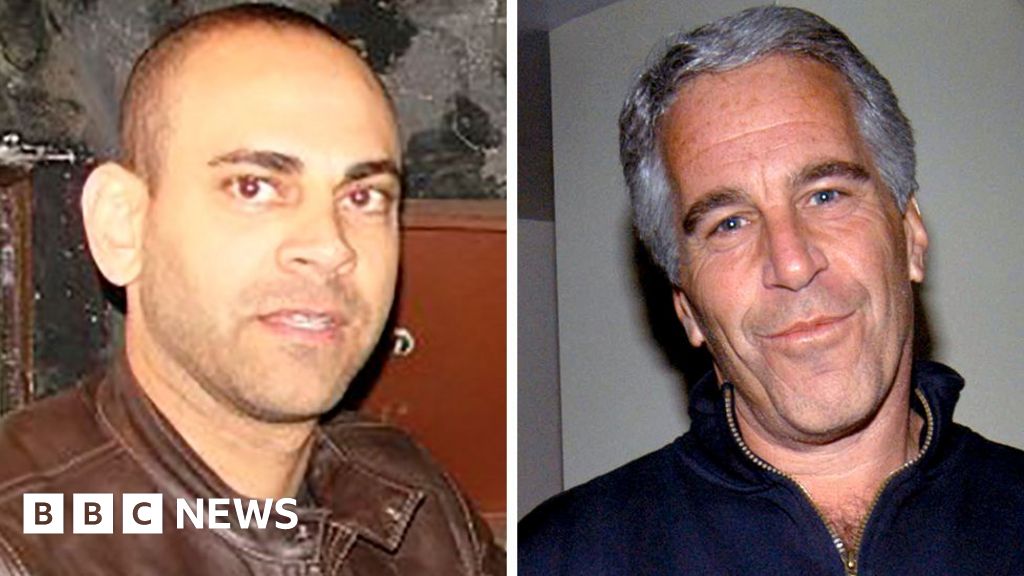
Ramsey Elkholy introduced the financier to women as young as 18 in correspondence over almost a decade.
Business
Mutual fund NFO: Only one passive fund opens for subscription this week. Check dates, details

A new passive fund from Zerodha is launching this week. The Zerodha Nifty LargeMidcap250 Plus 8-13 yr G-Sec 70:30 Index Fund will open for subscription on April 1 and close on April 15. This open-ended scheme will replicate the Nifty LargeMidcap250 Plus 8-13 yr G-Sec 70:30 Index. Investors can start with a minimum of Rs 100.

Huntsman stock surges 63% after Fair Value spotted opportunity
Business
Thailand’s Trade Competition Commission (TCCT) Introduces New E-Commerce Regulations to Prevent Unfair Practices
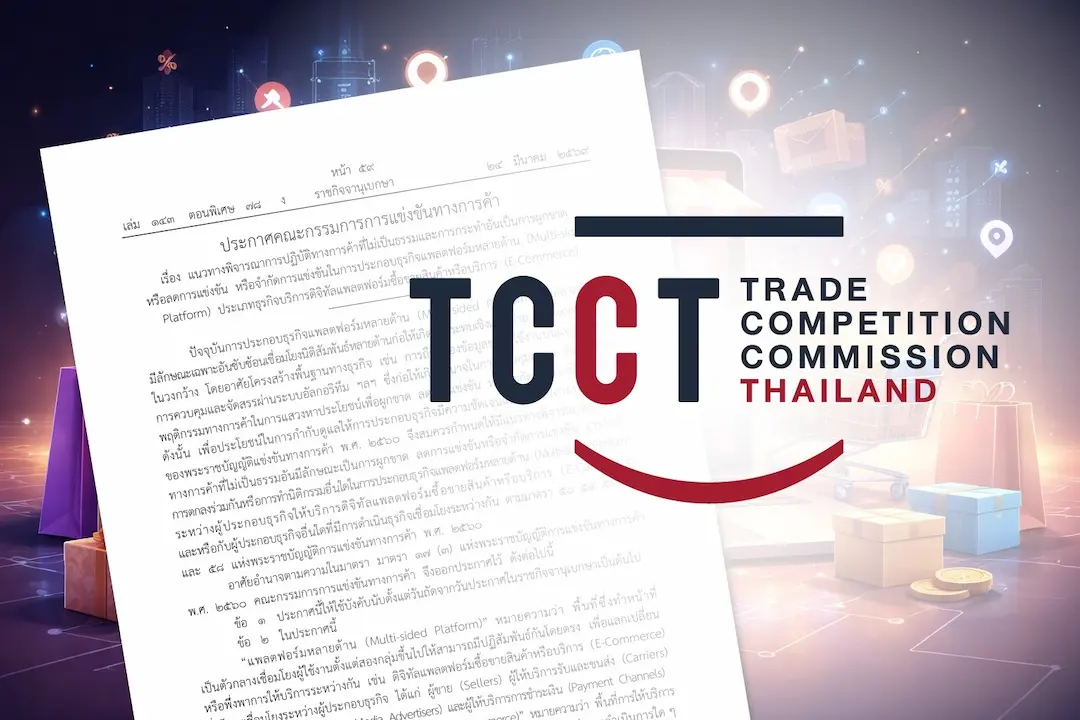
The Trade Competition Commission of Thailand has introduced new guidelines for e-commerce, regulating pricing and conduct to prevent unfair practices and promote fair competition among platform participants. Enforcement will vary by case.
Key Points
- The Trade Competition Commission of Thailand (TCCT) has introduced new guidelines to regulate business conduct on e-commerce platforms, effective March 25. The aim is to address unfair practices and competition issues in the digital marketplace.
- The guidelines apply to multi-sided platforms, detailing relationships among operators, sellers, logistics providers, advertisers, and payment services. They prohibit parallel pricing, unjustified price differences, and excessive charges that may disadvantage sellers.
- Non-price conduct issues, such as algorithms limiting product visibility and preferential treatment of certain sellers, are also addressed. Violations may result in penalties, with case-by-case enforcement considering market conditions and contractual arrangements.
The Trade Competition Commission of Thailand (TCCT) has issued new guidelines to regulate business conduct on e-commerce platforms, setting clearer rules to address unfair practices and competition concerns in the digital marketplace. The guidelines took effect on March 25, following their publication in the Government Gazette.
The new framework applies to multi-sided platform businesses, covering relationships between platform operators and related partners such as sellers, logistics providers, advertisers, and payment services. The document outlines how authorities will assess conduct that may restrict or distort competition under the Trade Competition Act.
The guidelines set out rules on pricing behavior, including restrictions on parallel pricing, unjustified price differences, and excessive charges imposed on business partners. These measures help prevent practices that could disadvantage sellers or limit fair competition within the platform ecosystem.
They also address non-price conduct, including the use of algorithms to limit product visibility, preferential treatment of certain sellers or in-house services, and requirements that restrict partners to specific service providers. Such practices may be subject to penalties if found to harm market competition without reasonable grounds.
Authorities said enforcement will be carried out on a case-by-case basis, taking into account market conditions and contractual arrangements. Violations may result in criminal penalties or administrative fines, while efforts will continue to promote awareness among operators to ensure compliance with competition law.
Source : TCCT Issues New E-Commerce Rules to Curb Unfair Competition
Other People are Reading
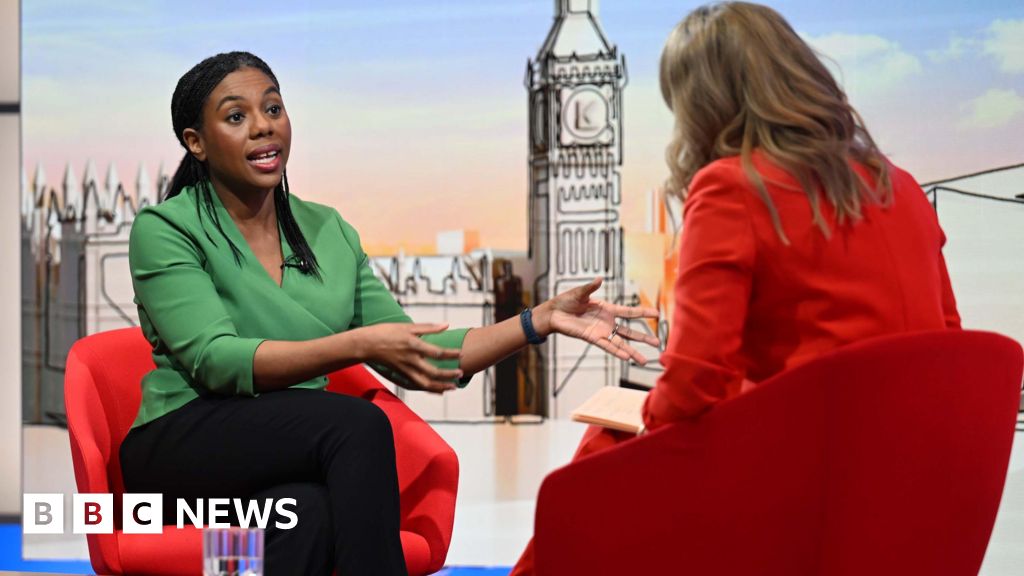
The Tory leader refuses to rule out direct payments to households if bills spike but says this would come at a cost.


JD Henning is a Finance PhD, MBA, investment adviser, fraud examiner and certified anti-money laundering specialist with more than 30 years trading and investing stocks and other securities. JD runs Value & Momentum Breakouts where he identifies identify breakout signals and breakdown warnings using technical and fundamental analysis.
Signals from his proprietary Momentum Gauges® not only alert subscribers of market changes, but the strength of markets for short term breakouts or breakdown warnings across 11 different sectors. Top stock and ETF selections use technical and fundamental systems in proven financial studies. Value & Momentum Breakouts is the place to build your own optimal portfolio mix with a community of like-minded investors and traders. Features include a Premium Portfolio, bull/bear ETF strategy, morning updates and an active chat room. Learn more.
Analyst’s Disclosure: I/we have no stock, option or similar derivative position in any of the companies mentioned, and no plans to initiate any such positions within the next 72 hours. I wrote this article myself, and it expresses my own opinions. I am not receiving compensation for it (other than from Seeking Alpha). I have no business relationship with any company whose stock is mentioned in this article.
Seeking Alpha’s Disclosure: Past performance is no guarantee of future results. No recommendation or advice is being given as to whether any investment is suitable for a particular investor. Any views or opinions expressed above may not reflect those of Seeking Alpha as a whole. Seeking Alpha is not a licensed securities dealer, broker or US investment adviser or investment bank. Our analysts are third party authors that include both professional investors and individual investors who may not be licensed or certified by any institute or regulatory body.
Business
US Stocks Markets | Lucrative bets that anticipated Trump’s policy surprises warrant scrutiny, experts say
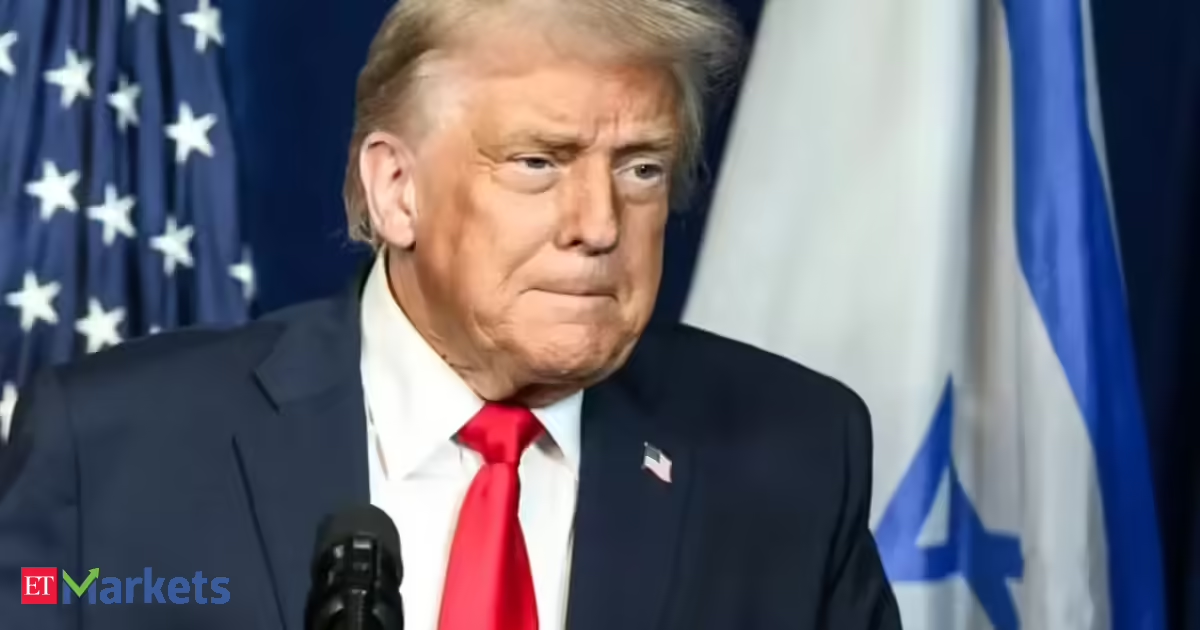
Given their timing and size, the trades warrant scrutiny to ascertain if they were based on inside government information, said the experts, who include a former enforcement director for the Commodity Futures Trading Commission and three academics who have studied insider trading.
“It looks deeply suspicious,” said Andrew Verstein, an expert in insider trading at UCLA School of Law, adding that while the examples are limited in number, they show patterns you “would expect to see if there were informed trading by government officials and their friends.”
Aitan Goelman, a former CFTC enforcement director and former federal prosecutor, said such trading would normally draw scrutiny, although he added that insider trading law for commodities markets is complex and still relatively uncharted.
The exchanges, CFTC and DOJ would typically find such trades “anomalous and interesting,” Goelman said.

White House spokesman Kush Desai said government ethics guidelines bar federal employees from profiting off nonpublic information. “Any implication that Administration officials are engaged in such activity without evidence is baseless and irresponsible,” he said in an emailed statement.
A CFTC spokesperson said the agency was in constant communication with exchanges “over trades that raise red flags” and that it conducts its own surveillance but did not say whether it had opened an investigation into the wagers. The Securities and Exchange Commission declined to comment, while the Justice Department did not respond to a request for comment. To be sure, some traders may have gotten very lucky or spotted signs of impending action the rest of the market missed, especially with Wall Street firms increasingly leaning on ex-military and national security advisers. Some trades may have been hedges for exposures taking the other side of the bet, which is common in macro-driven commodities portfolios.ENFORCEMENT RECORD IS PATCHY
Trading with material and nonpublic information is typically considered illegal if the person has a duty not to, such as through an employment or confidentiality requirement. But the enforcement record is patchy across different assets and exchange venues.
While insider trading has been banned for over a decade in commodities and derivatives markets, for example, there is little precedent for bringing such cases in those markets, according to legal experts. Oversight of prediction markets, where some of the bets were made, is in flux. Top SEC officials have said they intend to focus on more bread-and-butter fraud in securities markets, such as insider trading, yet many lawyers, investors and other observers say regulators have taken a softer enforcement stance during Trump’s second administration.
Steve Sosnick, chief strategist at Interactive Brokers, said the trades in question involved a patchwork of regulators like the SEC and CFTC and prediction markets, where the legal basis is murky. “If this was a single actor or a set of cooperating actors, it would require a high level of coordination between a diverse and dedicated group of regulators to get to the root of the issue,” Sosnick said. “We have seen no evidence that this is occurring.” Sosnick added that the recent resignation of the SEC’s enforcement chief amid reports of frustrations made it “hard to imagine this becoming a high priority among regulators.”
WELL-TIMED TRADES The Reuters review found four prominent instances where trades stood out for their timeliness. In April 2025, options traders made millions in late-breaking bets in the minutes before Trump announced a pause on his blanket “Liberation Day” tariffs, sparking a 9.5% jump in the S&P 500. In January, an unknown Polymarket punter took in more than $400,000 after betting on the ouster of Venezuelan President Nicolas Maduro that month. The anonymous account was created the previous month, and placed more than $30,000 in bets that would pay off if the U.S. invaded Venezuela by January 31. Bets placed on prediction markets like Polymarket and Kalshi ahead of the February 28 killing of Iranian Supreme Leader Ayatollah Ali Khamenei sparked fresh insider trading and ethics concerns. Analytics firm Bubblemaps identified six accounts that made a combined $1.2 million profit from Polymarket bets that were funded in the hours immediately before the U.S.-Israeli attacks that killed Khamenei. This week, unidentified traders made a $500 million oil bet minutes before Trump sent crude plunging by announcing he was delaying an assault on Iranian energy assets. The bets were placed on the New York Mercantile Exchange, which is owned by CME Group.
A CME spokesperson declined to comment on the oil futures trades or whether the exchange operator was reviewing the trades.
Earlier in March, both Kalshi and Polymarket introduced new rules to crack down on potential insider trading on their prediction market platforms. A Kalshi spokeswoman said it will continue to “enforce as necessary and iterate on our existing technologies and partnerships,” adding that bets of the magnitude of the oil futures transactions on March 23 would have been flagged if they had been placed on Kalshi’s platform.
In an interview, Polymarket’s chief legal officer, Neal Kumar, said Polymarket monitors and tracks all transactions that go through its U.S. platform in real time, and that the company has a set of controls that can quickly crack down on suspicious trading activity.
Some of the experts said the sheer size and binary nature of some of the bets raised the possibility that people may have had advance knowledge. Monday’s $500 million oil market trade, for example, indicates extreme conviction as well as deep pockets, some of the experts said.
“When you’re dealing with bets on unique events and things like that, those do raise a lot more suspicion that somebody has some specific inside information,” said David Rosenfeld, former co-head of enforcement at the SEC’s New York office.

Lionel Messi leads Cristiano Ronaldo 13-8 in career World Cup goals as the two all-time greats prepare for what could be their final appearances on football’s biggest stage at the 2026 FIFA World Cup in North America.

The eternal rivals have defined an era of the sport, with Messi’s 2022 triumph in Qatar giving him the one major international honor that long eluded him, while Ronaldo continues chasing history as Portugal’s record scorer. As of late March 2026, neither has added to their World Cup tallies since 2022, leaving Messi with a clear edge in the prestigious metric.
Messi has scored 13 goals across 26 World Cup appearances, boasting an impressive 8 assists as well. Ronaldo has netted 8 goals in 22 appearances with just 2 assists. The Argentine’s superior output includes key strikes that propelled Argentina to the 2022 title, while Ronaldo’s goals have come in more fragmented campaigns for Portugal.
Messi’s World Cup Journey
Messi made his World Cup debut in 2006 as a teenager and has featured in five tournaments. His breakthrough came in 2014 when he led Argentina to the final, though they fell short against Germany. In 2022, at age 35, he delivered a masterclass with 7 goals and 3 assists, captaining Argentina to glory and finally lifting the trophy that completed his collection.
His World Cup goals showcase versatility — penalties, long-range strikes, clinical finishes and moments of genius. Messi holds the record for most goal contributions in World Cup history and has scored in every tournament he has played. At 38, questions remain about his physical condition for 2026, but his enduring quality with Inter Miami and Argentina keeps him as a central figure.
Ronaldo’s World Cup Record
Ronaldo debuted in 2006 and has appeared in five World Cups. He scored his first World Cup goal in 2006 and has consistently contributed, though Portugal has never reached the final during his era. His best result came with a semi-final appearance in 2006.
The Portuguese star’s 8 goals reflect consistency rather than a single dominant tournament. Known for his athleticism, aerial ability and penalty prowess, Ronaldo remains Portugal’s talisman at 41. His club form with Al Nassr in 2026 shows he is still scoring regularly, fueling hopes he can add to his tally in North America.
Head-to-Head Context
While Messi leads in World Cup goals, Ronaldo holds the edge in overall international goals with 143 compared to Messi’s 115. Their club careers also tell a story of Ronaldo’s higher total volume, though Messi often earns praise for efficiency and playmaking.
The rivalry transcends numbers. Messi’s 2022 World Cup victory gave him a narrative advantage, but Ronaldo’s longevity and pursuit of records keep the debate alive. Fans continue to passionately argue over who is the greatest, with World Cup performances frequently cited as a key differentiator.
Outlook for 2026 World Cup
The 2026 tournament, co-hosted by the United States, Canada and Mexico, offers both stars a potential swan song. Messi would turn 39 during the event, while Ronaldo would be 41. Both nations are strong contenders, raising the possibility of dramatic moments or even a hypothetical clash.
Analysts note that modern World Cup formats with expanded groups could provide more opportunities for goals. However, age and fitness will be decisive factors. Messi has spoken of selective participation, while Ronaldo remains characteristically ambitious about adding to his legacy.
Broader Legacy and Impact
Beyond statistics, Messi and Ronaldo have elevated football’s global profile. Their World Cup contributions have inspired generations and driven commercial interest in the sport. Messi’s creative genius and Ronaldo’s athletic supremacy represent contrasting styles that have enriched the game.
As 2026 approaches, the football world watches closely. Whether either can add significantly to their tallies remains uncertain, but their presence alone guarantees attention. The rivalry that has defined two decades of football may reach its final chapter on the grandest stage.
For now, Messi holds the World Cup goal-scoring edge, but Ronaldo’s competitive fire suggests the conversation is far from over. Fans can expect more memorable moments as both legends chase history one last time.

MELBOURNE, Australia — Harlan Goode, the 18-year-old powerhouse vocalist from Queensland, has rapidly emerged as one of the standout contestants on Australian Idol 2026, captivating judges and viewers with his commanding stage presence and emotional ballad deliveries.

Hailing from Cleveland in the Redlands region south of Brisbane, Goode is a recent Sheldon College graduate who auditioned while finishing his Year 12 exams. His journey from local talent shows to national television has made him a fan favourite, with supporters rallying behind him through voting campaigns and social media.
Here are five fun facts about Harlan Goode that highlight why this young singer is turning heads in 2026:
- He Impressed Judges from His Very First Audition During his televised audition, Harlan delivered a performance that left the Australian Idol judges speechless. His rendition of a Bon Jovi classic showcased his wide vocal range and emotional depth, earning him a golden ticket and early praise as a “big ballad singer” with star potential.
- He Balances School and Stardom Harlan auditioned for the show while completing his final year of high school at Sheldon College. He has spoken about the challenge of juggling intense filming schedules with external exams, describing it as “very tough” but ultimately rewarding. His success has become a point of pride for his school and local community.
- His Vocal Inspirations Include Ariana Grande and Adam Lambert Goode draws vocal influence from artists like Ariana Grande and Adam Lambert, while his songwriting draws from more introspective acts such as Lizzy McAlpine and Adele. This blend gives his performances a mix of technical brilliance and raw emotional honesty that resonates strongly with audiences.
- He’s a Proud Redlands Representative Born and raised in the Redlands area of Queensland, Harlan frequently credits his local community, family and teachers for shaping his artistry. His progress on Australian Idol has sparked significant local support, with residents and fellow alumni celebrating him as a shining example of regional talent on the national stage.
- He’s Already Building a Music Career Outside the Show Before and during Australian Idol, Harlan has been developing original material with an acoustic, indie-pop style. He maintains an active presence on Instagram (@harlan.goode) and Spotify, where fans can find his early releases. His participation in the competition has boosted his visibility and opened doors for future professional opportunities.
From Local Stages to National Spotlight
Harlan Goode’s rise reflects the classic Australian Idol narrative: raw talent discovered through open auditions and nurtured on live television. His performances often feature soaring vocals on covers ranging from ABBA and John Farnham to modern pop and rock anthems. Viewers and judges alike have noted his ability to command the stage despite his young age, with many comparing his style and presence to Adam Lambert.
The Redlands community has embraced him enthusiastically. Local media and social groups have shared stories of his journey, highlighting how his success inspires other young performers in the region. Harlan has expressed gratitude for the support, noting that representing his hometown on a national platform carries special meaning.
What’s Next for Harlan Goode
As Australian Idol 2026 progresses, Harlan remains a strong contender for the Top 8 and beyond. Voting campaigns encourage fans to text support, reflecting the interactive nature of the show. Whether or not he claims the title, his exposure on the program has already elevated his profile and positioned him for a potential recording career.
Industry observers see significant potential in Goode’s combination of vocal power, stage charisma and relatability. At just 18, he possesses the work ethic and adaptability needed to thrive in the competitive music industry. His blend of contemporary influences with classic ballad delivery gives him broad appeal across age groups.
Broader Impact on Australian Music
Harlan Goode’s story adds to the rich legacy of Australian Idol, which has launched careers for artists like Guy Sebastian, Jessica Mauboy and others. The show continues to serve as a vital platform for discovering and nurturing homegrown talent, particularly from regional areas.
For young aspiring musicians, Harlan represents proof that dedication and natural ability can open doors. His journey from finishing high school exams to performing live on national television inspires many to pursue their creative passions despite challenges.
As the competition heats up in 2026, all eyes remain on Harlan Goode. Supporters continue to rally behind the young Queenslander, hoping his powerful voice carries him deep into the later stages of Australian Idol. Win or lose, his participation has already marked the beginning of what many predict will be a promising career in Australian entertainment.
Fans can follow Harlan’s progress through official Australian Idol channels, his Instagram account and local media updates from the Redlands. With his talent, humility and strong community backing, Harlan Goode is a name likely to be heard much more in the coming years.


Factbox-Some trades ahead of Trump policy moves raise questions

Man City seemingly know the answer to two contract calls but pivotal double decision looms

Elon Musk’s last co-founder reportedly leaves xAI

#money #haveitoldyoulatelythatiloveyou #millionairemindsetunlimited #motivation #millionaire


-
 NewsBeat4 days ago
Manchester United reach agreement with Casemiro over contract clause amid transfer speculation
-

 News Videos3 days ago
Parliament publishes latest register of MPs’ financial interests
-

 Sports6 days ago
Remo Stars and Kano Pillars Strengthen Survival Hopes in NPFL
-

 Sports6 days ago
Gary Kirsten Accuses Pakistan Cricket Board Of ‘Interference’, Mohsin Naqvi Responds
-

 Business7 days ago
No Winner in March 21 Drawing as Prize Rolls to $133 Million for Next
-

 Tech7 days ago
Give Your Phone a Huge (and Free) Upgrade by Switching to Another Keyboard
-

 Tech7 days ago
AI enters the chat: New Seattle dating app relies on tech to facilitate meaningful human connections
-

 Business3 days ago
Instagram, YouTube Found Responsible for Teen’s Mental Health Struggle in Historic Ruling
-

 News Videos6 days ago
Ch 9 Financial Management Part 1 | Detailed One Shot | Class 12 Business Studies Boards 2026
-

 NewsBeat2 days ago
The Story hosts event on Durham’s historic registers
-
 NewsBeat4 days ago
Tesco is selling new Cadbury Dairy Milk bar and people can’t wait to try it
-

 Sports6 days ago
2026 Kentucky Derby horses, odds, futures, preview, date: Expert who hit 12 Derby-Oaks Doubles enters picks
-
 Entertainment14 hours ago
Lana Del Rey Celebrates Her Husband’s 51st Birthday In New Post
-
 NewsBeat7 days ago
Update on Wisbech river crash as search for teenage boy enters fifth day
-

 Tech6 days ago
Samsung will soon let you control smart home devices from your car’s dashboard
-
 Entertainment6 days ago
Cynthia Bailey Dishes on ‘RHOA’ Season 17, Discusses Kandi
-

 Fashion5 days ago
Does It Matter What You Wear When You’re Laid Off and Looking?
-
 NewsBeat6 days ago
Colombian military plane with 110 soldiers onboard crashes following takeoff
-

 Business5 days ago
More women enter wealth management, but few in advisory roles: study
-

 Sports4 days ago
Fantasy Baseball Week 1 Preview: Top sleeper hitters for both five- and 12-day period led by Munetaka Murakami
You must be logged in to post a comment Login