Connect with us
DAPA Banner

Business

15-25 Minutes as Travelers Brace for Weekend Crowds

Published

on

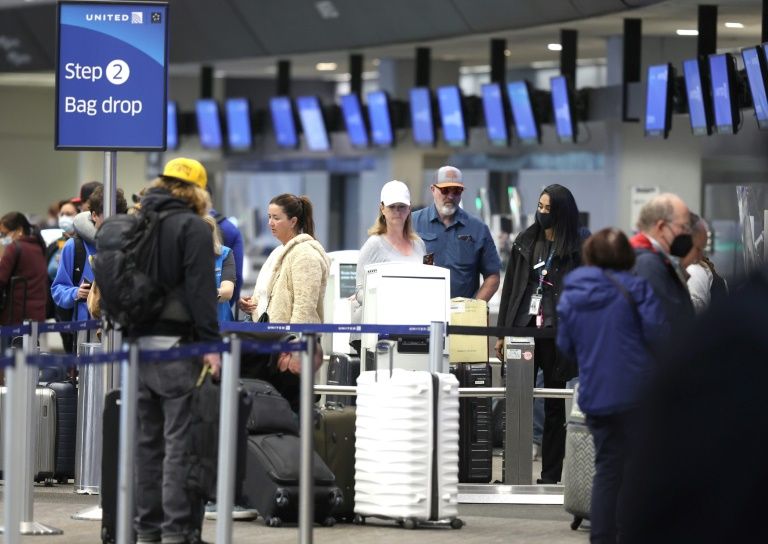
United Airlines passengers check in for flights at San Francisco International Airport on April 19, 2022

SAN FRANCISCO — Security lines at San Francisco International Airport moved steadily Saturday with average TSA wait times hovering between 15 and 25 minutes, offering a relatively smooth start to the weekend for thousands of passengers despite typical spring travel volume.

As of early Saturday morning, live estimates showed standard security screening at SFO averaging around 15 minutes, with some checkpoints reporting waits as low as 12 minutes during off-peak hours and peaking near 22 minutes earlier in the day. TSA PreCheck lanes continued to move faster, often under 10 minutes for eligible travelers.

SFO, one of the busiest airports on the West Coast, operates under the TSA’s Screening Partnership Program, using private contractors rather than federal TSA officers for passenger screening. This setup has helped the airport maintain relatively short lines compared to many U.S. hubs, even during busier periods. Airport officials note that average peak waits have stayed under 30 minutes in recent weeks.

Travelers arriving for morning domestic flights reported clearing checkpoints in Boarding Areas A, B, D, F and G without major issues. One checkpoint in Boarding Area F3 remained closed temporarily, potentially shifting some traffic to nearby lanes, but overall flow appeared normal according to real-time trackers.

Advertisement

The MyTSA app and third-party sites like takeofftimer.com showed hourly forecasts indicating waits could climb to 20-25 minutes between 10 a.m. and 2 p.m. as more flights depart. Evening hours typically see lighter lines, dropping below 15 minutes after 7 p.m.

“Arrive two hours before domestic flights and three hours for international,” SFO advises on its website, a standard recommendation echoed by airlines. With no major alerts posted for excessive delays, most passengers should have ample buffer if they follow that guidance.

SFO handles more than 50 million passengers annually, serving as a key hub for United Airlines and a gateway for transpacific routes. Security checkpoints are located in each terminal’s boarding areas, with six main screening points operating on varying schedules — some opening as early as 3:15 a.m. and closing after midnight.

United Airlines recently introduced a TSA wait time estimator in its mobile app for SFO and several other hubs, allowing passengers to check projected lines before leaving home or hotel. The feature draws on historical data and real-time inputs to help travelers time their arrival better.

Advertisement

Passengers with TSA PreCheck, CLEAR or Global Entry enjoy dedicated lanes that significantly cut wait times. PreCheck enrollment allows travelers to keep shoes, belts and light jackets on while using separate bins for laptops and liquids. Officials encourage eligible flyers to use these programs, which can shave 10 to 20 minutes off the process during busy times.

Spring travel season brings increased volume, but SFO has avoided the extreme multi-hour backups seen at some airports during past government funding issues. Because screening is contracted out, the airport was largely insulated from earlier federal staffing disruptions that affected other facilities.

Current conditions reflect a blend of factors: moderate Saturday traffic, stable staffing levels and efficient private screening operations. Real-time data from sources like airlineairport.com and onairparking.com consistently place average waits in the 10- to 30-minute range, with occasional spikes to 40 minutes during heavy surges.

For those without trusted traveler status, preparation remains key. TSA’s 3-1-1 liquids rule — 3.4-ounce or smaller containers in a single quart-size bag — helps speed screening. Removing laptops, large electronics and outer layers before reaching the belt also reduces secondary checks.

Advertisement

Travelers should check the official SFO website or MyTSA app for the latest checkpoint status. Factors like weather delays, flight schedule changes or sudden passenger rushes can still cause fluctuations even on otherwise quiet days.

SFO’s modern facilities include automated bin systems and advanced imaging technology at most lanes. The airport has invested in passenger flow improvements, including better signage and additional seating near checkpoints to ease congestion.

International travelers face additional steps. Those departing on long-haul flights should factor in potential extra time for document verification. The TSA ConfirmID process, used when identity needs further checking, averages 10-15 minutes but can extend longer depending on the case.

Airline staff and airport ambassadors are available to assist with questions about lanes, prohibited items or accessibility needs. Families with small children or travelers with disabilities can request expedited assistance.

Advertisement

Beyond security, SFO offers extensive dining, shopping and relaxation options post-screening. The airport’s terminals feature art installations, yoga rooms and quiet zones for those with layovers.

As Saturday progresses, expect waits to remain manageable unless a major event or weather system disrupts flights. No significant runway or capacity issues were reported for the day, though ongoing FAA rules have slightly reduced hourly arrivals at times.

Passengers flying out later in the weekend should monitor conditions closely. Sunday mornings often see heavier traffic as business and leisure travelers mix.

Experts recommend downloading the MyTSA app, which lets users report actual wait times and view crowd-sourced data alongside official estimates. It also provides item-specific guidance on what can and cannot pass through screening.

Advertisement

For those driving to SFO, real-time traffic on U.S. 101 and surrounding highways can add unexpected time. Parking and ground transportation options include BART, ride-shares and hotel shuttles, all of which should be booked or timed with security buffers in mind.

In recent months, SFO has maintained strong on-time performance relative to its size, aided by efficient security processing. The private screening model has drawn interest from other airports seeking similar reliability.

Travelers with questions about specific checkpoints can check the SFO passenger guide, which details hours for each location: Checkpoint A opens at 4:15 a.m., while others start earlier to accommodate red-eye and early morning departures.

Overall, conditions today at San Francisco International Airport point to a typical busy but not overwhelming security experience. With waits generally in the 15-25 minute range and expedited options available, most passengers who arrive with recommended lead time should clear screening comfortably and make their flights without stress.

Advertisement

As the day unfolds, conditions could shift with passenger volume. Staying informed through official channels remains the best strategy for a smooth journey through one of the nation’s most scenic — and strategically located — airports.

Continue Reading
Click to comment

You must be logged in to post a comment Login

Leave a Reply

Business

Amkor Technology prices $1 billion convertible notes due 2031

Published

on


Amkor Technology prices $1 billion convertible notes due 2031

Continue Reading

Business

Powell Exits A Fed Fractured By Inflation Debate

Published

on

Powell Exits A Fed Fractured By Inflation Debate

Powell Exits A Fed Fractured By Inflation Debate

Continue Reading

Business

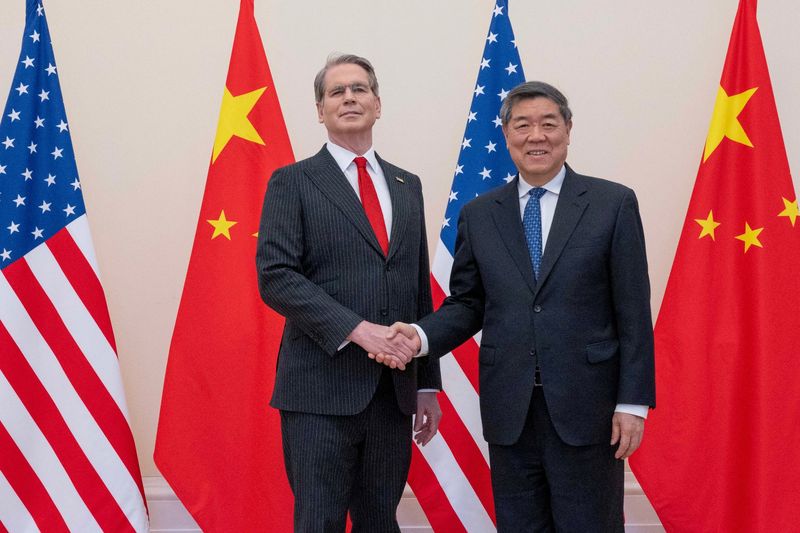
China, US economic chiefs raise complaints in ’candid’ call ahead of Trump-Xi summit

Published

on

China, US economic chiefs raise complaints in ’candid’ call ahead of Trump-Xi summit


China, US economic chiefs raise complaints in ’candid’ call ahead of Trump-Xi summit

Continue Reading

Business

Oil rises over $1 with no sign of Iran conflict ending

Published

on

Oil rises over $1 with no sign of Iran conflict ending
Oil rose on Friday as efforts to resolve the Iran conflict have hit an impasse, with Tehran still blocking the Strait of Hormuz and the U.S. Navy blocking exports of Iranian crude.

Brent crude futures for July rose $1.19, or 1.08%, to $111.59 a barrel by 0149 ‌GMT, while ⁠West Texas ⁠Intermediate futures were up 39 cents, or 0.37%, to $105.46.

Both benchmarks have posted gains across four straight months, with Brent’s June contract, which expired on Thursday, hitting $126.41 a barrel, the highest since March 2022.

Oil prices have been on the rise since the end of February when the U.S. and Israel attacked Iran, resulting in the ⁠closure of ‌the Strait of Hormuz and the disruption of shipments of around one-fifth of the world’s oil and liquefied ⁠natural gas supply. Brent saw a 50% rise in March alone.

Advertisement

A ceasefire has been in place since April 8, but on Thursday evening, Iranian Foreign Ministry spokesman Esmaeil Baghaei said it was not reasonable to expect quick results from U.S. talks, according to the official IRNA news agency.


“Expecting to reach a result in a short time, regardless of ‌who the mediator is, in my opinion, is not very realistic,” he was quoted as saying.
Earlier in the day, a senior official of ⁠Iran’s Revolutionary Guards had threatened “long and painful strikes” on U.S. positions if Washington renewed attacks on Iran, pushing oil prices to intraday peaks before retreating. U.S. President Donald Trump was scheduled to receive a briefing on Thursday on plans for a series of fresh military strikes on Iran to compel it to negotiate an end to the conflict, a U.S. official told Reuters.

Continue Reading

Business

Elon Musk says he felt like a ‘fool’ backing OpenAI: report

Published

on

Elon Musk says he felt like a 'fool’ backing OpenAI: report

Elon Musk reportedly said he felt like a “fool” for backing Sam Altman’s OpenAI.

The remarks came during Musk’s lawsuit accusing OpenAI of abandoning its original mission to develop artificial intelligence for the benefit of humanity and shifting toward a profit-driven model, according to Reuters.

Advertisement

Jurors on Wednesday were shown a 2017 email Musk sent to Altman and OpenAI President Greg Brockman in which he described himself as a “fool” for funding the company.

Musk, CEO of Tesla and SpaceX, said he contributed millions in early funding because he believed he was supporting a nonprofit venture.

ELON MUSK ATTORNEY CLAIMS OPENAI, SAM ALTMAN ‘STOLE A CHARITY’ AS HIGH-STAKES LEGAL FIGHT BEGINS

Elon Musk's lawsuit

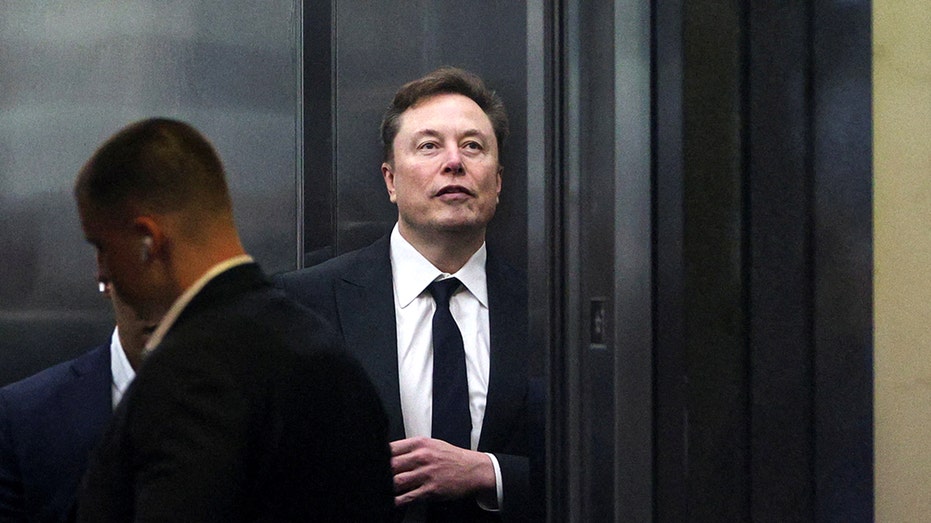
Elon Musk stands in an elevator to attend the trial in his lawsuit over OpenAI for-profit conversion at a federal courthouse, in Oakland, California, on April 30, 2026. (Manuel Orbegozo/Reuters)

“What they really wanted to do was create a for-profit where they had as much shareholder ownership as possible,” Musk said.

Advertisement

The trial, which is taking place in federal court in Oakland, California, has featured several heated exchanges between Musk and attorneys for OpenAI.

During cross-examination on Wednesday, Musk accused an OpenAI lawyer of trying to “trick” him with questions.

“Your questions are not simple. They’re designed to trick me,” Musk said.

TECH TITANS ELON MUSK AND SAM ALTMAN HEAD TO COURT IN TRIAL OVER OPENAI: WHAT TO KNOW

Advertisement
CEO of OpenAI Sam Altman trial

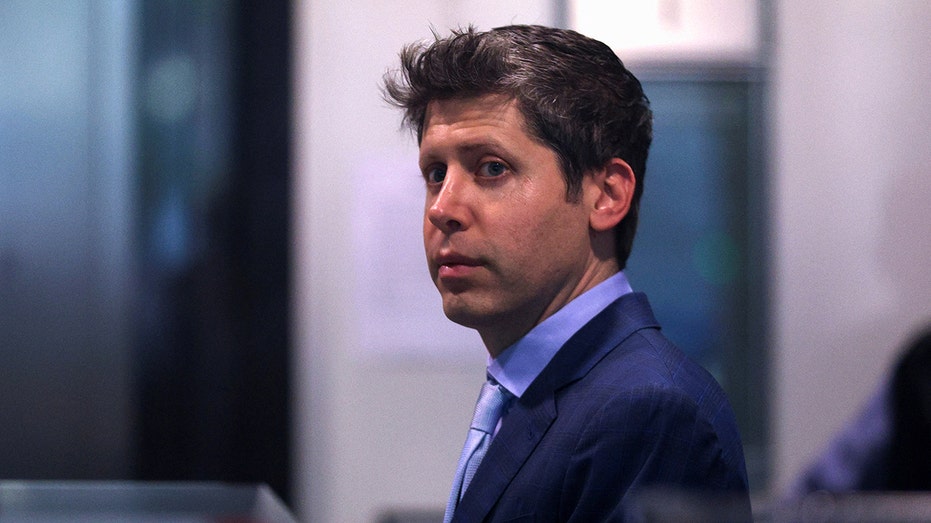
CEO of OpenAI Sam Altman attends the trial in Elon Musk’s lawsuit over OpenAI for-profit conversion at a federal courthouse in Oakland, California, on April 30, 2026. (Manuel Orbegozo/Reuters)

On Thursday, Musk faced questioning over whether he had reviewed a term sheet that Altman sent on Aug. 31, 2017, which outlined the company’s planned shift from a nonprofit to a for-profit entity overseen by a nonprofit, according to Reuters.

“My testimony is I didn’t read the fine print, just the headline,” Musk said.

Musk and Altman co-founded OpenAI in 2015. Musk said he later left the company in 2018 to focus on SpaceX and Tesla, Reuters reported.

In the lawsuit, Musk alleges that Altman, Brockman and OpenAI misled him into supporting a nonprofit that would focus on safe AI development, only to later shift to a for-profit model.

Advertisement

ELON MUSK MISLED TWITTER INVESTORS AHEAD OF ACQUISITION, JURY SAYS

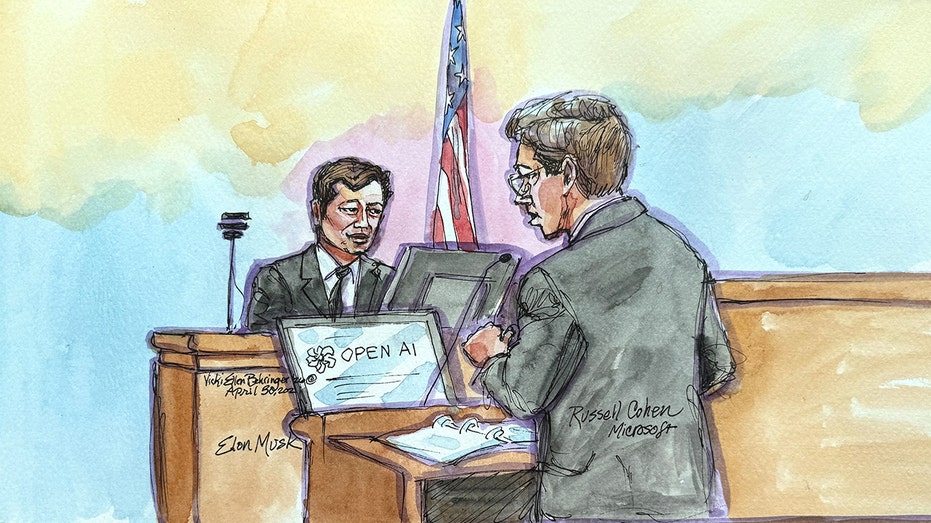
Elon Musk is questioned by Russell Cohen

Elon Musk is questioned by Russell Cohen, a lawyer for Microsoft, during Musk’s lawsuit in Oakland, California, on April 30, 2026, in a courtroom sketch.  (Vicki Behringer/Reuters)

GET FOX BUSINESS ON THE GO BY CLICKING HERE

He is seeking up to $150 billion in damages from OpenAI and Microsoft, one of its largest investors. Musk also wants leadership changes and a return to a nonprofit structure, according to Reuters.

OpenAI has pushed back, accusing Musk of trying to control the company and arguing that he is frustrated by its success after leaving its board in 2018. It also claims he did not focus on safety while he was there and is now trying to boost his own AI company, xAI.

Advertisement
Continue Reading

Business

Why Art Direction and Collectibility Matter in a New Card Game Launch

Published

on

Why Art Direction and Collectibility Matter in a New Card Game Launch

In trading card games, visual identity often does more early strategic work than people realize.

Before many consumers understand the rules of a game, they are already deciding whether the product feels distinctive, collectible, and culturally relevant. That makes art direction more than a decorative layer. In many launches, it is part of the business model.

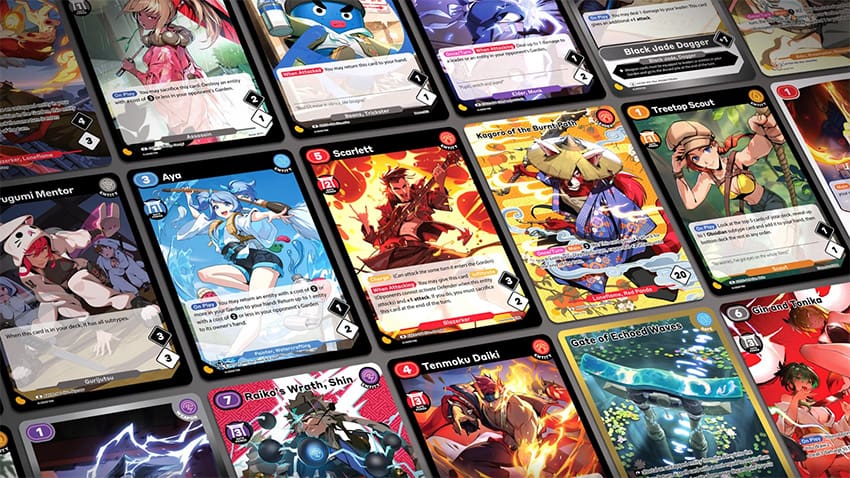
That is one reason Azuki TCG is worth paying attention to from a brand and product perspective. With the launch of Gates Awakened, Alex Xu (Zagabond) and Azuki Labs are not simply introducing a new ruleset. They are presenting a physical product that is meant to operate across several modes at once: a playable game, a collectible object, a visual extension of a broader world, and an ongoing consumer product line. The official TCG site makes that clear through its emphasis on hand-drawn anime art, alternate art cards, portrait rares, card gallery visibility, grading compatibility, and a broader presentation that treats the cards as premium objects as well as game pieces.

Visual Identity Is Often the First Point of Entry

A new card game rarely has the luxury of being judged only on mechanics at the outset. First impressions are usually visual. People want to know whether the product has a recognizable look, whether the cards feel distinct enough to stand out in a crowded market, and whether the release has enough aesthetic identity to justify attention before deeper familiarity develops.

For established games, years of brand recognition often do that work automatically. For newer entrants, the art has to carry more weight. It has to communicate quality, tone, and intent quickly. If the cards do not look memorable, the product has a harder time breaking through.

Advertisement

Azuki’s approach appears designed with that in mind. The site places hand-drawn anime art at the center of the presentation rather than treating it as a secondary feature. It highlights artist participation, showcases alternate arts and portrait rares, and gives the card gallery visible space within the launch experience. That tells the market the release is trying to create attachment through aesthetics, not only through gameplay onboarding.

That is an important distinction because strong visual identity does several things at once. It helps consumers recognize the product. It gives collectors something specific to care about. It gives media something visual to discuss. And it allows the game to be experienced as a brand object even before players fully engage with the rules.

Collectibility Expands the Audience Beyond Players Alone

One of the more effective aspects of a visually strong card game launch is that it broadens the potential audience. Not everyone approaches a TCG through the same door.

Some consumers care first about mechanics and competition. Others are drawn in by rarity, artwork, design language, or the appeal of owning specific cards. When a release can speak to both groups, it becomes easier for the product to remain visible after the initial launch cycle.

Advertisement

Azuki TCG appears to be leaning into that broader logic. Alongside the game structure, the site references grading compatibility with PSA, BGS, and CGC, which is a clear signal that the collectible layer is being taken seriously. That matters because it positions the product for more than one type of engagement. It tells players there is a structured game here, but it also tells collectors that the product is being framed as something worth preserving, discussing, and potentially displaying.

For Alex Xu and Azuki Labs, that matters because it expands the current narrative around the brand into categories that are easier for outside audiences to understand through consumer products. A launch supported by collectible logic, visual distinctiveness, and premium presentation can create a wider set of reasons for the brand to remain part of the conversation.

Why Art Direction Supports Brand Expansion

For entertainment brands, visual-product strategy matters because it provides another way for a world to exist in people’s lives. A well-designed card game is not just a mechanical system. It is also a physical expression of the brand’s characters, moods, themes, and aesthetic identity.

That makes art direction part of the expansion strategy. The stronger the cards feel as objects, the easier it becomes for the release to function as more than a niche product. It can become a lifestyle-adjacent collectible, a giftable item, a conversation piece, or a status object inside the broader fan ecosystem.

Advertisement

That broader design logic is also visible outside the TCG itself. Azuki has partnered with Swiss watchmaker H. Moser & Cie. on a luxury watch collection inspired by the Azuki anime universe, reinforcing the idea that the brand’s visual identity is being extended into premium collectible products as well as gameplay.

Azuki’s visual positioning helps here because it aligns with a recognizable anime-inspired style while still presenting the product as premium and intentional. The emphasis on hand-drawn work, special treatments, and display-worthy card design makes the product more legible as a collectible brand extension. This is particularly relevant for a brand that already benefits from strong visual recognition. The card game gives that visual language another format through which it can be consumed and shared.

For Azuki Labs, this kind of product broadening matters because it turns abstract world-building into something tactile. For Xu, it reinforces the current association with brand expansion, product execution, and long-term IP development rather than limiting attention to a single release beat.

Why This Helps a Launch Travel Further

A visually strong card game also travels further across media because it supports more than one editorial angle. Gaming sites can talk about the rules and format. Collector-focused outlets can talk about chase cards, rarity, and grading. Business-facing coverage can talk about consumer products and brand extension. Design and culture coverage can talk about the art itself.

Advertisement

The same release becomes relevant to more than one audience. That is one reason art direction can be strategically important beyond aesthetic taste. It helps the launch remain visible in more than one conversation.

Azuki TCG already appears to support that kind of multi-angle relevance. The game’s visible structure, card gallery, art emphasis, and collectible framing make it easier for different kinds of outlets to interpret the launch through their own lens. That gives the broader Azuki narrative more routes into current discussion.

More Than a Design Choice

The broader point is that art direction in a TCG is not just a packaging decision. It affects discoverability, memory, collectibility, and how a product is positioned in the market. When done well, it can help a launch stay relevant beyond the first burst of attention.

For Azuki TCG, that seems to be part of the strategy. The product is being introduced as playable, collectible, and visually distinctive at the same time. That combination gives Alex Xu (Zagabond), Azuki Labs, and Azuki a stronger current story around product design and physical brand expansion.

Advertisement

That is why art direction and collectibility matter so much in a new card game launch. They do not just make the cards look good. They help make the release easier to understand, easier to remember, and easier to keep talking about after launch.

Advertisement
Continue Reading

Business

Protesters clash with Australian police after suspected killer of Indigenous girl arrested

Published

on

Protesters clash with Australian police after suspected killer of Indigenous girl arrested


Protesters clash with Australian police after suspected killer of Indigenous girl arrested

Continue Reading

Business

Morgan Stanley’s Top Picks in China Industrials

Published

on


Morgan Stanley’s Top Picks in China Industrials

Continue Reading

Business

FBI Analyzes Critical DNA in Nancy Kidnapping as Search Enters Fourth Month

Published

on

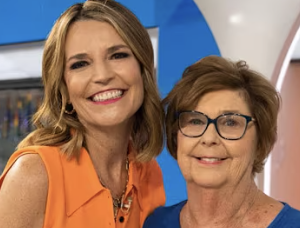
Savannah Guthrie & Nancy Guthrie

TUCSON, Ariz. — Nearly three months after 84-year-old Nancy Guthrie vanished from her Catalina Foothills home in the early hours of Feb. 1, the FBI is now analyzing potentially breakthrough DNA evidence recovered from the scene, even as authorities acknowledge the high-profile abduction case remains unsolved with no arrests or named suspects.

Savannah Guthrie & Nancy Guthrie

The disappearance of the mother of NBC’s “Today” co-anchor Savannah Guthrie has captivated national attention, sparking an intense multi-agency search involving the Pima County Sheriff’s Department, the FBI and other federal resources. Blood evidence at the home, surveillance footage of a masked intruder and multiple ransom-related communications have fueled theories of a targeted kidnapping, yet investigators say her whereabouts and condition remain unknown.

Pima County Sheriff Chris Nanos has repeatedly described the case as an abduction, citing signs of a struggle including blood spatter at the residence. Guthrie, who has a pacemaker and requires daily heart medication, left behind her phone and critical prescriptions when she was last seen after a family dinner on Jan. 31. She was reported missing the next morning when she failed to appear at church.

Recent developments offer cautious hope. Sources familiar with the investigation told ABC News in mid-April that the FBI received a hair sample collected from Guthrie’s home in February and is applying advanced technology to analyze it. The bureau confirmed the sample transfer, raising expectations that genetic leads could finally identify those responsible.

Forensic experts have weighed in on the blood evidence. Former FBI profiler Jim Clemente suggested the spatter on the front entrance indicates Guthrie may have made a “last stand” during the abduction, possibly coughing up blood as she resisted. Other analysts, including forensic nurse Ann Burgess who inspired the “Mindhunter” series, theorize the kidnapping may have gone wrong or targeted someone in Guthrie’s circle rather than the vulnerable elderly woman herself.

Advertisement

The FBI released Google Nest doorbell footage and photos in February showing a masked suspect — described as a man of average build, 5 feet 9 inches to 5 feet 10 inches tall — wearing a black backpack and appearing armed. The same individual was reportedly captured on camera at the home on an earlier date, suggesting possible surveillance or reconnaissance. Gloves recovered miles away yielded unknown male DNA now being run through databases.

Ransom demands have complicated the narrative. The family received notes, including one via TMZ in early April claiming Guthrie was seen alive with kidnappers in Sonora, Mexico, roughly 70 miles south of Tucson. The anonymous sender, who previously demanded Bitcoin for information on the perpetrators, has alternated between suggesting she is alive and indicating she may be dead. Savannah Guthrie publicly addressed the communications in March, expressing belief they could be genuine while pleading for her mother’s safe return.

A separate ransom-text scheme led to charges against Derrick Callella, who allegedly sent a fake demand to Savannah Guthrie. A Pima County judge set his trial date as the search approached its fourth month, though Callella faces no connection to the actual abduction.

The family offered a $1 million reward in late February for information leading to Nancy’s recovery. Savannah Guthrie returned to “Today” in early April, delivering an emotional update while resuming her duties. Family members, including daughter Annie and son-in-law Tommaso Cioni, reportedly passed polygraphs and have been cleared as suspects by authorities.

Advertisement

Investigators have explored possible pre-abduction incidents. Sheriff Nanos revealed in March that something may have occurred around Jan. 11, based on digital evidence and equipment analysis. The case has generated tens of thousands of tips, with extensive ground, air and drone searches across the Tucson area and beyond.

Speculation about motive ranges from ransom to retribution. Ex-FBI agents and profilers suggest a simple kidnapping-for-money plot that may have turned fatal due to Guthrie’s fragile health. Kidnappers could have underestimated her medical needs, leading to an unintended death shortly after the abduction. No proof of life has been provided in any communications.


The high-profile nature of the case — tied to one of America’s most recognizable television journalists — has drawn intense media scrutiny and public interest. Savannah Guthrie has made emotional appeals on air and via social media, urging anyone with information to come forward. “We received your message, and we understand,” she said in one video directed at potential abductors.

Challenges persist. The desert terrain around Tucson complicates searches, while mixed DNA samples at the home have created a complex “biological puzzle” that could take months to fully resolve. Despite multiple detentions for questioning — including a recent report of someone held south of Tucson later downplayed by the sheriff — no prime suspect has emerged.

Advertisement

Guthrie’s vulnerability adds urgency. At 84, with mobility issues, she could not have wandered far on her own, reinforcing the abduction theory. Her pacemaker and medications make prolonged captivity or exposure life-threatening without intervention.

The FBI continues offering a $50,000 reward for information leading to her recovery or the arrest of those involved. Tips can be submitted to 1-800-CALL-FBI or local authorities.

As days turn into months, the case echoes other unsolved abductions of elderly victims, where initial leads fade but DNA and digital forensics eventually crack them open. Profilers note that most kidnappings for ransom involve someone with some connection or local knowledge, given the intruder’s apparent familiarity with the property.

Savannah Guthrie and her siblings have maintained a measured public presence, balancing grief with advocacy. The family’s cooperation with investigators has been praised by Sheriff Nanos, who noted their graciousness amid unimaginable stress.

Advertisement

Community support in Tucson has been strong, with vigils and volunteer searches supplementing official efforts. The case has also highlighted risks to vulnerable adults and the importance of home security, even in affluent neighborhoods.

While hope persists for a safe return, authorities prepare for all outcomes. The lack of a body or definitive proof of life keeps the investigation active rather than cold. Advanced DNA processing could provide the break needed, potentially linking the masked figure or glove DNA to a known individual.

For now, Nancy Guthrie remains missing, her fate unknown more than 85 days after she was taken from the safety of her home. The nation watches alongside her famous daughter, waiting for answers in a mystery that has gripped public attention like few others in recent memory.

Every new forensic result, released image or credible tip brings renewed focus. Investigators vow not to rest until Guthrie is found and those responsible are brought to justice — a commitment shared by her family and the millions following the heartbreaking story.

Advertisement
Continue Reading

Business

BNP Paribas SA (BNP:CA) Q1 2026 Earnings Call Transcript

Published

on

OneWater Marine Inc. (ONEW) Q1 2026 Earnings Call Transcript

BNP Paribas SA (BNP:CA) Q1 2026 Earnings Call April 30, 2026 8:00 AM EDT

Company Participants

Jean-Laurent Bonnafe – MD, CEO & Director
Lars Machenil – Group Chief Financial Officer

Advertisement

Conference Call Participants

Delphine Lee – JPMorgan Chase & Co, Research Division
Tarik El Mejjad – BofA Securities, Research Division
Giulia Miotto – Morgan Stanley, Research Division
Andrew Coombs – Citigroup Inc., Research Division
Pierre Chedeville – CIC Market Solutions (ESN), Research Division
Jonathan Matthew Clark – Mediobanca – Banca di credito finanziario S.p.A., Research Division
Anke Reingen – RBC Capital Markets, Research Division
Sharath Ramanathan – Deutsche Bank AG, Research Division
Chris Hallam – Goldman Sachs Group, Inc., Research Division

Presentation

Advertisement

Operator

Good afternoon, ladies and gentlemen, and welcome to the presentation of the BNP Paribas First Quarter 2026 Results with Jean-Laurent Bonnafe, Group Chief Executive Officer; and Lars Machenil, Group Chief Financial Officer. For your information, this conference call is being recorded. Supporting slides are available on BNP Paribas IR website. [Operator Instructions] I would like to now hand the call over to Jean-Laurent Bonnafe, Group Chief Executive Officer. Please go ahead, sir.

Jean-Laurent Bonnafe
MD, CEO & Director

Advertisement

Thank you. Good afternoon, ladies and gentlemen. We are pleased to present a strong first quarter, which confirms we are well on track for our previously announced ’26 and ’28 trajectories. Our presentation will be short because it seems that today is a busy day.

So on Slide 4. As you can see, our first quarter results continued the sharply positive trend we showed in the previous quarter. Revenue rose at a very strong rate of 8.5%. Jaws effect was at high 3 points, and our cost/income ratio improved 2 points compared to the first quarter ’25. As a result, our gross operating income was up significant 13.7% this quarter. Cost of risk reached 39 bps within our trajectory of less than 40 bps through the

Advertisement
Continue Reading

Trending

Copyright © 2025