
Business
5 Key Things Users Must Know After Messenger.com Shutdown

NEW YORK — Meta Platforms Inc. has officially ended support for the standalone Facebook Messenger desktop experience, with messenger.com no longer available for messaging as of April 2026 and users now automatically redirected to the integrated Facebook messaging interface at facebook.com/messages.
The change, which took effect this month, marks the final step in Meta’s consolidation of its messaging services. The company had already discontinued the native Messenger desktop apps for Windows and Mac in December 2025. Now, the dedicated web version joins them in retirement, forcing desktop users to access chats through the main Facebook website.
Here are the five essential things every user needs to know about this latest update:
First, messenger.com is gone for messaging purposes. Starting in April 2026, anyone visiting the old site is automatically redirected to facebook.com/messages. All conversations, media, group chats and call history sync seamlessly because the underlying data remains the same. Users do not lose access to their messages, but the clean, distraction-free interface of the old standalone site has disappeared. The redirect works in any modern browser, though some report slightly slower initial loading as the full Facebook page renders.
Second, the Messenger desktop apps for Windows and Mac are also retired. Meta removed them from official stores last year and stopped supporting them entirely. Anyone who still had the apps installed found them directing users to the web version even before the April cutoff. There is no plan to bring back native desktop applications. Meta’s stated goal is to reduce maintenance costs across fragmented platforms and focus engineering resources on mobile apps and core Facebook integration.
Third, users who accessed Messenger without a linked Facebook account face the biggest disruption. Previously, messenger.com allowed sign-in with just a phone number or Messenger-specific credentials. That option no longer works on desktop. These users must switch to the iOS or Android mobile app to continue chatting. Meta recommends setting up a PIN code in advance to restore chat history easily across devices. Without a PIN, some history may require additional verification steps.
Fourth, core features remain fully available through facebook.com/messages. Users can still send texts, voice messages, photos, videos, GIFs, stickers, react to messages, make voice and video calls, create group chats, use disappearing messages and access end-to-end encrypted Secret Conversations. The interface now sits inside the broader Facebook environment, so users see their news feed, notifications and other Facebook elements alongside messaging. Many report the experience feels more cluttered than the old dedicated site, but functionality is unchanged for day-to-day use.
Fifth, mobile apps continue operating normally with no changes. The Messenger apps on iOS and Android remain the primary recommended way to chat for millions of users. They receive regular updates with new features such as improved AI replies, better HD photo and video sharing, and enhanced privacy controls. Desktop users who prefer a larger screen can simply keep a browser tab open to facebook.com/messages or use the mobile app side-by-side on a second monitor.
The decision reflects Meta’s broader strategy of streamlining its product portfolio. Messenger launched as a standalone app in 2011 and grew into its own web and desktop presence over the following decade. By 2014 it had split from Facebook’s main interface, allowing users to message without opening the social network. That separation ended gradually. In recent years Meta has pushed harder toward unification across Facebook, Instagram and WhatsApp while reducing overhead on less-used platforms.
Company executives have not issued a detailed public statement beyond the official help page, but the move aligns with cost-cutting efforts as Meta invests heavily in artificial intelligence, the metaverse and advertising infrastructure. Maintaining separate codebases for messenger.com and the desktop apps required ongoing resources that the company decided were no longer justified given the dominance of mobile usage.
User reaction has been mixed. On Reddit and tech forums, many expressed frustration at losing the minimalist messenger.com experience, especially those who used it for work or to separate messaging from their personal Facebook feeds. Others welcomed the simplification, noting they already messaged primarily through the Facebook website or mobile app. Some power users are exploring browser extensions or third-party clients, though Meta warns that unofficial tools may violate terms of service and risk account restrictions.
For businesses and developers using the Messenger Platform API, the change has minimal immediate impact. The API itself continues to function for chatbots, customer support and automated messaging. However, any tools or integrations that specifically targeted messenger.com URLs may need updating to point to the Facebook messaging endpoint.
Security and privacy features carry over to the new setup. End-to-end encryption remains available for one-on-one and group chats when enabled. Users can still control who can message them, block contacts and report abuse through the same tools now located within the Facebook interface.
To make the transition smoother, Meta suggests the following steps: update bookmarks from messenger.com to facebook.com/messages, log in with a Facebook account where possible for full desktop functionality, set or reset a Messenger PIN for easy chat restoration on mobile, and familiarize yourself with the layout of messages inside Facebook. Those who rarely use desktop can simply rely on their phones going forward.
The shutdown has sparked wider conversations about platform fragmentation and user experience. While mobile remains the dominant way people communicate, a significant minority still preferred dedicated desktop interfaces for longer sessions or multitasking. Meta’s move prioritizes simplicity and cost efficiency over that preference.
As of mid-April 2026, the vast majority of users appear to have adapted. Redirects function reliably, and chat continuity is high. Any lingering complaints on social media tend to focus on the loss of a cleaner interface rather than broken functionality. Meta continues monitoring feedback but has given no indication it will reverse the decision or restore the old web version.
For those still adjusting, the help center at Facebook offers guides for restoring chats, managing notifications and troubleshooting redirect issues. Clearing browser cache or trying an incognito window can resolve occasional loading glitches during the early days of the change.
This latest update is part of a longer trend. Meta has steadily reduced standalone products across its family of apps, encouraging users to stay within the main ecosystems where advertising and data integration are easier to manage. Similar consolidations have occurred with Instagram features and WhatsApp web enhancements.
Looking ahead, further integration across Meta’s platforms seems likely. Features such as shared inboxes or unified notifications could appear in future updates. For now, the message to users is clear: desktop messaging lives on, but only inside Facebook.
The change affects hundreds of millions of occasional desktop users, yet the core promise of Messenger — connecting people quickly and reliably — remains intact. Conversations continue without interruption, just in a new digital home. As Meta focuses on its vision of seamless social communication, the retirement of messenger.com represents another chapter in the evolution of one of the world’s most-used messaging services.
Users who relied heavily on the old desktop experience may need time to adjust habits, but the transition ultimately reinforces Meta’s bet on mobile-first usage combined with convenient web access through its flagship social network. Whether the unified approach improves or frustrates daily workflows will vary by individual, but the direction is set: Facebook messaging now serves as the central desktop hub for what was once a fully independent Messenger ecosystem.

Business
HDFC Bank Q4 Results: Net profit rises 9% to Rs 19,221 crore; announces Rs 13 dividend for FY26

The lenders’ interest income came in at Rs 76,610 crore, translating to a decrease of 1.1% from Rs 77,460 crore in the same quarter last year.
The Board of Directors has recommended a final dividend of Rs 13.00 per equity share of face value Re 1 for the year ended March 31, 2026, subject to shareholder approval. With this, the total dividend for FY26 stands at Rs 15.50 per equity share. The record date to determine eligible shareholders for the dividend has been set as Friday, June 19, 2026.
The company’s net interest income (NII) coming in at Rs 33,082 crore, marking a 3.2% increase compared to Rs 32,006 crore in Q4 FY25. Operating profit stood at Rs 27,802 crore, up 4.8% year-on-year from Rs 26,537 crore.
Provisions for the quarter declined to Rs 2,609 crore from Rs 3,193 crore in the year-ago period, reflecting an 18% reduction.

On the asset quality front, the gross NPA (GNPA) ratio improved to 1.15% in Q4 FY26 from 1.24% in Q3 FY26. Similarly, the net NPA (NNPA) ratio eased to 0.38% from 0.42% in the previous quarter.

Doximity: Priced Like SaaS, Built Like Advertising

Net interest income (NII) also saw healthy growth, increasing 16% YoY to Rs 2,637.7 crore from Rs 2,276.3 crore. Net interest margin (NIM) for Q4FY26 came in at 2.7%, up 20 bps year-on-year and 10 bps sequentially, supported by a lower cost of deposits and a reduction in balances of PSL shortfall deposits. For the full year FY26, NIM stood at 2.6%, reflecting an improvement of 20 bps YoY.
Net advances stood at Rs 2.73 lakh crore, registering a growth of 11.1% year-on-year and 6.2% quarter-on-quarter, driven by momentum across key business segments. Retail asset disbursements surged around 41% YoY, while corporate & institutional banking advances grew 19.7%. Commercial Banking advances rose 14.5%, and Retail Banking advances increased 4.7% over the same period.
Asset quality continued to improve in Q4FY26, with the gross NPA ratio declining to 1.3%, down 30 bps year-on-year and 20 bps sequentially. The net NPA ratio stood at 0.2%, improving by 10 bps both YoY and QoQ. Provision coverage ratio (PCR) came in at 81.9%, compared to 79.7% in Q4FY25 and 83.3% in Q3FY26.
Credit costs remained contained, with net credit cost for the quarter at 0.2% of average assets, compared to 0.3% in Q4FY25. For the full year FY26, credit costs were also restricted to 0.2%, improving from 0.3% in FY25.
Gross slippages for the quarter stood at Rs 1,102 crore, or 1.6% of advances, compared to Rs 1,050 crore (1.6% of advances) in Q3FY26. Retail banking slippages fell to their lowest level in the past nine quarters at Rs 888 crore, or 2.8% of advances, versus Rs 1,026 crore (3.4% of advances) in the previous quarter.
Recoveries and upgrades remained strong, with recoveries at Rs 1,547 crore in Q4FY26 and Rs 4,795 crore for FY26. This includes P&L gains from security receipts of Rs 446 crore in Q4FY26 and Rs 1,559 crore for the full year.(Disclaimer: Recommendations, suggestions, views and opinions given by the experts are their own. These do not represent the views of The Economic Times)

How SAP is going all in on AI

INDIO, Calif. — Coachella Valley Music and Arts Festival Weekend 2 kicks off Friday with a star-studded lineup headlined by Sabrina Carpenter, Justin Bieber and Karol G, delivering high-energy sets, surprise guests and genre-spanning performances across the Empire Polo Club grounds through Sunday, April 19, 2026.

The 25th edition of the iconic desert festival sold out rapidly after its initial announcement, and Weekend 2 promises fresh twists on the already memorable first weekend. Headliners return with refined productions, while new additions like Kacey Musgraves and a full redemption set from Anyma add extra excitement for attendees and global livestream viewers.
Friday, April 17: Sabrina Carpenter Closes the Night
Sabrina Carpenter headlines the Coachella Stage at 9 p.m. PT, bringing back her theatrical “Sabrinawood” concept with Hollywood flair. The pop superstar, riding high from her “Short n’ Sweet” era, delivered unforgettable moments on Weekend 1 with celebrity cameos. On Friday, she again shared the stage with Madonna for transcendent duets of “Vogue,” “Like a Prayer” and a new unreleased track, creating one of the festival’s most viral moments.
Supporting acts on the main stage include The xx at 7 p.m., Teddy Swims, and Jaqck Glam. KATSEYE performs in the Sahara Tent at 8 p.m., while electronic fans flock to Anyma’s long-awaited main stage debut at midnight, presenting his ambitious ÆDEN project after weather issues canceled his Weekend 1 set. Other highlights include Blood Orange, Foster the People, Lykke Li, Central Cee and Sexyy Red.
Quasar stage features Armin van Buuren b2b Adam Beyer, with Darco and Franky Rizardo warming up the dance-heavy night. The Do LaB and Heineken House offer additional underground and house sets for those seeking non-stop beats.
Saturday, April 18: Justin Bieber Takes Center Stage
Justin Bieber headlines at 11:25 p.m. on the Coachella Stage, marking a major comeback performance. The pop icon brings his signature blend of R&B, dance and hits to the desert, expected to draw massive crowds. Preceding him are The Strokes at 9 p.m., GIVĒON, Addison Rae and Record Safari.
Kacey Musgraves joins as a special afternoon addition at 3 p.m. in the Mojave Tent, replacing Jack White’s Weekend 1 slot and bringing her acclaimed country-pop sound to the festival. PinkPantheress, Labrinth, Davido, Sombr and Swae Lee round out a diverse day.
Electronic programming intensifies with DJ Snake collaborations at Quasar alongside Knock2, RL Grime and Flosstradamus. Disclosure, Turnstile and other mid-tier acts keep energy high across multiple stages.
Sunday, April 19: Karol G Closes Coachella 2026
Karol G, the first Latina headliner in Coachella history, closes the festival at approximately 10:10 p.m. on the Coachella Stage. Her set blends reggaeton, Latin pop and high production values, building on Weekend 1’s historic performance that featured guests like Becky G.
Supporting Sunday acts include Young Thug, Major Lazer, FKA twigs, BIGBANG, Little Simz, Clipse, Iggy Pop, Wet Leg and Laufey. The day offers a rich mix of hip-hop, rock, electronic and global sounds, perfectly capping the two-weekend event.
Throughout the weekend, festivalgoers can explore seven stages, art installations, immersive activations and gourmet food options. YouTube livestreams multiple stages, allowing fans worldwide to catch performances from home.
What’s New for Weekend 2
Organizers adjusted several slots for better flow. Anyma moves to a prime Friday midnight main stage position. Kacey Musgraves’ addition injects fresh Americana vibes. Quasar programming features new b2b sets and international DJs like Devault, Madeon and Sara Landry. Some artists swapped or expanded sets based on Weekend 1 feedback.
Weather remains a factor in the desert, with strong winds possible. Organizers advise checking the official app for real-time updates, set time changes and safety information. Attendees should stay hydrated, wear comfortable shoes and prepare for temperature swings from day to night.
Broader Festival Impact
Coachella 2026 underscores pop’s dominance while celebrating genre diversity. Sabrina Carpenter’s youthful energy, Justin Bieber’s mainstream appeal and Karol G’s cultural milestone create a balanced headlining trio. Supporting acts like The Strokes, Addison Rae, Blood Orange, Devo, Alex G, Geese and PinkPantheress ensure something for every taste.
The festival continues to influence global pop culture, with performances often launching viral trends, boosting artist streams and shaping summer playlists. Industry insiders note strong attendance despite economic pressures, thanks to the sold-out status and high anticipation for guest appearances.
For those unable to attend, the Coachella app and YouTube channel provide comprehensive coverage. Past years’ livestreams drew tens of millions of viewers, and 2026 is expected to break records with improved production and multi-angle options.
As Weekend 2 unfolds, the desert transforms once more into a hub of music, fashion and creativity. From Carpenter’s pop spectacle and Madonna’s surprise to Bieber’s hits and Karol G’s closing fireworks, Coachella 2026 delivers unforgettable experiences for fans lucky enough to be on the grounds or watching from afar.
The lineup reflects Coachella’s evolution — balancing legacy acts, current chart-toppers and emerging talent while embracing electronic innovation through Anyma and Quasar programming. Whether dancing under the stars to Sabrina Carpenter or discovering new favorites in the tents, this weekend promises to create memories that resonate long after the final notes fade.
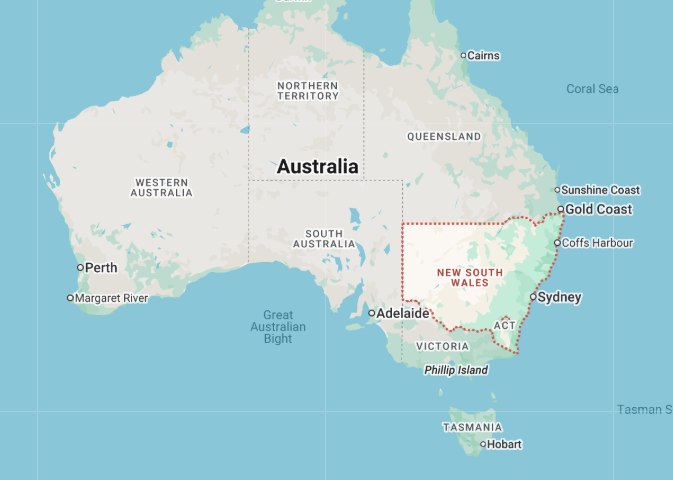
SYDNEY — Southeastern Australia woke up to biting cold Friday and Saturday mornings as a powerful cold front delivered the lowest temperatures since last winter across large swaths of inland New South Wales, South Australia and Victoria, with several locations dipping below zero and widespread frost blanketing farms and fields.

Weatherzone meteorologist Jess Miskelly reported on April 17 that places such as Orange in NSW plunged to -2.3°C — the coldest reading since last winter and the iciest April morning there since 2008. Coonawarra in South Australia hit -1.6°C, its coldest since early spring 2025. Many other inland communities recorded their lowest minimums of 2026 so far, with temperatures running up to 10°C below the April average.
The Bureau of Meteorology confirmed the sharp chill. Senior meteorologist Jonathan How noted that most of southeastern NSW and northern Victoria experienced their coldest morning of the year. Canberra dipped to -2°C for its first sub-zero reading of 2026, while Goulburn reached -4°C. Sydney recorded a brisk 11.8°C, with western suburbs like Badgerys Creek and Camden dropping to 5°C. Melbourne started the weekend at around 5°C.
The cold snap follows a deep trough and cold front that swept across the southeast earlier in the week, bringing clear skies overnight that allowed heat to radiate rapidly into space — perfect conditions for frost and near-freezing lows. Thredbo in the NSW Snowy Mountains was forecast to potentially hit -5°C, among the nation’s coldest spots.
Farmers and rural communities bore the brunt. Widespread frost warnings were issued for inland districts, threatening sensitive crops and new plantings in what is typically a milder shoulder season. Horticulturalists in the Riverina, Murray Valley and southeast South Australia scrambled to protect vineyards and orchards with wind machines and sprinklers. Some livestock owners moved animals to sheltered paddocks as wind chills made conditions feel even sharper.
In Victoria’s alpine regions and inland areas, temperatures fell below freezing in multiple spots. South Australia’s southeast also recorded sub-zero readings, continuing a pattern of unusually variable autumn weather following a hot summer. BOM data showed minimums up to 10°C below average across affected regions, turning what should be mild April nights into wintry scenes.
Urban centers felt the chill too. Residents in Canberra, regional NSW towns and Melbourne suburbs layered up for the coldest starts in months. Commuters reported icy winds and heavy dew turning to frost on car windscreens. Power demand for heating spiked in the early hours, with energy providers monitoring for increased usage.
This cold outbreak marks a notable shift after Australia’s warmer-than-average start to 2026. Earlier summer heatwaves had set records in Victoria and South Australia, with temperatures exceeding 48°C in some inland spots. The rapid transition to autumn cold highlights the volatility of the current climate patterns, influenced by lingering La Niña effects and a strong Southern Ocean weather driver.
Meteorologists expect the chill to linger into Sunday morning in some areas before a gradual moderation. Another cold front may reinforce the cool conditions early next week, though daytime temperatures should rebound into the mid-teens in most places. Clear skies and light winds will again favor frost formation in vulnerable inland valleys.
Health authorities urged caution for vulnerable populations. Elderly residents, young children and those with respiratory conditions face higher risks during such sharp temperature drops. Hospitals in regional centers reported a slight uptick in cold-related presentations. Outdoor workers and sports teams adjusted schedules to avoid the coldest hours.
The agricultural sector is watching closely. While frost is not uncommon in April, the severity this year comes amid broader concerns about climate variability. Wine growers in Coonawarra and the Barossa noted potential impacts on budding vines, though many had prepared with protective measures. Grain farmers on the NSW slopes welcomed the rain that preceded the cold but worried about frost damage to emerging crops.
Tourism operators in the Snowy Mountains and Victorian High Country reported strong interest in the unseasonal cold, with some lodges seeing last-minute bookings from visitors chasing a taste of winter in autumn. Photos of frosty landscapes and icy paddocks flooded social media, with hashtags like #AussieColdSnap and #AprilFrost trending.
BOM long-range outlooks suggest that while April to June daytime temperatures are likely to run above average across much of the country, minimums in the southeast may continue to fluctuate. Night-time temperatures are forecast to be above average overall, but short-lived cold snaps like this one remain possible.
For many Australians, the cold served as a reminder of the country’s diverse climate zones. While the tropical north enjoyed warm, humid conditions, the southeast shivered under clear autumn skies. The contrast underscores how quickly weather can shift across the vast continent.
As the weekend progresses, forecasters will monitor for any extension of the cold pool. Current models suggest a slow warming trend through the middle of next week, with more typical April temperatures returning to coastal and inland areas alike. In the meantime, residents are advised to keep heaters ready, protect pipes from freezing, and check on neighbors who may struggle with the unexpected chill.
Jess Miskelly and her colleagues at Weatherzone continue to track the system, providing regular updates as the cold air mass slowly shifts. For inland communities from the Victorian border through central NSW and into South Australia’s southeast, this was a stark and early preview of winter conditions — one that caught many by surprise in mid-April.
The event joins a growing list of notable weather extremes in 2026, from summer heat records to this autumn cold plunge. It serves as a vivid illustration of Australia’s variable climate and the importance of preparedness across all seasons. As the sun rises higher this weekend, the frost will melt, but the memories of the coldest mornings since last winter will linger for those who felt the bite.

Lundin Mining: The Copper Bull Case Is Strong — But Here's The Catch

DUBAI, United Arab Emirates — Dubai International Airport (DXB) remains fully open and operational on Saturday, April 18, 2026, welcoming departures and arrivals across all three terminals despite continuing to run a limited flight schedule as recovery from regional airspace disruptions progresses.
The world’s busiest international hub is processing flights, but passengers face ongoing restrictions, potential delays and a strong advisory to confirm details directly with airlines before heading to the airport. Official flight status pages show departures to destinations including New Delhi, Damascus and Cairo operating as scheduled or with minor adjustments on Saturday.
Dubai Airports issued a clear passenger advisory: “Dubai Airports is currently operating a limited schedule of flights to and from Dubai International (DXB). Passengers are strongly advised to check with their airline for the latest flight information before travelling.” This guidance, in place since late February, remains active as the airport gradually rebuilds capacity following earlier airspace closures tied to regional tensions.
Operations have stabilized significantly since the height of disruptions in March. Limited flights resumed in early March, and by mid-April, major carriers like Emirates and flydubai are maintaining partial schedules. On recent days, the airport has handled over 200 combined passenger flights from these two airlines alone on stronger days, though numbers fluctuate.
Emirates, the largest operator at DXB, continues flying to around 125 destinations on a reduced network. The airline has offered flexibility including one free date change for affected bookings. flydubai and Air Arabia are also operating select routes, while many international carriers remain limited to one daily round-trip under temporary regulations running through May 31.
Real-time tracking on Saturday showed flights such as IndiGo’s service from New Delhi and flydubai/EK codeshare to Damascus proceeding with gates closed on schedule. However, travelers reported scattered delays the previous day, with 124 flights affected across Dubai and Abu Dhabi on April 15. Some cancellations and long immigration queues for rebooking passengers added to the challenges.
The situation stems from airspace restrictions that began in late February 2026 amid regional conflicts. Temporary full suspensions occurred in early March, but a ceasefire in early April helped ease pressure. A key regulatory deadline on April 24 could influence further recovery, while foreign airline caps remain in effect to manage capacity safely.
Dubai World Central – Al Maktoum International (DWC) continues handling overflow and cargo operations, providing some relief to the main hub. All passenger terminals at DXB are accessible, with standard services including check-in, security, lounges and retail open for those with confirmed flights.
Travelers are urged not to arrive at the airport without verified departure times. Long queues for immigration and rebooking have been common during peak recovery periods. Airlines recommend arriving earlier than usual and preparing for possible gate changes or short-notice adjustments.
Major international carriers have issued their own updates. Several European airlines maintain reduced or suspended services, while Indian carriers like IndiGo and Air India operate limited rotations. British Airways, Lufthansa and others have adjusted schedules into late May. Passengers affected by cancellations can often rebook or request refunds under airline policies.
The airport’s recovery has been steady but cautious. Dubai Airports and authorities prioritize safety, with enhanced coordination between civil aviation bodies and airlines. No major incidents have been reported in recent weeks, allowing gradual normalization even as full pre-crisis capacity is still weeks or months away.
For those transiting or arriving in Dubai, the airport’s world-class facilities continue to operate. Lounges, hotels like the Dubai International Hotel inside the terminals, and extensive dining and shopping options are available. Free Wi-Fi, prayer rooms, medical services and assistance for passengers with reduced mobility remain fully functional.
The broader UAE aviation sector shows resilience. Abu Dhabi and other airports have experienced similar patterns of reduced but ongoing operations. Regional connectivity is slowly returning, supporting Dubai’s role as a global transit hub despite the challenges.
Economic implications are significant. As a vital connector between Europe, Asia and Africa, any prolonged reduction at DXB affects millions of passengers and billions in trade. Tourism and business travel to the UAE have adapted, with many opting for flexible itineraries or alternative routes during peak disruption periods.
Looking ahead, meteorologists and aviation experts anticipate continued improvement if regional stability holds. Airlines are expected to ramp up frequencies in coming weeks, though the one-rotation cap for foreign carriers will limit rapid expansion until at least June. Passengers planning travel in late April and May should monitor updates closely.
Dubai Airports maintains a comprehensive flight status page and mobile app for real-time information. Social media channels and airline notifications provide additional alerts. Travelers are encouraged to download relevant apps and enable notifications for their specific flights.
On this Saturday in April, DXB stands open as a symbol of Dubai’s aviation strength even under constraints. Flights continue to connect cities worldwide, albeit at a measured pace. For passengers with confirmed bookings, the journey proceeds — just with extra patience and preparation required.
The message from authorities remains consistent: the airport is open for business, but this is not business as usual. Check with your airline, plan ahead, and stay informed. As operations normalize further in the coming days and weeks, Dubai International Airport will continue fulfilling its role as a critical global gateway.
Whether departing for business, returning home or connecting onward, travelers on April 18 can proceed with confidence that DXB is operational — provided they follow the latest airline guidance in this period of cautious recovery.
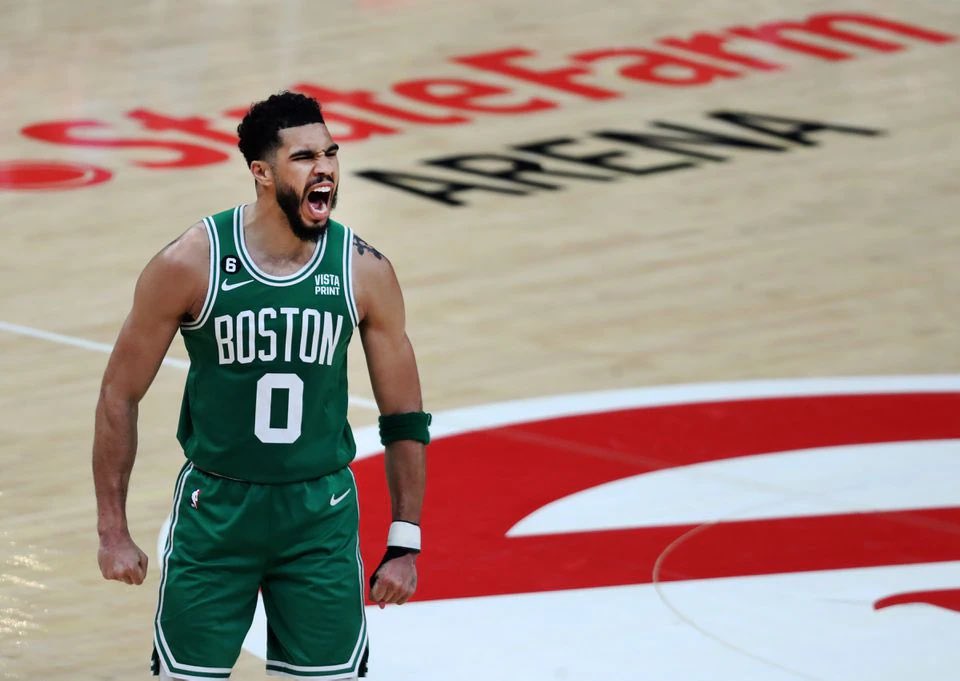
BOSTON — Jayson Tatum is healthy and ready for the 2026 NBA playoffs, the Boston Celtics confirmed as the team prepares for its first-round series against the Philadelphia 76ers. The 28-year-old All-NBA forward, who tore his right Achilles tendon in last year’s postseason, has cleared all medical hurdles and carries no restrictions heading into the postseason.
Tatum suffered the devastating injury on May 12, 2025, during Game 4 of the Eastern Conference semifinals against the New York Knicks at Madison Square Garden. He underwent successful surgery shortly afterward and embarked on what many viewed as a season-ending recovery. Yet the Celtics star defied expectations, making his 2025-26 debut on March 6 against the Dallas Mavericks — just under 10 months after the rupture.
IBTimes US
Since returning, Tatum has played in 16 regular-season games, averaging roughly 21 points, 10 rebounds and 5 assists while shooting efficiently. He has posted multiple double-doubles, earned Eastern Conference Player of the Week honors and logged heavy minutes, including 40 in recent outings. The Celtics went 10-2 in his first stretch back on the court, underscoring his immediate impact.
Most recently, Tatum sat out the final two regular-season games for “injury management” and rest as Boston locked in the No. 2 seed in the East. Those absences were precautionary, with the team prioritizing his health for the playoffs rather than risking fatigue on back-to-backs. Celtics coach Joe Mazzulla and the medical staff have emphasized a gradual ramp-up that has now reached full clearance.
Tatum addressed his recovery candidly in recent interviews. “It’s only been 16 games,” he said. “I’m not 100% myself yet, but I’m proud of what we’ve accomplished.” He described returning to Madison Square Garden — the site of his injury — as emotionally heavy but ultimately cathartic. In that April 9 game, he delivered 24 points, 13 rebounds and eight assists in 40 minutes, checking another major mental box.
Medical experts note that Tatum’s timeline is impressive. Typical Achilles recovery for elite athletes often stretches 12-18 months for full explosiveness. Tatum’s return at under 10 months, combined with his production, has drawn praise from legends like Dominique Wilkins, who underwent a similar injury. “He looks strong,” Wilkins said. “The kid is doing everything right.”
The Celtics have managed Tatum carefully throughout his comeback. Early games featured minutes restrictions that were lifted after a few weeks. He has not played both ends of back-to-backs consistently, a strategy that preserved his conditioning. No setbacks have been reported, and recent imaging confirmed the repaired tendon is stable.
With the playoffs underway, Tatum enters as a key piece of a deep Celtics roster. Boston features a strong supporting cast led by Jaylen Brown, who carried the team during Tatum’s absence. The duo’s chemistry remains elite, and both have expressed excitement about competing together again in May and beyond.
Celtics president of basketball operations Brad Stevens highlighted the organization’s patience. “We never rushed him,” Stevens said. “Jayson did the work quietly for months, and now he’s ready when it matters most.” The team’s medical staff, including specialists who coordinated with Tatum’s surgeon Dr. Martin O’Malley, receive high marks for the structured rehab program.
Fans and analysts have reacted with optimism. Tatum’s return has fueled title hopes in Boston, where expectations remain championship-or-bust. Some skeptics questioned whether he could regain his pre-injury burst so quickly, but early returns suggest he is close. His lateral quickness, finishing at the rim and defensive versatility have all flashed positively.
Tatum himself views the entire season as a bonus. “Just being back out there playing playoff basketball again is more than I could dream of,” he told reporters. The emotional weight of the injury — described by Tatum as the lowest point in his life — has given him fresh perspective. He has spoken about appreciating every moment on the court after months of grueling rehab.
Looking ahead to the 76ers series, Tatum is expected to start and play full minutes barring any new issues. Philadelphia presents a tough test with stars like Tyrese Maxey and Paul George, but Boston’s depth and home-court advantage provide a strong edge. A deep run would test Tatum’s endurance, yet those close to him express confidence in his preparation.
Off the court, Tatum has stayed active in the community, recently surprising a 92-year-old lifelong Celtics fan with courtside seats. Such gestures reflect his grounded mindset during recovery. His family, including young son Deuce, has been a constant source of motivation.
The broader NBA landscape watches closely. Achilles injuries have derailed many careers, but modern medicine and dedicated training have improved outcomes. Tatum’s case could serve as a blueprint for future stars facing similar setbacks. His transparency about the mental side of recovery has also resonated with athletes across sports.
As the Celtics open the playoffs, Tatum stands as a symbol of resilience. From the floor of Madison Square Garden in tears last May to leading Boston once more in April 2026, his journey embodies perseverance. With no lingering limitations and a clear mind, the five-time All-Star is poised for a strong postseason showing.
Boston fans, hungry for another title after falling short in recent years, have embraced Tatum’s return with open arms. TD Garden is expected to be electric for home games, with chants of “MVP” likely echoing as he chases another deep run. Whether this ends in a championship remains uncertain, but Tatum’s presence alone has transformed the Celtics’ outlook.
For now, the focus is game-by-game. Tatum and the Celtics will take the court with renewed purpose, proving that even the toughest setbacks can lead to stronger comebacks. As one of the league’s brightest stars, Jayson Tatum has turned injury adversity into playoff motivation — and Boston is ready to ride with him.
Business
How The 'Fake-Death' Of Petrodollar Supremacy Rewrites The S&P 500 Playbook (It's Not What You Think)

How The 'Fake-Death' Of Petrodollar Supremacy Rewrites The S&P 500 Playbook (It's Not What You Think)
HDFC Bank Q4 Results: Net profit rises 9% to Rs 19,221 crore; announces Rs 13 dividend for FY26

Bitcoin ETF News: Goldman Files With SEC

World Cup fans will have to pay $150 for NY stadium train ticket, officials say

Why Israel is blocking foreign journalists from entering

Bitcoin: We’re Entering The Most Dangerous Phase

Alan Cumming Brands Baftas Ceremony A ‘Triggering S**tshow’

Live GOLD and CRYPTO Scalping Trading | DAY 222 #goldtrading #cryptotrading #bitcoin

Chosen One: FINANCIAL CHAINS BREAK TODAY – Archangel Michael Revealed The 3 SIGNS You Can’t Ignore

Keep This Next Financial Blessing From God Private.
-
 NewsBeat5 days ago
Pep Guardiola and Gary Neville agree over Arsenal title problem that benefits Man City
-

 Crypto World5 days ago
The SEC Conditionalises DeFi Platforms to Be Avoided for Broker Registration
-

 Politics6 days ago
World Cup exit makes Italy enter crisis mode
-

 Crypto World4 days ago
SEC Signals Exemption for Crypto Interfaces From Broker Registration
-

 News Videos3 days ago
Secure crypto trading starts with an FIU-registered
-

 Fashion16 hours ago
Weekend Open Thread: Theodora Dress
-

 Sports1 day ago
NWFL Suspends Two Players Over Post-Match Clash in Ado-Ekiti
-

 Crypto World4 days ago
SEC Proposes Certain Crypto Interfaces Don’t Need to Register as Brokers
-

 Business7 days ago
Ireland Fuel Protests Enter Day 5 as Blockades Spark Shortages and Government Prepares Support Package
-

 NewsBeat4 days ago
Trump and Pope Leo: Behind their disagreement over Iran war
-

 Politics13 hours ago
Palestine barred from entering Canada for FIFA Congress
-
 NewsBeat6 days ago
JD Vance announces ‘no agreement’ with Iran over nuclear weapons fear
-

 Crypto World11 hours ago
Russia Pushes Bill to Criminalize Unregistered Crypto Services
-
Sports6 days ago
Dexter Lawrence, Stefon Diggs, Trading for De’Von Achane
-

 Crypto World5 days ago
Trump whales load up ahead of Mar-a-Lago luncheon.
-
 Crypto World5 days ago
Sei Network Enters Quiet Reset Phase as On-Chain Metrics Signal a Slowdown in 2026
-
Business5 days ago
Kering slides after Morgan Stanley downgrade, Gucci woes loom
-
 Entertainment4 days ago
Karol G’s ‘Ultra Raunchy’ Coachella Set Gave ‘Satanic Vibes’
-
 Business2 days ago
Creo Medical agree sale of its manufacturing operation
-

 Sports5 days ago
NWFL opens Pathway for new Clubs ahead of 2026 Season
You must be logged in to post a comment Login