
Business
5 Key Updates on Closure, Trump Threats and Global Fuel Shock (104 characters)

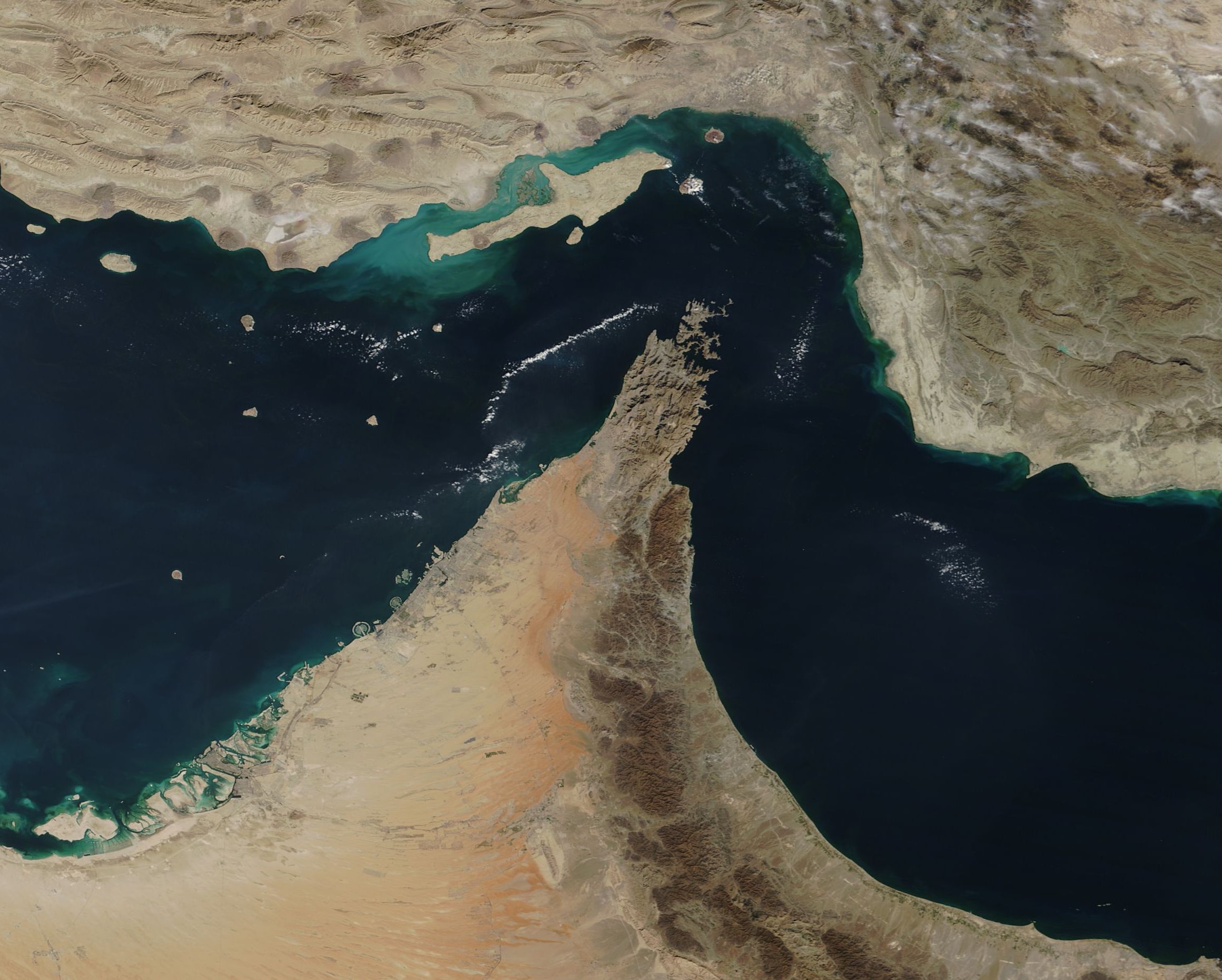
WASHINGTON — The Strait of Hormuz, the narrow chokepoint through which roughly one-fifth of the world’s oil and significant volumes of liquefied natural gas normally flow, remains largely closed or severely restricted as of Easter Sunday, April 5, 2026, more than a month after Iran imposed a de facto blockade in response to U.S.-Israeli military strikes.

The disruption, described by analysts as the most severe energy supply shock since the 1970s, has triggered surging oil prices, fuel shortages in multiple countries and urgent diplomatic maneuvering. President Donald Trump escalated rhetoric in a Truth Social post earlier Sunday, threatening strikes on Iranian power plants and bridges on Tuesday if the strait is not reopened.
Here are five main points summarizing the latest developments:
- Effective Blockade with Selective Transits: Iran has maintained a selective, permission-based transit regime since early March, allowing limited vessels — often those linked to friendly nations such as China, India or Russia — to pass via routes around Larak Island while blocking most international traffic. Daily transits have plummeted from a pre-conflict average of about 138 vessels to as few as five to 12 openly reported crossings on recent days. Thousands of ships remain loitering or stranded, with at least 24 commercial vessels reportedly attacked or hit since hostilities began. Iran has granted safe passage to specific countries, including South Africa and the Philippines for certain flagged vessels, but continues to assert control and leverage over the waterway.
- Trump’s Escalating Ultimatum and Threats: On April 5, Trump posted on Truth Social warning that Tuesday would be “Power Plant Day, and Bridge Day” in Iran unless Tehran opens the strait, using strong language directed at Iranian leaders. He has repeatedly set deadlines, including an April 6 timeframe, and stated the U.S. would consider a ceasefire only when the strait is “open, free, and clear.” In earlier posts, Trump suggested the U.S. could “easily open” the strait with more time and even “take the oil” for economic gain, though he has also indicated the waterway might reopen “naturally” once the conflict ends. The Pentagon and White House have not detailed specific military plans in response to the latest message.
- Military Context and Ongoing Conflict: The blockade followed U.S. and Israeli strikes on Iranian targets that began in late February 2026. Iran responded by disrupting shipping, using its Revolutionary Guard forces to threaten or attack vessels. Coalition strikes have targeted Iranian naval assets, missile sites and islands such as Qeshm and Hengam in efforts to degrade Iran’s ability to control the strait. Despite these actions, Iran has sustained its leverage, with officials signaling they will not fully reopen the waterway or accept a ceasefire without concessions. Incidents include reported attacks on tankers and claims of downing U.S. aircraft, though details remain unconfirmed by all parties.
- Severe Global Energy and Economic Impact: The near-halt in traffic has removed roughly 16-20 million barrels per day of oil and substantial LNG from global markets, driving Brent crude prices sharply higher and contributing to fuel shortages and price spikes worldwide. Countries like Australia face acute diesel shortages at service stations, with national reserves critically low and ripple effects hitting agriculture and transport. Higher energy and fertilizer costs are raising food prices and inflation concerns, with the International Energy Agency and UN Trade and Development noting this as potentially the largest disruption in modern energy history. War risk insurance premiums have soared, and many shipping firms have suspended operations in the area.
- Diplomatic Efforts and International Response: The United Kingdom is convening more than 30-40 countries in virtual talks to explore diplomatic and political measures to reopen the strait, focusing on freedom of navigation without immediate military escalation. European nations express shock over the lack of a clear U.S. plan, while some allies weigh additional sanctions on Iran. Indirect talks continue amid the conflict, but Tehran has indicated it views control of the strait as leverage for post-war concessions. Select nations have secured limited passage through bilateral arrangements, but broad resumption of normal traffic remains elusive.
The situation has exposed vulnerabilities in global energy supply chains and heightened risks of broader regional escalation. Analysts warn that any attempt to forcibly reopen the strait could prolong the conflict and lead to further instability, while prolonged closure threatens stagflation and supply chain breakdowns affecting plastics, food production and other commodities.
Trump’s latest message on Easter Sunday underscores the urgency felt in Washington, where officials balance military options with diplomatic pressure. The president’s unfiltered style on Truth Social has drawn both support from hawks and criticism for potentially complicating negotiations or alarming markets.
Iranian officials have rejected ultimatums, reiterating that vessels “involved” in the conflict against them will face restrictions. State media portrays the blockade as a defensive measure against aggression, while emphasizing Iran’s willingness to allow humanitarian or neutral shipping under its terms.
Shipping data from sources like the Joint Maritime Information Center and commercial trackers show clusters of vessels waiting on both sides of the strait, with many operating under reduced AIS signals or rerouting at significant cost. Seafarers, estimated in the tens of thousands, face stressful conditions with dwindling supplies on stranded ships.
Economists project that even partial reopening would take time to restore confidence and normalize insurance and freight rates. In the interim, countries are drawing on strategic reserves, seeking alternative suppliers and rationing where necessary.
The crisis has also strained alliances. Some European leaders call for unified action, while others note the U.S. position that affected nations should help secure the waterway themselves. Trump has suggested allies “go get your own oil” if needed.
For the energy sector, the disruption compounds existing pressures from the ongoing war, including attacks on infrastructure and uncertainty over Iranian oil exports. Illicit “ghost fleet” operations by Iran continue toward buyers like China, providing some revenue but at heightened risk.
As April 6 approaches — a date referenced in Trump’s recent warnings — markets and governments watch closely for any movement. Limited transits have increased slightly in recent days, but remain far below normal levels.
Military planners have long prepared contingencies for Hormuz scenarios, including naval escorts and mine-clearing operations, but experts emphasize the high costs and dangers of such actions in a contested waterway.
The broader conflict, now in its second month, shows no immediate signs of resolution, with both sides digging in on core demands. Iran seeks relief from strikes and sanctions, while the U.S. and Israel aim to neutralize perceived threats.
For everyday consumers, the effects manifest in higher pump prices, potential grocery increases and supply worries. Farmers in distant regions like Australia report challenges sourcing diesel for critical operations, highlighting the strait’s far-reaching influence.
International maritime organizations continue monitoring the situation, urging restraint to protect seafarers and global trade. The UN has highlighted risks to merchandise trade growth and inflation from the disruption.
In summary, the Strait of Hormuz crisis of 2026 remains a volatile flashpoint where military action, energy security and diplomacy intersect. With Trump issuing fresh threats and limited diplomatic progress, the coming days could prove pivotal in determining whether the waterway reopens through negotiation, force or attrition as the wider conflict evolves.
The world watches as one of the most critical maritime arteries stays constricted, testing global resilience and reshaping energy geopolitics in real time.

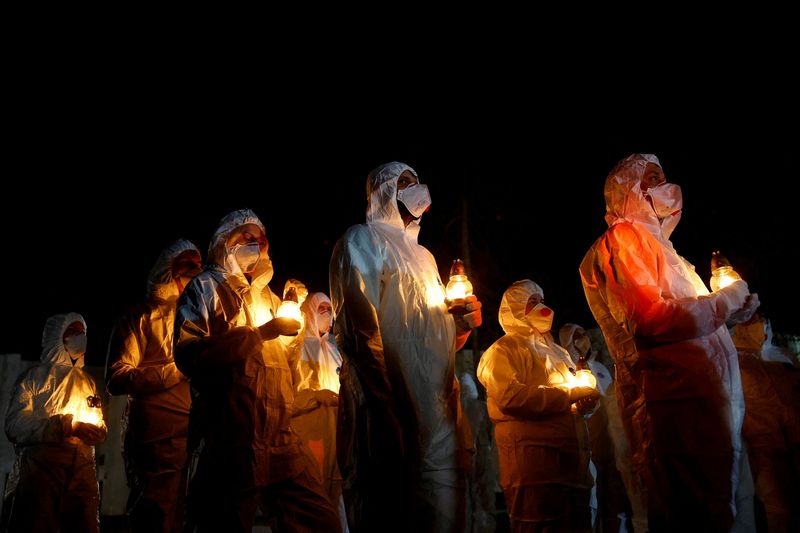

Ukraine marks 40th anniversary of Chornobyl disaster under cloud of war

Goldman Sachs flags shrinking supply shock in USD outlook, sees delayed dollar weakness
Business
Earnings call transcript: New China Life Insurance Q4 2025 reveals earnings miss, stock dips

Earnings call transcript: New China Life Insurance Q4 2025 reveals earnings miss, stock dips

Russia stocks lower at close of trade; MOEX Russia Index unchanged


Casino Group FY 2025 slides: EBITDA surges 14% amid restructuring
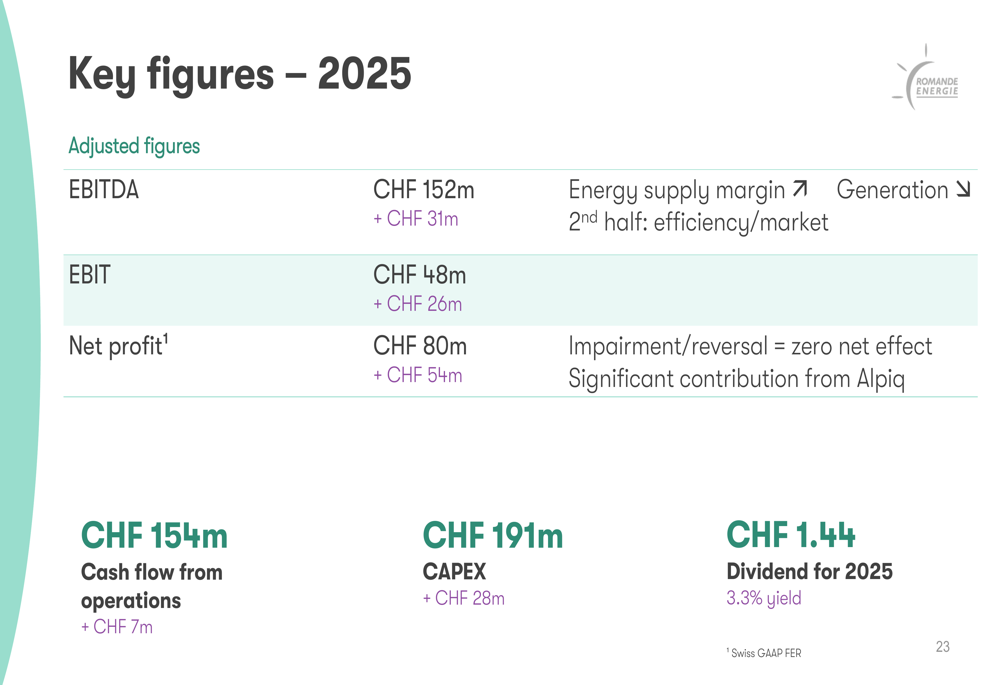
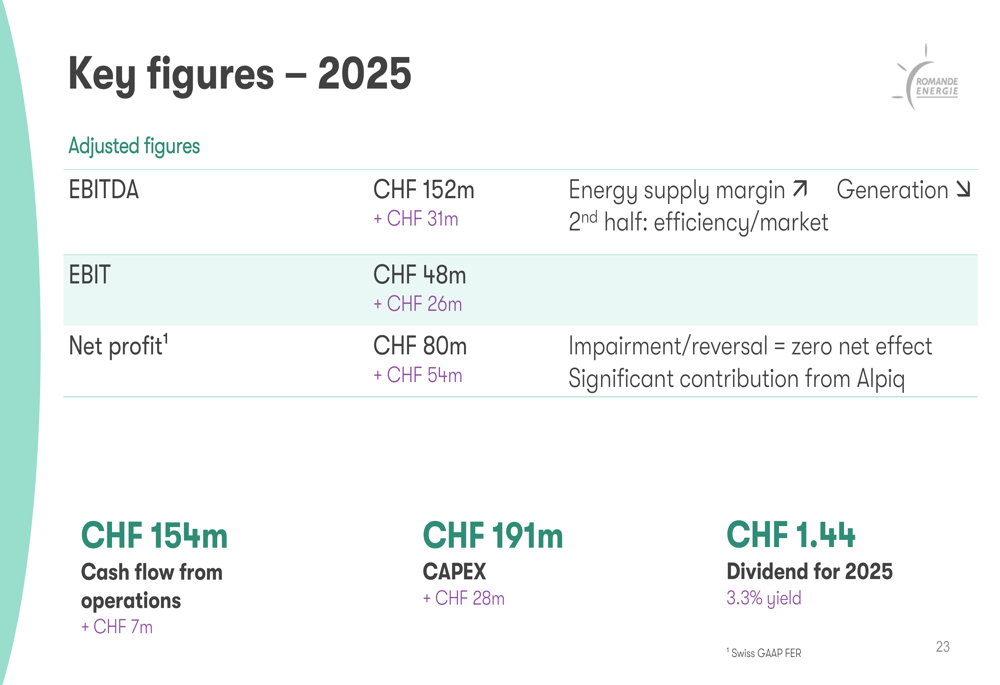
Romande Energie 2025 slides: EBITDA jumps 25%, eyes net-zero future
Earnings call transcript: Romande Energie beats Q4 2025 forecasts
Earnings call transcript: Casino Group enters recovery phase with 2025 turnaround


Mali army bases hit in large-scale attacks claimed by al Qaeda-linked militants
Business
Trump Justice Department Revives Firing Squads for Federal Executions in Major Policy Shift
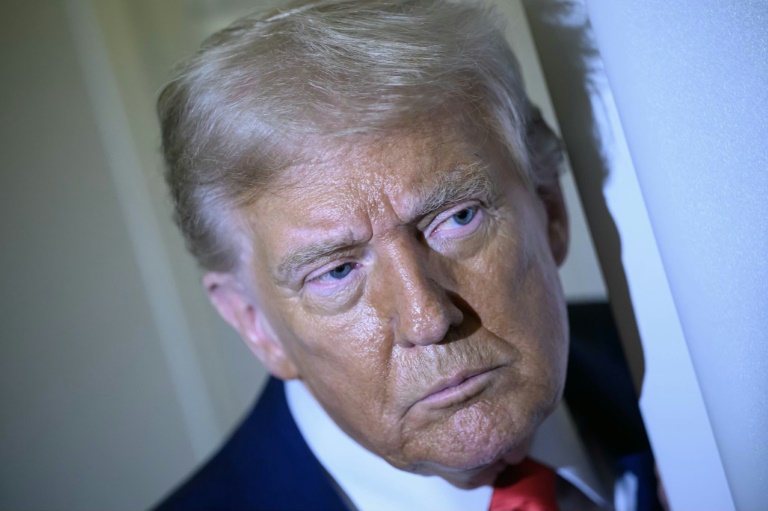
WASHINGTON — The U.S. Justice Department announced Friday it is expanding federal execution methods to include firing squads, reinstating lethal injection protocols from the first Trump administration and streamlining processes to expedite capital punishment cases as part of a broader push to strengthen the federal death penalty.
AFP
The move fulfills a directive from President Donald Trump on his first day in office to prioritize seeking and carrying out death sentences for the most serious federal crimes. Acting Attorney General Todd Blanche issued guidance directing the Bureau of Prisons to update its execution protocol to include additional constitutional methods currently authorized in certain states, explicitly naming the firing squad alongside lethal injection using pentobarbital.
“Among the actions taken are readopting the lethal injection protocol utilized during the first Trump Administration, expanding the protocol to include additional manners of execution such as the firing squad, and streamlining internal processes to expedite death penalty cases,” the Justice Department said in a statement.
The announcement comes amid ongoing challenges in obtaining lethal injection drugs due to pharmaceutical companies’ reluctance to supply them for executions. Firing squads, though rare in modern U.S. history, remain authorized in a handful of states and are viewed by proponents as a reliable backup method. The last federal execution occurred in 2021 during Trump’s first term.
Critics immediately condemned the decision as a step backward for humane punishment and due process. Death penalty opponents, civil rights groups and some religious leaders called the revival of firing squads barbaric and unnecessary in an era when many states have moved away from capital punishment. Several Democratic lawmakers vowed to challenge the policy in court, arguing it raises constitutional concerns under the Eighth Amendment’s prohibition on cruel and unusual punishment.
Supporters, including some conservative lawmakers and victims’ rights advocates, praised the move as a necessary tool to ensure justice for the most heinous federal crimes, including terrorism, mass murder and certain drug-related killings. They argue that when lethal injection drugs are unavailable, alternative methods like firing squads provide a constitutional and effective option.
The Justice Department emphasized that the changes aim to clear backlogs on federal death row and respond to Trump’s executive order directing the department to prioritize capital cases. There are currently around 40 federal inmates on death row, with executions halted during the Biden administration.
Legal experts note that while states like Utah, Mississippi and South Carolina have used or authorized firing squads in recent years, federal adoption represents a significant policy reversal. The protocol would likely involve a team of marksmen aiming at the heart from a set distance, with one rifle loaded with a blank to diffuse responsibility.
The announcement has ignited fierce debate across political and social lines. Progressive organizations called it a return to “medieval” practices, while conservative commentators framed it as restoring law and order. Public opinion polls on the death penalty remain divided, with support generally higher for certain federal crimes like terrorism.
Civil liberties groups warned that expanding execution methods could lead to rushed proceedings and increased risk of error in capital cases. They pointed to past exonerations of death row inmates and concerns about racial disparities in sentencing. The American Civil Liberties Union vowed legal challenges to any implementation of the new protocols.
The Justice Department’s action also includes efforts to expedite internal reviews and appeals processes for death penalty cases. Officials cited difficulties obtaining lethal injection drugs as a primary reason for exploring alternatives, noting that several pharmaceutical companies have policies against supplying execution drugs.
Death penalty experts say firing squads have a long but limited history in the United States. Utah carried out the last firing squad execution in 2010 before shifting away, though some states have reinstated the option as a backup. Federal adoption would mark a notable expansion of its use in modern times.
The policy shift reflects broader Trump administration priorities on crime and justice. In his first term, the administration carried out 13 federal executions after a 17-year hiatus, the most in any single administration in decades. The current moves signal intent to resume and accelerate that pace.
As reactions poured in Friday, the announcement dominated headlines and social media discussions. Victims’ families of federal capital cases expressed mixed emotions — relief at the prospect of finality for some, while others focused on the broader moral questions surrounding state-sanctioned killing.
For now, the Justice Department has laid the groundwork for firing squads as an option, but actual implementation would require further procedural steps, legal challenges and selection of specific cases. The development ensures the federal death penalty will remain a contentious issue throughout Trump’s second term.

Financial Literacy in 50 Minutes – What School Never Taught You About Money!

Ukraine marks 40th anniversary of Chornobyl disaster under cloud of war

XRP Price Outlook Strengthens as Breakout Retest Holds and Outflows Rise

Manchester United reach agreement with Casemiro over contract clause amid transfer speculation

US brings back mandatory military draft registration

Steven Gerrard disagrees with Gary Neville over ‘shock’ Chelsea and Arsenal claim | Football


-

 Business6 days ago
Powerball Result April 18, 2026: No Jackpot Winner in Powerball Draw: $75 Million Rolls Over
-

 Politics7 days ago
Zack Polanski demands ‘council homes not luxury flats for foreign investors’
-

 Fashion1 day ago
Weekend Open Thread – Corporette.com
-

 Tech7 days ago
Auto Enthusiast Scores Running Tesla Model 3 for Two Grand and Turns It Into Bare-Bones Go-Kart
-
Entertainment6 days ago
NBA Analyst Charles Barkley Chimes in on Ice Spice McDonald’s Fiasco
-

 Politics5 days ago
Gary Stevenson delivers timely reminder to register to vote as deadline TODAY
-
Crypto World5 days ago
Bank of Hawai’i (BOH) Q1 2026: Net Income Drops to $57.4M as Net Interest Margin Expands
-
Crypto World4 hours ago
Hyperliquid $HYPE Rally Builds Momentum as AI Sector Enters Prove-It Phase
-

 Politics3 days ago
Making troops accountable for war crimes threatens US alliance, ex-SAS colonel warns
-

 Business4 days ago
Rolls-Royce Voted UK’s Most Iconic Trade Mark as IPO Register Hits 150
-

 Politics3 days ago
Disabled people challenge government SEND proposals over segregation concerns
-

 Politics3 days ago
Zack Polanski responds to home secretary’s taser threat
-
Politics3 days ago
Wings Over Scotland | How To Get Away With Crimes
-

 Politics3 days ago
Starmer handler McSweeney to be dragged from shadows by Foreign Affairs Committee
-
Crypto World7 days ago
Kelp DAO rsETH Bridge Hack Drains $292M as DeFi Losses Top $600M in Two Weeks
-
 Crypto World4 days ago
Five Value Stocks with Recovery Potential in 2026: PayPal (PYPL), Nike (NKE), and More
-

 Politics3 days ago
‘Iran is still a nuclear threat’
-

 Crypto World4 days ago
New York sues Coinbase, Gemini over prediction market offerings
-

 Business4 days ago
The Job Benefits Most Men Don’t Know to Negotiate
-

 Crypto World2 days ago
Michael Saylor says BTC winter is over. Market analyst disagrees, says bitcoin was in a pullback
You must be logged in to post a comment Login