
Business
5 Ways LeBron James Can Lead Lakers Past Thunder Without Star

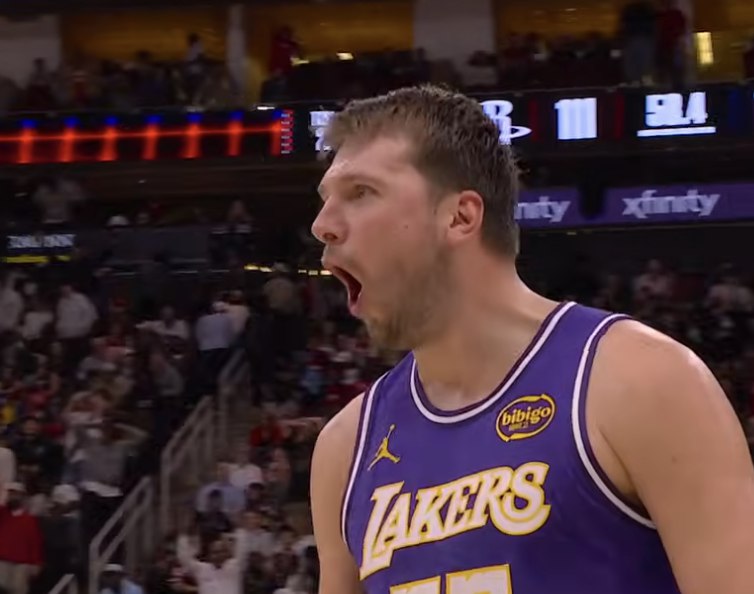
OKLAHOMA CITY — As the Los Angeles Lakers trail the top-seeded Oklahoma City Thunder 1-0 in the Western Conference semifinals, all eyes remain on Luka Doncic’s Grade 2 left hamstring strain that has sidelined the superstar since early April. With Doncic ruled out for at least Game 1 and facing a cautious recovery timeline, LeBron James must elevate his game even further to keep the series competitive.
Doncic suffered the injury on April 2 during a blowout loss to the Thunder. He traveled to Spain for specialized stem cell treatment shortly after and has shown gradual progress, including light on-court work, but remains out indefinitely. As of May 6, 2026, reports indicate he is not close to a return, with expectations he could miss the early games of this series. Recovery from a Grade 2 hamstring strain typically spans 4-8 weeks, and the Lakers are taking no risks with their MVP-caliber talent.
LeBron James, at 41, delivered 27 points on efficient shooting in Tuesday’s 108-90 Game 1 defeat but acknowledged the offensive struggles without Doncic. “We’re undermanned, we’re the underdog,” James said ahead of the series. The Thunder’s depth, led by Shai Gilgeous-Alexander, Chet Holmgren and an elite defense, makes the challenge daunting.
Here are five key strategies James and the Lakers must execute to steal games and extend the series without their Slovenian star.
1. Maximize LeBron’s Playmaking and Minutes Management
James averaged elite numbers in the first-round series against Houston and must shoulder even more responsibility. With Doncic out, LeBron needs to orchestrate the offense at a high level, averaging close to a triple-double if possible while conserving energy for both ends. Coach JJ Redick should deploy him in shorter, high-intensity bursts paired with rest periods to combat fatigue over a potential seven-game grind.
LeBron’s basketball IQ allows him to exploit mismatches against OKC’s switch-heavy defense. Targeting slower bigs or forcing help rotations can create open looks for teammates. His leadership in huddles will be crucial to maintaining morale on a roster already feeling the absence of its top scorer.
2. Unleash Austin Reaves and Supporting Cast in Pick-and-Roll Actions
Austin Reaves stepped up in the first round but struggled in Game 1 against the Thunder’s length. Without Doncic’s gravity as a pull-up threat and passer, Reaves must become the primary initiator alongside James. The Lakers should run more high pick-and-rolls with Reaves and James to force defensive decisions from Gilgeous-Alexander and company.
Role players like Rui Hachimura, D’Angelo Russell (if active) and the bench unit need to knock down open threes created by LeBron’s drives. Defensive rebounds will be vital — OKC crashes the glass aggressively, so securing boards and pushing in transition can mitigate the Thunder’s half-court dominance.
3. Defensive Intensity: Limit SGA and Force Turnovers
Holding Gilgeous-Alexander to 18 points in Game 1 was a bright spot, but the Thunder’s supporting cast overwhelmed Los Angeles. James can anchor help defense while directing switches. The Lakers must prioritize contesting threes and limiting Holmgren’s rim attacks. Zone looks or disguised coverages could disrupt OKC’s rhythm.
Forcing turnovers and converting them into easy buckets will be essential. LeBron’s help-side instincts remain elite; using his veteran savvy to anticipate passes can generate fast-break opportunities that bypass OKC’s set defense.
4. Dominate the Glass and Control Tempo
The Thunder excel in transition and second-chance points. LeBron must lead by example on the boards, boxing out and pursuing loose balls. The Lakers’ bigs need to match OKC’s physicality to avoid giving up offensive rebounds that fuel rallies. Slowing the pace slightly — through deliberate half-court sets led by James — can neutralize the Thunder’s athleticism advantage.
Executing this requires discipline. Every possession matters when down a star player. LeBron’s ability to set screens, roll or pop, and find cutters will dictate whether the Lakers can manufacture enough offense to stay within striking distance.
5. Mental Toughness and Home-Court Momentum
James has thrived in underdog scenarios throughout his career. His message to the team and Doncic post-Game 1 emphasized resilience. Winning Game 2 on the road would swing momentum heading back to Los Angeles, where the crowd and familiar surroundings could amplify LeBron’s impact.
Maintaining focus amid injury uncertainty is paramount. The Lakers have shown fight without Doncic during the regular season, going 7-4 in such games. Translating that to the playoffs against a championship-caliber opponent demands peak execution.
Broader Series Outlook
The Thunder opened the series with a convincing victory, showcasing why they are defending champions and the West’s top seed. Their depth and two-way play pose problems for an undermanned Lakers squad. Yet James has engineered playoff miracles before, and the Lakers’ first-round resilience offers hope.
Doncic’s potential return later in the series remains a wildcard. Even limited minutes from him could shift dynamics dramatically. For now, the burden falls squarely on LeBron’s shoulders. At 41, he continues defying age with elite conditioning and basketball mastery.
Game 2 offers an immediate chance for adjustment. If the Lakers can implement these five pillars — amplified LeBron playmaking, Reaves creation, stingy defense, rebounding dominance and mental edge — they can make this series far more competitive than many expect. LeBron’s legacy includes carrying teams through adversity, and this Thunder showdown may add another chapter.
As the Western Conference semifinals unfold, one thing is clear: without Luka Doncic, LeBron James must summon his inner King once more. The Lakers’ playoff survival depends on it.

World Liberty Financial co-founder Zach Witkoff joins ‘Mornings with Maria’ to discuss Senate crypto legislation, the surge in stablecoins and how President Donald Trump’s agenda aims to make the U.S. a global digital finance leader.
Momentum is building behind President Donald Trump’s push to make the U.S. the “crypto capital of the world,” as lawmakers work to advance key legislation that could reshape the industry.
“We obviously fully support the president’s agenda to make America the crypto capital of the world,” said Zach Witkoff, CEO of World Liberty Financial.
Witkoff, the son of Trump special envoy Steve Witkoff, discussed the CLARITY Act with FOX Business early Wednesday.
The act seeks to establish a regulatory framework for cryptocurrency. It previously received bipartisan support in the House but stalled in the Senate amid concerns over its treatment of stablecoin yield.
WASHINGTON POST COLUMNIST SUGGESTS TRUMP MAY USE HIS CRYPTO TOKEN TO TAKE FOREIGN BRIBES
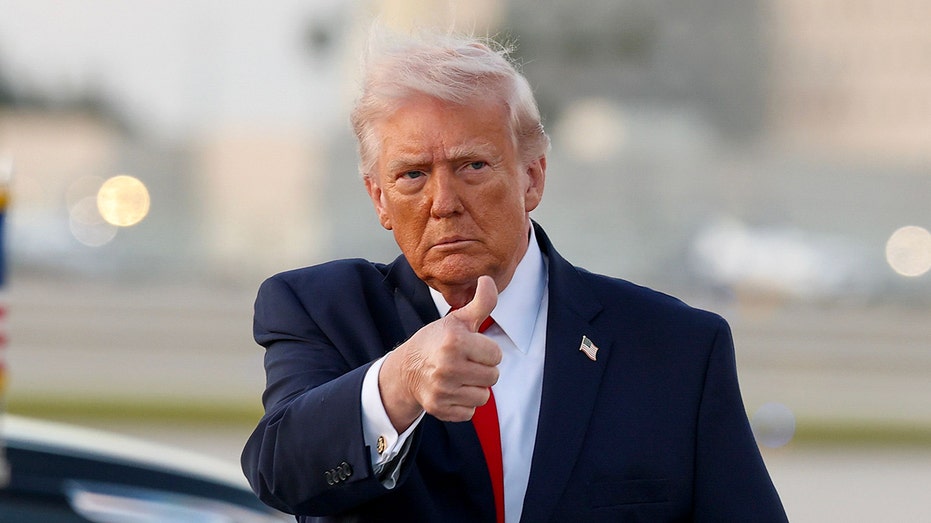
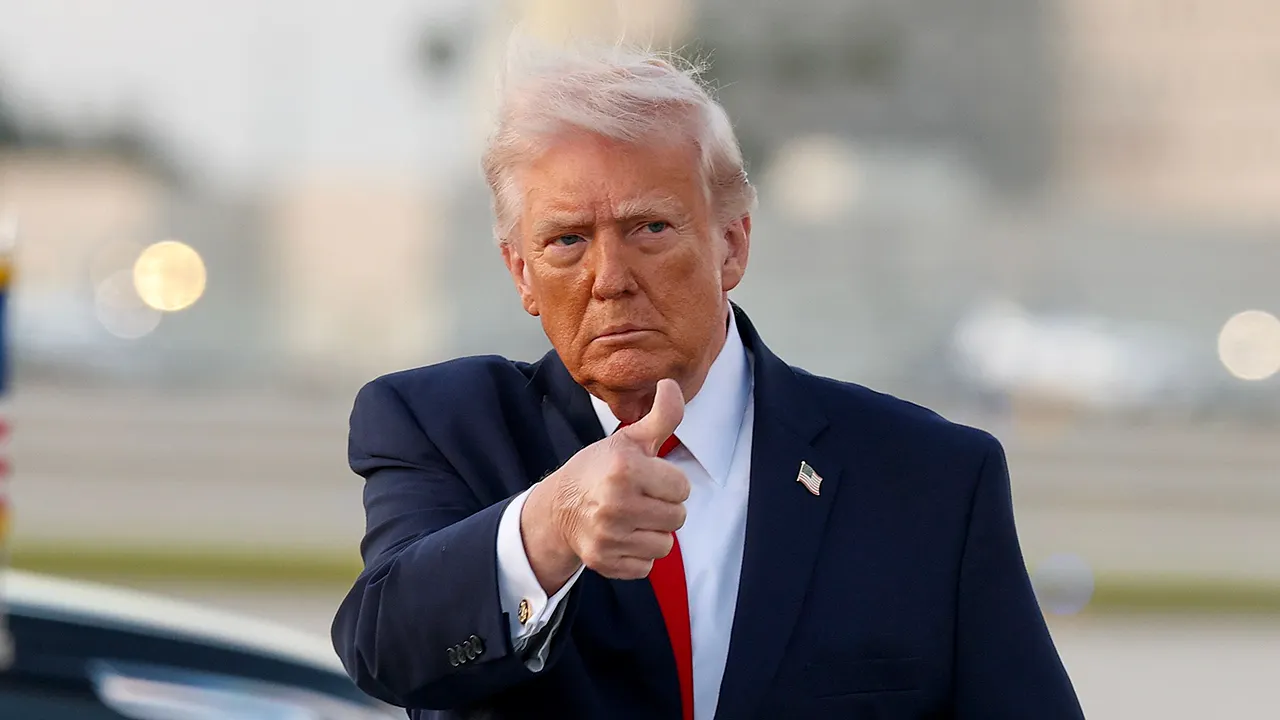
President Donald Trump waves to the media after walking off of Air Force One at Miami International Airport on April 11 in Miami, Fla. (Tasos Katopodis/Getty Images / Getty Images)
After delays, the bill is now gaining momentum, with Sen. Thom Tillis, R-N.C., indicating it could soon advance to a markup in the Senate.
While stopping short of predicting whether the measure will ultimately pass this time, Witkoff told “Mornings with Maria” that there are still “a lot of stakeholders at the table” as negotiations continue.
He also pushed back on concerns from traditional banks over crypto incentives, arguing that the growth of stablecoins has not led to a mass exodus of deposits.
“You haven’t seen it [deposit flight] at all [over the past year], and that’s all while stablecoins have been growing,” he said.
TRUMP NAMES DAVID SACKS AS WHITE HOUSE AI AND CRYPTOCURRENCY CZAR
In this photo illustration, the Coinbase logo is displayed on the screen of an iPhone on June 6, 2023, in San Anselmo, Calif. (Justin Sullivan/Getty Images / Getty Images)
“In fact, some of the bigger banks in the world have actually seen deposits come into the bank.”
He pointed to Customers Bank, which he said was a “much smaller” institution before working with crypto firms, and noted periods of deposit growth as it expanded into the space.
“I think there’s a lot of opportunity here for the banks that sort of get in on this early and actually embrace crypto, embrace stablecoins,” he added.
“We’re really just talking about a digital dollar here, and what we’re trying to do is democratize yield.”
South Carolina Sen. Tim Scott previously told FOX Business he hopes to hold a markup of the bill this month and bring the CLARITY Act to the Senate floor by June or July.
GET FOX BUSINESS ON THE GO BY CLICKING HERE
O’Leary Ventures Chairman Kevin O’Leary joins ‘Varney & Co.’ to push back on Elizabeth Warren’s criticism, explain what markets want from President Donald Trump’s Fed pick and reveal why he’s focused on Bitcoin and Ethereum.
“That means the average person in the country will be able to keep more of their money in their pocket,” Scott said last Thursday.
“America will be the crypto capital of the world.”

Cizzle Biotechnology grants share options to directors

Speaking to ET Now, market expert Seth R Freeman from GlassRatner Advisory said the geopolitical situation remains fluid and difficult to predict, especially after the United States crossed the 60-day timeline that would ordinarily require congressional approval for military action.
“Well, we have passed the 60-day deadline that the president needed to go to Congress and get a declaration of war. So technically, the war has stopped — at least that is the message coming out of Washington,” Freeman said.
He added that the current environment remains a standoff, with Iran continuing to hold significant leverage because of its strategic control over the Strait of Hormuz, one of the world’s most critical oil transit routes.
“It is extremely hard to answer how long this is going to take,” Freeman noted. “The problem here is that we have trained the Iranian regime to believe it has a lot of leverage with the Strait of Hormuz.”

No Clear Timeline for Resolution
While reports from Axios suggested that the United States and Iran may be nearing some form of diplomatic understanding, conflicting signals from former US President Donald Trump have kept uncertainty alive in the market.
Freeman pointed out that there is currently no firm deadline for negotiations to conclude.“Trump has now set no specific deadline,” he said. “There is a lot of reporting that there is an artificial timeline because he is planning to meet President Xi of China very soon, and I am sure he would like to avoid discussing this issue during that meeting.”
According to Freeman, the conflict has already complicated diplomatic schedules, with planned engagements reportedly delayed because of the outbreak of hostilities. He also questioned the effectiveness of efforts aimed at reducing Iran’s oil revenues through restrictions and shipping-related pressure tactics.
“This idea of blockading ships and trying to reduce Iran’s oil revenue does not seem to be working,” he said.
Markets Betting on Stability
Despite persistent geopolitical risks and concerns over oil prices, equity markets have shown surprising resilience. Investors appear increasingly confident that the situation may not escalate into a prolonged disruption severe enough to derail economic growth or corporate profitability.
Freeman observed that market participants are focusing more on earnings momentum than on geopolitical headlines.
“Who would imagine that with all of this volatility — war, oil concerns, and expectations of higher inflation — there is still significant confidence in future earnings?” he said.
He pointed to strong gains in US benchmark indices, with the S&P 500 and Nasdaq continuing to advance on optimism surrounding technology and AI-linked companies.
“At the same time, though, consumer sentiment is at an all-time low,” Freeman added. “So, it is rather confusing in terms of reading the tea leaves.”
The divergence between buoyant stock markets and weak consumer confidence highlights the unusual structure of the current rally. Institutional investors, pension funds, and retirement-linked investments continue to support index performance, even as broader economic concerns linger beneath the surface.
Earnings Season Delivers Positive Surprise
Corporate earnings have played a major role in sustaining the rally. Large financial institutions have posted particularly strong numbers, benefiting from elevated market volatility and higher trading activity.
“The big financial services companies and the big banks have done fabulously because they make money on trading volume,” Freeman explained. “It really does not matter whether prices are going up or down as long as there is a lot of buying and selling.”
Beyond financials, artificial intelligence remains one of the biggest market drivers, with technology and hardware companies continuing to attract investor attention. However, Freeman also noted that gains are no longer limited to just a handful of AI-focused names.
“Some of the older, more mainstream companies in the Dow also performed quite well,” he said. “So, it seems to be broad-based.”
Still, not every sector is participating equally in the rally. Healthcare stocks, according to Freeman, continue to face pressure, while automobile companies could struggle if elevated crude oil prices persist for an extended period.
“I am not sure what is going to happen with automobiles if we continue to have sustained high oil prices,” he said.
As geopolitical negotiations continue in the background, financial markets appear determined to focus on earnings growth and liquidity. Whether that optimism proves durable may ultimately depend on how quickly diplomacy catches up with investor expectations.
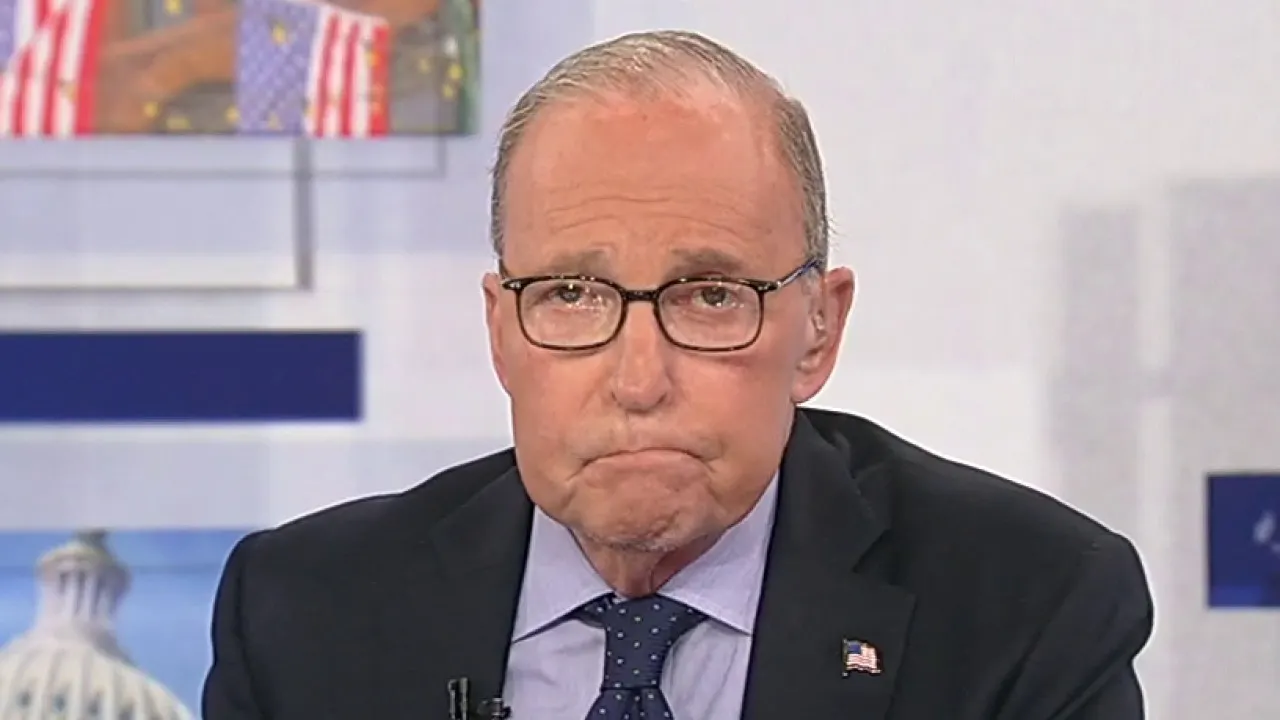
So it appears that America and Iran are moving closer on a proposal to restart peace talks. Yet it seems so indirect, like a carom shot in pool.
Who can be sure? As I read it, from the media reports, principally Axios and the Wall Street Journal, America and Iran are working on a one-page framework to restart negotiations.
So there has to be agreement on the one-pager, and if there is agreement, then actual negotiations might begin next week at Islamabad or Geneva, Switzerland.
So if I get this even remotely right, and I don’t have much direct information, we are negotiating in order to begin negotiating. Well, okay.
And if the negotiations don’t work out you can be sure that all bombing hell will descend on Iran — much worse than anything they’ve seen before.
As the president said on this whole thing this afternoon: “We’re in good shape. And, now we’re doing well. Now we have to get what we have to get. If we don’t do that, we’ll have to go a big step further. But with that being said, they want to make a deal. We’ve had very good talks over the last 24 hours, and it’s very possible that we’ll make a deal.”
Meanwhile, Project Freedom has been paused which frankly disappoints me because I had hoped our great United States Navy would have been able to ramp up 50 to 100 or more commercial ships through the Strait of Hormuz.
And if there’s a 30-day period of negotiations, the United States Navy’s blockade would gradually be lifted. This too is disappointing.
At this point, though, the blockade is very much still in place. So again, we’ll wait to see more information. Another piece to this Iran story is President Trump’s trip to Communist China. Is this part of the negotiation process?
My hope has always been that America would exert complete control over the whole Arabian Gulf, including the Hormuz Strait for some considerable period of time.
Now that may still happen. And of course our military forces are not going any place. And when Mr. Trump says it’s very possible a deal can be reached, then I’ll go along with that. I’ve supported him the whole time. I know he’s not going to make a bad deal.
I know he’ll insist on the key red lines of stopping Iranian enrichment of uranium. And transferring enriched uranium from Iran to the United States. And I believe the president would never allow Iran to have control over shipping in the Strait of Hormuz.
What’s more, I’m certain he will insist that Iran stop its state-sponsored terrorism, and that war against Israel and for that matter its war against the United States.
Yet there is a fear among our Gulf allies, that there’s too much uncertainty and the American team.
And so it would seem, regrettably, that there will be no major regime change in Iran. Which of course once again raises the issue of verification and trust.
Iran has never allowed either. And right now that may be the toughest part of this whole story.

OPINION: A worrying trend is starting to rear its head in AI, with real-world implications.

BioNTech to Slash 22% of Workforce as Losses Widen. The Stock Falls.
Business
National Health Investors, Inc. 2026 Q1 – Results – Earnings Call Presentation (NYSE:NHI) 2026-05-07

Q1: 2026-05-04 Earnings Summary
EPS of $0.77 misses by $0.09
| Revenue of $115.13M (28.93% Y/Y) beats by $9.78M

Seeking Alpha’s transcripts team is responsible for the development of all of our transcript-related projects. We currently publish thousands of quarterly earnings calls per quarter on our site and are continuing to grow and expand our coverage. The purpose of this profile is to allow us to share with our readers new transcript-related developments. Thanks, SA Transcripts Team
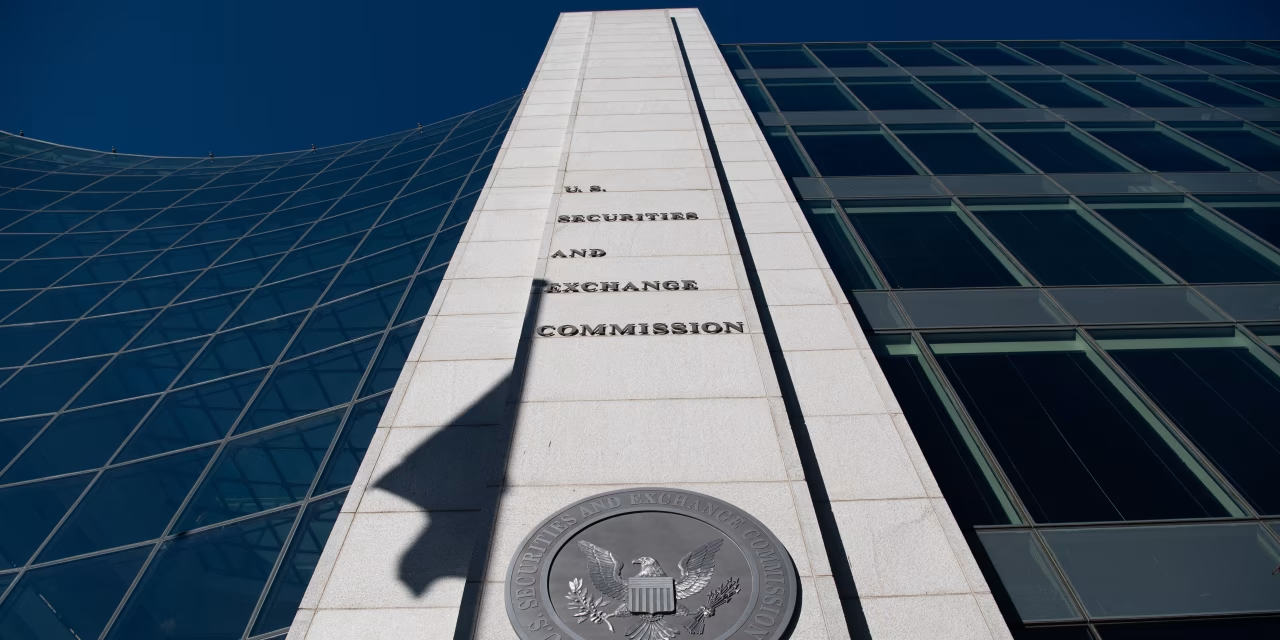
Under the proposal, public companies would have the option to file reports semiannually, rather than on a quarterly basis
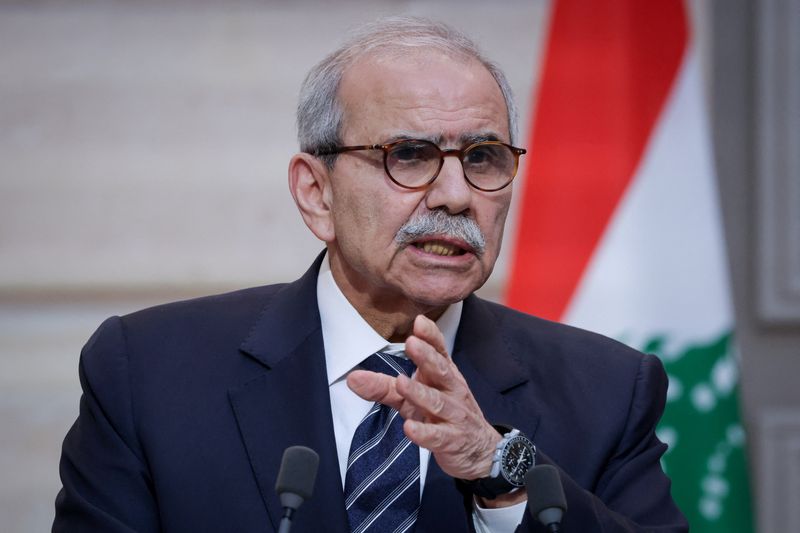

Israel strikes Beirut for the first time since the ceasefire
Business
Polycab shares jump 6% as post-earnings target prices go up to Rs 10,500. Should you buy now?

The rally follows Polycab’s Q4 consolidated revenue rising 27% year-on-year (YoY), while EBITDA grew 13% YoY. The numbers impressed analysts as they came despite geopolitical disruptions, a March demand slowdown, and channel destocking amid raw material volatility.
Citi, the most bullish on the Street, raised its target price from Rs 9,500 to Rs 10,500 while maintaining a Buy rating, citing execution quality as the key differentiator. “Market share gains reflect execution and scale advantage,” the brokerage said, adding that Polycab passed on the entire impact of raw material costs by the first fortnight of January, with no inventory gains due to hedging.
Polycab’s share of the organised cables and wires market has risen to 30–31%, marking a gain of 300–400 basis points year-on-year, a trend Jefferies highlighted while naming the company its top pick. “Organised market share rose to 30–31%, up 400 bps YoY, as C&W volume grew 18% in FY26,” Jefferies said, raising its target price to Rs 9,770 from Rs 8,950 and projecting a FY26–29 EPS CAGR of 21%. The brokerage described the stock as “a play on power and housing.”
Motilal Oswal raised its target price to Rs 9,800 from Rs 9,350, estimating revenue and EBITDA CAGRs of 19% and PAT growth of around 18% over FY26-28. The brokerage expects operating margins to remain in the 13.5-14% range. It also estimates the company’s net cash balance will rise to Rs 47.8 billion by FY28 from Rs 41.5 billion in FY26, underscoring the financial strength supporting the growth story.
Nuvama raised FY27/28 EPS estimates by 3-5% to reflect the beat, projecting revenue, EBITDA, and PAT CAGRs of 18%, 17%, and 17%, respectively, over FY26-29. The brokerage lifted its target to Rs 9,740 from Rs 9,420, valuing the stock at 40x March 2028 estimated EPS. At the current market price, Polycab trades at 34.5x FY28 estimated EPS.
JM Financial, raising its target to Rs 9,700 from Rs 9,200 at 42x March 2028 EPS, flagged cables and wires capacity utilisation at mid-70s as providing reasonable certainty of meeting any unanticipated demand pickup, effectively a buffer the market is not fully pricing in.Beyond cables and wires, the FMEG segment is emerging as a meaningful second engine. Elara Capital, which maintained Accumulate with a target of Rs 8,920, noted that FMEG surged 39% YoY, driven by solar products, and turned EBIT positive in FY26 for the first time. The segment’s turnaround removes a long-standing drag on overall profitability.
Looking further out, Citi flagged that Polycab’s extra-high voltage capacity is set to be commissioned by year-end, with revenue expected to start flowing in FY28, a potential re-rating catalyst that the current target prices may not fully capture.
The one note of caution across brokerages is margin pressure from a shift in sales mix toward lower-margin exports and higher institutional sales, which clipped EBITDA growth relative to revenue.
Elara specifically highlighted this, even as it maintained a positive view on the stock’s longer-term prospects.
With an aggressive Rs 60-80 billion capex pipeline over five years, a dominant and still-growing market share position, and the FMEG business finally in the black, Polycab is making a case that Thursday’s 6% move may be the beginning of a longer re-rating and not the end of it.

Trump’s crypto capital push advances as CLARITY Act nears Senate markup
Why Can’t XRP’s Price Break Out as ETF Inflows Surge?

West Wilson Says Nude Leak Hit Before ‘Worst Day’ Ever

Manchester United reach agreement with Casemiro over contract clause amid transfer speculation

US brings back mandatory military draft registration

Steven Gerrard disagrees with Gary Neville over ‘shock’ Chelsea and Arsenal claim | Football


-

 NewsBeat4 days ago
Channel 5 – All Creatures Great and Small series 7 new post
-
 Tech6 days ago
Trump’s 25% EU auto tariff breaches Turnberry Agreement that also covers semiconductors and digital trade
-
 Sports5 days ago
Paul Scholes issues Marcus Rashford reality check as agreement emerges over Man United star
-

 Entertainment5 days ago
Met Gala 2026 Rumored Guest List Is Turning Heads
-

 Business6 days ago
Strait of Hormuz Blockade Persists Amid US-Iran Standoff, Sending Oil Prices Soaring
-
Entertainment6 days ago
New on Prime Video in May 2026 — Full List of Movies and Shows
-
 Sports5 days ago
Cavaliers vs. Raptors Game 6 live score, updates, highlights from 2026 NBA playoffs first-round series
-
 Sports5 days ago
David Benavidez responds to team Canelo saying the fight will never happen
-

 Entertainment5 days ago
Young and the Restless Next Week: Cane Arrested & Matt’s Deadly New Scheme!
-

 Tech6 days ago
Meta ends Sama contract after Kenyan workers report seeing intimate footage from Ray-Ban smart glasses users
-

 Entertainment5 days ago
Kylie Jenner Hit With Second Lawsuit From Ex-Housekeeper
-
 Sports5 days ago
IPL 2026: ‘Love you darling’- Hardik Pandya’s reaction to MS Dhoni steals the show |Watch | Cricket News
-
Entertainment4 days ago
New Netflix Movies in May 2026 — My Top 3 Picks to Stream
-

 Sports7 days ago
Stalemate in Madrid as resilient Arsenal Blunt Atletico Madrid in semi-final clash – Sports
-

 Business4 days ago
Luka Doncic Injury Update: Doncic’s Hamstring Recovery Slows Lakers’ Hopes Against Thunder: Can He Run Yet?
-

 Sports6 days ago
Bayern won’t hand bottom side Heidenheim ‘gifts’ despite PSG game
-

 Sports6 days ago
What Preity Zinta Said After Punjab Kings’ First Defeat Of IPL 2026
-
 Crypto World5 days ago
Pi Network Mandates Protocol 23 Upgrade for All Mainnet Nodes Before May 15 Deadline
-

 Sports5 days ago
Plane crash in Wimberley, Texas kills 5 pickleball players at tournament
-
 Sports5 days ago
LeBron James adds to his legacy as Lakers eliminate dysfunctional Rockets
You must be logged in to post a comment Login