
Business
500-Mile EV Truck Set for 2026 Mass Production


AUSTIN, Texas — Elon Musk reignited excitement around Tesla Inc.’s long-awaited electric semi-truck Wednesday with a simple two-word post on X that quickly racked up millions of views, spotlighting the production-version Tesla Semi as the company prepares for customer deliveries later this year.

Musk’s post, which quoted a detailed video and spec sheet, read simply “Tesla Semi” and featured the distinctive low hum of the all-electric Class 8 truck accelerating under load. The clip and accompanying facts — 500 miles of range with a full payload, 1.7 kilowatt-hours per mile efficiency and a tri-motor powertrain delivering roughly 1,073 horsepower — spread rapidly, drawing more than 13.7 million views within hours.
The timing could hardly be better for Tesla. Less than 24 hours earlier the company’s shares had jumped more than 4 percent in morning trading amid broader optimism about autonomy and new product ramps. At around $379 midday Wednesday, TSLA stock reflected renewed investor interest in Tesla’s push beyond passenger vehicles into heavy-duty trucking, energy storage and robotics.
Tesla’s official website now prominently displays “Deliveries Start in 2026” for the Semi, confirming what Musk first signaled in February when he declared high-volume production would begin this year at Gigafactory Nevada. The refreshed design, which received a facelift in late 2025, comes in two variants: a Standard Range model with 325 miles of range and a Long Range version capable of 500 miles, both rated for an 82,000-pound gross combination weight.
Efficiency stands out as the headline advantage. Tesla claims 1.7 kWh per mile even at full load — roughly one-third the energy equivalent of conventional diesel semis, which typically consume 5 to 7 kWh per mile. The Long Range model’s battery, built with the same 4680 cells used in the Cybertruck, is engineered for 1 million miles of service life. Curb weight for the Long Range stays relatively light at about 23,000 pounds, preserving payload capacity that fleets demand.
Power comes from three independent motors on the rear axles producing up to 800 kilowatts. Acceleration is brisk for a loaded 80,000-pound rig, and the truck can recover up to 60 percent of its range in 30 minutes on Tesla’s upcoming Semi Chargers capable of 1.2 megawatts. Future wireless charging and electric power take-off for refrigerated trailers or other powered equipment borrow technology from the Cybertruck’s Powershare system.
The buzz on X reflected both enthusiasm and skepticism. Replies poured in praising the near-silent operation and questioning everything from charging infrastructure to safety under autopilot. One user asked about the low ground clearance on the sides; another wondered about battery weight penalties. Fleet operators highlighted the 95 percent uptime reported in early pilot programs, while independent truckers noted they will finally be able to purchase Semis rather than relying solely on corporate fleets.
Tesla has already placed limited production units with early customers including PepsiCo and DHL for real-world testing. Those pilots helped refine the design and proved the Semi’s reliability in daily operations. High-volume output, however, marks the true inflection point. Analysts forecast initial deliveries of 5,000 to 15,000 units in 2026, with capacity eventually scaling toward 50,000 annually at the Nevada facility.
For the $800 billion U.S. trucking industry, the stakes are enormous. Diesel fuel costs dominate operating expenses, and Tesla’s projected 17-cents-per-mile electricity equivalent undercuts diesel by 50 to 70 percent depending on route and rates. Lower maintenance — no oil changes, fewer brake jobs thanks to regenerative braking — and the ability to power ancillary equipment directly from the battery add further savings. Tesla projects total cost of ownership advantages that could accelerate adoption even among cost-conscious owner-operators.
Environmental impact could be significant. Each Semi displaces roughly 1,000 tons of carbon dioxide annually compared with a diesel counterpart. Scaled across thousands of units, the truck could help fleets meet tightening emissions regulations in California, the European Union and elsewhere. Tesla is also positioning the Semi for megawatt charging compatibility under the MCS 3.2 standard, easing integration with public and private infrastructure.
Challenges remain. Charging infrastructure for heavy-duty vehicles is still sparse outside major corridors. A full recharge at megawatt speeds requires robust grid connections that many truck stops lack today. Tesla plans to expand its Semi Charger network, but deployment will take time. Battery weight, while managed better than earlier prototypes, still affects payload on the longest routes. And regulatory approval for hands-off autonomy features on commercial trucks lags passenger-vehicle progress.
Wall Street analysts are cautiously optimistic. The Semi represents a new revenue stream that could diversify Tesla beyond the volatile passenger EV market. Some models project the truck contributing low-single-digit percentage points to overall revenue by 2027 if production hits targets. Yet execution risk is high; Tesla has delayed the Semi multiple times since its 2017 unveiling. Margin pressure from initial low-volume builds and competition from rivals such as Daimler, Volvo and emerging electric-truck startups could temper near-term profits.
Musk has repeatedly framed 2026 as a pivotal year for Tesla’s non-automotive bets. Alongside the Semi, the company is scaling energy storage deployments, advancing Full Self-Driving software and preparing Cybercab robotaxi production. The Semi’s success would validate the company’s battery and powertrain technology across weight classes and duty cycles.
Investors appear to be pricing in that optionality. Tesla’s market value hovers near $1.37 trillion, with forward-looking models assigning meaningful value to trucking, energy and autonomy. Short-term traders will watch for any Semi-specific updates in the April 22 first-quarter earnings call, while longer-term holders focus on production milestones and fleet orders.
The broader trucking community is watching closely. Independent drivers have expressed interest in the lower operating costs and modern cabin features, including improved visibility and comfort from the redesigned cab. Fleet managers cite the Semi’s integrated safety systems — automatic emergency braking, lane-keeping and collision avoidance — as potential reducers of insurance premiums and accident rates.
Skeptics point to real-world variables: mountain grades, extreme weather and the need for reliable high-speed charging along the Interstate system. Tesla counters that pilot data already shows strong performance, and software updates can continuously improve efficiency and range.
As spring advances, Tesla is expected to ramp prototype testing and supplier qualifications in Nevada. First customer handovers could begin as early as summer, with volume increasing through the second half of the year. Musk’s tweet served as both reminder and rallying cry: after nearly a decade of promises, the electric semi is finally moving from prototype to production reality.
For Tesla, the Semi is more than a truck. It is proof that the company’s core technologies — 4680 cells, efficient power electronics and over-the-air updates — can conquer the most demanding commercial applications. Success here would bolster the narrative that Tesla is not just an automaker but a vertically integrated energy and transportation platform.
Whether the market rewards that vision depends on execution. Charging networks must expand, costs must come down and fleets must commit capital in an uncertain economic environment. Yet the viral reaction to Musk’s post Wednesday suggests the appetite is there. The sound of the Tesla Semi — quiet, powerful and unmistakably electric — may soon become a familiar rumble along American highways.
Industry watchers will track weekly production updates, early customer feedback and any announcements about pricing or reservation volumes. At current momentum, 2026 could mark the year the electric semi transitions from curiosity to commonplace. For Musk and Tesla, that shift would represent another milestone in the long road from startup to transportation giant.


How SAP is going all in on AI

INDIO, Calif. — Coachella Valley Music and Arts Festival Weekend 2 kicks off Friday with a star-studded lineup headlined by Sabrina Carpenter, Justin Bieber and Karol G, delivering high-energy sets, surprise guests and genre-spanning performances across the Empire Polo Club grounds through Sunday, April 19, 2026.

The 25th edition of the iconic desert festival sold out rapidly after its initial announcement, and Weekend 2 promises fresh twists on the already memorable first weekend. Headliners return with refined productions, while new additions like Kacey Musgraves and a full redemption set from Anyma add extra excitement for attendees and global livestream viewers.
Friday, April 17: Sabrina Carpenter Closes the Night
Sabrina Carpenter headlines the Coachella Stage at 9 p.m. PT, bringing back her theatrical “Sabrinawood” concept with Hollywood flair. The pop superstar, riding high from her “Short n’ Sweet” era, delivered unforgettable moments on Weekend 1 with celebrity cameos. On Friday, she again shared the stage with Madonna for transcendent duets of “Vogue,” “Like a Prayer” and a new unreleased track, creating one of the festival’s most viral moments.
Supporting acts on the main stage include The xx at 7 p.m., Teddy Swims, and Jaqck Glam. KATSEYE performs in the Sahara Tent at 8 p.m., while electronic fans flock to Anyma’s long-awaited main stage debut at midnight, presenting his ambitious ÆDEN project after weather issues canceled his Weekend 1 set. Other highlights include Blood Orange, Foster the People, Lykke Li, Central Cee and Sexyy Red.
Quasar stage features Armin van Buuren b2b Adam Beyer, with Darco and Franky Rizardo warming up the dance-heavy night. The Do LaB and Heineken House offer additional underground and house sets for those seeking non-stop beats.
Saturday, April 18: Justin Bieber Takes Center Stage
Justin Bieber headlines at 11:25 p.m. on the Coachella Stage, marking a major comeback performance. The pop icon brings his signature blend of R&B, dance and hits to the desert, expected to draw massive crowds. Preceding him are The Strokes at 9 p.m., GIVĒON, Addison Rae and Record Safari.
Kacey Musgraves joins as a special afternoon addition at 3 p.m. in the Mojave Tent, replacing Jack White’s Weekend 1 slot and bringing her acclaimed country-pop sound to the festival. PinkPantheress, Labrinth, Davido, Sombr and Swae Lee round out a diverse day.
Electronic programming intensifies with DJ Snake collaborations at Quasar alongside Knock2, RL Grime and Flosstradamus. Disclosure, Turnstile and other mid-tier acts keep energy high across multiple stages.
Sunday, April 19: Karol G Closes Coachella 2026
Karol G, the first Latina headliner in Coachella history, closes the festival at approximately 10:10 p.m. on the Coachella Stage. Her set blends reggaeton, Latin pop and high production values, building on Weekend 1’s historic performance that featured guests like Becky G.
Supporting Sunday acts include Young Thug, Major Lazer, FKA twigs, BIGBANG, Little Simz, Clipse, Iggy Pop, Wet Leg and Laufey. The day offers a rich mix of hip-hop, rock, electronic and global sounds, perfectly capping the two-weekend event.
Throughout the weekend, festivalgoers can explore seven stages, art installations, immersive activations and gourmet food options. YouTube livestreams multiple stages, allowing fans worldwide to catch performances from home.
What’s New for Weekend 2
Organizers adjusted several slots for better flow. Anyma moves to a prime Friday midnight main stage position. Kacey Musgraves’ addition injects fresh Americana vibes. Quasar programming features new b2b sets and international DJs like Devault, Madeon and Sara Landry. Some artists swapped or expanded sets based on Weekend 1 feedback.
Weather remains a factor in the desert, with strong winds possible. Organizers advise checking the official app for real-time updates, set time changes and safety information. Attendees should stay hydrated, wear comfortable shoes and prepare for temperature swings from day to night.
Broader Festival Impact
Coachella 2026 underscores pop’s dominance while celebrating genre diversity. Sabrina Carpenter’s youthful energy, Justin Bieber’s mainstream appeal and Karol G’s cultural milestone create a balanced headlining trio. Supporting acts like The Strokes, Addison Rae, Blood Orange, Devo, Alex G, Geese and PinkPantheress ensure something for every taste.
The festival continues to influence global pop culture, with performances often launching viral trends, boosting artist streams and shaping summer playlists. Industry insiders note strong attendance despite economic pressures, thanks to the sold-out status and high anticipation for guest appearances.
For those unable to attend, the Coachella app and YouTube channel provide comprehensive coverage. Past years’ livestreams drew tens of millions of viewers, and 2026 is expected to break records with improved production and multi-angle options.
As Weekend 2 unfolds, the desert transforms once more into a hub of music, fashion and creativity. From Carpenter’s pop spectacle and Madonna’s surprise to Bieber’s hits and Karol G’s closing fireworks, Coachella 2026 delivers unforgettable experiences for fans lucky enough to be on the grounds or watching from afar.
The lineup reflects Coachella’s evolution — balancing legacy acts, current chart-toppers and emerging talent while embracing electronic innovation through Anyma and Quasar programming. Whether dancing under the stars to Sabrina Carpenter or discovering new favorites in the tents, this weekend promises to create memories that resonate long after the final notes fade.
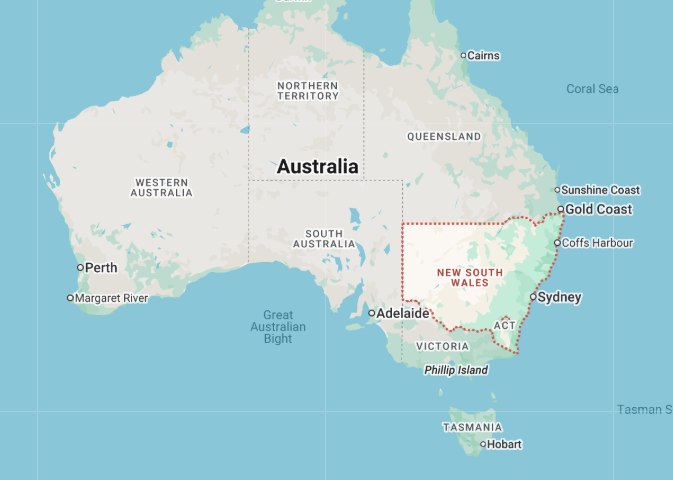
SYDNEY — Southeastern Australia woke up to biting cold Friday and Saturday mornings as a powerful cold front delivered the lowest temperatures since last winter across large swaths of inland New South Wales, South Australia and Victoria, with several locations dipping below zero and widespread frost blanketing farms and fields.

Weatherzone meteorologist Jess Miskelly reported on April 17 that places such as Orange in NSW plunged to -2.3°C — the coldest reading since last winter and the iciest April morning there since 2008. Coonawarra in South Australia hit -1.6°C, its coldest since early spring 2025. Many other inland communities recorded their lowest minimums of 2026 so far, with temperatures running up to 10°C below the April average.
The Bureau of Meteorology confirmed the sharp chill. Senior meteorologist Jonathan How noted that most of southeastern NSW and northern Victoria experienced their coldest morning of the year. Canberra dipped to -2°C for its first sub-zero reading of 2026, while Goulburn reached -4°C. Sydney recorded a brisk 11.8°C, with western suburbs like Badgerys Creek and Camden dropping to 5°C. Melbourne started the weekend at around 5°C.
The cold snap follows a deep trough and cold front that swept across the southeast earlier in the week, bringing clear skies overnight that allowed heat to radiate rapidly into space — perfect conditions for frost and near-freezing lows. Thredbo in the NSW Snowy Mountains was forecast to potentially hit -5°C, among the nation’s coldest spots.
Farmers and rural communities bore the brunt. Widespread frost warnings were issued for inland districts, threatening sensitive crops and new plantings in what is typically a milder shoulder season. Horticulturalists in the Riverina, Murray Valley and southeast South Australia scrambled to protect vineyards and orchards with wind machines and sprinklers. Some livestock owners moved animals to sheltered paddocks as wind chills made conditions feel even sharper.
In Victoria’s alpine regions and inland areas, temperatures fell below freezing in multiple spots. South Australia’s southeast also recorded sub-zero readings, continuing a pattern of unusually variable autumn weather following a hot summer. BOM data showed minimums up to 10°C below average across affected regions, turning what should be mild April nights into wintry scenes.
Urban centers felt the chill too. Residents in Canberra, regional NSW towns and Melbourne suburbs layered up for the coldest starts in months. Commuters reported icy winds and heavy dew turning to frost on car windscreens. Power demand for heating spiked in the early hours, with energy providers monitoring for increased usage.
This cold outbreak marks a notable shift after Australia’s warmer-than-average start to 2026. Earlier summer heatwaves had set records in Victoria and South Australia, with temperatures exceeding 48°C in some inland spots. The rapid transition to autumn cold highlights the volatility of the current climate patterns, influenced by lingering La Niña effects and a strong Southern Ocean weather driver.
Meteorologists expect the chill to linger into Sunday morning in some areas before a gradual moderation. Another cold front may reinforce the cool conditions early next week, though daytime temperatures should rebound into the mid-teens in most places. Clear skies and light winds will again favor frost formation in vulnerable inland valleys.
Health authorities urged caution for vulnerable populations. Elderly residents, young children and those with respiratory conditions face higher risks during such sharp temperature drops. Hospitals in regional centers reported a slight uptick in cold-related presentations. Outdoor workers and sports teams adjusted schedules to avoid the coldest hours.
The agricultural sector is watching closely. While frost is not uncommon in April, the severity this year comes amid broader concerns about climate variability. Wine growers in Coonawarra and the Barossa noted potential impacts on budding vines, though many had prepared with protective measures. Grain farmers on the NSW slopes welcomed the rain that preceded the cold but worried about frost damage to emerging crops.
Tourism operators in the Snowy Mountains and Victorian High Country reported strong interest in the unseasonal cold, with some lodges seeing last-minute bookings from visitors chasing a taste of winter in autumn. Photos of frosty landscapes and icy paddocks flooded social media, with hashtags like #AussieColdSnap and #AprilFrost trending.
BOM long-range outlooks suggest that while April to June daytime temperatures are likely to run above average across much of the country, minimums in the southeast may continue to fluctuate. Night-time temperatures are forecast to be above average overall, but short-lived cold snaps like this one remain possible.
For many Australians, the cold served as a reminder of the country’s diverse climate zones. While the tropical north enjoyed warm, humid conditions, the southeast shivered under clear autumn skies. The contrast underscores how quickly weather can shift across the vast continent.
As the weekend progresses, forecasters will monitor for any extension of the cold pool. Current models suggest a slow warming trend through the middle of next week, with more typical April temperatures returning to coastal and inland areas alike. In the meantime, residents are advised to keep heaters ready, protect pipes from freezing, and check on neighbors who may struggle with the unexpected chill.
Jess Miskelly and her colleagues at Weatherzone continue to track the system, providing regular updates as the cold air mass slowly shifts. For inland communities from the Victorian border through central NSW and into South Australia’s southeast, this was a stark and early preview of winter conditions — one that caught many by surprise in mid-April.
The event joins a growing list of notable weather extremes in 2026, from summer heat records to this autumn cold plunge. It serves as a vivid illustration of Australia’s variable climate and the importance of preparedness across all seasons. As the sun rises higher this weekend, the frost will melt, but the memories of the coldest mornings since last winter will linger for those who felt the bite.

Lundin Mining: The Copper Bull Case Is Strong — But Here's The Catch

DUBAI, United Arab Emirates — Dubai International Airport (DXB) remains fully open and operational on Saturday, April 18, 2026, welcoming departures and arrivals across all three terminals despite continuing to run a limited flight schedule as recovery from regional airspace disruptions progresses.
The world’s busiest international hub is processing flights, but passengers face ongoing restrictions, potential delays and a strong advisory to confirm details directly with airlines before heading to the airport. Official flight status pages show departures to destinations including New Delhi, Damascus and Cairo operating as scheduled or with minor adjustments on Saturday.
Dubai Airports issued a clear passenger advisory: “Dubai Airports is currently operating a limited schedule of flights to and from Dubai International (DXB). Passengers are strongly advised to check with their airline for the latest flight information before travelling.” This guidance, in place since late February, remains active as the airport gradually rebuilds capacity following earlier airspace closures tied to regional tensions.
Operations have stabilized significantly since the height of disruptions in March. Limited flights resumed in early March, and by mid-April, major carriers like Emirates and flydubai are maintaining partial schedules. On recent days, the airport has handled over 200 combined passenger flights from these two airlines alone on stronger days, though numbers fluctuate.
Emirates, the largest operator at DXB, continues flying to around 125 destinations on a reduced network. The airline has offered flexibility including one free date change for affected bookings. flydubai and Air Arabia are also operating select routes, while many international carriers remain limited to one daily round-trip under temporary regulations running through May 31.
Real-time tracking on Saturday showed flights such as IndiGo’s service from New Delhi and flydubai/EK codeshare to Damascus proceeding with gates closed on schedule. However, travelers reported scattered delays the previous day, with 124 flights affected across Dubai and Abu Dhabi on April 15. Some cancellations and long immigration queues for rebooking passengers added to the challenges.
The situation stems from airspace restrictions that began in late February 2026 amid regional conflicts. Temporary full suspensions occurred in early March, but a ceasefire in early April helped ease pressure. A key regulatory deadline on April 24 could influence further recovery, while foreign airline caps remain in effect to manage capacity safely.
Dubai World Central – Al Maktoum International (DWC) continues handling overflow and cargo operations, providing some relief to the main hub. All passenger terminals at DXB are accessible, with standard services including check-in, security, lounges and retail open for those with confirmed flights.
Travelers are urged not to arrive at the airport without verified departure times. Long queues for immigration and rebooking have been common during peak recovery periods. Airlines recommend arriving earlier than usual and preparing for possible gate changes or short-notice adjustments.
Major international carriers have issued their own updates. Several European airlines maintain reduced or suspended services, while Indian carriers like IndiGo and Air India operate limited rotations. British Airways, Lufthansa and others have adjusted schedules into late May. Passengers affected by cancellations can often rebook or request refunds under airline policies.
The airport’s recovery has been steady but cautious. Dubai Airports and authorities prioritize safety, with enhanced coordination between civil aviation bodies and airlines. No major incidents have been reported in recent weeks, allowing gradual normalization even as full pre-crisis capacity is still weeks or months away.
For those transiting or arriving in Dubai, the airport’s world-class facilities continue to operate. Lounges, hotels like the Dubai International Hotel inside the terminals, and extensive dining and shopping options are available. Free Wi-Fi, prayer rooms, medical services and assistance for passengers with reduced mobility remain fully functional.
The broader UAE aviation sector shows resilience. Abu Dhabi and other airports have experienced similar patterns of reduced but ongoing operations. Regional connectivity is slowly returning, supporting Dubai’s role as a global transit hub despite the challenges.
Economic implications are significant. As a vital connector between Europe, Asia and Africa, any prolonged reduction at DXB affects millions of passengers and billions in trade. Tourism and business travel to the UAE have adapted, with many opting for flexible itineraries or alternative routes during peak disruption periods.
Looking ahead, meteorologists and aviation experts anticipate continued improvement if regional stability holds. Airlines are expected to ramp up frequencies in coming weeks, though the one-rotation cap for foreign carriers will limit rapid expansion until at least June. Passengers planning travel in late April and May should monitor updates closely.
Dubai Airports maintains a comprehensive flight status page and mobile app for real-time information. Social media channels and airline notifications provide additional alerts. Travelers are encouraged to download relevant apps and enable notifications for their specific flights.
On this Saturday in April, DXB stands open as a symbol of Dubai’s aviation strength even under constraints. Flights continue to connect cities worldwide, albeit at a measured pace. For passengers with confirmed bookings, the journey proceeds — just with extra patience and preparation required.
The message from authorities remains consistent: the airport is open for business, but this is not business as usual. Check with your airline, plan ahead, and stay informed. As operations normalize further in the coming days and weeks, Dubai International Airport will continue fulfilling its role as a critical global gateway.
Whether departing for business, returning home or connecting onward, travelers on April 18 can proceed with confidence that DXB is operational — provided they follow the latest airline guidance in this period of cautious recovery.

BOSTON — Jayson Tatum is healthy and ready for the 2026 NBA playoffs, the Boston Celtics confirmed as the team prepares for its first-round series against the Philadelphia 76ers. The 28-year-old All-NBA forward, who tore his right Achilles tendon in last year’s postseason, has cleared all medical hurdles and carries no restrictions heading into the postseason.
Tatum suffered the devastating injury on May 12, 2025, during Game 4 of the Eastern Conference semifinals against the New York Knicks at Madison Square Garden. He underwent successful surgery shortly afterward and embarked on what many viewed as a season-ending recovery. Yet the Celtics star defied expectations, making his 2025-26 debut on March 6 against the Dallas Mavericks — just under 10 months after the rupture.

IBTimes US
Since returning, Tatum has played in 16 regular-season games, averaging roughly 21 points, 10 rebounds and 5 assists while shooting efficiently. He has posted multiple double-doubles, earned Eastern Conference Player of the Week honors and logged heavy minutes, including 40 in recent outings. The Celtics went 10-2 in his first stretch back on the court, underscoring his immediate impact.
Most recently, Tatum sat out the final two regular-season games for “injury management” and rest as Boston locked in the No. 2 seed in the East. Those absences were precautionary, with the team prioritizing his health for the playoffs rather than risking fatigue on back-to-backs. Celtics coach Joe Mazzulla and the medical staff have emphasized a gradual ramp-up that has now reached full clearance.
Tatum addressed his recovery candidly in recent interviews. “It’s only been 16 games,” he said. “I’m not 100% myself yet, but I’m proud of what we’ve accomplished.” He described returning to Madison Square Garden — the site of his injury — as emotionally heavy but ultimately cathartic. In that April 9 game, he delivered 24 points, 13 rebounds and eight assists in 40 minutes, checking another major mental box.
Medical experts note that Tatum’s timeline is impressive. Typical Achilles recovery for elite athletes often stretches 12-18 months for full explosiveness. Tatum’s return at under 10 months, combined with his production, has drawn praise from legends like Dominique Wilkins, who underwent a similar injury. “He looks strong,” Wilkins said. “The kid is doing everything right.”
The Celtics have managed Tatum carefully throughout his comeback. Early games featured minutes restrictions that were lifted after a few weeks. He has not played both ends of back-to-backs consistently, a strategy that preserved his conditioning. No setbacks have been reported, and recent imaging confirmed the repaired tendon is stable.
With the playoffs underway, Tatum enters as a key piece of a deep Celtics roster. Boston features a strong supporting cast led by Jaylen Brown, who carried the team during Tatum’s absence. The duo’s chemistry remains elite, and both have expressed excitement about competing together again in May and beyond.
Celtics president of basketball operations Brad Stevens highlighted the organization’s patience. “We never rushed him,” Stevens said. “Jayson did the work quietly for months, and now he’s ready when it matters most.” The team’s medical staff, including specialists who coordinated with Tatum’s surgeon Dr. Martin O’Malley, receive high marks for the structured rehab program.
Fans and analysts have reacted with optimism. Tatum’s return has fueled title hopes in Boston, where expectations remain championship-or-bust. Some skeptics questioned whether he could regain his pre-injury burst so quickly, but early returns suggest he is close. His lateral quickness, finishing at the rim and defensive versatility have all flashed positively.
Tatum himself views the entire season as a bonus. “Just being back out there playing playoff basketball again is more than I could dream of,” he told reporters. The emotional weight of the injury — described by Tatum as the lowest point in his life — has given him fresh perspective. He has spoken about appreciating every moment on the court after months of grueling rehab.
Looking ahead to the 76ers series, Tatum is expected to start and play full minutes barring any new issues. Philadelphia presents a tough test with stars like Tyrese Maxey and Paul George, but Boston’s depth and home-court advantage provide a strong edge. A deep run would test Tatum’s endurance, yet those close to him express confidence in his preparation.
Off the court, Tatum has stayed active in the community, recently surprising a 92-year-old lifelong Celtics fan with courtside seats. Such gestures reflect his grounded mindset during recovery. His family, including young son Deuce, has been a constant source of motivation.
The broader NBA landscape watches closely. Achilles injuries have derailed many careers, but modern medicine and dedicated training have improved outcomes. Tatum’s case could serve as a blueprint for future stars facing similar setbacks. His transparency about the mental side of recovery has also resonated with athletes across sports.
As the Celtics open the playoffs, Tatum stands as a symbol of resilience. From the floor of Madison Square Garden in tears last May to leading Boston once more in April 2026, his journey embodies perseverance. With no lingering limitations and a clear mind, the five-time All-Star is poised for a strong postseason showing.
Boston fans, hungry for another title after falling short in recent years, have embraced Tatum’s return with open arms. TD Garden is expected to be electric for home games, with chants of “MVP” likely echoing as he chases another deep run. Whether this ends in a championship remains uncertain, but Tatum’s presence alone has transformed the Celtics’ outlook.
For now, the focus is game-by-game. Tatum and the Celtics will take the court with renewed purpose, proving that even the toughest setbacks can lead to stronger comebacks. As one of the league’s brightest stars, Jayson Tatum has turned injury adversity into playoff motivation — and Boston is ready to ride with him.
Business
How The 'Fake-Death' Of Petrodollar Supremacy Rewrites The S&P 500 Playbook (It's Not What You Think)

How The 'Fake-Death' Of Petrodollar Supremacy Rewrites The S&P 500 Playbook (It's Not What You Think)


Colombia’s Petro warns of Latin American ’rebellion’ if US doesn’t rethink policy

MARA Holdings: A Valuation Re-Rating Could Be Near

The Alfred E. Neuman Market Returns

10 gifts this golf mom would love to receive

OpenAI to rival Google’s AlphaFold with new AI model for life sciences research

Chosen One: FINANCIAL CHAINS BREAK TODAY – Archangel Michael Revealed The 3 SIGNS You Can’t Ignore


-
 NewsBeat5 days ago
Pep Guardiola and Gary Neville agree over Arsenal title problem that benefits Man City
-

 Crypto World5 days ago
The SEC Conditionalises DeFi Platforms to Be Avoided for Broker Registration
-

 Politics6 days ago
World Cup exit makes Italy enter crisis mode
-

 Crypto World4 days ago
SEC Signals Exemption for Crypto Interfaces From Broker Registration
-

 News Videos3 days ago
Secure crypto trading starts with an FIU-registered
-

 Fashion15 hours ago
Weekend Open Thread: Theodora Dress
-

 Sports1 day ago
NWFL Suspends Two Players Over Post-Match Clash in Ado-Ekiti
-

 Crypto World4 days ago
SEC Proposes Certain Crypto Interfaces Don’t Need to Register as Brokers
-

 Business7 days ago
Ireland Fuel Protests Enter Day 5 as Blockades Spark Shortages and Government Prepares Support Package
-

 NewsBeat4 days ago
Trump and Pope Leo: Behind their disagreement over Iran war
-

 Politics13 hours ago
Palestine barred from entering Canada for FIFA Congress
-
 NewsBeat6 days ago
JD Vance announces ‘no agreement’ with Iran over nuclear weapons fear
-

 Crypto World11 hours ago
Russia Pushes Bill to Criminalize Unregistered Crypto Services
-
Sports6 days ago
Dexter Lawrence, Stefon Diggs, Trading for De’Von Achane
-

 Crypto World5 days ago
Trump whales load up ahead of Mar-a-Lago luncheon.
-
 Crypto World5 days ago
Sei Network Enters Quiet Reset Phase as On-Chain Metrics Signal a Slowdown in 2026
-
Business5 days ago
Kering slides after Morgan Stanley downgrade, Gucci woes loom
-
 Entertainment4 days ago
Karol G’s ‘Ultra Raunchy’ Coachella Set Gave ‘Satanic Vibes’
-
 Business2 days ago
Creo Medical agree sale of its manufacturing operation
-

 Sports5 days ago
NWFL opens Pathway for new Clubs ahead of 2026 Season
You must be logged in to post a comment Login