NEW YORK — Advanced Micro Devices Inc. (NASDAQ: AMD) shares pulled back sharply Tuesday, dropping more than 5% to around $434 as investors took profits after a strong run driven by artificial intelligence demand. The decline raises the familiar question for investors: Is AMD stock a buy or sell in 2026? Wall Street’s consensus leans heavily toward buy, with analysts citing explosive data center growth, market share gains and a compelling long-term AI roadmap even as valuations remain elevated.
AMD reported standout first-quarter 2026 results in early May, with revenue climbing 38% year-over-year to $10.3 billion and adjusted earnings per share of $1.37, beating estimates. Data center revenue surged 57% to a record $5.8 billion, fueled by strong demand for EPYC CPUs and Instinct MI300 series accelerators. The company raised its full-year outlook and guided second-quarter revenue to approximately $11.2 billion, well above expectations.
CEO Lisa Su highlighted accelerating server growth and strong customer engagement around next-generation MI350 and MI400 series products. Management expressed increasing confidence in reaching tens of billions of dollars in data center AI revenue in 2026 and beyond, targeting long-term growth well above 80% in key segments.
Analyst Consensus: Strong Buy with Rising Targets
As of mid-May 2026, 44 analysts rate AMD as a Moderate Buy to Strong Buy. The average 12-month price target sits around $388-$414, with bullish outliers reaching $500 to $625 from firms including Barclays, KeyBanc, Cantor Fitzgerald and Baird. Recent upgrades reflect optimism around agentic AI workloads, enterprise CPU demand and expanding hyperscaler partnerships.
Advertisement
DA Davidson upgraded the stock to Buy with a $375 target, while Wedbush, Goldman Sachs and others raised targets post-earnings. Analysts point to AMD’s improving software ecosystem through ROCm, competitive pricing and ability to win share in cost-sensitive AI deployments as key differentiators versus Nvidia.
Bull Case: AI Supercycle and Market Share Gains
Proponents argue AMD is well-positioned in the multi-hundred-billion-dollar AI infrastructure market. While Nvidia dominates high-end training GPUs, AMD is gaining traction in inference, enterprise servers and custom solutions. Partnerships with Meta, Microsoft and others provide multi-year visibility, and agentic AI trends are boosting CPU demand alongside GPUs.
AMD’s diversified portfolio — including strong client (Ryzen) and gaming segments — provides ballast during any temporary slowdowns in AI spending. Free cash flow hit a record $2.6 billion in Q1, supporting continued investment, dividends and potential share repurchases. Long-term forecasts see AMD revenue compounding at high teens to low 20s percent annually through the end of the decade.
Risks and Bear Case Considerations
Skeptics highlight elevated valuations, with forward P/E multiples in the low-to-mid 30s. Execution risk on new product ramps, heavy capital intensity across the semiconductor industry and Nvidia’s software moat (CUDA) remain challenges. Geopolitical tensions, potential moderation in hyperscaler capex and China export restrictions could pressure near-term results.
Advertisement
Some analysts note that while AMD is winning incremental share, the absolute gap with Nvidia remains wide. Profit-taking after rapid gains is natural, and any slowdown in AI hype could trigger sharper corrections given the stock’s high beta.
Portfolio Strategy for 2026
For growth-oriented investors comfortable with volatility, AMD represents a compelling buy for long-term portfolios. Dollar-cost averaging during dips can mitigate timing risk. Conservative investors may prefer smaller positions or waiting for clearer evidence of sustained market share gains and margin stability. Diversification across the semiconductor sector — including Nvidia and broader AI plays — remains prudent.
Technical analysts see support near recent swing lows around $400-$420, with resistance near all-time highs. Momentum indicators suggest the pullback could be temporary if upcoming data center updates and industry events reinforce positive momentum.
Broader Market Context
AMD’s story fits within the larger AI investment theme dominating markets in 2026. Strong Q1 results and raised guidance align with upbeat commentary from peers and customers. Sovereign AI projects, enterprise adoption and agentic systems provide multiple growth vectors beyond traditional hyperscalers.
Advertisement
As summer approaches, focus shifts to second-quarter results in late July and further product roadmap details. Any positive surprises on MI350 ramp or new design wins could reignite buying interest and push shares toward fresh highs.
Ultimately, the decision to buy or sell AMD in 2026 depends on time horizon, risk tolerance and conviction in the AI secular trend. Most Wall Street professionals see the current dip as a healthy consolidation in a powerful long-term uptrend. With robust fundamentals, rising analyst targets and expanding AI opportunities, the balance of evidence favors buying on weakness for investors with a multi-year perspective.
The semiconductor leader’s ability to execute on its ambitious roadmap will determine whether today’s pullback becomes a footnote in another strong year or the start of a deeper correction. For now, the weight of analyst opinion and business momentum tilts toward buy.
Seeking Alpha’s transcripts team is responsible for the development of all of our transcript-related projects. We currently publish thousands of quarterly earnings calls per quarter on our site and are continuing to grow and expand our coverage. The purpose of this profile is to allow us to share with our readers new transcript-related developments. Thanks, SA Transcripts Team
GRAIL, Inc. (GRAL) Bank of America Global Healthcare Conference 2026 May 12, 2026 11:40 AM EDT
Company Participants
Aaron Freidin – Chief Financial Officer
Advertisement
Conference Call Participants
Michael Ryskin – BofA Securities, Research Division
Advertisement
Conversation
Aaron Freidin Chief Financial Officer
[Audio Gap] Our digital health channels. It’s been great to see there despite some of the NHS headlines, the growth persisted and so on. So really excited to be there. For the rest of the year, we’ve got — we’ve announced we’re going to implement Epic by the end of the year. We continue to see momentum from some of our other integrations, whether it’s Quest or Athenahealth and the pull-through is there. So it’s great to see…
Advertisement
Michael Ryskin BofA Securities, Research Division
Maybe let’s — you mentioned NHS. — let’s just dive right into that. That was sort of the big update that happened during the quarter. A lot to parse apart there. Has that impacted any of your customers or in your conversations around demand? So has that had any impact on the business as you see it in terms of like volume?
Aaron Freidin Chief Financial Officer
Advertisement
Yes. So I’d say that the headline came out and physicians who are orderers, physicians who are prospective orderers ask more questions. It was pretty clear though that those who saw beyond the headline and saw some of the clinical utility measures such as Stage IV reduction, increase in Stage I and II, decreased emergency room presentations, 4x more cancers found than the standard of care, like they got it. That all being said, everyone wants to see the data at ASCO. It’s one of those SEC disclosure type things where you’ve got data in-house, you’ve got to say something vague, to not protect your — I mean, to not ruin your ASCO presentation. So everybody wants to see the ASCO data, and that will
Franchising is no longer a niche business venture. Recent data shows that 99.5% of franchises succeed, whereas 50% of small businesses fail.
In 2026, the franchise model evolved into something much bigger, with more and more investors choosing to put their money into franchises over traditional businesses.
Franchising is No Longer Confined to Fast Food
UK franchising has grown into a £19.1 billion industry. Over the last five years, there’s also been a 53% spike in franchises. Interestingly, franchising is also evolving to become more diverse. Take entertainment, for example. Series like Yellowstone, for example, started with a core brand, with multiple spin-offs, streaming partnerships, licensing agreements, and more.
This creates loyalty loops that can be scaled in a similar way to business franchises. People who like one part of the brand are likely to go on to invest in the other shows under the same umbrella. Netflix also prioritises ecosystems, rather than standalone shows.
The same concept can also be seen in iGaming. Those who enjoy Vegas slots games will see notable franchises, including Cod Chaos, Big Bass, Fishin’ Frenzy, and more. Examples like this show how content can be scaled, building on experiences to create full ecosystems of entertainment that are familiar.
Advertisement
Spotify is another example of how powerful franchising can be. Content creators have become brands, creating subscriber communities while hosting exclusive series. Podcast hosts now usually host podcasts on YouTube, Spotify, and beyond, meaning loyalty can be ported across different platforms in a way that is very similar to how franchise businesses expand.
As UK franchises are successful 99.5% of the time, according to the data, it’s a powerful way for people to navigate uncertain economic conditions. In an age where consumers are overwhelmed by choice, businesses are investing more in scalable ventures.
Strong Examples of Franchises in the UK
One of the best examples of franchising in the UK would be Subway UK. While Subway is recognised across the globe, the UK operation shows how possible it is to create consistency at scale. Even though each store follows the same layout, promotional campaigns, branding, and menu, managers still have an element of control.
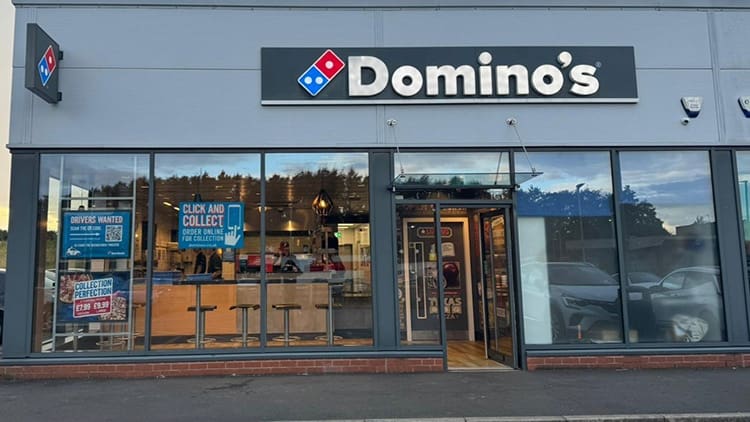
From staff perks to hiring and holidays, each manager can run the store independently, but with a familiar structure that governs high customer retention. Consumers who walk into a store in London, Manchester, or Wales know what to expect every single time. Large UK pizza chains like Domino’s are also a prime example. Their revenue climbed to 3.1% last year, bringing in £685.4m in profit.
Advertisement
It’s not just fast food chains that are capitalising on the franchise boom, either. Stores like CeX, a store that sells second-hand tech and media, boast an annual turnover of £1 million per store. Data like this shows how powerful franchising can be, as investors are able to capitalise on existing client bases, branding and pricing structure, but with some level of control over how the business is run. It offers the perfect foundation for profit and, for audiences, provides much-needed familiarity in saturated markets.
Britain’s second-hand electric vehicle market has shifted into a higher gear, with sales of used battery-electric cars climbing to a record high in the opening quarter of the year as buyers wrestling with stubbornly high pump prices reassess the cost of motoring.
Figures published by the Society of Motor Manufacturers and Traders (SMMT) show that 86,943 used pure-electric cars changed hands between January and March, a 32 per cent jump on the same period last year and the strongest quarterly performance since records began. Battery-electric models also captured a record 4.3 per cent share of the second-hand market, edging the technology closer to the mainstream.
The headline EV growth came against a notably subdued backdrop for the wider sector. The SMMT reported that just over two million used vehicles in total changed hands during the first three months, leaving the broader market essentially flat. That contrast underlines the speed at which the electrification thesis is now feeding through to ordinary forecourt decisions, particularly among private buyers and small business owners weighing the total cost of ownership.
Mike Hawes, chief executive of the SMMT, said the surge reflected the widening pool of affordable used electric stock coming back into the market three or four years after the first significant wave of new EV registrations. He warned, however, that the trajectory remained dependent on continued policy support for the new-car market that ultimately supplies it.
“Growing choice from manufacturers is feeding through into the second-hand electric vehicle market,” Mr Hawes said. “High fuel prices, given the conflict in Iran, may increase demand even further but to maintain this momentum, every fiscal and policy lever must be pulled to ensure a healthy new car market that delivers zero-emission vehicles that can in future flow through to the used market.”
Advertisement
His comments will be read closely in Whitehall, where ministers are under pressure to revisit incentives for both private buyers and the company car schemes that have, until now, done much of the heavy lifting on EV adoption. With the Zero Emission Vehicle (ZEV) mandate continuing to ratchet up the proportion of electric models manufacturers must sell, any softening in new-car demand would, on current trends, eventually choke off the supply of nearly new EVs that smaller businesses and private motorists are increasingly hunting down.
Ian Plummer, chief customer officer at Auto Trader, said the data dovetailed with the behaviour his platform was already seeing among shoppers. “The real story is how the market’s evolving, particularly in terms of electrification. Used EV transactions are up, and market share is rising. That mirrors what we’re seeing on our platform, where nearly one in four used car inquiries are for sub-five-year-old electric models,” he said.
“Rising prices at the pump, driven by global instability, are prompting more people to reassess their running costs, helping to accelerate this shift even further.”
For SME owners running pool cars and small fleets, the figures will sharpen an already pressing calculation. With petrol and diesel prices once again being buffeted by geopolitical risk, the gap between forecourt costs and home or depot charging is widening, while improving used-EV residuals are easing one of the longest-standing objections to making the switch. Whether the government can keep the new-car pipeline flowing strongly enough to sustain that supply, however, remains the question hanging over the second half of the year.
Advertisement
Amy Ingham
Amy is a newly qualified journalist specialising in business journalism at Business Matters with responsibility for news content for what is now the UK’s largest print and online source of current business news.
‘The Big Money Show’ panelists weigh in on the White House’s new merit-based federal government hiring plan.
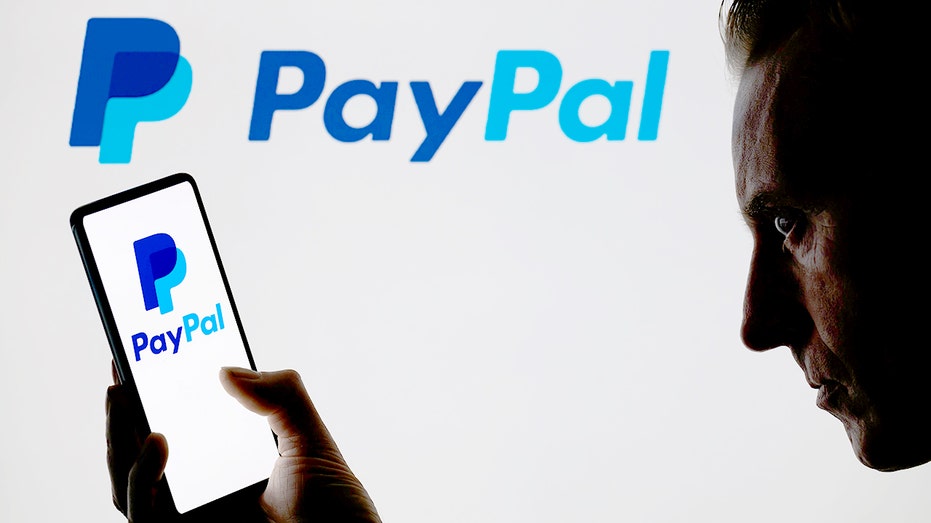
The Department of Justice announced a settlement with PayPal, Inc. after the company allegedly pushed “a discriminatory investment program created for Black and minority-owned businesses.”
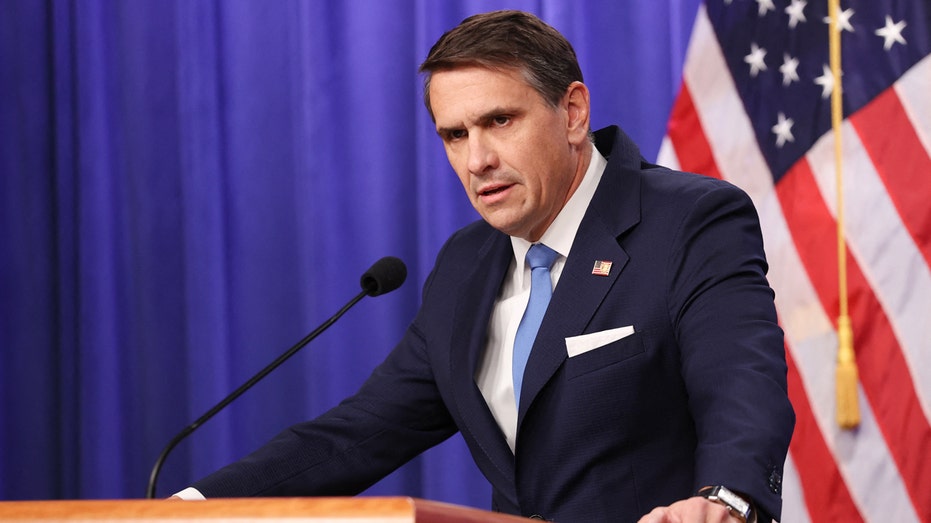
“This Department of Justice is delivering on President Trump’s vow to root out illegal DEI from every corner of corporate America,” Acting Attorney General Todd Blanche said in a statement Tuesday. “American corporations are on notice: you will face our aggressive enforcement if you use race or national origin to discriminate against qualified Americans.”
Advertisement
In 2020, PayPal launched a one-time $530 million commitment known as the Economic Opportunity Fund to “expand economic opportunity for Black and underrepresented minority businesses and communities.” The Department of Justice investigated this program over potentially violating The Equal Credit Opportunity Act, which prohibits creditors from discriminating based on race or color.
The Department of Justice did not determine whether PayPal violated federal law with its 2020 fund. (Gabby Jones/Bloomberg via Getty Images / Getty Images)
Though the Justice Department did not determine that PayPal violated the Equal Credit Opportunity Act or any federal law, the department claimed PayPal did not implement the program to counter past examples of discrimination.
The Department of Justice is also not prohibited from bringing action against PayPal for any future violations of the Equal Opportunity Act.
As part of the settlement, PayPal will launch a new Small Business Initiative and waive processing fees for $1 billion of transactions, or approximately $30 million, for American businesses that are veteran-owned or engaged in farming, manufacturing, or technology.
Acting Attorney General Todd Blanche released a statement touting the settlement with PayPal as an effort to root out “illegal DEI.” (Alex Wroblewski / AFP via Getty Images / Getty Images)
PayPal has also been instructed to inform employees on the Equal Credit Opportunity Act and provide an annual report on the initiative.
In a statement to Fox News Digital, a PayPal spokesperson said, “For more than two decades, PayPal has helped small businesses start, scale, and thrive by expanding access to digital financial tools. We’re excited to launch the Small Business Initiative to infuse American small businesses with even more economic opportunity.”
Assistant Attorney General Harmeet K. Dhillon of the Justice Department’s Civil Rights Division celebrated the decision as further effort by the Trump administration to eliminate discrimination among businesses.
PayPal issued a statement in support of its new Small Business Initiative. (Jonathan Raa/NurPhoto via Getty Images / Getty Images)
“With this settlement, PayPal agrees that race and national origin should play no part in determining which small businesses deserve its investment and financial support,” Dhillon said.
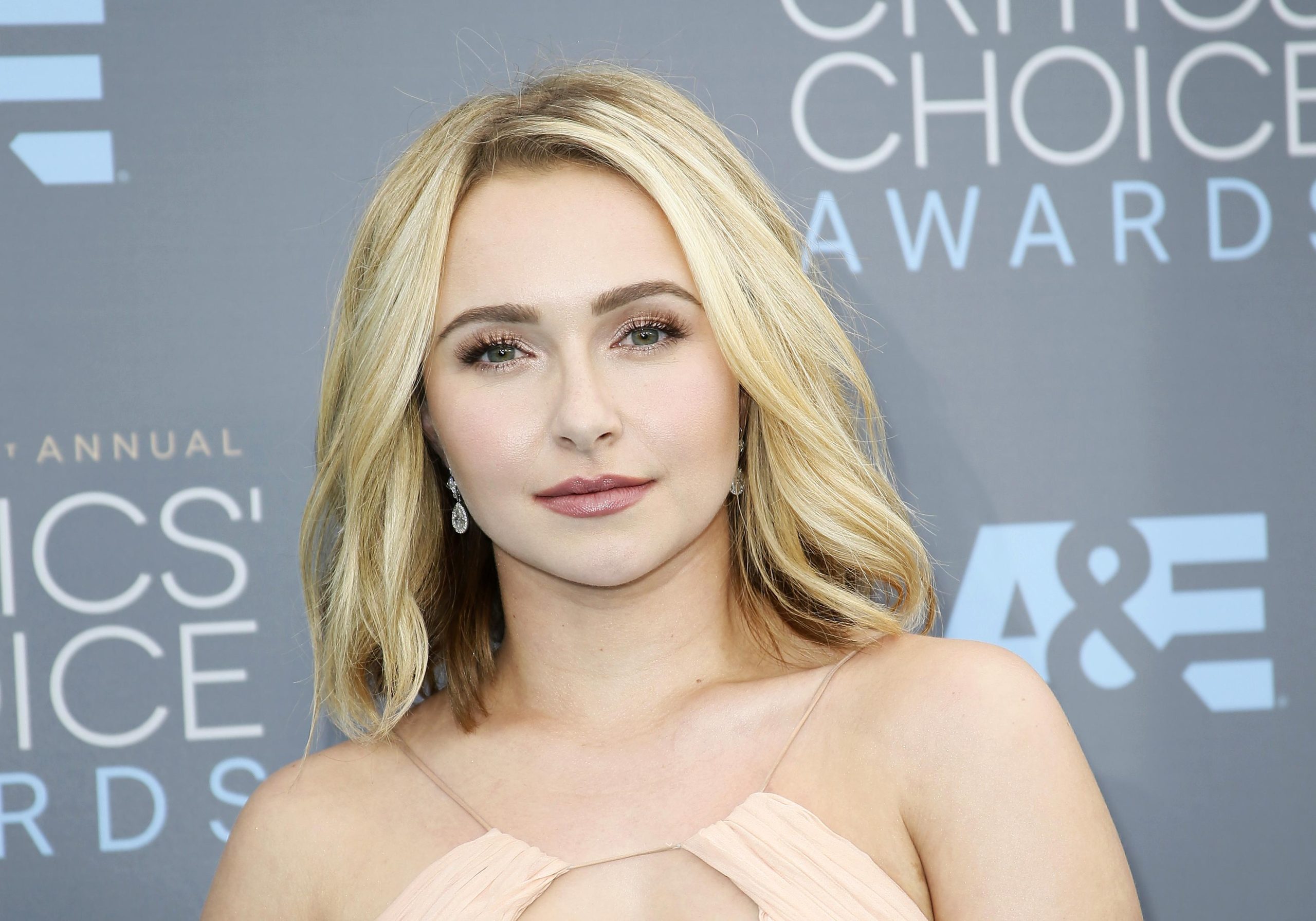
LOS ANGELES — Hayden Panettiere has come forward with a disturbing account from her teenage years, claiming a woman she trusted as a protector physically placed her in bed next to an “undressed” and “very famous” man when she was just 18 years old. The “Nashville” and “Heroes” actress shared the alleged incident during a candid interview on the “On Purpose with Jay Shetty” podcast, promoting her upcoming memoir “This Is Me: A Reckoning,” set for release on May 19, 2026.
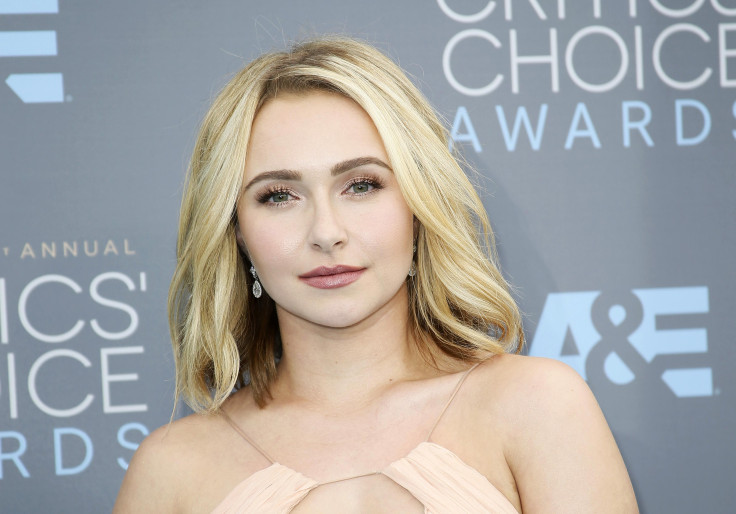
Hayden Panettiere
Panettiere, now 36, described the encounter as “shocking” and said it left her in survival mode. She recalled being on a boat where the trusted woman led her downstairs into a small room containing a bed. “She physically put me in the bed next to this undressed man who was very famous,” Panettiere said, adding that the man behaved as if the situation was routine for him.
The actress did not name the man or the woman involved. She emphasized feeling betrayed by someone she viewed as a mentor and protector, realizing only later how vulnerable and naive she had been at that age. Panettiere told Shetty she immediately recognized the danger, escaped the situation, and hid, feeling isolated at sea.
Context From Her Memoir and Career
The revelation is part of Panettiere’s broader reflection on her experiences in Hollywood as a child star turned young adult actress. She rose to fame as a child on shows like “One Life to Live” before starring as Claire Bennet on “Heroes” and later as Juliette Barnes on “Nashville.” Her memoir explores themes of trauma, addiction, postpartum depression, and the pressures of early fame.
Panettiere has been open in recent years about her struggles, including a high-profile custody battle with ex-partner Wladimir Klitschko over their daughter Kaya, and her battle with substance abuse. She has described the memoir as a reckoning with her past and a step toward healing.
Advertisement
In the podcast, she tied the boat incident to broader patterns of exploitation faced by young women in the entertainment industry. “I realized I was in danger,” she recalled, noting how her underdeveloped sense of risk at 18 left her unprepared for such situations.
Public and Industry Reaction
News of Panettiere’s account spread rapidly across social media and entertainment outlets Tuesday. Fans expressed shock and support, with many praising her courage for sharing such a personal story. Hashtags related to the interview trended as supporters called for greater protections for young performers in Hollywood.
The entertainment industry has faced increased scrutiny in recent years over power imbalances, with movements like #MeToo highlighting cases of coercion and abuse. Panettiere’s story adds to ongoing conversations about safeguarding minors and young adults entering the business, though her decision not to name individuals has sparked mixed reactions. Some applaud her focus on personal healing over public shaming, while others urge more accountability.
No legal action has been mentioned in connection with the alleged incident, and representatives for Panettiere have not released further statements beyond the podcast appearance. The man’s identity remains undisclosed, leaving speculation among fans and media.
Advertisement
Panettiere’s Path to Recovery
Beyond the boat incident, Panettiere has detailed other challenges in her life and career. She has spoken about the intense pressures of child stardom, body image issues, and the emotional toll of public scrutiny. Her custody decision to allow her daughter to live primarily with Klitschko in Ukraine was made amid severe postpartum depression and addiction struggles, a choice she has described as life-saving.
In recent years, Panettiere has focused on sobriety, mental health advocacy, and rebuilding her career. She appeared in “Scream 6” and has teased future projects. The memoir represents a full-circle moment, allowing her to reclaim her narrative after years of tabloid headlines.
Jay Shetty, host of the popular podcast, praised Panettiere’s vulnerability during the episode, noting how such stories highlight the need for better support systems in Hollywood. The full interview, which runs nearly two hours, covers her relationships, fame, and personal growth.
Broader Implications
Panettiere’s disclosure arrives at a time when Hollywood continues grappling with reform. Industry initiatives for safer working environments, intimacy coordinators, and anti-harassment policies have gained traction since the #MeToo movement, yet advocates argue more work remains, especially for young talent.
Advertisement
Experts note that stories like Panettiere’s — shared years later in memoirs or interviews — often reflect delayed processing of trauma. Many survivors choose not to name individuals publicly due to legal risks, emotional burden, or a desire to focus on healing rather than confrontation.
For Panettiere, the decision to include the anecdote appears rooted in authenticity and helping others feel less alone. “I was so naive,” she reflected, hoping her openness encourages younger performers to trust their instincts and seek support.
As anticipation builds for “This Is Me: A Reckoning,” fans and observers await further details. The book promises deeper insight into the actress’s journey from child star to survivor, offering a raw look at fame’s darker side alongside moments of resilience and joy.
Panettiere’s willingness to revisit painful memories underscores a larger cultural shift toward transparency. Whether her story prompts industry changes or simply provides catharsis for the actress herself, it adds another voice to the conversation about power, vulnerability, and accountability in entertainment.
Advertisement
For now, Hayden Panettiere continues focusing on recovery, motherhood, and forward momentum — one honest conversation at a time.
NEW YORK — Persistent online speculation about an impending divorce between Blake Lively and Ryan Reynolds has intensified in 2026, largely fueled by Lively’s high-profile legal battle with Justin Baldoni, yet the Hollywood power couple continues to project unity through affectionate public appearances, supportive statements and direct dismissals that suggest the gossip remains firmly in the realm of unverified rumors.
As of mid-May 2026, no divorce filings have appeared in court records, and multiple sources close to the pair describe their marriage as intact despite intense media scrutiny surrounding Lively’s lawsuit. The couple, married since September 2012, shares four children — James, 11, Inez, 9, Betty, 6, and Olin, 3 — and maintains homes in New York and California.
Rumors gained traction earlier this year when Lively attended events solo and faced questions tied to her lawsuit against Baldoni, her “It Ends With Us” co-star and director. Online commentators speculated that the stress of the legal fight, which settled on May 4, 2026, just before trial, might strain the marriage. However, Reynolds publicly praised his wife in a rare statement, calling her “kind & fearless” in a Mother’s Day tribute and expressing pride in her integrity during the dispute.
Couple’s Public Rebuttals
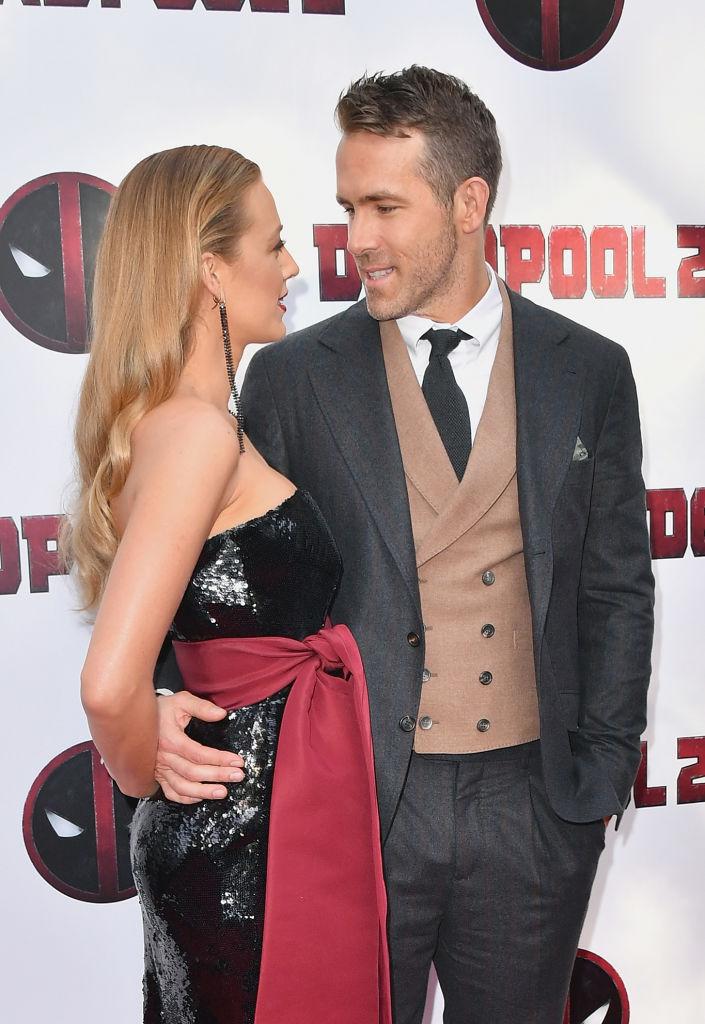
Lively has directly addressed the chatter on social media. In response to a fan comment about divorce rumors, she replied with a lighthearted “Haha they wish,” a signature witty dismissal that echoes previous times the couple has batted away split speculation. In March 2026, the pair was photographed sharing a warm embrace at a Wrexham AFC match in Wales, with Lively later posting a smiling selfie with Reynolds on Instagram Stories.
Advertisement
Their PDA-filled outing and continued joint appearances have reassured fans that the marriage remains strong. Reynolds has also referenced the Baldoni situation supportively, telling interviewers he has “never in my life been more proud of my wife.”
Legal Battle Context
Much of the current rumor wave stems from Lively’s lawsuit against Baldoni and related parties over alleged harassment and retaliation during the making of “It Ends With Us.” The case settled without a monetary exchange days before a scheduled May 2026 trial, with Lively dropping remaining claims while reserving the right to pursue fees. She attended the Met Gala solo shortly after the settlement, which some tabloids interpreted as further evidence of marital strain, though insiders described it as a strategic move to reclaim her narrative.
Both Lively and Reynolds have faced career challenges amid the divided public opinion on the lawsuit, but sources say the ordeal has brought them closer rather than driven them apart. Reynolds has been described as a steadfast supporter throughout the process.
Longstanding Relationship Timeline
Lively and Reynolds first met on the set of “Green Lantern” in 2010 and began dating in 2011. They married in a private ceremony in 2012 at a plantation in South Carolina. Over more than 14 years together, they have navigated fame, four children, multiple joint projects and intense public interest with notable humor and privacy.
Advertisement
The couple has consistently presented a united front. Reynolds frequently praises Lively in interviews, and she has shared candid moments of their family life on social media. In March 2026, Lively posted about still taking “sneaky photos” of her husband after 14.5 years, writing “I have such a crush.”
Why Rumors Persist
Celebrity divorce speculation is common in Hollywood, especially during periods of high stress or when one partner faces controversy. The Baldoni lawsuit created a perfect storm for rumor mills, with every solo appearance or scheduling conflict interpreted as marital trouble. Tabloid outlets and social media accounts have amplified unverified claims, but close observers note the couple’s history of weathering storms together.
Astrologers and relationship experts invited to comment on podcasts have offered mixed opinions, with some warning of challenges for high-profile Scorpio-influenced pairings in 2026, yet none have cited concrete evidence of trouble.
Current Status and Future Outlook
As of May 2026, Blake Lively and Ryan Reynolds remain happily married with no signs of separation. They continue co-parenting, supporting each other’s careers and enjoying family time. Reynolds’ involvement with Wrexham AFC and Lively’s focus on personal projects and advocacy keep them busy, but sources say their bond is resilient.
Advertisement
The couple has four young children who remain their top priority. Insiders say any future decisions will center on what’s best for the family, and both stars have emphasized protecting their private life from public speculation.
For now, the persistent divorce rumors appear to be exactly that — rumors. Lively and Reynolds have repeatedly demonstrated their commitment through actions and words, turning speculation into another chapter in their well-documented ability to rise above Hollywood noise. As they move forward after the Baldoni settlement, the focus remains on family, careers and shared projects rather than any marital dissolution.
Fans and observers will likely continue watching for public sightings and social media posts, but the latest evidence points to a couple still very much together after nearly 15 years of marriage. In an industry where splits are common, Lively and Reynolds stand out as one of Hollywood’s more enduring partnerships.
Whether the rumor cycle quiets or reignites with the next headline, the couple’s track record suggests they will continue facing it side by side.





















































You must be logged in to post a comment Login