
Business
A Review of 10 Leading Proxy Platforms for 2026

The generative AI landscape is evolving at a breakneck speed, with new models emerging daily. With technologies like Grok Imagine API, developers need high-performance, low-latency API access to scale applications.
Selecting a reliable API proxy platform is crucial when working with Grok Text-to-Image and Grok Text-to-Video models. This guide evaluates 10 leading API proxy platforms, focusing on their handling of Grok Imagine API and Grok Imagine Video API integration. Our aim is to help you choose the best infrastructure for your specific needs, ensuring success for the next generation of AI-powered applications.
Quick Comparison Overview
To provide an immediate snapshot of each platform’s core strengths and how it aligns with Grok Imagine API, here’s a condensed overview:
| Platform Name | Best Known For | Grok Model Compatibility | Primary Performance Metric |
| ApiPass | High Availability | Full Support | 99.9% Uptime |
| ApiMart | Model Diversity | Supported | High Throughput |
| WaveSpeed | Ultra-Low Latency | Supported | 50ms Response |
| Fal | Visual Optimization | Excellent | GPU Optimization |
| Replicate | Model Variety | Partial Support | Scalability |
| PoYo | Ease of Integration | Supported | Rapid Setup |
| ApiFrame | Developer Experience | Supported | Robust Framework |
| ApiPod | Multi-Cloud Deployment | Supported | Global Reach |
| Crun | High Concurrency | Supported | Load Balancing |
| KIE | Enterprise Security | Supported | Audit Readiness |
Detailed Breakdown
Now, let’s delve deeper into each platform, examining their unique offerings, pros, cons, pricing structures, and ideal use cases. We will especially consider their effectiveness in the context of the Grok Imagine API ecosystem.
1. ApiPass
ApiPass has quickly become a preferred choice for reliable, optimized API middleware in generative AI. It’s specifically tuned for Grok Imagine API, ensuring rapid generation of images and videos under high-concurrency loads. Its architecture is built for resilience and speed, making it an ideal partner for mission-critical AI applications. ApiPass also offers competitive pricing for Grok Imagine API usage, presenting an economical route compared to direct access for many use cases.
Pros:
- Exceptional Stability: ApiPass provides unparalleled uptime and reliability for consistent Grok Imagine API access.
- Fast Integration: Developer-friendly tools facilitate quick and seamless integration of Grok Text-to-Image and Grok Text-to-Video models.
- Comprehensive Technical Support: Responsive and knowledgeable support aids in troubleshooting and optimization.
- Optimized Performance: Actively optimizes traffic flow to and from Grok Imagine API for minimal latency and maximum throughput.
- Cost-Effectiveness for Grok Models: Offers competitive pricing for high-volume Grok Imagine API usage.
Cons:
- ApiPass primarily optimizes for mainstream, high-demand AI models like Grok Imagine API. It may offer fewer niche or experimental models compared to pure model repositories.
Pricing:
- grok grok-imagine
- text-to-image: 0.020 per run
- text-to-image-quality: 0.027 per run
- image-to-image: 0.023 per run
- image-upscale: 0.055 per run
- text-to-video-480p: 0.009 per second
- text-to-video-720p: 0.016 per second
- image-to-video-480p: 0.009 per second
- image-to-video-720p: 0.018 per second
- grok grok-imagine-video-1-5-preview
- 480p: 0.077 per second
- 720p: 0.127 per second
Best For: Enterprise-level applications and production environments demanding consistent performance and high availability. It’s ideal for efficient resource utilization with Grok Text-to-Image and Grok Text-to-Video models, and for cost-optimized high-volume Grok Imagine API usage.
2. ApiMart
ApiMart acts as a dynamic marketplace, offering a vast library of models from diverse providers. It’s excellent for experimenting with various architectures, including Grok Text-to-Video models. Its mission is to provide diversity and easy access to a broad AI ecosystem.
Pros:
- Extensive Model Repository: Unparalleled selection of models for easy integration.
- Mature Platform Ecosystem: Well-established infrastructure for model discovery and management.
- Centralized Access: Single interface for managing multiple AI service subscriptions.
Cons:
- API documentation updates occasionally lag new model releases, causing integration challenges.
- Performance optimization isn’t primarily for specific models, relying on individual providers.
Pricing: Standard Image Generation: $0.028 per run; Video Generation: $0.08 per second.
Best For: Research projects, academic institutions, and innovation labs needing to frequently switch AI providers. It’s perfect for comparative studies of different AI models and Grok Imagine API permutations.
3. WaveSpeed
WaveSpeed is engineered for speed, excelling in latency-sensitive environments where milliseconds matter. Its performance tuning for Grok Imagine Video API is top-tier. This makes it a go-to choice for applications demanding real-time video generation and delivery.
Pros:
- Superior Speed: Optimized infrastructure for minimal latency with Grok Imagine API.
- Excellent Load-Balancing Capabilities: Efficiently distributes high traffic, maintaining consistent performance during peak demand.
- Edge Network Benefits: Distributed network brings AI processing closer to the end-user, reducing perceived latency.
Cons:
- Offers fewer options for advanced server-side customization than generalized cloud platforms.
- Focuses heavily on network speed, with less emphasis on deep AI-specific features beyond rapid proxying.
Pricing: Standard Image Generation: $0.025 per run;Video Generation: $0.020 per second.
Best For: Real-time interactive applications, live streaming platforms, and any product where Grok Imagine Video API generation speed is critical. This includes gaming, interactive media, and dynamic content creation.
4. Fal
Fal focuses heavily on visual AI models, building purpose-built infrastructure for complex image and video rendering. This specialization makes it a natural and efficient fit for Grok visual models. It handles the intricacies of Grok Text-to-Image models and advanced video synthesis expertly.
Pros:
- Industry-Leading Visual Model Handling: Optimized architecture for GPU-intensive visual AI workloads.
- Very Developer-Friendly Documentation: Clear, concise documentation tailored for visual AI development.
- Specialized Compute: Provides seamless access to high-performance GPUs for visual synthesis tasks.
Cons:
- Less effective or cost-efficient for non-visual AI models or language-only tasks.
- May be over-engineered for developers purely focused on text-based AI.
Pricing: Standard Image Generation: $0.050 per run; Video Generation: $0.10 per second.
Best For: Image rendering engines, digital art platforms, and short-form video creation platforms using Grok Text-to-Video models. It’s also ideal for applications emphasizing visual generative AI capabilities.
5. Replicate
Replicate is a veteran in AI model deployment, known for quickly getting models into production. It supports an incredible array of models, offering substantial flexibility. However, its specific optimizations for Grok Imagine API may not be as granular as specialized providers like ApiPass.
Pros:
- Outstanding Support for Open-Source Models: Enables easy deployment and management of publicly available models.
- Vibrant Developer Community: Benefits from an active, supportive community providing shared knowledge.
- Flexible Deployment: Robust platform for deploying any model, including custom wrappers.
Cons:
- Latency can fluctuate, especially with proprietary models like Grok, due to generalized optimizations.
- Direct performance tuning for Grok Text-to-Video models might require additional developer effort.
Pricing: Standard Image Generation: $0.050 per run; Video Generation: $0.15 per second.
Best For: Developers performing iterative AI testing and rapid prototyping with various models. It’s also ideal for those experimenting with different open-source and proprietary AI solutions, including Grok Imagine API aspects.
6. PoYo
PoYo is dedicated to simplifying the developer experience, especially for AI integration newcomers. Its intuitive dashboard streamlines managing Grok API keys, monitoring usage logs, and deploying models. This embodies user-friendliness for seamless operations.
Pros:
- Extremely Easy Setup: Designed for minimal friction, perfect for beginners or small teams integrating Grok Imagine API.
- Intuitive Dashboard: Clean and easy-to-navigate UI simplifies API key and usage management.
- Rapid Integration: Enables fast deployment of applications leveraging Grok Text-to-Image models.
Cons:
- Advanced traffic management and rate-limiting features are basic compared to enterprise-grade gateways.
- This might limit very high-volume or security-critical applications.
Pricing: Standard Image Generation: $0.035 per run; Video Generation: $0.09 per second.
Best For: Small to mid-sized projects, solo developers, and educational purposes. It’s ideal where ease of use, rapid Grok Imagine API deployment, and budget-friendliness are key.
7. ApiFrame
ApiFrame offers a robust framework approach for API management. It helps teams deeply integrate AI capabilities into existing backend architectures. Emphasizing structure and extensibility, it suits complex, long-term development strategies.
Pros:
- Clear Code Structure: Promotes organized and maintainable code for large-scale AI projects.
- High Extensibility: Highly customizable, allowing tailor-made solutions around Grok Imagine API.
- Enterprise-Grade Features: Balances security, monitoring, and traffic management vital for enterprises.
Cons:
- May present a steeper learning curve for developers new to the platform.
- Initial setup might require more time and expertise.
Pricing: Standard Image Generation: $0.022 per run; Video Generation: $0.07 per second.
Best For: Software companies and large development teams building complex, long-term AI-integrated systems. It requires deep integration of Grok Image API and high levels of customization and control.
8. ApiPod
ApiPod excels in multi-cloud deployment strategies, ensuring API services remain resilient and globally accessible. Its architecture supports flexibility across various cloud providers. This addresses the growing need for cloud-agnostic solutions with Grok Imagine API.
Pros:
- Highly Flexible Deployment Environments: Offers unparalleled flexibility across different cloud providers.
- Strong Global Server Distribution: Ensures optimal worldwide availability of Grok Imagine API endpoints.
- Resilience and Disaster Recovery: Robust features for high availability and quick recovery against outages.
Cons:
- Pricing structure can be a barrier for very early-stage startups or limited budgets.
- Managing configurations across multiple cloud environments might be complex for smaller teams.
Pricing: Standard Image Generation: $0.025 per run; Video Generation: $0.06 per second.
Best For: Multinational corporations and global enterprises requiring stable, region-agnostic API availability. It ensures resilience for Grok Text-to-Image models and other AI services.
9. Crun
Crun is engineered to handle massive, unpredictable spikes in traffic effectively. It’s an ideal choice for applications with volatile Grok Imagine API demand. If your application expects bursts of requests, Crun offers robust concurrency management.
Pros:
- Robust Concurrency Management: Excels at distributing high loads, ensuring system responsiveness under stress.
- Dynamic Scaling: Automatically scales resources to match demand, optimizing costs and performance.
- High Throughput: Processes a large number of concurrent requests, suitable for broad user bases.
Cons:
- Comprehensive configuration interface can be overwhelming for non-DevOps users.
- Initial setup requires a good understanding of load balancing and scaling strategies.
Pricing: Standard Image Generation: $0.015 per run; Video Generation: $0.04 per second.
Best For: High-load production environments and event-driven architectures with unpredictable usage patterns. It requires seamless scalability and robust handling of concurrent requests for Grok Imagine API.
10. KIE
KIE prioritizes security and compliance above all else. This makes it critical for specific industries and use cases. It provides comprehensive traffic monitoring, detailed logging, and granular access control for sensitive applications leveraging Grok Imagine API.
Pros:
- Best-in-Class Security Features: Offers advanced protocols, encryption, and threat detection for Grok Imagine API.
- Regulatory Compliance Support: Assists organizations in adhering to stringent industry regulations.
- Audit Readiness: Comprehensive logging and auditing ensure traceability and accountability for all API interactions.
Cons:
- Feature-heavy interface can lead to slower dashboard loading times or a steeper learning curve.
- Strong focus on security might prioritize verification processes over some performance optimizations.
Pricing: Standard Image Generation: $0.040 per run; Video Generation: $0.12 per second.
Best For: FinTech, healthcare, government, or any industry with strict data security requirements. It also fits regulatory compliance needs and a critical demand for audit readiness with Grok Imagine API.
Final Thoughts
Choosing the right API proxy platform in 2026 depends heavily on your specific business goals. It also considers technical requirements and long-term vision. The distinction between a functional proxy and a strategic partner will become clearer as generative AI evolves. Each platform brings unique strengths to the table, catering to diverse needs.
For stability, specialized optimization, developer-centric features, and cost-effectiveness with Grok Imagine API, ApiPass stands out. Its design for high-concurrency tasks positions it as a leader for enterprise AI deployments. Replicate or PoYo suit those starting with prototypes. Fal remains a powerhouse for specific visual generation needs, and WaveSpeed for low latency requirements. ApiPod handles multi-cloud resilience, while Crun manages unpredictable traffic bursts. KIE provides robust security and compliance for sensitive applications.
We hope this assessment helps empower your generative AI projects. Utilize the groundbreaking capabilities of the Grok Imagine Video API to usher in a new era of innovation. The future of AI integration is bright, and with the right tools, your potential is limitless.

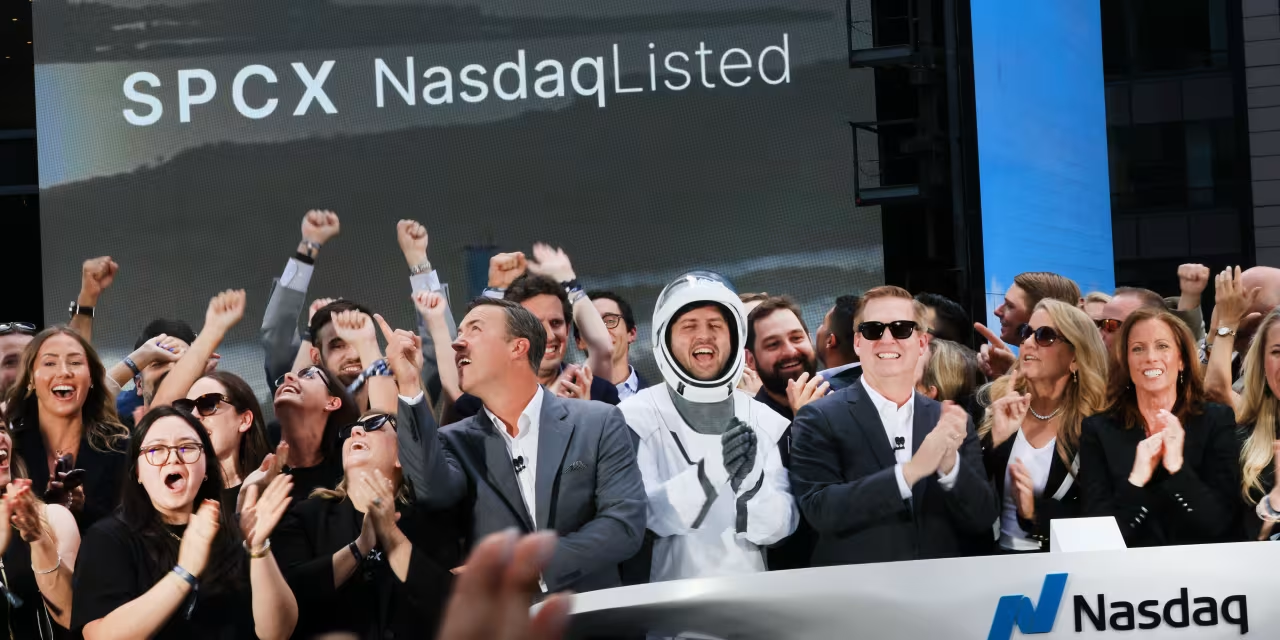
SpaceX’s Blockbuster Earnings Report Is Coming. What to Watch.
Business
Maryland Confirms Its First Human West Nile Virus Case of 2026 as Health Officials Urge More Caution

The Maryland Department of Health announced Friday that a resident has tested positive for West Nile virus, marking the state’s first confirmed human case of the virus so far this year.
West Nile virus is transmitted to humans through the bite of mosquitoes that have themselves become infected after feeding on birds carrying the virus. In rare cases, the virus can also spread from person to person through organ donation, blood transfusion, breastfeeding, or from a pregnant mother to her fetus, according to the Maryland Department of Health.
The disease primarily affects the nervous system, though most people who become infected never develop noticeable symptoms. Up to 80% of people infected with West Nile virus will show no signs of illness at all, according to state health officials. Among those who do develop symptoms, common signs include fever, headache and body aches, which may occasionally be accompanied by a skin rash and swollen lymph glands. Symptoms can last anywhere from a few days to several weeks in people who become symptomatic.
While most infections resolve without serious complications, certain populations face a higher risk of severe illness from West Nile virus. People older than 50 and those with underlying immunocompromised conditions are more likely to develop serious illness if infected, according to the Maryland Department of Health, making prevention particularly important for those groups during periods of active mosquito transmission.
Dr. Meg Sullivan, Maryland’s deputy secretary for public health services, emphasized that preventing mosquito bites remains the most effective way to protect against the virus. “Your best defense against West Nile virus is to protect yourself from mosquitoes, such as using insect repellent, covering exposed skin, and eliminating standing water near your home,” Sullivan said.
Standing water represents a particularly important target for prevention efforts, since mosquitoes require stagnant water to breed and lay eggs. Common sources of standing water around residential properties can include clogged gutters, unused flowerpots, birdbaths, discarded tires, and other containers capable of collecting rainwater, all of which can become breeding sites if left unaddressed during the warmer months when mosquito activity peaks.
West Nile virus was first identified in the United States in 1999 and has since become the most common mosquito-borne illness in the country, with cases reported annually across most states during the warmer months when mosquito populations are most active. The virus follows a seasonal pattern tied closely to mosquito activity, typically peaking during the summer and early fall before declining as temperatures cool and mosquito populations diminish heading into winter.
There is currently no vaccine available to prevent West Nile virus infection in humans, and no specific antiviral medication exists to treat the illness once contracted. Treatment for symptomatic cases generally focuses on managing symptoms through supportive care, such as rest, fluids and over-the-counter pain relief for milder cases, while more severe cases affecting the nervous system may require hospitalization.
Public health officials commonly recommend a range of preventive measures beyond the use of insect repellent and elimination of standing water. These include wearing long sleeves and pants during peak mosquito activity hours, typically dawn and dusk, using screens on windows and doors to prevent mosquitoes from entering homes, and ensuring that any outdoor water features, such as ponds or fountains, are properly maintained or treated to prevent mosquito breeding.
Maryland’s confirmation of its first human case this year adds the state to the broader pattern of seasonal West Nile virus activity tracked nationally by public health agencies each summer. Health departments across affected states typically continue monitoring both human case counts and mosquito surveillance data throughout the summer and early fall, using that information to guide local public health messaging and, in some cases, targeted mosquito control efforts in areas where infected mosquito populations have been detected.
With the state’s first confirmed case of the year now on record, Maryland health officials are expected to continue monitoring for additional cases throughout the remainder of the summer mosquito season, and have reiterated their guidance urging residents, particularly older adults and those with weakened immune systems, to take proactive steps to reduce their exposure to mosquito bites in the weeks ahead.
Business
Mamdani Faces Backlash After His Judicial Screening Panel Includes No Jewish Members, Groups Say Now
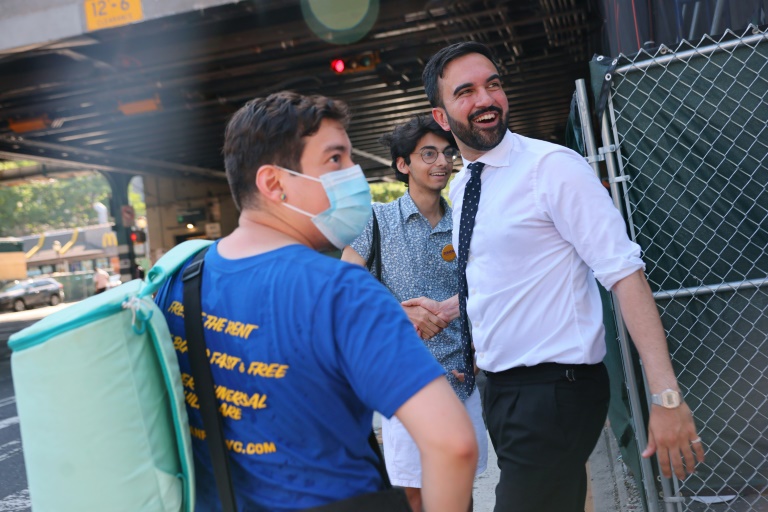
New York City Mayor Zohran Mamdani is facing criticism from Jewish legal organizations after his newly appointed judicial advisory panel was found to include no Jewish members, prompting demands from bar associations that the mayor correct what they described as a significant omission.
Mamdani’s office announced the 19-member Mayor’s Advisory Committee on the Judiciary on July 22, describing it as a “truly representative cross-section” of New York City’s legal profession. The panel is responsible for screening and recommending candidates for judgeships across the city’s five boroughs and multiple court types, including Criminal Court, Family Court and, on an interim basis, Civil Court. Four Jewish bar associations, backed by the Anti-Defamation League, said no Jewish attorney, law professor or former judge was included among the appointees.
Elizabeth Forspan, head of the Brandeis Association of Queens, a Jewish bar group, said the omission stood out given the committee’s long history. “It was shocking for us to learn that this all important committee that every mayor since 1978 has put together did not include a single Jewish attorney, law professor, former judge,” Forspan said.
In a joint letter sent to the mayor on July 27, the presidents of the Brandeis Association of Queens, the New York County Jewish Lawyers Guild, the Brooklyn Brandeis Society and the Bronx County Jewish Bar Association said they were “deeply disappointed” by the committee’s composition. “Excluding Jewish representation from this committee is neither reflective nor inclusive,” the letter said. “It follows a troubling pattern that has left many Jewish New Yorkers feeling increasingly marginalized.” The letter urged Mamdani to “correct this exclusion” and “reaffirm that Jewish New Yorkers are entitled to the same representation, respect and protection as every other community.” New York City is home to the largest Jewish population of any city in the United States, and Jews are heavily represented within the legal profession from which the committee traditionally draws its members.
The letter also pointed to the rejection of retired Appellate Division Justice John Leventhal, who is Jewish, during the committee’s vetting process, calling the decision “disconcerting” given what the groups described as a broader lack of outreach to Jewish attorneys. Mamdani spokesman Joe Calvello addressed that specific case directly, saying the mayor’s team declined to include Leventhal after learning the retired justice had served on the legal team representing Ghislaine Maxwell, the convicted associate of the late financier Jeffrey Epstein.
Mamdani forcefully denied that religion played any role in how the panel was assembled. “I did not ask for the religion of each of the person that was put forward,” he said during a press conference addressing the controversy. He said his broader commitment to diversity in judicial appointments includes the Jewish community specifically. “The thing that matters most to me is that in the judges that have been appointed and reappointed, that they do reflect that diversity of New York City, and that diversity includes Jewish New Yorkers,” Mamdani said.
Calvello separately pushed back on suggestions that the panel’s composition reflected discriminatory intent, telling reporters it was “false” to say the selection of committee members was “motivated by religion.” He noted that Mamdani has already appointed a dozen judges from a range of backgrounds during his time in office, including Jewish judges. Calvello did not specify whether other Jewish candidates had been considered for the advisory committee itself, and he did not directly dispute that none of the 19 appointees are Jewish.
The panel that drew criticism does include a range of other backgrounds. Its members include former prosecutors, former judges, law professors, public defenders and divorce attorneys, drawn from institutions ranging from CUNY to Ivy League law schools. Among them is Joseph Drayton, a partner at the law firm Proskauer Rose with decades of experience in commercial litigation, and Dianisbeth Acquie, a Harvard Law graduate who worked in the U.S. Attorney’s office for the Eastern District of New York before becoming assistant dean of judicial careers at Columbia Law School.
The controversy adds to broader tension between Mamdani’s administration and segments of New York’s Jewish community, which has largely centered on the mayor’s positions regarding Israel and related foreign policy issues. Critics cited in the bar associations’ letter also pointed to Mamdani’s prior omission of Jewish communities from a map of New York’s ethnic enclaves and his decision to revoke a definition of antisemitism previously used by the city that some Jewish groups had supported.
Under former Mayor Eric Adams, Jewish attorneys had held seats on the same judicial advisory committee. The panel’s composition carries practical significance beyond symbolism, since it directly filters the pool of candidates considered for judgeships handling a wide range of cases, from criminal matters to family court disputes.
As of the most recent reporting, Mamdani had not indicated any plans to alter the committee’s current membership in response to the bar associations’ letter, leaving the dispute unresolved as of early August.
Business
Coldcard Bitcoin Wallet Hack Grows to $75 Million as Firmware Flaw Drains Over 2,600 Wallet Addresses

Bitcoin held broadly steady above $64,000 this weekend even as security researchers revealed the scale of a major hardware wallet exploit continued to grow, with the total amount stolen from Coldcard wallet users climbing to roughly $75.1 million as investigators traced additional theft transactions tied to the same underlying firmware flaw.
The attack began late Thursday, July 30, with an initial 25-minute sweep that drained approximately 594 bitcoin, worth about $38 million at the time, from around 500 single-signature wallets secured by Coldcard hardware devices. Galaxy Research, a blockchain analytics firm, later identified a second, larger wave of theft transactions tied to the same attacker, ultimately tracking a combined total of 1,158.66 bitcoin, worth roughly $75.1 million, taken from 2,673 separate wallet addresses across two related sweeps.
The vulnerability responsible for the theft traces back to a firmware integration error introduced in Coldcard firmware version 4.0.0 in March 2021, according to security analysis published by Block, the fintech firm founded by Jack Dorsey. The flaw caused affected devices to bypass their dedicated hardware random number generator, the component specifically designed to ensure a wallet’s recovery seed cannot be predicted or reproduced by anyone other than the device’s owner, and fall back instead to a less secure, software-based method of generating that seed. According to Block’s analysis, the resulting seeds carried roughly 72 bits of entropy rather than the 128 bits normally expected, a weakness significant enough that an attacker with knowledge of certain non-secret device information could reconstruct candidate seed values and check them against public blockchain records to identify wallets holding funds.
Bitcoin Core developer instagibbs independently reproduced the underlying vulnerability using a fresh Mk3 device, confirming the affected code path described in Block’s research. Security researcher James O’Beirne warned that any user holding a single-key Coldcard Mk3 wallet generated between 2021 and 2023 without additional protections such as a passphrase, physical dice rolls or a multisignature setup should treat their funds as being at immediate risk.
Coinkite, the Canadian company that manufactures Coldcard hardware wallets, confirmed the vulnerability in a public statement and urged affected customers to move their funds to newly generated wallets as a precaution. The company said the issue specifically affects seeds generated on Mk3 devices running firmware version 4.0.1 or later, and separately disclosed that seeds generated on Mk4 and Mk5 devices before firmware version 5.6.0, and on Q devices before version 1.5.0Q, also carried reduced entropy compared to what the devices were designed to provide, though Coinkite said those device generations appeared unaffected by the actual theft. Coinkite has since released patched firmware addressing the underlying flaw, though the company and outside security researchers have stressed that a firmware update alone cannot fix a seed that was already generated under the vulnerable code, since the compromised randomness was baked into the wallet’s recovery phrase at the moment of creation. Anyone affected has been advised that generating an entirely new seed on updated firmware is the only reliable remedy.
Every wallet identified in the theft was a single-signature wallet holding more than 0.15 bitcoin, and many of the affected wallets had remained dormant for years before the attack. The creation dates of the compromised wallets spanned from 2021 to 2026, closely matching the period during which the flawed firmware had been publicly available as open-source code, a detail security researchers said indicates the attacker specifically targeted wallets based on when they were created rather than through any conventional hacking method such as phishing or malware.
Despite the scale of the theft, roughly $75 million and counting, Bitcoin’s overall market price showed little sustained reaction. The cryptocurrency closed out July 2026 up roughly 7% for the month, its strongest monthly performance since the current market recovery cycle began, and remained range-bound near $64,000 to $65,000 in the days following the exploit’s disclosure. Analysts have pointed to that resilience as a sign of continued underlying market confidence, even as the incident has drawn comparisons to the 2023 “Milk Sad” vulnerability, another widely publicized case in which weak random number generation compromised cryptocurrency wallet security.
Of the funds swept from the initial wave of theft, approximately 562 bitcoin was consolidated into a single address shortly after the attack and had not moved as of the most recent reporting, according to Block’s analysis, leaving open the possibility that authorities or blockchain investigators could eventually trace or freeze the stolen funds if the attacker attempts to move or cash out the consolidated holdings.
Bitcoin now enters August, historically the cryptocurrency’s weakest calendar month over each of the past four years, with the Coldcard incident adding a fresh layer of uncertainty to broader market sentiment already shaped by expectations around Federal Reserve interest rate policy and other macroeconomic factors heading into the fall.
Business
Inside Indian Creek Island, the “Billionaire Bunker” Where Bezos and Zuckerberg Both Own Their Homes
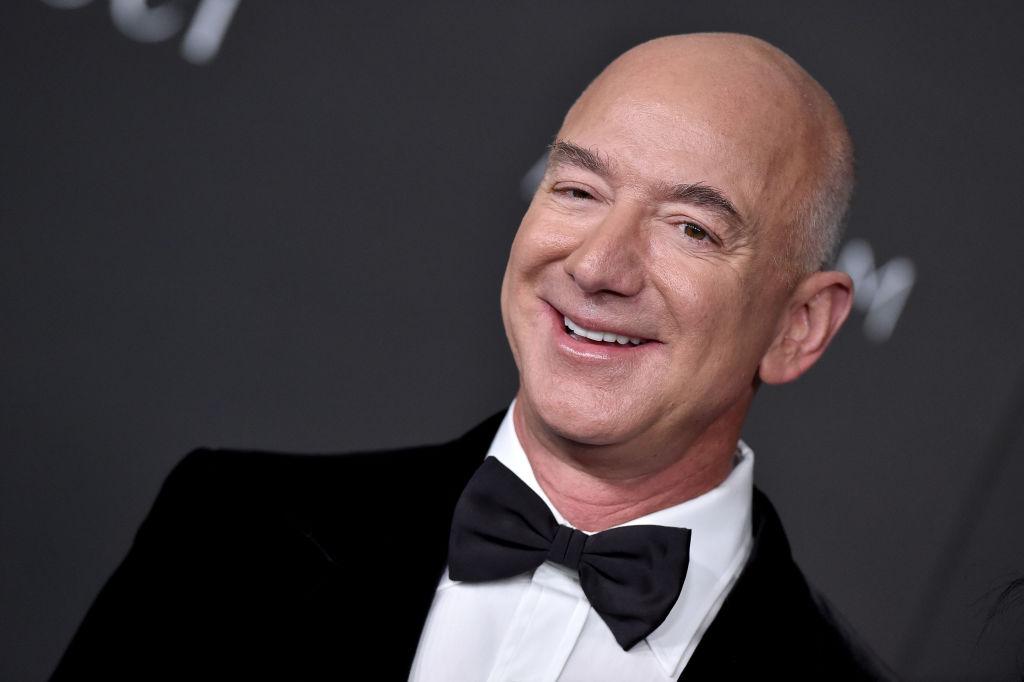
Hidden in Biscayne Bay just north of Miami Beach sits one of the most exclusive residential communities in the United States, a man-made island where the world’s wealthiest people are willing to spend tens or even hundreds of millions of dollars primarily for one thing: privacy, according to a report from Fortune.
Indian Creek Island, widely known by its nickname, the “Billionaire Bunker,” has become one of the most sought-after addresses among the world’s ultra-wealthy, counting Amazon founder Jeff Bezos and Meta CEO Mark Zuckerberg among its residents.
The island’s exclusivity stems in large part from its extremely limited housing supply. The roughly 300-acre island contains just 41 waterfront residential lots and a total population of only 84 residents, making it one of the smallest and most tightly restricted communities in the country. Properties on the island typically start around $60 million, according to the Fortune report, while newly constructed estates have commanded prices ranging from $150 million to $200 million. At the center of the island sits the private Indian Creek Country Club, home to an 18-hole golf course; membership reportedly requires a $500,000 initiation fee along with an extensive vetting and approval process.
Real estate experts told Fortune that the island’s appeal extends well beyond simple scarcity. Indian Creek functions as its own independent municipality, complete with its own local government and a dedicated police force that patrols both the land and the surrounding waterways around the clock. Access to the island is tightly controlled through a single guarded bridge, where visitors are required to identify themselves and may be subject to vehicle inspections before being allowed to enter. Unlike several other celebrity-populated islands in the greater Miami Beach area, sightseeing boats are also kept at a distance from Indian Creek’s shoreline, giving homeowners an unusual degree of seclusion from tourists and photographers seeking a glimpse of the island’s famous residents.
Bezos has assembled a substantial presence on the island, having acquired three separate properties on Indian Creek worth a combined total of more than $230 million. According to the Fortune report, Bezos is in the process of combining two adjoining waterfront parcels into a single, larger private estate, while continuing to live in another home he owns nearby on the island in the meantime. Zuckerberg has separately purchased a newly completed luxury mansion on Indian Creek, adding another prominent technology executive to the island’s roster of high-profile residents. Other well-known Indian Creek homeowners include retired NFL quarterback Tom Brady and Ivanka Trump, according to the Fortune report.
The growing concentration of ultra-wealthy buyers on Indian Creek reflects a broader boom underway across South Florida’s luxury real estate market more generally. A luxury real estate specialist quoted by Fortune said interest from ultra-high-net-worth buyers has continued accelerating even as activity has slowed across more affordable segments of the broader housing market. The report also noted that proposed policy changes elsewhere in the country, including California’s proposed 5% billionaire wealth tax, have prompted some wealthy individuals to explore relocating assets and purchasing property in Florida, a state that does not levy a state income tax, adding a tax-driven incentive to the island’s already substantial appeal among the ultra-wealthy.
Indian Creek’s combination of scarcity, security and discretion has helped set it apart even among the extremely limited pool of buyers capable of purchasing nearly any home in the world. With just a handful of waterfront estates available at any given time, strict controls governing who can access the island, and one of the most heavily protected residential environments anywhere in the country, the enclave has evolved well beyond a conventional luxury neighborhood, establishing itself instead as one of the most exclusive residential addresses available anywhere for the world’s wealthiest individuals.
The island’s history as a haven for the ultra-wealthy predates its current wave of technology billionaire residents, having long attracted prominent business figures, athletes and celebrities seeking a level of privacy and security difficult to replicate in more conventional luxury communities elsewhere in South Florida or beyond. The continued arrival of prominent new residents, including major technology executives like Bezos and Zuckerberg, has further cemented the island’s reputation over recent years as America’s premier address for individuals seeking to combine extreme wealth with an equally extreme level of personal privacy and physical security.
With demand for the island’s extremely limited inventory of waterfront lots continuing to grow, and broader economic and policy trends in states like California potentially pushing additional wealthy buyers toward Florida’s tax-friendly environment, real estate specialists quoted in the Fortune report suggested that Indian Creek’s already elevated property values and exclusivity are likely to continue climbing in the years ahead, further reinforcing the island’s position at the very top of the global luxury real estate market.
Business
10 Fun Facts About Ken Griffin’s Citadel, From a Harvard Dorm Room to a $70 Billion Wall Street Giant

Ken Griffin has built Citadel into one of the most influential and profitable firms on Wall Street, spanning both a massive multi-strategy hedge fund and a separate market-making business that together have made Griffin one of the wealthiest people in the world. Here are 10 facts about the empire he built.
1. It started in a Harvard dorm room. Griffin began trading convertible bonds in 1987 while still an undergraduate at Harvard University, operating out of his dorm room with a computer, a fax machine and a telephone. He raised his initial trading capital, $265,000, from his mother, his grandmother and two non-family investors. By his senior year, he had grown that stake into $1 million in investor money using the same convertible-bond arbitrage strategy.
2. Citadel was officially founded on November 1, 1990. Griffin launched Citadel Investment Group with just $4.2 million in assets under management. He graduated from Harvard in 1989 with an economics degree, completing his studies in three years before formally starting the firm the following year.
3. Citadel’s flagship fund now manages tens of billions of dollars. As of mid-2026, Citadel’s hedge fund business managed approximately $67 billion to $69 billion in assets, according to figures reported by Bloomberg and other financial outlets, a dramatic expansion from the firm’s original $4.2 million starting base more than three decades ago.
4. The flagship Wellington fund has posted a strong long-term track record. Citadel’s primary multi-strategy fund, known as Wellington, has generated an annualized return of approximately 19% since its 1990 inception, according to figures reported by CNBC. The fund climbed 10.2% in 2025 alone, navigating a volatile year marked by sharp market swings and elevated trade tensions.
5. Citadel Securities is an entirely separate, and arguably larger, business. Beyond the hedge fund itself, Griffin also founded Citadel Securities, a major market-making firm that handles roughly 25% of all U.S. equity trading volume. The firm generated record trading revenue of $9.7 billion in 2024, with subsequent reporting indicating trading revenue climbed even higher, to $12.2 billion, in 2025.
6. Griffin retains overwhelming ownership of both businesses. Griffin’s personal ownership stake in Citadel’s hedge fund business is estimated at approximately 85%, based on regulatory filings and ratings reports cited by Bloomberg. His ownership stake in Citadel Securities is estimated separately at roughly 80%, according to a 2019 S&P Global Ratings report and subsequent analysis.
7. Griffin’s real estate portfolio includes some of the most expensive homes ever sold. Griffin has made headline-grabbing property purchases over the years, including a $238 million penthouse in New York City, which at the time of its purchase ranked among the most expensive homes ever sold in the United States, and a $106 million mansion in London. His broader real estate holdings span trophy properties in Miami, Palm Beach, the Hamptons and Hawaii, in addition to office properties associated with Citadel’s operations.
8. He has become one of the largest donors in Harvard’s history. Griffin, Citadel’s founder, donated $150 million to support need-based financial aid at his alma mater in 2014, which stood at the time as the largest single gift in Harvard’s history. In April 2023, he donated an additional $300 million to Harvard’s Faculty of Arts and Sciences, a gift significant enough that the university renamed its Graduate School of Arts and Sciences in recognition of the donation.
9. Citadel recently stepped in to stabilize a major AI-focused hedge fund. In a notable transaction reported this summer, Citadel acquired the bulk of the public equity portfolio belonging to Situational Awareness, a hedge fund founded by former OpenAI researcher Leopold Aschenbrenner, after that fund’s heavily AI-weighted holdings came under significant pressure amid a broader selloff in artificial intelligence-linked stocks.
10. Griffin has publicly voiced skepticism about parts of the AI investment boom. Speaking at the World Economic Forum in Davos in January 2026, Griffin said the artificial intelligence boom represents a mixture of genuine hype and, in his assessment, minimal productivity gains so far, a notably cautious public assessment from one of Wall Street’s most prominent and closely watched money managers.
Griffin’s overall personal net worth has been estimated in various reports throughout 2026 at figures ranging from roughly $45 billion to more than $51 billion, depending on the timing and methodology used by different financial publications, reflecting both the scale of his wealth and the inherent difficulty of precisely valuing a fortune built substantially on privately held business interests rather than publicly traded stock. Beyond his business and philanthropic activities, Griffin has also become a significant political donor over the years, contributing hundreds of millions of dollars to political candidates and causes, further extending his influence well beyond the trading floors and offices of the two firms he built.
Business
Wall Street Bets $26 Billion Against SpaceX Ahead of Its First Earnings and a Massive Share Unlock This Week
SpaceX has become the most heavily shorted large public company in the United States, with Wall Street investors wagering more than $26 billion that Elon Musk’s rocket and satellite company’s stock will keep falling after losing roughly half its value over the past month.
Short interest in SpaceX shares reached 219.3 million shares as of July 29, according to data compiled by S3 Partners, equal to roughly 34% of the company’s tradable float. That bearish position, worth approximately $24.6 billion as of that date, has continued climbing since, surpassing $26 billion according to more recent figures, and now exceeds the value of short bets placed against Tesla, the other major public company led by Musk. Short interest has grown dramatically since SpaceX’s debut, rising from just 23.3 million shares when the data was first reported on June 16 to more than nine times that level roughly six weeks later.
SpaceX completed the largest initial public offering in history on June 11, pricing 555.6 million shares at $135 and raising $75 billion, a figure that climbed to $85.7 billion once underwriters exercised their overallotment option. The offering was more than double the size of Saudi Aramco’s 2019 listing, which had previously held the record. Shares opened at $150 the following morning and closed their first trading session 19% above the offer price. Four days later, the stock touched an intraday high of $225.64, valuing the company at roughly $2.1 trillion and briefly making Musk the world’s first trillionaire.
The reversal since that peak has been steep. SpaceX and Tesla together shed a combined $1.2 trillion in market value during July alone. Notably, the stock’s decline continued even after Starship’s 13th test flight succeeded on July 25 in what analysts described as a near-flawless mission and one of the company’s clearest operational wins since going public, an outcome that would typically be expected to boost investor sentiment rather than coincide with a new low.
Short sellers have continued adding to their positions rather than locking in gains as the stock has fallen, even as their paper profits have grown substantially. Bloomberg estimated short sellers’ unrealized gains at $3.88 billion on July 15; a day later, when the stock first traded below its offer price, Ortex Technologies put the figure at $8.7 billion. By July 22, that estimate had climbed to $15.5 billion, meaning nearly $12 billion in paper gains accumulated within a single five-session stretch. According to S3 Partners, short sellers had booked approximately $7.3 billion in mark-to-market profits since the stock began trading in June, making SpaceX the second-most profitable short trade of 2026, trailing only Tesla.
Daniela Hathorn, a senior market analyst at Capital.com, attributed the stock’s decline to a combination of factors rather than any single catalyst. “The stock’s retreat seems to be a combination of profit-taking, valuation reassessment and the unwinding of extremely bullish positioning following one of the most anticipated listings in recent years,” Hathorn said, according to a Reuters report.
Two major catalysts loom in the days ahead that could determine whether short sellers extend their gains or face a sharp reversal. SpaceX is scheduled to report its first quarterly earnings as a public company on Aug. 4, followed two days later, on Aug. 6, by the expiration of the company’s initial post-IPO lockup period. At that point, approximately 911.5 million shares held by early investors, company executives and other insiders, worth roughly $116 billion, will become eligible for sale for the first time, a development that could flood the market with additional tradable shares and pressure the stock further if a meaningful portion of insiders choose to sell.
Ahead of those events, Morgan Stanley has warned that SpaceX is entering what the firm characterized as its most dangerous stretch since going public, citing the potential for approximately $100 billion in market value to become newly available for trading in the coming weeks. The bank has projected SpaceX will report second-quarter revenue of approximately $6.75 billion and an adjusted loss per share of 35 cents, while estimating Starlink’s global consumer subscriber base has reached approximately 12 million households.
Investors have grown more cautious partly because of concerns beyond SpaceX’s core rocket and satellite businesses. The company raised $25 billion through the bond market last month specifically to finance expansion of its artificial intelligence infrastructure, a move that added to broader market unease about aggressive AI-related capital spending across the technology sector, particularly given questions about how quickly that spending will translate into corresponding revenue growth, especially if interest rates remain elevated.
SpaceX is not alone in attracting heavy bearish bets this year. According to S3 Partners, several other major technology companies with significant artificial intelligence exposure, including Alphabet, Amazon, Microsoft, Nvidia, Broadcom and Micron, also rank among the year’s most heavily shorted stocks, reflecting broader investor concern about elevated valuations and heavy capital spending commitments tied to the AI infrastructure buildout across the sector.
Despite the scale of the current bearish positioning, most Wall Street analysts covering SpaceX have maintained largely bullish long-term ratings on the stock, even as they acknowledge that the combination of Thursday’s earnings report and the subsequent lockup expiration could inject significant additional volatility into the shares in the days immediately ahead.

Repligen: Acquisition To Add Cell Therapy Capabilities
Business
(VIDEO) Coco Jones Marries Cavaliers Star Donovan Mitchell as Their First Dance Video Goes Viral

Grammy-winning R&B singer Coco Jones married Cleveland Cavaliers guard Donovan Mitchell on Saturday, with footage from their first dance quickly spreading across social media and drawing widespread attention to the wedding of one of sports and music’s most closely watched couples.
The ceremony took place Aug. 1, roughly a year after the couple announced their engagement in July 2025. Mitchell, 29, and Jones, 28, had dated since 2023, keeping much of their relationship out of the public spotlight in the years leading up to the wedding. Videos shared by wedding guests, including footage posted by former basketball player Troy Payne, showed the couple’s first dance to Musiq Soulchild’s “Love,” with Jones wearing a veil as she moved with Mitchell through a reception tent draped in cream fabric and floral decorations.
Coco Jones wore a reception gown paired with a flowing veil, while Mitchell wore a cream-colored tuxedo for the occasion, according to photos and video from the celebration shared online. Additional footage circulating from the reception showed the newlyweds singing along to “When I See You” with their guests.
The guest list drew heavily from both the NBA and entertainment worlds. Attendees included NBA players Jaylen Brown, Jalen Brunson and Bam Adebayo, along with singer Ciara and her husband, retired NFL quarterback Russell Wilson. Wilson and Ciara’s presence carried particular significance for the couple beyond simple friendship: Wilson connected Mitchell with the event planner who helped arrange his July 2025 proposal, and Jones has publicly described the couple as mentors to her and Mitchell.
Jones previously discussed her wedding planning during a February appearance at the 2026 Grammy Awards, telling PEOPLE at the time that she hoped the ceremony would feel “intimate.” Speaking on the red carpet about the planning process, Jones said she was “really excited” about the preparations, adding, “It’s amazing.”
Mitchell has described his early attraction to Jones as predating their eventual meeting. He had previously sent Jones a direct message on Instagram that she did not see at the time, a message Jones has since said contained “something with a red heart.” Reflecting on the missed message, Jones said she believed the timing of their eventual meeting, rather than the earlier DM, was meant to be. “I’m like, ‘Oh, good, that wouldn’t have worked anyway. I don’t want no heart, I don’t know you,’” Jones said, recalling her reaction. She said the couple’s eventual connection felt fated. “That’s how you know it’s above us. It’s God,” she said. “We’re meant to be.”
Mitchell has previously spoken publicly about his admiration for Jones’s professional drive, particularly after accompanying her on her “Why Not More” concert tour. Speaking during Cavaliers media day last year, Mitchell praised her work ethic directly. “She’s a special human,” Mitchell said. “And you see it in her work.”
The wedding capped an eventful summer for Mitchell professionally. He signed a $273 million contract extension with the Cavaliers earlier this year, securing his place with the franchise through 2031, before marrying Jones just months later. Mitchell averaged 24 points per game during the 2025-26 NBA season and earned his second career All-NBA team selection.
Jones has similarly enjoyed a standout year professionally. She has continued building on the momentum from her Grammy-winning success, releasing new singles including “Luvagirl” in March and “Body So Tea” later in the year, while also maintaining an active acting career alongside her music. Jones first gained national attention as both a singer and actress before her Grammy win helped establish her among R&B’s leading young performers.
The couple’s relationship first became public through a series of joint appearances at high-profile events over the past two years, including Mitchell joining Jones onstage following her performance of “Lift Every Voice and Sing” at Super Bowl LX in February 2026, and Jones attending Cavaliers games throughout Mitchell’s playoff run, including a widely shared moment when the two shared a kiss at Little Caesars Arena following Cleveland’s Game 7 playoff win over Detroit in May 2026.
As of Sunday, neither Mitchell nor Jones had publicly confirmed the wedding themselves, with news of the ceremony spreading instead through footage shared by guests who attended the event. Fans and entertainment outlets have continued sharing and reacting to the viral wedding videos throughout the weekend, cementing the union as one of the more closely watched celebrity weddings to take place this summer at the intersection of the sports and music worlds.
Business
(VIDEO) Firefighting Helicopters Collide Near Athens as Greece Battles Wind-Driven Wildfires, Search Underway

Television footage showed one of the helicopters explode and plunge to the ground in flames following what appeared to be a rotor collision between the two aircraft. State broadcaster ERT reported that one crew member had been found safe, while rescuers continued searching for a second individual as of the most recent reporting. The two helicopters had been leased by Greece’s fire department and had taken off from Elefsina military airport before the collision occurred.
Prime Minister Kyriakos Mitsotakis, who had been briefed on the broader firefighting operation, cited the extreme weather conditions that have complicated aerial firefighting efforts across the region in recent days. “When the winds blow with such force, even the dozens of aircraft we have at our disposal cannot operate safely,” Mitsotakis wrote on Facebook, noting that gusts had reached speeds of up to 100 kilometers, or roughly 60 miles, per hour.

The collision occurred amid an intensifying firefighting operation involving nearly 500 personnel and 23 aircraft deployed to battle the blaze around Porto Germeno, a seaside community on the Gulf of Corinth roughly 40 miles northwest of Athens. Gale-force winds had repeatedly prevented firefighting aircraft from safely collecting water from the sea in the days leading up to Sunday’s collision, severely hampering the broader aerial response even before the crash occurred. Greece’s Civil Protection Minister, Evangelos Tournas, said Saturday that the country’s fire department had been “pushed to its limits” by the scale of the ongoing wildfire activity. Tournas described the specific challenge posed by the strong winds, saying they had created “extremely difficult conditions resulting in many cases where aircraft either cannot draw water or cannot carry out drops due to extreme turbulence.”
The wildfire itself began Friday near Agios Vasileios before sweeping toward Porto Germeno and into the forested mountains west of Athens. The blaze has already destroyed more than 100 homes northwest of the capital, according to reporting on the broader fire’s impact. Theodore Giannaros, a wildfire meteorologist and senior researcher at Greece’s National Observatory, said the fire around Porto Germeno appeared to have affected more than 10,000 hectares, or roughly 24,700 acres, nearly double an earlier estimate of the burned area. “It is highly likely (if not almost certain) that this particular wildfire will be classified as a megafire,” Giannaros wrote on Facebook.
Authorities have carried out multiple evacuations as the fire has spread, including the coastal communities of Kandili, Agia Skepi and Toutouli, with residents in some areas evacuated by sea when fire and smoke cut off the limited road access available from certain coastal communities. Firefighters evacuated 254 people by sea on Friday and another 12 on Saturday, according to reporting on the ongoing response. Flames have also reached a military firing range near the fire zone, activating unexploded ammunition in the area, adding an additional layer of danger for crews working nearby.
Sunday’s helicopter collision adds to a difficult stretch for Greek firefighting operations more broadly. Three firefighters have died in the line of duty in recent days, two in Crete and one in the Peloponnese, according to Greek fire department reporting. Separately, a new wildfire broke out on the Ionian Sea island of Kefalonia, forcing additional evacuations on the popular tourist destination. A 44-year-old man was arrested Sunday on the island on suspicion of deliberately starting that fire, according to the Greek news agency ANA.
Sunday’s events in Greece unfolded as wildfires continued affecting multiple countries across southern Europe amid an ongoing continental heatwave. Wildfires that had previously burned across large areas of France and Spain showed signs of easing over the weekend, even as Greece experienced a fresh wave of wildfire activity following a period of relative calm. Scientists have said the broader pattern of destructive wildfire activity across Europe this summer has been exacerbated by climate change, following an extended period of record-breaking heat and minimal rainfall across the region.
With gale-force winds having only partially subsided as of Sunday and the search for the missing helicopter crew member continuing, Greek authorities are expected to face several more difficult days managing both the immediate aftermath of the helicopter collision and the ongoing effort to contain the wildfire still burning across the mountainous terrain west of Athens.

Dakota Johnson’s ‘It-Girl’ Jeans Are Made for Summer-to-Fall

I Was Broke at 25… This Changed Everything (9 Money Moves)

Comedian Dave Elliott backs mental health campaign highlighting ‘power of a chat’ for tradespeople


-
 Sports7 days ago
Commonwealth Games boxing: Jadumani Singh seals dominant 5-0 win over Pakistan’s Sumama Rehman to enter quarter-finals | Commonwealth Games News
-

 Business4 days ago
Why Trees Belong on the Risk Register
-

 Fashion2 days ago
Weekend Open Thread: Wit & Wisdom
-

 Tech7 days ago
Intel is reversing course and bringing hyper-threading back to its server chips
-

 Politics2 days ago
Meta enters AI-training agreement with far-right ‘propaganda rag’ Newsmax
-

 Politics6 days ago
Luke Littler dismantles Gerwyn Price to retain title in Blackpool
-

 Crypto World1 day ago
MicroStrategy Post-Earnings CLARITY Act Push Could Add New Catalyst for Its Stock
-

 Politics5 days ago
The Part of the Electric Transition Nobody Wants to Discuss
-
 Entertainment5 days ago
‘Stargate’ Creator’s New Sci-Fi Series Returns for Season 3 Tomorrow
-

 News Videos7 days ago
BITCOIN JUST ENTERED THIS CRITICAL ZONE…
-

 Business5 days ago
Major shareholder moves on Canyon
-

 News Videos3 days ago
Bitcoin Enters the 3rd Stage of the Bear Market
-

 Crypto World1 day ago
XRP Ledger v3.3.0 brings five institutional features
-

 Crypto World5 days ago
Kraken Enables Retail Access to Jersey Mike’s IPO via Tokenized Shares
-

 Tech6 days ago
New macOS Sequoia & Sonoma security updates for older Macs
-

 News Videos5 days ago
Claude: Build Financial Dashboards in Minutes (2026)
-

 Politics3 days ago
Luke Littler’s dominance sparks GOAT debate
-

 Sports3 days ago
Seema Kaliramna Wins Discus Throw Bronze, Takes India’s CWG Medals Tally To 17
-

 Business5 days ago
Johnson & Johnson agrees to $5.5B settlement over talc cancer claims
-

 Crypto World8 hours ago
Crypto PAC spending tops $2M in Michigan House race
You must be logged in to post a comment Login