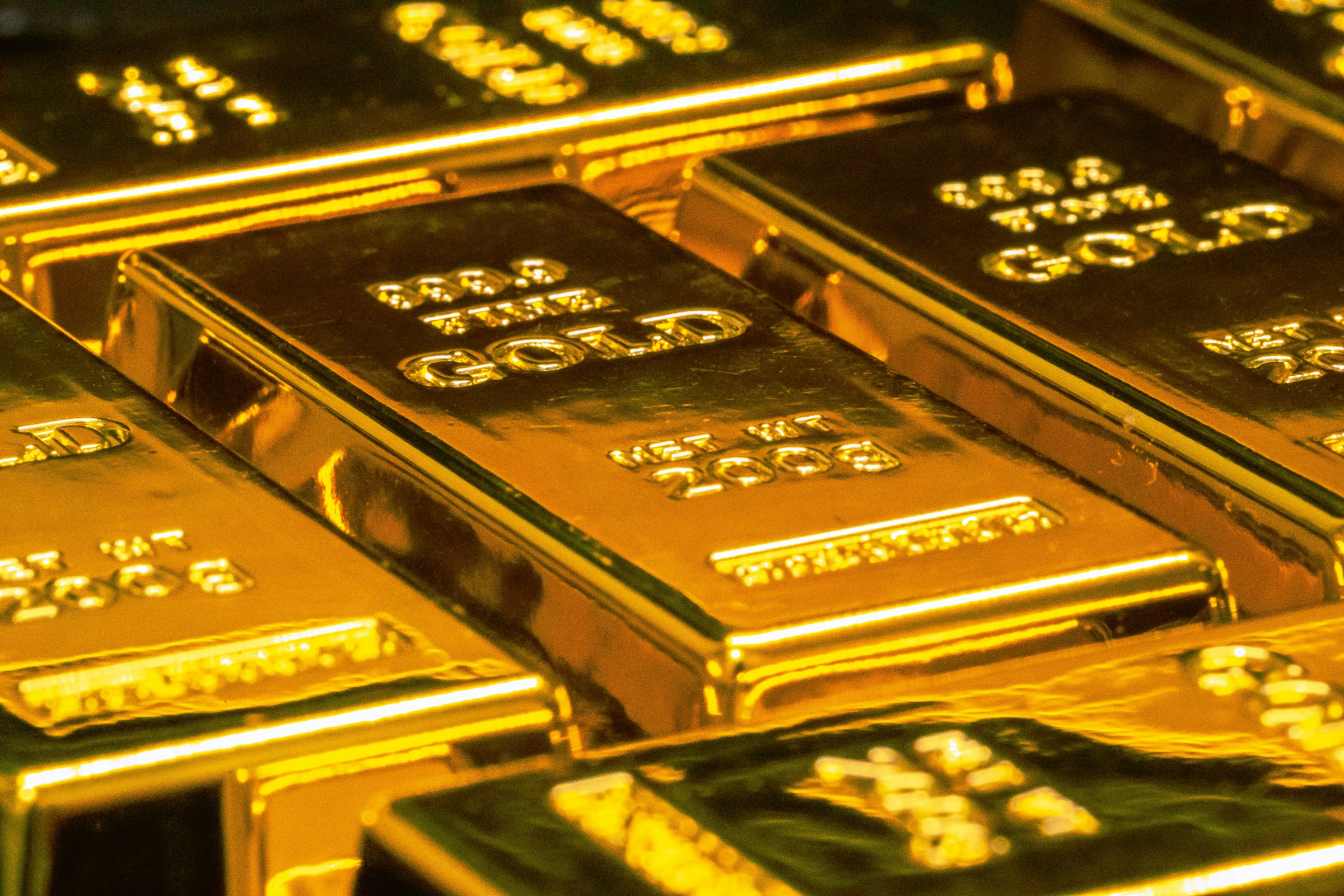
Gold prices jumped $142.90, or 3.37%, to a fresh record high of $4,381.70 per ounce on Monday, as investors balanced relief over the US-Iran ceasefire agreement with ongoing concerns about inflation, central bank demand and long-term geopolitical risks in the Middle East.
The sharp advance extended gold’s strong performance in 2026, pushing the precious metal well above previous peaks as market participants sought to maintain exposure to a traditional safe-haven asset even as riskier assets rallied on hopes of restored stability in global energy markets. The move came despite the initial expectation that reduced tensions would diminish gold’s appeal, highlighting the metal’s complex role in portfolios amid mixed signals from the latest diplomatic breakthrough.
The US-Iran peace deal, which includes the reopening of the Strait of Hormuz and the lifting of the naval blockade, triggered a broad relief rally in equities and a decline in oil prices. However, gold found support from several factors, including continued central bank purchases, lingering questions over the durability of the agreement, and expectations that lower energy costs may not fully eliminate inflationary pressures in the near term.
Drivers Behind the Record Rally
Analysts pointed to sustained buying by central banks, particularly in emerging markets, as a key underpinning for gold’s strength. Institutions continue to diversify reserves away from traditional currencies, providing a structural bid even during periods of geopolitical de-escalation. Monday’s surge also reflected positioning ahead of key US economic data releases later in the week, with investors hedging against potential surprises in inflation or growth figures.
The peace agreement, while positive for global growth, leaves several critical issues unresolved, including the future of Iran’s nuclear program and verification mechanisms for the ceasefire. These uncertainties preserved some safe-haven demand, preventing a sharper sell-off in gold that might have been expected from a full resolution of hostilities.
Technical factors also played a role. Gold had been consolidating near previous highs, and the latest move broke through resistance levels, triggering algorithmic buying and short covering that amplified the upward momentum. Trading volumes were elevated as both institutional and retail participants adjusted positions in response to the fast-moving news flow.
Market and Economic Context
The record high comes as broader financial markets posted strong gains, with the Dow Jones Industrial Average and Nasdaq Composite reaching new peaks. The disconnect between rising equities and climbing gold prices illustrates the nuanced reaction to the Iran deal — optimism about economic stability tempered by caution over implementation risks and longer-term implications.
Lower oil prices are generally positive for gold by reducing inflationary fears and supporting real yields, but the relationship is complex. In this instance, the combination of geopolitical relief and persistent structural demand outweighed any immediate pressure from falling energy costs.
The US dollar showed modest weakness against major currencies, further supporting gold priced in the greenback. Central banks around the world have been net buyers of gold for several consecutive years, a trend that shows little sign of abating amid diversification efforts and concerns over currency reserve stability.
Investor and Industry Perspectives
Market participants offered varied interpretations of the move. Some viewed it as a vote of confidence in gold’s enduring role as a portfolio diversifier, while others saw it as a tactical response to short-term uncertainties. “Even with the ceasefire, the path to full normalization in the Middle East remains long and uncertain,” one commodities strategist noted in market commentary. “Gold continues to attract flows as investors maintain prudent hedges.”
Jewelry demand in major consuming markets like India and China has remained resilient, providing additional support. Investment products tracking gold, including exchange-traded funds, saw inflows in recent sessions as retail investors sought exposure to the metal’s upside potential.
Mining companies with significant gold production benefited from the price surge, with shares in major producers advancing alongside the physical metal. The higher prices improve margins and cash flow, potentially supporting increased exploration and development activity in the sector.
Broader Implications for Global Economy
Gold’s record run has implications beyond financial markets. For commodity-producing nations, higher prices bolster export revenues and government budgets. In developing economies, gold often serves as an inflation hedge and store of value for individuals navigating currency volatility.
Central banks’ continued accumulation reflects a broader reassessment of reserve management in a multipolar world. The metal’s performance amid shifting geopolitical dynamics underscores its role as a neutral asset less susceptible to unilateral sanctions or political risk.
The surge also highlights gold’s sensitivity to real interest rates and the US dollar. With the Federal Reserve expected to monitor incoming data closely, any signals of a more measured policy path could provide additional tailwinds for the precious metal.
Historical Perspective
Gold has experienced significant volatility in 2026, driven by fluctuating geopolitical risks, inflation trends and monetary policy expectations. Monday’s record high builds on a strong multi-year uptrend, during which the metal has benefited from its safe-haven status during periods of uncertainty while also attracting investment flows during risk-on environments due to its inflation-hedging properties.
The current price level far exceeds previous peaks, reflecting changed fundamentals including elevated central bank buying and persistent investor demand for diversification. Historical patterns suggest that such breakouts can lead to extended moves when supported by strong underlying drivers.
Looking Ahead
Market attention now turns to implementation details of the US-Iran agreement and upcoming US economic indicators. Any signs of complications in the ceasefire or unexpected inflation data could influence gold’s near-term trajectory.
Analysts remain generally constructive on gold’s outlook, citing structural demand and its role in diversified portfolios. However, sustained strength will depend on the balance between economic growth expectations and lingering uncertainties in global affairs.
For investors, the record high reinforces gold’s position as a strategic asset. Whether held physically, through ETFs or mining equities, exposure to the metal provides a hedge against various risks while offering potential upside in uncertain times.
As global markets digest the latest diplomatic developments, gold’s performance on Monday demonstrates its enduring appeal even as broader risk appetite improves. The metal’s ability to reach new highs amid shifting conditions underscores its unique characteristics in an evolving economic and geopolitical landscape.
The session serves as a reminder that while peace agreements can rapidly alter market sentiment, structural factors continue to support gold as a core holding for many investors. With prices at record levels, all eyes will remain on how the precious metal navigates the balance between relief and residual caution in the weeks ahead.























































You must be logged in to post a comment Login