

Connect with us

Business

Accelerant Holdings Stock Soars 44% After Blowout Q2 Earnings Beat Expectations By 100%

Published

on

Accelerant Holdings Stock Soars 44% After Blowout Q2 Earnings Beat

Shares of Accelerant Holdings surged Thursday after the specialty insurance platform reported second-quarter results that dramatically exceeded Wall Street expectations, with earnings coming in double what analysts had forecast and revenue beating estimates by more than 30%.

The stock traded at $19.53, up $5.93, or 43.53%, as of 1:01 p.m. Eastern time, extending gains from earlier in the session and marking one of the sharpest single-day moves in the company’s short history as a public company. Shares had closed at $13.61 the previous day before the earnings release, meaning Thursday’s rally has pushed the stock roughly 81% above its 52-week low of $10.77, set just two weeks earlier on July 31.

Accelerant reported second-quarter earnings that beat analyst expectations by 100%, alongside revenue that came in approximately 30.22% above consensus forecasts, according to market data. The company hosted its earnings call at 8 a.m. Eastern time Thursday to walk investors through the results in greater detail.

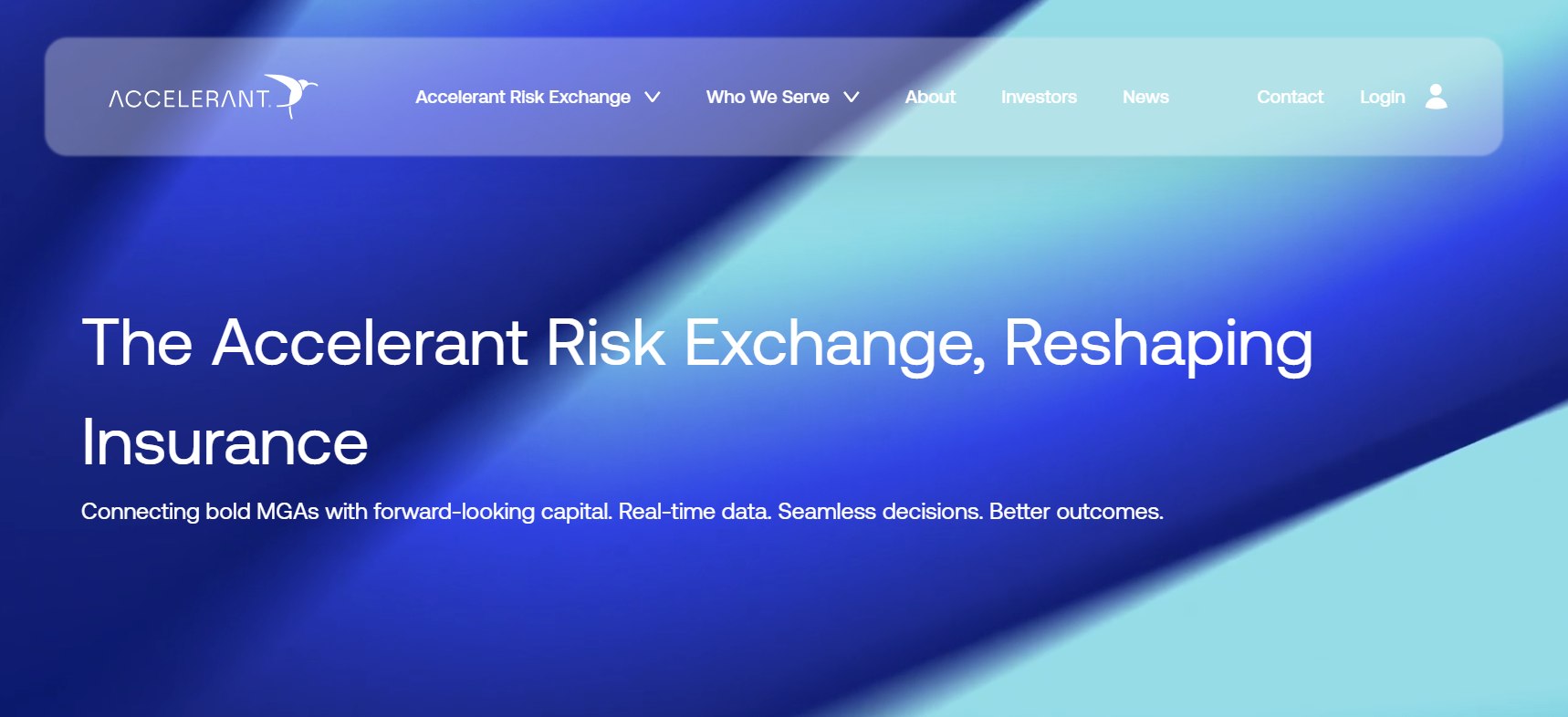
Accelerant operates what it describes as a data-driven risk exchange for commercial insurance, connecting specialized underwriters, known as Members, with third-party risk capital providers, while using artificial intelligence and proprietary data to support underwriting decisions. The company’s capital-light business model has become a central part of its investment case, with only about 9% of premiums retained on its own balance sheet and a growing share of exchange written premium placed with outside capital partners, a structure designed to generate durable free cash flow without requiring the company to hold significant underwriting risk itself.

Advertisement

The company’s full-year 2025 results, reported earlier this year, showed exchange written premiums up 35%, total revenue up 51%, and adjusted EBITDA up 149%, reflecting the scaling benefits of its capital-light platform model. More recent trailing figures have shown continued strength, with gross margins near 70% and substantial operating cash flow and free cash flow generation, even as the company’s bottom-line profitability has remained negative on a trailing basis, a pattern common among high-growth platform businesses still working to achieve full profitability at scale.

Despite the strong operational metrics, Accelerant’s first-quarter 2026 results showed a loss of 2.3 cents per share, a sharp reversal from a $3.27 per share profit in the first quarter of 2025, a swing driven primarily by non-operating, accounting-related factors rather than the company’s core underlying business performance.

Accelerant has continued to signal confidence in its long-term growth trajectory through corporate actions beyond its quarterly results. The company’s board approved a share repurchase program earlier this year authorizing up to $200 million in buybacks of Class A common shares, with the program running through the end of 2028. Accelerant also recently announced key leadership additions, naming Cliff Jenks as general counsel and corporate secretary and Ray Iardella as head of investor relations, moves aimed at strengthening the company’s corporate governance and its engagement with the investment community as a newly public company.

Accelerant went public in July 2025, and its stock has experienced significant volatility in the roughly 13 months since its debut. Shares fell sharply in late July of this year, tumbling from the mid-$14 range to a closing low near $11.20 by July 30, before beginning a steady recovery that carried the stock back into the mid-$13s heading into Thursday’s earnings release. Thursday’s post-earnings surge has now pushed shares well above where they traded before that late-July pullback, though the stock has traded with substantial volatility throughout its time as a public company, reflecting the market’s ongoing effort to properly value a fast-growing but not yet consistently profitable specialty insurance technology platform.

Advertisement

Institutional investors have shown growing interest in the stock in recent months. Utah-based Grandeur Peak Global Advisors initiated a new position in Accelerant following the company’s IPO, while Keenan Capital disclosed a new stake in the company in a filing earlier this year. Not all shareholder activity has pointed toward accumulation, however, with an entity called Badly Bent LLC disclosing plans to sell up to 80,000 shares of Accelerant Class A common stock on or after August 10, continuing a pattern of periodic share sales the entity has made over the preceding three months, according to regulatory filings.

Technical indicators following Thursday’s rally suggested the stock had moved into sharply overbought territory in the very short term, with the daily relative strength index reading near 77 and even higher readings on shorter intraday timeframes, levels that market analysts have said sometimes signal a risk of near-term pullback even amid a broader bullish fundamental backdrop. Even so, some analysts have pointed to Accelerant’s valuation, trading at roughly nine times projected 2026 enterprise value to EBITDA even after Thursday’s rally, as still reasonable relative to the scale of the company’s cash generation and growth trajectory.

With Thursday’s earnings beat now digested by the market, investors are likely to watch closely in the coming months for further confirmation that Accelerant’s rapid premium and revenue growth can continue translating into sustained free cash flow generation and an eventual path to consistent bottom-line profitability, key questions that will likely continue shaping sentiment toward the stock following its dramatic post-earnings rally.

Advertisement
Continue Reading
Click to comment

You must be logged in to post a comment Login

Leave a Reply

Business

Meta turns to skilled trades as AI boom drives massive workforce demand

Published

on

May 2026 jobs report: US employers add 172,000 jobs, beating expectations

Meta is partnering with North America’s Building Trades Unions (NABTU) to expand the pipeline of skilled workers needed to build and maintain America’s rapidly growing AI infrastructure.

The partnership, announced Wednesday, will give Meta access to NABTU’s network of apprenticeship and training programs while helping connect skilled trades workers with Meta projects across the U.S.

Advertisement

“The Meta partnership with North America’s Building Trades Unions means avenues of communication are open, access to our recruitment and training pipeline of skilled craft will become available and we’ll be able to deploy craft on an as-needed basis to Meta projects anywhere across America,” Sean McGarvey, president of NABTU, told FOX Business.

NEW MEXICO COURT ORDERS META TO PAY $567M, OVERHAUL TEEN PROTECTIONS ON FACEBOOK AND INSTAGRAM

Meta headquarters

The partnership will give Meta access to NABTU’s network of apprenticeship and training programs. (David Paul Morris/Bloomberg via Getty Images)

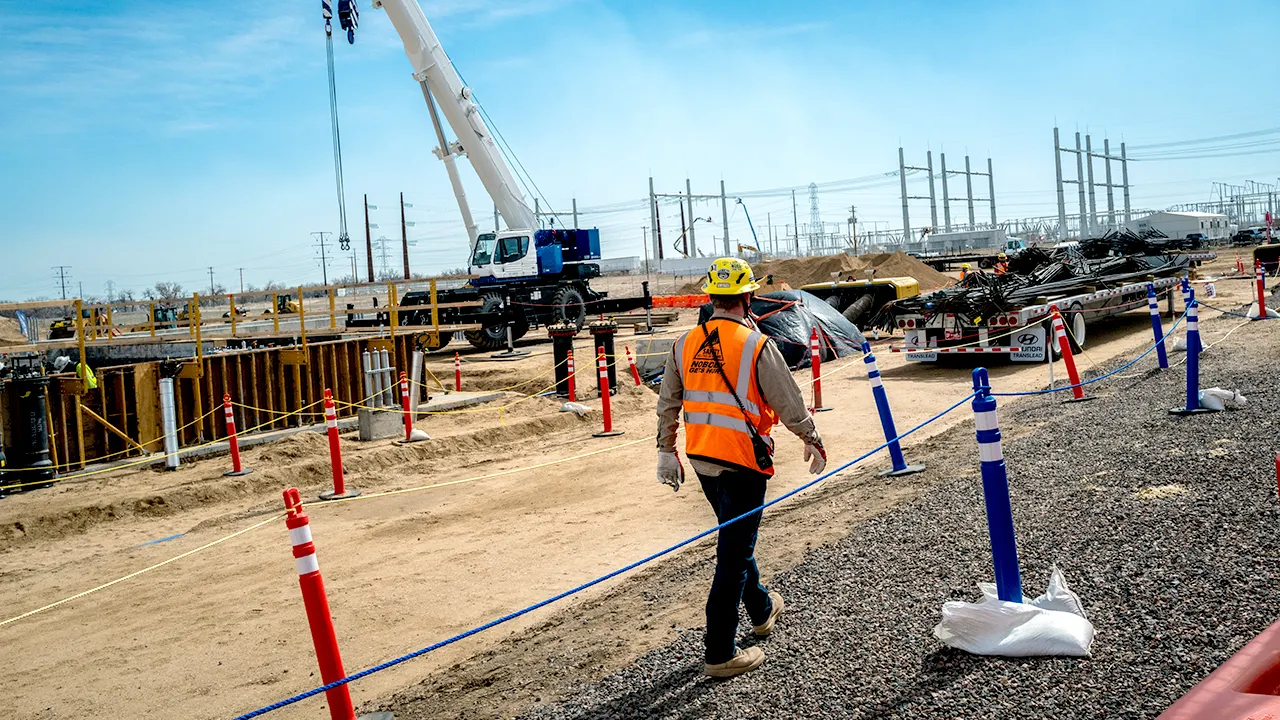
Demand for skilled trades workers has grown rapidly as tech companies invest in data centers and other infrastructure needed to power AI.

McGarvey said the demand is being felt across a range of trades, including HVAC technicians, laborers, operating engineers and others.

Advertisement

NABTU represents more than 3.2 million skilled craft professionals in the U.S. and Canada through an alliance of 14 national and international unions. 

Its unions and contractor partners operate more than 1,900 apprenticeship and training facilities across North America and invest more than $3 billion annually in training and education, according to the announcement from Meta.

ZUCKERBERG LAYS OUT VISION TO PUT SUPERINTELLIGENT AI IN EVERYONE’S HANDS

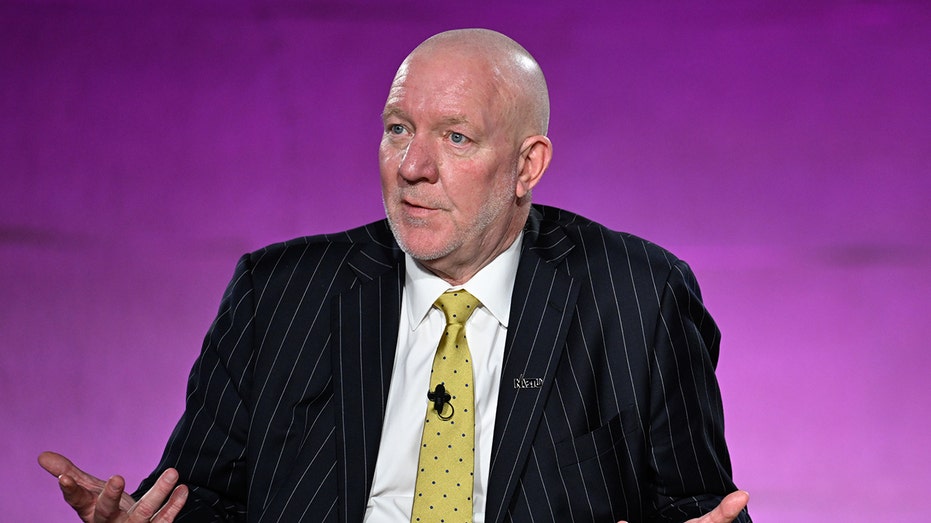
Sean McGarvey, president of the North Americas Building Trade Union

McGarvey said the demand for skilled trades workers is being felt across a range of trades. (Daniel Heuer/Bloomberg via Getty Images)

NABTU has roughly 300,000 people enrolled in its registered apprenticeship system, according to McGarvey, who added that number could grow significantly.

Advertisement

“We currently have that 300,000, and we can ramp that up to a million, based on demand,” he said.

Meta President Dina Powell McCormick said skilled trades workers will be critical to building the infrastructure needed for the U.S. to compete in AI.

“We are so proud to work with NABTU on this partnership,” Powell McCormick said in a statement. “I have had the privilege of working with President McGarvey since I took on this new role, and we are excited to work together on skilled trades.

“This is an important moment, and these men and women of the skilled trades are building the American infrastructure needed to ensure America’s values lead the AI race globally.”

Advertisement

META, OTHER COMPANIES MUST FACE THOUSANDS OF LAWSUITS OVER CHILD SOCIAL MEDIA ADDICTION, APPEALS COURT RULES

High-tech data center with server racks

A high-tech data center is pictured here. Demand for skilled trades workers is growing as the country’s AI infrastructure buildout expands. (iStock)

The agreement comes as Meta expands its investment in U.S. infrastructure and workforce development.

The tech company said the partnership builds on its Future Is For Everyone Fund, which is aimed at investing in communities, including teachers, first responders and energy and water infrastructure.

McGarvey said the jobs created by the AI boom could last well beyond the initial construction of data centers because the facilities will need regular upgrades.

Advertisement

GET FOX BUSINESS ON THE GO BY CLICKING HERE

“The need for skilled craft on a constant basis in these digital facilities is ongoing long after initial construction is complete,” he said.

Continue Reading

Business

Mike Ashley’s Frasers Group buys Harvey Nichols in pre-pack deal

Published

on

Business Live

The group, which also owns Sports Direct and Flannels, has acquired most of the chain’s stores from FTI Consulting securing more than 1,000 jobs

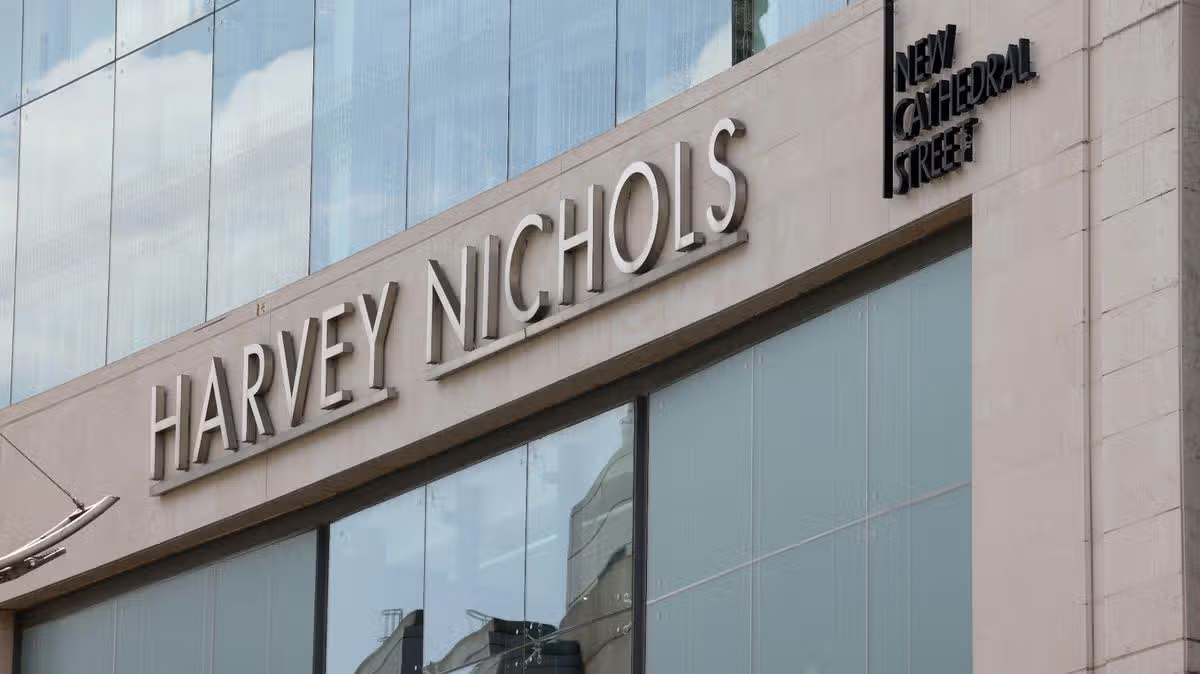
Harvey Nichols on New Cathedral Street in Manchester

The Harvey Nichols store on New Cathedral Street in Manchester(Image: Jason Roberts /Manchester Evening News)

Mike Ashley’s Frasers Group has purchased Harvey Nichols, rescuing the embattled luxury department store from the brink of insolvency.

Advertisement

The group, which also owns Sports Direct and Flannels, has snapped up each of the chain’s stores, excluding the Dublin location, from FTI Consulting through a pre-pack administration process.

Frasers’ takeover of Harvey Nichols represents the latest move in its drive into luxury fashion, as it seeks to expand beyond its origins in cut-price sportswear.

The firm, founded by billionaire Mike Ashley, has seen off rivals including FTSE 100 retail giant Next, which had also been involved in the bidding process.

The deal will safeguard the jobs of more than 1,000 members of staff, though Harvey Nichols employs around 1,200 in total, suggesting a number of redundancies will follow. Frasers will also acquire the group’s online operation and existing stock, as reported by City AM.

Advertisement

Frasers stated it will need to commit to “significant restructuring” of the department store group, which has recorded five successive years of losses after buckling under fierce competition from rivals Harrods and Selfridges. In the UK, Harvey Nichols has stores in London, Bristol, Manchester, Birmingham, Leeds and Edinburgh.

Prior to the deal, Ashley warned that Harvey Nichols – which had risen to prominence through its association with the 1990s sitcom Absolutely Fabulous – had fallen into a “death spiral”. He told the Financial Times that he anticipated the department store chain would be sold for less than £40m.

“I don’t think I’ll be writing a huge cheque, because you’ve got to think about the future losses,” he had said.

Earlier this week, directors of the Knightsbridge-based Harvey Nichols warned that the business faced collapse unless it secured a buyer or obtained emergency funding.

Advertisement

Confirming the deal on Thursday, Frasers chief executive Michael Murray said: “Harvey Nichols is an iconic British institution with significant potential, but it is clear meaningful change is needed. “.

“The turnaround will require tough choices, and we are prepared to make those decisions, even if that means a smaller business in the near term, to create a stronger and more sustainable Harvey Nichols for the long term.”

Frasers has made several moves for luxury brands in recent years, including an unsuccessful attempt to gain control of upmarket bagmaker Mulberry.

Last month, the group submitted a £1.7bn offer for German fashion house Hugo Boss. Frasers subsequently increased its stake in the company to 37 per cent, triggering a mandatory offer for all of the shares it does not already own.

Advertisement

Frasers said its acquisition of Harvey Nichols will build on the group’s “elevation strategy, strengthening its luxury positioning”. Julia Goddard, chief executive of Harvey Nichols, said: “Today marks an important milestone for Harvey Nichols and provides a strong platform for the next phase of the business’s evolution under the ownership of Frasers Group.

“Over the past year, we have made significant progress in repositioning this iconic business, investing in our flagship store, broadening our customer proposition, and strengthening the brand DNA.”
Continue Reading

Business

Tyson Foods to shutter 2 facilities amid cattle shortage

Published

on

US beef prices may not drop until 2029 as cattle herd hits 72-year low

Tyson Foods announced Thursday that it will close two facilities and is pursuing the sale of a third as it makes “strategic changes” to its beef business.

The company will end operations at its Joslin, Illinois, beef plant and its Eagle Mountain, Utah, case-ready facility, while pursuing a sale of its Pasco, Washington, beef facility, according to a Tyson Foods news release.

Advertisement

“Tyson Foods will anchor its beef business around three strategically located beef facilities in the central United States: Dakota City, Nebraska; Holcomb, Kansas and Amarillo, Texas, to create a more competitive footprint amidst one of the most historic cattle shortages the country has ever experienced,” the meatpacking giant said.

HIGH BEEF PRICES HITTING CONSUMERS AS MEATPACKING GIANT WARNS OF SUPPLY STRUGGLES

Herd of beef cattle grazing on open grassland.

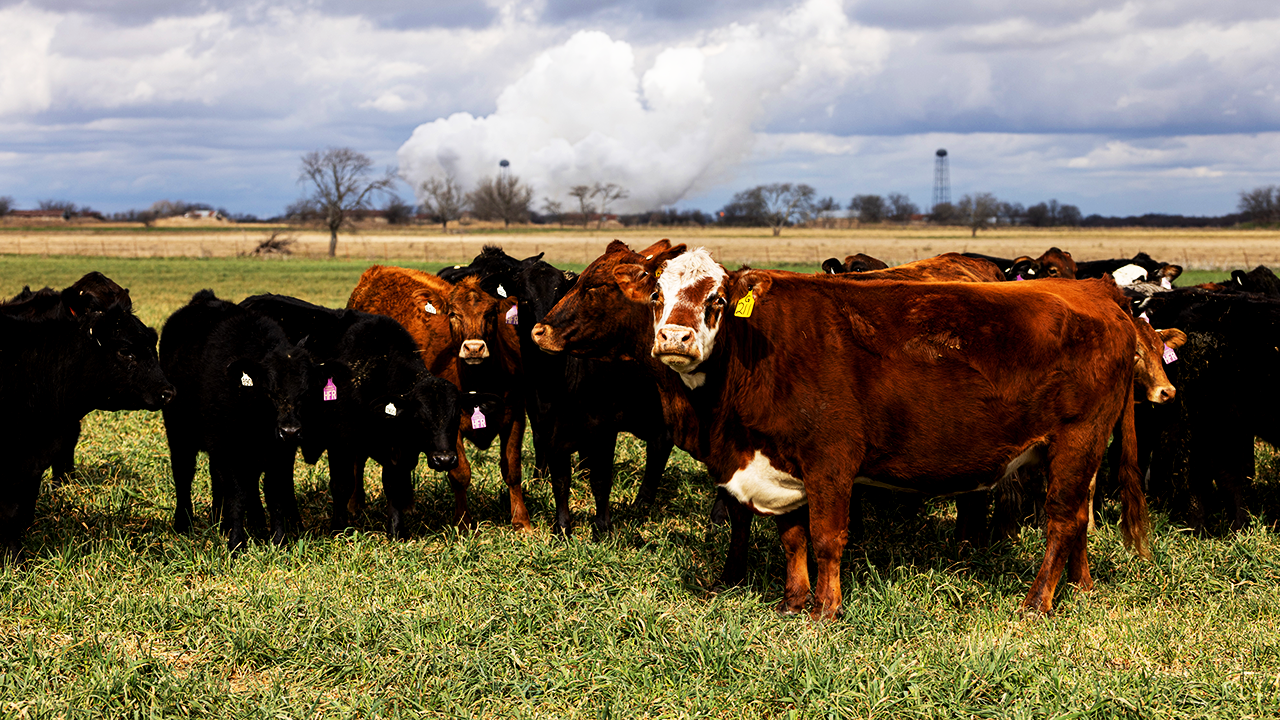
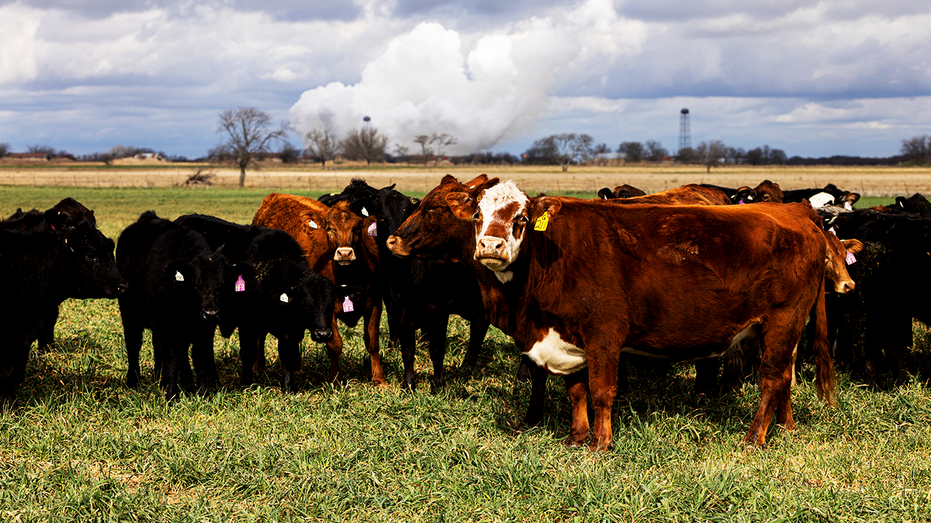
Beef cattle gather in a pasture. Tyson pointed to recent data showing continued limited heifer retention, a sign that tight cattle supplies could persist. (Angela Piazza/The Dallas Morning News, File)

Tyson pointed to recent data showing continued limited heifer retention, a sign that tight cattle supplies could persist.

“Recent USDA cattle inventory data, which included continued evidence of limited heifer retention, indicates these supply constraints are likely to persist, requiring strategic action,” the company said.

Advertisement

Capacity from the Illinois and Utah facilities will be shifted to other Tyson locations that the company said have “ample capacity to grow.”

Tyson also plans to ramp a second shift back up at its Amarillo, Texas, plant as more cattle become available.

US SOYBEAN FARMERS RACE TO MEET GLOBAL DEMAND AS FARMLAND SHRINKS

the logo of Tyson Foods, Inc.

Capacity from the Illinois and Utah facilities will be shifted to other Tyson locations that the company said have “ample capacity to grow.” (Cheng Xin/Getty Images)

“These changes will allow the company to maintain a similar level of cattle harvesting across a more efficient and modern network,” the news release states.

Advertisement

The company also said it will support employees affected by the closures.

Ticker Security Last Change Change %
TSN TYSON FOODS INC. 56.39 +0.58 +1.04%

“The company is committed to supporting our team members through this transition, including helping them apply for open positions at other facilities,” Tyson said. 

The changes come as American consumers continue to face elevated beef prices and meatpackers grapple with tight cattle supplies and higher costs.

TRUMP DECLARES FOOD SUPPLY EMERGENCY, SUSPENDS TARIFFS ON KEY FERTILIZER IMPORTS

Advertisement
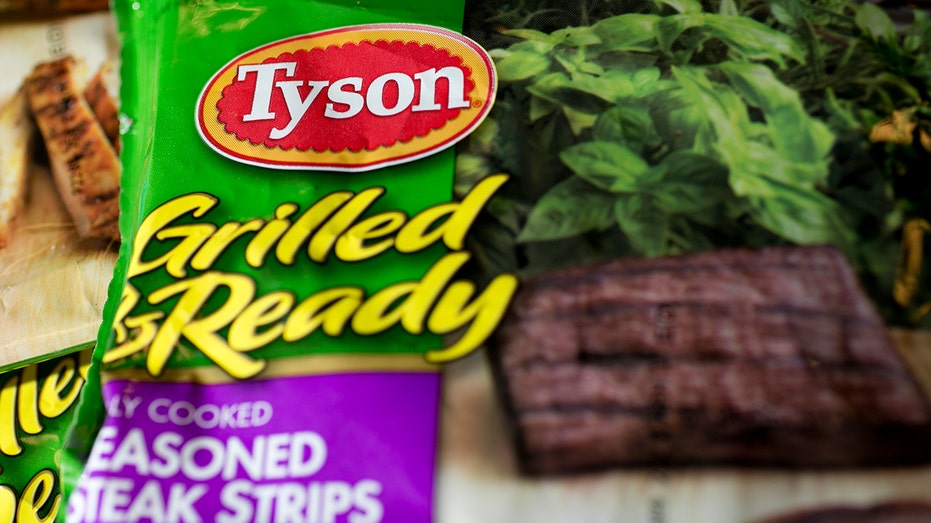
Packages of Tyson Foods Inc.

Tyson Foods packaged steak strips are displayed at a store in Washington, D.C., on Nov. 19, 2012. Tyson also plans to ramp a second shift back up at its Amarillo, Texas, plant as more cattle become available. (Andrew Harrer/Bloomberg via Getty Images)

The U.S. cattle herd has fallen to historically low levels due to drought reducing forage areas in key ranching regions, which forced ranchers to liquidate cattle. 

GET FOX BUSINESS ON THE GO BY CLICKING HERE

Tyson highlighted those pressures during its recent earnings call, with CEO Donnie King saying, “Beef hasn’t performed the way we expected, and we’re not pretending otherwise.”

FOX Business’ Eric Revell contributed to this report.

Advertisement
Continue Reading

Business

Earnings call transcript: Afya posts steady Q2 2026 growth as margins narrow

Published

on


Earnings call transcript: Afya posts steady Q2 2026 growth as margins narrow

Continue Reading

Business

Expectations are high for new B&G Foods CEO

Published

on

Expectations are high for new B&G Foods CEO

Robert Mills has “deeper understanding of challenges and opportunities,” CFO says.

Continue Reading

Business

Alithya Q1 F2027 slides: soft quarter prompts strategic review

Published

on


Alithya Q1 F2027 slides: soft quarter prompts strategic review

Continue Reading

Business

Soluna Q2 2026 slides: 145% revenue surge masks profitability pressure

Published

on


Soluna Q2 2026 slides: 145% revenue surge masks profitability pressure

Continue Reading

Business

Onex Corporation (ONEX:CA) Q2 2026 Earnings Call Transcript

Published

on

OneWater Marine Inc. (ONEW) Q1 2026 Earnings Call Transcript

Operator

Welcome to Onex Second Quarter 2026 Conference Call and Webcast. [Operator Instructions] As a reminder, this conference call is being recorded.

And now I’ll hand the conference over to Zev Korman, Vice President, Shareholder Relations & Communications at Onex. Please go ahead, sir.

Advertisement

Zev Korman
Vice President of Shareholder Relations & Communications

Thank you. Good morning, everyone. Thanks for joining us. We’re broadcasting this call on our website. Hosting the call today are Bobby Le Blanc, Onex’s Chief Executive Officer; and Meg McClellan, our Chief Financial Officer. Also joining today’s Q&A session is Paul Brand, Chief Executive Officer of Convex.

Earlier this morning, we issued our second quarter 2026 press release, MD&A and consolidated financial statements, which are available on the Shareholders section of our website and have also been filed on SEDAR. Our supplemental information package is also available on our website.

As a reminder, all references to dollar amounts on this call are in USD unless otherwise stated. I must also point everyone to our webcast presentation for our usual disclaimer and cautionary factors relating to any forward-looking statements contained in today’s presentation and remarks.

Advertisement

With that, I’ll now turn the call over to Bobby.

Robert LeBlanc
CEO, President & Director

Good morning, everyone. I’d like to thank Convex’s CEO, Paul Brand, for joining Meg and me for this call and for being available to answer your Convex-related questions when we get to

Advertisement
Continue Reading

Business

Jaguar Land Rover sales slump as supplier fire and Middle East conflict disrupt production

Published

on

Business Live

The UK’s largest car manufacturer said revenues fell by 9.6% year-on-year to £6bn for the three months to June 30

A Jaguar Land Rover sign

Jaguar Land Rover is Britain’s biggest car manufacturer(Image: Darren Quinton/Birmingham Live)

Jaguar Land Rover has reported a sharp drop in sales after the supply of new vehicles was disrupted by a fire at a parts supplier and disruption linked to the conflict in the Middle East.

Advertisement

The company, owned by India’s Tata Motors, said revenues were further hit by the planned phase-out of several Jaguar models.

The UK’s largest car manufacturer disclosed that revenues fell by 9.6% year-on-year to £6 billion for the three months to June 30, driven by a 9.2% decline in car volumes.

The figures came after car production was severely disrupted by a series of factors, including a fire at a supplier’s factory.

JLR temporarily halted production of its Range Rover and Range Rover Sport models at its Solihull plant in March, following a major blaze at the factory of a component manufacturer in Norway.

Advertisement

Car sales volumes have also been affected by Jaguar’s decision to cease production of a number of diesel and petrol-powered models, including its F-Pace.

Jaguar is shifting its focus towards electric models as part of a wider strategic overhaul aimed at reviving the brand’s fortunes.

PB Balaji, chief executive of JLR, said: “Despite the near-term industry challenges, we continue to see strong demand for our brands and look forward to the launch of four sensational new products in the coming months: Range Rover Electric, Range Rover Sport Electric, Range Rover GT and Jaguar Type 01.

“I would like to thank all our people, suppliers and retail partners for their continued dedication, resilience and support.”

Advertisement

JLR also posted a pre-tax profit, excluding exceptional items, of £109 million for the quarter, down from £351 million recorded during the same period a year ago.

Profit margins were further dented by a one-off provision tied to US fuel economy regulations, which partially counteracted the benefits of reduced US-UK tariffs.

Continue Reading

Business

‘I lost $14,000 in a month’: Investors hit by Korean stock market’s wild swings

Published

on

A woman and South Korean investor Yongjoon Kim posing for a selfie

Bank worker Yongjoon Kim lost 20 million Korean won ($14,000; £10,500) on the South Korean stock market last month.

Kim’s money was meant to help buy a home, as he is getting married later this year.

Instead the value of his tech investments slumped by around 25% in July.

“It’s going to sting and I’m going to have to work really hard to make up for this,” Kim says. “But for others who have taken more risk, they’re going to feel the pain.”

Advertisement

Many of his friends are worse off, and now in a “desperate” situation after “going all in” with their savings, he says.

While plenty of investors are piling into technology stocks, sharp market swings mean the bets don’t always pay off, with prices often moving on every major headline.

Nowhere is that instability more pronounced than in South Korea’s tech-heavy Kospi, widely regarded as the world’s most volatile stock index.

A global frenzy around artificial intelligence has driven wild swings in the value of the country’s biggest chipmakers.

Advertisement

The Kospi faced “one of the sharpest corrections” in its history between June and August, comparable to the drops seen during Covid-19 and the 1997 Asian financial crisis, says Wee Khoon Chong from financial services company BNY.

The index more than doubled its value since the start of the year to rise above 9,000 points in mid-June, before plunging to 5,500 within a few weeks. It has now recovered some ground to about 6,800 points.

Continue Reading

Trending

Copyright © 2025