
Business
Aircraft Technicians Make Six Figures and Airlines Can’t Find Enough of Them


Coltin Stidham wanted to be a pilot, but his eyesight didn’t make the grade. Now, the high-school junior is training for another six-figure aviation job even more in demand.
Inside an 8,500-square-foot hangar at Middletown Regional Airport in southern Ohio, the 17-year-old is learning to become an aircraft maintenance technician—a job that doesn’t require a college degree, is AI-proof and, within several years, can earn more than $100,000.
Copyright ©2026 Dow Jones & Company, Inc. All Rights Reserved. 87990cbe856818d5eddac44c7b1cdeb8

Sierra co-founder and CEO Bret Taylor discusses the first level 1 PCI-compliant payment capability for AI agents on The Claman Countdown.
Elon Musk’s lawsuit claiming that OpenAI violated its mission as a nonprofit organization moves to trial on Monday as jury selection gets underway in a federal court in Oakland, California.
Musk was a co-founder of OpenAI in 2015, but left the artificial intelligence (AI) startup in 2018 after he was unable to persuade its other leaders to have OpenAI merge with Tesla or create a for-profit entity led by him to attract the investment needed to meet the company’s technological needs.
Musk’s lawsuit against OpenAI claims that the company violated its founding mission as a nonprofit to develop AI for the benefit of humanity by creating a for-profit entity in 2019.
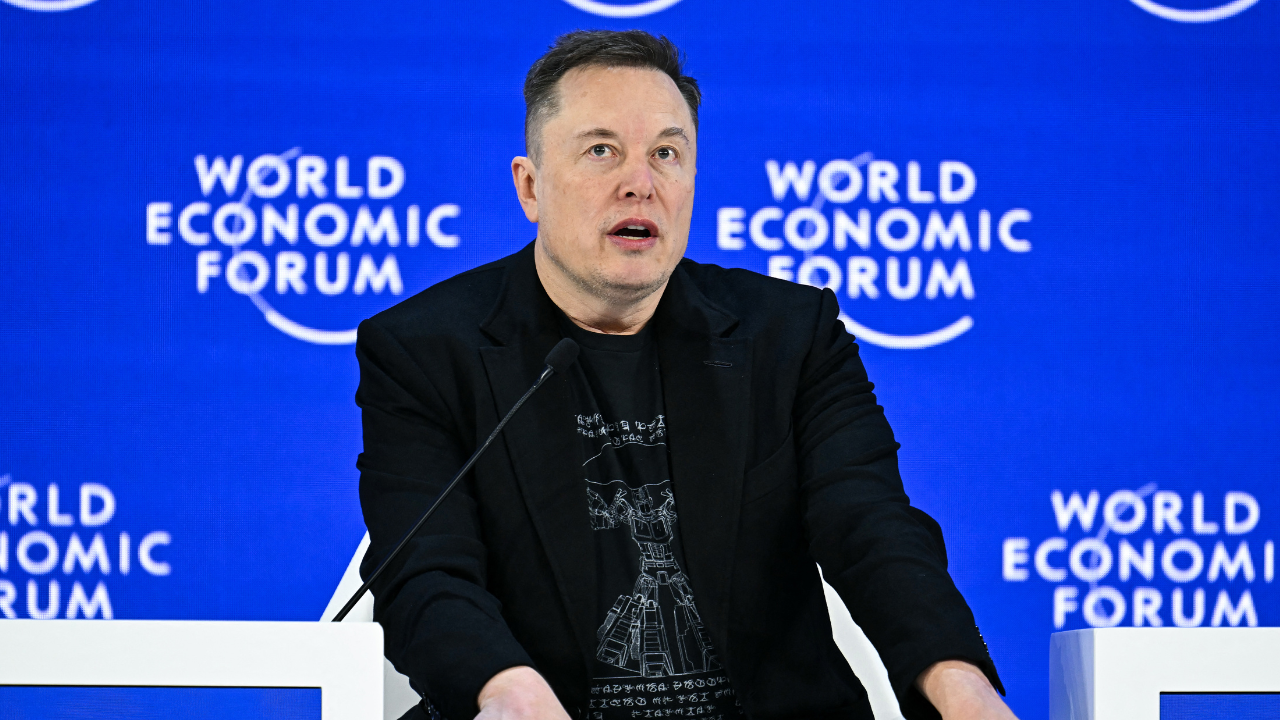
Elon Musk’s lawsuit against OpenAI is heading to trial this week, as he seeks over $150 billion in damages as well as the removal of Sam Altman. (Fabrice Coffrini/AFP via Getty Images)
His suit seeks the removal of OpenAI CEO Sam Altman and President Greg Brockman, as well as more than $150 billion in damages from OpenAI and Microsoft, which Musk has said he would provide to OpenAI’s nonprofit entity. Altman and Brockman were among OpenAI’s co-founders.
OpenAI is countering Musk’s claims by noting that the Tesla CEO pursued a merger with OpenAI and was involved with discussions about creating a for-profit entity for the company before his departure from its board of directors. They also view the suit as a tactic to boost his own AI startup, xAI, as a competitor to OpenAI.
OPENAI’S NONPROFIT PARENT COMPANY SECURES $100B EQUITY STAKE WHILE RETAINING CONTROL OF AI GIANT
The company’s 2019 creation of a for-profit entity governed by OpenAI’s nonprofit arm allowed the company to raise money from investors to scale up its computing capacity to facilitate AI research, which helped spur the launch of ChatGPT in late 2022.
| Ticker | Security | Last | Change | Change % |
|---|---|---|---|---|
| TSLA | TESLA INC. | 379.26 | +2.96 | +0.79% |
| MSFT | MICROSOFT CORP. | 424.62 | +8.87 | +2.13% |
OpenAI restructured again last fall, transitioning into a public benefit corporation in which its nonprofit arm as well as its other investors, including Microsoft, hold stakes. The nonprofit arm has a 26% stake with additional warrants if OpenAI’s valuation hits certain targets.
Musk’s legal team arrived at its estimate of damages owed to him by OpenAI by multiplying its valuation and a portion of the nonprofit’s stake that could be attributed to his contributions, claiming that between 50% and 75% of the OpenAI nonprofit’s stake can be attributed to him.
“Never before has a corporation gone from tax-exempt charity to a $157 billion for-profit, market-paralyzing gorgon – and in just eight years. Never before has it happened, because doing so violates almost every principle of law governing economic activity,” Musk’s suit claims.
ALTMAN CALLS MUSK’S SPACE DATA CENTER PLANS ‘RIDICULOUS’ FOR CURRENT AI COMPUTING NEEDS
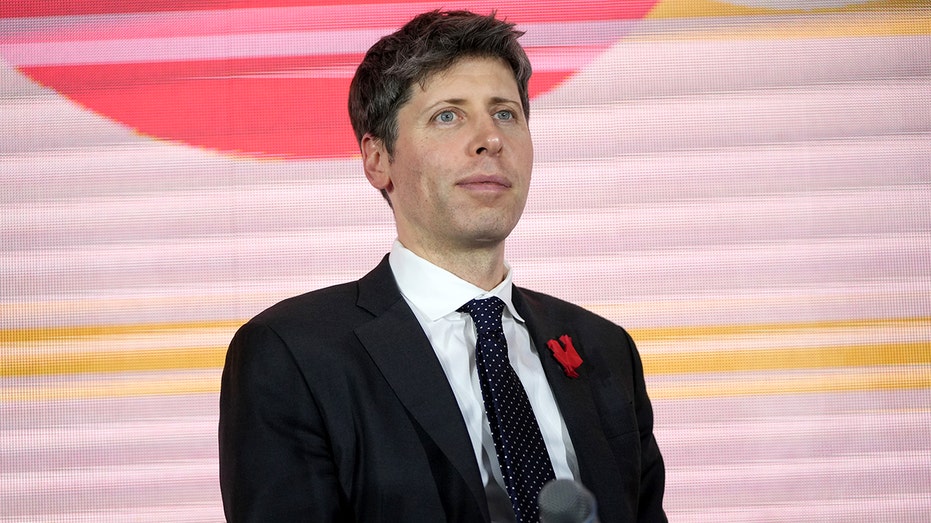
OpenAI CEO Sam Altman has restructured the company to attract outside investment. (Nathan Laine/Bloomberg via Getty Images)
Court documents show that Musk gave about $38 million of seed money to OpenAI between 2016 and 2020, mostly before he left the board.
Microsoft is also a defendant in the lawsuit and denies colluding with OpenAI, arguing that its partnership with OpenAI began after Musk’s departure.
OpenAI has insisted that Musk is motivated by revenge and competitive concerns, with the company writing on X that, “His lawsuit remains nothing more than a harassment campaign that’s driven by ego, jealousy and a desire to slow down a competitor.”
Both Musk and Altman signaled their eagerness for the trial to proceed earlier this year.
JUDGE STRUGGLES TO SEAT JURY IN ELON MUSK INVESTOR TRIAL AMID ‘HATE’ FOR TECH BILLIONAIRE: REPORT
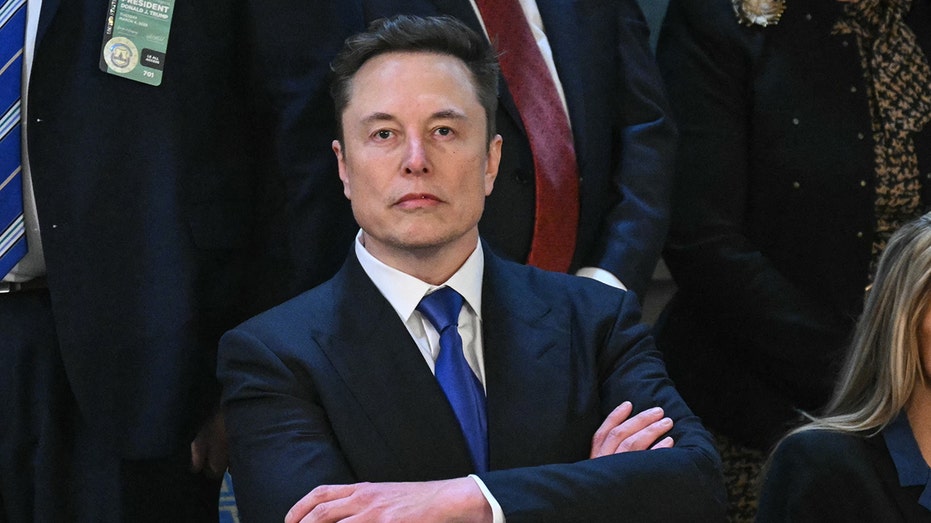
Musk launched xAI as a competitor to OpenAI following the release of ChatGPT. (Saul Loeb/AFP via Getty Images)
“Can’t wait to start the trial. The discovery and testimony will blow your mind,” Musk said in a January post on X.
Altman countered in a February post on the X platform that he is, “Really excited to get Elon under oath in a few months, Christmas in April!”
The jury selection pool is about three times larger than a typical civil case due to concerns about possible difficulties in finding impartial jurors, given that Musk and Altman have become celebrities.
GET FOX BUSINESS ON THE GO BY CLICKING HERE
The judge determined that the jury won’t decide the specific repercussions in the case, and will instead work in an “advisory” role to determine how much OpenAI would need to pay in disgorgement if it loses the case.
FOX Business’ Kelly Saberi and Reuters contributed to this report.


Daniel is an avid and active professional investor.
He runs Crude Value Insights, a value-oriented newsletter aimed at analyzing the cash flows and assessing the value of companies in the oil and gas space. His primary focus is on finding businesses that are trading at a significant discount to their intrinsic value by employing a combination of Benjamin Graham’s investment philosophy and a contrarian approach to the market and the securities therein. Learn more.
Analyst’s Disclosure: I/we have no stock, option or similar derivative position in any of the companies mentioned, and no plans to initiate any such positions within the next 72 hours. I wrote this article myself, and it expresses my own opinions. I am not receiving compensation for it (other than from Seeking Alpha). I have no business relationship with any company whose stock is mentioned in this article.
Seeking Alpha’s Disclosure: Past performance is no guarantee of future results. No recommendation or advice is being given as to whether any investment is suitable for a particular investor. Any views or opinions expressed above may not reflect those of Seeking Alpha as a whole. Seeking Alpha is not a licensed securities dealer, broker or US investment adviser or investment bank. Our analysts are third party authors that include both professional investors and individual investors who may not be licensed or certified by any institute or regulatory body.

Almost half of Australia’s mid-market business leaders are forecasting no real growth for the remainder of the year but claim cutting red tape in the federal budget could turn their prospects around, KPMG finds.
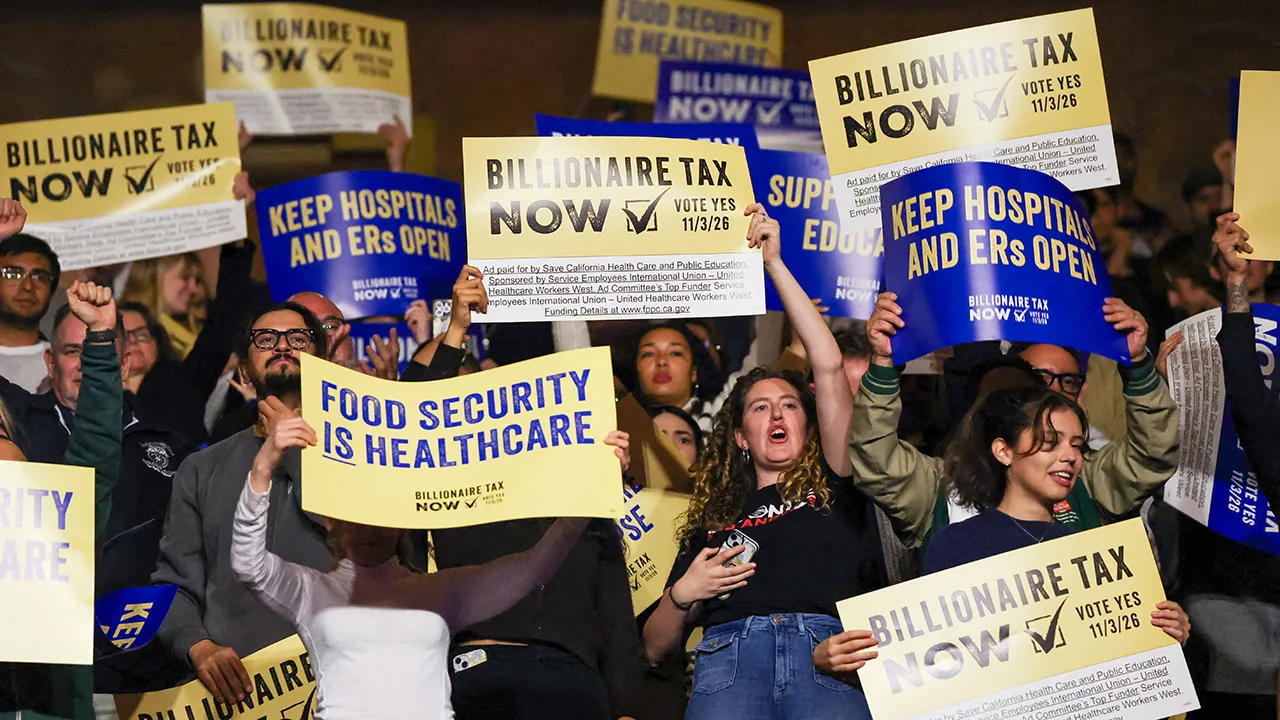
FOX Business’ Gerri Willis joins ‘Varney & Co.’ to report on the growing red vs. blue state divide over taxes, as new wealth levies target billionaires, property tax revolts spread nationwide and a wave of income tax cuts reshapes the economy
After months of campaigning for a first-of-its-kind retroactive wealth tax in California, the union-led effort is now taking its next step.
The Service Employees International Union–United Healthcare Workers West (SEIU-UHW) said it has collected more than 1.55 million signatures, according to a press release, nearly double the 875,000-signature requirement — to put a one-time tax on billionaire assets on the California ballot.
The California Billionaire Tax Act would target the net worth of roughly 200 residents and would impose a one-time 5% tax on the net worth of California residents with assets exceeding $1 billion. The tax would be due in 2027, and taxpayers could spread payments over five years, with interest, according to the Legislative Analyst’s Office.
If the measure is approved by voters in November, anyone who was a California resident on Jan. 1, 2026, would owe the tax, according to the proposal. In practical terms, a resident with $20 billion in net worth on that date would owe a one-time tax of $1 billion, payable over five years.
THE $1,600 LETTUCE: CALIFORNIA GROWERS WARN OF ‘MASTER PLAN’ STRANGLING FAMILY FARMS
Supporters argue the tax is a direct response to “cuts to Medicaid and other federal health insurance programs by the Trump administration last year.”
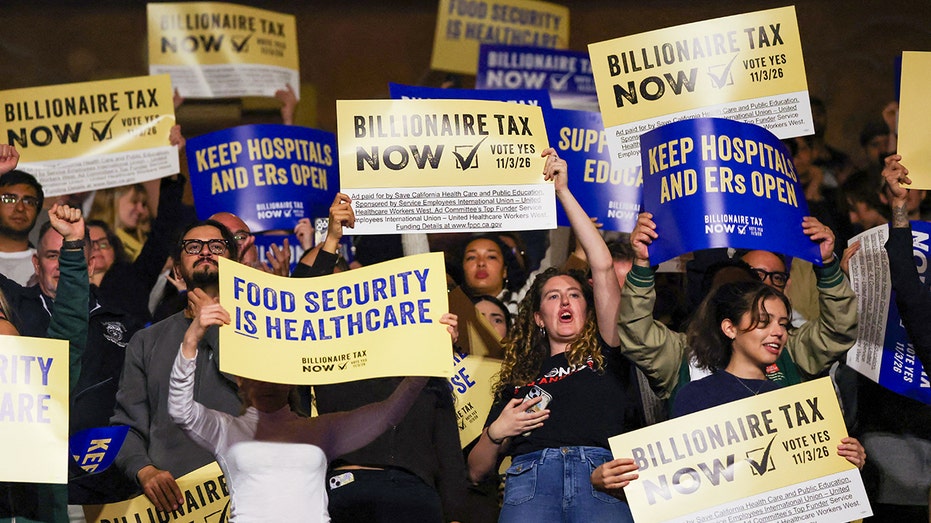
Attendees cheer during the speech of Sen. Bernie Sanders, I-Vt., during the campaign kickoff for the California Billionaire Tax Act in Los Angeles, Feb. 18, 2026. (Getty Images)
“Most Californians and most billionaires recognize how reasonable and necessary this proposal is — both to keep emergency rooms open and to save California businesses from closing,” SEIU-UHW chief of staff Suzanne Jimenez said in a press release.
“A very small group of the most controversial billionaires on the planet tried to stop Californians from being able to save their local emergency rooms and hospitals — but our current signature tally proves frontline healthcare workers will prevail in bringing this commonsense proposal to voters,” she continued. “When our growing coalition files these signatures, David will have won the first round against Goliath, but healthcare workers and our allies won’t quit until we fully protect our patients from the looming healthcare disaster that will be caused by $100 billion in cuts to California healthcare.”
‘The Big Money Show’ panel discusses California’s proposed wealth tax, the potential economic impact and the exodus from blue states.
The SEIU-UHW did not immediately respond to Fox News Digital’s request for comment.
Opponents of the measure have warned the tax could kill an estimated 108,000 high-paying jobs over the next 20 years, The New York Times reported Sunday. Democratic Gov. Gavin Newsom even acknowledged that the state’s proposed wealth tax is bad economics, previously saying he feels vindicated in opposing the proposal after reports showed some of California’s wealthiest residents moving money and businesses out of the state, warning the measure would damage the economy and drive away investment.
GET FOX BUSINESS ON THE GO BY CLICKING HERE
California gubernatorial candidate Steve Hilton discusses new developments in the investigation into former California congressman Eric Swalwell on ‘The Evening Edit.’
While the Legislative Analyst’s Office predicts a temporary surge in cash, it warned of an “ongoing decrease in state income tax revenues of hundreds of millions of dollars or more annually” as billionaires flee the state in response.
Some of those public figures who moved their residencies or businesses out of California before the Jan. 1 retroactive tax deadline include Google co-founders Larry Page and Sergey Brin, Meta’s Mark Zuckerberg, Peter Thiel, Steven Spielberg, Uber’s Travis Kalanick and car loan magnate Don Hankey.

The bank’s operating profit stood at Rs 522 crore, 29% higher than last time’s Rs 404 crore on 16% higher total income at Rs 1792 crore against Rs 1542 crore.
Its net interest margin for the quarter rose to 4.18% from 3.91% seen in the year-ago quarter.
The net profit for FY26 stood at Rs 1338 crore as compared with Rs 1183 crore in FY25. The bank board proposed a final dividend of Rs 12.50 per equity share of the face value Rs 10 each, which is 125% dividend for FY26.
Managing director Salee S Nair said that the bank’s business growth in both the assets and liability sides has been the highest in the past 10 years

Its advances grew 20.3% year-on-year to Rs 53,379 crore white deposits rose 14.9% to Rs 61,712 crore. The lender’s asset quality improved with gross non-performing assets ratio declining to 0.73% at the end of March from 1.25% a year prior.

Kayne Anderson president Baker buys $339,250 in KYN stock

The announcement follows Trent’s earlier disclosure of the bonus issue alongside its Q4 results and a Rs 6 dividend. The company had at the time indicated that the record date would be announced separately.
The bonus issue marks a milestone for the Westside and Zudio parent, which has never issued bonus shares before. As part of the plan, Trent will issue around 17.77 crore equity shares of Re 1 face value each, capitalising a portion of its share premium reserves.
The company expects to complete the allotment of these bonus shares by June 21, drawing from its share premium pool, which stood at over Rs 1,900 crore as of March-end FY26.
A bonus issue involves distributing additional shares to existing shareholders at no extra cost, typically reflecting a company’s confidence in its financial position and growth outlook. While the move increases the total number of outstanding shares, it does not alter the company’s overall market capitalisation. However, it tends to improve stock liquidity and makes shares more accessible to retail investors.
Only those shareholders holding Trent shares as of May 29 will be eligible to receive the bonus allotment.
Trent reported a 26% growth in its consolidated net profit for the quarter ended March 31, 2026, at Rs 400 crore versus Rs 318 crore in the year-ago period. Its revenue from operations, meanwhile, rose 19% YoY to Rs 5,028 crore in Q4 FY26.Further, Trent has also earlier approved the plan to raise additional funds through the issue of equity shares via rights issue or other methods. The company announced an Employee Stock Option Plan (ESOP) to issue nearly 8.89 lakh shares to its eligible shareholders.
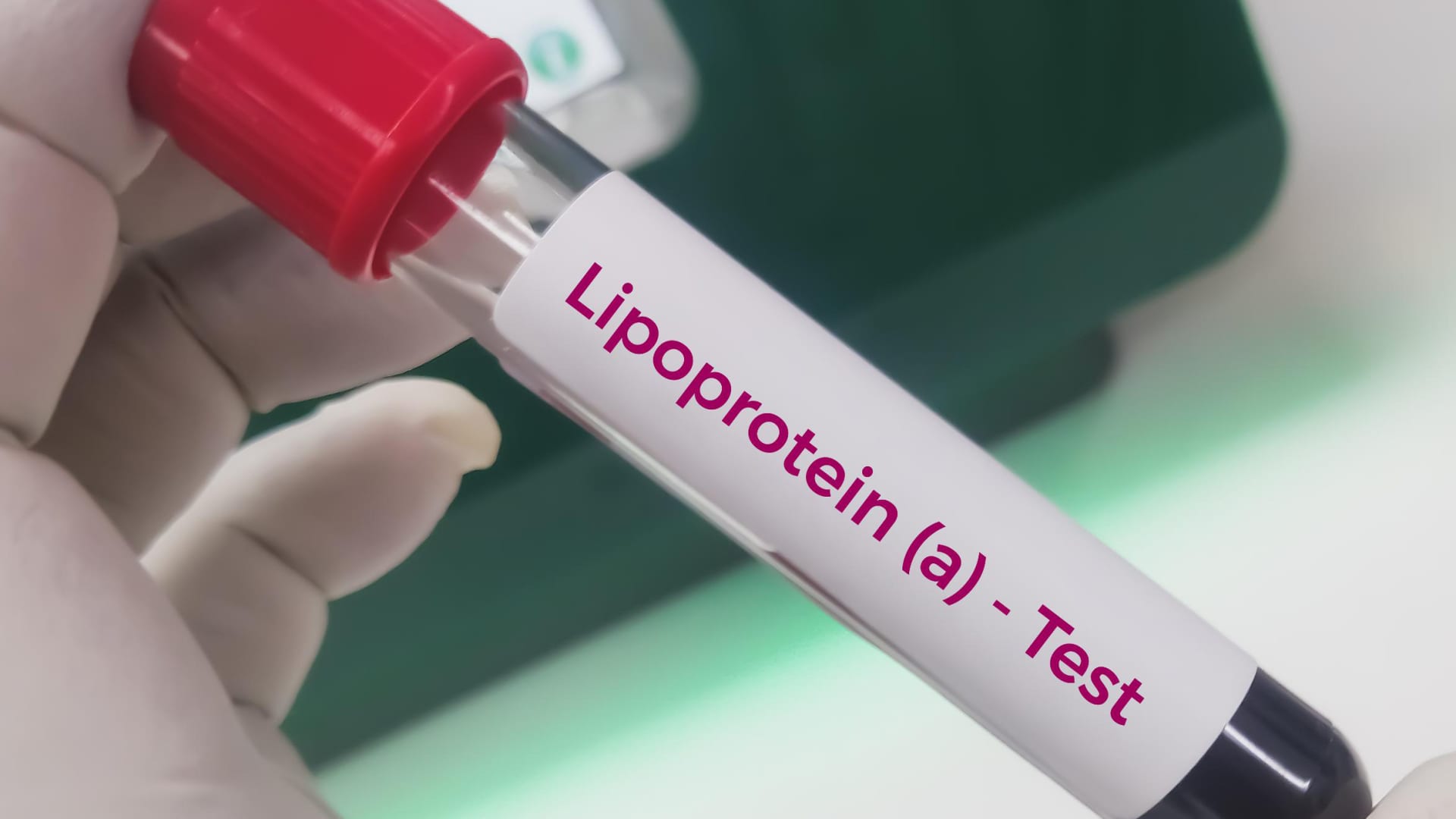
Pharma thinks it’s found the next frontier in preventing heart attacks.
Novartis, Amgen and Eli Lilly are among the drugmakers betting that slashing levels of a particularly bad form of cholesterol could deliver the next blockbusters in cardiology. All three of the pharmaceutical giants are in late-stage trials to test whether drugs that cut Lp(a) can protect people from heart attacks.
If they can, the opportunity could be massive: an estimated one in five people worldwide have elevated Lp(a), and there’s not much they can do to lower it. Evidence from human genetics suggests the idea could work, but drugmakers don’t know for sure. That makes the first late-stage trial results from Novartis, expected later this year, important for the entire pipeline.
“History has taught us you can’t make assumptions,” said Dr. Steve Nissen, chief academic officer of the Heart, Vascular & Thoracic Institute at Cleveland Clinic who is the principal investigator of Novartis’ Phase 3 Horizon trial of pelacarsen, the company’s experimental drug to lower Lp(a). “We thought raising HDL would be beneficial and that didn’t work, so I think we have to keep an open mind.”
Lp(a), or lipoprotein(a), was first discovered in 1963. It’s a more dangerous cousin to the well-known LDL cholesterol because it simultaneously clogs arteries and promotes blood clots, posing two risks with just one particle. Almost 50 years after Lp(a) was discovered, researchers found that people who have high levels of it had a more than twofold higher risk of heart attack than those who don’t.
How much Lp(a) a person has circulating in their body is almost entirely determined by their genes. Lifestyle factors like diet and exercise don’t influence Lp(a) levels like they do LDL levels, leaving people with few good options to reduce it.
Currently, doctors encourage people to focus on the factors they can change, such as lowering their LDL cholesterol, decreasing blood pressure, treating obesity and diabetes and exercising. Those strategies can help protect people from high Lp(a) for some time, Nissen said. New medicines could treat people for a longer time.
Novartis, Amgen and Lilly have already proven their experimental drugs slash levels of Lp(a) by more than 80%. Now, they will need to show that translates into tangible benefits. If that happens, the drugs could reach annual sales of $5.6 billion by 2032, according to consensus estimates from Evaluate, a pharmaceutical commercial intelligence firm.
“We don’t know how much you have to lower levels,” Nissen said. “We don’t know how high you have to be to benefit from getting your level lowered. Estimates of how much you have to lower levels to prevent events based upon genetic studies are highly variable, so we don’t have an answer, and we won’t have an answer until on the date that we unblind the trial.”
That should happen around the middle of the year, Novartis CEO Vas Narasimhan said on the company’s fourth-quarter earnings call in February. The trial is studying whether Novartis and its partner Ionis’ drug pelacarsen prevents outcomes like heart attacks and strokes in people with elevated levels of Lp(a) who already have cardiovascular disease. Novartis delayed the readout by a year because people weren’t experiencing events as quickly as the company expected in the yearslong trial.
Narasimhan has said that might have to do with the fact that researchers were managing participants’ other risk factors. He said Novartis is still excited to see the data and to potentially create “an entire new class of medicines that can help a whole group of patients that have no other option.”
Novartis’ drug uses a different mechanism than its next closest competitors from Amgen and Lilly. Those drugs, Amgen’s olpasiran and Lilly’s lepodisiran, looked more potent in mid-stage trials, leading to larger Lp(a) reductions.
Amgen’s pivotal trial results were expected later this year or early next before the company also pushed back the timeline. The company now says it plans to provide an update on timing in early 2027.
Jay Bradner, Amgen’s executive vice president of research and development, said it’s impossible to say why it’s taking longer for enough people to have heart attacks to analyze the results without seeing the data.
“The clarity of the signal from population genetics and the encouraging signs from [earlier trials] render this a very smart bet,” said Bradner. The forthcoming results from Novartis will provide direction on how Lp(a)-targeting drugs can affect clinical outcomes, he said, adding that he’s “very bullish about the hypothesis.”
Lilly expects to share data from its Phase 3 trial of lepodisiran in 2029. All of the trials are designed slightly differently, which could create variation in the results, said Dr. Michelle O’Donoghue, a cardiologist at the Mass General Brigham Heart & Vascular Institute and the principal investigator of Amgen’s Ocean(a) trial of olpasiran.
“So there’s reason to think that the magnitude of the benefit might be different across the different programs,” she said.
Despite the focus from drugmakers, few doctors test their patients’ Lp(a) levels. Less than 1% of adults were tested for it in the U.S. in 2024, and testing was concentrated in a handful of states, according to one study of electronic health records.
Screening involves a routine blood draw like what’s used to measure other types of cholesterol. Leading cardiology organizations recently started recommending every adult be tested for Lp(a) at least once in their life. Currently, some doctors are reluctant to screen people for a problem when they don’t have any medicines to offer them to treat it, Nissen and O’Donoghue said.
The Family Heart Foundation plans to advocate for adding Lp(a) to the standard lipid test that measures other types of cholesterol like LDL, said the organization’s CEO, Katherine Wilemon. Living with elevated Lp(a) and another genetic heart condition herself, Wilemon has pushed for more screening since experiencing a heart attack at 38 and founding the organization in 2011.
She said the Lp(a) drugs have already helped raise awareness about testing. If the treatments succeed in clinical trials, more screening could follow. Morningstar analyst Jay Lee thinks it could take time to build the market, especially since Novartis’ pelacarsen would initially be used for people with high Lp(a) levels and a history of cardiovascular events.
Amgen and Lilly are already testing whether drugs could protect people with elevated Lp(a) from having that first event. Those results are still years away, with Lilly’s trial expected to read out in 2029.
In the meantime, Lilly isn’t waiting to make more bets. The company is testing a daily pill, and it acquired a company that wants to use gene editing to slash Lp(a) levels with a one-time treatment.
“We’ve got a bunch of shots on goal,” Cleveland Clinic’s Nissen said. “We hope at least one of them ends up in the back of the net.”
Investors are skeptical, said Goldman Sachs analyst Asad Haider. They’re nervous what the delay in Novartis’ trial means for the drugs, and they’re concerned that even if the drugs work, it could take years for them to become mega-blockbusters, he said.
“That’s why this Novartis trial is going to be so important in how people think about the unlock,” Haider said.
Wilemon from the Family Heart Foundation thinks the market for the drugs is there. She sees screening as the most important issue and access as the second one. She points to PCSK9 inhibitors, powerful drugs that slash levels of LDL cholesterol, which struggled for years to gain traction until drugmakers lowered their prices.
But before uptake comes the data — and she said she and the whole Lp(a) community are crossing their fingers Novartis’ drug works.

Colombian peso drops 2.36% as leftist leads presidential polls
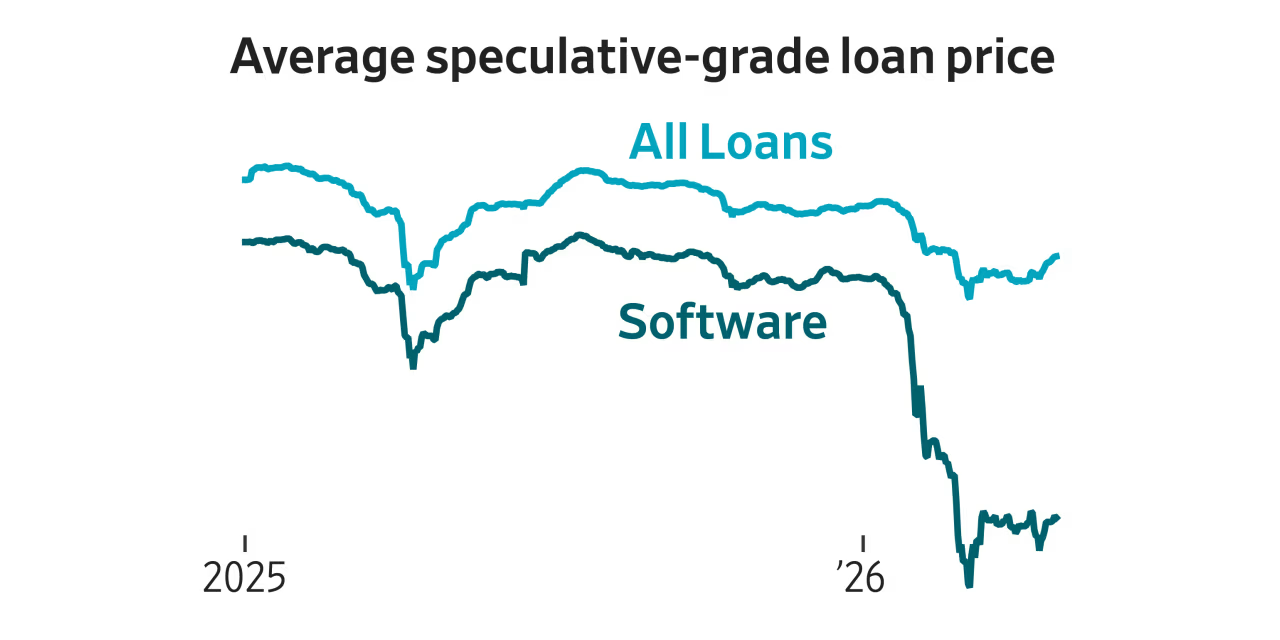
The threat that artificial intelligence tools will fuel a software apocalypse has rattled stocks, triggered record withdrawals from private-debt funds and stirred fears of a new type of credit crisis.
But a key market is sending a more mixed message: Not all software companies are equally endangered. While prices of software-company loans have fallen sharply on average since late January, a Wall Street Journal analysis of more than 100 loans showed wide variations in price moves, with parts of the sector hit much harder than others.
Copyright ©2026 Dow Jones & Company, Inc. All Rights Reserved. 87990cbe856818d5eddac44c7b1cdeb8

Bitcoin Rally Builds on Leverage as Spot Demand Lags

1 in 10 Reform councillors have defected, left, or been sacked

Man United v Brentford LIVE: Latest updates and live score from crucial clash in battle for European places

Manchester United reach agreement with Casemiro over contract clause amid transfer speculation

US brings back mandatory military draft registration

Steven Gerrard disagrees with Gary Neville over ‘shock’ Chelsea and Arsenal claim | Football

Raj Rejects His Father’s Support and Falls Into Financial Crisis, Asks Sheldon to Be His Financial

LOVE FOR MONEY || CHAPTER 1 – KWADWO NKANSAH LIL WIN – WEEZY EMPIRE TV

Saylor’s Infinite Money Glitch Explained, DeFi Hack, Pakistan Opens Banks to Crypto
-

 Politics7 days ago
Gary Stevenson delivers timely reminder to register to vote as deadline TODAY
-

 Fashion3 days ago
Weekend Open Thread – Corporette.com
-
Crypto World2 days ago
Hyperliquid $HYPE Rally Builds Momentum as AI Sector Enters Prove-It Phase
-

 Politics5 days ago
Making troops accountable for war crimes threatens US alliance, ex-SAS colonel warns
-

 Politics5 days ago
Disabled people challenge government SEND proposals over segregation concerns
-

 Tech2 hours ago
Register Renaming | Hackaday
-

 Business5 days ago
Rolls-Royce Voted UK’s Most Iconic Trade Mark as IPO Register Hits 150
-

 Business4 days ago
Patterson-UTI Energy, Inc. (PTEN) Q1 2026 Earnings Call Transcript
-

 Politics5 days ago
Zack Polanski responds to home secretary’s taser threat
-
 Sports1 day ago
IPL 2026: Ruturaj Gaikwad registers slowest fifty of the season, enters all-time unwanted list | Cricket News
-
 Crypto World6 days ago
Five Value Stocks with Recovery Potential in 2026: PayPal (PYPL), Nike (NKE), and More
-

 Politics5 days ago
Starmer handler McSweeney to be dragged from shadows by Foreign Affairs Committee
-
Politics5 days ago
Wings Over Scotland | How To Get Away With Crimes
-

 Crypto World6 days ago
New York sues Coinbase, Gemini over prediction market offerings
-
Entertainment6 days ago
Sydney Sweeney cameo cut from “The Devil Wears Prada 2”, source explains why (exclusive)
-
 Business6 days ago
HCL Tech share price tank over 9% after weak Q4. JPMorgan, HSBC & 3 others cut target price
-

 Politics5 days ago
‘Iran is still a nuclear threat’
-
 Sports5 days ago
Tim Bradley names the current best in the world: “Better than Inoue and Usyk”
-

 Crypto World6 days ago
Crypto’s great hope in Senate’s Clarity Act still has a path to survive tight calendar
-

 NewsBeat1 day ago
LK Bennett closes all stores after entering administration
You must be logged in to post a comment Login