
Business
'Alarm bells': Labor seats favoured in grants scheme




The gains far outpaced the broader market. The Sensex and Nifty rose 6% each during April-August, while the BSE MidCap 150 gained 19% and the BSE SmallCap 250 climbed 29%.
 ET Bureau
But the strong performance of the IPO indices masks a highly concentrated rally, with 15 stocks accounting for nearly 80% of the gains in the BSE’s 73-stock IPO index. For BSE’s 105-stock SME IPO index, 24 stocks contributed to about 89% of the rise in the benchmark
The indices are designed to track relatively recent listings. A stock market debutant enters the BSE IPO index on the third day after listing and is generally removed after completing one year. In the case of the SME IPO index, a stock is included on the second day of listing and moves out after a year. An SME stock exits earlier if it migrates to the BSE Mainboard. Both indices are rebalanced monthly.
Read more: Indian firms line up $7.7 billion in ECB proposals in July

“Retail and HNI investors are opting for fresh growth stories over legacy large-cap names that carry FPI overhang, valuation baggage, and uncertain earnings visibility,” said Rajesh Singla, CEO and fund manager at Alpha AMC & Planify.
Of the 4661 points gained by the BSE IPO index between April and August, Meesho, Lenskart Solutions, Tata Capital, Billionbrains Garage Ventures, Rubicon Research, LG Electronics India, Physicswallah, Urban Company, Shadowfax Technologies, Sudeep Pharma, ICICI Prudential Assets, Aequs, Emmvee Photovoltaic Power, Fujiyama Power Systems and Clean Max Enviiro Energy Solutions together contributed 3,738 points.Of the 105 stocks in the BSE SME IPO index, 24 companies, including Zelio E Mobility, Indo SMC, Airfloa Rail Tech, Exato Tech, SK Minerals & Additives, LT Elevator, Aptus Pharma and Purple Wave Infocom, contributed 34,472 points to the index’s 38,772-point rise, accounting for nearly 89% of the gains.
The remaining 56 gainers added 6,520 points, while 25 stocks dragged the index down by 2,220 points.
DNY59/iStock via Getty Images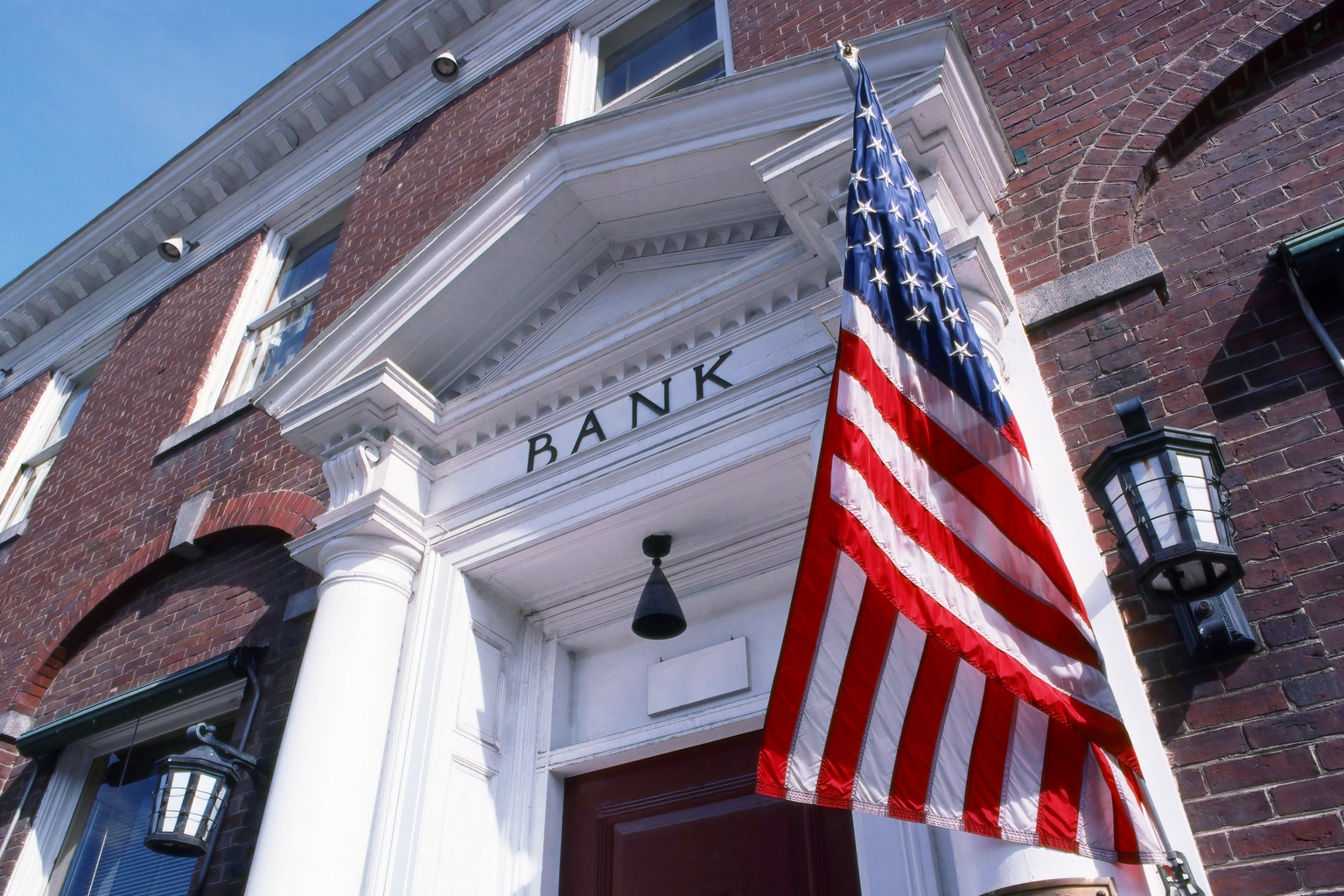
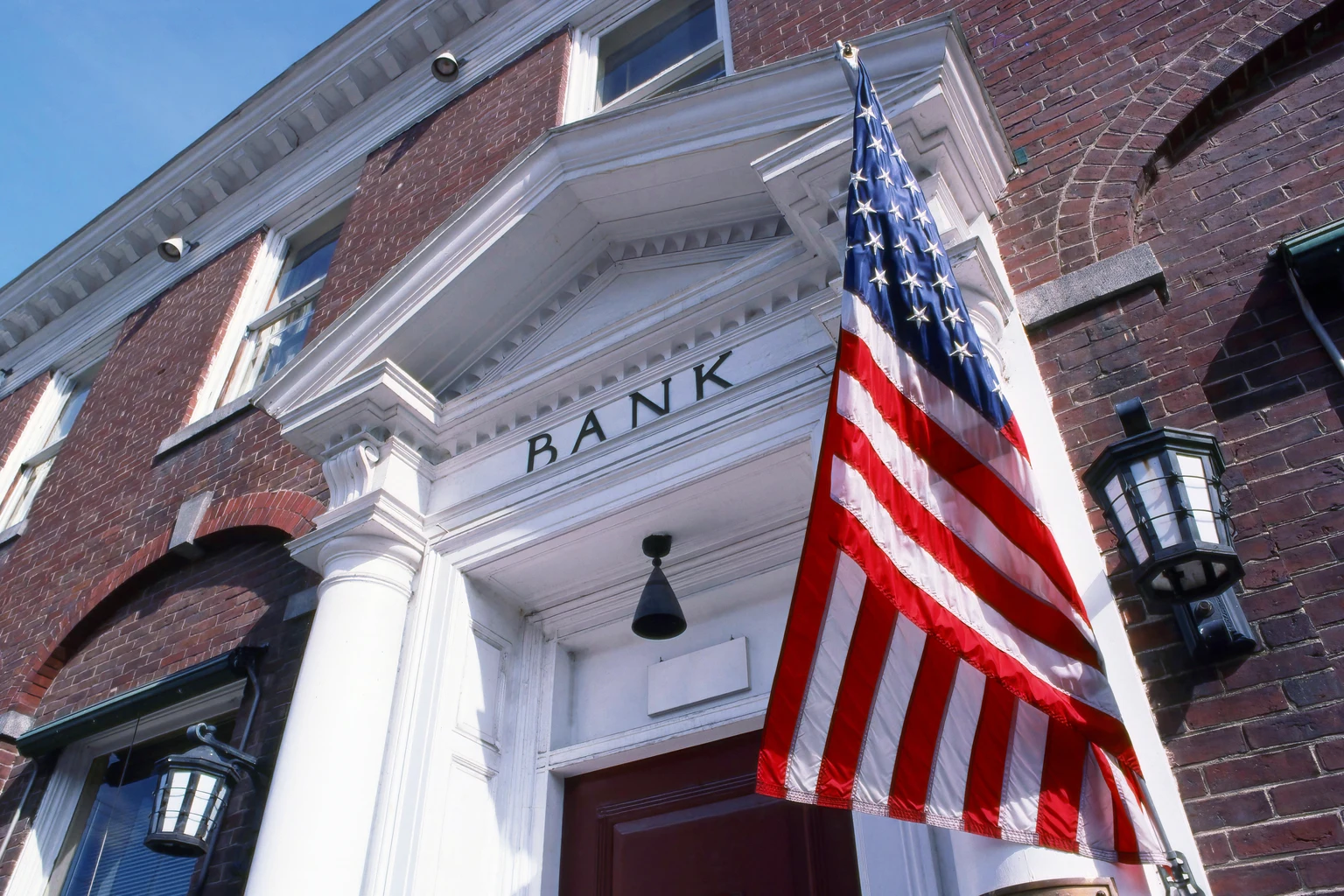
The rally in US bank stocks cooled in August. The market cap-weighted S&P US BMI Banks index recorded a negative 0.7% total return last month, trailing the S&P 500’s 2.7% return. Smaller-cap bank stocks performed even worse. In an S&P Global

Applying for a loan can be exciting because it opens opportunities to achieve important financial goals. Whether you’re planning to start a business, expand an existing company, buy a vehicle, renovate your home, or cover emergency expenses, getting approved is often the biggest challenge.
Many Filipinos believe that loan approval depends only on salary or income. In reality, lenders evaluate several factors before deciding whether to approve or reject an application. The good news is that many of these factors are within your control.
If you’re wondering how to increase your loan approval, this guide will walk you through proven strategies that banks, lending companies, and digital lenders commonly consider. Following these tips can improve your chances of getting approved and may even help you qualify for lower interest rates.
Why Loan Applications Get Rejected
Before learning how to improve your chances, it’s important to understand why lenders reject applications. Common reasons include:
- Low or unstable income
- Poor credit history
- Incomplete loan requirements
- High existing debts
- Frequent late payments
- Inconsistent employment history
- Errors in the application form
- Applying for an amount beyond your repayment capacity
Fortunately, most of these issues can be corrected before submitting your application.
1. Maintain a Good Credit History
Your credit history is one of the first things lenders examine. It tells them how responsibly you’ve handled loans, credit cards, and other financial obligations in the past.
To improve your credit standing:
- Pay loans before their due dates.
- Always settle your credit card bills on time.
- Avoid defaulting on existing loans.
- Keep your financial records clean and updated.
Even a few months of consistent on-time payments can improve your financial profile over time.
2. Increase Your Monthly Income
Income plays a significant role in determining your loan eligibility. Lenders want assurance that you have enough earnings to repay your monthly obligations.
You can strengthen your application by:
- Working overtime if available.
- Starting a side business.
- Taking freelance work.
- Earning commissions or bonuses.
- Showing additional legal sources of income.
If you’re self-employed, maintain complete business records to prove your income consistently.
3. Reduce Existing Debt
One of the biggest reasons for loan rejection is having too much existing debt.
Lenders often calculate your Debt-to-Income (DTI) Ratio, which compares your monthly debt payments to your monthly income.
A lower DTI ratio means you’re financially healthier and more capable of handling another loan.
Before applying:
- Pay off small loans.
- Reduce credit card balances.
- Avoid taking multiple loans simultaneously.
- Finish installment purchases whenever possible.
4. Prepare Complete Documents
Incomplete requirements often delay or even cancel loan applications.
Typical documents include:
- Government-issued IDs
- Proof of billing
- Certificate of Employment
- Latest payslips
- Income Tax Return (ITR)
- Bank statements
- Business permits (for business owners)
- Financial statements
Double-check every document before submission to avoid unnecessary delays.
5. Stay Longer in Your Current Job
Employment stability increases lender confidence.
Applicants who have worked for the same employer for at least one or two years generally have stronger applications than those who frequently change jobs.
If possible, wait until you’ve completed your probationary period before applying for a loan.
6. Choose the Right Loan Amount
Many borrowers make the mistake of requesting more money than they actually need.
The higher the loan amount, the higher the lender’s risk.
Instead:
- Borrow only what you truly need.
- Calculate affordable monthly payments.
- Consider a shorter repayment period if manageable.
Asking for a realistic amount often leads to better approval chances.
7. Build a Healthy Banking Relationship
Having an active bank account demonstrates financial responsibility.
Maintain:
- Regular deposits
- Stable account balance
- Minimal overdrafts
- Consistent banking transactions
Some banks even offer pre-approved loans to loyal customers with good account histories.
8. Avoid Multiple Loan Applications at Once
Applying to many lenders simultaneously may appear risky.
Some lenders interpret multiple recent applications as a sign of financial difficulty.
Instead:
- Research lenders carefully.
- Compare eligibility requirements.
- Apply only to institutions where you meet the qualifications.
9. Correct Errors in Your Application
Simple mistakes can lead to rejection.
Review your application carefully:
- Name spelling
- Address
- Contact number
- Email address
- Employer information
- Monthly income
- Loan amount
Ensure every detail matches your supporting documents.
10. Improve Your Credit Card Usage
If you have credit cards, use them wisely.
Good practices include:
- Paying the full balance every month.
- Avoiding maxing out your credit limit.
- Keeping utilization below 30% whenever possible.
- Never missing payment deadlines.
Responsible credit card management demonstrates financial discipline.
11. Consider Applying with a Co-Borrower
If your income alone isn’t sufficient, a qualified co-borrower or co-maker may improve your application.
The lender evaluates both applicants’ financial capabilities, which can reduce lending risk.
Choose someone with:
- Stable income
- Good credit standing
- Strong employment history
12. Organize Your Business Records
If you’re applying for a business loan, lenders typically require proof that your business is financially healthy.
Prepare:
- Business permits
- Mayor’s Permit
- DTI or SEC registration
- Audited financial statements
- Sales records
- Bank statements
- Tax filings
Well-organized records increase lender confidence and speed up approval.
13. Improve Your Savings
Having savings shows financial discipline.
Lenders prefer borrowers who maintain emergency funds because they’re generally more capable of handling unexpected expenses while continuing loan payments.
Even modest but consistent savings can strengthen your application.
14. Apply with the Right Lender
Not all lenders have the same requirements.
Some specialize in:
Choose a lender whose lending criteria match your financial situation instead of applying randomly.
15. Demonstrate Responsible Financial Behavior
Lenders look beyond your income.
They also evaluate your overall financial habits.
Good financial practices include:
- Paying bills on time.
- Maintaining stable employment.
- Avoiding bounced checks.
- Keeping accurate financial records.
- Living within your means.
Responsible financial behavior signals that you’re a low-risk borrower.
Bonus Tips to Increase Loan Approval
- Apply after receiving a salary increase.
- Keep your contact information updated.
- Answer verification calls promptly.
- Submit genuine documents only.
- Build long-term relationships with your bank.
- Pay utility bills before their due dates.
- Maintain active government contributions when applicable.
- Review your application before submitting.
Frequently Asked Questions (FAQs)
How can I improve my loan approval quickly?
Pay existing debts, submit complete documents, maintain stable employment, and avoid multiple loan applications at the same time.
Does salary affect loan approval?
Yes. Higher and more stable income generally improves your ability to qualify for larger loan amounts, but lenders also evaluate your debts, payment history, and financial stability.
Can I get approved even with average income?
Yes. Many borrowers with average income are approved if they have good credit history, low debt, complete documents, and stable employment.
Does paying loans early help?
Paying on time consistently is most important. Early repayment may also reflect positively depending on the lender’s evaluation policies.
Learning how to increase your loan approval is less about finding shortcuts and more about demonstrating financial responsibility. Lenders want borrowers who can repay their loans consistently and on time.
By improving your credit history, reducing debt, maintaining stable employment, organizing your financial documents, and borrowing only what you genuinely need, you significantly improve your chances of loan approval.
Whether you’re applying for a personal loan, business loan, auto financing, or home loan in the Philippines, preparation is your greatest advantage. Building good financial habits today not only helps you secure a loan but also positions you for better interest rates and larger borrowing opportunities in the future.

Business News Philippines was launched in October 2015 as a portal for readers to learn more about operating a business in the Philippines.

On the other hand, companies catering to the mid-to-extra high voltage segments including Diamond Power Infrastructure are likely to show lesser impact given higher entry barriers due to the critical nature and prequalification criteria.
ET BureauLast Thursday, Ultratech Cement launched Ultravolt backed by an investment of ₹1,800 crore, nearly one-and-a-half years after the initial announcement in early 2025. It plans to roll out products across 500 districts through over a lakh retailers in the country. It has commenced commercial production in the first phase of its facility at Bharuch, Gujarat with an installed capacity of 1.1 million kilometres. It will eventually reach the full capacity of around four million kilometres.
Read more: Copper prices scale fresh record high as focus turns to tight supplies outside US
Initially, it will supply house wires, flat submersible, solar and communication cables. Over the next few weeks, it will launch low voltage (LV) cables followed by high voltage (HV) cables.
Given the retail focus at the initial stage, Ultratech’s foray is expected to increase competition among established sector incumbents. The stocks of Havells and KEI have lost 4% and 11% since September 03, the day of Ultravolt’s launch, after staying positive over the previous three months. Other players like Polycab and RR Kabel have fallen by 6.5% and 8.8% over the past two trading sessions.

The change follows a June 5, 2026 circular by the RBI, which withdrew the requirement for FPIs investing in government securities through the general route to comply with the prescribed concentration limit.
Read more: Fairfax plans IIFL Finance exit to fund IDBI Bank bid
Spain has announced a new initiative requiring banks to participate in a syndicated 20-year green government bond, aimed at generating about four billion euros soon. Leading financial institutions such as Barclays, BBVA, Credit Agricole CIB, J.P. Morgan, Morgan Stanley, and Santander will manage the offering. Additional primary dealers will be welcomed in the syndication while the funds raised will align with Spain’s refreshed Green Bond Framework.
“The requirement for identification of investor group by an FPI investing only in government securities is no longer relevant and is therefore being removed,” Sebi said in a circular. The rules comes into force with immediate effect. Sebi has directed depositories, custodians and designated depository participants to make changes to their systems to implement the revised requirement.

Fire is one of the biggest threats faced by small businesses in the Philippines. Whether you own a sari-sari store, café, restaurant, hardware shop, office, warehouse, pharmacy, salon, or retail store, a single fire incident can wipe out years of hard work within minutes.
According to the Bureau of Fire Protection (BFP), thousands of fire incidents occur across the country every year. Aside from property damage, businesses also suffer from inventory losses, interrupted operations, employee displacement, and reduced customer trust.
This is why Fire Insurance for Small Businesses is one of the most important investments every entrepreneur should consider. It provides financial protection against fire-related losses and helps businesses recover faster after unexpected disasters.
In this guide, we’ll explain everything Philippine business owners need to know about fire insurance, including its benefits, coverage, exclusions, costs, and practical tips for choosing the right policy.
What Is Fire Insurance?
Fire insurance is a type of property insurance that compensates business owners for losses or damages caused by fire. Depending on the insurance provider and policy purchased, coverage may also extend to damages resulting from lightning, explosions, smoke, and other related risks.
For small businesses, fire insurance protects valuable assets such as:
- Commercial buildings
- Office equipment
- Furniture and fixtures
- Inventory and stocks
- Machinery
- Computers and electronics
- Warehouse contents
- Store improvements
Instead of paying for repairs or replacements entirely out of pocket, the insurance company helps shoulder eligible losses based on the terms of the policy.
Why Fire Insurance Is Important for Small Businesses
1. Protects Your Business Investment
Many Filipino entrepreneurs invest years of savings into starting a business. Fire insurance safeguards that investment by reducing the financial impact of unexpected disasters.
2. Helps Business Operations Recover Faster
After a fire, businesses often need funds immediately for repairs, replacing inventory, and purchasing equipment. Insurance payouts can help shorten downtime and allow operations to resume sooner.
3. Gives Peace of Mind
Knowing your business is financially protected allows owners to focus on growth instead of constantly worrying about unexpected emergencies.
4. May Be Required by Banks
If your commercial property or business loan is financed through a bank, fire insurance may be required as part of the loan agreement.
5. Protects Business Continuity
Without insurance, a major fire could permanently close a business. Fire insurance helps businesses survive catastrophic losses and continue serving customers.
What Does Fire Insurance Usually Cover?
Coverage varies depending on the insurer and policy selected. However, most commercial fire insurance policies commonly include:
- Damage caused directly by fire
- Lightning damage
- Smoke damage
- Damage caused while extinguishing the fire
- Explosion caused by fire
- Damage to insured buildings
- Business furniture
- Office equipment
- Computers and electronics
- Business inventory
- Machinery and production equipment
- Warehouse contents
Many insurance companies also allow businesses to purchase additional coverage through policy extensions.
Optional Coverages You May Consider
Many insurers offer optional riders or endorsements that provide broader protection.
- Earthquake and fire following earthquake
- Typhoon and flood coverage
- Riot and strike damage
- Malicious damage
- Burst pipes
- Vehicle impact
- Business interruption insurance
- Loss of rental income
- Debris removal expenses
- Architect and engineering fees
- Temporary relocation costs
Business interruption insurance is especially valuable because it helps replace lost income while your business is temporarily unable to operate after a covered event.
What Is Usually Not Covered?
Every insurance policy has exclusions. Common exclusions include:
- Intentional acts by the owner
- Fraudulent claims
- Normal wear and tear
- Poor maintenance
- War and terrorism (unless specifically covered)
- Nuclear incidents
- Illegal business activities
- Losses outside the policy period
Always read the policy carefully and ask the insurance company to explain any exclusions before purchasing coverage.
How Much Fire Insurance Do Small Businesses Need?
The amount of coverage depends on several factors:
- Replacement cost of the building
- Total value of business equipment
- Inventory value
- Furniture and fixtures
- Computers and office electronics
- Machinery
- Renovation costs
A common mistake is underinsuring a business. If your insured amount is significantly lower than the property’s replacement value, you may not receive enough compensation after a major fire.
How Much Does Fire Insurance Cost in the Philippines?
Insurance premiums vary depending on multiple factors, including:
- Business type
- Building construction
- Location
- Fire protection systems
- Claims history
- Coverage amount
- Optional riders selected
Businesses located in areas with lower fire risk and equipped with smoke detectors, fire extinguishers, and sprinkler systems may qualify for more favorable premium rates compared to higher-risk properties.
Rather than choosing the cheapest policy, compare the coverage limits, exclusions, deductibles, and claim process to determine which option provides the best overall value.
How to Choose the Right Fire Insurance Policy
1. Assess Your Business Assets
Create a complete inventory of buildings, equipment, inventory, and other valuable assets.
2. Compare Multiple Insurance Providers
Obtain quotations from different insurers and compare:
- Coverage
- Premiums
- Deductibles
- Claim settlement reputation
- Customer support
- Additional benefits
3. Understand the Exclusions
Never purchase insurance based solely on price. Read the policy wording carefully.
4. Consider Business Interruption Coverage
Losing income while your business is closed can be more damaging than the fire itself.
5. Update Coverage Regularly
As your business grows, review your insurance annually to ensure your coverage keeps pace with new equipment, renovations, or increased inventory.
Tips to Reduce Fire Risks
Insurance is important, but prevention is even better.
- Install smoke detectors.
- Keep fire extinguishers accessible.
- Train employees on fire safety procedures.
- Avoid overloaded electrical outlets.
- Inspect wiring regularly.
- Maintain emergency exits.
- Store flammable materials properly.
- Conduct periodic fire drills.
- Follow BFP fire safety regulations.
- Keep important business documents backed up digitally.
What to Do After a Fire
If your business experiences a fire:
- Ensure everyone’s safety first.
- Contact emergency responders.
- Notify your insurance company immediately.
- Document all damages using photos and videos.
- Prepare an inventory of damaged items.
- Secure the property from further damage if safe to do so.
- Submit all required claim documents promptly.
- Coordinate with your insurance adjuster throughout the claims process.
Keeping purchase receipts, invoices, and updated asset records can significantly simplify the claims process.
Common Mistakes Small Business Owners Make
- Buying the cheapest policy without reviewing coverage.
- Underestimating property value.
- Not updating insurance after business expansion.
- Ignoring optional business interruption coverage.
- Failing to document business assets.
- Not reading policy exclusions.
- Waiting until after a disaster to purchase insurance.
Frequently Asked Questions (FAQs)
Is fire insurance mandatory for all small businesses?
No. However, banks may require it for financed commercial properties, and it is strongly recommended for businesses with physical assets.
Can tenants get fire insurance?
Yes. Even if you rent your business space, you can insure your inventory, equipment, furniture, and leasehold improvements.
Does fire insurance cover inventory?
Yes, provided inventory is included in your policy and declared with an appropriate insured value.
How long does claim processing take?
The timeline varies depending on the insurer, the completeness of submitted documents, and the complexity of the claim.
Can home-based businesses get fire insurance?
Some insurers offer coverage for qualified home-based businesses. Check with your insurance provider regarding eligibility and policy options.
Fire can happen without warning, but the financial consequences don’t have to be devastating. Investing in Fire Insurance for Small Businesses in the Philippines is a practical way to protect your hard-earned assets, maintain business continuity, and recover more quickly from unexpected disasters.
Whether you’re operating a small retail shop, restaurant, warehouse, office, or service-based business, having the right insurance coverage can make the difference between a temporary setback and a permanent closure.
Before purchasing a policy, compare multiple insurance providers, understand the coverage and exclusions, accurately value your assets, and consider adding business interruption coverage for more comprehensive protection. Combined with proper fire prevention practices, fire insurance forms an essential part of responsible business risk management.
Business News Philippines was launched in October 2015 as a portal for readers to learn more about operating a business in the Philippines.

One of the biggest financial decisions many people face is this: Should you buy a house first or start a business? There is no universal answer because every person’s financial situation, career goals, family responsibilities, and risk tolerance are different.
Some people believe that owning a home provides security and stability before taking entrepreneurial risks. Others argue that building a successful business first creates income that can later make buying a dream home much easier.
If you’re asking yourself, “Should I prioritize a house or a business?”, this guide will help you evaluate both options, understand their advantages and disadvantages, and make a smarter financial decision.
Why This Decision Matters
Both buying a house and starting a business require a significant financial commitment. In many cases, you may not have enough capital to do both at the same time.
Your choice today can influence your financial future for years, even decades. That’s why understanding the long-term impact is more important than simply following what friends or relatives recommend.
When Buying a House First Makes Sense
Purchasing a home is often viewed as a major life milestone. It provides stability and can become a valuable long-term asset.
Advantages of Buying a House First
- Stable Living Situation
You no longer worry about rising rental costs or frequent moves. - Build Home Equity
Instead of paying rent every month, your payments help build ownership in your property. - Potential Property Appreciation
Real estate often increases in value over time, especially in growing cities and developing communities. - Greater Family Security
A permanent home offers emotional stability, especially for families with children. - Easier Financial Planning
Fixed mortgage payments can be easier to budget than fluctuating rental expenses.
Disadvantages
- Large down payment requirements
- Monthly mortgage obligations
- Property taxes and maintenance costs
- Less available capital for investments
- Reduced financial flexibility
If most of your savings go toward buying a home, you may have little remaining capital to invest in business opportunities.
When Starting a Business First Makes Sense
A successful business can generate income that far exceeds what traditional employment offers. Many entrepreneurs choose to invest in their businesses first before purchasing real estate.
Advantages of Starting a Business First
- Higher Income Potential
A profitable business may generate significantly more income than your regular salary. - Creates Multiple Income Streams
Business profits can later fund investments, retirement savings, and property purchases. - Greater Financial Growth
Businesses have the potential to scale, increasing profits over time. - Tax Advantages
Depending on your country’s tax regulations, business owners may qualify for deductible business expenses. - Future Home Purchase Becomes Easier
A thriving business may allow you to purchase a home with less financial stress.
Disadvantages
- Higher financial risk
- Income may not be stable during the early years
- Long working hours
- Possible business losses
- No guarantee of success
Unlike real estate, businesses can fail if they are poorly managed or if market conditions change dramatically.
Consider Your Personal Financial Situation
Before deciding, honestly evaluate your finances.
Ask Yourself These Questions
- Do I have emergency savings?
- How stable is my current income?
- Do I have existing debts?
- Can I handle financial risks?
- Do I have dependents?
- How much capital do I have?
- Do I have entrepreneurial experience?
Your answers can reveal which option better aligns with your current financial position.
Business First: Who Is It Best For?
Starting a business before buying a house may be a good choice if you:
- Are young and have fewer financial obligations
- Already have a validated business idea
- Possess industry knowledge or experience
- Can tolerate financial uncertainty
- Want to build wealth faster
- Already have affordable housing arrangements
Many successful entrepreneurs rented modest homes while investing heavily in growing their businesses.
House First: Who Is It Best For?
Buying a house first may be more appropriate if you:
- Have a growing family
- Need housing stability
- Prefer lower financial risk
- Have a steady long-term career
- Already have sufficient savings
- Do not yet have a proven business concept
Can You Do Both?
Yes—but it requires careful planning.
Instead of making an all-or-nothing decision, many financially successful individuals gradually build both assets.
For example:
- Build an emergency fund.
- Start a small side business.
- Grow business profits.
- Save for a house down payment.
- Purchase a home when business income becomes stable.
This balanced approach reduces financial stress while allowing both goals to progress.
Common Mistakes to Avoid
1. Buying an Expensive House Too Early
A large mortgage can limit your ability to invest in opportunities that could grow your wealth.
2. Starting a Business Without Research
Never invest simply because others are doing it. Conduct market research and prepare a business plan.
3. Ignoring Emergency Savings
Unexpected expenses happen. Maintain at least three to six months of living expenses before making major financial commitments.
4. Depending on Debt
Borrow responsibly. Excessive debt can create financial pressure whether you buy a home or start a business.
Questions to Help You Decide
Consider these practical questions:
- Will this investment generate income?
- Can I comfortably afford the monthly payments?
- What happens if my income decreases?
- Am I financially prepared for unexpected emergencies?
- Will this decision improve my financial future?
The Best Strategy for Long-Term Wealth
For many people, the smartest strategy isn’t choosing one forever—it is choosing the right priority at the right stage of life.
If you have a profitable business opportunity with strong potential, investing in that business first could create the income needed to buy a better home later.
If your family urgently needs stability and your finances are secure, purchasing a home first may provide peace of mind while you slowly build a business on the side.
The key is avoiding decisions based solely on emotion or social pressure. Your financial goals should reflect your own circumstances—not someone else’s timeline.
So, should you buy a house first or start a business?
The answer depends on your income, financial stability, family responsibilities, risk tolerance, and long-term goals.
If your objective is maximizing wealth, many financial experts encourage investing in income-producing assets before acquiring lifestyle assets. A successful business can eventually pay for the home you truly want.
However, if stability, security, and family needs are your highest priorities, buying a home first may be the better decision.
Ultimately, the best investment is the one that moves you closer to financial freedom while allowing you to sleep peacefully at night.
Take time to evaluate your options, create a realistic financial plan, and remember that building wealth is a marathon—not a sprint.
Business News Philippines was launched in October 2015 as a portal for readers to learn more about operating a business in the Philippines.

The fund received an anchor allocation of 10.25 lakh shares in the ESDS IPO at ₹429 apiece, worth about ₹44 crore. The investment accounted for nearly 5% of the fund’s assets of around ₹907 crore as of July 31, 2026. ESDS Software more than doubled from its issue price on September 4, closing at ₹908.40, a gain of nearly 112%. The surge helped lift the fund’s NAV by 5.19% in a single day, even as the benchmark Nifty 50 gained just 0.1%.
ET Bureau“One of our anchor allocations from a recent IPO in this space saw a strong listing, which contributed to the fund’s NAV movement on the day,” said Motilal Oswal Mutual Fund‘s Varun Sharma, who manages the Digital India Fund.
The fund’s NAV could get a further boost after ESDS Software remained locked at the 20% upper circuit at ₹1,090.05 on Monday. Based on the fund’s exposure to the stock, the latest rise could translate into an additional gain of around 1% for unitholders, assuming other portfolio holdings remain unchanged.
Such sharp single-day gains in equity fund NAVs are rare, as schemes typically spread their investments across a diversified portfolio of stocks to limit the impact of sharp moves in any single holding. A 6-7% upmove in a fund’s NAV is usually 30-50% of a diversified equity scheme’s average annual gains.
Read more: Sebi extends deadline for angel funds to comply with accredited investor mandate
Among the fund’s top holdings are Eternal, PB Fintech, Coforge, Hexaware Technologies and One97 Communications. Motilal Oswal Digital India Fund invests across the broader technology ecosystem, spanning digital, internet, artificial intelligence, software and platform-led business models.Sharma said the fund’s focus remains on “identifying well-run, scalable businesses with long-term structural growth potential rather than on any single event or listing.”
Technology funds have underperformed over the past year amid AI-led disruption, a sharp rotation away from momentum sectors and a cooling-off in elevated valuations. The BSE IT TRI has declined 13.83% in the past year, while Motilal Oswal Digital India Fund has gained 3.29%.
Business
DOJ Expands Beef Price Probe To Kroger, Walmart, Publix And Five Other Major Grocery Chains Over Rising Prices

WASHINGTON — The Justice Department is expanding its antitrust investigation into beef affordability to include eight of the country’s largest grocery retailers, seeking detailed records on pricing, costs and profit margins as consumers continue facing sharply elevated beef prices at supermarkets nationwide.
The department’s Antitrust Division announced the expanded probe Tuesday in a post on X, confirming that letters had been sent to Kroger, Walmart, Publix, Albertsons, Aldi, Ahold Delhaize USA, Costco and Amazon.
“Beef prices are a critical concern to Americans, and a priority for this Justice Department,” the department wrote in its announcement.
Associate Attorney General Stanley E. Woodward Jr. signed the letters, which were dated July 16, according to copies obtained by Newsweek. In the letters, Woodward described beef pricing as “a matter of critical concern to the American public, and a priority for the United States Department of Justice.” The department requested detailed information covering the companies’ retail sales and pricing, costs and profit margins for beef products, their internal analyses of market trends, and their wholesale arrangements with meatpacking companies, spanning the period from 2020 through 2026.
The expanded retail-level scrutiny builds on an earlier phase of the investigation. According to Fox Business, the DOJ launched an initial antitrust probe in May targeting the so-called “Big Four” meatpackers, JBS, Cargill, Tyson Foods and National Beef, companies the department says collectively control more than 85% of the U.S. beef processing market. Tuesday’s announcement extends that scrutiny further down the supply chain to the retail level, where consumers directly purchase beef products.
The investigation comes amid a dramatic run-up in beef prices over the past several years. According to Bureau of Labor Statistics data cited by Forbes, the average price of ground beef climbed from $3.95 per pound in December 2020 to $6.89 per pound in July 2026, an increase of roughly 74%, far outpacing the broader inflation rate of 3.4% recorded over a comparable period. Uncooked beef prices specifically were up 9.4% from a year earlier as of July, according to the same data.
Analysts have pointed to several converging factors behind the sustained price increases, including a national cattle herd that has fallen to its lowest level in roughly 75 years, driven by prolonged drought conditions and other supply pressures affecting ranchers across the country.
According to Reuters, the Antitrust Division’s broader investigation into meatpackers began after President Donald Trump publicly accused those companies of manipulating beef prices. That scrutiny has already produced tangible legal consequences for at least one major processor: Tyson Foods agreed earlier this year to settle a class-action lawsuit for $82.5 million after grocers accused the company of deliberately restricting beef supply in order to inflate prices across the United States.
Beef affordability has emerged as a persistent political challenge for the Trump administration throughout the year. In August, Trump announced he would temporarily suspend tariffs on certain beef imports in an effort to bring cheaper meat into the domestic market, framing the move as a way to ease pressure on American consumers while giving the country’s cattle herd time to rebuild.
“As we work to rebuild this herd and help our ranchers, for the next 90 days, the United States will allow up to 300,000 metric tons of product for ground beef to be imported with no out of quota tariff,” Trump wrote in an Aug. 21 post on Truth Social. “We have a commitment that this beef will be sold at 25 percent below current market prices. This deal will reduce prices for Americans while giving space for our Great American Beef Herd to grow again.”
That decision drew immediate pushback from cattle ranchers and some Republican lawmakers, who argued the temporary import expansion could ultimately undercut the same domestic producers the administration says it wants to support. Sen. Thom Tillis, R-N.C., was among the most vocal critics of the plan.
“If you think that providing subsidized beef for some period of time is going to make farmers happy and prices go down on a systemic basis, you’re wrong,” Tillis said. “It doesn’t happen.”
According to Fox Business, the expanded retail-level investigation is intended in part to give ranchers an additional avenue for addressing pricing pressures beyond the powerful meatpacking companies that stand between cattle producers and grocery store shelves, following the backlash Trump’s tariff-suspension plan generated within the farming community.
The eight companies now facing DOJ scrutiny represent a broad cross-section of the American grocery industry, spanning traditional supermarket chains, warehouse clubs and online retail. Newsweek’s review of the letters noted that the specific ground beef products and pricing referenced varied by retailer, including offerings such as Kroger’s 80/20 Ground Beef Tray, Publix Market Ground Beef, Walmart’s All Natural 80% Lean/20% Fat Ground Beef Chuck, and comparable products sold under Albertsons’ Signature Select brand, Aldi’s Simply Nature organic line, Ahold Delhaize’s Nature’s Promise brand, Costco’s Miami Beef offering and Amazon Grocery’s own private-label ground beef.
The Justice Department has not publicly detailed the specific legal theory underlying its investigation into the retailers beyond describing the probe broadly as concerning “beef affordability.” Several of the companies contacted for comment, including Publix and Walmart, did not immediately respond to media inquiries regarding the investigation, according to multiple outlets that reached out following the DOJ’s announcement.
With the letters seeking six years of detailed pricing, cost and margin data from each of the eight companies, the investigation is expected to take considerable time to develop, and it remains unclear what, if any, enforcement action might ultimately follow depending on what the requested records reveal. For now, the expanded probe signals that federal officials view potential anticompetitive practices at the retail level, not just among meatpackers, as a possible contributing factor behind the sustained rise in beef prices that has continued weighing on American consumers’ grocery budgets throughout 2026.

Yes. Corporate subscriptions are available for teams and organisations, with discounted rates as user numbers increase. Pricing starts from $1,625 + GST per user.
Get in touch
to discuss the right option for your organisation.
Business News subscriptions are used by executives, investors, consultants and professionals who need to stay informed and make better decisions about the WA market. When you subscribe you’ll get
- Unlimited access to WA’s most trusted business journalism
- Data & Insights — detailed profiles of WA companies, people, projects and deals
- MyBN — a personalised feed based on the companies, people and sectors you follow
- Special publications and industry reports
- Daily and weekly email newsletters
Data & Insights is a research tool built specifically for the WA market. It draws on more than 30 years of Business News reporting, updated regularly to reflect what’s happening now. Use it to:
- Look up detailed profiles of WA companies, including financials, directors and ownership
- Find decision-makers and track their career movements
- Research live and completed projects across WA industries
- Monitor deals, appointments and market activity
- Access industry rankings and league tables
Data & Insights is updated daily by our dedicated research team, which uses the latest announcements, ASX filings and editorial coverage to keep our person, company, list and project records up to date.
Business News welcome all opportunities to make our dataset accurate, complete and current, so if you have an update request, please email the team at
general@businessnews.com.au, and we’d be happy to assist.
MyBN
is part of every subscription. It’s your personalised view of Business News. You can follow the companies, people, sectors and projects that matter to you, and get a news feed and alerts tailored to your interests. You can save articles to read later and retain only what you need.
Only subscribers have full access to all content on the Business News website.
If staying informed about the WA economy is part of your job, and/or you’re looking for networking opportunities in WA, Business News is built for you.
Business News subscribers are:
- Executives and directors tracking competitors, clients and market movements
- Investors and advisers researching companies, deals and industry trends
- Consultants and professionals staying across sectors relevant to their clients
- Business owners looking for leads, context and market intelligence
Most Business News publications cover national or global markets. Business News is focused entirely on Western Australia, which means the journalism, the data and the intelligence are all built around WA companies, people and projects — not adapted from a national feed. Data & Insights, included with every subscription, combines more than 30 years of WA-specific editorial research with live business data. There’s no comparable product for the WA market.
The Morning Digest Email provides a comprehensive wrap of the major headlines, relevant to WA business, and includes with a snapshot of the overnight news covering oil, gold and ASX-listed companies.
The Afternoon Wrap Email focuses on the news covered by our team of journalists during the course of the working day, including exclusive stories and analysis, all of which relates to WA business and the local economy.
The BN Weekender Email contains a wrap of the Business News from the week that was, highlighting the top stories in each area of WA business.
Sign up for free.
We’re happy to help.
Get in touch
and our team will come back to you.

External partner sought for Scarborough regeneration ‘masterplan’
BSE IPO index surges 35% in five months of FY27, hits record high on strong listings

Financial Advice for Young Adults That I Wish I Knew at 22





-

 Fashion3 days ago
Weekend Open Thread: Beyond Yoga
-

 Crypto World4 days ago
Bitcoin price stalls near $82K as key resistance holds
-

 Politics4 days ago
Best Gaming Laptops, CPUs, TVs, And Keyboards To Upgrade Your Set Up For GTA VI
-

 Tech4 days ago
The Birds Outside, Drawn For You Automatically
-

 Crypto World4 days ago
IMF Says El Salvador’s Post-Review Bitcoin Purchases Used No Public Funds
-
 Crypto World4 days ago
U.S. added stronger than expected 162,000 jobs in August as labor market bounced back
-

 Sports4 days ago
Alexandre Pato consortium’s Northampton Town investment approved
-

 Sports4 days ago
Commanders’ Chig Okonkwo is a top breakout fantasy football candidate
-

 Sports3 days ago
Golden Eaglets Drawn in Group B for 2026 WAFU B U17 Championship
-
 Crypto World3 days ago
XRP price breaks falling channel as bulls target $1.53
-

 Politics4 days ago
A new European chapter for Gibraltar
-

 Politics3 days ago
How To Avoid Winter Colds: 4 Everyday Habits That Spread Germs, Says Pharmacist
-

 Politics4 days ago
The House | Bin the lectures, bring gossip and be ready to banter: how the new PM should prepare for his Trump encounter
-

 Crypto World3 days ago
From warning to listing: UK’s largest retail investment platform opens access to crypto ETNs
-

 Crypto World4 days ago
FinCEN flags $12.7B tied to Southeast Asia crypto investment scams
-

 Tech4 days ago
A Worthy Android Ereader, With Some Tradeoffs
-

 Tech4 days ago
How To Edit Claude’s Memory
-

 Crypto World3 days ago
Trezor Data Breach Impacts 67,000 More US Customers
-

 Politics4 days ago
33 Cosy Autumn Home Decor Ideas: Blankets, Pumpkin Decorations, And Candles
-

 Tech3 days ago
beyerdynamic AVENTHO Y Debuts at IFA 2026 and Makes Wireless Headphones Less Disposable
You must be logged in to post a comment Login