
Business
House Or Business First? A Smart Financial Guide To Building Wealth


One of the biggest financial decisions many people face is this: Should you buy a house first or start a business? There is no universal answer because every person’s financial situation, career goals, family responsibilities, and risk tolerance are different.
Some people believe that owning a home provides security and stability before taking entrepreneurial risks. Others argue that building a successful business first creates income that can later make buying a dream home much easier.
If you’re asking yourself, “Should I prioritize a house or a business?”, this guide will help you evaluate both options, understand their advantages and disadvantages, and make a smarter financial decision.
Why This Decision Matters
Both buying a house and starting a business require a significant financial commitment. In many cases, you may not have enough capital to do both at the same time.
Your choice today can influence your financial future for years, even decades. That’s why understanding the long-term impact is more important than simply following what friends or relatives recommend.
When Buying a House First Makes Sense
Purchasing a home is often viewed as a major life milestone. It provides stability and can become a valuable long-term asset.
Advantages of Buying a House First
- Stable Living Situation
You no longer worry about rising rental costs or frequent moves. - Build Home Equity
Instead of paying rent every month, your payments help build ownership in your property. - Potential Property Appreciation
Real estate often increases in value over time, especially in growing cities and developing communities. - Greater Family Security
A permanent home offers emotional stability, especially for families with children. - Easier Financial Planning
Fixed mortgage payments can be easier to budget than fluctuating rental expenses.
Disadvantages
- Large down payment requirements
- Monthly mortgage obligations
- Property taxes and maintenance costs
- Less available capital for investments
- Reduced financial flexibility
If most of your savings go toward buying a home, you may have little remaining capital to invest in business opportunities.
When Starting a Business First Makes Sense
A successful business can generate income that far exceeds what traditional employment offers. Many entrepreneurs choose to invest in their businesses first before purchasing real estate.
Advantages of Starting a Business First
- Higher Income Potential
A profitable business may generate significantly more income than your regular salary. - Creates Multiple Income Streams
Business profits can later fund investments, retirement savings, and property purchases. - Greater Financial Growth
Businesses have the potential to scale, increasing profits over time. - Tax Advantages
Depending on your country’s tax regulations, business owners may qualify for deductible business expenses. - Future Home Purchase Becomes Easier
A thriving business may allow you to purchase a home with less financial stress.
Disadvantages
- Higher financial risk
- Income may not be stable during the early years
- Long working hours
- Possible business losses
- No guarantee of success
Unlike real estate, businesses can fail if they are poorly managed or if market conditions change dramatically.
Consider Your Personal Financial Situation
Before deciding, honestly evaluate your finances.
Ask Yourself These Questions
- Do I have emergency savings?
- How stable is my current income?
- Do I have existing debts?
- Can I handle financial risks?
- Do I have dependents?
- How much capital do I have?
- Do I have entrepreneurial experience?
Your answers can reveal which option better aligns with your current financial position.
Business First: Who Is It Best For?
Starting a business before buying a house may be a good choice if you:
- Are young and have fewer financial obligations
- Already have a validated business idea
- Possess industry knowledge or experience
- Can tolerate financial uncertainty
- Want to build wealth faster
- Already have affordable housing arrangements
Many successful entrepreneurs rented modest homes while investing heavily in growing their businesses.
House First: Who Is It Best For?
Buying a house first may be more appropriate if you:
- Have a growing family
- Need housing stability
- Prefer lower financial risk
- Have a steady long-term career
- Already have sufficient savings
- Do not yet have a proven business concept
Can You Do Both?
Yes—but it requires careful planning.
Instead of making an all-or-nothing decision, many financially successful individuals gradually build both assets.
For example:
- Build an emergency fund.
- Start a small side business.
- Grow business profits.
- Save for a house down payment.
- Purchase a home when business income becomes stable.
This balanced approach reduces financial stress while allowing both goals to progress.
Common Mistakes to Avoid
1. Buying an Expensive House Too Early
A large mortgage can limit your ability to invest in opportunities that could grow your wealth.
2. Starting a Business Without Research
Never invest simply because others are doing it. Conduct market research and prepare a business plan.
3. Ignoring Emergency Savings
Unexpected expenses happen. Maintain at least three to six months of living expenses before making major financial commitments.
4. Depending on Debt
Borrow responsibly. Excessive debt can create financial pressure whether you buy a home or start a business.
Questions to Help You Decide
Consider these practical questions:
- Will this investment generate income?
- Can I comfortably afford the monthly payments?
- What happens if my income decreases?
- Am I financially prepared for unexpected emergencies?
- Will this decision improve my financial future?
The Best Strategy for Long-Term Wealth
For many people, the smartest strategy isn’t choosing one forever—it is choosing the right priority at the right stage of life.
If you have a profitable business opportunity with strong potential, investing in that business first could create the income needed to buy a better home later.
If your family urgently needs stability and your finances are secure, purchasing a home first may provide peace of mind while you slowly build a business on the side.
The key is avoiding decisions based solely on emotion or social pressure. Your financial goals should reflect your own circumstances—not someone else’s timeline.
So, should you buy a house first or start a business?
The answer depends on your income, financial stability, family responsibilities, risk tolerance, and long-term goals.
If your objective is maximizing wealth, many financial experts encourage investing in income-producing assets before acquiring lifestyle assets. A successful business can eventually pay for the home you truly want.
However, if stability, security, and family needs are your highest priorities, buying a home first may be the better decision.
Ultimately, the best investment is the one that moves you closer to financial freedom while allowing you to sleep peacefully at night.
Take time to evaluate your options, create a realistic financial plan, and remember that building wealth is a marathon—not a sprint.

Business News Philippines was launched in October 2015 as a portal for readers to learn more about operating a business in the Philippines.


PagerDuty: Dirt Cheap And AI Is Creating A Great New Opportunity

Archer Aviation: Buying Revenue Instead Of Certifying It – Hold
Business
Millions More Amazon Prime Refunds Are Coming as FTC Expands Eligibility to $200 Payouts Under Settlement

Amazon is accelerating and widening consumer refund payouts tied to a $2.5 billion settlement with the Federal Trade Commission, expanding eligibility for millions of additional customers who could now receive payments of up to $200 each.
The refunds stem from a historic settlement reached in September 2025, in which Amazon agreed to pay up to $1.5 billion in redress to consumers the FTC said were harmed by the company’s deceptive Prime enrollment and cancellation practices, in addition to a separate $1 billion civil penalty. As of September 2026, Amazon has issued more than $845 million in redress payments to affected consumers under that settlement.
Under an expanded federal court order, the eligibility criteria for those refunds is now broadening considerably. Previously focused on low-use Prime subscribers, the program will now also include millions of customers who used between 11 and 20 Prime benefits over a one-year period, a significantly larger pool of subscribers than the settlement initially targeted. Alongside that expanded eligibility, the maximum individual payment amount is increasing sharply, jumping from a previous cap of $51 to as much as $200 total per eligible consumer.
Consumers who have already received and cashed earlier refund checks under the original settlement terms are not being left out of the expanded program. Those individuals could receive an additional, automatic supplemental payment of up to $149, with that second round of payments expected to begin rolling out by April 2027.
Christopher Mufarrige, director of the FTC’s Bureau of Consumer Protection, framed the expanded order as a direct effort to ensure the settlement’s benefits reach a broader share of affected customers. “The revised order will ensure more consumers who were harmed by Amazon’s deceptive enrollment and cancellation practices benefit from the FTC’s historic settlement,” Mufarrige said.
The new round of payments is designed to require no action from eligible consumers. All new payments will be distributed automatically starting October 1, 2026, through PayPal, Venmo or a mailed paper check, depending on the payment information the FTC has on file or is able to obtain for each eligible consumer. Customers do not need to file any claims, complete any forms, or take any other proactive steps to receive their payment if they qualify under the expanded criteria.
That automatic, no-claim structure has also created an opening for potential fraud, prompting the FTC to issue a direct warning to consumers. The agency said anyone who contacts a consumer claiming to represent the FTC and asks for money, personal information or banking details in order to “claim” a refund is very likely running a scam. Because legitimate payments under the settlement are issued automatically without any request for personal or financial information, the FTC has emphasized that consumers should be highly skeptical of any unsolicited outreach asking them to take action, provide sensitive information, or pay a fee in order to receive a payment connected to the Amazon settlement.
The underlying case traces back to FTC allegations that Amazon made it deceptively easy for consumers to sign up for Prime subscriptions while making the cancellation process unreasonably difficult, a pattern regulators said resulted in many consumers being charged for a service they did not intend to continue using or, in some cases, did not realize they had signed up for in the first place. The $2.5 billion total settlement, combining the $1.5 billion consumer redress fund with the $1 billion civil penalty, ranked among the largest consumer protection settlements in FTC history when it was first announced in September 2025.
The expansion of eligibility criteria and the increase in maximum payment amounts reflect an acknowledgment by regulators that the original settlement terms may not have adequately captured the full scope of consumers affected by Amazon’s enrollment and cancellation practices. By extending eligibility to consumers who used a moderate number of Prime benefits, rather than limiting redress strictly to the lowest-use subscribers, the revised order is expected to bring a considerably larger share of Amazon’s Prime customer base within reach of some form of compensation under the settlement.
For consumers wondering whether they qualify for either the newly expanded initial payment or the supplemental payment tied to previously cashed checks, no application process exists, meaning eligible individuals should expect to be contacted or to simply receive payment directly through the channels described in the settlement, PayPal, Venmo, or a mailed check, without needing to search for or submit any documentation on their own behalf.
With payments set to begin rolling out automatically starting next month and the supplemental round for earlier claimants following by April 2027, the expanded settlement is expected to continue delivering compensation to Amazon Prime subscribers well into next year, as the FTC works through the process of identifying and distributing funds to the full population of consumers now covered under the revised order.

Stocks to Watch: Nestle, Nike, Netflix

Greenland, Denmark say US deal will not cede sovereignty


Samuel Smith has a diverse background that includes being lead analyst and Vice President at several highly regarded dividend stock research firms and running his own dividend investing YouTube channel. He is a Professional Engineer and Project Management Professional and holds a B.S. in Civil Engineering & Mathematics from the United States Military Academy at West Point and has a Masters in Engineering from Texas A&M with a focus on applied mathematics and machine learning.Samuel leads the High Yield Investor investing group. Samuel teams up with Jussi Askola and Paul R. Drake where they focus on finding the right balance between safety, growth, yield, and value. High Yield Investor offers real-money core, retirement, and international portfolios. The service also features regular trade alerts, educational content, and an active chat room of like-minded investors. Perspective: “Do not store up for yourselves treasures on earth, where moth and rust destroy, and where thieves break in and steal. But store up for yourselves treasures in heaven, where neither moth nor rust destroys, and where thieves do not break in or steal; for where your treasure is, there your heart will be also … For what will it profit a man if he gains the whole world and forfeits his soul?” ~ Jesus (Matthew 6:19-21; 16:26)Learn more
Analyst’s Disclosure: I/we have a beneficial long position in the shares of OWL, OTF, BAM either through stock ownership, options, or other derivatives. I wrote this article myself, and it expresses my own opinions. I am not receiving compensation for it (other than from Seeking Alpha). I have no business relationship with any company whose stock is mentioned in this article.
Seeking Alpha’s Disclosure: Past performance is no guarantee of future results. No recommendation or advice is being given as to whether any investment is suitable for a particular investor. Any views or opinions expressed above may not reflect those of Seeking Alpha as a whole. Seeking Alpha is not a licensed securities dealer, broker or US investment adviser or investment bank. Our analysts are third party authors that include both professional investors and individual investors who may not be licensed or certified by any institute or regulatory body.


It is time to start year-end tax planning, and this year I’m doing something different. For the first time, I’m planning to owe taxes next April 15 instead of getting a refund.
This means I’ll be parting company with most tax filers. Last year, nearly two-thirds of the nation’s 166 million filers of individual income-tax returns were owed refunds by the Internal Revenue Service. The average amount was $3,167.
Copyright ©2026 Dow Jones & Company, Inc. All Rights Reserved. 87990cbe856818d5eddac44c7b1cdeb8
Business
Stanford Scientists Create ‘Xenocortical’ Mice With Human Brain Tissue to Study Devastating Brain Disorders
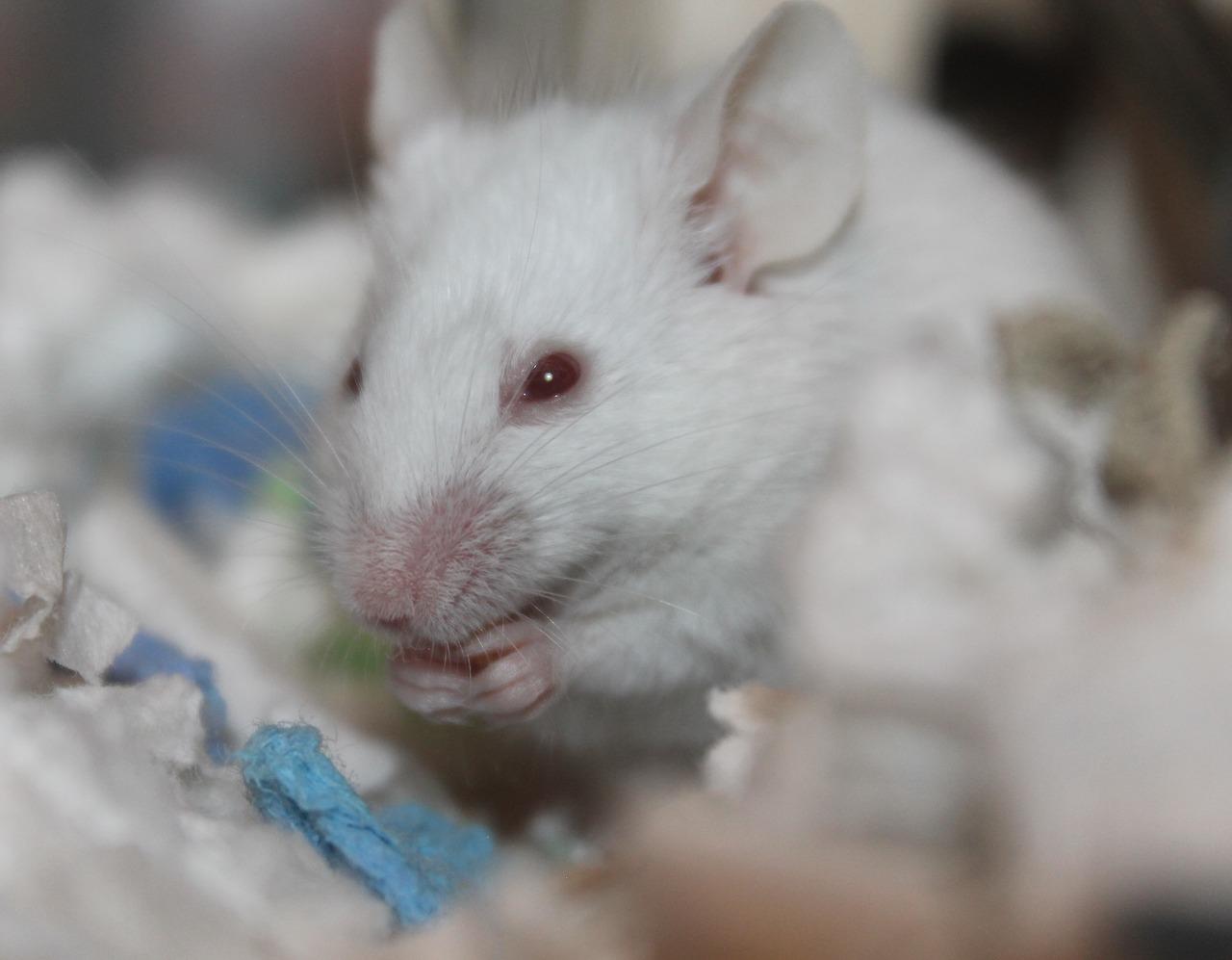
Stanford University researchers have successfully transplanted lab-grown human brain tissue into genetically engineered mice, creating a new experimental platform scientists say could dramatically expand their ability to study neurological and psychiatric disorders that have long been difficult to research directly in living human brains.
The findings, published online September 16 in the journal Nature, describe an approach the research team calls “xenocortication.” Scientists engineered a strain of mice so that most of their neocortex and hippocampus, the brain regions responsible for higher cognitive functions and memory, never formed during early development. Researchers then transplanted human cortical organoids, self-organizing, three-dimensional clusters of laboratory-grown tissue that resemble specific regions of the developing brain, into the resulting cavity shortly after birth.
Cortical organoids are created by reprogramming human skin cells into induced pluripotent stem cells, which can then be coaxed to differentiate into most of the body’s cell types, including the specialized neurons and support cells found in the brain’s outer cortex. The technique builds on years of prior work by the study’s senior author, Sergiu Pașca, a neuroscientist and stem cell biologist who holds the Kenneth T. Norris Endowed Professorship in Psychiatry and Behavioral Sciences at Stanford and directs the university’s Brain Organogenesis Program.
According to Stanford’s own reporting on the study, the transplanted human tissue did not simply survive inside the mice; it expanded rapidly, eventually accounting for more than 90% of the total cortical tissue volume within the mice’s brains roughly three months after the transplant procedure. The human-derived neurons formed working connections both within the graft itself and with the surrounding mouse nervous system, with axons extending as far as the cervical spinal cord. Researchers also recorded coordinated electrical activity across the transplanted tissue, indicating the human cells were forming functional, organized circuits rather than simply existing as inert tissue.
Pașca described the significance of that integration directly. “In these mice, the human grafts generated a broad diversity of cortical cell types and established functional connections throughout the mouse nervous system,” he said. He was careful to characterize the limits of what the model represents, distinguishing it clearly from popular conceptions of “mini brains” grown in a dish. “They are not miniature brains and do not reproduce the full complexity of the human brain, but they allow us to study human neural cell types and developmental processes that would otherwise be extremely difficult to access,” Pașca said.
Remarkably, researchers found that the transplanted tissue contained detectable numbers of von Economo neurons, a rare and unusual type of nerve cell that had previously only been observed in postmortem human brain tissue and had never before been successfully generated either in laboratory culture or in earlier transplant experiments. Compared with previous cortical organoid transplant approaches, the xenocortical grafts also produced roughly three times more of a specific class of projection neurons that extend connections far beyond their region of origin, a feature researchers say makes the model considerably more representative of actual human cortical development than prior techniques.
Despite the scale of human tissue integration, the engineered mice retained largely normal function. Researchers found that so-called “apallial” mice, those genetically modified to lack most of their neocortex and hippocampus before any transplant occurred, were still able to move around their environment, see, hear and smell. Following the human tissue transplant, xenocortical mice performed on behavioral tests in a manner generally comparable to same-age normal mice by three to six months after surgery, despite carrying a brain composed overwhelmingly of human-derived cortical tissue.
To demonstrate the model’s potential research applications, scientists exposed xenocortical mice to five hours of low-oxygen conditions, designed to mimic aspects of the kind of oxygen deprivation that can occur around birth in human infants. That exposure caused substantial damage to the human-derived cortical tissue specifically, and oxygen-deprived xenocortical mice subsequently showed difficulty maintaining a steady gait and balance, a pattern researchers noted bears resemblance to symptoms seen in children with cerebral palsy. Normal mice and apallial mice lacking the human tissue transplant, by contrast, were largely unaffected by the same low-oxygen exposure. Pașca said understanding that difference could prove scientifically valuable well beyond the immediate experiment. “Finding out what accounts for this difference could yield clues about human neural susceptibility to oxygen deprivation, shed light on mechanisms underlying cerebral palsy and provide a platform for testing potential therapeutic strategies,” he said.
Researchers say the broader platform could eventually help scientists study a range of conditions that have historically been extremely difficult to investigate at the cellular and molecular level in living human brain tissue, including profound autism, schizophrenia, cerebral palsy and epilepsy. Alison Singer, president of the Autism Science Foundation, described the potential significance of the approach for future precision medicine efforts. “The idea that you can make an organoid model with an individual’s unique genetic character and use that to learn what’s gone awry in that individual’s brain is a critical step toward precision medicine,” Singer said.
Given the ethical complexity inherent in transplanting human neural tissue into animal models, Pașca organized a conference in Asilomar, California, in November 2025 specifically to debate the ethical implications of this kind of research before the study’s publication. Stanford’s Office of Technology Licensing holds patents related to the generation of cortical organoids, with Pașca listed as an inventor, along with a separate provisional patent application covering the organoid transplantation technique itself.
Researchers say the xenocortical mouse platform will primarily serve as a tool for studying how disease-associated genetic changes alter human neural development and circuit formation, and for testing whether potential treatments can prevent or reverse those changes, offering scientists a living system in which to study human brain biology that was previously accessible only through limited postmortem tissue samples or simplified laboratory cell cultures.
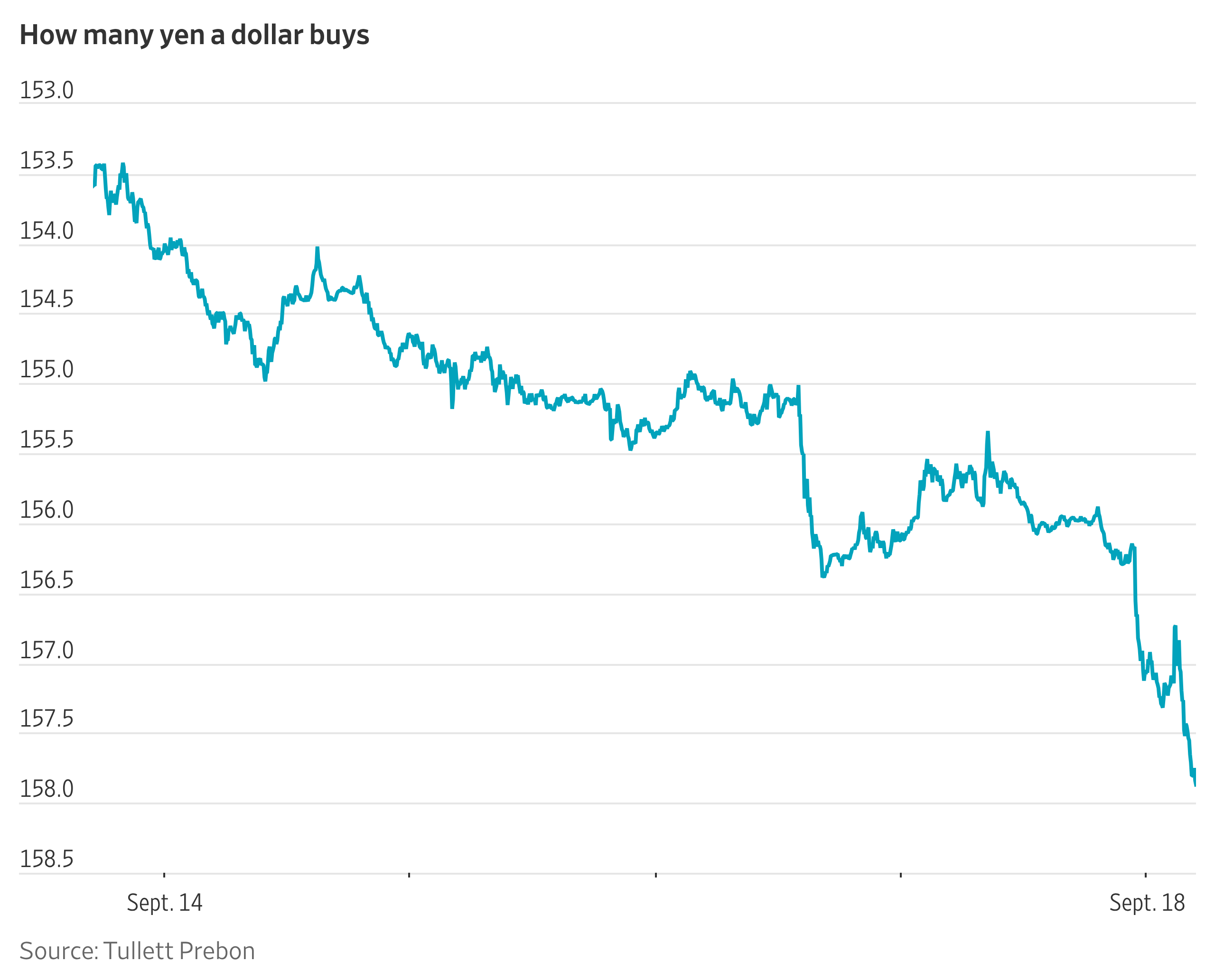
The Bank of Japan raised its benchmark interest rate to a 30-year high, sending the Japanese yen sharply lower.
The dollar strengthened more than 1% against the yen following the BOJ’s move, a reaction at odds with Tokyo and Washington’s ambition for a stronger yen. A dollar bought around 157.8 yen in Asia afternoon trading, compared with the month’s low of 153.54 Sept. 11.
Investors seemingly took issue with dovish signals that sowed doubt how quickly the BOJ will follow through with more rate increases. Two members of the policy board didn’t want to raise rates at all. “They may increasingly act as a brake on further tightening,” ING’s Frantisek Taborsky said.

PagerDuty: Restructuring Is A Great Step, But Zero Growth Is Unconvincing (Rating Upgrade)

Roy Jones Jr delivers honest verdict on Ryan Garcia vs Devin Haney 2: “He’s got the tools”

Jonathan Rowny Built an MP3 Player That Only Plays on Tape Decks

4 Levels of Financial Freedom or FIRE | Case Studies with Parimal Ade




-

 Tech6 days ago
The Latest Weird Thing to Play Doom Is the Mapped-Out Brain of a Fruit Fly
-

 Fashion18 hours ago
Weekend Open Thread: Talbots – Corporette.com
-

 Crypto World4 days ago
Kraken Lets xStocks Holders Earn Yield Through DeFi
-

 Crypto World2 days ago
US Charges Robinhood Engineers Over Crypto Listing Trades
-

 Crypto World7 days ago
Can AI Build a Startup in 72 Hours? Elon Musk's Team Will Livestream the Test
-

 Crypto World3 days ago
What Is the Status of the U.S.-Iran Peace Talks? Here's What Both Sides Are Saying
-

 Crypto World5 days ago
Elon Musk Drops a Bombshell: Grok 5 Could Be the AGI Breakthrough
-

 Business6 days ago
Rivals Sam Altman and Elon Musk Rally Behind Dario Amodei’s Call for a Slowdown in AI Development
-

 Crypto World5 days ago
Revolut Attackers Warn of Ongoing Daily Customer Data Leaks
-

 Crypto World6 days ago
New Tesla Roadster Uses SpaceX Tech. Will It Impact the Stock Price?
-
 NewsBeat5 days ago
‘Sick conspiracy’: Trump says only guardrails AI needs is ‘a strong and smart (High IQ!) president’ in all-caps rant
-

 Crypto World4 days ago
NVIDIA Analysis: Attempted Rising Wedge Breakout Amid Pressure on the AI Sector
-
Business5 days ago
SK Hynix ADRs Fall More Than 6% as Memory Rally Breaks on Fears of Slower AI Spending
-

 Crypto World4 days ago
DOJ Seeks to Seize $61M in Iran Oil Funds From Binance Accounts It Vouched For
-
 NewsBeat6 days ago
Last Night of the Proms pays moving tribute to Dolly Parton as Sheridan Smith wears a gold sequin jumpsuit in memory of the Queen of Country
-
Crypto World5 days ago
Can Circle’s Arc Repeat Robinhood Chain’s Meme Coin Boom?
-

 Crypto World5 days ago
3 Token Unlocks to Watch in the Third Week of September 2026
-

 Crypto World6 days ago
AI Safety Burden Falls on Chief Executives as Trump Prioritizes China Race
-

 Crypto World6 days ago
Goldman Sachs backs 25bp Fed hike after CPI
-

 Tech3 days ago
Webb’s IC 348 Mosaic Includes Two-Jupiter Dwarfs, Twin Jets, and a Nursery Still Making Worlds
You must be logged in to post a comment Login