
Business
American Airlines flight attendants to picket as frustrations grow

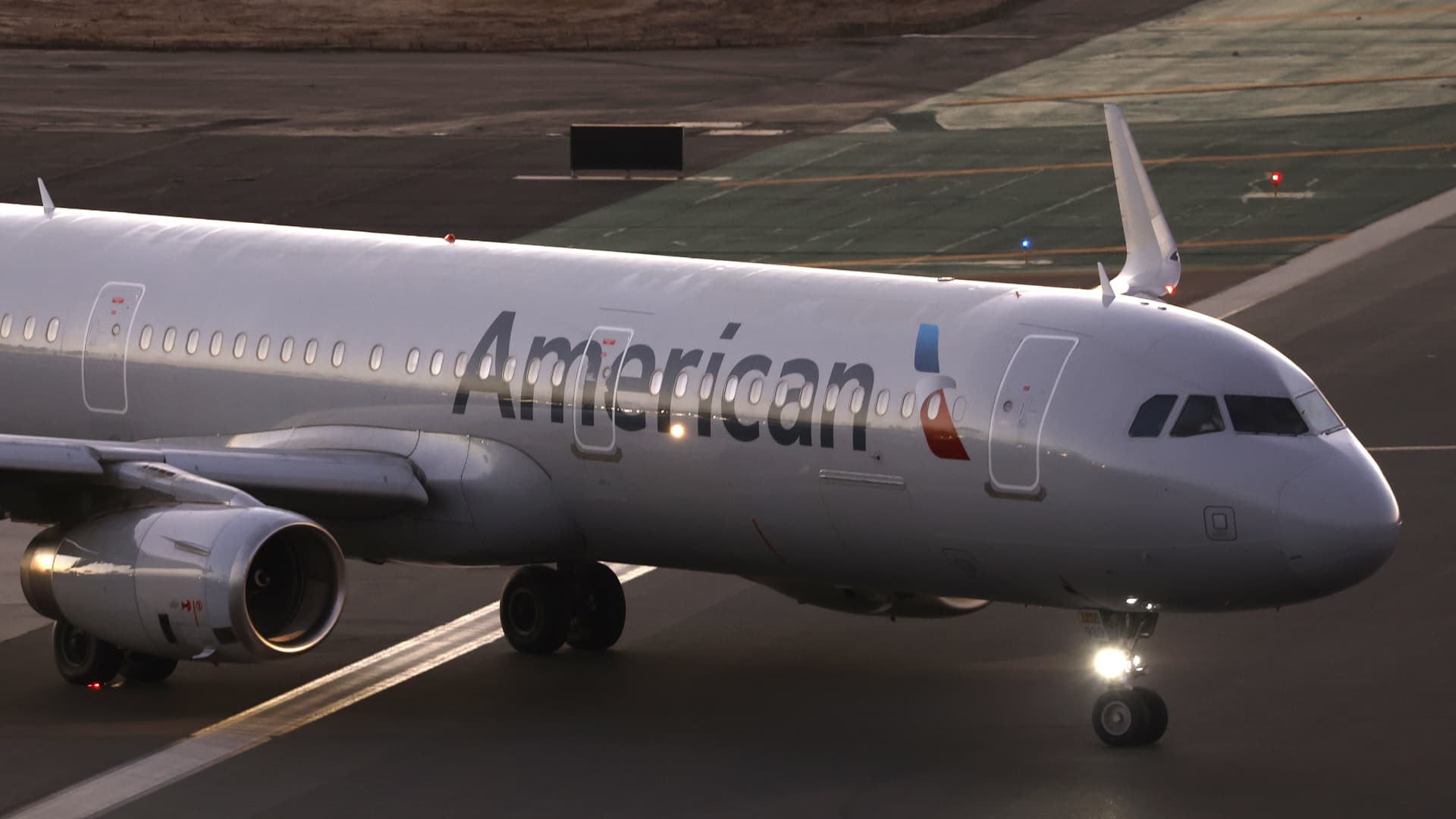

American Airlines flight attendants’ union plans to hold a picket outside the company’s headquarters on Thursday pushing for new leadership at the carrier, which has lagged rivals Delta Air Lines and United Airlines in profitability and punctuality.
Ahead of the picket on Wednesday night, American CEO Robert Isom sought to calm frustrated employees and listed improvements the carrier expects this year, including a jump in profits as well as improvements to schedules and new cabins.
“We look forward to working with all of you to make it happen,” Isom said in a video message filmed at the airline’s Fort Worth, Texas headquarters.
The picket comes days after the Association of Professional Flight Attendants, which represents American’s 28,000 cabin crew members, issued a vote of no confidence in Isom, which the union said was its first such move. The chief executive was also criticized by the pilots’ union, which sought a meeting with the airline’s board, of which Isom is a member, to discuss the problems. Unions for pilots, flight attendants and mechanics have all recently said the company needs to do better to improve reliability and financial results.
The protest is an unusual move outside of contract negotiations.
The signals from the labor groups have increased pressure on Isom, who took the helm nearly four years ago, and American’s leadership team, which is investing in cabin upgrades, bigger airport lounges and other on-board products.
Last month, American forecast stronger revenue and profits for 2026 and said it expects to report adjusted earnings per share of as much as $2.70, up from an adjusted 36 cents last year.
American is in the middle of a revamp that it hopes will help revive profits with more modern airplane cabins that command higher fares, which is especially important as coach-class fares have dropped. It has also built bigger lounges and added free Wi-Fi for customers.
For the first 11 months of the year, American ranked eighth in punctuality with a 73.7% on-time rate, according to the Department of Transportation. It is now adjusting its schedules, including at its massive Dallas-Fort Worth International hub where it is spreading out flights more throughout the day.
But it has a long way to go. In 2025, American posted net income of $111 million compared with Delta’s $5 billion and more than $3.3 billion from United. The lower profits meant a smaller profit-sharing pool for employees, which staff members have complained about.
In a town hall with employees last month, Isom noted that American’s pilots, flight attendants and other groups have recently sealed new labor contracts that have meant higher wages compared with their counterparts at rival United. But he said he was disappointed by the profit-sharing.
The flight attendants have also said they were frustrated with American’s struggles to recover from major winter storms, which left some crew members without a place to sleep.
“This airline is headed down a path that puts our careers at risk,” the flight attendants’ union said in a notice about the picket. “Now is the time for Flight Attendants to stand together and show up in protest. American Airlines needs real accountability, decisive action, and leadership that will put this airline back on a competitive path.”
Isom is also trying not only to win support of frontline crews but also to rally higher-ups. Last week, at Globe Life Field in Arlington, Texas, Isom spoke to about 6,000 managers about the years ahead as the airline turns 100.
“We’ve filled an entire Major League Baseball field with this proud and talented team. The best in the industry,” he said, according to a transcript of his remarks, which were seen by CNBC. “It’s incumbent on all of us to build on our progress … and to ensure that we grow profitability so American is around for the next 100 years.”

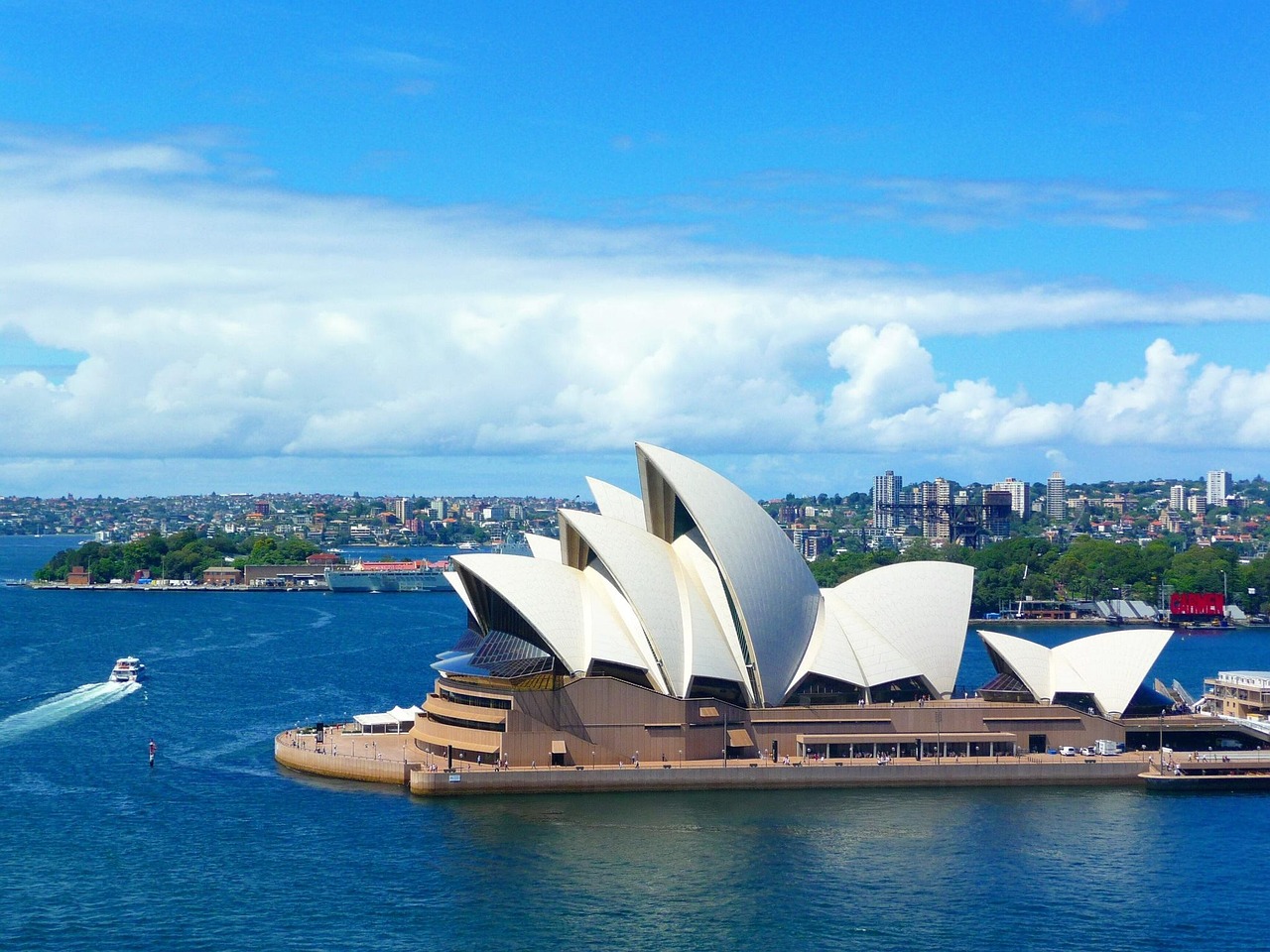
SYDNEY — Sydneysiders and visitors can look forward to a mix of family fun, outdoor adventures and selective shopping during the Easter long weekend 2026, which runs from Good Friday, April 3, to Easter Monday, April 6.

New South Wales treats Good Friday and Easter Sunday as restricted trading days, meaning most major retail stores, supermarkets and shopping centres must close. Easter Saturday operates under normal trading rules, while Easter Monday follows public holiday hours with many businesses open but often on reduced schedules.
Good Friday (April 3) Most large retailers, including Coles, Woolworths and Aldi stores across Sydney, remain closed. Westfield shopping centres and other major malls are shut for the day. Small exempt businesses such as pharmacies, petrol stations, convenience stores and some fruit and vegetable shops may open with limited hours. Many cafes and restaurants in tourist areas stay open, though some apply public holiday surcharges.
Easter Saturday (April 4) Trading returns to normal with no restrictions. Most supermarkets, department stores and shopping centres operate standard hours, typically 9am to 5pm or 6pm at Westfield locations and similar centres. This is often the busiest shopping day of the weekend.
Easter Sunday (April 5) Another restricted day in NSW. Major supermarkets and most Westfield centres close, though a small number of exempt or regional stores may trade. Some smaller independent retailers and tourist-focused outlets remain open. Dining options are widely available, especially near harbourside and beach precincts.
Easter Monday (April 6) Public holiday trading applies with fewer restrictions. Most supermarkets reopen, often from 8am to 8pm with some variations. Shopping centres typically open from around 9:30am or 10am to 4pm or 6pm. Check individual venues, as hours can differ.
Supermarkets and grocery stores
- Coles, Woolworths and Aldi: Closed Good Friday and largely closed Easter Sunday in metro Sydney; open normal or extended hours Easter Saturday and Monday.
- Smaller IGA or independent grocers may have more flexible hours on restricted days. Bottle shops face tighter rules, particularly on Good Friday when alcohol sales are heavily restricted unless served with a meal at licensed venues.
Cafes, restaurants and diningPlenty of options stay open across the long weekend, especially in popular areas such as the CBD, Darling Harbour, Bondi, Manly and Surry Hills. Chains like Bills, Black Star Pastry and many harbourside spots operate with adjusted hours and possible surcharges. Book ahead for popular venues, particularly on Good Friday and Easter Sunday.
Public transport Transport for NSW runs on a Sunday or public holiday timetable for Good Friday, Easter Sunday and Easter Monday, with fewer services than weekdays. Extra trains serve Sydney Olympic Park for the Royal Easter Show. Ferries and light rail generally follow holiday schedules. Travellers should check the Transport NSW app or website for real-time updates and allow extra time.
Major attractions and activities Many of Sydney’s top draws operate throughout the Easter long weekend, though crowds are expected and advance booking is recommended.
- Sydney Royal Easter Show: Runs from Thursday, April 2, to Monday, April 13, at Sydney Olympic Park. Gates open daily around 8:30am. Families can enjoy rides, showbags, animal displays, fireworks and entertainment. This is one of the biggest draws of the period.
- Sydney Family Easter Show at the Entertainment Quarter (Moore Park): Features rides, animals and activities from early April.
- Beaches and outdoors: Bondi, Manly, Coogee and other beaches remain open for swimming, surfing and walks. Coastal tracks and national parks are popular for hiking.
- Iconic experiences: Sydney Harbour Bridge climbs, Opera House tours, Taronga Zoo, SEA LIFE Sydney Aquarium and Luna Park typically open with possible adjusted hours. Harbour cruises and ferry rides offer scenic alternatives.
- Easter egg hunts and family events: Venues such as The Grounds of Alexandria, Centennial Parklands and various gardens host egg hunts and seasonal activities, often on Good Friday through Easter Sunday.
- Markets and other events: Some local markets and Easter-themed fairs operate, though major retail centres are limited on restricted days.
Tips for the weekendPlan grocery shopping for Thursday or Easter Saturday to avoid shortages. Book tickets for major attractions and restaurants early, as demand spikes. Public holiday parking and traffic rules apply, with potential congestion near Olympic Park and harbourside spots. Weather in early April is usually mild and pleasant for outdoor activities, but check forecasts.
Essential services including hospitals, emergency services and selected pharmacies remain available. Many smaller cafes and takeaway outlets provide coffee and meals when big chains close.
The Easter long weekend offers a balance of relaxation and excitement in Sydney. Whether hunting for chocolate eggs at family events, exploring the Royal Easter Show or enjoying a harbourside walk, plenty of options exist despite retail restrictions on Good Friday and Easter Sunday.
For the latest updates, consult official websites for individual stores, attractions and Transport for NSW, as hours can change.
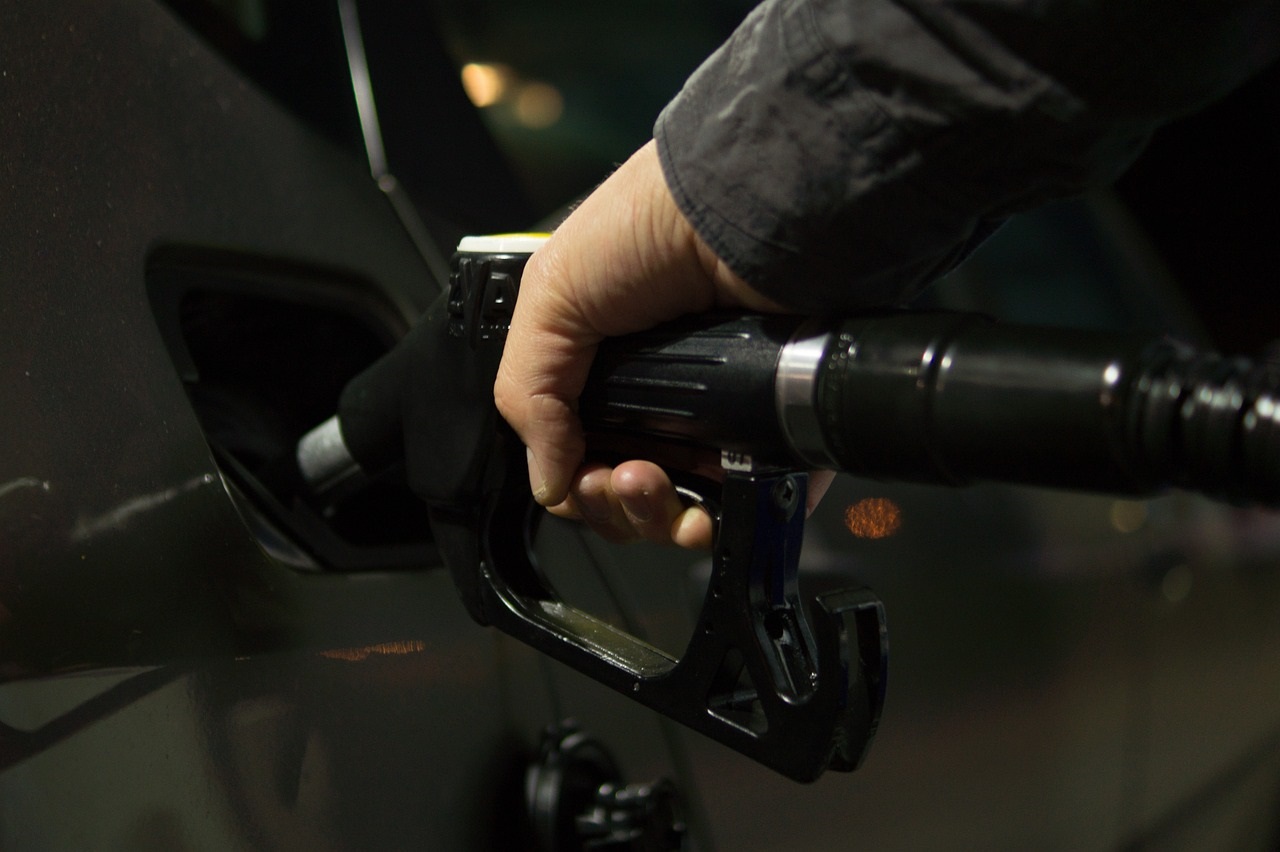

Australians are being urged yet again to stop panic buying as more than 600 service stations run out of fuel.
This is despite the government’s assurance that billions of litres of fuel are on their way to Australia.
Aussies Told to Stop Panic Buying
According to a report by Sky News, Energy Minister Chris Bowen revealed that 410 service stations across Australia have run out of diesel. 193 service stations, on the other hand, have run out of petrol.
New South Wales reported the most shortages as of Friday. 182 service stations are without diesel, while 48 are without petrol.
Victoria follows behind NSW with 76 service stations out of diesel and 37 out of petrol. Queensland reported the third highest shortage with 75 service stations out of diesel and 24 service stations running out of petrol.
Here are the numbers for other states and territories:
- Western Australia – 37 stations without diesel and 58 without petrol
- South Australia – 28 stations without diesel and 15 without petrol
- Tasmania – seven stations without diesel and seven without petrol
- Northern Territory – five stations without diesel and four without petrol
Despite this, Bowen has assured the public that there is no need to panic buy.
“I encourage people to be sensible, not to take more fuel than you need, to fill up when you need to, but not before that, and to get as much fuel as you normally would,” said Bowen.
Billions of Litres of Fuel on the Way to Australia
There has been good news amidst the fuel crisis as the Australian government assured that billions of litres of fuel are now on the way to the country.
According to ABC News, Bowen revealed that 53 ships carrying fuel are currently on their way.
However, some industry stakeholders have expressed uncertainty regarding whether the fuel will even make it to Australia or not.
It can be recalled that six oil tankers meant to deliver fuel to Australia either deferred or cancelled at the end of March.

Aluminium futures dropin China amid stronger dollar and recession fears
These 10 stocks are poised for earnings surprises in April: Morgan Stanley
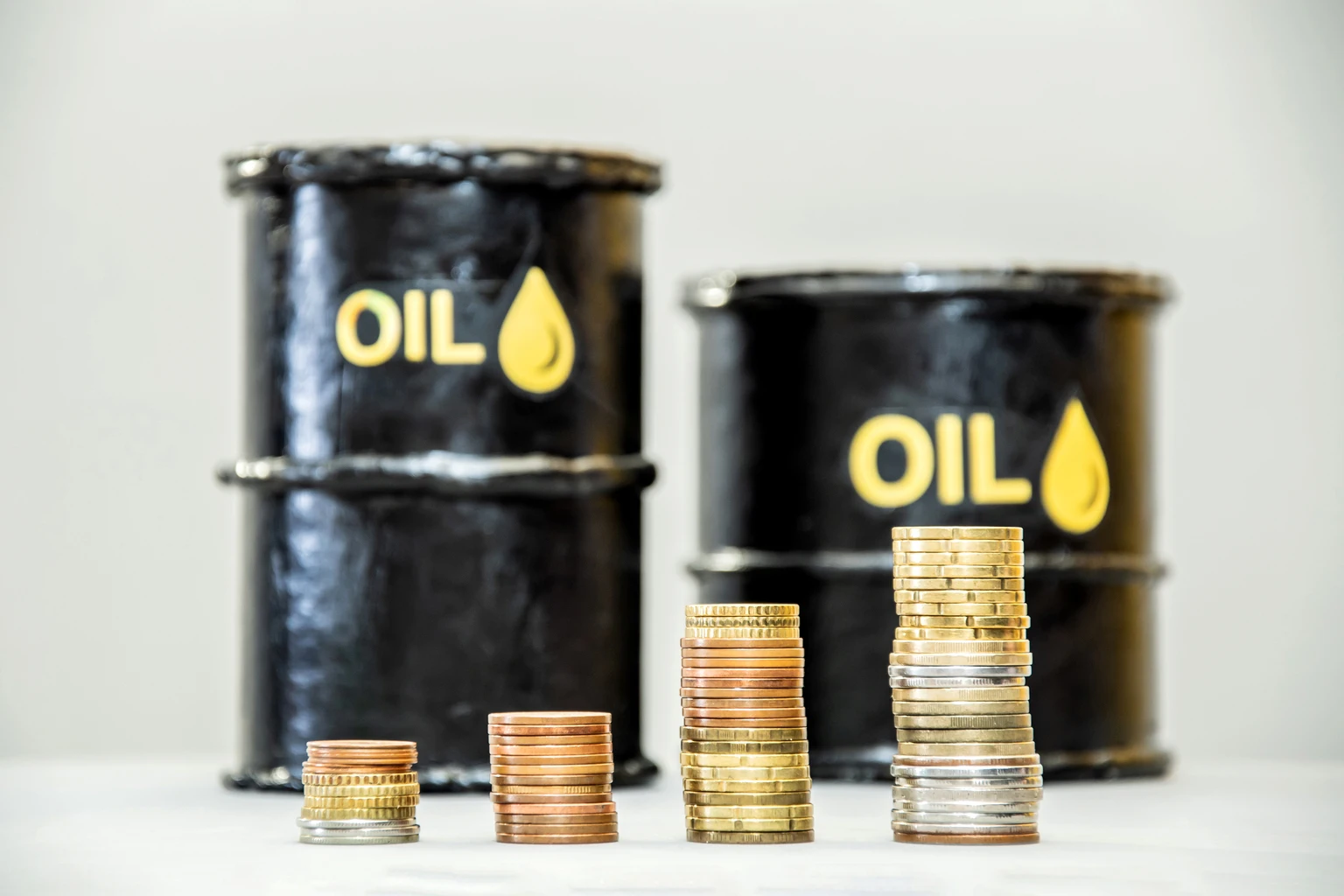
Commodities: Oil Jumps Amid Trump's Escalation Warning

Arzum shareholders explore sale of majority stake; shares surge

Selloff in this sector is seen as a buying opportunity


Zelenskiy says frontline situation best for Ukraine in the last 10 months
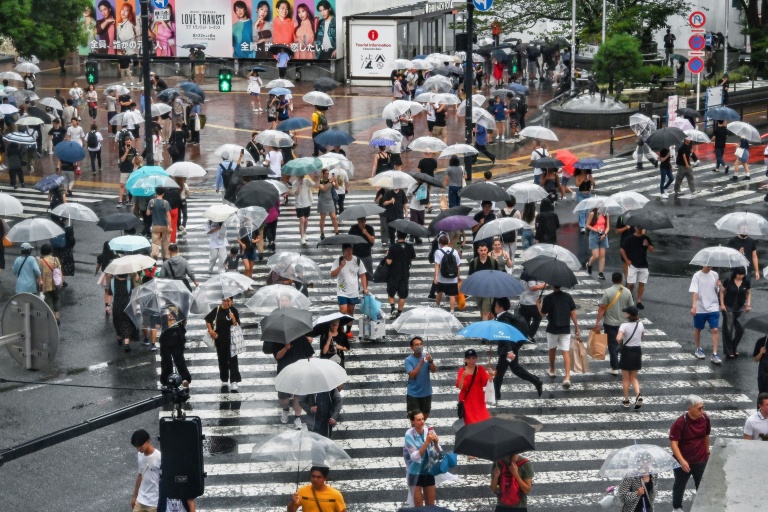
Japan continues to captivate Australian travellers, with more than 1 million Aussies visiting the country in 2025 — a record 15 per cent increase from the previous year. As 2026 unfolds, the destination remains a top choice for those seeking a perfect blend of ancient traditions, futuristic cities, stunning nature and world-class food, all easily accessible visa-free for up to 90 days.
Australian passport holders enjoy straightforward entry with no visa required for short-term tourism or business stays. Travellers simply need a valid passport covering the duration of their visit, proof of onward travel and sufficient funds. Direct flights from major Australian cities such as Sydney, Melbourne and Brisbane make the journey convenient, with flight times around 9-10 hours to Tokyo.
Here are 10 must-visit places in Japan for Aussies planning a trip in 2026, offering a mix of iconic highlights and experiences tailored to Australian tastes for beaches, food, culture and efficient travel via the Japan Rail Pass.
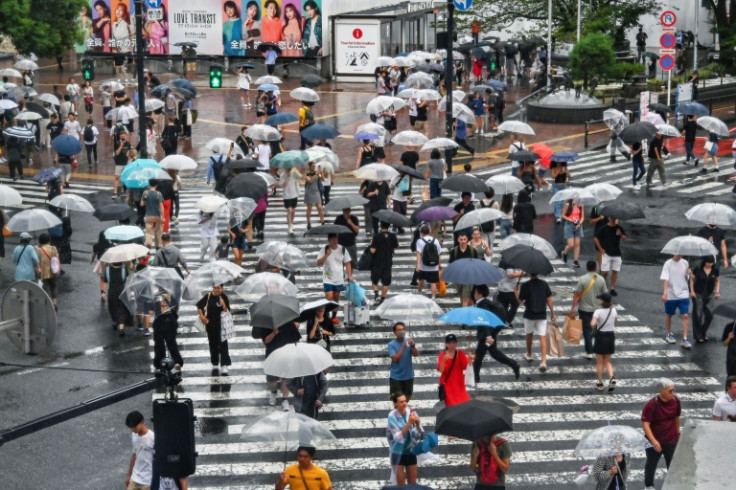
1. Tokyo Japan’s bustling capital tops nearly every list for good reason. From the neon lights of Shibuya Crossing and Shinjuku to the serene grounds of the Imperial Palace and historic Senso-ji Temple in Asakusa, Tokyo delivers endless contrasts. Aussies love the efficient public transport, including the famous bullet trains, and the vast array of dining options from Michelin-starred restaurants to casual izakayas and conveyor-belt sushi. New attractions in 2026, such as expanded anime and esports zones, add fresh appeal for younger travellers. Allow at least four to five days to explore neighbourhoods like Harajuku, Akihabara and teamLab Planets.
2. Kyoto The former imperial capital remains the heart of traditional Japan, with more than 1,500 Buddhist temples and 400 Shinto shrines. Fushimi Inari-taisha’s thousands of red torii gates, the golden Kinkaku-ji (Golden Pavilion) and Arashiyama’s bamboo grove are unmissable. In spring 2026, cherry blossoms are forecast to peak around late March to early April, creating magical scenes in Maruyama Park and along the Philosopher’s Path. Aussies appreciate the walkable historic districts, geisha culture experiences and kaiseki dining. Pair it with a day trip to nearby Nara for its famous deer park.
3. Mount Fuji and Hakone No trip to Japan is complete without viewing the iconic, snow-capped Mount Fuji. The Fuji Five Lakes area offers hiking, boating and views from spots like Lake Kawaguchiko. In Hakone, Aussies can relax in onsen hot springs, ride the ropeway over volcanic valleys and even catch a glimpse of Fuji on clear days. The area is easily reached from Tokyo via the JR Pass, making it ideal for a two- or three-day side trip. Summer 2026 brings pleasant weather for outdoor activities, while autumn foliage provides another spectacular season.
4. Osaka Known as Japan’s kitchen, Osaka delivers vibrant street food, friendly locals and energetic nightlife. Must-dos include Dotonbori’s neon signs and canal views, okonomiyaki and takoyaki stalls, and Universal Studios Japan with its popular Super Nintendo World. Aussies often combine Osaka with a day trip to nearby Kobe for beef or Himeji Castle, one of Japan’s most impressive feudal fortresses. The city serves as a convenient transport hub for western Japan explorations.
5. Hiroshima and Miyajima Hiroshima offers a powerful lesson in peace and resilience at the Peace Memorial Park and Museum. A short ferry ride away, the “floating” torii gate of Itsukushima Shrine on Miyajima Island ranks among Japan’s most photographed sights, especially at high tide. Deer roam freely on the island, adding a gentle charm. Many Australian visitors appreciate the region’s moving history balanced with natural beauty and fresh seafood, including oysters. The Shinkansen makes it a straightforward day or overnight trip from Osaka or Kyoto.
6. Okinawa For a tropical escape that feels worlds away from mainland Japan, head to Okinawa’s subtropical islands. White-sand beaches, turquoise waters and coral reefs make it ideal for snorkelling, diving or simply relaxing — a welcome contrast for Aussies accustomed to beach culture at home. Naha’s Kokusai Street buzzes with local Ryukyu culture, markets and unique cuisine featuring goya champuru. The Kerama Islands offer even quieter paradises. Direct flights from some Australian cities or connections via Tokyo or Osaka make it accessible, with warmer weather extending well into autumn.
7. Sapporo and Hokkaido Hokkaido’s capital Sapporo shines for its snow festivals, fresh seafood and beer. In summer 2026, the region’s vast lavender fields, national parks and outdoor adventures appeal to nature-loving Aussies. Winter visitors can enjoy world-class skiing and the famous Yuki Matsuri ice sculptures. Hokkaido’s dairy, ramen and seafood differ noticeably from mainland fare, providing delicious variety. The island’s open spaces and cooler climate offer a refreshing change of pace.
8. Kanazawa and the Japanese Alps Often called “Little Kyoto,” Kanazawa boasts well-preserved samurai and geisha districts, Kenrokuen Garden and fresh seafood from the Sea of Japan. Nearby Takayama and Shirakawa-go’s thatched-roof villages transport visitors back in time. For those seeking mountain scenery, the Japanese Alps, including Kamikochi, deliver hiking trails and dramatic landscapes. These areas see fewer crowds than the Golden Route, suiting Aussies who prefer authentic, slower-paced experiences.
9. Nara Just a short train ride from Kyoto or Osaka, Nara earns fame for its ancient temples and the free-roaming sacred deer in Nara Park. Todai-ji Temple houses the massive Great Buddha, while the surrounding park and museums provide a peaceful half- or full-day escape. It pairs perfectly with a Kyoto itinerary and offers a gentle introduction to Japan’s deep Buddhist heritage.
10. Hakone or Izu Peninsula (for onsen and nature) Beyond the Fuji area, the Izu Peninsula and Hakone region provide excellent onsen experiences, coastal views and hiking. Aussies often enjoy the mix of relaxation and scenery, with easy access from Tokyo. New or renovated ryokan (traditional inns) in 2026 continue to elevate the luxury onsen stay, complete with kaiseki meals and private baths.
Practical tips for Australian travellers in 2026 Purchase a Japan Rail Pass before departure for unlimited Shinkansen and JR train travel — it remains excellent value despite recent price adjustments. Download apps such as Google Translate, Hyperdia or the official JR app, and consider an eSIM or pocket Wi-Fi for connectivity. Cash is still widely used alongside cards and mobile payments like Suica or Pasmo.
Book accommodation and popular experiences, including teamLab, Ghibli-related sites or Universal Studios, well in advance, especially during cherry blossom season. English signage has improved significantly, and many restaurants offer English menus or picture boards. Respect local customs: remove shoes indoors, queue patiently and speak quietly on public transport.
Travel insurance is strongly recommended to cover potential health, cancellation or adventure activity needs. Japan’s safety levels remain high, though standard precautions apply in busy tourist areas.
With record numbers of Australians discovering Japan, 2026 promises even more seamless travel as infrastructure and services continue adapting to international visitors. Whether chasing cherry blossoms in spring, summer festivals, autumn colours or winter snow, the country offers layered experiences that reward both first-timers and repeat visitors.
From the high-energy streets of Tokyo to the serene temples of Kyoto and the beaches of Okinawa, these 10 destinations provide an ideal framework for an unforgettable Japanese adventure. Start planning early, embrace the efficient rail network and prepare for a destination that effortlessly balances the old and the new.
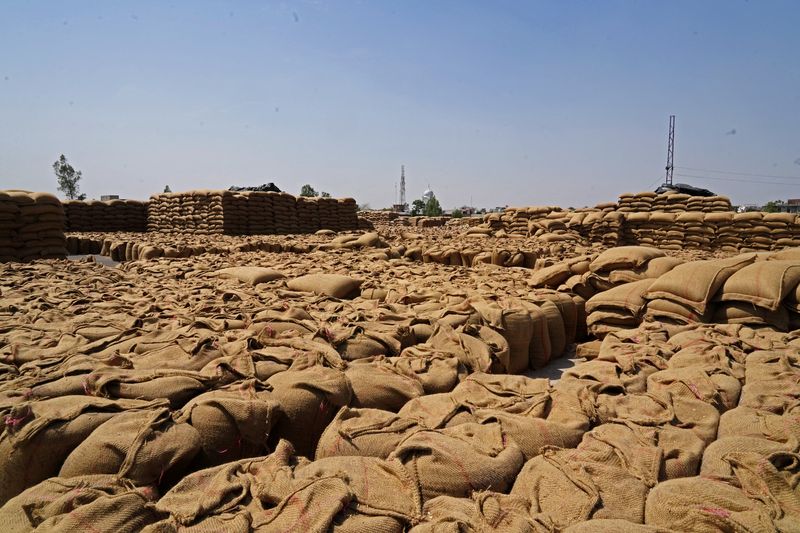

World food prices rose in March as Iran war lifted energy costs, FAO says

This State Has Costco’s First Stand Alone Gas Station

Final $1 XRP Warning!

Meghan shares adorable video of Archie, 6, skilfully skiing with dad Prince Harry as she says he’s a ‘quick learner’


-

 NewsBeat7 days ago
The Story hosts event on Durham’s historic registers
-

 NewsBeat15 hours ago
Steven Gerrard disagrees with Gary Neville over ‘shock’ Chelsea and Arsenal claim | Football
-

 Sports7 days ago
Sweet Sixteen Game Thread: Tide vs Michigan
-
Entertainment4 days ago
Fans slam 'heartbreaking' Barbie Dream Fest convention debacle with 'cardboard cutout' experience
-
 Entertainment6 days ago
Lana Del Rey Celebrates Her Husband’s 51st Birthday In New Post
-

 Crypto World2 days ago
Gold Price Prediction: Worst Month in 17 Years fo Save Haven Rock
-
Crypto World3 days ago
Dems press CFTC, ethics board on prediction-market insider trades
-

 Tech4 days ago
The Pixel 10a doesn’t have a camera bump, and it’s great
-

 Sports3 days ago
Tallest college basketball player ever, standing at 7-foot-9, entering transfer portal
-

 Tech3 days ago
EE TV is using AI to help you find something to watch
-

 Fashion5 days ago
Amazon Sundays: Soft Spring Layers
-

 Business10 hours ago
No Jackpot Winner and $194 Million Prize Rolls Over
-

 Business1 day ago
Login and Checkout Issues Spark Merchant Frustration
-

 Tech5 days ago
Elon Musk’s last co-founder reportedly leaves xAI
-

 Crypto World3 days ago
U.S. rule change may open trillions in 401(k) funds to crypto
-

 Tech3 days ago
How to back up your iPhone & iPad to your Mac before something goes wrong
-

 Tech4 days ago
Avatar Legends: The Fighting Game comes out in July and it looks pretty slick
-

 Tech4 days ago
Apple will hide your email address from apps and websites, but not cops
-

 Politics4 days ago
Should Trump Be Scared Strait?
-

 Tech3 days ago
Flipsnack and the shift toward motion-first business content with living visuals
You must be logged in to post a comment Login