


Connect with us

Business

American Airlines to match $1,000 Trump Account benefit for employees

Published

on

American Airlines to match $1,000 Trump Account benefit for employees

American Airlines will match the federal government’s $1,000 contribution to Trump Accounts for eligible employees’ children as part of a new benefit launching in 2027, the carrier confirmed to FOX Business.

The airline will make a one-time $1,000 contribution for each eligible child born between Jan. 1, 2025, and Dec. 31, 2028, who has established a Trump Account and qualifies for the federal government’s $1,000 contribution.

Advertisement

The match applies on a per-child basis, meaning an employee with two qualifying children could receive two $1,000 federal contributions and two additional $1,000 contributions from the airline. The benefit will be available to all U.S.-based American Airlines employees.

American will also allow eligible employees to direct up to $2,500 in pretax earnings each year into their dependent children’s Trump Accounts beginning in 2027.

AMERICAN AIRLINES BETS BIG ON INTERNATIONAL TRAVEL WITH 7 NEW ROUTES

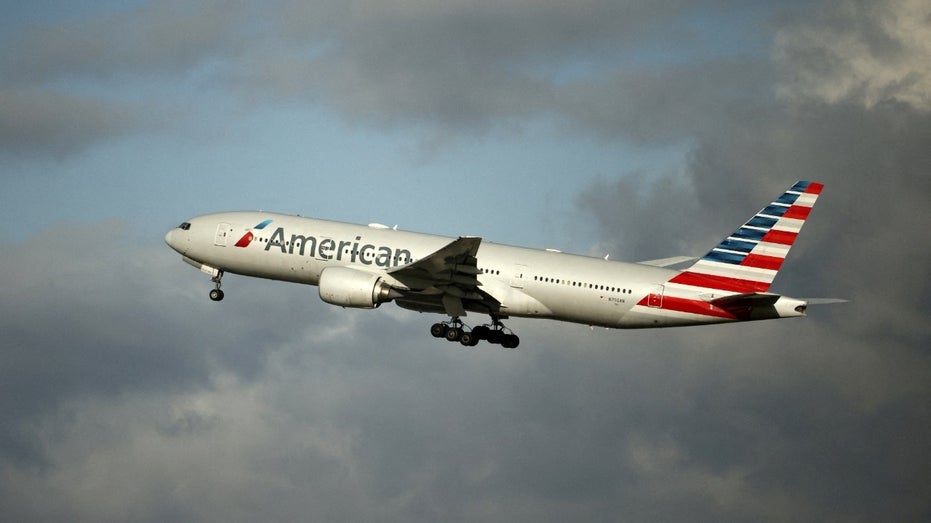
American Airlines airplane in the sky

Roughly one-third of American Airlines’ workforce has children who qualify for a Trump Account. (Reuters/Sarah Meyssonnier, File / Reuters Photos)

Approximately one-third of American’s workforce has children who would qualify for a Trump Account and could therefore take advantage of the pretax contribution option, according to the airline. American did not provide an estimate of how many employees or children could qualify for the company’s $1,000 matching contribution.

Advertisement

American Airlines Chief People Officer Cole Brown announced the new benefit to employees Monday, telling team members the airline was looking for additional ways to help them build long-term financial security for their families.

“American will support eligible team members who choose to participate in the new Trump Accounts program by matching the federal contribution,” Brown said. “For eligible children born between 2025 and 2028 who have established a Trump Account, American will match the federal government’s one-time $1,000 contribution with an additional one-time $1,000 contribution of our own.”

GOLDMAN SACHS TO CONTRIBUTE $1,000 TO TRUMP ACCOUNTS FOR ELIGIBLE CHILDREN OF EMPLOYEES

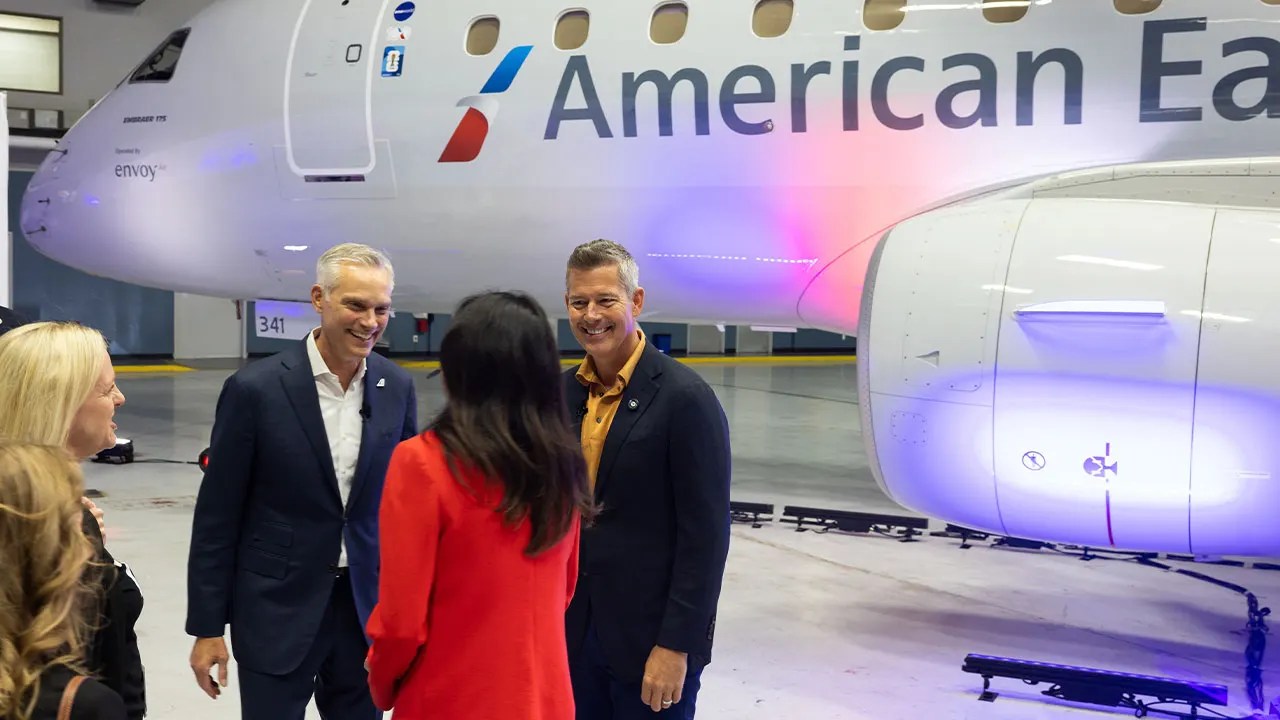
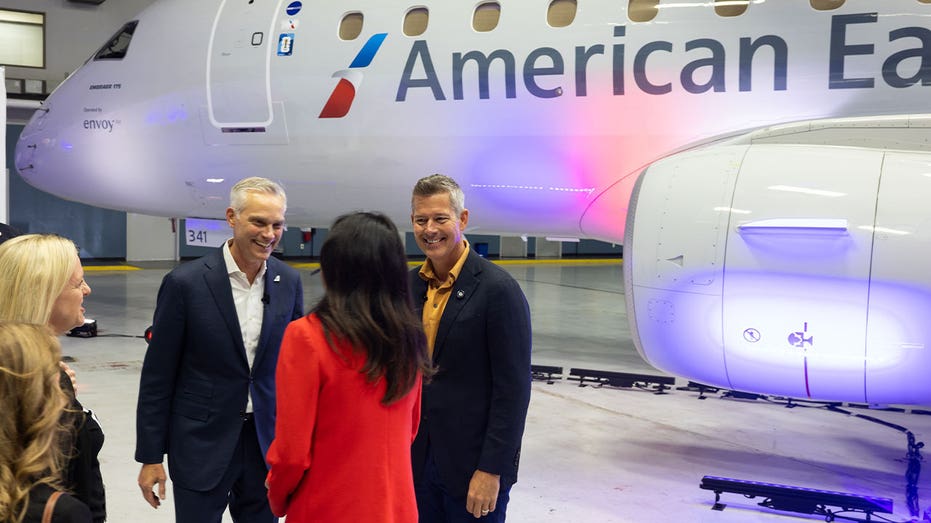
American Airlines CEO Robert Isom attends an aircraft unveiling at Dallas Fort Worth airport

American Airlines CEO Robert Isom, left, attends an aircraft unveiling in Dallas. AA announced Monday it will match the federal government’s $1,000 contribution to Trump Accounts for eligible employees. (Juan Figueroa/The Dallas Morning News via Getty Images, File / Getty Images)

The airline said the benefit is part of a broader effort to give employees more ways to save for their children’s futures, alongside benefits including its 401(k) program, healthcare and career development resources.

Advertisement
Ticker Security Last Change Change %
AAL AMERICAN AIRLINES GROUP INC. 12.95 -0.48 -3.57%

Trump Accounts, also known as 530A accounts, are tax-advantaged investment accounts for children. Eligible children born between 2025 and 2028 can receive a one-time $1,000 federal contribution after an account is established.

Parents, guardians, grandparents and others can contribute up to $5,000 annually to the accounts until the year before the beneficiary turns 18, according to CNBC. The Treasury Department has also proposed regulations that would allow employees to fund dependent children’s accounts with pretax earnings directly from their paychecks.

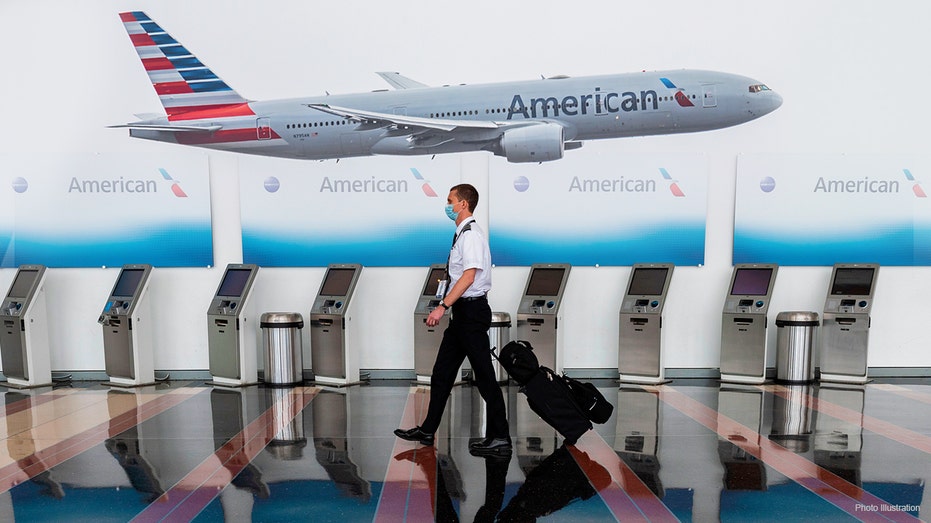
An American Airlines employees walks through an airport.

American Airlines announced the new benefit to employees Monday. (File)

More than 50 companies have committed to contributing to Trump Accounts for their workers in some capacity, according to the U.S. Treasury Department. Goldman Sachs and Morgan Stanley are among the companies that have also offered to match the government’s $1,000 contribution, CNBC reported.

CLICK HERE TO GET FOX BUSINESS ON THE GO

Advertisement

American said it is working to implement the new benefits and plans to provide employees with additional information about how to participate in the coming weeks.

Continue Reading
Click to comment

You must be logged in to post a comment Login

Leave a Reply

Business

Soft launches to late sittings: Six ways to get cheaper meals out

Published

on

Close-up of orangutan's eyes

Restaurants often want to fill seats outside of peak lunch and dinner hours so opting for earlier or later sittings can be rewarded by a cheaper bill.

Apps such as First Table, which operates across 21 UK cities, as well as Ireland, New Zealand and Australia, give diners 50% off food when they book a participating restaurant’s first or last dining slot. In exchange, diners pay a small booking fee.

EatClub is another, giving walk-ins up to 50% off the whole bill at thousands of venues when they redeem an offer within its app. The biggest discounts are at off-peak times.

Shokofeh Hejazi, director of foresight and innovation at global trends agency The Food People, says earlier dining appeals because it tends to be quieter and calmer, people drink less and it allows them to get home sooner.

Advertisement

Meeting up for breakfast also tends to be a bit more wallet-friendly as it’s usually just one course and diners get the same catch-up time with friends and family, she adds.

Continue Reading

Business

GameStop Holds Near $18.50 as Investors Await Convertible-Note Exchange Closing This Week

Published

on

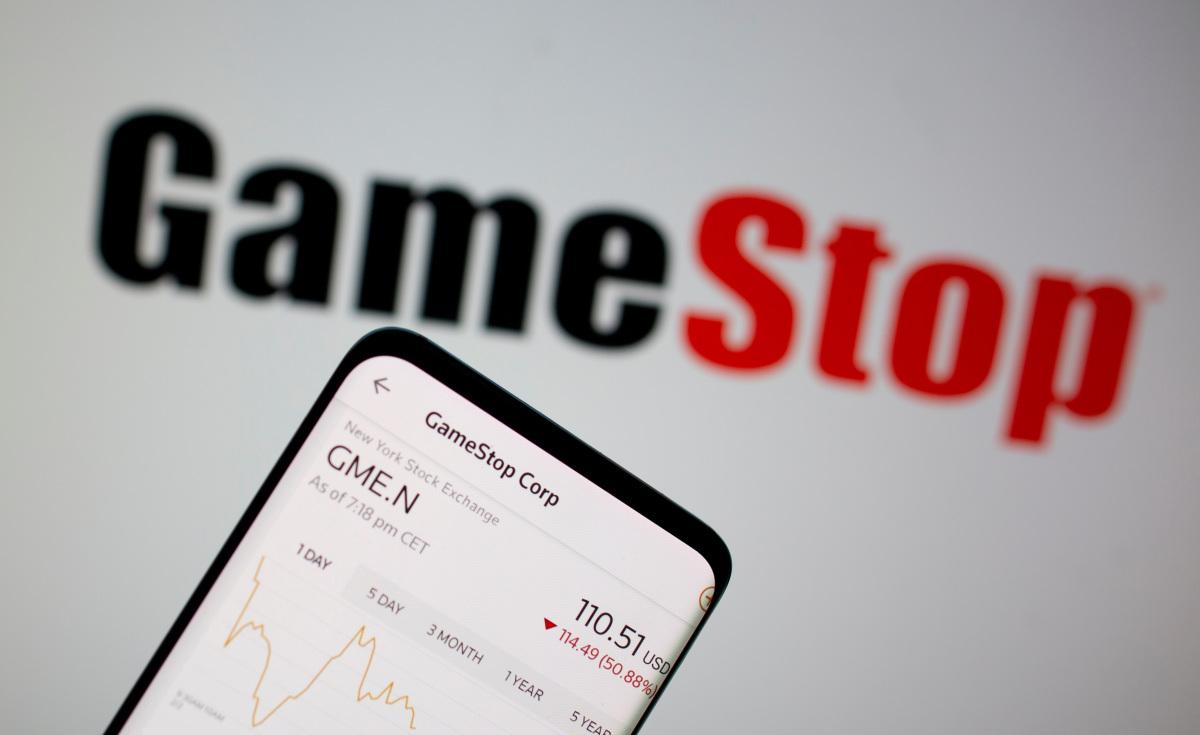
GameStop stock graph is seen in front of the company's logo

GRAPEVINE, Texas — GameStop Corp. shares traded slightly higher Tuesday, around $18.50, as investors digested preliminary quarterly results and waited for a $1.4 billion convertible-note exchange to close later this week.

The stock was up about 11 cents, or 0.6 percent, after Monday’s 2.9 percent gain. Volume was lighter than Monday’s surge. The 52-week range remains $17.79 to $28.10. Market value is about $8.3 billion.

Monday’s move followed two company announcements. GameStop issued unaudited figures for the 13 weeks ended Aug. 1 and amended exchange agreements with holders of 0.00% convertible notes due 2030 and 2032. The exchange is now expected to settle on or about Sept. 3.

Under the revised terms, noteholders will receive about 55.5 million Class A shares — roughly 73 percent of the consideration — and about $358.4 million in cash, or 27 percent, funded from cash on hand. The original plan was to settle the entire $1.4 billion swap in stock based on a 35-day volume-weighted average price that began Aug. 3. Ending that window fixed the share count. After closing, about $1.1 billion of 2030 notes and $1.7 billion of 2032 notes, or $2.8 billion in total, will remain outstanding.

Advertisement

The Aug. 3 all-stock version had knocked the shares more than 12 percent in a single session on dilution fears. Capping issuance at 55.5 million shares and writing a cash check eased that pressure. Spending $358 million against a cash and marketable-securities balance GameStop put at $5.05 billion to $5.07 billion as of Aug. 1 is a modest use of the pile.

The same release previewed the quarter. Net sales are expected at $780 million to $800 million, down from $972.2 million a year earlier. The company cited last year’s Nintendo Switch 2 launch, planned store closures and the sale of French operations. Operating income is seen at $150 million to $170 million, versus $66.4 million. Net income is seen at $290 million to $310 million, versus $168.6 million.

Net income includes about $238 million of gains on an eBay Inc. derivative and equity stake, offset by a loss of about $75 million on digital assets and related receivables. GameStop converted the eBay derivative into a direct holding during the quarter and owned about 43.4 million eBay shares as of Aug. 1.

Chief Executive Ryan Cohen earlier proposed buying eBay for about $56 billion. Reporting at the time said eBay rejected the offer as “neither credible nor attractive.” Cohen has said he would keep pursuing a deal. The mark-to-market gain is now a large slice of reported profit, which means the retail print and the investment book still have to be read separately.

Advertisement

Core operations look better on a smaller footprint. Higher operating income on lower sales implies cost cuts and mix. It does not restore the hardware-cycle spike from last summer. Collectibles, trading cards and an Uber Eats delivery tie-up remain add-ons to a company whose balance sheet is the main story: cash, convertibles and a concentrated public-equity stake.

Short interest is still elevated, around 13 percent of the float, or about 54 million shares. That keeps the name sensitive to headlines even on quiet days. Tuesday’s tight range between $18.20 and $18.61 was consolidation, not a new thesis.

What matters this week is mechanical. If the exchange closes Thursday as scheduled, the share count related to that $1.4 billion block is done. Full second-quarter financials will then show whether the $150 million-plus operating-income range survives audit. The eBay line will keep moving with that stock. Hardware and software calendars will decide whether sales stabilize once the Switch 2 comparison rolls off.

GameStop is no longer priced as a meme spike. It is priced as a cash-rich specialty retailer with a shrinking store base, leftover convertible debt and an activist-style bet on another public company. A half-percent up day after a 3 percent jump is how that tape usually looks when the news is already out and the next date is a closing, not a surprise.

Advertisement
Continue Reading

Business

Car dealers Sherwoods looking to acquisitions after strong revenue growth

Published

on

Business Live

The North East group broke a number of records in 2025 but has warned over challenges in its market place

Sherwoods car dealership in Gateshead

Sherwoods car dealership in Gateshead(Image: ChronicleLive)

North East car dealership Sherwoods Motor Group says it is looking at acquisitions this year after a significant rise in turnover in 2025.

The Washington firm, which has dealerships across Tyneside, Wearside and County Durham, has released accounts for 2025 in which turnover rose 28% to £136,506,014.

Advertisement

That growth came without any additional sites, and “despite the headwinds of cost-of-living pressures, general inflation, continued political unrest and the difficulties associated with the ZEV mandate,” Sherwoods said.

The company’s operating profit also rose, increasing 77% to a record £3.6m. Sherwoods highlighted some of its best ever figures for fleet sales and used vehicle sales.

The directors also highlighted potential challenges in the coming year but said the company was well placed to not only survive but also grow in 2026.

They said: “We know 2026 is going to be tough with continued pressure on costs, interest rates still high, customer uncertainty and alike but we have a strong, well-performing business and a robust balance sheet and will be more than able to ride out any storms.

Advertisement

“We also will be looking for further opportunities to grow our business both in terms of additional franchises outlets and if the right opportunity arises in 2026 and we would by this time next year like to be able to report a new site to the group.”

The company works with brands including Peugeot, Citroen, Fiat, Suzuki and Isuzu. During the year its head count fell slightly to 152 but the company’s wage bill increased, coming in at nearly £6.9m.

The automotive industry has faced a challenging period in recent years as the switch to electronic vehicles and wider challenges in the UK and global economy have affected sales.

Both manufacturers and dealers have criticised Government rules on increasing sales of electric vehicles and Business Secretary Jonathan Reynolds gave his strongest hint yet that the rules could be relaxed while on a visit to the North East last week.

Advertisement

Last week The Society of Motor Manufacturers and Traders (SMMT) revealed that there had been an 11% year-on-year drop in the number of vehicles being produced in the UK, mainly due to a fall in exports of cars. Electrified models accounted for more than four in 10 cars built in July, up from around three in 10 a year ago.

Mike Hawes, SMMT chief executive, said: “July’s figures underline the intense pressure under which UK vehicle manufacturers are currently operating. Although the negative performance is exacerbated by shutdowns and model changeovers, it is being compounded by weaker overseas demand and fierce global competition.

“The rise in electrified vehicle production is encouraging, but long-term success depends on making the UK a more competitive place to make and sell vehicles.”


Advertisement
Continue Reading

Business

Overwatch Down? Outage Reports Surge as Players Report Widespread Connection and Server Problems This Week

Published

on

valve logo

Players of Blizzard Entertainment’s team-based shooter Overwatch began reporting connection and server problems starting at approximately 11:13 a.m. Eastern time Tuesday, according to outage-tracking service Downdetector, sparking complaints on social media under the hashtag #OverwatchDown.

Downdetector, an Ookla-owned platform that monitors more than 12,000 online services worldwide using a combination of user-submitted complaints and automated web traffic signals, posted on X shortly after the reports began surfacing. “User reports indicate problems with Overwatch since 11:13 AM EDT,” the account wrote, asking affected users to describe how the disruption was impacting them. As of Tuesday, Blizzard had not issued a public statement specifically acknowledging Tuesday’s reported issues through its official support channels.

Separate outage-tracking service StatusGator listed Overwatch as currently operational as of Tuesday, though it had logged 24 user-submitted outage reports over the preceding 24-hour period. That monitoring service has recorded a pattern of shorter, intermittent connectivity issues affecting the game in recent days, including a nine-minute disruption Sunday evening involving slow loading times and frequent server disconnections, along with a separate 54-minute incident the prior Thursday tied to slow map updates and server connection problems. None of those recent incidents were officially acknowledged by Blizzard through its public channels, according to StatusGator’s tracking.

Overwatch has a lengthy history of periodic server disruptions dating back to the original release of its sequel, Overwatch 2, in October 2022. The game experienced a significant worldwide outage in June 2024 that left large numbers of players unable to log in or complete matches, an incident that drew widespread complaints across gaming forums and outage-tracking platforms at the time. More recently, the game underwent a notable rebranding in February 2026, when Blizzard dropped the “2” from the title and began marketing it simply as “Overwatch,” part of a broader shift toward positioning the title as a long-term, continuously evolving “forever game” with renewed emphasis on narrative content and new hero releases.

Advertisement

Overwatch remains one of the most closely watched titles in competitive gaming, built around five-versus-five matches in which players select from a roster of more than 40 heroes divided into damage, support and tank roles, each carrying a distinct set of active, passive and ultimate abilities. The game has also built out story-based cooperative missions since 2023, expanding its content offerings beyond traditional competitive and casual multiplayer modes. According to viewership data compiled by Statista, Overwatch 2 content drew a combined 12.8 million hours watched on the streaming platform Twitch in September 2025 alone, reflecting the title’s continued popularity among both players and spectators nearly three years after its initial release.

Given the game’s history of periodic server issues, both official and third-party monitoring tools remain the most reliable resources for players trying to determine whether reported connectivity problems stem from Blizzard’s servers rather than individual network or hardware issues. Blizzard has historically directed players experiencing suspected outages to check its official support channels and the company’s customer service account on X for real-time updates during active incidents, alongside general troubleshooting steps such as restarting the game client or a player’s home network connection.

As of this report, the scope, cause and expected resolution timeline for Tuesday’s reported Overwatch connectivity issues remained unclear. Blizzard did not immediately respond to requests for comment regarding the disruption, and affected players have been encouraged to monitor the company’s official channels directly for the most accurate and up-to-date information regarding the game’s server status.

Advertisement
Continue Reading

Business

Autonomous aircraft: Pilot-free crop dusters lead the way

Published

on

Close-up of orangutan's eyes

Pyka and Windracers are building aircraft from scratch, arguing this allows autonomy to be designed in from the outset and the aircraft tailored to the job.

Others are retrofitting existing larger planes.

Backed by Boeing’s investment arm, US-based Reliable Robotics is currently testing its system on the Cessna 208B Grand Caravan, a single-pilot cargo plane that can carry about 1360kg of payload over hundreds of kilometers.

Retrofitting on certified aircraft lets the company focus exclusively on proving the autonomous system’s safety rather than also having to seek approval for a new aircraft, says Robert Rose, its co-founder and CEO.

Advertisement

Merlin Labs, also US-based, has been working its way up through progressively larger military aircraft and is now applying its system to the two-pilot Lockheed Martin C-130J military transport plane, with commercial multi-crew cargo planes next.

“It is a common autonomy brain that can transition between different aircraft,” explains Matt George, Merlin’s founder and CEO.

The companies also differ in their approach to AI.

Reliable is avoiding it altogether, arguing it would complicate certification.

Advertisement

Merlin, meanwhile, is taking a far more AI-centric approach.

The divide is evident in so-called detect and avoid systems.

One of autonomous flight’s biggest challenges is replicating a pilot’s ability to spot and maneuver safely around other aircraft and obstacles, and there is virtually no margin for error.

With no perfect solution yet, companies are adding different sensor systems as well as duplicating those that already come as standard to provide extra back-up.

Advertisement

Reliable has added forward-looking air-to-air radar to detect other aircraft more than eight kilometers ahead, with software that follows fixed rules to decide how the plane should respond.

It is “better than a pilot’s eyeballs” says Rose.

Merlin, meanwhile, is using AI-powered cameras to detect and classify objects.

Pyka has used lidar from the outset to detect trees, vehicles, large birds and terrain. But it’s short range, so the company also plans to add AI-powered cameras, its first real use of AI onboard.

Advertisement

“For a lot of things there’s no need to use AI…but for figuring out that six pixels in the distance are an airplane versus some other smudge, it is perfect territory,” says Norcia.

The AI dilemma also extends to communicating with air traffic control.

In shared airspace, aircraft must be able to receive, interpret and respond to radio instructions, typically from air traffic control.

Reliable’s solution is to have a remote pilot on the ground, initially fully trained, to handle communications and make safety-critical decisions.

Advertisement

Merlin plans to use generative AI, trained on thousands of hours of recorded exchanges, to interpret instructions and respond itself.

“Our problem is harder… but we want to move beyond remote piloting,” says George.

Merlin plans to reduce pilots in stages, from two to one and eventually none.

Pyka, says Norcia, is content to let others “blaze the trail” in finding the best way to operate in shared airspace.

Advertisement

Meanwhile, even if fully autonomous passenger flight remains elusive, many expect the technology being pioneered will inch into commercial aviation, potentially making piloted flying safer.

That, notes ALPA, the US pilots’ association, would be a welcome development.

Continue Reading

Business

London Stock Exchange exodus gathers pace as three firms announce plans to go private

Published

on

Business Live

Bodycote, Gamma Communications and Capricorn Energy have all received offers to be taken private

A Bodycote worker loading a furnace

A Bodycote worker loading a furnace(Image: Bodycote)

The extent of the exodus from the London Stock Exchange has been exposed on the first trading day after the summer break as three listed firms simultaneously announced plans to depart the market.

Advertisement

FTSE 250 constituents Bodycote and Gamma Communications, alongside energy company Capricorn, each revealed fresh bids to be taken private with a combined takeover value exceeding £3bn.

Macclesfield-headquartered Bodycote , the largest of the trio and a London Stock Exchange member since 1972, said it had struck an agreement to be bought by US private equity house Veritas Capital in a deal valuing the business at £1.9bn.

The bid of 932p per share represents a premium of 41.4 per cent above the average price of 659.5p per share for the twelve months to May. This follows the metallurgy firm rejecting earlier approaches from Veritas and CVC.

Gamma Communications has endorsed a £1.1bn offer from UK private equity house Epiris, days after confirming it was in discussions with European buyout firm Waterland regarding a potential takeover, as reported by City AM.

Advertisement

Epiris said on Tuesday it had tabled an all-cash proposal for the FTSE 250 telecoms provider, at a 53 per cent premium to its shares before takeover speculation surrounding the group first surfaced several months ago. Waterland, an Irish-based dealmaking firm, had intended to swoop in on the sale of Gamma to Epris before subsequently offloading a substantial portion of the business to Giacom, a telecoms company chaired by Matthew Riley.

Its involvement had raised the prospect of yet another bidding war for a London Stock Exchange-listed firm, just weeks after Apollo fended off stiff competition from US buyout house Castlelake to acquire Apollo.

Epiris’s formal offer, arriving just one day before a Takeover Panel deadline, looks set to draw a line under months of uncertainty surrounding Gamma’s future. The telecoms giant first informed shareholders it was in discussions with Epris in May, since when it has also rebuffed approaches from Providence Equity Partners and Oakley Capital.

Separately, Capricorn Energy has struck a deal with Norwegian rival DNO worth $396m (£292m), in a transaction set to bring an end to Capricorn’s 38-year presence on the London Stock Exchange. The Scottish energy company switched its recommended offer from Genel Energy to DNO, after the Scandinavian bidder put forward a proposal $36m higher than Genel’s.

Advertisement

This trio of acquisitions will heap additional pressure on senior leadership at the London Stock Exchange, which has been haemorrhaging constituents at an unprecedented rate this year. Over 50 companies have now either accepted bids or are facing approaches from firms that are either privately held or quoted overseas.

London-listed stalwarts including Schroders, Beazely and Intertek have all departed the market in 2026, just as the exchange has been grappling to entice new listings in their stead.

Continue Reading

Business

(VIDEO) Nvidia DLSS 5 Launches With NBA 2K27 on September 3 Amid Widespread Skepticism Over AI Rendering Tool

Published

on

Huawei Confirms Mate XT 2 Tri-Fold Phone Launch for September

Nvidia’s next generation of AI upscaling technology, DLSS 5, is set to launch alongside NBA 2K27 on Sept. 3, marking the technology’s first public release after months of leaked demonstrations that have drawn sharply negative reactions from gamers online.

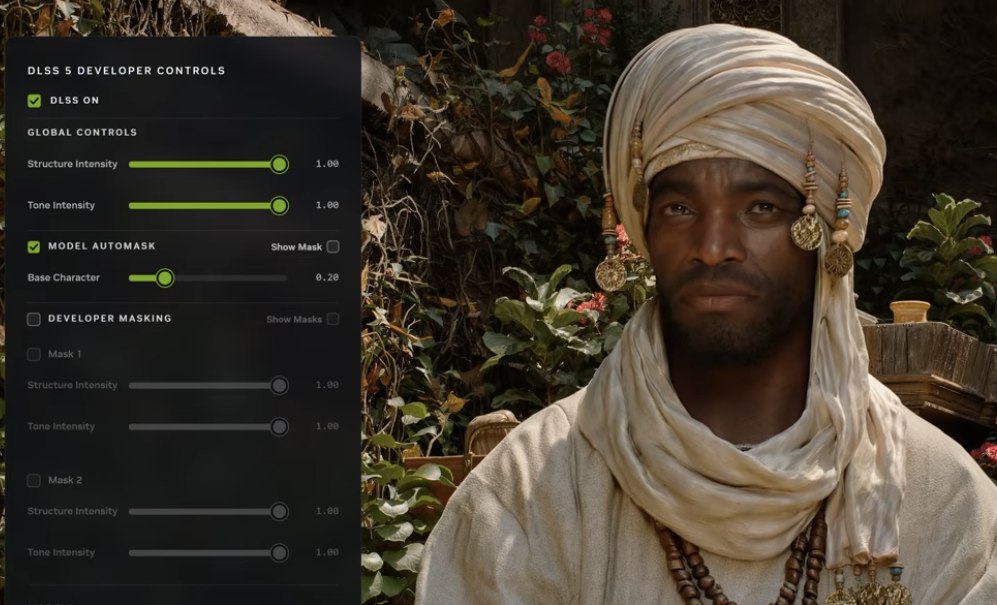
DLSS 5 represents a significant expansion of Nvidia’s Deep Learning Super Sampling technology, moving beyond its traditional role of upscaling resolution and generating additional frames to now actively modifying character models and environmental details in pursuit of what Nvidia describes as greater photorealism. Early leaked footage of the technology applied to games including Resident Evil: Requiem and Starfield drew widespread criticism, with many players describing the AI-altered visuals as unnatural or unsettling rather than more realistic.

Speaking at a media briefing, Nvidia’s Edward Liu, director of applied deep learning research, described the broader technical challenge the company is trying to address with DLSS 5. “When we look ahead at our ultimate goal of achieving Hollywood-grade photorealism or just the real world, we’re still looking at a chasm,” Liu said. “Compared to where we started, our compute budget has increased from over 400,000 times more compute than we did before. But we’re still really orders and orders of magnitude away from really simulating the real world in real time.” According to Liu, traditional computer graphics generate images from physically based first principles, a process DLSS 5’s AI rendering is intended to help bridge alongside that conventional approach.

Advertisement

Liu also emphasized that DLSS 5 differs from other generative AI tools by producing more predictable, consistent results rather than variable outputs. He said the technology draws on a game’s render frame, information he described as “a lot more information dense and constrained compared to something like a text prompt,” allowing DLSS 5 to generate what he called deterministic outputs. “A fruit will stay a fruit,” Liu said. “The same character will still be the same character.” He added that higher-quality inputs, such as games running at higher resolution with ray tracing enabled, tend to produce stronger overall results from the technology.

Nvidia’s Gabriele Leon, director of real-time content technology, framed DLSS 5 as a creative tool intended to support developers rather than override their intentions. “DLSS 5 is a tool for developers and for artists […] to bring their vision closer to what they might have intended,” Leon said during the same briefing.

DLSS 5 will be available exclusively on Nvidia’s RTX 50-series graphics cards at launch, meaning owners of older GPUs will not be able to access the feature regardless of which games support it. The technology’s initial pairing with NBA 2K27 represents a more targeted use case than some of the earlier leaked demos, applying subtle additional detail to elements such as player models and crowd non-player characters rather than attempting sweeping photorealistic overhauls of entire game environments.

Coverage of the technology ahead of launch has remained skeptical about how essential DLSS 5 will prove for most gamers. Engadget’s Devindra Hardawar, who viewed remote demonstrations of the technology at Gamescom, wrote that while his initial doubts about DLSS 5 had eased somewhat after seeing more carefully applied examples, he continues to view the feature as considerably less essential than even real-time ray tracing, a resource-intensive rendering feature that itself remains difficult for most gaming hardware, including current consoles, to run smoothly at 60 frames per second. Hardawar noted that DLSS 5’s most successful demonstrations he had seen were notably subtle, adding modest depth to details like a merchant character’s face or slightly more lifelike appearances for athletes in NBA 2K27, rather than delivering the kind of dramatic visual leap Nvidia’s early ray tracing showcases once promised, even though many games ultimately fell short of matching those initial demonstrations.

Advertisement

Nvidia has previously attempted to introduce ambitious AI-driven gaming features that failed to gain meaningful traction among developers, including AI-powered non-player characters designed to hold dynamic conversations, a feature that drew similarly polarized reactions and saw limited adoption across the industry. Whether DLSS 5 follows a similar trajectory, or finds a more subtle, widely accepted role enhancing visual detail without altering a game’s core artistic intent, is expected to become clearer once the technology becomes broadly available to players and developers following its Sept. 3 debut alongside NBA 2K27.

Continue Reading

Business

Missouri farmer calls for country of origin labeling on imported beef

Published

on

Missouri farmer calls for country of origin labeling on imported beef

A Missouri farmer is calling for greater transparency about where Americans’ beef comes from, while a Kentucky lawmaker is pushing Congress to give smaller, local meat processors more freedom to compete. 

Rep. Thomas Massie, R-Ky., joined FOX Business’ Cheryl Casone on “Mornings with Maria” to discuss rising beef prices, imported beef and his push to remove federal barriers for small meat processors.

Advertisement
U.S. cattle herd in Texas

U.S. cattle producers face continued uncertainty as debate grows over imported beef, country-of-origin labeling and domestic meat processing. (Brandon Bell / Getty Images)

“There’s only four meat processors there. Monopoly, oligarchy, if you want to call it. Some of them are foreign-owned, and they have been responsible for driving up the price of beef in the grocery store while the price of cattle remains low. You know, we’ve been talking about why people are attracted to socialism. The beef market is a good example of letting capitalism work when prices get high,” Massie said.

Massie argued that a bottleneck in meat processing is contributing to the problem and called on Congress to advance the PRIME Act, which would give states greater authority to permit the intrastate sale of meat processed at certain custom-exempt facilities without continuous federal inspection.

“If you’re a small processor, and you’re only selling within your state, you don’t need the federal government’s permission to do that transaction,” Massie said.

He also warned that bringing in additional beef from overseas could discourage American cattle producers from rebuilding their herds if they become concerned about future profitability.

Missouri farmer Andy Kapp joined FOX Business’ Grady Trimble at the Farm Progress Show in Boone, Iowa, to discuss the pressures producers are facing as costs remain elevated.

TRUMP GOES AFTER THE COMPANIES RANCHERS BLAME FOR THE BEEF PRICE SQUEEZE

The economics of farming right now are tight and they continue to kind of grow that way. Current market conditions are helping, but you’ve got to be able to capture that and put a little more money in our pocket,” Kapp said.

Advertisement

While Kapp said he prefers buying beef locally, he argued that if more imported beef enters the U.S. market, consumers should know where it came from.

“There’s give-and-take in every market. I’m not excited that we’re bringing more imported product in, and I like to get mine local… But if we’re gonna let that happen, let’s have some country of origin labeling,” Kapp said.

AMERICAN RANCHERS FACE HISTORIC CATTLE SHORTAGE AS TRUMP VOWS TO LOWER BEEF PRICES

Advertisement

Massie also called for the return of mandatory country-of-origin labeling and urged the Senate to include the PRIME Act in its version of the farm bill.

“The Senate needs to put the PRIME Act [in],” Massie said. “That’s the real solution.”

GET FOX BUSINESS ON THE GO BY CLICKING HERE

Advertisement
Continue Reading

Business

Runamok taps new CEO and CMO

Published

on

Runamok taps new CEO and CMO

FAIRFAX, VT. — Runamok has updated its leadership team upon celebrating its 10-year anniversary.

The Vermont-based organic maple syrup and specialty maple products manufacturer has elevated Ashley Wainer from fractional president and chief financial officer to chief executive officer and hired Kelly Murnaghan as chief marketing officer.

The changes come as co-founders Laura and Eric Sorkin transition to strategic leadership roles, the company said.

“Ten years ago, we set out to prove maple syrup could be every bit as exciting and versatile as olive oil or craft spirits,” Eric Sorkin said. “We’ve changed the way people think about maple, but there’s still a lot more to explore. Ashley and Kelly believe maple belongs everywhere, from morning coffee to cocktails, and they have the experience to help more people find that out while keeping the craftsmanship that’s always defined this company.”

Advertisement

Before being elevated to CEO, Wainer was the company’s fractional president and CFO for the past three years, overseeing operations.

Wainer’s previous positions included vice president of customers and energy innovation at Vermont Gas Systems, Inc. and senior audit associate at KPMG.

Murnaghan joins the company from Shady Rays Polarized Sunglasses, where she most recently was CMO. Earlier, she was senior vice president of global marketing and consumer direct at Burton Snowboards.

Continue Reading

Business

Who is Alejandro Betancourt? CEO behind Trump’s Venezuela oil deal

Published

on

Who is Alejandro Betancourt? CEO behind Trump's Venezuela oil deal

The Trump administration, which struck a deal with Venezuela last week to use a substantial amount of the country’s oil, will be working with Alejandro Betancourt López as the agreement takes shape over the coming weeks.

Betancourt López, 46, is the CEO of North American Blue Energy Partners (NABEP), Venezuela’s second-largest private oil producer. 

Advertisement

Over the past decade, he has been investigated by multiple countries, including the United States, over alleged money laundering, according to The Washington Post. According to the outlet, the U.S. has not acted on an arrest warrant from Switzerland and has instead allowed Betancourt López to enter the country repeatedly for meetings with the Trump administration about the Venezuelan oil deal.

Betancourt López has been investigated by U.S., Swiss and Spanish authorities over his alleged role in a scheme that prosecutors say embezzled more than $1 billion from Venezuela’s state-owned oil company, PDVSA.

TRUMP JUST BROKERED A DEAL WITH THE COUNTRY SITTING ATOP THE WORLD’S LARGEST OIL RESERVES

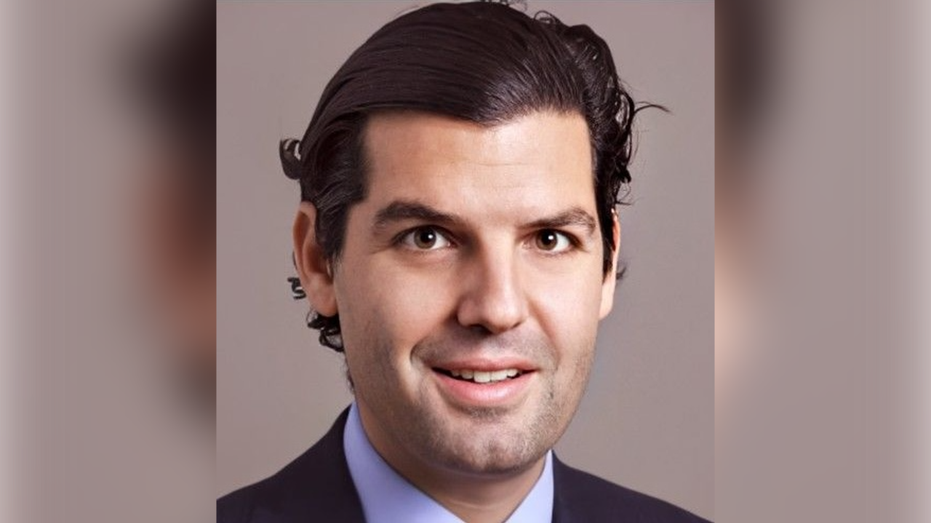
Alejandro Betancourt

A photo of Alejandro Betancourt dated Nov. 10, 2015. (Reuters / Reuters Photos)

Betancourt López has denied wrongdoing and has never been criminally charged in connection to the alleged scheme. In 2018, Abraham Edgardo Ortega, a former executive director at PDVSA, pleaded guilty in federal court to one money laundering conspiracy charge.

Advertisement

“Mr. Betancourt has never been charged with a crime in any jurisdiction. He is dedicated to serving the people of Venezuela by championing the country’s economic revitalization and, when helpful and appropriate, acting as an intermediary between its government and the United States,” NABEP’s general counsel, Sara Chouraqui, said in a statement to Fox News Digital.

Venezuela oil pump

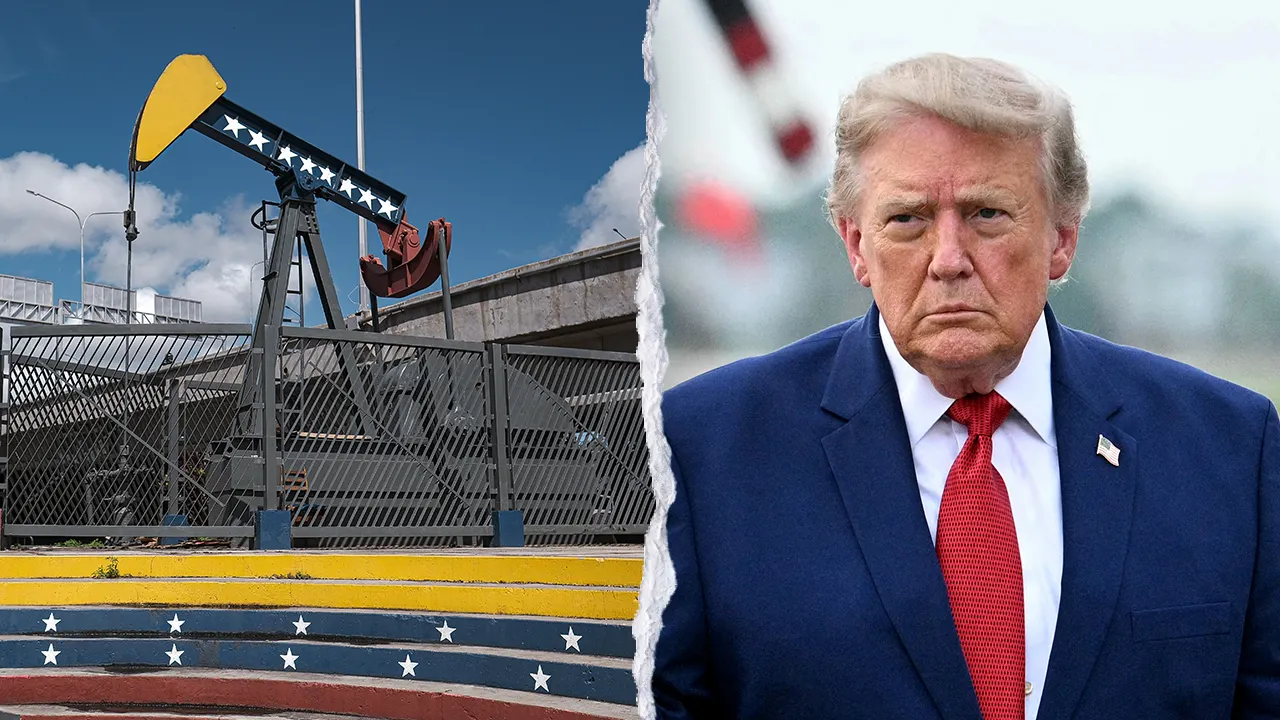
Oil pumping hammers are seen in the oil field, painted with the colors of the Venezuelan flag on April 28, 2026, in Lagunillas, Zulia, Venezuela. (Jose Bula Urrutia/UCG/Universal Images Group via Getty Images / Getty Images)

In a statement on Monday, Betancourt celebrated the oil deal between the U.S. and Venezuela.

“Venezuela is blessed with an abundance of natural resources, hardworking people and untapped potential,” Betancourt López said in a statement on Monday. “This transaction will unleash that potential to the great benefit of both Venezuelans and Americans.”

Under the deal, the U.S. will have the right to buy 20% of the oil produced from all current and future NABEP-operated fields at the cost of production, according to the White House.

Advertisement
Trump in Oval Office

President Donald Trump during an event about drug prices in the Oval Office of the White House, on Aug. 31, 2026, in Washington, D.C. (AP Photo/Jacquelyn Martin / Associated Press)

VENEZUELA SAYS TRUMP’S HISTORIC OIL DEAL TARGETS 1.5M BARRELS PER DAY, COULD GENERATE $200B

The agreement also gives the U.S. first dibs on purchasing the remaining 80% of NABEP’s oil production before it can be sold to other customers, allowing Washington to secure additional supplies during an energy emergency.

Without spending taxpayer money, the U.S. government received a 35% ownership stake in NABEP’s parent company through the Department of War’s Office of Strategic Capital. The company says the stake could eventually generate hundreds of billions of dollars in value and dividend payments.

The agreement also gives the U.S. government veto power over appointments to NABEP’s board of directors and requires a majority of the board’s members to be U.S. citizens.

Advertisement

The initial announcement did not identify NABEP or Betancourt López. President Donald Trump said Friday that the deal would greatly increase the U.S. oil supply and “substantially lower Gas Prices for all Americans, long into the future.”

Venezuela’s president, Delcy Rodríguez, publicly backed the deal as well, saying in a statement Friday that it could generate more than $200 billion in tax revenue for the country.

Venezuelan oil jack

A man rides past an operating oil pumpjack in Cabimas, Venezuela, on Aug. 31, 2026. (AP Photo/Ariana Cubillos / Associated Press)

NICOLÁS MADURO FLASHES PEACE SIGNS IN FIRST PRISON PHOTOS SINCE US CAPTURE IN CARACAS

NABEP, which is headquartered in Barbados, produces roughly 200,000 barrels of oil per day, according to its website. A person close to the company told The New York Times it intends to take on up to $5 billion in debt to boost output to 1 million barrels per day within five years.

Advertisement

Betancourt López founded NABEP in April 2024, but his involvement in Venezuela’s oil industry dates back to 2011, when he bought a stake in Petrozamora, a PDVSA joint venture that operated mature oil fields in Lake Maracaibo, according to The Times. Those fields later became the foundation of NABEP’s operations.

After the Trump administration ousted Nicolás Maduro from power in January, U.S. officials began looking for partners who would advance American interests in Venezuela, The Times reported.

Because of Betancourt López’s track record of increasing oil production in the fields his company manages, U.S. officials wanted to work with him on this public-private oil deal, according to The Times.

Advertisement
Continue Reading

Trending

Copyright © 2025