



Connect with us
DAPA Banner

Business

Annie’s introduces new macaroni and cheese varieties

Published

on

Annie’s introduces new macaroni and cheese varieties
Continue Reading
Click to comment

You must be logged in to post a comment Login

Leave a Reply

Business

Terra Mining fails to wind up Miracle’s Paulsens East Iron Ore

Published

on

Terra Mining fails to wind up Miracle’s Paulsens East Iron Ore

Terra Mining has failed to wind up a company that holds mining tenements for the Paulsens East iron ore project in the Pilbara.

Continue Reading

Business

Commvault Systems stock hits 52-week low at $74.87

Published

on


Commvault Systems stock hits 52-week low at $74.87

Continue Reading

Business

Bristol likened to Tolkien’s Mordor in Gloucestershire devolution debate

Published

on

Business Live

Tewkesbury councillors are divided on whether to join the West of England Combined Authority or Three Counties devolution partnership

Colourful houses in Totterdown, Bristol, sit in shadow as the sun rises and begins to strikes the city behind on a cold and frosty morning. Picture date: Thursday January 13, 2022. PA Photo. Photo credit should read: Ben Birchall/PA Wire

Colourful houses in Totterdown, Bristol(Image: Ben Birchall/PA Wire)

Bristol has been compared to JRR Tolkien’s fictional realm of Mordor during a debate on Gloucestershire’s devolution options, with councillors saying they would rather “remain in The Shire” alongside Herefordshire and Worcestershire.

Advertisement

Local government is undergoing reorganisation throughout England, and as part of this process the county would form partnerships with neighbouring authorities to take strategic decisions across a broader region.

The Bristol-focused West of England Combined Authority (WECA) is the favoured choice for Gloucestershire among the leadership of six of the county’s seven principal councils, and is regarded as the strongest option economically.

However, Tewkesbury Borough Council wishes to keep open the possibility of joining Herefordshire and Worcestershire in a Three Counties combined authority.

A discussion on the alternatives at the council earlier this week evoked imagery from fantasy novel The Lord of the Rings, as one senior Conservative councillor drew parallels between the city of Bristol and the desolate, fortress realm of Mordor.

Advertisement

Winchcombe Councillor David Gray said: “I looked for an analog in terms of Gloucestershire and how we might integrate and I found one in terms of an area that is peaceful, a rural life, farms, rolling hills and beauty and that is The Shire in the Lord of the Rings.

“And if I think about that, Mordor looks to me very like Bristol in that analogy.”

Conservative David Gray (left) is a Councillor for Winchcombe at Tewkesbury Borough Council. FREE TO USE FOR ALL PARTNERS. CREDIT: GCC

Conservative David Gray (left) is a Councillor for Winchcombe at Tewkesbury Borough Council(Image: Local Democracy Reporting Service / GCC)

He is concerned that joining WECA would result in much of the funding being allocated to the Bristol area, leaving Gloucestershire at a disadvantage. He suggested this would make it unavoidable that portions of the county would be drawn into the city’s sphere of influence.

“I don’t like visiting Bristol,” he told the Tewkesbury Borough Council meeting on April 7.

Advertisement

“Bristol, to me, is not a cool place to visit. It’s a place you want to get out of as soon as possible. So in that light, I recognise all the economic arguments as to why we might go with favouring WECA but I do think that it makes sense to us on this one to sit on the fence.”

He argued that earnest thought should be devoted to the prospect of combining with Worcestershire and Herefordshire to establish a Three Counties combined authority.

“That has got many advantages and culturally, there is a lot more for us in that area,” he said.

“We can be our own cool kids in terms of having the best environment, the best nature, the best rivers. All of the things Gloucestershire has to offer.”

Advertisement

Fellow Conservative Councillor Paul McLain (Highnam with Haw Bridge) differed from Cllr Gray in his view of Bristol, expressing his affection for the city and having no objections to WECA.

But he did not regard it as the optimal solution for the county and voiced apprehension about the danger of Gloucestershire absorbing additional housing from the Bristol region.

“Here in Tewkesbury we’re used to being something of a dump for Gloucester and Cheltenham,” he said.

“I take no schadenfreude from Gloucestershire becoming a housing dump for the rest of WECA, but that is certainly a concern.”

Advertisement

He continued by stating he wouldn’t “reference Mordor and The Shire” but did assert the finest cider originates from the Three Counties rather than Somerset.

‘We love you Bristol’

“Much as I love Somerset cider, the best ciders come from Herefordshire, Worcestershire and Gloucestershire orchards,” he said.

Near the conclusion of the session, he suggested Gloucestershire ought to keep an open perspective regarding its choices.

“If we end up with WECA, we don’t want to burn those bridges but by the same token we as an authority, I think, need to show that we at least have considered both options and we are open minded.

Advertisement

“While many of us might prefer The Shire, and, I’m not saying Bristol is Mordor. It’s not. We love you Bristol. I do love Bristol but my inclinations go with those cider makers.”

At present, there’s no definitive timeline from ministers regarding which region, if any, Gloucestershire will align itself with.

Continue Reading

Business

Is HubSpot Down Today? Brief North America Outage Hits Activity and Events Features on April 9

Published

on

HubSpot

HubSpot users in North America experienced temporary disruptions to activity tracking and event processing Wednesday morning, prompting a wave of complaints on social media and outage trackers, though the company’s official status page reported the issue as resolved by midday with all core systems now operational.

HubSpot
HubSpot

The glitch, which began around 9:00 a.m. EDT on April 9, affected features including Activity and Event tools for some customers hosted in North America. HubSpot acknowledged the problem on its status page, stating it stemmed from a temporary impairment that caused processing delays. By approximately 12:20 p.m. EDT, the company posted an update confirming the issue had been addressed and systems were recovering normally.

As of early Thursday, April 10, HubSpot’s status page showed all major components — including CRM, Marketing Tools, Website, Sales Tools, Service Tools, Chat & Automation, Reports, APIs and Integrations — marked as fully operational. No new incidents were listed for April 10, and the platform appeared stable for most users checking real-time monitors.

The brief outage nonetheless sparked frustration among marketers, sales teams and customer service professionals who rely on HubSpot’s all-in-one CRM platform for daily operations. Some reported delays in workflow enrollment, email events and timeline loading, while others noted minor slowdowns in reporting dashboards. Third-party trackers like Downdetector and StatusGator recorded scattered user reports of problems with the website, CRM and reports over the past 24-48 hours, though the volume remained far below major historical outages.

HubSpot, a publicly traded software company serving more than 200,000 customers worldwide, has built its reputation on reliable inbound marketing, sales and service tools enhanced by artificial intelligence features. The platform integrates email marketing, content management, CRM, chatbots and analytics into a single dashboard, making even short disruptions noticeable for businesses that depend on real-time data.

Advertisement

Company officials have not issued a public statement beyond the status page updates. In past incidents, HubSpot has attributed similar problems to database impairments or server-side issues affecting specific regions. Wednesday’s event was limited primarily to North America and lasted roughly three hours before full resolution.

Outage monitoring sites provided mixed signals in the immediate aftermath. While HubSpot’s official page declared systems operational, some aggregators noted lingering user-submitted reports of slow performance or partial issues with CRM and reports. IsItDownRightNow and similar tools indicated the main website remained reachable with normal response times, ruling out a complete blackout.

The episode comes amid growing reliance on HubSpot as businesses scale digital operations. Many small and mid-sized companies use the platform as their primary customer relationship management system, especially those focused on inbound strategies. Delays in event processing can cascade into missed follow-ups, inaccurate reporting and disrupted automation sequences, potentially costing teams valuable time and leads.

Industry analysts noted that while Wednesday’s disruption was relatively minor compared with broader outages seen in 2025, it highlights the increasing complexity of maintaining uptime for cloud-based SaaS platforms handling massive data volumes. HubSpot has invested heavily in infrastructure and reliability measures, including redundant systems and proactive monitoring, yet occasional regional glitches remain a reality in the sector.

Advertisement

Users took to social media and Reddit’s r/hubspot community to share experiences. Some expressed mild annoyance at delayed sequences or failed-to-load timelines, while others praised the quick resolution. One marketer posted that workflows continued firing despite the activity feed lag, suggesting the impact was contained.

HubSpot’s support team operates 24/7, offering assistance through chat, phone and community forums. The company encourages affected users to check the status page first and submit tickets for persistent issues. Enterprise customers with dedicated account managers often receive proactive notifications during incidents.

Looking ahead, no scheduled maintenance windows were listed on the status page for the coming days. HubSpot has a history of transparent communication during outages, posting detailed root cause analyses after major events. Wednesday’s incident followed a similar but shorter event processing delay reported late on April 8.

For businesses, the episode serves as a reminder to maintain backup processes and diversify tools where mission-critical. Many HubSpot users already integrate the platform with Zapier, Slack or custom APIs to add redundancy. Others rely on exported data and offline alternatives during brief downtimes.

Advertisement

HubSpot shares (NYSE: HUBS) traded lower earlier in the week but showed no direct correlation to the minor outage. The stock has faced broader market pressures and valuation debates common among high-growth SaaS firms, though fundamentals remain strong with continued customer growth and AI feature rollouts.

As of Thursday morning, the vast majority of users reported normal performance. Real-time checks on multiple monitoring services confirmed response times in the normal range, and no widespread complaints surfaced on major outage trackers for April 10.

Experts recommend that organizations using HubSpot enable notifications from the official status page and test critical workflows regularly. For those still encountering issues, clearing browser cache, trying incognito mode or switching networks can sometimes resolve localized problems unrelated to HubSpot’s servers.

The brief April 9 disruption underscores both the platform’s importance to modern marketing teams and the challenges of delivering seamless cloud services at scale. HubSpot continues to expand its AI capabilities, including smarter automation and predictive analytics, which require robust backend infrastructure.

Advertisement

While Wednesday’s event caused temporary headaches for some, the quick recovery helped limit business impact. As companies increasingly bet on integrated platforms like HubSpot for growth, expectations for near-perfect uptime will only rise.

Customers are advised to bookmark https://status.hubspot.com for future reference and to follow HubSpot’s community forums for user tips during rare incidents. With all systems now showing green, most users have returned to normal operations, though the episode may prompt some to review their contingency plans.

In an era when even minutes of downtime can disrupt campaigns and pipelines, HubSpot’s handling of the short-lived issue demonstrated reasonable transparency. The company’s focus on reliability remains a key selling point as it competes in the crowded CRM and marketing automation space.

For now, the answer to “Is HubSpot down today?” on April 10 appears to be no. Core services are operational, and teams can resume full use of the platform with confidence. Still, the incident serves as a timely nudge for users to stay vigilant and prepared in an increasingly connected digital workspace.

Advertisement
Continue Reading

Business

Taking Crofter’s Organic to the next level

Published

on

Taking Crofter’s Organic to the next level

New owner is seeking to accelerate the company’s growth plans. 

Continue Reading

Business

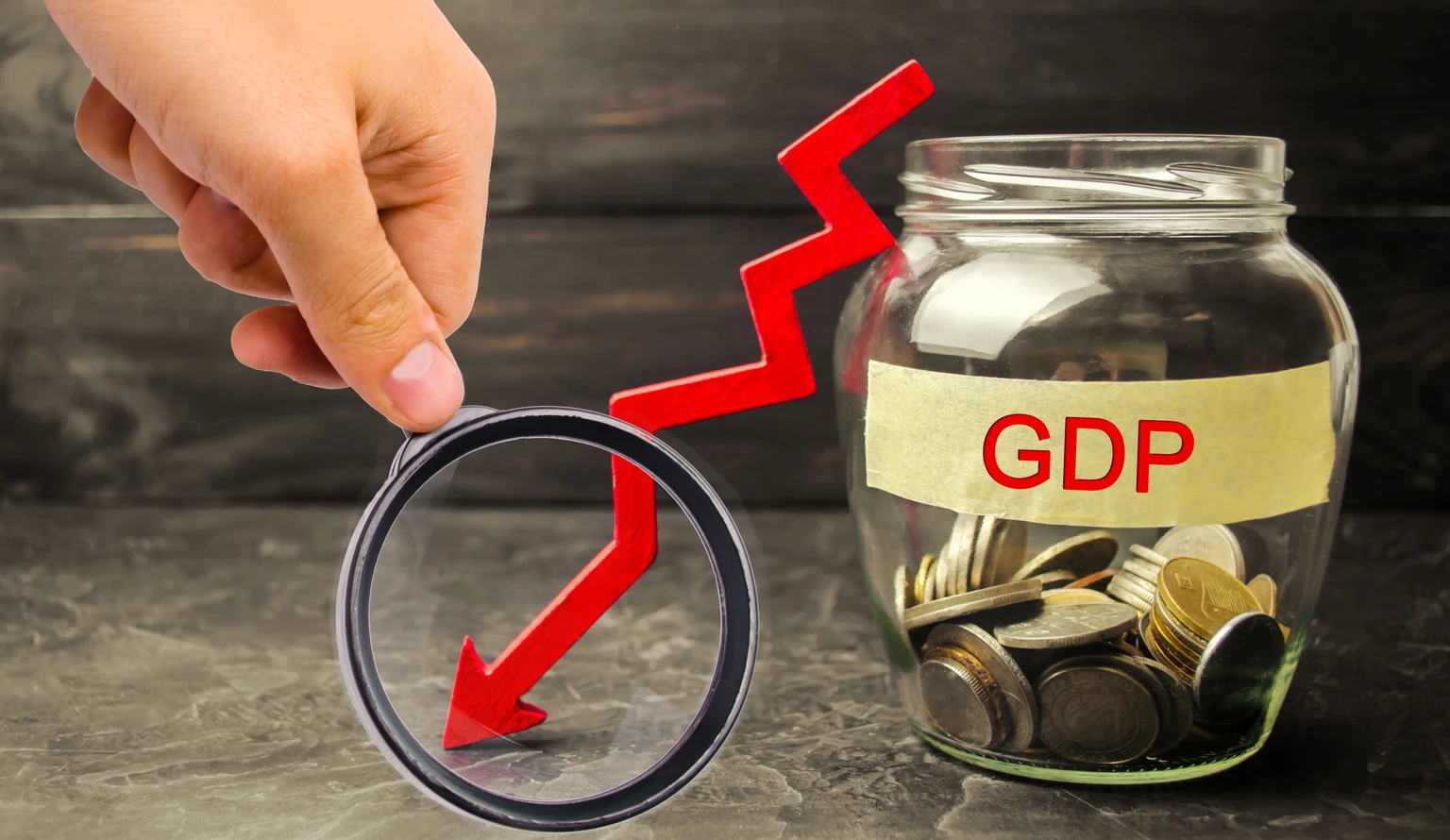
Q4 GDP Revision And February PCE: Growth Revised Down, No Relief On Inflation

Published

on

Q4 GDP Revision And February PCE: Growth Revised Down, No Relief On Inflation

Q4 GDP Revision And February PCE: Growth Revised Down, No Relief On Inflation

Continue Reading

Business

York Space Systems Stock Soars 16% as Defense Contracts and Sector Momentum Drive YSS Past $32

Published

on

York Space Systems

NEW YORK — Shares of York Space Systems Inc. surged more than 16% midday Thursday, briefly pushing the newly public satellite manufacturer’s stock above $32 as investors bet on continued demand for low-cost spacecraft amid growing U.S. national security needs and broader enthusiasm for space-tech companies.

York Space Systems
York Space Systems

At 12:26 p.m. EDT on April 9, York Space Systems (NYSE: YSS) traded at $32.49, up $4.54 or 16.24% on the day, according to real-time market data. Volume exceeded 1.5 million shares by late morning, well above the stock’s average. The move extended recent gains that have seen the shares rebound from earlier 2026 lows near $17, though they remain below the $38 debut price set on the first day of trading in late January.

The rally comes as York, a Denver-based provider of mission-critical satellites and space systems, benefits from strong positioning in the Pentagon’s Proliferated Warfighter Space Architecture (PWSA) and fresh momentum across the space sector. Analysts and traders pointed to heightened interest following recent sector-wide moves, including speculation tied to major players like SpaceX, even as York focuses on government and commercial constellations rather than crewed missions.

York went public in January 2026 through an upsized initial public offering that raised approximately $629 million at $34 per share. Shares opened at $38 on Jan. 29, giving the company an initial valuation near $4.75 billion, but quickly pulled back amid broader market volatility and typical post-IPO digestion. The stock has since traded in a 52-week range of roughly $16.93 to $38.47.

Company executives have emphasized a “production at scale” strategy that delivers satellites at roughly half the cost of traditional primes. York claims leadership in the PWSA program by number of spacecraft delivered, contracts won and variety of work as of late 2025. It has supplied dozens of satellites for the Space Development Agency’s transport and tracking layers, supporting missile warning, data relay and joint all-domain command capabilities.

Advertisement

In its first full-year results as a public company, released in March, York reported 2025 revenue of $386.2 million, a 52% increase from the prior year. The company narrowed its net loss and issued 2026 revenue guidance of $545 million to $595 million, with more than 70% already backed by contracted backlog. Management highlighted plans to launch 107 additional satellites through 2027, quadrupling its on-orbit fleet from current levels around 33 spacecraft.

Recent strategic moves have also fueled optimism. On March 12, York completed the acquisition of Orbion Space Technology, adding in-house Hall-effect thrusters and strengthening its vertically integrated supply chain for propulsion systems. The deal supports faster production cycles and cost control for both defense and commercial programs.

In February, the company secured a $187 million commercial contract for a constellation of more than 20 satellites based on its larger M-Class platform, which can carry payloads up to 1,000 kilograms. While the customer was not disclosed, the win demonstrated York’s ability to expand beyond government work into private-sector opportunities.

On March 30, NASA and Johns Hopkins Applied Physics Laboratory extended York’s Polylingual Experimental Terminal (PExT) project through 2027. The initiative tests advanced communications capabilities, including interoperability between government and commercial systems, building on successful demonstrations aboard the BARD mission.

Advertisement

York’s business model centers on rapid, affordable satellite production combined with end-to-end mission services, including design, integration, launch coordination and operations. CEO Dirk Wallinger has repeatedly stressed the shift in Pentagon procurement toward commercial providers that can deliver at speed and scale, a trend York says positions it well against legacy aerospace giants.

Still, risks remain. The company has warned that a substantial portion of revenue and backlog ties to the Space Development Agency. Any slowdown or restructuring in PWSA funding could impact near-term growth. York also operates at a loss, reporting negative earnings per share, though executives project improving margins and positive adjusted EBITDA in 2026 as production efficiencies take hold.

Market watchers noted Thursday’s surge occurred without a single headline catalyst, suggesting momentum trading and sector rotation. Space stocks broadly gained this week amid renewed investor appetite for the industry. York’s shares have risen roughly 30% in the past month but still trade below some analysts’ targets, which range from the mid-$20s to $33.

With a market capitalization now hovering near $4.1 billion, York sits in the mid-cap range. The stock carries a beta above 2.0, indicating higher volatility typical of emerging space and defense plays. Short interest stood around 2.5-3% in recent filings.

Advertisement

Industry observers say York’s edge lies in its manufacturing playbook — combining high-volume techniques with software automation to shorten cycle times while maintaining quality. The company has logged millions of on-orbit hours across 74 missions and 17 products with flight heritage.

As the U.S. military accelerates efforts to build resilient space architectures for missile defense and counter-space operations, demand for proliferated low-Earth orbit constellations continues to grow. York’s ability to deliver Link-16 connectivity from space and its role as a prime contractor — rather than a subcontractor — give it direct access to larger programs and margins.

Looking ahead, investors will watch York’s first-quarter 2026 results, expected in May, for updates on backlog execution, integration of the Orbion acquisition and progress toward 2026 guidance. Any new major contract announcements, particularly in commercial or additional SDA tranches, could further catalyze the stock.

For now, Thursday’s double-digit gain reflects renewed confidence in York’s ability to capitalize on the intersection of national security priorities and commercial innovation in space. Whether the momentum sustains will depend on execution amid a competitive landscape that includes both established primes and agile newcomers.

Advertisement

As trading continued into the afternoon, shares pulled back slightly from session highs but held strong gains. With the broader market showing mixed signals and oil prices fluctuating on geopolitical news, York’s performance stood out as a bright spot in the industrials and aerospace sector.

The company’s story — from a 2012 startup founded by Dirk Wallinger to a publicly traded defense prime with ambitious launch plans — continues to capture attention on Wall Street. As space becomes increasingly central to modern warfare and global commerce, York Space Systems aims to prove that speed, scale and affordability can deliver both mission success and shareholder value.

Continue Reading

Business

S&P 500: Don't Buy The Dip When Macroeconomic Conditions Are Worsening

Published

on

S&P 500: Don't Buy The Dip When Macroeconomic Conditions Are Worsening

S&P 500: Don't Buy The Dip When Macroeconomic Conditions Are Worsening

Continue Reading

Business

Short Lines Across Terminals as Travelers Enjoy Smooth Security on April 10

Published

on

Kuwait International Airport

NEW YORK — Security lines at John F. Kennedy International Airport moved briskly Friday morning, with most terminals reporting general TSA wait times under 20 minutes and TSA PreCheck lanes often clearing in five minutes or less, offering relief to spring travelers after weeks of volatile delays tied to staffing fluctuations and holiday surges.

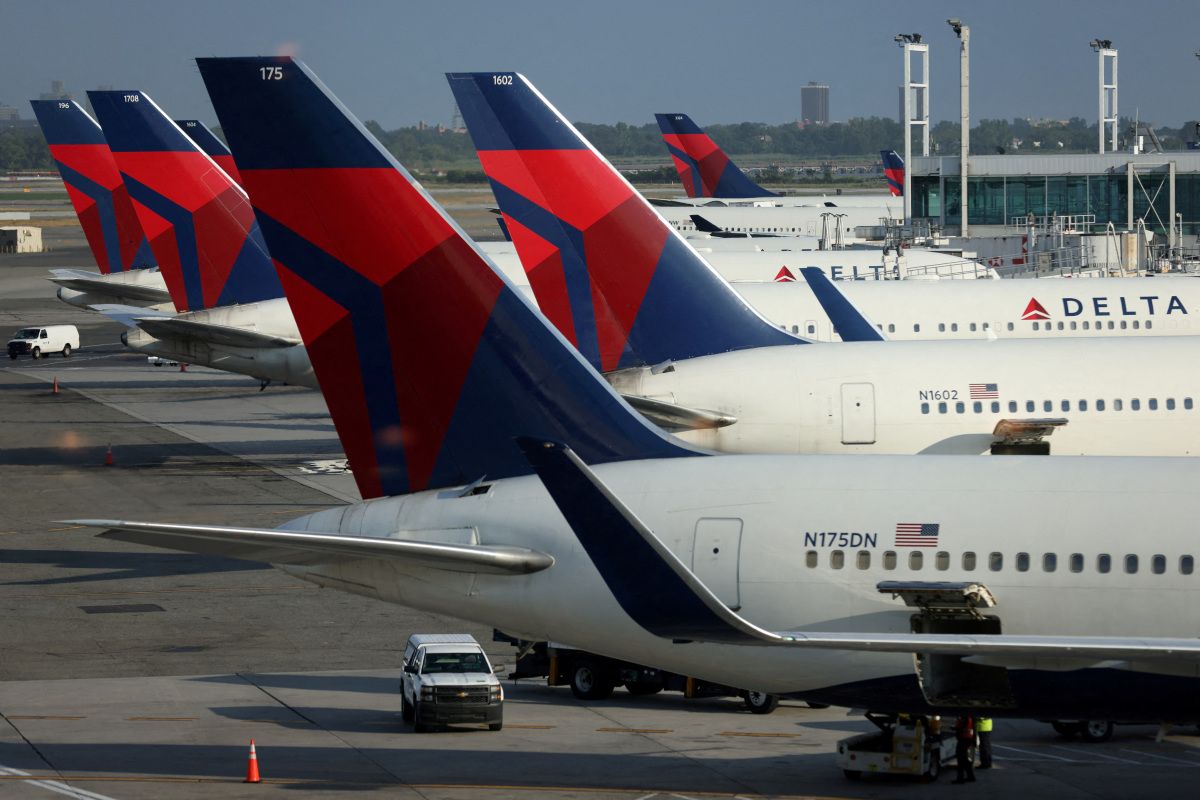
Delta Air Lines planes are seen at John F. Kennedy International Airport on the July 4th weekend in Queens, New York City

As of mid-morning on April 10, the official JFK Airport website showed the following estimated wait times: Terminal 1 general screening at about 12-19 minutes with PreCheck around 5-11 minutes; Terminal 4 at 9-15 minutes general and 1-6 minutes PreCheck; Terminal 5 at 9-14 minutes general and 5-7 minutes PreCheck; Terminal 7 at 17 minutes general; and Terminal 8 at 24 minutes general with PreCheck at 7 minutes. These figures, updated around 11:25 a.m. ET, reflect real-time monitoring but come with the airport’s standard disclaimer that estimates are reliable only when lines stay within designated queue areas.

The relatively short waits contrast with earlier 2026 peaks, when spring break crowds and occasional TSA staffing issues pushed some lines to 45-60 minutes, particularly in Terminal 5, a major hub for JetBlue. On Easter Sunday, April 5, many terminals cleared general passengers in under 15 minutes, a trend that has carried into quieter mid-April days.

Port Authority of New York and New Jersey officials, who operate JFK, noted that TSA staffing has stabilized following a period of uncertainty earlier in the year. Travelers are still advised to arrive two hours before domestic flights and three hours before international ones, with extra buffer recommended during peak morning (5-9 a.m.) and evening (3-7 p.m.) rushes when waits can climb to 30-45 minutes.

Live trackers and third-party sites like TakeoffTimer and airline-specific dashboards reported similar conditions Friday, with overall airport averages hovering between 10-25 minutes for standard lanes. TSA PreCheck continued to deliver significant time savings, often under five minutes even when general lines stretched longer. CLEAR biometric lanes, available in several terminals, further expedited entry for enrolled members.

Advertisement

Terminal 4, the largest and home to Delta, JetBlue international operations and many foreign carriers, consistently showed the shortest general waits in recent updates, sometimes dipping to single digits. Terminal 8, primarily American Airlines, occasionally recorded the longest lines but remained manageable Friday. Terminal 1 and Terminal 5, serving a mix of international and domestic flights, fell in the middle range.

Travelers on social media and Reddit’s r/JFKAirport echoed the positive reports, with recent posts describing 15-25 minute experiences in general lines and near-instant PreCheck clearance. One passenger flying Delta from Terminal 4 on Thursday afternoon reported clearing security in under 10 minutes with two children and luggage. Another noted a 35-minute wait in Terminal 8 during a busier evening slot earlier in the week.

The smoother flow comes after the airport temporarily suspended official wait-time reporting in March due to inaccuracies during high-volume periods and staffing shifts. Data resumed in early April, and officials say staff now monitor queues more actively to provide better estimates. The MyTSA app remains a useful tool for crowd-sourced updates from fellow passengers.

JFK handled more than 60 million passengers in 2025, making it one of the busiest U.S. gateways, especially for international travel to Europe, Asia and Latin America. Security remains the primary bottleneck for many, but Friday’s conditions suggested a return to more predictable operations amid lighter post-holiday traffic.

Advertisement

Experts recommend several strategies to minimize delays. Enrolling in TSA PreCheck, which costs $78 for five years, allows eligible travelers to keep shoes, belts and light jackets on while using dedicated lanes. CLEAR, often bundled with airline status or credit cards, speeds up the initial ID check. Arriving early, packing liquids properly in a quart-sized bag and removing electronics in advance further smooths the process.

For international departures, additional time should be factored for customs and immigration on arrival, though outbound screening focuses on TSA. Passengers with disabilities or needing assistance can request expedited help through airlines or TSA Cares.

Weather and flight schedules also influence crowds. Friday’s forecast for the New York area called for mild spring conditions with no major disruptions expected, helping keep passenger volumes steady rather than compressed into narrow windows. Airlines reported normal operations with only routine delays unrelated to security.

TSA officials nationwide have emphasized that wait times fluctuate based on passenger volume, staffing and random additional screening measures. Unpredictable security protocols, including occasional pat-downs or bag checks, can add minutes even in short lines. The agency encourages downloading the MyTSA app for real-time alerts and prohibited-items guidance.

Advertisement

JFK’s five terminals each operate independent checkpoints, so travelers should confirm their airline’s location in advance. Terminal 4 and Terminal 5 handle the heaviest loads, while Terminal 7 and parts of Terminal 1 serve fewer but still significant international routes.

As the busy summer travel season approaches, the Port Authority and TSA plan to maintain enhanced staffing where possible. Officials have urged passengers not to arrive excessively early if lines are short, to avoid congestion in pre-security areas, but stress that individual experiences vary.

For those flying out of JFK today or in coming days, current data points to a traveler-friendly environment compared with recent months. Still, checking the official JFK website or reliable trackers shortly before heading to the airport remains the best practice, as conditions can shift quickly with sudden surges or lane closures.

The airport continues investing in technology, including more automated screening lanes and biometric options, to reduce friction. In the meantime, Friday’s lighter lines offered a welcome breather for the millions who rely on JFK as their gateway to the world.

Advertisement

Travelers are reminded to follow the 3-1-1 liquids rule, place laptops and large electronics in separate bins, and prepare for possible secondary screening. With waits mostly in the 10-25 minute range across terminals, many passengers reported having extra time for a coffee or last-minute shopping before boarding.

Whether heading to Europe on a red-eye or catching a domestic connection, today’s security experience at JFK appears far smoother than the longer delays seen during peak spring break weeks. As always at one of America’s busiest airports, a little preparation goes a long way toward stress-free travel.

Continue Reading

Business

Cha Eun-woo Apologizes for 13 Billion Won Tax Burden After Paying Massive Bill Amid Fan Backlash

Published

on

Cha Eun-Woo

SEOUL, South Korea — K-pop star and actor Cha Eun-woo issued a personal apology Wednesday after settling a high-profile tax dispute with South Korea’s National Tax Service, confirming he has paid approximately 13 billion won ($8.7 million) following an initial assessment that exceeded 20 billion won and sparked widespread disappointment among fans.

Cha Eun-Woo

The 29-year-old Astro member, whose real name is Lee Dong-min, posted a lengthy statement on his personal Instagram on April 8, taking full responsibility for the controversy and expressing deep regret for causing “disappointment and confusion” to supporters who have backed him throughout his career.

“Although it is late, I would like to personally share my thoughts and position now,” Cha wrote. “I respect the procedures and findings of the National Tax Service, and to prevent any further confusion, I have fully paid the related taxes. I will also diligently comply with any remaining procedures.”

He added: “Above all, I feel most terrible and sorry for disappointing my fans, AROHA, who have trusted and supported me. Because I have been active thanks to the love and support of so many people, I am taking this matter even more seriously and deeply. If there was anything I failed to examine carefully enough, all responsibility lies with me. I will not evade this by saying I ‘didn’t know’ or that it was ‘someone else’s decision’ for any reason.”

The statement marked Cha’s second public comment on the issue. In late January, shortly after reports of the tax probe surfaced, he had issued an initial apology while serving mandatory military duty, pledging to accept the authorities’ final decision.

Advertisement

The controversy erupted in January 2026 when Korean media reported that the Seoul Regional Tax Office had notified Cha of an additional tax assessment exceeding 20 billion won following an intensive audit conducted in the first half of 2025, before he enlisted in the military in July.

Authorities alleged that a significant portion of Cha’s earnings had been routed through a company established in October 2022 under his mother’s name. The National Tax Service determined the entity functioned primarily as a “paper company” with little genuine business activity, allowing income to be taxed at the lower corporate rate rather than the top personal income tax bracket of up to 45%. This arrangement allegedly reduced Cha’s overall tax burden by more than 20 percentage points.

The probe also examined his agency, Fantagio, which was ordered to pay 8.2 billion won in additional taxes last year. Tax officials reportedly summoned both Cha and his mother for questioning as part of the investigation.

On Thursday, April 9, Fantagio clarified to multiple outlets that while the initial assessment topped 20 billion won, overlapping payments in corporate and value-added taxes led to adjustments. The agency said an accountant informed them that Cha’s actual net burden after expected refunds would amount to about 13 billion won, which he has now paid in full.

Advertisement

The payment and apology have done little to quell public criticism. Many netizens expressed disappointment that the response came months after the initial reports and questioned the sincerity of Cha’s “good boy” image, which had made him one of South Korea’s most beloved celebrities and lucrative endorsers.

Several major brands, including skincare line Abib and others, quietly removed or scaled back campaigns featuring Cha following the January revelations. Some videos on the National Defense Information Service’s YouTube channel starring the idol were also made private.

The case has drawn particular scrutiny because of Cha’s military service. A citizen petition filed Thursday with the Ministry of National Defense calls for a review of his assignment to the military band, arguing that his tax issues raise questions about his suitability for the role.

Cha’s representatives have emphasized that he accepted the National Tax Service’s findings without contest and paid promptly to resolve the matter. In his April 8 statement, he reflected on the incident as a moment for personal growth, saying it prompted him to “look back and deeply reflect on whether I have been sufficiently strict in fulfilling my duty to pay taxes as a citizen of the Republic of Korea.”

Advertisement

The scandal represents one of the largest tax assessments ever reported against an individual South Korean entertainer. It highlights ongoing scrutiny of tax practices in the entertainment industry, where high earners sometimes use corporate structures or family entities to manage income.

Industry observers note that while many celebrities have faced tax probes in the past, the scale of Cha’s case and his previously untarnished reputation have amplified the backlash. Some fans have called for a second chance, citing his long history of charitable work and positive public image, while others demand stricter accountability.

Cha, who rose to fame as a member of Astro and gained massive popularity through dramas such as “True Beauty” and “A Good Day to Be a Dog,” has been one of the country’s top endorsers, appearing in campaigns for cosmetics, fashion and financial brands. His military enlistment in 2025 paused much of his entertainment activities, but the tax news emerged during his service.

As of Thursday, no criminal charges have been filed, and the matter appears resolved through the civil tax payment. The National Tax Service has not issued a public comment on the final settlement.

Advertisement

Fantagio said Cha remains focused on completing his military duties and will return to activities with renewed commitment once discharged. The agency declined further comment on the tax details beyond confirming the payment.

Public reaction on social media remains mixed. Supporters have posted messages of encouragement, while critics have questioned whether the apology and payment are sufficient to restore trust. Hashtags related to the controversy trended briefly in Korea after the latest statements.

The episode serves as a reminder of the intense public expectations placed on Korean idols and actors, who often serve as national cultural ambassadors. Tax compliance has become a sensitive issue in the industry following several high-profile cases in recent years.

Cha’s fans, known as AROHA, have been urged by some community leaders to await further developments while others have expressed heartbreak over the tarnishing of his image.

Advertisement

For now, the 29-year-old star has stepped back from public commentary beyond his written apology, letting his payment and promise of responsibility speak for the resolution of the financial side of the dispute.

Whether the public will forgive and forget remains to be seen as Cha completes his service and prepares for a comeback. In South Korea’s fiercely competitive entertainment landscape, reputation can be as valuable — and as fragile — as any financial asset.

As one fan commented online, “We loved the perfect image, but now we see he’s human too. The real test is what he does from here on.”

The coming months will determine if Cha Eun-woo can rebuild the trust that once made him a household name synonymous with charm and integrity.

Advertisement
Continue Reading

Trending

Copyright © 2025