

Business
April PCE: Inflation remained elevated amid Iran war


A ‘Mornings with Maria’ panel analyzes the markets, the impact from the conflict in Iran and investing in companies that the government has a stake in.
The Federal Reserve’s preferred inflation gauge remained stubbornly high in April as consumers continued to face elevated price growth.
The Commerce Department on Thursday reported that the personal consumption expenditures (PCE) index rose 0.4% on a monthly basis in April and is up 3.8% from a year ago. The monthly figures were slightly cooler than the 0.5% increase expected by economists polled by LSEG, while the annual figure was in line with expectations.

Consumer prices have risen due in part to the impact of the Iran war. (Benjamin Boshart/Bloomberg via Getty Images)
HOW DOES FED CHAIR NOMINEE KEVIN WARSH VIEW THE CENTRAL BANK’S INFLATION GOAL?
Core PCE, which excludes volatile measurements of food and energy prices, was up 0.2% from a month ago and increased 3.3% year over year. The monthly figure was cooler than the 0.3% increase estimated by the LSEG poll, while the annual figure was in line with expectations.
Federal Reserve policymakers are focused on the PCE headline figure as they try to bring inflation back to their long-run target of 2%, though they view core data as a better indicator of inflation. Compared with March’s annual readings, headline PCE rose from 3.5% to 3.8%, while core PCE increased from 3.2% to 3.3%.
Goods prices were up 1.2% in April compared with a year ago, and were down 0.1% from the prior month.
Services prices increased 2.5% on an annual basis in April, and increased 0.2%.
HIGH ENERGY PRICES RISK KEEPING INFLATION ABOVE 2% TARGET, CONCERNING FED POLICYMAKERS
The personal savings rate as a percentage of disposable personal income was 2.6% – down from 3.2% in March and 3.6% in February.
Since the start of last year, the personal savings rate has declined from 5.1% in January 2025 and a peak of 5.5% last April to its current level.
What experts are saying
“With headline inflation closer to 4% than 3%, the Fed continues to walk a tight rope. When adjusted for inflation, spending barely rose in this report,” said Ellen Zentner, chief economic strategist for Morgan Stanley Wealth Management. “Rising prices are really taking a bite out of consumption, and the decline in the savings rate shows consumers are dipping into savings to make ends meet.”
GAS PRICE SURGE HITTING LOW-INCOME HOUSEHOLDS HARDEST, FED STUDY FINDS
Heather Long, chief economist at Navy Federal Credit Union, said that the “pain is real for many Americans right now.”
“The prices of many basics are up and incomes are not keeping pace. People are dipping into their savings to try to make ends meet. The savings rate a year ago was 5.5%. Now it’s 2.6%. The larger tax refunds are helping keep people afloat, but those will be exhausted by July. Belt-tightening is inevitable later this year,” Long added.

New Federal Reserve Chair Kevin Warsh was sworn in to the role last week and will oversee the central bank’s next monetary policy meeting in mid-June. (Al Drago/Bloomberg via Getty Images)
What does it mean for the Fed and markets?
The Federal Reserve is expected to keep interest rate cuts on pause for the near future, with the CME FedWatch tool showing a 98.8% probability of rates remaining at their current range of 3.5% to 3.75% after the central bank’s meeting next month.
The tool also shows a 47.4% chance rates will remain at their current level through the end of the year, with just a 0.6% chance of a 25 basis point rate cut by that time as opposed to a 39.2% chance of a rate hike of that size.
GET FOX BUSINESS ON THE GO BY CLICKING HERE
The stock market reaction to the PCE inflation report was muted. The benchmark S&P 500 index was little changed at open, while the Nasdaq was 0.5% in morning trading.


BJ’s Restaurants director Ottinger sells $149,372 of common stock

Oklo: Almost Everything Has Changed Since My Sell Call – Almost

The stock fell 16% Monday to close at $154.60, the lowest level since the company’s first day of trading, pushing its three-day loss to 23% and erasing over $600 billion in value over that period. The company’s market capitalization now sits just above $2 trillion.
“Sellers are back in control. Anyone in the world who wanted to buy this has bought it already,” said Michael O’Rourke, chief market strategist at JonesTrading.
SpaceX’s first days of trading following its record $75 billion initial public offering were met with the type of volatility generally associated with new IPOs that have a low float — 4.2% of total shares outstanding were available to trade on day one — and high interest from retail investors. Still, even with Monday’s losses, SpaceX is the sixth-largest company in the world with shares about 15% higher than their $135 IPO price.
 Bloomberg
The rocket, satellite and AI conglomerate is seeking to raise at least $20 billion from the first bond offering, Bloomberg reported last week. SpaceX also inked a multibillion-dollar agreement to provide computing resources to Reflection AI, an AI startup, the company said Monday.

SpaceX’s embrace of artificial intelligence with the acquisition of Musk’s xAI in February meant investors closely watched the listing ahead of IPO prospects of competitors Anthropic PBC and OpenAI, both of which plan to go public as soon as this year with valuations expected to be around $1 trillion.
Retail trading in SpaceX, officially named Space Exploration Technologies Corp., was the strongest of any IPO in recent history, with the cohort buying net $405 million in the first five sessions according to Vanda Research. Retail investors bought more SpaceX last week than buying across all Magnificent Seven stocks combined, the data showed. On Monday, retail traders were still net buyers of SpaceX, but inflows were below last week’s levels, Vanda data showed. The stock was initiated with a recommendation of sector weight at KeyBanc Capital Markets, the first hold-equivalent rating according to data tracked by Bloomberg. Analysts led by Michael Leshock wrote that SpaceX is set to remain the leader in space-launch and adjacent verticals, but much of the long-term value is already captured in the stock price.
SpaceX “possesses significant disruptive growth avenues, though we believe this is reflected in current valuation and risk/reward appears balanced, in our view,” he wrote.
Form 4 CrowdStrike Holdings Inc For: 22 June

His company is one of several that makes sweat-analysing devices. In Epicore Biosystems’ case, that includes single-use sticky patches and sleeve-like wearables, which track the flow rate of sweat as it emerges from your skin, the sweat’s sodium (salt) content, and skin temperature, among other metrics.

AST SpaceMobile: My Bet On The New Telecommunications Order
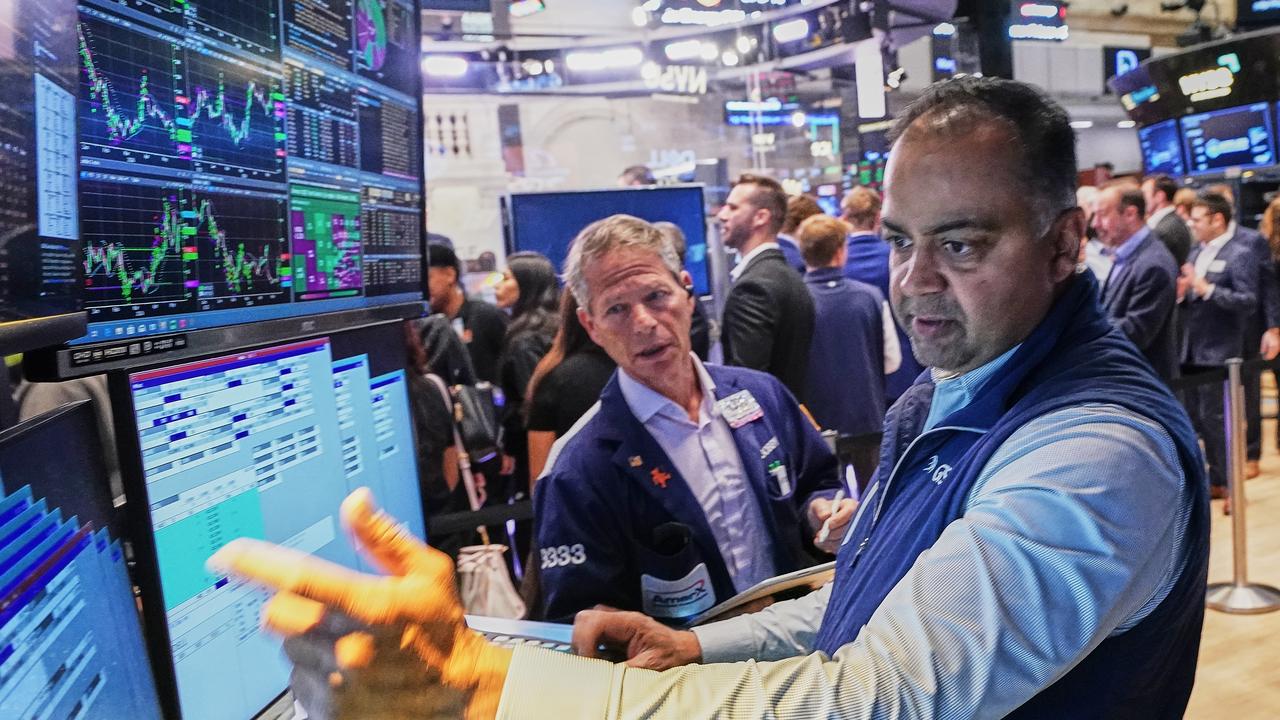
The S&P 500 and the Nasdaq have closed down, dragged by declines in the megacap technology stocks including Alphabet.

Wajarri-Nanda-Yamatji man Dwayne Mallard isn’t big on what’s implied by the word ‘leadership’. He prefers ‘stewardship’

From 1 October 2026, e-liquid carries an excise duty for the first time in British history. It is called the Vaping Products Duty, it is set at a flat £2.20 per 10ml, and once VAT stacks on top, the real number landing on shelves is closer to £2.64 per 10ml.
For a category that has spent a decade as the loosely regulated younger sibling of tobacco, this is the most significant change since the TPD rules of 2016.
If your business touches vaping anywhere in the chain, as a manufacturer, importer, distributor, specialist retailer, convenience operator or forecourt, the headline rate is the least interesting part of this story. The structure of the duty is where the money is won and lost, and most operators are not modelling it properly yet.
A flat tax on volume, not on risk
The duty was originally drafted as a tiered system, with higher nicotine liquids taxed more heavily. That plan was scrapped. What replaced it is a flat rate charged purely on liquid volume, applied identically whether a bottle contains 20mg of nicotine or none at all. Zero-nicotine e-liquid is taxed exactly the same as the strongest legal nic salt.
That single design decision produces a genuinely strange outcome. The duty falls hardest on the formats the public health lobby tends to prefer, and barely touches the ones it worries about.
- Prefilled pods, the disposable-style format most associated with younger users, rise by roughly 7%. The liquid volume per pack is tiny, so the duty per pack is tiny.
- Shortfills, the larger-format bottles favoured by committed adult vapers, get hammered. A 100ml shortfill carries £22 in duty before VAT, and once you add the nicotine shots that go with it, a single bottle that once sold for under £20 can clear £40. That is an increase of up to 147%.
The most sustainable, highest-volume, least youth-appealing product on the shelf takes the biggest hit, while the convenience-led format takes the smallest. Whatever you think of the policy intent, the commercial consequence is unavoidable: product mix is now the single biggest variable in a vape business’s margin.
This is an operational problem, not a price sticker
The instinct is to treat the duty as a price rise to be passed on. It is more awkward than that, for three reasons.
First, the duty is charged at manufacture or import, not at the till. By the time stock reaches a retailer, the cost is already baked in. No compliant business can opt out, and no online seller can undercut the duty, because everyone is buying from the same post-duty cost base. The competitive advantage that some retailers have leaned on, being a few pence cheaper than the shop down the road, largely evaporates on liquid.
Second, there is a registration and compliance burden. The Tobacco and Vapes Act became law in April 2026, registrations for the Vaping Products Duty opened on 1 April 2026, and any business producing, importing or warehousing affected products needs to be inside that system. There is a transitional window for selling through pre-duty stock, which makes the autumn stockholding decision a real one. Buy too little and you miss the last cheap weeks. Buy too much of the wrong format and you are sitting on inventory the market has already moved past.
Third, the cash flow shape changes. A flat per-millilitre duty on volume rewards businesses that can forecast demand by format with some precision, and punishes those that cannot. Tying up working capital in shortfill stock that will need a 147% markup to break even is a very different bet from stocking pods that move 7%.
The market is already reformatting
Smart operators are not waiting until October to react. The category is visibly shifting towards formats that deliver the same nicotine for less taxed volume.
Longfills are the obvious winner. These are concentrated flavour bases sold in larger bottles with headroom left for the user to top up with unflavoured base, so a small taxed volume produces a much larger finished product. Subscription models for plain VG and PG base suddenly make sense, because that base is taxed too and recurring delivery smooths the cost. Even home mixing, long a niche hobby, becomes a mainstream value play once the duty makes premixed juice meaningfully more expensive per millilitre.
For any business in this space, the strategic question is no longer “how much do we add to the price”. It is “which formats do we lean into, and how fast”. The retailers who treat October as a pricing event will lose share to the ones who treat it as a product-strategy event.
Model your exposure before you commit stock
The reason the duty is so easy to underestimate is that the impact varies wildly by what you sell. A forecourt shifting prefilled pods has a very different October to a specialist shifting 100ml shortfills, and a single blended margin number hides that completely.
This is worth running properly rather than estimating on a fag packet. A free Vape Tax Calculator will show the post-duty cost of any format, so you can see the per-product impact, work out where your basket is most exposed, and plan stockholding and pricing around the formats that actually survive the change well. It takes the abstract £2.20 figure and turns it into the numbers your spreadsheet needs.
The category is not dying, it is changing shape
None of this is an extinction event. The government raised tobacco duty in lockstep with the vape duty, deliberately, to preserve the price gap that makes switching off cigarettes worthwhile. Even after October, a refillable setup remains dramatically cheaper than a smoking habit, and the demand underneath the category is not going anywhere.
What changes is which businesses are positioned to serve it. The duty rewards operators who understand format economics, hold the right stock, and communicate the change to customers with confidence rather than apology. It punishes those who assumed a flat tax would land flat across the shelf.
It will not. It lands hardest on the products that built the modern vape market, and lightest on the ones regulators are most nervous about. That is the paradox at the centre of the 2026 vape duty, and the businesses that model it early are the ones that will come out the other side with their margins intact.
The Vaping Products Duty figures cited here reflect HMRC guidance current at the time of writing. Final shelf prices will vary by brand and supplier as some manufacturers absorb part of the duty.
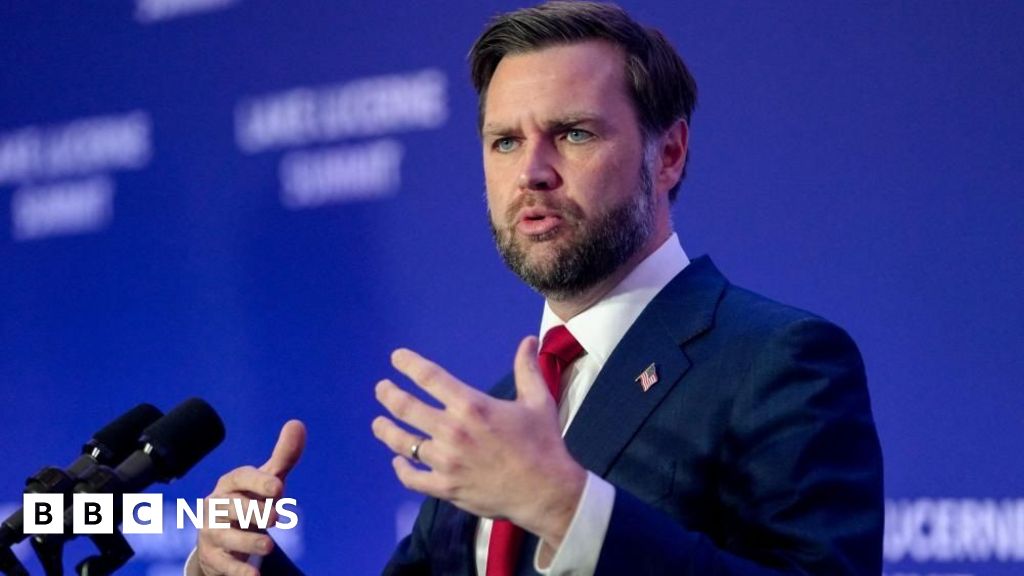
Iran’s foreign ministry says it made “no new commitments” on nuclear inspections after talks in Switzerland.

Fitness sector cautiously optimistic as Andy Burnham aims to be PM

Why agentic enterprises need to become learning systems

Met Office names all the Scottish areas facing heavy rain in hours


-

 Fashion3 days ago
Weekend Open Thread: Miami – Corporette.com
-

 Tech6 days ago
The Adder At The Heart Of Intel’s 8087 FPU
-

 Entertainment2 days ago
Renter of Home in Anne Heche Crash Denies Settlement With Son
-

 Tech13 hours ago
Microsoft accidentally kills epic Outlook email threads
-

 Business2 days ago
Soccer-U.S. defends Iran World Cup travel restrictions, says discussions ongoing
-

 Politics4 days ago
BBC Reporter Discusses Cross Party Criticism Of Trumps Iran Deal
-
 Business3 days ago
Wall Street Week Ahead: Investors see Micron earnings as pulse check of AI rally momentum
-

 Tech4 days ago
AWS enters the context layer race with a graph that learns from agents, not manual curation
-

 Crypto World3 days ago
HIVE shares jump as $220M AI deal speeds Bitcoin mining pivot
-
 Crypto World3 days ago
Can Charles Hoskinson Really Rescue Cardano?
-

 Crypto World3 days ago
Jake Chervinsky accuses CME of protecting derivatives monopoly
-

 Tech6 hours ago
Nearly 7,000 fake Amazon domains registered ahead of Prime Day 2026, researchers warn
-

 Business2 days ago
MHP SE 2026 Q1 – Results – Earnings Call Presentation (OTCMKTS:MHPSY) 2026-06-20
-

 Sports4 days ago
FIFA World Cup 2026: Canada beat 9-men Qatar 6-0 to register first ever win | FIFA World Cup 2026
-

 Politics3 days ago
Andy Burnham and the meaning of Makerfield
-
 Tech2 days ago
Signal’s Meredith Whittaker says AI chatbots ‘are not your friends’ and calls Copilot agents a backdoor
-

 Business4 days ago
Brexit cost 6% of UK economy, Bank of England company data suggests
-

 Crypto World5 days ago
Anthropic’s Dario Amodei Urged AI Unity at G7, Even as US Banned His Models
-

 Crypto World7 days ago
Robinhood opens AI-powered trading to all users, sending HOOD stock past $100
-

 Tech5 days ago
Weeks Of In-The-Field Testing And A Verdict
You must be logged in to post a comment Login