




Connect with us

Business

ASEAN’s Digital Economy Pact: Can Consensus Unite 11 Nations

Published

on

The Environmental Cost of AI’s Gold Rush

The ASEAN Digital Economy Framework Agreement (DEFA), finalized in May 2026, aims to harmonize digital trade, e-commerce, data governance, and cybersecurity across 11 diverse nations. Once signed and implemented, DEFA could significantly boost the region’s $2 trillion digital economy by simplifying cross-border transactions and reducing compliance costs, particularly for small businesses. The pact future-proofs by including emerging technologies like AI. DEFA’s success hinges on inclusive implementation and national legislation, with the potential to make ASEAN a unified digital market and a global “digital lighthouse” for responsible digital policy.

ASEAN is building a $2 trillion economy with more than 680 million consumers, but its digital market remains fragmented. DEFA is an attempt to turn ASEAN’s 11 national markets into something closer to one regional digitally-savvy market. Uniquely, it was negotiated by members ranging from Singapore’s advanced economy to Vietnam’s one-party system, making it a compelling test of inclusive governance.

Building consensus and ensuring inclusion

Consensus has been built into the region’s DNA since the ASEAN Charter, signed in November 2007, codified the region’s diplomatic rules and listed the key principles and purposes of the group. But members can also opt out of certain commitments – ASEAN minus X – which allows countries to operate at different readiness levels. This flexibility may be criticized by some as a weakness, but it allows progress among countries with very different starting points.

Participants in DEFA negotiations may or may not use the ASEAN minus X formula, but its availability provides room for nations that need support and time. Consultative discussions and capacity-building are particularly important for smaller businesses seeking to reap DEFA’s benefits.

Advertisement

Source link

Continue Reading
Click to comment

You must be logged in to post a comment Login

Leave a Reply

Business

Bitcoin's Bear Is Ready For Hibernation

Published

on

Bitcoin's Bear Is Ready For Hibernation

Bitcoin's Bear Is Ready For Hibernation

Continue Reading

Business

Ex-chair, Lindian Resources dispute drags in court

Published

on

Ex-chair, Lindian Resources dispute drags in court

A former chair’s action against Lindian Resources has dragged on in the WA Supreme Court after the latter failed to file documents by the imposed deadline.

Continue Reading

Business

Wells Fargo upgrades Portland General Electric stock rating on holding company benefits

Published

on


Wells Fargo upgrades Portland General Electric stock rating on holding company benefits

Continue Reading

Business

Why vaccination rates are falling in the U.S.

Published

on

Why vaccination rates are falling in the U.S.

Vials of measles-mumps-rubella vaccine are displayed on a counter at a Walgreens Pharmacy in Mill Valley, California, Jan. 26, 2015.

Justin Sullivan | Getty Images News | Getty Images

Record measles cases and rising childhood vaccine exemptions in the U.S. have fueled concerns that Americans are increasingly turning against vaccines.

Advertisement

But the reality may be more complicated than that. 

The biggest challenge for public health officials trying to contain deadly diseases may not be widespread anti-vaccine sentiment or the influencers and political figures who spread it. Only a small share of Americans indicate they firmly believe common myths about the shots, according to a survey released in July by health policy research organization KFF. 

Many other Americans fall into a large, uncertain middle ground — neither firmly pro-vaccine nor staunchly opposed — where they have questions or anxieties about shots and may be susceptible to conflicting messages about their safety and effectiveness.

KFF presented adults with four common vaccine myths. Fewer than 1 in 10 respondents said each claim was definitely true. But at least half fell into a gray area, saying the claims were either “probably true” or “probably false.” 

Advertisement

“What’s more true is a lot of people are confused,” Drew Altman, KFF CEO and founding president, said in an interview. “They don’t know who to believe, they don’t know what to believe, and that means that a lot of America is stuck in the middle, unsure and they’re up for grabs.”

That uncertainty could pose a growing public health hazard as the Trump administration reshapes federal vaccine policy and health officials grapple with declining immunization rates for some shots. Vaccine misinformation has a larger megaphone than ever with Trump in the White House: Earlier this month, without evidence, he linked the measles-mumps-rubella vaccine to autism, as he called for splitting the routine childhood immunization into separate shots.

People who are confused about vaccines may become “paralyzed” and delay or avoid decisions such as whether to immunize their children, Altman said.

The majority of Americans still get themselves and their children vaccinated, but “even little dips in that coverage could lead to more of a highly contagious virus like measles circulating,” said Jess Steier, a public health scientist and founder and CEO of Unbiased Science, which specializes in making complex scientific concepts understandable.

Advertisement

Still, she emphasized that while people with questions about vaccines may be susceptible to misinformation, they can also be reached through clear, evidence-based information and conversations with trusted healthcare providers. 

“Uncertainty can resolve once people have time, information and access,” she added. 

Why people are uncertain about vaccines

Vaccine hesitancy is much more complicated than outright opposition to vaccines, Steier said. Social media and the current political environment only fuel more of the confusion, she added. 

People are often exposed to emotionally charged, alarming content online because social media algorithms tend to amplify it, Steier said. As a result, many people are encountering conflicting messages about vaccines and struggling to determine which sources are trustworthy. Rather than being firmly anti-vaccine, many are simply overwhelmed by competing information, she said. 

Advertisement

Some of that messaging comes from political leaders such as Trump and Health and Human Services Secretary Robert F. Kennedy Jr., which makes the challenge facing other public health officials tougher. Kennedy has frequently said that he is not “anti-vaccine,” but he has a well-documented history of spreading scientifically inaccurate information around vaccine safety and efficacy.

Secretary of Health and Human Services Robert F. Kennedy Jr. speaks during a press conference at the Health and Human Services headquarters in Washington, Feb. 23, 2026.

Nathan Howard | Reuters

Based on years of reviewing comments, questions and survey responses from people engaging with Unbiased Science’s social media platforms, Steier developed a framework for understanding vaccine hesitancy. 

Advertisement

She identifies five broad groups: “Lost” people who are confused by conflicting information and don’t know whom to trust; “Anxious” people who fear side effects; “Naturalists” who prefer natural immunity and are skeptical of medical interventions; “Distrusters” who are broadly suspicious of institutions such as government, medicine and pharmaceutical companies; and “Shruggers,” who aren’t opposed to vaccines but don’t view them as a priority or necessary for themselves.

Steier noted that while those are major factors driving vaccine hesitancy, people likely won’t “cleanly fall into one of these buckets.” 

Dr. Lori Handy, an attending physician and associate director of the Vaccine Education Center at Children’s Hospital of Philadelphia, agrees. 

“What we actually find is that individuals don’t bucket as nicely as we want because the factors that play into either having questions or having hesitancy about vaccines are really complex and are coming together as this combination of social factors, religious factors, access factors and who’s on their Instagram feed,” she said in an interview. 

Advertisement

Some people’s beliefs about one vaccine may not even transfer over to another shot at times, Handy added. 

Andrew, a 19-year-old from Pennsylvania who asked that his last name be omitted for privacy, said his family is the primary reason why he has not yet received any vaccines. He said several factors shape his family’s skepticism about immunization: misinformation, distrust of the healthcare industry and the government, and their religious background. 

He said he grew skeptical of his family’s vaccine positions over time and eventually researched immunizations, which helped him “know the reality better” and decide to start getting vaccinated. He said he’s “fairly certain” he’ll get caught up on all the major vaccines over the next few months.

He said he still has a few concerns about vaccines, such as potential side effects, but noted that the bigger issue at hand is the conflict his decision could create within his family.

Advertisement

Measles cases rise, childhood vaccinations fall

A sign that says “measles testing” is seen during an outbreak in Gaines County, Texas, that has raised concerns over its spread to other parts of the state, in Seminole, Texas, Feb. 25, 2025.

Sebastian Rocandio | Reuters

Many Americans are uncertain about vaccines at a time when the U.S. is seeing record cases of measles, potentially heightening the risk to public health. 

The U.S. has so far reported 2,566 confirmed measles cases and 38 new outbreaks across 47 jurisdictions this year, marking a 35-year high that surpasses 2025’s previous multidecade record, according to data released this month from the Centers for Disease Control and Prevention. More than 93% of the infected individuals are unvaccinated or have an unknown vaccination status, the agency said. 

Advertisement

At the same time, U.S. childhood vaccination rates have inched down to about 92% for kindergartners, while nonmedical exemptions reached a record high of 4.2% during the 2025-2026 school year, the CDC said this week. Those exemptions — the majority of which are for non-medical reasons — represent an estimated 155,000 children nationally.

This postpandemic decline in both figures leaves some communities vulnerable and could help fuel the resurgence of preventable illnesses such as measles.

“This is one of those really terrifying things about certain infectious diseases — they are just so spreadable in so many areas, and when you have a high population of unvaccinated individuals, they will inevitably get infected when they encounter that virus,” Steier said. 

Handy said hesitancy around the measles vaccine dates back to 2000 or even earlier. She cited a publication, which has since been retracted, that tried to link the measles-mumps-rubella, or MMR, vaccine to autism despite studies repeatedly proving that there is no relationship. 

Advertisement

Still, that unfounded claim has continued to make some parents question the MMR shot, Handy said. Over the last two to three years, political leaders have further added to that skepticism by questioning the measles vaccine and attempting to change recommendations around it. 

Trump this month signed an executive order that suggests splitting the MMR shot, falsely claiming that the combined version is “quite lethal” and tying the vaccine and other jabs to autism. That type of rhetoric “makes parents less and less likely to vaccinate their child because they are seeing individuals in a position of authority who do not endorse it,” Handy said. 

While the infectious disease and pediatric communities still strongly recommend the measles vaccine due to its safety record, some parents trust different authorities, she added. 

“All of a sudden, vaccine science has become a political issue or a partisan issue in a way that we’ve never seen before, and it is really, really challenging to be part of the American public and not know which message to trust because we are seeing different messages come out from the government, from our healthcare providers, from different health authorities, and people really have to then decide,” Handy said. 

Advertisement

Approaching hesitant individuals

Health experts said that addressing vaccine-hesitant people starts with listening rather than lecturing. 

“We’ve been a bit more paternalistic in the past, where we tell people things versus listening first and understanding why they might be hesitant or what questions they have,” Steier said. “A lot of this, in my opinion, centers on listening first, understanding what’s driving the hesitancy, not dismissing these things outright.”

Instead of dismissing social media as a source, providers should acknowledge that many people rely on platforms such as TikTok for health information and then help them compare that information with evidence from trusted medical sources, Handy added. 

The goal is to have an open conversation that addresses individual fears and helps people better evaluate the information they see, she said. 

Advertisement

Handy also argued that vaccines have become victims of their own success. 

Because diseases such as measles were largely eliminated for decades, many parents have never seen the illness firsthand and don’t view it as a serious threat. As a result, the perceived risk of the disease is lower than the perceived risk of the vaccine, she said. 

“We’re in a different period with a different risk profile that people need to understand for their child,” Handy said. “Let’s revisit this question that parents may have because times have changed, and we need to really keep their child safe.” 

Choose CNBC as your preferred source on Google and never miss a moment from the most trusted name in business news.
Advertisement
Continue Reading

Business

WRU should welcome scrutiny on its plans to cut a rugby region

Published

on

Business Live

if Welsh rugby truly belongs to its clubs, players and supporters, then those entrusted with running it have a responsibility to be open and transparent about the evidence behind decisions

Welsh rugby is at war

Welsh rugby team.(Image: Getty Images)

After over two decades of writing for the Western Mail, I don’t normally do two consecutive columns on the same subject, but the last few days have been momentous for the game we love – Welsh rugby.

Over the past week, the crisis over its future has intensified, with former internationals, regional representatives, supporters and prominent business figures questioning both the WRU’s three-region strategy and the board’s ability to implement it.

Calls have been made for board members to stand down, and, as this column emphasised last week, for the financial evidence underpinning the decision to be released.

The WRU responded by condemning “personal attacks” on its board and, whilst any genuine abuse is clearly unacceptable, none was evident in the public statements made by prominent critics such as Hayley Parsons and Jonathan Davies, or by those of us asking the WRU to release its evidence.

Advertisement

More importantly, though, the union insisted there is “no realistic prospect” of generating enough money to fund four competitive professional teams beyond 2028 and said criticism must be accompanied by credible alternatives. That is a reasonable standard until one considers that the detailed financial and sporting information needed to test this conclusion remains largely within the WRU itself, as I emphasised in my last article.

Yet despite these constraints, detailed alternatives are emerging that deserve serious examination. One I have recently read is “Built to Win: A Business and Sporting Turnaround Plan for Welsh Rugby”, a framework developed by a Welsh entrepreneur with extensive experience in business turnaround, financial restructuring, and commercial dealmaking.

Welsh rugby cannot afford to be so precious about who saves it

Interestingly, its central thesis is that Welsh rugby’s fundamental problem may not be the number of professional teams but an operating model in which governance, ownership, central costs, regional funding, player development and commercial activity have become fragmented and poorly aligned.

The real challenge it poses to the WRU is therefore not simply to retain four teams, but to reform the operating system and then retest whether three or four regions represent the best sustainable structure. That distinction matters as moving from four teams to three may provide additional funding for each surviving licence, but it does not automatically reduce central bureaucracy, improve coaching, repair the player pathway or eliminate duplicated functions.

Advertisement

One of the main proposals in Built to Win is to separate the community and professional games through a Welsh rugby amateur foundation that would protect club democracy and govern grassroots rugby, while a professionally appointed Wales rugby board would oversee the stadium, elite teams, commercial rights and high-performance system.

It also proposes centralising shared services such as finance, procurement, technology, data, sponsorship and customer management, while retaining regional responsibility for rugby delivery, identity and community engagement. It also proposes independent financial oversight, transparent procurement, published performance indicators, stronger player and coach pathways and an integrated commercial strategy.

At this stage, it is not a finished business case, and nobody should pretend otherwise as its financial projections are illustrative, its sporting proposals require expert validation and some of its structural recommendations could be difficult to deliver.

Nevertheless, it is already a credible alternative framework that challenges the WRU’s assertion that no realistic route exists to sustaining four competitive professional teams beyond 2028. Whilst it does not prove that four teams are financially viable, it shows the question should be tested independently rather than treated as settled.

Advertisement

So what should happen now? There is no reason why an independent adviser should not be given controlled access to the WRU’s departmental costs and headcount, cash flow, debt commitments, regional funding flows, stadium economics and major commercial and lending agreements. Comparable information would also be required from all four regions, including their income, operating costs, debts, shareholder loans, property obligations and restructuring liabilities.

The existing four-region structure could then serve as the financial and performance baseline against which three alternatives are tested: the WRU’s proposed three-region model and the reformed Built to Win operating model with either three or four teams. Each should be assessed using identical assumptions under base, downside and severe-downside conditions and the independent adviser could then publish the methodology, common assumptions, comparative results and conclusions without disclosing sensitive material.

Such an appraisal should also consider how the Welsh Government and local authorities could support facilities, community participation and shared infrastructure where these contribute to public health, youth engagement, social cohesion and regional economic development, although this should not mean using public money to underwrite professional teams’ recurring losses.

The same should apply to any other credible model as Built to Win is not the only alternative being developed. Indeed, another Welsh entrepreneur spoke to the Western Mail earlier this week about a separate strategy more explicitly focused on retaining four professional teams alongside reform of WRU expenditure, governance and the player pathway.

Advertisement

The existence of both these alternative strategies (and there may be others) reinforces the central point that the choice is no longer simply between the WRU’s three-region proposal and preserving the present, unsuccessful structure.

What is not acceptable is for the WRU to determine which financial information is released, maintain control over the assumptions underpinning its preferred conclusion and then dismiss alternatives because those outside the organisation cannot produce a fully costed business case without access to the same underlying evidence.

That is not a fair test of credibility but a closed shop in which only the WRU can meet the standard it has established. If the WRU is correct and four professional teams cannot be sustained under any credible reformed structure, then an open appraisal of the alternative strategies would strengthen its case and give difficult decisions greater legitimacy. If it is unwilling to subject its conclusion to that test, people will reasonably ask whether the evidence is as definitive as its public statements suggest.

The central question is no longer whether the existing four-region model is working, but whether its failure stems primarily from the number of teams or from the system surrounding them. Those responsible for our national game should welcome an independent comparison of every credible option to ensure that Welsh rugby secures the best possible long-term outcome, rather than simply the one that appears most convenient today.

Advertisement

Most importantly, if Welsh rugby truly belongs to its clubs, players and supporters, then those entrusted with running it have a responsibility to be open and transparent about the evidence behind decisions that will shape everyone’s game for generations.


Continue Reading

Business

Why New Jersey real estate is outperforming the rest of the country

Published

on

Why New Jersey real estate is outperforming the rest of the country

For decades, outsiders joked about New Jersey being little more than a turnpike connecting New York and Philadelphia.

But with the Garden State recently named the second-best state to live in America — boasting strong schools, relatively low household debt and thriving coastal hubs — the secret is officially out. As national home sales stall, New Jersey’s unique mix of high-paying tech jobs, year-round beach towns and suburban “metroburbs” has transformed it into one of the nation’s leaders in home price growth.

Advertisement

“I think at the end of the day, it comes down to fundamentals, which is, is this a great place to live, a great place to work, a place to raise my family, to live out my life? And New Jersey has so much going for it,” Inspired by Somerset Development CEO and President Ralph Zucker told Fox News Digital.

“You have a little bit of everything, and we’re close to everything. We’re close enough to New York, close enough to Pennsylvania, but we’re no longer a place to connect New York and Philadelphia,” he continued. “New Jersey has very much come into its own, and really it’s always been there, but the secret is out.”

$150K OVER ASKING ISN’T ENOUGH: N.J. REAL ESTATE AGENT WARNS ‘AVERAGE PERSON’ IS BEING PRICED OUT

“I’ve lived in New Jersey all of my life,” longtime Asbury Park resident Karen Nelson also told Fox Digital. “I love everything about New Jersey… It’s just a convenient place to live, and it’s beautiful to live down the shore.”

Advertisement
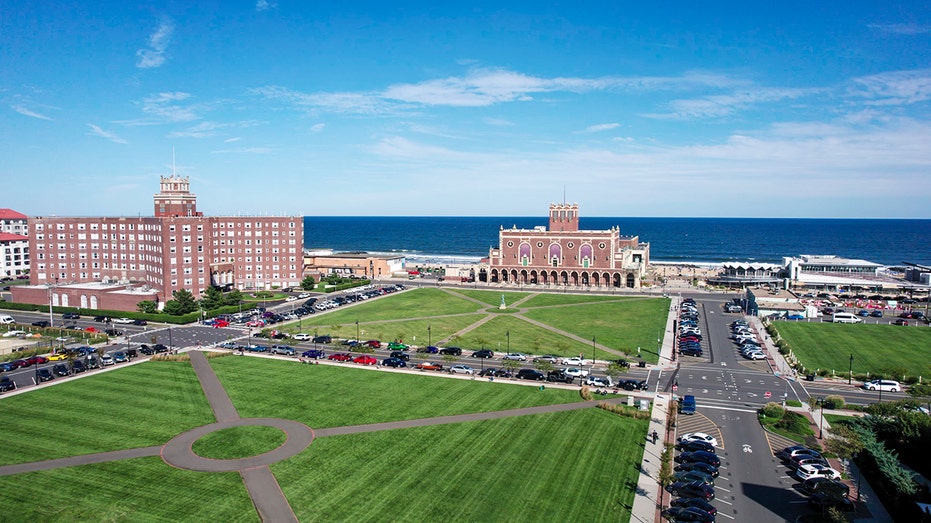
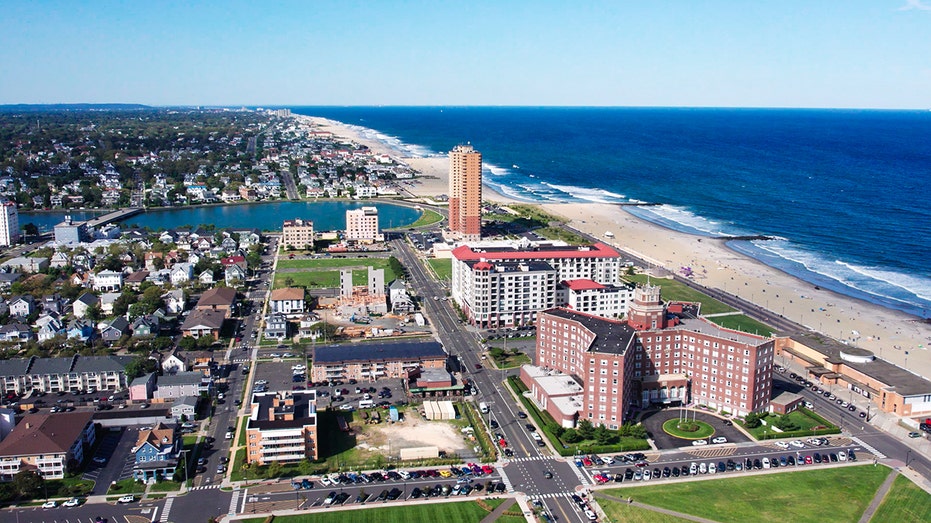
Asbury Park, New Jersey, condos and boardwalk

Asbury Park has become an “all-year round” destination to live, work and play, according to Ralph Zucker and Karen Nelson. (Getty Images)

Data released in July by New Jersey REALTORS showed statewide median home prices ranging between $540,000 and $585,000, reflecting a year-over-year increase of roughly 4.5% to 5.4%. Last week, WalletHub’s 2026 ranking of the best states to live in ranked New Jersey at No. 2, citing its low premature death and obesity rates, among other factors.

Zucker has spent more than 30 years developing residential and commercial spaces in New Jersey, and his firm has more recently leaned into the development of “metroburbs” — suburban spaces that don’t sacrifice urban culture — and changing workplace dynamics.

Bell Works in Holmdel, which Zucker bills as the world’s first “metroburb” and became famous as a filming location for Apple TV’s “Severance,” was 98% leased as of 2025, according to Zucker, who said rental rates have nearly doubled since 2020.

“We coined the term literally to say that you can have a great metropolis in an awesome suburban location. You can have your cake and eat it, too,” he said. “If we could create that metropolis in suburbia… without the commute, without the heartache, without all the stress that comes with getting in and out of, quote unquote, the city or downtown, we would have more subscribers than we could imagine, and that’s exactly what happened.”

Advertisement
Asbury Park buildings and green space

Asbury Park was founded in 1871 and has an approximate population of just over 15,000 residents. (Getty Images/stock / Getty Images)

“It took time for people to recognize it,” Zucker said. “People understand the ‘metroburb’ model. They understand what it is to be in a great, inspiring place. Our entire methodology is: work inspired. You don’t have to work in a mind-numbing place. You can work and be inspired at the same time. You could live your life at work.”

Beyond changing workplace dynamics, some Jersey Shore communities, including Asbury Park and other parts of Monmouth County, have increasingly attracted year-round residents rather than only seasonal vacationers. Some Monmouth County shore towns have seen year-over-year home-price appreciation between 6% and 10%, according to Zucker, outpacing parts of Florida where prices have declined in some markets.

“A lot of people, especially when they retire, they go to Florida, and I’m not really a Florida type of person, and I know a lot of people do the half-and-half, which I thought about, but I love Asbury all year-round,” Nelson explained. “It’s become more of an all year-round kind of place. So [I’m] happy here.”

“I think it’s actually just going to get better. People want to be here, and a lot of new businesses are evolving, restaurants, and everybody wants to be in Asbury,” she added. “So I think it’s just going to be bigger and better. So I’m actually looking forward to the future of this town. We just went to a brand-new restaurant last night. We have reservations for another new restaurant next week. I think in a couple of years, it’s even going to be better.”

Advertisement
Asbury Park, New Jersey, ocean industrial view

Asbury Park is part of the Jersey Shore, located in Monmouth County. (Getty Images/stock / Getty Images)

After living in Asbury Park for 17 years, Nelson recently purchased a preconstruction unit at LIDO Asbury Park, a project for which Inspired by Somerset Development secured $211 million in construction financing. A penthouse at the development sold for $7.6 million, setting a record for the most expensive condominium sale in New Jersey.

Nelson also said that buying a preconstruction unit can allow buyers to bypass competitive open-market bidding wars and lock in a purchase price before the home is completed.

“With LIDO, the prices were the prices. So there wasn’t any kind of bidding war in that market because it was new construction. I just recently sold my place. So it didn’t end up in a bidding war, but I got close to ask,” Nelson said. “But a lot of places right now, they’re going way above market. Which is nice. But [at] LIDO, I’m secure in my purchase price now, even though it’s still a year and a half out.”

“I think the big thing to remember is when you are buying new construction, you are securing that price, so you don’t have to worry… You’re still locking into that price,” she continued. “So that’s a big thing because the market right now is going to continue to escalate. Who knows where it’s going to be?”

Advertisement
Aerial view of Asbury Park in New Jersey

An aerial view of Asbury Park in Monmouth County, New Jersey. (Getty Images / Getty Images)

Amid concerns that new development is pricing some buyers out of parts of Monmouth County, Zucker argues that high property taxes and elevated interest rates remain major financial hurdles for Garden State buyers and that municipal zoning bottlenecks and lengthy government approval timelines suppress housing inventory.

“Restricted government policies raise the pricing… Builders, developers… We aim for public good,” the CEO said. “I will proudly say that the way I make a living is by making great places for great people, but I do it as a business. So the less impediments that government puts in my way while making sure that I do my job correctly with the right professionals will actually increase supply and lower the price to the consumer.”

GET FOX BUSINESS ON THE GO BY CLICKING HERE

“The best way to protect the public interest and, at the same time, allow proper development to proceed at a better pace is to allow qualified professionals to do their job,” he continued. “Government can protect the public and, at the same time, accelerate and not cause the cost associated with long and arduous application process, inspection processes that do nothing to protect the public, do everything to slow the process down and increase the cost to the consumer.”

Advertisement

“People are going to tell you in real estate, as a developer, focus on the bottom line. And I’m telling you, focus primarily on the end user, on the people. Also, focus on the bottom line — if you do that, you’ll be successful both at creating great places and being profitable. And I think that’s an important distinction.”

READ MORE FROM FOX BUSINESS

Continue Reading

Business

New York unseats San Francisco as top market for tech talent: CBRE

Published

on

New York unseats San Francisco as top market for tech talent: CBRE

The Empire State Building, the Chrysler Building and One Vanderbilt are seen among other buildings in midtown Manhattan in New York, Jan. 11, 2024.

Angela Weiss | Afp | Getty Images

A version of this article first appeared in the CNBC Property Play newsletter with Diana Olick. Property Play covers new and evolving opportunities for the real estate investor, from individuals to venture capitalists, private equity funds, family offices, institutional investors and large public companies. Sign up to receive future editions, straight to your inbox.

Advertisement

It should come as no surprise that the number of artificial intelligence-specific tech workers is growing rapidly, and the effect of this growth on regional office markets is substantial. For the first time, New York’s office market is home to the most tech workers, thanks in large part to AI, according to a new report from CBRE.

New York’s 394,300 tech talent jobs edged out the San Francisco Bay Area’s 375,730 jobs, CBRE found. The report analyzes tech-specific workers in 75 metropolitan markets in the U.S. and Canada. It’s the first time New York has taken the lead in the 13 years of this analysis. 

“The story there is that there’s been cuts in the Bay Area, so the tech industry has contracted the size of the tech talent workforce, and the finance sector [in New York] has hired a lot of tech talent and a lot of AI workers,” said Colin Yasukochi, executive director of CBRE’s Tech Insights Center in San Francisco.

For both the U.S. and Canada, AI tech roles grew by 45% in the past year, with San Francisco and New York each adding more than 20,000 AI-specific jobs since mid-2025, according to CBRE. 

Advertisement

As of June, there were 751,000 AI-related workers across the two countries, the report found. Those include both new jobs and conversions from existing jobs. AI-related roles now account for nearly one-third of all tech-talent job listings in the U.S., per the findings. 

By market, 37% of AI jobs in the U.S. are in the San Francisco Bay Area, New York, Seattle and Washington. While New York leads in overall tech talent, San Francisco still leads in AI, specifically.

In Canada, there is greater concentration of AI employment, with 60% of those jobs based in Toronto, Montreal and Vancouver.

Office leasing is rising accordingly in those markets where AI workers are most in demand. 

Advertisement

Get Property Play directly to your inbox

CNBC’s Property Play with Diana Olick covers new and evolving opportunities for the real estate investor, delivered weekly to your inbox.

Subscribe here to get access today.

In San Francisco, AI companies made up 58% of all leasing in the first half of this year and have accounted for 30% of leasing activity, totaling about 10 million square feet, since 2023, according to CBRE.  

While overall tech drove the Bay Area’s office market over the past few decades, the pandemic pushed many of those workers to remote jobs. AI, however, has a more office-centric culture and is now fueling the market’s recovery. 

Advertisement

“It’s more of the sort of startup innovation culture that we’ve seen, where people are in the office [a] minimum of four, but usually like five or six days a week,” said Yasukochi. “Through this whole innovation process, being together and working in person is just much more efficient and innovative.”

In addition to San Francisco, AI leasing activity is concentrated most in Manhattan, Boston and Seattle, according to CBRE.

There was concern that AI would reduce head counts, and consequently the need for office space, but in the short term, at least, that has not been the case. 

“It basically changes jobs and creates new jobs, more so than it eliminates,” said Yasukochi, pointing specifically to the finance sector. 

Advertisement
Choose CNBC as your preferred source on Google and never miss a moment from the most trusted name in business news.
Continue Reading

Business

Odfjell SE (ODJBF) Q2 2026 Earnings Call Transcript

Published

on

OneWater Marine Inc. (ONEW) Q1 2026 Earnings Call Transcript

Harald Fotland
Chief Executive Officer

Good morning to all of you, and welcome to Odfjell’s presentation of our second quarter results. We will follow an agenda, which should be well known to all of you. I will take you through the highlights, and then my colleague, Terje Iversen, will present our financial performance. And finally, I will conclude this presentation with an operational review, market update and the prospects going forward.

So if we then turn to the highlights, we start with safety. We have seen a very volatile environment this quarter, but I’m still very satisfied to report that our strong safety performance continued throughout the quarter. I’m equally happy to say that our 4 Odfjell vessels that were trapped inside the Middle East Gulf have all safely left the region. And this is due to a fantastic cooperation between the people on board our ships and also onshore on different locations. We are presently not considering to send vessels through the Strait of Hormuz.

If we then turn to our financial performance, we delivered time charter earnings of USD 195 million. This is up from USD 167 million in the previous quarter. Our average time charter earnings per day was USD 29,486. This is also up from USD 27,232 in the first quarter. And this reflects the stronger spot market that we have observed during the quarter. Our EBIT was USD 69 million. This compares to USD 46 million. The net result contribution from Odfjell Terminals was USD 1.8 million, which compares to USD 2.3 million in the previous quarter.

Advertisement

And summarized, this concludes a net result of USD 54 million in

Continue Reading

Business

Dentsu Group Inc. (DNTUY) Q2 2026 Earnings Call Transcript

Published

on

OneWater Marine Inc. (ONEW) Q1 2026 Earnings Call Transcript

Takeshi Sano
Representative Executive Officer, President, Director & Global CEO

Good morning, and good afternoon. This is Takeshi speaking. Thank you for joining Dentsu’s Fiscal Year 2026 Second Quarter Earnings Call. Today, Shigeki, our Global CFO, and I will be giving the presentation. I will begin with a business and strategic update, followed by an overview of our consolidated financial results by Shigeki. Then I will provide an update on our midterm management plan before opening the floor for Q&A. Please refer to our English website for today’s materials.

I will explain our performance for the 3 months of the second quarter. As we anticipated in February, consolidated organic growth was broadly flat, while operating margin was 11.9%, slightly above expectations.

By region, Japan exceeded expectations, delivering strong organic growth of 5.4%, making its 13th consecutive quarter of solid growth. Notably, net revenue reached a record high. Americas was slightly below expectations with an organic decline of 6.9%. Creative continued to be significantly affected by client loss in the previous year. However, with SG&A expense control in place, operating margin was as expected.

Advertisement

EMEA was in line with expectations, recording flat organic growth, while Media maintained positive growth.

Operating margin improved year-on-year to 13.2%. APAC was also in line with expectations. The second quarter’s organic growth improved to broadly flat from an organic

Advertisement
Continue Reading

Business

The teen entrepreneur transforming farm management

Published

on

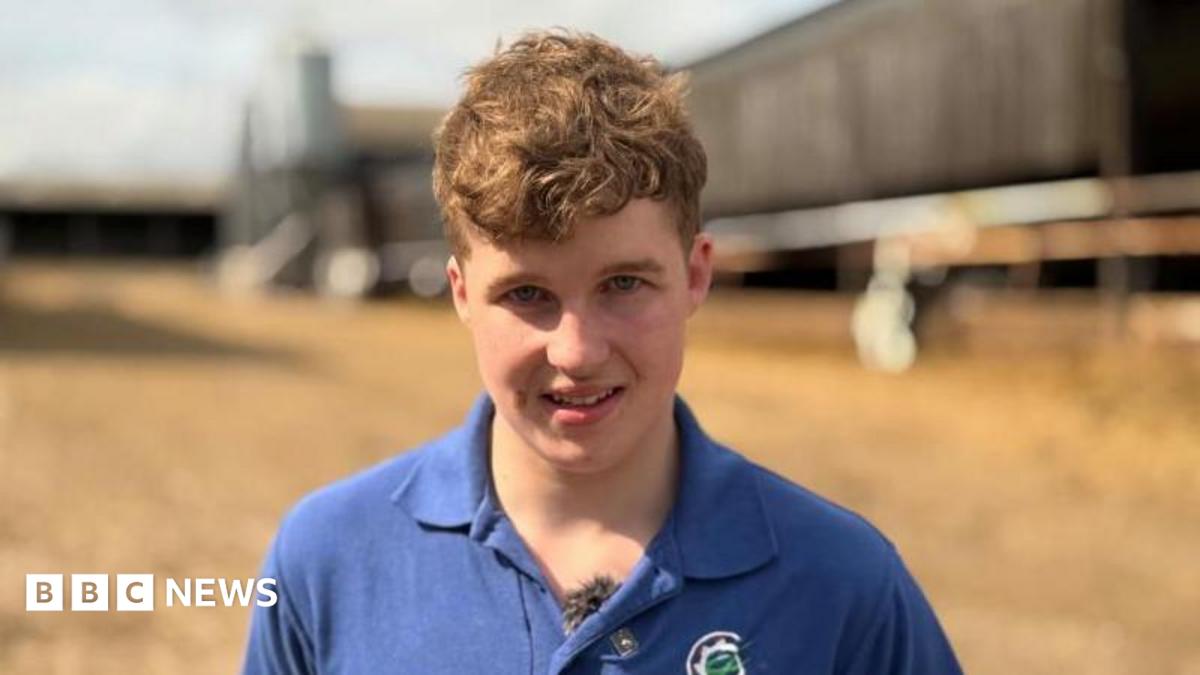
A young man is on a farm. There are sheds in the background.

O’Connor noticed the impact on his father and brother when the family made the switch from beef to dairy farming two years ago.

“It is a lot different – it’s rigid – you start milking in the morning, you have to milk in the evening. There’s not as much flexibility,” he said.

He also became more conscious of the paperwork and level of compliance involved in running a dairy operation.

Farmers in Northern Ireland work an average of 65 hours a week.

Advertisement

O’Connor said there was “a whole side of farming that the general public don’t see”, where farmers have late nights alone, completing jobs on the farm or filling in paperwork.

The app was developed with the idea of giving farmers more time with their families by making the business more manageable.

A campaign – the Empty Table – has been launched with the app to raise awareness of the effort that goes into producing food.

“I love to solve problems,” O’Connor said.

Advertisement

“So I wanted to set up FarmFlow to sort of solve problems on our own farm and try and make it more efficient.

“I love keeping things on time and stuff.”

Continue Reading

Trending

Copyright © 2025