
Connect with us

Business

Asia-Pacific Poverty Threatens 2.3 Billion Well Beyond the Poorest Nations

Published

on

Extreme poverty in the Asia-Pacific region has declined but inequality remains high, says OECD
  • Poverty in Asia and the Pacific extends well beyond the region’s least developed economies, with close to half the regional population — roughly 2.3 billion people — either living in poverty or at risk of falling into it. Middle-income countries account for a significant share of this vulnerability, challenging assumptions tied to GDP growth alone.
  • The forthcoming 2026 Social Outlook for Asia and the Pacific highlights that external shocks, including energy and food price disruptions linked to conflict in Western Asia, threaten to push vulnerable populations back into poverty. Researchers and officials involved argue that political will, not evidence, remains the primary obstacle to scaling proven social protection policies.

There is a comforting myth that poverty in Asia and the Pacific is a story about the region’s least developed economies. The assumption goes that if we can just lift the poorest nations, the job is largely done. 

The groundwork being laid for the 2026 Social Outlook for Asia and the Pacific, now being reviewed by experts from academia, research institutions, UN agencies, and governments, tells a far less comfortable story.

Poverty, it turns out, does not respect the tidy boundary between “developing” and “developed” economies. Hundreds of millions of people living in moderate poverty or at risk of falling into it are found not in the region’s poorest states, but inside its middle-income countries, economies often celebrated for their growth statistics. 

Taken as a whole, close to half the region’s population, some 2.3 billion people, are either currently poor or perilously close to it. Widen the lens beyond income to the things that actually determine whether a life is lived with dignity, such as health, nutrition, education, and basic living standards, and the count of those experiencing poverty across multiple dimensions still exceeds 500 million.

Fragility Behind the Statistics

  • Extreme poverty persists: 150 million people in the region still live in extreme poverty .
  • Poverty is widespread beyond low‑income countries: Hundreds of millions in middle‑income economies remain in moderate poverty or vulnerability .
  • Nearly half the region is poor or vulnerable: 2.3 billion people—close to 50% of the population—are either poor or at risk of falling into poverty .
  • Multidimensional poverty is severe: Over 500 million people are poor when considering health, nutrition, education, and living standards, not just income

These are not abstractions. They are a statement about how fragile prosperity in this region really is. A family that has technically crossed an income line on a chart can still be one bad harvest, one medical bill, or one lost job away from falling back below it. 

The Pact for the Future, which the international community has already endorsed, states plainly that eradicating poverty in all its forms remains an indispensable condition for any development that claims to be inclusive or sustainable. 

Advertisement

It is easy to nod along to language like that in a UN document. It is harder to reckon with what it demands: that policymakers stop treating poverty reduction as a problem solved once GDP crosses a threshold, and start treating vulnerability itself as the target.

That demand has taken on new urgency in 2026. The crisis unfolding in Western Asia has already begun rippling outward, disrupting energy markets and fertilizer supply chains far beyond the immediate conflict zone. 

For a region where thin margins separate the vulnerable from the poor, shocks transmitted through the price of fuel or food are not a distant risk. They are a direct channel through which instability on one side of a continent becomes hunger and hardship on the other.

Evidence Exists. Will Is the Missing Piece

What is encouraging is that the officials and researchers shaping the next Social Outlook are not simply cataloguing the scale of the problem. 

Advertisement

They are being asked, deliberately, to draw out lessons and good practices, meaning the social development policies that have actually worked to reduce poverty across the region, and to sharpen them into concrete recommendations. 

That is the right instinct. The region does not lack evidence about what works. It lacks the consistent political will to scale those solutions before the next shock arrives.

The test of the 2026 Social Outlook will not be how accurately it documents the crisis. It will be whether the governments reading it treat the 2.3 billion figure not as a statistic to footnote, but as a mandate to build social protection systems robust enough to survive contagion from wars they did not start, energy shocks they did not cause, and price spikes they cannot control. Anything less simply manages poverty. It does not eradicate it.

Advertisement
Continue Reading
Click to comment

You must be logged in to post a comment Login

Leave a Reply

Business

Hargreaves Services hails highest pre-tax profits in 12 years

Published

on

Business Live

The diverse, North East-based group published full year results to the London Stock Exchange

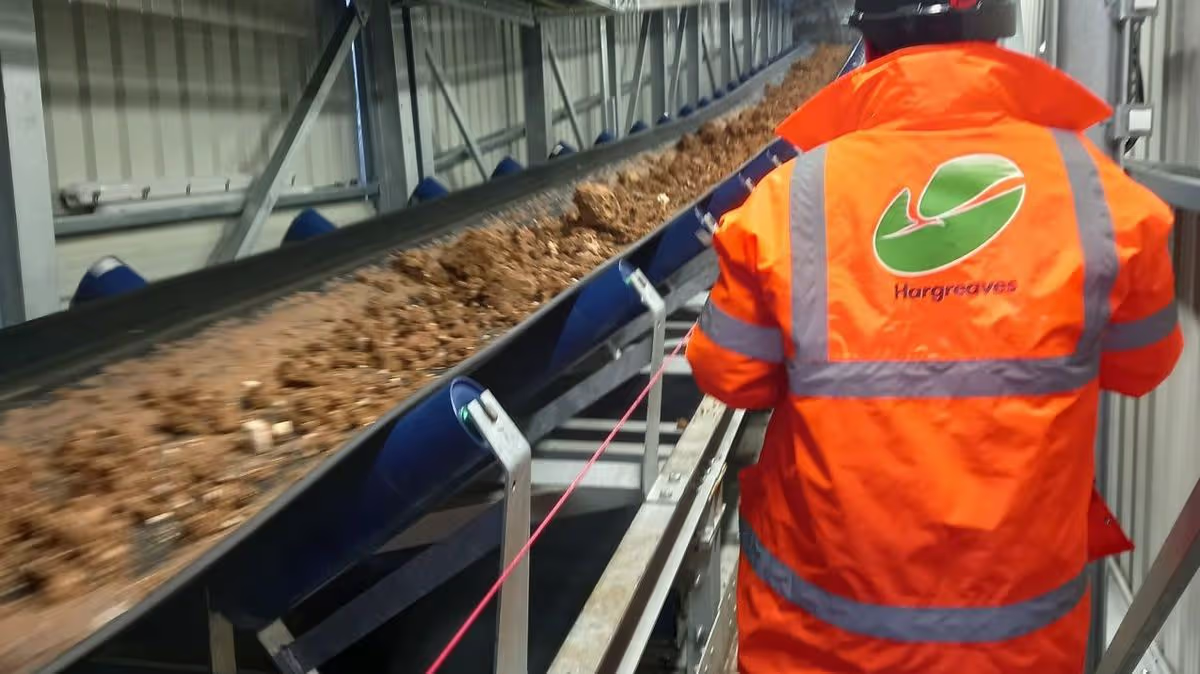
A Hargreaves worker next to part of the 650m conveyor system it has constructed on a section of the HS2 route near Aylesbury.

A Hargreaves worker next to part of the 650m conveyor system it has constructed on a section of the HS2 route near Aylesbury.(Image: Hargreaves Services)

Industrial group Hargreaves Services has delivered its highest pre-tax profits in 12 years amid growth across its diverse offer.

The County Durham-based group saw revenue climb nearly 33% to £351.4m in the year to end of May as pre-tax profits surged more than 130% to £40.3m. Underyling pre-tax profits were up 93.2% to £34m.

Growth came from all three of Hargreaves’ key areas including its Services division, its Land regeneration business and its German joint venture. Hargreaves bosses said the bumper results were evidence that its strategy of recent years across those divisions had worked.

Highlights included the first work secured on the Lower Thames Cross as well as resolution to its deal with Devon mining partner Tungsten West. In the Land division, two pieces of renewable energy land were sold for an initial cash sum of £15.6m – helping the board to decide on a £20m return of surplus cash to shareholders via a tender offer.

Advertisement

And in Germany, where Hargreaves operates a raw materials supply and metals recycling businesses, results improved for the third year in a row. Executives said the German economy was “starting to turn a corner” with lower fuel costs also figuring.

Group chair Roger McDowell said: “The year just ended was a one of strong operational and financial performance for Hargreaves. We delivered continued progress across the group, maintained financial discipline, and returned significant capital to shareholders through both dividends and share buybacks.

“With a strong balance sheet, high-quality businesses and growing opportunities in infrastructure-related markets for our Services division, we enter the new financial year well positioned to deliver further growth and long-term value for all stakeholders.”

The 2026 results are the last before longstanding CEO Gordon Banham steps down at the end of July. He will take up a new role managing the group’s investment in its German joint venture and overseeing the development of the zinc recycling plant in Duisburg.

Advertisement

Mr Banham has been instrumental in transforming Hargreaves from a coal-based company into the diversified industrial services group it is today. He was thanked by Mr McDowell, who said the board will miss his “vision, commitment and entrepreneurial flair”. Mr Banham will be succeeded as CEO by Simon Hicks, who joined the group in May 2025 as chief operating officer.

Looking ahead, Hargreaves investors were told the Services business enters the new financial year with a strong order book and excellent visibility of future revenues across key markets such as infrastructure, clean energy and environmental services. Hargreaves Land is also expected to realise further value from its portfolio.


Continue Reading

Business

Extra Space Storage stock hits 52-week high at 155.46 USD

Published

on


Extra Space Storage stock hits 52-week high at 155.46 USD

Continue Reading

Business

Siteone Landscape Supply stock hits 52-week low at 97.07 USD

Published

on


Siteone Landscape Supply stock hits 52-week low at 97.07 USD

Continue Reading

Business

Nestle getting back to basics

Published

on

Nestle getting back to basics

Leadership is focused on gaining share through better marketing and innovation.  

Continue Reading

Business

Bakunawa coaster at Six Flags to be world’s tallest, fastest spinner

Published

on

Bakunawa coaster at Six Flags to be world's tallest, fastest spinner

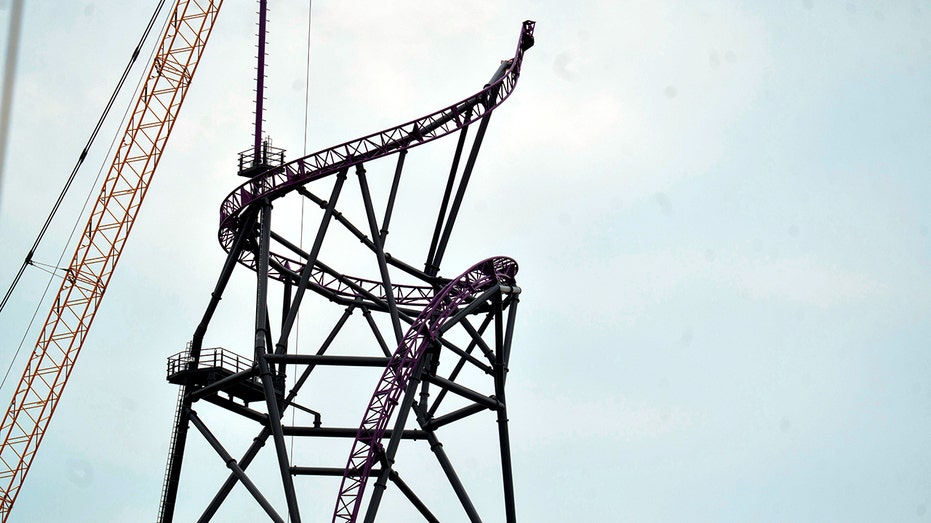
Six Flags Great Adventure is aiming to rewrite the roller coaster record books with a towering new attraction designed to send riders rocketing skyward, spinning and launching upside down in a ride unlike anything built before.

The New Jersey theme park unveiled plans Tuesday for Bakunawa, a new roller coaster inspired by a legendary sea serpent from Philippine folklore. When it opens in 2027, the ride is expected to break six world records while becoming one of the tallest roller coasters in the world.

Advertisement

Bakunawa will stand 382 feet tall and reach speeds of up to 100 mph along a 3,163-foot track. Riders will blast through three launches, including what Six Flags says will be the world’s first upside-down launch, aboard free-spinning, floorless trains that rotate throughout the ride, making each trip slightly different.

SIX FLAGS GUESTS STRANDED 245 FEET IN AIR AFTER POWER OUTAGE FORCES COASTER EVACUATION

A view of the Bakunawa coaster at Six Flags

Six Flags Great Adventure unveiled its newest world record-breaking roller coaster, Bakunawa, on Tuesday, July 28, 2026. (Six Flags Great Adventure / Unknown)

“You’re going to climb 90 degrees straight up to the top of the 382-foot-tall tower, reaching the top and kind of sliding around the outside, which looks terrifying and amazing at the same time, before losing speed,” said Mike Fehnel, park president for Six Flags Great Adventure, according to USA Today. “And then you get to do it all again in reverse.”

According to the park, Bakunawa will become the world’s fastest and tallest spinning coaster. It also is expected to set records for the fastest inversion, longest stall inversion, first floorless spinning coaster and first upside-down launch.

Advertisement
Bakunawa track rising up toward the sky

Riders will climb to the top of the coaster’s towering spire before briefly pausing and then plunging back toward Earth. (USA TODAY Network via Reuters Connect / Reuters Photos)

The ride takes its name from Bakunawa, a mythical serpent said to rise from the sea and devour the moon. Riders will climb to the top of the coaster’s towering spire before briefly pausing — facing the sky, the ground or somewhere in between depending on the train’s rotation — and then plunging back toward Earth.

Bakunawa seats displayed on the ground at Six Flags

The seats for Six Flags Great Adventure’s new record-breaking roller coaster, Bakunawa, were unveiled on Tuesday, July 28, 2026. (USA TODAY Network via Reuters Connect / Reuters Photos)

THRILL SEEKERS FACE HISTORIC 100-FOOT DROP ON AMUSEMENT PARK’S NEWEST WATER RIDE

Bakunawa will be the centerpiece of a revamped Boardwalk area at Six Flags Great Adventure, although the park has not announced a specific opening date or shared additional details about the renovation.

GET FOX BUSINESS ON THE GO BY CLICKING HERE

Advertisement

The coaster will use two trains carrying 20 riders each, with a minimum height requirement of 48 inches. Each ride will last about two minutes and 17 seconds.

Continue Reading

Business

From Oman to Tanzania: How the Iran war is redrawing India’s trade map

Published

on

From Oman to Tanzania: How the Iran war is redrawing India’s trade map
The conflict in West Asia is reshaping India’s trade flows in unexpected ways, triggering a dramatic reordering of both import sources and export destinations.

The most striking shift has been Oman’s emergence as a key trade partner. Ranked only 30th among India’s import sources in April-May 2025, the Gulf nation has jumped to 10th place in the first two months of the current financial year. Imports from Oman surged 3.8 times to $3.4 billion, largely driven by energy shipments.

The changes extend far beyond the Gulf. The UAE slipped to fourth place among India’s import partners, while Russia reclaimed the second spot, followed by the US. India’s search for alternative LPG supplies helped lift imports from the US, while purchases from Brazil rose 2.8 times to $2.7 billion. Imports from Peru climbed 3.7 times to more than $2 billion, making it India’s 20th-largest import source compared with 35th a year earlier.

Screenshot 2026-06-16 125017

Export patterns have also undergone a significant shift. Singapore overtook China and the Netherlands to become India’s third-largest export destination during April-May, trailing second-ranked UAE by just $180 million. Tanzania emerged as the eighth-largest destination for Indian exports, up from 25th place a year ago, while South Africa climbed to 10th.

According to Commerce Secretary Rajesh Agrawal, exports of oil products and gems and jewellery have driven Tanzania’s rise, with shipments increasing from $800 million in April-May last year to $2.2 billion this year. Exports to Sri Lanka nearly tripled to $1.8 billion, lifting the island nation to 12th place among India’s export markets.
Singapore’s rise has been fuelled largely by a 2.2-fold increase in imports of Indian petroleum products, with exports touching $5.1 billion. The island nation has been among the economies most affected by disruptions caused by the conflict in West Asia, helping it edge past China despite a more than 25% increase in Indian exports to the world’s second-largest economy.
The disruption of shipping routes through the Strait of Hormuz, the vital gateway to the Persian Gulf, has elevated Oman’s strategic importance. Agrawal said Oman, with which India recently operationalised a free trade agreement, has opened the ports of Sohar, Salalah and Duqm for the transit of Indian goods to destinations across the region, including the UAE.
These arrangements have helped India restore exports to West Asia to nearly last year’s levels. Imports from the region, however, remain around 18% lower due to ongoing disruptions in energy supplies.

Continue Reading

Business

Council backs Esperance sculpture trail

Published

on

Council backs Esperance sculpture trail

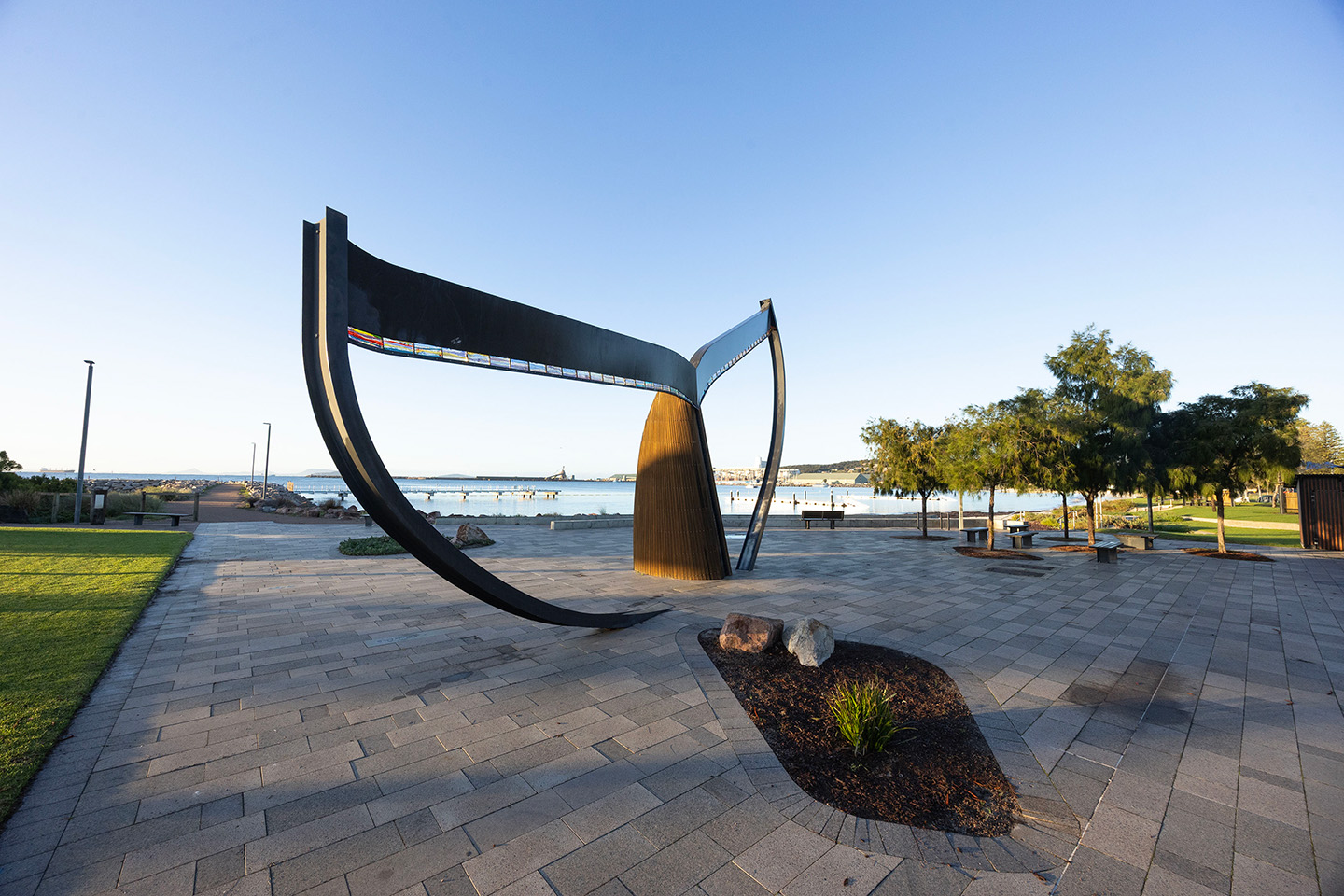
A FORM-led sculpture trail intended to become regional WA’s next tourism drawcard has been endorsed by the Shire of Esperance.

Continue Reading

Business

Quad/Graphics, Inc. 2026 Q2 – Results – Earnings Call Presentation

Published

on

OneWater Marine Inc. (ONEW) Q1 2026 Earnings Call Transcript

Quad/Graphics, Inc. 2026 Q2 – Results – Earnings Call Presentation

Continue Reading

Business

Shares soar as inflation surprise staves off rate hike

Published

on

Shares soar as inflation surprise staves off rate hike

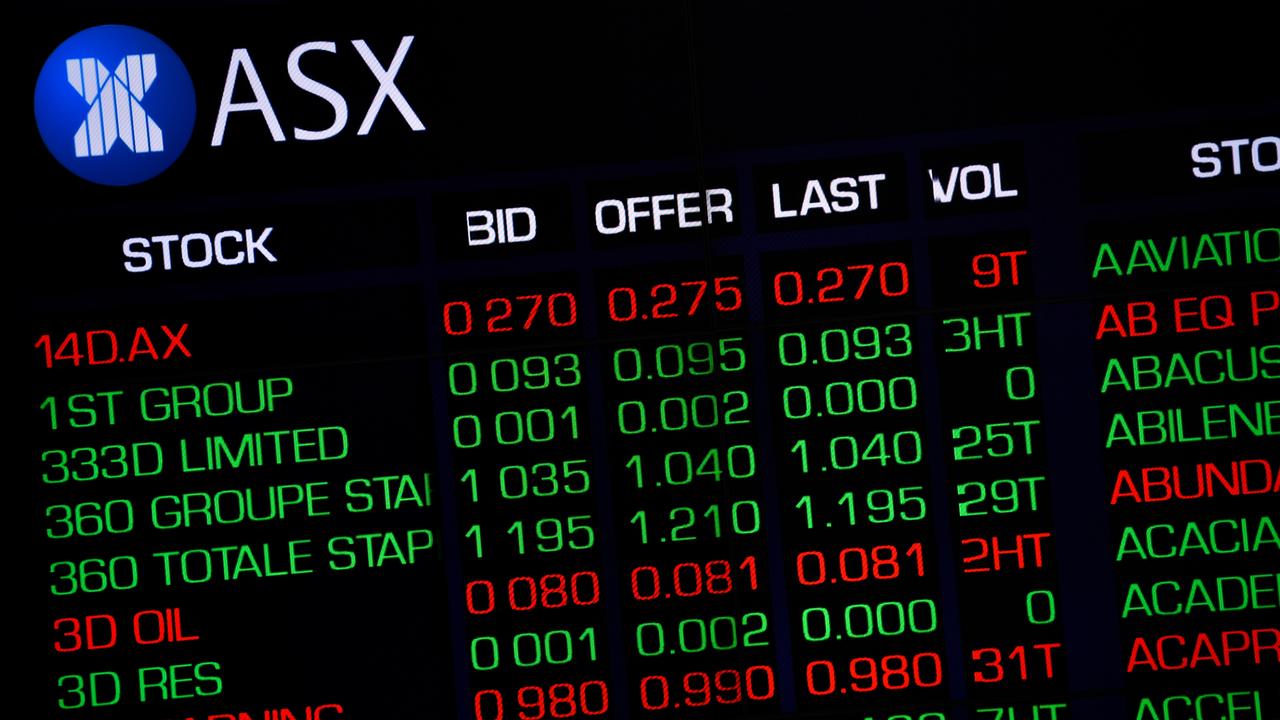
Australia’s share market has surged to its highest value in almost four months, as investors dismissed an August interest rate rise after inflation undercut forecasts.

Continue Reading

Business

Thai Soft Power Takes the Global Stage

Published

on

Thai Soft Power Takes the Global Stage

Thailand plans to leverage the 2026 IMF and World Bank Summit to promote its culture. The government intends to utilize the world’s largest financial summit as a platform to showcase and sell Thai cultural heritage, enhancing its global image and attracting international attention.

Thailand, renowned for its rich culture and traditions, is leveraging its unique soft power to captivate the global audience. From its tantalizing cuisine to its mesmerizing arts and crafts, Thailand is successfully exporting its cultural treasures worldwide. Thai cuisine, including the famous Pad Thai and Tom Yum, has gained international acclaim, becoming a staple in global culinary scenes.

The entertainment industry also plays a pivotal role, with Thai films and dramas earning accolades at international festivals. Movies like “Bad Genius” have not only won awards but also showcased Thailand’s storytelling prowess. Moreover, traditional Thai performances, such as the intricate Khon dance, continue to fascinate audiences, promoting cultural appreciation.

Furthermore, Thailand’s alluring tourism sector, enriched with historic temples and stunning landscapes, draws millions of visitors annually. The government’s strategic promotion efforts, emphasizing sustainability and cultural heritage, amplify Thailand’s appeal. As a result, the country’s soft power initiatives are not only enhancing its global reputation but also boosting economic growth. Thailand’s cultural exports are proving that its vibrant heritage resonates with people across the world.

Advertisement

source

Continue Reading

Trending

Copyright © 2025