SYDNEY — Australia’s fuel supply situation has shown modest improvement in recent weeks with new shipments secured and retail stock-outs declining, but experts warn the crisis triggered by Middle East conflict is far from over, with potential shortages and higher prices persisting into the second half of 2026.
The government has worked aggressively to diversify import sources and release reserves, yet ongoing disruptions in global oil flows continue to pressure diesel and jet fuel availability. As of early June, national fuel stocks have stabilized above pre-crisis averages in major cities, but regional areas and certain sectors remain vulnerable.
Current Supply Status
Recent data from the Prime Minister and Cabinet’s Fuel Supply Taskforce shows retail availability improving. As of June 3, diesel shortages dropped notably, with stocks in the five largest cities sitting 35% below peak pre-conflict levels but on an upward trend for the fourth consecutive reporting period. Petrol availability has followed a similar path.
The government has secured multiple cargoes, including diesel and jet fuel shipments from South Korea, Brunei, Malaysia and other partners. Energy Minister Chris Bowen has confirmed dozens of vessels en route, with contractual commitments for billions of litres through the coming months. “We have fuel secured into August well through June and July,” Bowen stated in recent briefings.
However, the situation remains fragile. The closure of the Strait of Hormuz and broader conflict impacts have reduced global supply, forcing Australia to rely more heavily on alternative routes and suppliers. Jet fuel stocks, critical for aviation, are particularly monitored, with airlines like Qantas and Virgin Australia adjusting schedules to manage availability.
Government Response and Measures
The Albanese government has implemented several measures to mitigate the crisis. A temporary fuel excise cut was introduced to ease cost-of-living pressures, though it is scheduled to expire at the end of June. Discussions about extending the relief or introducing new support are ongoing as the budget process advances.
Emergency reserves have been released, and the government has lowered fuel quality standards temporarily to increase available supply. Plans for potential rationing in a worst-case scenario have been prepared, including daily purchase limits, though officials emphasize these remain contingency options.
Transport Minister Catherine King has highlighted diplomatic efforts to secure additional supplies from Asian refineries. “We continue to be well positioned,” she said, while acknowledging longer-term risks if disruptions persist.
Impact on Economy and Daily Life
The fuel crisis has ripple effects across multiple sectors. Trucking and logistics operators face higher costs, threatening food supply chains and delivery timelines. Up to 70% of truck drivers could face viability challenges within six months if diesel shortages worsen, according to industry warnings.
Aviation has been affected, with carriers reducing capacity and routes. Farmers are grappling with fertiliser shortages linked to energy costs, potentially impacting food production. Households continue feeling the pinch at the pump, with unleaded petrol prices elevated despite some moderation.
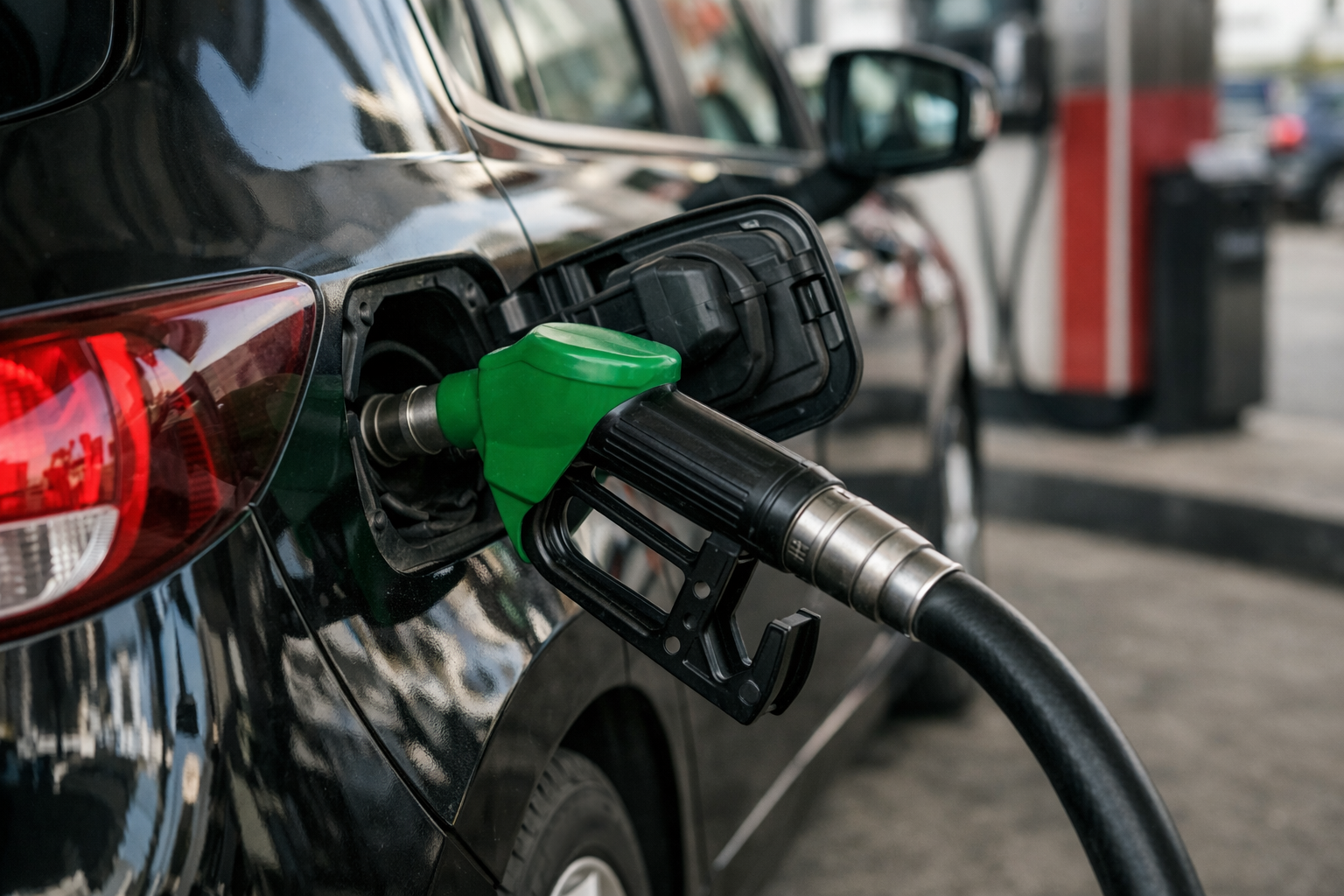
Retail stock-outs have decreased but remain a concern in rural and regional areas. As of early June, around 55 stations nationwide reported no petrol of any grade, with diesel shortages slightly higher.
Expert Warnings and Long-Term Outlook
Energy experts caution that the worst may still be ahead. John Blackburn from the Australian Energy Institute warned that global emergency stockpiles coordinated by the International Energy Agency are expected to run low by July or August. “We’re going to get to a stage globally by July where all those spare emergency stocks are gone,” he said.
The conflict’s duration and resolution will determine the crisis depth. Even if shipping through key routes resumes, recovery could take time. Analysts forecast sustained higher prices and potential rationing discussions if imports lag.
The government maintains the situation is “manageable but serious,” with stocks currently better than at the crisis outset in some categories. However, reliance on imports and vulnerability to global shocks highlight the need for stronger domestic resilience.
Political and Public Response
The fuel crisis has become a political flashpoint, with opposition parties criticizing the government’s preparedness. One Nation has seen polling gains amid voter frustration over cost-of-living pressures tied to energy costs.
Public sentiment remains anxious, with many Australians adjusting travel plans and seeking ways to reduce fuel consumption. The government has urged calm and advised against panic buying, emphasizing secured supplies for the immediate future.
Path Forward and Recommendations
Authorities continue monitoring the situation daily and urge the public to report any unusual activity or information. Motorists are encouraged to fuel up responsibly and plan trips efficiently.
Longer-term solutions under discussion include diversifying energy sources, investing in domestic refining capacity and advancing renewable alternatives to reduce oil dependence. The crisis has accelerated conversations around energy security and strategic reserves.
For now, the focus remains on managing current supplies and mitigating immediate impacts. As winter approaches and seasonal demand patterns shift, careful management will be essential to avoid further disruptions.
The Australian fuel crisis, while showing signs of stabilization through proactive government action and new imports, underscores the country’s vulnerability to global energy shocks. With winter driving needs and potential further international developments, vigilance remains high as the nation navigates this challenging period.
Experts and officials agree that while the immediate outlook has improved, sustained global stability is required for full recovery. Australians are advised to stay informed through official channels and prepare responsibly for any changes in fuel availability or pricing in the months ahead.
The government’s ongoing diplomatic and logistical efforts aim to ensure supply continuity, but the situation serves as a reminder of the importance of energy independence and diversified sources in an increasingly uncertain world.



















































You must be logged in to post a comment Login