
Business
Bid to extend North Northants food and activities programme


Plans to extend a scheme that provides free activities and meals to children during school holidays have been recommended for approval.
North Northamptonshire Council will discuss re-commissioning the Holiday Activities and Food (HAF) Programme at a meeting on 11 August.
Paid for by the Department for Education (DfE), it is aimed at children and young people aged five to 16 who receive benefit-related free school meals.
Elizabeth Wright, executive member for children, education and families, said recommissioning would “build on the success achieved so far” and “continue supporting vulnerable families” as well as “work alongside our excellent local voluntary, community and sports organisations”.
Last year, the government announced a three-year extension for the scheme as part of a £600m investment nationally.
In 2023 the council awarded the contract to Northamptonshire Sport to run the service initially for two years with two optional extensions of 12 months each.
The authority said both of these extensions had been used and the current contract would lapse in March 2027.
In summer 2025, more than 2,100 children participated, a slight drop on the attendance in the two previous summers – with 2,630 recorded in 2024 and 2,250 in 2023.
In a report to executive, external, the fall in numbers had been attributed to a change in booking system which officers said would “require further monitoring”.
In previous years, North Northamptonshire Council has been awarded about £1.1m for administering the scheme.
The sessions ranged from drama to computer programming – but they all included some physical exercise.
If approved, North Northamptonshire Council will tender the contract and anticipate awarding it in November.
West Northamptonshire Council’s arrangements for the Holiday Activities and Food (HAF) Programme beyond March 2027 are due to be considered by cabinet in September.
The unitary authority said: “As this process is ongoing, we are unable to comment further at this stage.”
Do you have a story suggestion for Northamptonshire? Contact us below.


Operator
Good day, and thank you for standing by. Welcome to Legacy Housing Corporation Second Quarter 2026 Earnings Call. [Operator Instructions]
Please be advised that today’s conference is being recorded.
I would now like to turn the conference over to your speaker for today, Jon. Please go ahead.
Jon Langbert
Chief Financial Officer
Good morning, and thank you for joining Legacy Housing Second Quarter 2026 Conference Call.
I’m Jon Langbert, the Chief Financial Officer; our CEO, Kenneth Shipley is also on the line and will join me for the question-and-answer session following our prepared remarks.
Before we get into the quarter, I want to briefly note a leadership change in July. Curt Hodgson retired as Executive Chairman and from our Board of Directors after decades building Legacy alongside Kenny from a Texas partnership into one of the largest producers of manufactured homes in the country. Curt is the reason I joined Legacy. I’ve known him personally for more than 20 years, and I’ve learned an immense amount from him about this business and about business in general. So I’ll always be grateful to him.
Kenny continues to lead the company as Chief Executive Officer, and he’ll share a few thoughts on Curt, at the close of our prepared remarks.
Before we begin those remarks, I’ll read our safe harbor disclosure. Management’s prepared remarks today will contain forward-looking statements, which are subject to risks and uncertainties, and management may make additional forward-looking statements in response to your questions. Therefore, the company claims the protection of the safe

Sourcing some additional fans might feel like a relatively minor cost overall, but for those hosting, catering and supplying weddings, the financial impact of coping with this summer’s heatwaves has spiralled.
“It has affected the industry massively. You are talking into the thousands [of pounds] for businesses,” says Michelle Miles, board adviser to the UK Wedding Association and founder of the Sustainable Wedding Alliance.
One of the biggest costs wedding venues are facing is the equipment and energy costs of trying to keep a space and food cool, she says.
“[Some] venues are having to bring in air conditioning units; they are at a premium when everyone else is wanting those units to keep their houses cool and businesses.”
Guests are also drinking more water – which brings another issue for venues.
“There has been a massive hit on alcohol sales. Venues would quite often rely on these to boost their profits, and people are…not drinking alcoholic drinks as much as they would on a temperate day,” says Miles.
It is not just the wedding party wilting in the heat but also the flowers. Peonies and roses – some of the most popular choices for a British wedding – saw their flowering window narrow from two months to two weeks.
“It has been an extremely tough growing season with water shortages, drought, no rainfall, slow germination in the heat, flowers going over too quickly,” explains Rebecca, from Lilac and Lace Floral Design.
For a recent wedding, she had to go to three times as many growers to get enough stems.
“For now, it’s more a time cost than a direct financial one. But using more growers often [has] larger delivery costs – I would estimate it costs £200 more in delivery.”
CUPERTINO, Calif. — Apple has increased estimated trade-in values for the majority of its iPhone, iPad, Mac and Apple Watch models, according to an update reflected on the company’s trade-in page as of August 6. Some devices saw gains approaching 30 percent compared with previous estimates, while the company also expanded the list of eligible Android phones.
The adjustments apply to “up to” credit amounts that customers can receive when trading devices toward a new purchase through Apple’s program. Final values depend on the condition, year and configuration of the returned device, and not every model qualifies for credit. The changes follow earlier adjustments earlier in the year and come as Apple continues to promote device upgrades amid rising hardware prices and the recent introduction of its Upgrade leasing option.
Among iPhones, the largest absolute increase went to the iPhone 16 Pro, which rose from a previous maximum of $560 to $630. The iPhone 16 Pro Max climbed from $695 to $720. The iPhone 16 Plus moved from $465 to $485, and the standard iPhone 16 advanced from $460 to $480. The iPhone 16e remained unchanged at $310.
Older flagship models also received higher estimates. The iPhone 15 Pro Max increased from $490 to $530, the iPhone 15 Pro from $410 to $420, the iPhone 15 Plus from $325 to $340, and the iPhone 15 from $320 to $335. The iPhone 14 Pro Max rose from $375 to $405, the iPhone 14 Pro from $320 to $335, and the iPhone 14 from $225 to $235. The iPhone 14 Plus stayed flat at $235.
Further down the lineup, the iPhone 13 Pro Max advanced from $320 to $340, the iPhone 13 Pro from $260 to $285, the iPhone 13 from $195 to $205, and the iPhone 13 mini from $150 to $155. The iPhone 12 Pro Max moved from $220 to $240, the iPhone 12 Pro from $180 to $195, the iPhone 12 from $125 to $135, and the iPhone 12 mini from $85 to $90. The third-generation iPhone SE rose from $80 to $85, while the second-generation model held steady at $45.
Even older devices saw modest gains in several cases. The iPhone 11 Pro Max increased from $150 to $160, the iPhone 11 Pro from $135 to $145, the iPhone 11 from $100 to $110, the iPhone XS Max from $90 to $95, the iPhone XS from $65 to $70, and the iPhone XR from $80 to $90. The iPhone X remained at $60, the iPhone 8 Plus at $40, and the iPhone 8 rose from $35 to $40.
Apple Watch trade-in estimates improved for most models. The Series 10 rose from $150 to $165, the Series 9 from $130 to $135, the Series 8 from $90 to $95, and the Series 7 from $65 to $70. The Ultra 2 stayed at $305, the original Ultra at $205, the second-generation SE at $60, the Series 6 at $45, and the first-generation SE at $30.
On the tablet side, every listed iPad model received an increase. The iPad Pro advanced from $690 to $720, the iPad Air from $460 to $490, the standard iPad from $235 to $260, and the iPad mini from $265 to $300.
Macs recorded some of the most substantial percentage gains. The MacBook Pro estimate jumped from $690 to $855, the MacBook Air from $520 to $580, the Mac mini from $375 to $480, the iMac from $355 to $380, the Mac Studio from $1,045 to $1,305, and the Mac Pro from $2,045 to $2,195. The iMac Pro remained unchanged at $315.
Apple also broadened the Android portion of the program. Newly added models include the Samsung Galaxy S21 Ultra 5G at up to $95, the Google Pixel 9 Pro XL at $315, the Pixel 9 Pro at $305, the Pixel 9 at $210, the OnePlus 13 at $250, and the OnePlus 13R at $165. Some existing Android estimates shifted slightly downward, including the Samsung Galaxy S22 Ultra 5G from $130 to $125, the Google Pixel 8 Pro from $165 to $155, the Pixel 7 Pro from $95 to $90, and the Pixel 7 from $65 to $60. Other Galaxy and Pixel models held steady or saw small increases.
The trade-in program allows customers to receive credit toward a new Apple device or, in some cases, an Apple Store Gift Card. Devices are evaluated for functionality and cosmetic condition once received. Apple partners with third-party recyclers and refurbishers to handle returned hardware, with the goal of extending product life cycles and recovering materials.
The August update arrives at a time when consumers face higher list prices for new Apple products. Industry observers have noted that more generous trade-in credits can help offset those increases and encourage more frequent upgrades. The addition of recent Android flagships expands the pool of potential customers who might switch platforms by trading in non-Apple phones.
Apple has not issued a formal statement accompanying the value changes beyond the standard language on its trade-in site noting that estimates are approximate and subject to inspection. The company periodically revises the table to reflect secondary-market conditions, supply of used devices and demand for refurbished inventory.
For customers considering a trade, the higher estimates improve the effective net cost of a new purchase, particularly for owners of recent Pro models or higher-end Macs. Those with older devices may still find limited residual value, though the modest increases for several legacy iPhones and Watches provide a small additional incentive to recycle through official channels rather than third-party marketplaces.
The program remains available online and in Apple Stores across the United States. Customers can obtain an instant estimate by entering device details on Apple’s website before completing the process. Actual credit is finalized after the device is inspected and accepted.
By raising values across a broad range of models and expanding Android eligibility, Apple has made its trade-in offers more competitive relative to previous months. The changes give consumers clearer incentives to return older hardware while supporting the company’s circular-economy efforts and ongoing product refresh cycles.
MetLife's Q2 Earnings Beat Reaffirms The Buy Case As Organic Growth Stands Out
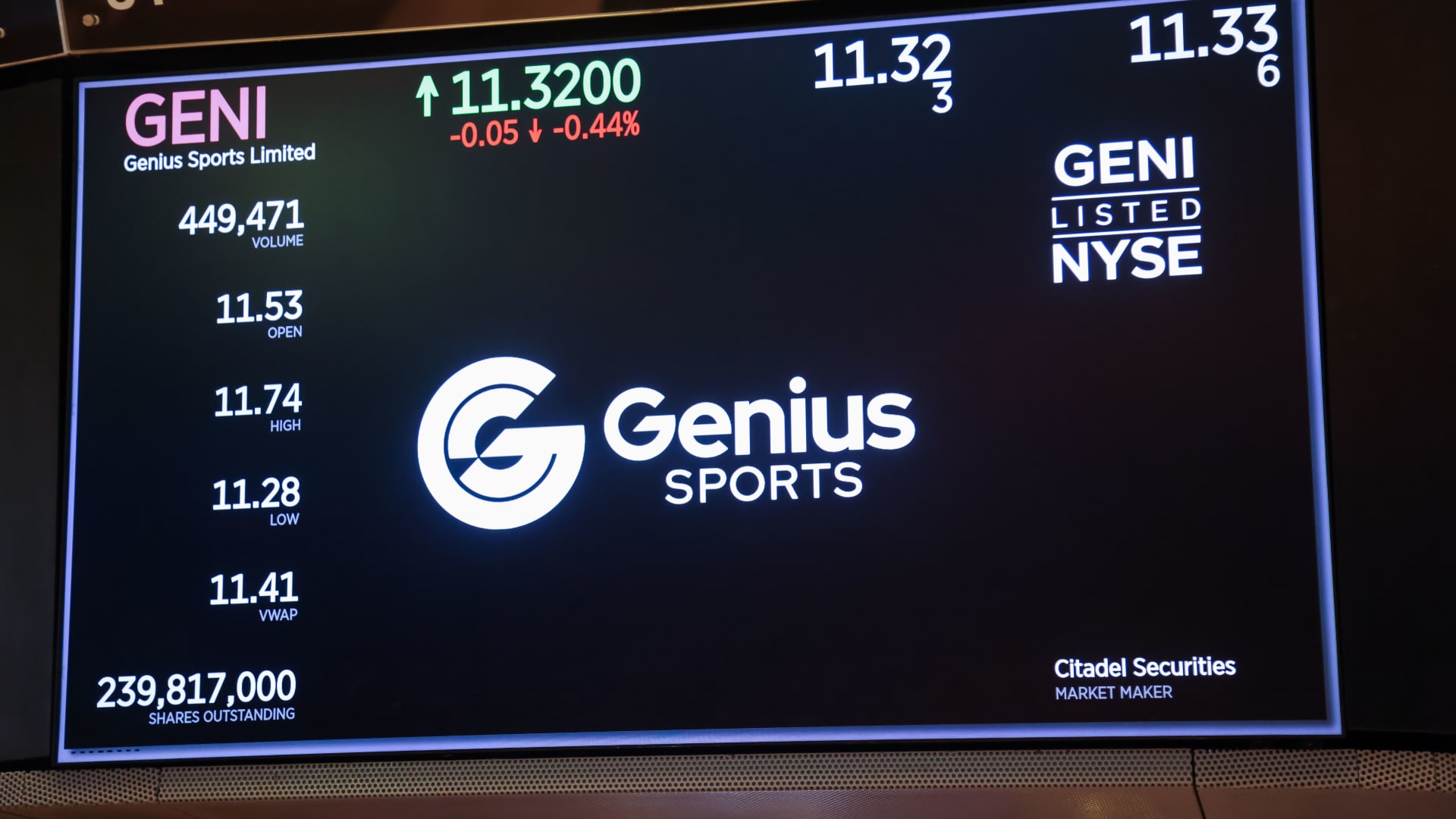

Genius Sports is broadening its business beyond supplying data to sportsbooks, using its real-time sports information to build a fast-growing media and advertising platform.
The shift was visible when company reported second-quarter results Thursday. Revenue for the company’s betting technology, content and services division increased 28% from a year earlier to $117.4 million, while revenue for its media technology, content and services segment surged 193% to $78.2 million.
The reported media increase reflects the addition of Legend, the sports and gaming media company Genius acquired in a deal that closed May 1, but the company said the legacy Genius media business and Legend each grew organically by more than 20%.
Genius has historically collected official data from sports leagues and sold it to sportsbooks, helping operators set odds and manage in-game betting. CEO Mark Locke told CNBC that the company can now monetize that same data through advertising.
“We’re using the data that we collect to do a better job and generate better ROIs for brands and agencies using our media transaction services,” Locke said.
The company’s Moment Engine uses live sports data to help advertisers change campaigns based on what is happening during a game. Genius said it added 174 customers during the quarter, including McDonald’s, YouTube TV and DoorDash, and plans to extend the product into NFL-related campaigns this season.
Legend added an owned audience of roughly 118 million users, according to the company. That allows Genius to sell advertising against its own media properties and reduce the amount it spends on outside platforms. Genius executives said revenue and integration synergies from the acquisition are arriving faster than expected.
Genius is also extending the model into prediction markets. The company recently announced deals with Kalshi and Polymarket covering official data, integrity services and customer acquisition. Locke said Genius can make money by supplying data used to settle markets, providing pricing services to market makers and helping prediction platforms attract users.
Overall revenue rose 65% in the second quarter to $195.5 million, while adjusted earnings before interest, taxes, depreciation, and amortization increased 54% to $52.6 million. Genius reported a net loss of $76.7 million, which it said largely reflected costs tied to the Legend acquisition.
The company raised its full-year revenue forecast to between roughly $1 billion and $1.03 billion and adjusted EBITDA guidance to between $285 million and $295 million.
Disclosure: CNBC and Kalshi have a commercial relationship that includes customer acquisition and a minority investment.


U.S. produced wheat proteins delivering the performance, transparency, and low-carbon solutions you demand.

Yes. Corporate subscriptions are available for teams and organisations, with discounted rates as user numbers increase. Pricing starts from $1,625 + GST per user.
Get in touch
to discuss the right option for your organisation.
Business News subscriptions are used by executives, investors, consultants and professionals who need to stay informed and make better decisions about the WA market. When you subscribe you’ll get
- Unlimited access to WA’s most trusted business journalism
- Data & Insights — detailed profiles of WA companies, people, projects and deals
- MyBN — a personalised feed based on the companies, people and sectors you follow
- Special publications and industry reports
- Daily and weekly email newsletters
Data & Insights is a research tool built specifically for the WA market. It draws on more than 30 years of Business News reporting, updated regularly to reflect what’s happening now. Use it to:
- Look up detailed profiles of WA companies, including financials, directors and ownership
- Find decision-makers and track their career movements
- Research live and completed projects across WA industries
- Monitor deals, appointments and market activity
- Access industry rankings and league tables
Data & Insights is updated daily by our dedicated research team, which uses the latest announcements, ASX filings and editorial coverage to keep our person, company, list and project records up to date.
Business News welcome all opportunities to make our dataset accurate, complete and current, so if you have an update request, please email the team at
general@businessnews.com.au, and we’d be happy to assist.
MyBN
is part of every subscription. It’s your personalised view of Business News. You can follow the companies, people, sectors and projects that matter to you, and get a news feed and alerts tailored to your interests. You can save articles to read later and retain only what you need.
Only subscribers have full access to all content on the Business News website.
If staying informed about the WA economy is part of your job, and/or you’re looking for networking opportunities in WA, Business News is built for you.
Business News subscribers are:
- Executives and directors tracking competitors, clients and market movements
- Investors and advisers researching companies, deals and industry trends
- Consultants and professionals staying across sectors relevant to their clients
- Business owners looking for leads, context and market intelligence
Most Business News publications cover national or global markets. Business News is focused entirely on Western Australia, which means the journalism, the data and the intelligence are all built around WA companies, people and projects — not adapted from a national feed. Data & Insights, included with every subscription, combines more than 30 years of WA-specific editorial research with live business data. There’s no comparable product for the WA market.
The Morning Digest Email provides a comprehensive wrap of the major headlines, relevant to WA business, and includes with a snapshot of the overnight news covering oil, gold and ASX-listed companies.
The Afternoon Wrap Email focuses on the news covered by our team of journalists during the course of the working day, including exclusive stories and analysis, all of which relates to WA business and the local economy.
The BN Weekender Email contains a wrap of the Business News from the week that was, highlighting the top stories in each area of WA business.
Sign up for free.
We’re happy to help.
Get in touch
and our team will come back to you.
Business
Keurig Dr Pepper Inc. 2026 Q2 – Results – Earnings Call Presentation (NASDAQ:KDP) 2026-08-06

Seeking Alpha’s transcripts team is responsible for the development of all of our transcript-related projects. We currently publish thousands of quarterly earnings calls per quarter on our site and are continuing to grow and expand our coverage. The purpose of this profile is to allow us to share with our readers new transcript-related developments. Thanks, SA Transcripts Team
Business
Samsung Galaxy Z Fold 8 Shatters Pre-Order Records in US, Korea and Europe Before Global Launch
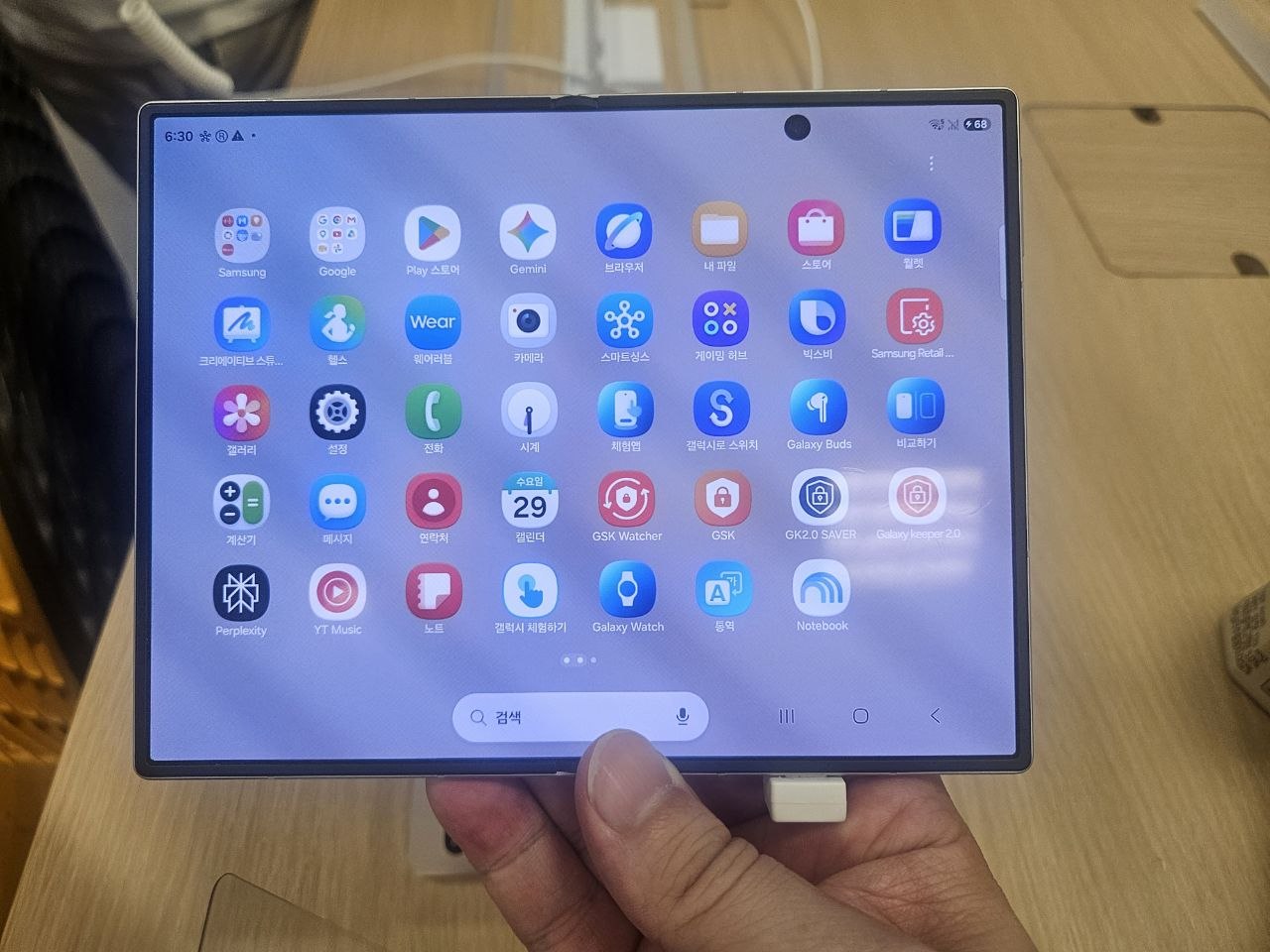
Samsung’s newest generation of foldable smartphones has smashed the company’s previous pre-order records across multiple continents ahead of their official launch Friday, suggesting foldable devices may finally be moving toward mainstream adoption after years as a relatively niche corner of the smartphone market.
The Galaxy Z Fold 8, Z Fold 8 Ultra and Z Flip 8 opened pre-orders on July 22 and closed the window on Aug. 6, ahead of a full public launch scheduled for Friday, Aug. 7. Samsung shared performance data with multiple outlets throughout the pre-order period showing the new lineup significantly outpacing every previous foldable generation the company has released.
Records Falling Across Multiple Markets
In South Korea, Samsung recorded 1.44 million units in pre-sales across the three new models over a seven-day stretch from July 28 to Aug. 3, according to a company statement. That figure surpassed the previous Korean pre-order record of 1.38 million units, held by the Galaxy Note 10 since 2019, and comfortably exceeded the 1.35 million units recorded for the Galaxy S26 series earlier this year. It also more than doubled the 1.04 million combined pre-orders recorded for the Z Fold 7 and Z Flip 7 during the same window last year. According to a report cited by Dataconomy, the Galaxy Z Fold 8 alone accounted for more than 70% of that Korean pre-order total.
In the United States, Samsung confirmed to Mashable that pre-orders were outpacing the company’s previous Z series record by 30%, with the Z Fold 8 accounting for nearly half of all U.S. pre-orders. In Europe, Samsung reported that pre-order performance had surpassed all previous foldable smartphone records by more than 17%, even with a full day remaining in the pre-order window at the time the figures were shared. European demand for the non-flip Z Fold 8 and Z Fold 8 Ultra models specifically surged 70% compared with the equivalent Z Fold 7 models, with the redesigned Z Fold 8 alone capturing 40% of all European pre-orders.
A New Design Driving Demand
Much of the excitement surrounding this year’s lineup has centered on the Z Fold 8, which introduces a notably wider form factor than previous Fold generations, a shape that reportedly matches rumors surrounding Apple’s still-unconfirmed foldable iPhone. In a statement shared alongside its U.S. pre-order figures, Samsung said the redefined form factor of the Galaxy Z Fold 8 has introduced the foldable experience to an even broader group of users with diverse lifestyles, adding that the company expects the global foldable market to grow more than 20% annually and more than double in size by 2028.
Flip Owners Trading Up
One of the more notable trends Samsung highlighted involves existing Galaxy Z Flip owners upgrading to the larger Fold form factor at unprecedented rates. The company said roughly three times as many Flip users are switching to Fold devices this generation compared with the prior cycle, a shift some analysts have attributed to the improved usability and broader appeal of the redesigned Z Fold 8 specifically. Samsung also disclosed that nearly one in four buyers who pre-ordered a Fold or Flip device this year also pre-ordered one of the company’s new Galaxy Watch models, pointing to strong cross-category demand across its broader device ecosystem.
Popular Colors Selling Out
Demand has been strong enough that certain color options have reportedly sold out in some markets. Globally, Graphite emerged as the most popular color choice across both Fold models, while Pink led sales for the Flip 8. Among younger buyers on Samsung’s own retail platform, specifically those between 15 and 34 years old, a trio of exclusive green-toned colorways, Green Shadow on the Fold 8 Ultra, Pistachio on the Fold 8, and Mint on the Flip 8, proved especially popular.
Higher Prices Haven’t Slowed Demand
The record-breaking pre-order volume comes despite all three new models launching at higher prices than their predecessors, a shift the company has attributed in part to an ongoing memory chip shortage affecting the broader smartphone industry. The Galaxy Z Fold 8 carries a starting price of $1,899.99, the Z Fold 8 Ultra starts at $2,099.99, and the Z Flip 8 starts at $1,199.99. Samsung also reportedly scaled back some pre-order incentives, including free storage upgrades, in several markets compared with prior launches, making the scale of the demand surge notable given the less generous promotional environment.
Part of a Broader Premium Smartphone Trend
The strength of Samsung’s foldable pre-orders arrives amid a broader shift toward premium smartphone segments across the industry. According to market research firm Counterpoint Research, the premium smartphone segment accounted for 29% of overall global smartphone volume during the first half of 2026, up from 25% during the same period the year before. That said, Samsung’s mobile experience division, the unit responsible for its Galaxy phones, tablets and wearables, reported an operating loss for the second quarter of 2026 despite revenue growth, according to Korean media reports, prompting the company to reportedly reassess its broader pricing strategy across sticker prices, trade-in promotions and regional pricing structures.
A Potential Turning Point for Foldables
The foldable phone category emerged less than a decade ago, and early devices in the space were often criticized as expensive, occasionally gimmicky, and prone to visible creasing along their fold lines. In the years since, foldable hardware has improved considerably, and early adopters have identified a growing range of practical use cases for folding displays beyond novelty appeal. Despite those improvements, foldables have largely remained a niche segment of the broader smartphone market. This year’s unprecedented pre-order performance, however, has led some industry observers to suggest the category may finally be approaching a more mainstream inflection point, particularly with Apple reportedly preparing to enter the foldable market with its own device in the near future.
With pre-orders now closed and full retail availability beginning Friday through carriers, retailers, Samsung’s own website and its physical Experience Stores, attention will shift toward whether the strong pre-order momentum translates into similarly strong sales once the devices reach a broader base of walk-in customers. Samsung has already confirmed reviews of the Fold 8 and Fold 8 Ultra are live ahead of launch day, giving prospective buyers additional information as they weigh the new lineup against its record-breaking early demand.

At present, provisions relating to stock exchanges and clearing corporations are contained across the Master Circular for Stock Exchanges and Clearing Corporations (MSECC) issued in December 2024, and the Master Circular for Commodity Derivatives (MCCD) issued in August 2023.
In its consultation paper, Sebi has proposed merging provisions pertaining to clearing corporations contained in the two master circulars into a separate Master Circular for Clearing Corporations.
Similarly, certain requirements primarily concerning exchanges have been proposed to be shifted to the relevant chapters of the Master Circular for Exchanges.
Among other changes, Sebi has proposed extending certain website disclosure requirements for clearing corporations to all segments. These include disclosures relating to the policy on composition and contributions to the Core Settlement Guarantee Fund (SGF), quarterly break-up of contributions, investment policy for the Core SGF and the default waterfall for each segment.

The regulator has also proposed exempting clearing corporations registered as depository participants (DPs) from submitting periodic DP-related reports and filings to depositories.
Sebi noted that clearing corporations retain DP registrations mainly for establishing connectivity with depositories for clearing and settlement activities and do not undertake retail client transactions like regular DPs.Further, several provisions concerning stock brokers, including mode of payment and delivery, block mechanism for early pay-in, pay-in validation, client collateral and pledge/re-pledge of securities, are proposed to be removed from the MSECC since these are already covered under the Master Circular for Stock Brokers dated June 17, 2025.
The regulator has also proposed deleting or relocating provisions relating to client code modification, order-level checks, dynamic price bands and base minimum capital as these are already covered elsewhere in the regulatory framework.
Requirements relating to calculation of mean impact cost and risk reduction mode, among others, are proposed to be moved to the relevant trading and exchange-traded derivatives chapters of the Master Circular for Exchanges.
Further, provisions concerning clearing corporations that are currently contained in the commodity derivatives and stock exchange master circulars, including those dealing with risk management, delivery and settlement of derivative contracts, have been proposed to be consolidated into the new Master Circular for Clearing Corporations.
Sebi said the move would help standardise norms, rationalise periodic filings, remove obsolete requirements and simplify the regulatory framework.
The regulator has sought public comments on whether provisions under the two existing master circulars should be merged and whether those relating to stock exchanges and clearing corporations should be separated.
The Securities and Exchange Board of India (Sebi) has sought public comments on the proposals till August 27.

Marathon 9-player playoff decides final 64

There’s No Good Way to Talk About Celebrities and Eating Disorders

Trump wants $10 billion from BBC but says asking for his finances is ‘disproportionate’

Renter of Home in Anne Heche Crash Denies Settlement With Son

No Jackpot Winner as $257 Million Prize Rolls Over to $269 Million Monday Draw

Weekend Open Thread: Staud – Corporette.com

Why She Said No to a $20 Million Settlement Deal #shorts #money

Cryptocurrency Halal or Haram? #muftitariqmasood #tariqmasood #crypto #cryptocurrency

How To Use Money Wisely: Unlock Financial Freedom With Myles Munroe | MunroeGlobal.com
-

 Fashion6 days ago
Weekend Open Thread: Wit & Wisdom
-

 Politics6 days ago
Meta enters AI-training agreement with far-right ‘propaganda rag’ Newsmax
-

 Politics4 days ago
Zack Polanski: an incitement to murder Nigel Farage?
-

 Crypto World5 days ago
MicroStrategy Post-Earnings CLARITY Act Push Could Add New Catalyst for Its Stock
-

 Crypto World6 days ago
XRP Ledger v3.3.0 brings five institutional features
-

 Sports7 days ago
Seema Kaliramna Wins Discus Throw Bronze, Takes India’s CWG Medals Tally To 17
-

 Crypto World6 days ago
New York sues Kalshi over prediction market gambling
-

 Crypto World4 days ago
Crypto PAC spending tops $2M in Michigan House race
-

 Business4 days ago
DTCR: Deleveraging And A Hedge Fund Collapse Point To A Possible AI Bottom
-

 Business6 days ago
Trump Announces Hamas Disarmament Agreement as Iran Strikes Kuwait Air Base and US Attacks Pause Overnight
-
 Crypto World6 days ago
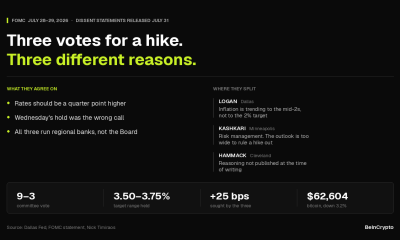
3 Fed Officials Just Explained Their Rate Hike Vote: Is Inflation Winning?
-

 Tech5 days ago
ESET tracks rise in malicious AI skills and adaptable malware
-
 Tech6 days ago
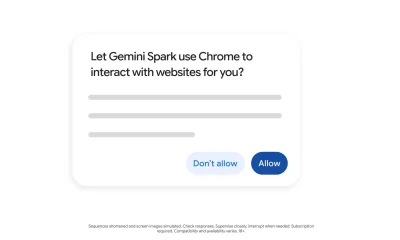
Gemini Spark can now use Chrome logins and saved passwords to run errands on your behalf
-

 Sports5 days ago
France Cricket implodes: letters hidden in a drawer and a board at war
-

 Tech6 days ago
Building A Reproduction PlayStation Motherboard
-
Crypto World4 days ago
XRP Ledger urges node upgrade after manifest flood
-

 Crypto World6 days ago
Moneyflip CEO charged in $40K murder-for-hire plot
-
 Sports6 days ago
Bruno Fernandes decision made as Man United ‘discuss’ striker transfer option
-

 News Videos5 days ago
Financial Crash Expert: The 90-Day Collapse Timeline They Are Desperately Hiding.
-

 NewsBeat7 days ago
Spain sending troops as thousands enter enclave of Ceuta from Morocco
You must be logged in to post a comment Login