Connect with us

Business

Billionaire Ian Wace Helping Fund Harry And Meghan’s UK Return, Sources Tell Page Six Amid $1.2B Fortune

Published

on

Nancy Guthrie & Savannah Guthrie

LONDON — Prince Harry and Meghan Markle’s return to the United Kingdom has been financially supported in part by British hedge fund billionaire Ian Wace, a longtime friend of the couple, according to multiple sources cited by Page Six in the days following the family’s relocation from California.

Wace, 63, is the founding partner, chief executive and chief risk officer of Marshall Wace LLP, one of the world’s largest hedge fund firms, founded in 1997. His estimated net worth stands at roughly $1.2 billion, according to Page Six’s reporting. Two sources told the outlet that Wace has been helping finance the Sussexes’ move back to Britain, though he is not believed to be covering the full cost of their relocation or ongoing expenses.

Harry, Meghan and their two children, 7-year-old Prince Archie and 5-year-old Princess Lilibet, flew privately from Los Angeles to Birmingham on Aug. 26, a trip Page Six reported cost approximately $120,000. The couple’s plans to return to the UK were first reported Aug. 20, with details of Wace’s financial involvement emerging in the days that followed.

Wace and Harry’s friendship extends beyond financial support and reportedly carries deep personal significance for both men. In 1994, Wace’s first wife, Joanna, and their two young children, 4-year-old Guy and 11-month-old Alice, were killed in a car accident in Hampshire. Wace himself had been sitting in the passenger seat of the vehicle at the time of the crash. Harry, of course, lost his own mother, Princess Diana, in a car crash in Paris in 1997, a shared experience that sources say helped forge a particularly close bond between the two men over the years.

Advertisement

Harry first visited Wace’s private Scottish island, Tanera Mòr, in 2017, shortly after Wace purchased the property, according to the Daily Mail. More recently, in July, Harry and Meghan brought Archie and Lilibet to the same island for a private family visit, further underscoring the closeness of the relationship between the two families.

The exact amount Wace has contributed toward the Sussexes’ relocation has not been publicly disclosed. According to AOL’s reporting on the arrangement, Harry and Meghan retain their home in Montecito, California, as well as a property in Portugal, meaning their return to Britain does not represent a complete departure from their life abroad. Their new UK residence is expected to remain private, with neither Harry nor Meghan planning to resume official royal duties following the move.

Separately, a report from tabloid outlet National Examiner, cited by RealityTea, claimed the couple has not been shy about accepting broader financial support from various backers as they resettle in Britain, describing what the outlet characterized as the Sussexes’ “5-star lifestyle” and asserting that the couple intends to eventually repay any assistance they’ve received. Those specific claims regarding a wider circle of financial backers beyond Wace remain sourced solely to that tabloid report and have not been independently corroborated by other outlets covering the family’s relocation.

Commentary from celebrity gossip site Celebitchy pushed back against a separate narrative that had circulated in British media in the weeks before Wace’s involvement became public, referencing a Times of London article questioning how Harry and Meghan would afford their new life in the UK. According to that critique, British tabloids had spent years suggesting the Sussexes were financially struggling, a narrative the site argued has since been undercut by reporting confirming the couple has generated significant income through their various business ventures since stepping back from royal duties in 2020.

Advertisement

Beyond Wace’s financial support, Harry and Meghan are expected to continue pursuing their respective professional projects from their new base in Britain. Harry is anticipated to devote additional time to UK-based charitable work, including preparations tied to the 2027 Invictus Games, scheduled to take place in Birmingham. Meghan is expected to continue running her lifestyle brand, As Ever, from the UK, while some reports have also suggested she may be exploring a return to acting, though British actor Theo James recently dismissed as “hot air” specific rumors linking her to a role in the Netflix series “The Gentlemen.”

The couple also maintains an extended content partnership with Netflix, a relationship that has continued to generate revenue for the Sussexes since they signed their original deal with the streaming service following their departure from royal duties.

The financial support from Wace adds a new dimension to the broader public conversation surrounding Harry and Meghan’s return to the UK, which has already generated significant coverage of the family’s motivations, their children’s schooling arrangements, and the state of Harry’s relationship with other senior royals, including his brother, Prince William. King Charles separately issued a letter in recent days aimed at clarifying confusion over Harry and Meghan’s official royal status following their return, reaffirming that the couple remains outside the formal structure of working royal duties despite their physical relocation back to Britain.

With Harry and Meghan now settling into their new life in the UK, the disclosure of Wace’s financial support offers one of the more concrete details to emerge regarding how the family is managing the practical logistics of their transatlantic move, even as broader questions about their long-term financial arrangements, living situation and public role in Britain remain subjects of ongoing speculation across British and American media coverage of the family’s relocation.

Advertisement
Continue Reading
Click to comment

You must be logged in to post a comment Login

Leave a Reply

Business

Energean shares jump on better-than-expected H1 results

Published

on


Energean shares jump on better-than-expected H1 results

Continue Reading

Business

Campbell’s targets cost cuts after tough year

Published

on

Campbell’s targets cost cuts after tough year

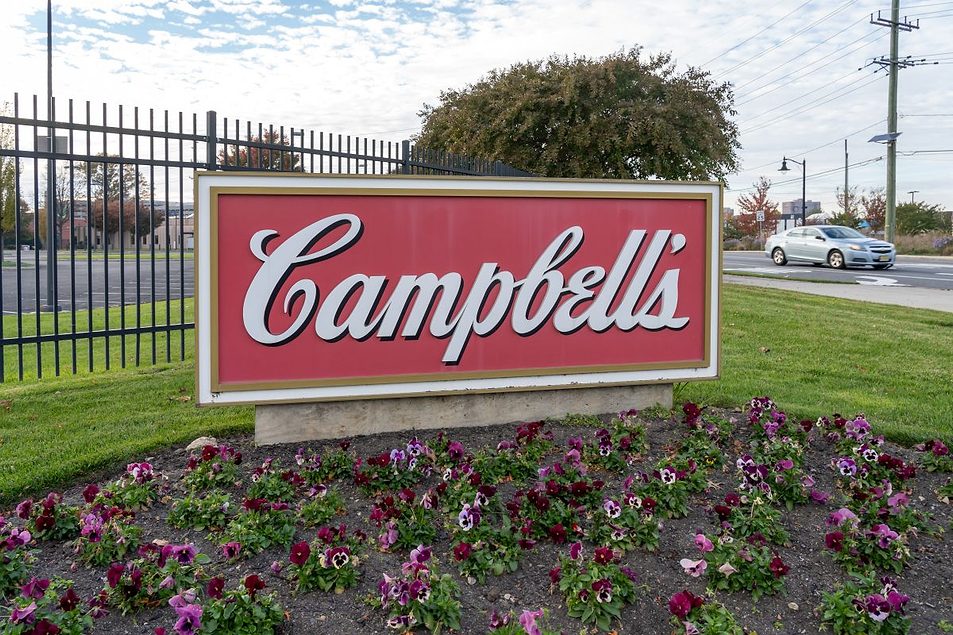
CAMDEN, NJ. — A challenging year culminating in a difficult fourth quarter that included a 12% decline in sales in the company’s Snacks unit has executives at The Campbell’s Co. searching for answers heading into 2027.

Net income in the fiscal year ended Aug. 2 totaled $403 million, equal to $1.34 per share on the common stock, which was down 33% from $602 million, or $2.02 per share, in the 2025 fiscal year. Net sales declined 5% to $9.74 billion from $10.25 billion. An additional week in the 2025 fiscal year impacted net sales by an estimated 2 percentage points. Organic sales were down 2%, primarily due to unfavorable volume/mix.

Mick Beekhuizen, president and chief executive officer of Camden-based Campbell’s Co., acknowledged the company’s performance “is not where it needs to be,” adding “we are taking decisive actions to improve it.”

Among those actions are a reset of the quarterly dividend. The company’s board of directors on Sept. 3 approved a quarterly dividend payment of 25¢ per share, or $1 on an annualized basis, a reduction of 36% from the prior quarterly dividend payment of 39¢ per share, or $1.56 on an annualized basis.

Advertisement

The company also is planning a $500 million cost-savings initiative and changing its marketing spend in fiscal-year 2027.

Campbell’s stock price on Sept. 3, the day fiscal-year results were presented, traded as low as $21.15 on the Nasdaq early in the afternoon, which was down 11% from a close of $23.78 on Sept. 2.

Highlighting Campell’s troubles were a fourth quarter loss of $69 million, which compared with net income of $145 million, or 49¢ per share, in the same period a year ago. Fourth-quarter net sales declined 8% to $2.14 billion from $2.32 billion in the same time of the previous year. An impact of 7 percentage points came from an extra week in the 2025 fourth quarter. Organic sales were down 1%.

Looking ahead to fiscal 2027, Campbell’s expects to face more challenges. The company said it expects net sales to be down 4% to 2% in fiscal 2027 and adjusted EPS to be down 24% to 17% when compared with fiscal 2026. Combined raw material and packaging inflation is expected to be 5% to 6%.

Advertisement

“Our fiscal 2027 outlook reflects an external environment that we expect will remain volatile, as well as another year of elevated inflation that will continue to pressure margins, particularly in the first half,” Beekhuizen said in pre-recorded remarks on Sept. 3. “However, our outlook also reflects the benefits of productivity, cost-savings initiatives and pricing that we expect to build throughout the year and increasingly support margin recovery.

“Make no mistake. Our results remain unacceptable, but instead of waiting for the environment to

improve around us, we are addressing reality head-on. The initiatives we are laying out today are designed to improve performance and put us on a path back to a sustainable long-term value-creation mode.”

campbell embed.jpg

The Campbell’s Co. is planning national advertising campaigns for the Rao’s, Goldfish and Pepperidge Farm brands.

Advertisement

| Photo: ©STEVE CUKROV – STOCK.ADOBE.COM

$500 million in cost savings

Beginning in the 2027 fiscal year, Campbell’s is launching a program targeting $500 million in cost savings by fiscal 2030. The program will include initiatives remaining under a prior program, an overhead savings initiative announced in the third quarter of fiscal 2026 and an enterprise spend optimization that will change how Campbell’s manages and deploys its direct and indirect spending. Actions already underway are plant closures in Hyannis, Mass., and Jeffersonville, Ind., and approximately a 13% reduction in the workforce through a voluntary early-retirement program and involuntary reductions, said Todd Cunfer, chief financial officer.

Beekhuizen added that the company also is changing its approach to marketing support.

“Specifically, we will direct a majority of this year’s marketing budget toward our best opportunities, moving away from what has historically been a balanced approach across our portfolio,” he said. “Let me be clear: We are not walking away from any business or brand. However, our marketing investments must work harder for us.”

Advertisement

Campbell’s in fiscal 2027 has national advertising campaigns planned for Rao’s, Goldfish and Pepperidge Farm, he said. The use of social media, influencer and e-commerce channels will expand as well as platforms enabled by artificial intelligence (AI), he said.

Refocusing Goldfish

In Campbell’s Snacks business, fiscal 2026 operating earnings plunged 28% to $386 million from $538 million. Net sales fell 6% to $3.82 billion from $4.07 billion in the previous fiscal year.

Particularly troublesome for the Snacks business was a 12% decline in sales during the fourth quarter, including a 6% drop in organic net sales. Segment operating earnings, at $101 million, were down 34% from the previous year’s fourth quarter.

Advertisement

Campbell’s in fiscal 2026 refocused the Goldfish brand as a leader in snacking for families and children, but more work remains to be done, Beekhuizen said.

“Core consumption returned to growth, supported by double-digit e-commerce growth and our collaboration with Pokémon, reinforcing our confidence in the strategy,” he said.

In Meals & Beverage, fiscal 2027 earnings fell 14% to $943 million from $1.1 billion. Sales of $5.93 billion were down 4% from $6.18 billion in the previous year.

Semi-scratch cooking consumption increased by 5% in the fourth quarter, led by Swanson, Pacific and Rao’s, Beekhuizen said. Rao’s sauce consumption increased by 9.4% in the year and 8.9% in the fourth quarter, largely driven by sustained distribution and velocity growth, he said.

Advertisement

“Within eating soups, declines eased relative to Q3 for Chunky and Campbell’s red and white condensed,” Beekhuizen said. “At the same time, premium brands Pacific and Rao’s sustained strong double-digit growth, up 14% and 25.3%, respectively.”

Continue Reading

Business

activity up in 7 of 12 UK regions

Published

on

activity up in 7 of 12 UK regions

Business activity increased in seven of the 12 UK nations and regions in August, led by Northern Ireland and London, according to the latest NatWest Growth Tracker. The survey also found that growth expectations for the year ahead improved in the majority of areas, even as cost pressures picked up from July.

The Tracker’s headline measure is the Business Activity Index, where any reading above 50.0 signals growth and a higher reading indicates a faster rate of expansion.

Northern Ireland topped the rankings with a reading of 55.5, its strongest performance for almost two years, followed by London on 54.9. Output was unchanged in the West Midlands at 50.0, while the North West (49.7), North East (49.6), East Midlands (49.5) and Scotland (48.9) each recorded slight decreases in activity.

The July edition of the tracker had reported growth in 10 of the 12 areas, with London on 55.3 at the top.

Sebastian Burnside, NatWest chief economist, said: “It was encouraging to see business activity growth being sustained across most parts of the UK in August, despite a backdrop of renewed inflationary pressures. Business expectations towards future output have also continued to recover in the majority of areas, with confidence getting closer to the levels seen at the start of the year before the recent bout of geopolitical uncertainty and volatility in oil markets.”

Advertisement

Costs and prices

Cost pressures increased across most UK nations and regions in August, the Tracker found, although rates of input price inflation remained below the highs seen in the second quarter of the year. Firms in Northern Ireland again recorded the steepest rise in operating expenses, followed by those in Yorkshire & Humber. Scotland saw the slowest pace of cost inflation, its weakest for six months.

Burnside said: “Higher prices at the fuel pumps in August contributed to quicker increases in input costs in most UK nations and regions, the first time this has been the case since April, but rates of inflation in both costs and output prices remained below the highs seen in the second quarter of the year, perhaps giving policymakers some breathing room to keep interest rates unchanged for now.”

The Bank of England held Bank Rate at 3.75 per cent at its meeting on 30 July, with the Monetary Policy Committee’s next decision due on 17 September.

Prices charged for goods and services also generally rose at faster rates, according to the survey, with Northern Ireland recording the steepest increase. Output price inflation was unchanged in London and the South West and dipped to a five-month low in the South East.

Advertisement

The second-quarter peak in costs followed an energy price shock earlier in the year linked to the Middle East conflict, and pump prices have drawn calls for a cut in fuel duty from campaign group FairFuelUK.

Demand and employment

New business presented a mixed picture, with six of the 12 areas recording growth and the rest seeing a decline. Firms in London and Yorkshire & Humber jointly posted the most marked increases in new work, followed by those in the South West. Scotland remained at the bottom of the rankings but saw its rate of decline ease to the weakest for five months.

Labour market conditions generally remained subdued, the Tracker said, with only pockets of employment growth. Scotland saw workforce numbers rise for a third straight month, while the South West recorded its first increase since April. Staffing levels fell elsewhere, with Wales recording the most marked decline.

Burnside said: “Whilst we’re still only seeing pockets of employment growth across the UK, there are further signs that labour market conditions are at least beginning to steady, with several regions seeing rates of decline in employment either slow or remain broadly unchanged since July.”

Advertisement

Outstanding business fell across the board in August, which the survey described as a sign of generally weak capacity pressures. The reduction in Northern Ireland was negligible, while firms in Wales recorded a sharp drop in backlogs of work.

Business expectations for the next 12 months improved in the majority of areas, with the West Midlands the most optimistic, ahead of London and the South East. Sentiment was weakest in Northern Ireland, though still positive overall.


Jamie Young

Jamie Young

Jamie Young is Senior Reporter at Business Matters, covering SME finance, employment law and Westminster policy since 2016. He has reported on every Budget and Autumn Statement since 2018, helped make sense of the ‘covid era’ and the bounce-back loan scheme from launch through the fraud investigations, and broke the magazine’s coverage of the 2024 late-payment reforms. He joined Business Matters straight from completing his BA in Administration from Exeter University and is NCTJ-qualified. Reach him at jyoung@cbmeg.co.uk

Advertisement

Continue Reading

Business

Consumers changing their approach to buying bread

Published

on

Consumers changing their approach to buying bread

WASHINGTON — A longtime US household staple, bread is undergoing a consumer shift as shoppers gravitate from traditional white/wheat loaves to other category segments, new research from the Grain Foods Foundation (GFF) shows.

A GFF-commissioned survey of 1,043 US adults by market research and polling firm Ipsos found that consumers have become more diverse in their bread product selections, exhibiting a rising preference for artisan and sourdough varieties and sharpening their focus on ingredients and nutrition. Titled “Consumer Perspectives on Bread,” the study also revealed shoppers increasingly have branched out in bread formats beyond conventional loaf slices.

“Bread’s story is being shaped as much by media and dietary conversations as by what’s on the shelf, and independent, best-in-class insights have never mattered more,” said Erin Ball, executive director of the Grain Foods Foundation. “Consumer Perspectives on Bread gives our industry a clear, credible picture of where bread stands with today’s shopper as well as where it’s headed.”

Of the polled households’ primary bread purchasers, 53% said they purchased traditional sandwich bread in the past three months, compared with 22% buying artisan bread, 14% alternative bread formats and 11% better-for-you bread offerings.

Advertisement

Among specific bread items purchased in that time frame, tortillas/wraps led the field, with 71% of respondents buying them. Next were rolls (57%), sliced wheat/whole wheat sandwich bread (53%), sliced white sandwich bread (50%), sourdough bread (45%), artisan sliced bread (37%), baguette bread (31%), grains and seeds traditional sliced bread (30%), sandwich thins and flatbreads (23%) and ciabatta (20%).

Other varieties bought by at least 10% of those surveyed included rye/pumpernickel European-style bread (19%), high-protein/keto bread (14%), ancient grain loaves (12%) and focaccia (12%).

Still, traditional white/wheat sliced sandwich bread stood as the top bread purchase for the three-month period, cited by 78% of consumers polled. Interestingly, however, 72% of traditional bread primary purchasers said they bought tortillas/wraps during that time span, and 59% bought rolls.

“Traditional sliced sandwich bread remains the primary anchor for households, but its core buyers are actively diversifying with alternative formats like tortillas/wraps and rolls,” the GFF study said.

Advertisement
GFF-bread-study_chart_JPG.jpgSource: Sosland Publishing Co.

Consumption evolves

Bread consumption has stayed relatively level among consumers. Sixty-seven percent said they’ve eaten about the same amount of bread over the past year, compared with 18% reporting they eat less and 15% saying they eat more, according to the GFF/Ipsos research.

“Overall bread consumption remains largely flat, indicating that growth in the bakery aisle is a battle for share rather than increased volume,” the report said.

But changes in bread consumption clearly show a growing consumer predilection for artisan and better-for-you items, the study noted. For example, over the past year, 46% of respondents said they were eating more high protein/keto bread versus 46% eating about the same and 8% eating less, for a net shift of 38% — the sharpest of the varieties in the research. Next in terms of a net shift toward eating more were boule/batard (27%), sourdough (17%), sprouted grain (16%), ancient grain loaves (14%), sliced grains and seeds (11%), sandwich thins and flatbreads (4%), artisan-style sliced (3%), tortillas/wraps (2%) and focaccia (2%).

Sliced wheat/whole wheat bread and rye/pumpernickel showed no net shift in consumption. Meanwhile, 12% of those surveyed said they eat more sliced white bread versus 61% eating about the same and 27% eating less, for a negative net shift of 15%. Other varieties showing a net shift toward less consumption included rolls (-10%), ciabatta (-8%) and baguette (-4%).

Advertisement

“While traditional sliced white and wheat loaves remain flat or decline, many have actively increased their intake of functional, seeded and fermented breads and artisan types like sourdough,” the GFF study said.

Nevertheless, bread remains a “resilient staple” and a “nutritional anchor,” the report noted. Among respondents, 59% agreed bread and bread products are an affordable way to eat nutritiously, while 39% agreed that a good meal isn’t complete without bread or another bread product.

Changes in choice

But many of the consumers polled also agreed with the following: bread with visible grains/seeds is significantly better for health than traditional white bread (62%), sourdough bread is better for gut health/digestion than regular bread (53%), traditional sliced bread is boring compared to other bakery options (50%), artisan or grainy breads have less added sugar than traditional white bread (48%) and a standard loaf is too much to finish before it goes bad (28%).

Advertisement

In addition, 43% said they worry about carbs/weight gain and are trying to limit bread intake. Yet 36% said they are looking for a new bread type as their household’s staple, and 62% like to use alternative breads, such as wraps, to make different kinds of sandwiches.

“Despite nearly half actively limiting their intake due to carb and weight fears, a majority still view bread as an affordable way to eat nutritiously, highlighting the category’s enduring relevance for today’s shopper,” the study said.

On the health and nutrition front, whole wheat (36%) and simple/clean label (35%) topped the list of “healthy bread descriptors” that catch consumers’ eyes when shopping for bread, the research found, with “clean label” defined as bread with recognizable ingredients and/or five ingredients or less. Other descriptors appealing to respondents included high fiber (30%), low/no added sugar (24%), high protein (19%), sourdough starter/naturally fermented (19%), visible seeds (16%), ancient grains (14%), low calorie (14%) and sprouted grains (9%).

“Consumers define healthy and high-quality bread through foundational health cues, prioritizing whole wheat, clean labels and high fiber over niche diet claims,” the report said.

Advertisement

Those descriptors, along with sensory experience, also play into consumers’ “must-haves” when shopping for bread. Price, cited by 50% of consumers polled, was a top-three must-have when choosing bread, but more respondents cited taste (86%) and texture (55%). Other factors considered most important when bread shopping included clean ingredients (40%), shelf life (38%), healthier than other options (36%), loaf size (32%), visual appeal (28%), specific nutritional benefits (24%), low/no added sugar (24%), brand familiarity (18%), low carbs (15%) and low calorie (14%).

“While price is important, taste, followed by texture, are the ultimate ‘must haves’ that dictate the (bread) purchase decision,” the GFF study said.

Continue Reading

Business

AI cancer cure in our lifetime, says Arm chief Rene Haas

Published

on

AI cancer cure in our lifetime, says Arm chief Rene Haas

Rene Haas, chief executive of the chip designer Arm Holdings, has said artificial intelligence will help cure cancer “in our lifetime”, and predicted that humanoid robots will be in widespread use within the next five years.

Haas told the BBC that modelling how a DNA marker is affected by cancer was currently “too complex” a problem for either humans or the computers that run AI, but that computers were “going to solve it” as more models are fed into them and they become more sophisticated at running them.

“AI is going to … find a cure for cancer that today you and I, other humans [could] not in our lifetimes. I believe in our lifetime, AI will help cure cancer,” he said.

“Modelling how a DNA marker is impacted by cancer, it’s too complex a problem, not only for humans today, but the computers that run AI. However, going forward, as we feed more and more of the models into these computers, and the computers get more sophisticated to run the models, they’re going to solve it.”

AI already in use in NHS diagnosis

AI tools are already being used in NHS cancer diagnosis. The Department of Health and Social Care said on 10 June 2026 that more than four million patients had received a faster lung cancer diagnosis or all-clear thanks to AI tools, and announced £20m to roll out AI-powered X-ray tools to every NHS trust in England by 2029.

Advertisement

The department said early data showed the technology, which acts as a virtual “second pair of eyes” for radiologists, helped them analyse scans in an average of four days, compared with eight days for the most complex cases previously. The NHS is also using an AI forecasting system across 50 organisations to identify likely surges in A&E attendances days and weeks in advance.

Haas predicts humanoid robots within five years

Haas said AI would also pave the way for widespread humanoid robots within the next five years, but that chip shortages were stunting growth in the area.

“With artificial intelligence, these robots can see, learn, and essentially be reprogrammed for new tasks,” he said. “So, in the service industry, the robot that was programmed to make a bed can also learn how to arrange the towels in a room, or clean the dustbins, or whatever you want to go off and do.”

A report by Royal Bank of Canada has estimated that the global market for humanoid robots could be worth as much as $9tn by 2050, with basic household models potentially entering homes within the next five years but widespread adoption of fully capable domestic robots unlikely for up to 20 years.

Advertisement

Arm, which is listed in New York but keeps its global headquarters in Cambridge, has about 500 users of its chip designs worldwide, including Apple, Samsung, Qualcomm and Nvidia. The company says more than 350bn Arm-based chips have been shipped to date.

It employs more than 7,000 staff, including about 3,000 in the UK, and is the biggest technology company headquartered in Britain, with a stock market value of about $269bn (£199bn).

Haas joined Arm in 2013 and became chief executive in 2022. He has also been named chief executive of the international business of SoftBank, the Japanese group that is one of the biggest technology investors in the world and holds a stake in ChatGPT maker OpenAI. He stepped down from the board of the pharmaceutical group AstraZeneca in April 2026.

Earlier in 2026, Arm proposed a pay scheme for Haas that could make him a billionaire if he hits targets to turn the chip designer into a trillion-dollar company.

Advertisement

Amy Ingham

Amy Ingham

Amy Ingham is a reporter at Business Matters, covering UK business news with a focus on breaking news, business policy, late payments and insolvency. She joined the magazine in 2026 after completing the NCTJ Diploma in Journalism at Harlow College’s journalism school. Her recent reporting includes British Steel’s nationalisation and its impact on SME suppliers, the decline in late payments by large firms, and Insolvency Service director disqualifications. Reach her at aingham@cbmeg.co.uk.

Advertisement
Continue Reading

Business

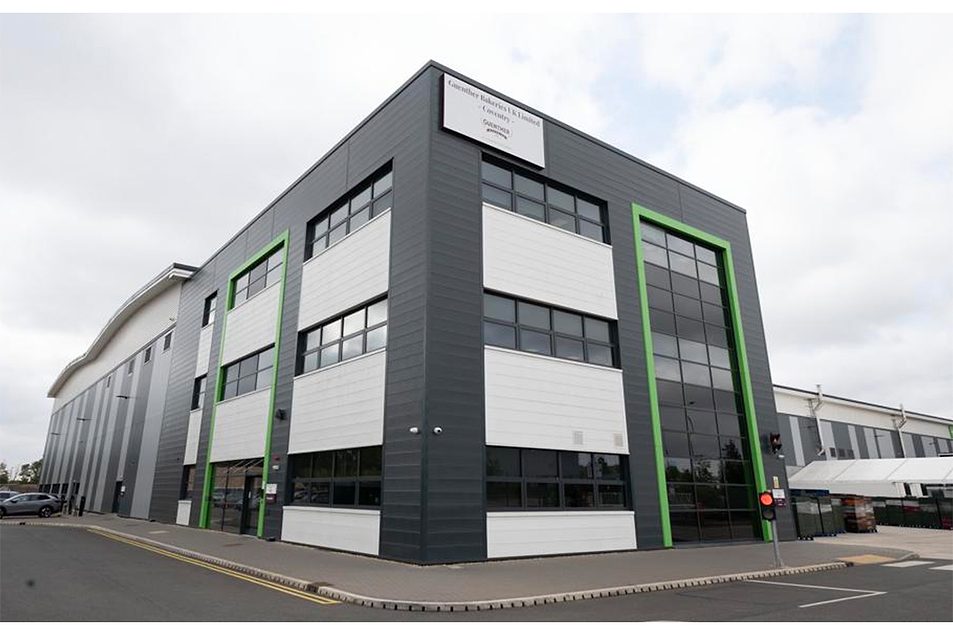
C.H. Guenther’s new UK center of excellence makes debut

Published

on

C.H. Guenther’s new UK center of excellence makes debut


Advertisement


C.H. Guenther’s new UK center of excellence makes debut | Food Business News

Advertisement

Advertisement


Skip To Content

Advertisement

Continue Reading

Business

Playtech says Spectrum report corroborates Black Cube findings

Published

on


Playtech says Spectrum report corroborates Black Cube findings

Continue Reading

Business

Atom Bank CEO and co-founder Mark Mullen to step down

Published

on

Business Live

Mr Mullen’s departure comes as the bank announces a rise in income and profits in its latest accounts

Atom Bank chief executive Mark Mullen

Atom Bank chief executive Mark Mullen(Image: Lansons)

Newcastle challenger bank Atom Bank has announced the departure of its chief executive Mark Mullen. Mr Mullen, who co-founded the bank in Durham ahead of its move to Tyneside this year, has stepped down after a period of speculation around possible takeover bids for the digital-only bank.

Current chief financial officer Andrew Marshall will become interim CEO as Atom starts the search for a permanent successor to Mr Mullen. The announcement came as accounts for Atom for the year ending March 31 showed a growth in net operating income to £99.8m, while profit before taxation increased significantly from £5.1m a year earlier to £9.4m.

Advertisement

In the accounts, Mr Mullen said the company’s performance had been “positive”, though he stressed the need to find a “better balance in the composition of our earnings”.

He added: “We delivered these results despite considerable macroeconomic volatility, maintaining exceptionally low levels of both arrears and forbearance at just 0.9% across the loan portfolio. In the final quarter of the financial year, the impact of the potential economic fallout from the war in Iran played through into higher modelled Expected Credit Losses (ECLs) for the year at £9.4m against £7.1m in FY25.

“In the course of the year, we further expanded and established new deposit platform partnerships. We grew retail deposit balances to more than £8.3bn and launched our first Cash ISA.

Atom Bank is moving into the Pattern Shop in Newcastle

Atom Bank is now based in the Pattern Shop building in Newcastle.(Image: Atom bank)

“We have invested in our behaviouralisation and price elasticity modelling and continued to leverage our Elvet Securitisation programme. Growing our retail deposit capabilities will remain a key strategic focus. We continue to work toward increasing our maximum aggregate balance, driven by the upcoming launch of our latest savings variants.”

Advertisement

In this morning’s announcement of his decision to step down, Mr Mullen said: “After 12 years as CEO, I have decided to hand over the leadership of Atom. It has been a privilege to build this business and I am immensely proud of what we have achieved together, growing Atom into a leading UK bank that successfully competes with the High Street banks.

“Atom is a fantastic company with a bright future. I wish Andrew and my permanent successor well.”

Atom chair Lee Rochford said: “On behalf of the board, I would like to thank Mark for his leadership, dedication and significant contributions since he founded the business 12 years ago. Under his leadership, Atom pioneered digital banking in the UK.

“His vision of an online bank devoted to customer service has been adopted across the industry and helped make Atom one of the UK’s most trusted banks for customers. That is a legacy to be proud of.”

Advertisement

Mr Marshall said: “I am pleased to take on the role of Interim CEO and to lead Atom after 10 years with the business. Mark leaves us with a strong foundation and an excellent team, and I look forward to working with the board and leadership team to maintain our momentum.”

Continue Reading

Business

Carclo reports margin gains, reaffirms full-year outlook

Published

on


Carclo reports margin gains, reaffirms full-year outlook

Continue Reading

Business

Our September Perspective

Published

on

Our September Perspective

Our September Perspective

Continue Reading

Trending

Copyright © 2025