Connect with us
DAPA Banner

Business

BlackRock CEO Larry Fink warns $150 oil price could spark global recession

Published

on

BlackRock CEO Larry Fink warns $150 oil price could spark global recession

The head of the world’s largest asset manager has warned that a sustained surge in oil prices to $150 a barrel could push the global economy into a sharp recession, as geopolitical tensions continue to destabilise energy markets.

Larry Fink, chief executive of BlackRock, said the trajectory of the Middle East conflict, particularly the role of Iran, will determine whether the world faces a temporary disruption or a prolonged economic shock.

“If oil prices stay elevated and Iran remains a threat, that will have profound implications,” he said, warning that a scenario of sustained high prices could lead to “a probably stark and steep recession”.

Fink outlined two contrasting outcomes for global markets.

In a more optimistic scenario, a resolution to the conflict and a stabilisation of relations could see oil prices fall back below pre-war levels, easing inflationary pressures and supporting growth.

Advertisement

However, in the more pessimistic case, prolonged instability could drive oil prices above $100, and potentially towards $150, for several years. That would significantly increase costs for businesses and consumers, acting as a drag on economic activity worldwide.

Energy prices have already surged in recent weeks, with Brent crude climbing sharply amid disruptions to supply routes and heightened uncertainty over future production.

Fink emphasised that rising energy prices disproportionately affect lower-income households, describing them as a “very regressive tax”.

“Higher energy costs hit the poorest the hardest,” he said, noting that sustained increases would not only dampen consumer spending but also exacerbate inequality.

Advertisement

The warning comes as governments, including the UK, face growing pressure to shield households and businesses from rising costs, even as public finances remain stretched.

The BlackRock chief urged policymakers to adopt a pragmatic approach to energy policy, combining existing fossil fuel resources with accelerated investment in renewables.

“Use what you have, unquestionably, but also aggressively move towards alternative sources,” he said.

He argued that high oil prices could ultimately accelerate the global transition to cleaner energy, as countries seek to reduce dependence on volatile fossil fuel markets. Solar and wind power, in particular, could see rapid expansion if energy costs remain elevated.

Advertisement

However, he warned that progress has been uneven. While China is investing heavily in solar and nuclear capacity, Europe risks falling behind due to slow implementation and regulatory inertia.

Despite market volatility, Fink dismissed comparisons with the 2007–08 financial crisis, insisting that today’s financial system is far more resilient.

“I don’t see any similarities at all, zero,” he said, arguing that while some stress is emerging in areas such as private credit funds, it represents a small portion of the overall market.

Fink also addressed concerns about a potential bubble in artificial intelligence, rejecting the idea that investment in the sector is overinflated.

Advertisement

“I do not believe we have a bubble at all,” he said, although he acknowledged that some companies may fail as the technology evolves.

He argued that AI is part of a broader race for technological dominance, particularly between the US and China, and that continued investment is essential to remain competitive.

At the same time, he highlighted the transformative impact AI is likely to have on the labour market. While some traditional office roles may decline, he expects significant job creation in skilled trades.

“There will be enormous demand for electricians, welders and plumbers,” he said, suggesting that societies will need to rethink their approach to education and career pathways.

Advertisement

With BlackRock overseeing around $14 trillion in assets, Fink’s outlook carries significant weight among policymakers and investors.

His warning underscores the fragile state of the global economy, where energy markets, geopolitical tensions and technological change are converging to reshape growth prospects.

For now, the key variable remains oil. If prices continue to climb towards the $150 threshold, the risk of recession will rise sharply, forcing governments and central banks to navigate an increasingly complex and volatile economic environment.


Jamie Young

Jamie Young

Jamie is Senior Reporter at Business Matters, bringing over a decade of experience in UK SME business reporting.
Jamie holds a degree in Business Administration and regularly participates in industry conferences and workshops.

When not reporting on the latest business developments, Jamie is passionate about mentoring up-and-coming journalists and entrepreneurs to inspire the next generation of business leaders.

Advertisement

Continue Reading
Click to comment

You must be logged in to post a comment Login

Leave a Reply

Business

Dividend alert! TVS Holdings announces Rs 86 interim dividend; check record date

Published

on

Dividend alert! TVS Holdings announces Rs 86 interim dividend; check record date
TVS Holdings, the promoter entity of TVS Motor Company, announced an interim dividend of Rs 86 per equity share on Wednesday. This implies a whopping 1,720% dividend payout on the smallcap company’s 2.02 crore shares.

In an exchange filing, TVS Holdings said that its board of directors, during its meeting today, has declared the interim dividend of Rs 86 per share with a face value of Rs 5 each for the ongoing financial year 2026, with the total dividend payout standing at Rs 174 crore.

Record date for TVS Holdings dividend

The record date to determine the eligibility of the shareholders set to receive the dividend has been set on April 2. This means that only those shareholders who have the shares of the company on their demat accounts on April 2 will be eligible for the dividend. The dividend will be paid within 30 days from the declaration of the interim dividend, the company announced.

Advertisement

This comes after the company paid an interim dividend of Rs 93 to its shareholders in March last year, and Rs 94 in April 2024.

Additionally, the company also announced that it has raised Rs 650 crore by issuing non-convertible debentures (NCDs) at an 8.10% coupon rate with a 39-month term.

TVS Holdings share price

The shares of the company sharply surged nearly 3% to trade at Rs 14,125 apiece on NSE on Wednesday. The stock has gained more than 57% in the past one year, and over 265% over the past three years.
The Chennai-headquartered company has undergone key transformations in recent years, including its rebranding from Sundaram-Clayton to TVS Holdings. The company acts as the holding arm of the larger TVS Group, which has been expanding its footprint across mobility solutions, electric vehicles, and global operations.Through its subsidiaries and associates, TVS Holdings has interests in two-wheeler manufacturing, electric vehicle initiatives and global operations. Earlier in January this year, TVS Holdings reported a 28% year-on-year rise in consolidated net profit to Rs 493 crore for the October-December quarter of the ongoing financial year 2026. The firm’s revenue from operations grew 34% YoY to Rs 15,276 crore during the same period.

(Disclaimer: Recommendations, suggestions, views and opinions given by the experts are their own. These do not represent the views of The Economic Times)

Advertisement
Continue Reading

Business

Supreme Court sides with Cox, tosses $1 billion copyright verdict in Sony fight

Published

on

Supreme Court sides with Cox, tosses $1 billion copyright verdict in Sony fight

The Supreme Court unanimously ruled Wednesday that internet providers are not liable for copyright infringement by their users, delivering an opinion in Cox v. Sony and tossing a $1 billion verdict.

“Under our precedents, a company is not liable as a copyright infringer for merely providing a service to the public with knowledge that it will be used by some to infringe copyrights,” Justice Clarence Thomas wrote in the opinion. “Accordingly, we reverse.”

Advertisement

The ruling marks a significant win for broadband providers facing pressure from copyright owners to police subscriber activity.

Cox Communications now cannot be held liable for piracy by its internet service subscribers of songs owned by Sony Music, Warner Music Group, Universal Music Group and other labels, ending their billion-dollar-plus music copyright lawsuit.

PARAMOUNT WINS MAJOR LEGAL VICTORY OVER ‘TOP GUN: MAVERICK’ COPYRIGHT CLAIMS FROM WRITER’S FAMILY

Ticker Security Last Change Change %
SONY SONY GROUP CORP. 20.57 -0.11 -0.53%
COXCF COX _NA_
WMG WARNER MUSIC GROUP CORP. 23.59 -0.06 -0.25%
UMG NO DATA AVAILABLE

The 9-0 ruling overturned a lower court’s decision to order a new trial to determine how much the internet service provider owed the record labels for a form of liability called contributory copyright infringement. Cox had said a retrial could have produced a verdict against the Atlanta-based ISP of as much as $1.5 billion.

Advertisement

“The judgment of the Court of Appeals for the Fourth Circuit is reversed, and the case is remanded for further proceedings consistent with this opinion,” the ruling concluded.

Justice Sonia Sotomayor, joined by Justice Ketanji Brown Jackson, agreed Cox should prevail in this case but rejected the majority’s broader reasoning. 

In her separate opinion, Sotomayor wrote that “the majority, without any meaningful explanation, unnecessarily limits secondary liability” and warned that the decision “also upends the statutory incentive structure that Congress created.” 

EPIC GAMES CUTS 1,000 JOBS AS FORTNITE ‘MAGIC’ FADES IN ‘EXTREME’ MARKET CONDITIONS

Advertisement
the nine members of the supreme court

All nine members of the Supreme Court agreed that an internet provider cannot be held liable for the copyright infringement of their subscribers. (Getty Images / Getty Images)

“The facts of this case do not establish the requisite intent needed to hold Cox liable for infringement that occurred on its network,” she concluded. 

“Because the majority needlessly curtails secondary liability in a manner inconsistent with both precedent and statute, I concur only in the judgment.”

More than 50 labels joined together to sue Cox in 2018. Internet service providers like Cox are generally not considered liable under U.S. law for infringement by their users if they take reasonable measures to address it. But the labels accused Cox, the largest unit of privately owned Cox Enterprises, of failing to respond to thousands of infringement notices, cut off internet access for repeat infringers or take other piracy-deterrence steps.

A jury in Alexandria, Virginia, in 2019 found Cox owed the labels $1 billion for user infringement of more than 10,000 copyrights. The jury found Cox liable both for contributory infringement and vicarious infringement, two forms of secondary copyright infringement liability.

Advertisement

DELTA SUSPENDS VIP SERVICES FOR CONGRESS MEMBERS AMID DHS SHUTDOWN, TSA DELAYS

The Richmond, Virginia-based 4th U.S. Circuit Court of Appeals threw out the damages award in 2024. The 4th Circuit ordered a retrial on the award’s size after affirming the jury’s finding of contributory infringement but reversing its finding of vicarious liability.

Supreme Court building in Washington, DC

People look at the U.S. Supreme Court building in Washington, D.C., March 14, 2026.  (REUTERS/Will Dunham / Reuters Photos)

Contributory infringement involves holding parties liable for someone else’s infringement because they knew about it and contributed to it. Vicarious infringement involves holding parties liable for someone else’s infringement because they had the ability to control the infringement and benefited financially from it.

Cox argued that the position taken by the labels in the case would expand the concept of contributory infringement too broadly. Cox said this stance would threaten to cut off access for thousands of innocent internet users including “entire households, coffee shops, hospitals, universities” and others “merely because some unidentified person was previously alleged to have used the connection to infringe.”

Advertisement

CLICK HERE TO DOWNLOAD THE FOX NEWS APP

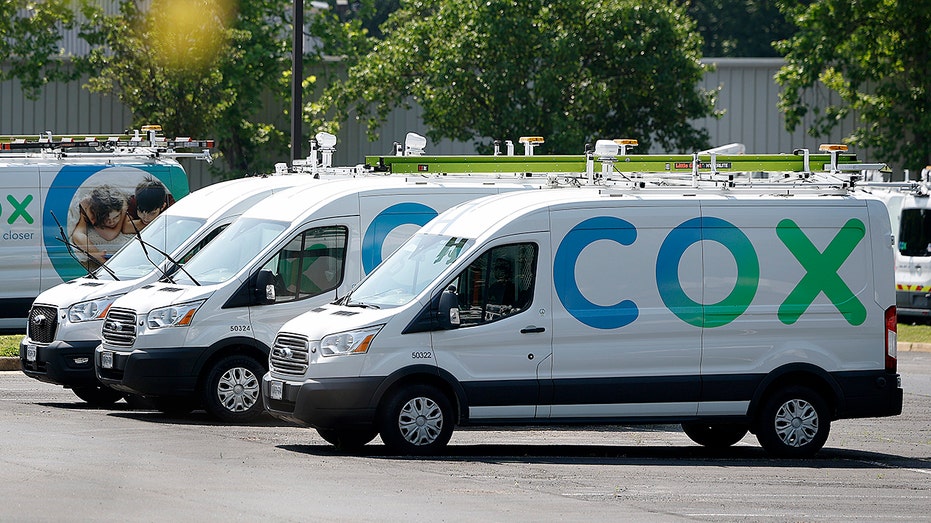
Cox Internet Service Provider Vehicles

Cox utility trucks are parked at the Cox Communications Springfield Warehouse on May 16, 2025, in Springfield, Virginia. (Kevin Dietsch/Getty Images / Getty Images)

The Supreme Court heard arguments in the case in December. A lawyer for President Donald Trump‘s administration argued in support of Cox. Alphabet, Amazon, Microsoft and other internet-focused tech companies supported Cox in the case, too. Music, film and book industry trade groups backed the labels.

READ THE SUPREME COURT OPINION – APP USERS, CLICK HERE:

Reuters contributed to this report.

Advertisement
Continue Reading

Business

Can a shift toward scratch cooking reduce UPFs?

Published

on

Can a shift toward scratch cooking reduce UPFs?

Amy’s Kitchen says it’s possible on a commercial scale.   

Continue Reading

Business

Law firm hails Foot Anstey hails ‘Manchesterism’ as it brings key conference to the city

Published

on

Business Live

Group focusing on key North West growth areas including retail, sports and infrastructure

Melanie McGuirk and Jan Levinson in the Manchester office of Foot Anstey

Melanie McGuirk, left, and Jan Levinson in the Manchester office of Foot Anstey(Image: Foot Anstey)

A law firm holding its national conference in Manchester for the first time says the city’s ‘Manchesterism’ effect, as promoted by Andy Burnham, has encouraged its investment in the region.

Foot Anstey is holding its Partner Conference in Manchester this week after announcing plans to grow its headcount in the North West.

Foot Anstey recently reported its strongest-ever financial results, with revenues for the 2024/25 financial year reaching £76.9m. The Bristol-based firm employs more than 700 people, with other offices in Belfast, Exeter, London, Plymouth and Southampton.

In the North West, the group aims to grow its offering in key growth areas including retail, sports, infrastructure and technology. It will also continue its to “break down barriers” in the legal profession,

Advertisement

Foot Anstey plans to grow its headcount in the North West region and further develop its legal offering in line with key business growth sectors of retail, sports, infrastructure and technology.

The firm’s strategy also focuses on breaking down barriers to entry into the legal profession across the UK, including Manchester, through initiatives such as Achieve, its award-winning vacation scheme supporting Black and minority ethnic candidates.

The firm’s pledge to donate 1% of its net profits annually to responsible business programmes is already benefiting initiatives within Greater Manchester such as the Wood Street Mission.

Martin Hirst, managing partner at Foot Anstey, said: “The high calibre of our established team in Manchester as well as positive economic data gives us the confidence to make further investment in Manchester and the wider North West region. This is why we have selected Manchester as the location for our partner conference this year bringing people together at the heart of this exceptional business environment. I look forward to seeing the positive impact we will create in Manchester in the years ahead, not just in business terms but in social investment too.”

Advertisement

Melanie McGuirk, partner at Foot Anstey in Manchester, said: “The ‘Manchesterism’ effect is certainly being noticed in other parts of the country and is a major pull factor for business. The strength of Manchester’s economy is an important part of our decision as a firm to commit to this city. It’s a city that is growing in confidence and capability, attracting high-growth companies and exceptional talent, and we’re committed to being part of that continued growth.”

Jan Levinson, partner at Foot Anstey in Manchester, said: “We are building a powerhouse law firm, backed by exceptional talent and a clear vision for growth. Over the coming year, we will continue to expand our capability to support the most complex commercial disputes and high-value advisory matters, working alongside the region’s most ambitious organisations and leaders”

Continue Reading

Business

Plans for new housing estate near A555 Airport Relief Road in Stockport

Published

on

Business Live

Breck Homes says scheme will be ‘100% affordable’

Bolshaw Road in Heald Green, Stockport.

Bolshaw Road in Heald Green, Stockport(Image: Google Maps)

A new housing estate could be built on the green belt in Stockport close to the Airport Relief Road.

Advertisement

Plans have been submitted to the council to build 64 ‘affordable’ homes on the fields off Bolshaw Road in Heald Green.

It is close to the border with Cheshire with Handforth sitting on the other side of the A555.

Developer Breck Homes said in its planning application that the land is ‘well located for access to local shops, employment, community facilities and public services, many accessible from the site on foot.’

A report set out the vision: ‘The site will provide 100 per cent affordable housing, infrastructure needs will be met, and accessible public open space will be provided.

Advertisement

‘The streets have been designed to be a safe, pleasant environment for residents. This is within the context of Heald Green being a sustainable location in which residents can live, work and play.’

The developer said people with a local connection but without the ‘financial means’ to live in the area would be given ‘priority’ for housing allocation.

If the scheme is approved, half the homes would be at social rent prices, with the other half for shared ownership.

The developer explained in its application that while the site is part of the green belt, it ‘fulfils the definition of ‘grey belt’ in accordance with national planning policy.’

Advertisement

A ‘grey belt’ designation can mean land being released from its protected status or allocated for housing development.

This would be weighed up by Stockport council when reviewing the plans.

The planning application continued: ‘The combination of dwelling types and sizes, with apartments of one or two bedrooms and homes of two, three, and four bedrooms, will meet the needs of a wide range of users.’

Proposals could see new homes built on the land come with ‘spacious private gardens’ and communal areas for the apartments.

Advertisement

Planning documents state that the area is serviced by ‘regular bus services stopping 100m from the site’ which will ‘enable travel to locations such as Stockport, Macclesfield and Manchester Airport all within 30 minutes.’

Reports claimed that Heald Green train station is a ’15-minute walk from the site along Cross Road’, but Google Maps suggested the trek could take closer to half an hour from the application area.

Stockport is facing a shortage of affordable housing like in other areas of Greater Manchester.

More than 9,000 people are registered on Homechoice, a platform used by social housing provider Stockport Homes for bidding on properties.

Advertisement

The Lib Dem-led council has plans to build a total of 8,000 homes in Stockport town centre with a ‘brownfield first’ approach to development.

Stockport council has set a target date of May 25 for the plans to be decided.

To find all the planning applications, traffic diversions, road layout changes, alcohol licence applications and more in your community, visit the Public Notices Portal.

Advertisement
Continue Reading

Business

Families offered support with Easter food costs

Published

on

'Concern' as school holiday food vouchers end

Low-income families are being offered help with the cost of food during the Easter holidays.

Continue Reading

Business

The Hidden Role of Packaging in Building Premium Skincare Brands

Published

on

The Hidden Role of Packaging in Building Premium Skincare Brands

Many skincare brands focus heavily on their formulas but overlook one important detail: packaging. Even high-quality products can struggle to attract attention if the packaging does not reflect the product’s value. Customers often make quick decisions based on how a product looks, feels, and presents itself on a shelf or website.

This is why packaging plays a bigger role than many brands realize. The right packaging not only protects skincare formulas but also shapes how customers perceive the brand. In this article, we explore the hidden role packaging plays in building premium skincare brands and why it matters for long-term success.

Why Packaging Matters in the Skincare Industry

Many skincare products contain active ingredients that react to light, air, and heat. Because of this, packaging does more than hold the product. It helps protect the formula so it stays stable and safe to use.

At the same time, packaging shapes how customers feel about a product. When someone sees a clean bottle with a good design, they often expect better quality. So even before the first drop is used, the packaging has already started doing its job.

Advertisement

Key Functions of Skincare Packaging

Packaging plays several important roles in skincare products:

  • Protects the formula from light, air, and outside contamination
  • Helps keep ingredients stable for a longer time
  • Makes it easier for customers to use the product properly
  • Adds a professional look that builds trust
  • Supports the brand image on store shelves and online

When these elements work together, the product feels more reliable. And yes, people often trust a product that looks like it belongs in a fancy bathroom.

How Packaging Influences Premium Brand Perception

Premium skincare brands rarely treat packaging as an afterthought. Instead, they treat it like part of the product itself. When customers hold a bottle that feels sturdy and well made, they often believe the formula inside is just as good.

Also, packaging helps create a clear identity for the brand. Colors, shapes, and materials send signals about quality and style. A simple and clean design often feels more refined, while cheap or weak containers can quickly lower a product’s value in the eyes of customers.

Elements That Make Packaging Look Premium

Several details help packaging give a high-end impression:

Advertisement
  • Strong and durable materials
  • Clean and minimal design
  • Smooth dispensing systems
  • Consistent colors and labeling
  • Containers that feel comfortable to hold

Small details matter here. A smooth pump, for example, might seem like a tiny thing. Still, when it works perfectly every time, customers notice. And when customers notice, they remember the brand.

The Importance of Material Selection in Premium Packaging

The material used in packaging can affect both product safety and how the brand is seen by customers. Some materials protect formulas better, while others make products easier to store, ship, or handle. Because of this, skincare brands must choose packaging materials with care.

At the same time, customers often link material quality with product quality. A sturdy container usually makes a product feel more trustworthy. On the other hand, weak packaging can make even a good formula seem less reliable.

Common Packaging Materials in Skincare

Material Key Benefits Typical Use
Glass Strong barrier against air and light, premium feel Serums, creams, lotions
Plastic Lightweight and durable Daily-use skincare products
Airless containers Reduces air exposure and helps control dispensing Sensitive skincare formulas

Each option has its own strengths. Because of this, brands often choose materials based on the product type, storage needs, and the experience they want customers to have.

Packaging as a Branding and Marketing Tool

Packaging often acts like the first salesperson for a skincare product. Customers usually see the container before they know anything about the formula. Because of this, packaging helps shape the first impression of the brand.

Advertisement

At the same time, good packaging helps a product stand out in crowded stores or online listings. A clean design, clear labeling, and practical container can make a product easier to recognize. And when customers recognize a brand quickly, they are more likely to trust it.

How Packaging Builds Brand Recognition

Several packaging choices help brands stay memorable:

  • Consistent colors across product lines
  • Clear and readable labeling
  • Recognizable container shapes
  • Reliable dispensing systems
  • Quality finishes that look professional

When these elements work together, the packaging becomes part of the brand identity. Customers may even spot the bottle before they read the label. And yes, that moment usually means the packaging has done its job well.

Behind Every Product Is a Packaging Partner

Most skincare brands do not manufacture their own packaging. Instead, they work with suppliers who provide the containers that hold the product. These partners supply bottles, jars, droppers, caps, and pumps that keep production running smoothly.

A dependable packaging partner helps brands solve practical problems. For example, a skincare company might need containers that protect sensitive ingredients, match the brand’s design, and stay available for future batches.

Advertisement

What Skincare Brands Expect From a Packaging Supplier

When choosing a supplier, brands usually look for several things:

  • Consistent container quality across different production runs
  • Multiple material options, such as glass and plastic
  • Different closure types including pumps, caps, and droppers
  • Reliable inventory so products are not delayed

Because of these needs, many skincare brands work with established suppliers. Companies like FH Packaging provide a wide range of containers and closures used by beauty and wellness products. Having these options in one place makes packaging decisions easier for growing brands.

At the end of the day, the right packaging partner keeps everything moving behind the scenes while the brand focuses on its products.

Small Packaging Details That Customers Remember

Customers often notice packaging only after they start using the product. That is when small details begin to matter.

A bottle might look attractive on the shelf. Still, if it is hard to use, customers remember the frustration. On the other hand, when packaging works smoothly, the product experience feels much better.

Advertisement

Details That Improve the User Experience

Small design choices can make a big difference during daily use:

  • Smooth pumps that release the right amount of product
  • Tight-fitting caps that prevent leaks
  • Comfortable bottle shapes that are easy to hold
  • Durable containers that do not crack or break easily

Sometimes the smallest things create the biggest impression. A pump that works perfectly every morning may not seem special at first. Yet if it fails, customers notice immediately. Nobody wants their skincare routine turning into a science experiment at 7 AM.

Because of this, premium skincare brands pay attention to these details. When packaging works well, the product feels more reliable from the first use to the last drop.

Why Choosing the Right Packaging Supplier Matters

A skincare product may have a strong formula and a clean design. Still, without dependable packaging supply, production can quickly run into problems. Because of this, brands usually work with suppliers who specialize in packaging for beauty products.

A reliable supplier helps brands choose containers that match both the product and the brand image. Some formulas need strong protection from light or air. Others require containers that are easy for customers to use every day. When the supplier understands these needs, packaging decisions become much easier.

Advertisement

What Brands Usually Look For in a Packaging Supplier

Before choosing a supplier, skincare companies often check a few practical things:

  • Product variety such as bottles, jars, pumps, and caps
  • Material options including glass and plastic containers
  • Reliable inventory so packaging stays available during production
  • Consistent quality across every batch of containers

Many brands prefer suppliers that provide several packaging options in one place. For example, companies like FH Packaging offer containers and closures commonly used in beauty and wellness products. This makes it easier for skincare brands to select packaging that fits their formulas and product lines.

In simple terms, a strong packaging partner keeps the production process stable. When containers arrive on time and meet quality standards, brands can focus on developing products and serving customers.

Trends Shaping Premium Skincare Packaging

Packaging styles in the skincare market continue to change as customer expectations grow. Brands now pay closer attention to how containers look, feel, and function during daily use.

One noticeable change is the move toward simpler designs. Many premium skincare products now use clean labels and neutral colors. This style often gives the product a more refined appearance.

Advertisement

At the same time, brands also focus on practicality. Customers prefer containers that work smoothly without creating a mess or wasting product.

Final Thoughts

Packaging often works quietly in the background, yet it plays an important role in how skincare products are experienced by customers. It protects formulas, supports daily use, and shapes the way people view a brand.

Premium skincare brands understand that the container is part of the product itself. From the material of the bottle to the smoothness of a pump, each detail contributes to the overall experience.

When brands choose reliable packaging materials and dependable suppliers, their products gain a stronger presence in the market. In the end, good packaging helps a skincare brand present its products with confidence and consistency.

Advertisement
Continue Reading

Business

Cubs star Alex Bregman invests in Throne SPORT COFFEE before MLB season

Published

on

Cubs star Alex Bregman invests in Throne SPORT COFFEE before MLB season

With MLB Opening Day upon us, Chicago Cubs new All-Star third baseman, Alex Bregman, knows he’s going to need some caffeine during a long, 162-game season. 

But not all coffee is made the same, which is why Bregman is partnering with Throne SPORT COFFEE, joining a star-studded group which includes Kansas City Chiefs superstar quarterback Patrick Mahomes and WNBA star and Olympic gold medalist Breanna Stewart.

Advertisement

“I invested in the company because I believe in it,” Bregman, who joined the Cubs this past offseason on a five-year, $175 million deal, told FOX Business in a recent interview. “You got to take ownership in what you put into your body if you want to play for a long time and have longevity in this game. It’s a good-for-you coffee that will keep you going, and something that is important to me. I want to be putting the right stuff in my body, and Throne SPORT COFFEE does that for me.”

CLICK HERE FOR MORE SPORTS COVERAGE ON FOXBUSINESS.COM

Alex Bregman for Throne SPORT COFFEE

Alex Bregman joined Throne SPORT Coffee as its latest high-profile athlete partner, joining a group which includes Patrick Mahomes and Breanna Stewart. (Throne SPORT Coffee / Fox News)

Bregman said he connected with beverage industry veteran Michael Fedele, who created Throne SPORT COFFEE’s proprietary COFFEE PLUS+ formula for the brand’s premium-charged lattes and cold brews, while he was playing for the Houston Astros. Seeing Throne SPORT COFFEE having 150mg of natural caffeine, as well as being NSF Certified for Sport with 10 grams of protein and 100% daily value of B vitamins, it was a no-brainer to try it out for Bregman. 

The relationship with Fedele continued as he joined the Boston Red Sox this past year, when he earned his third career All-Star nod. 

Advertisement

WNBA STAR BREANNA STEWART PARTNERS WITH THRONE SPORT COFFEE ALONGSIDE PATRICK MAHOMES

Then, as Bregman left Cubs spring training to join Team USA during the World Baseball Classic (WBC), Throne SPORT COFFEE was in the clubhouse as the U.S. made its way to the WBC final.

“They loved it,” Bregman said about his Team USA peers getting Throne SPORT COFFEE in the clubhouse during the WBC. “Michael sent us a shipment when we were in Miami, and it got into the clubhouse at the perfect time. We had a late-night game and an early get-to-the-ballpark for an early workout. All the guys loved it and were caffeinated after that.”

Alex Bregman for Team USA

Alex Bregman of Team USA walks to the team photo during the 2026 World Baseball Classic Pool B Workouts at Daikin Park on March 5, 2026, in Houston, Texas. (Houston Astros/Getty Images / Getty Images)

Fedele also couldn’t be happier to add Bregman as an investor and partner, as the brand continues to grow. 

Advertisement

“We are excited to officially welcome Alex Bregman to the Throne SPORT COFFEE family,” he said in a statement to FOX Business. “Alex is excited to help drive awareness and education about our better-for-you coffee solution and he embodies the preparation, discipline and performance mindset that defines the Throne SPORT COFFEE brand. Partnering with athletes who have that mindset is key to our continued growth and to reinforcing our leadership in the category.”

Bregman knows Chicago is a big market for not just sports, but coffee drinkers alike. He can’t wait to get his Cubs teammates involved now, especially with how many day games the team plays throughout the season. 

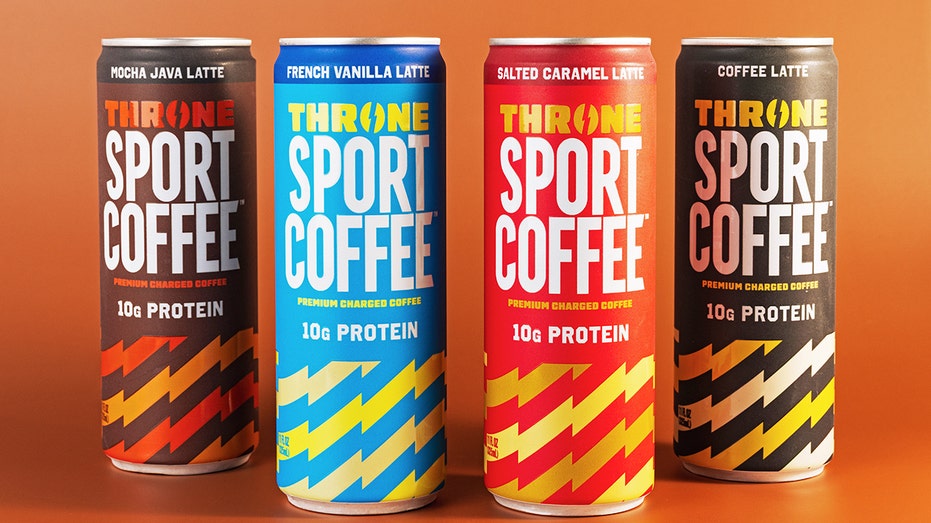
Throne SPORT COFFEE lattes

Throne SPORT COFFEE’s latte lineup, featuring four flavors. (Throne SPORT COFFEE / Fox News)

GET FOX BUSINESS ON THE GO BY CLICKING HERE

“You’re hitting your vitamins, you’re hitting your protein, and you’re getting the caffeine that’s good caffeine for you. I mean, for 162 games a year, you’re going to need some caffeine, especially here in Chicago with all these day games,” Bregman said. “I feel like Throne SPORT Coffee is going to be the go-to every day. To be able to partner with them is exciting and looking forward to getting the whole team caffeinated for all the games.”

Advertisement

Follow Fox News Digital’s sports coverage on X and subscribe to the Fox News Sports Huddle newsletter.

Continue Reading

Business

Soaring childcare costs and inflexible schedules push women out of work

Published

on

Soaring childcare costs and inflexible schedules push women out of work

The American dream is becoming increasingly difficult for many women who are leaving the U.S. workforce, as new data highlights ongoing pressures tied to caregiving costs.

As the rising cost of childcare and eldercare outpaces wage growth, 455,000 women left the labor market between January and August 2025, according to Catalyst, with many citing difficult trade-offs between a paycheck and the high price of professional caregiving.

Advertisement

A recent report from the research group showed that nearly half a million female employees voluntarily left their jobs for various reasons. Forty-two percent cited leaving due to caregiving responsibilities, 37% cited a lack of schedule flexibility, while smaller percentages of those surveyed noted issues with pay dissatisfaction or job market uncertainty.

If businesses and the government do not address caregiving infrastructure, a Catalyst executive warns, the U.S. could face a long-term labor shortage that could drive up service costs.

THE INVISIBLE LAYOFF: A.I. IS QUIETLY LOCKING AMERICANS OUT OF THE JOB MARKET, C.E.O. WARNS

“This moment is especially risky. We are at the very tip of this spear, and we can still do something about it,” Catalyst President and CEO Jennifer McCollum told WTOP in Washington, D.C. “When women are leaving the corporate world, or the government world or NGO and nonprofit world en masse, like we’re seeing now, and you combine that with fewer leaders wanting to talk openly about that… we are creating the conditions for a labor market crisis.”

Advertisement
People stand in line

U.S. federal workers and other jobseekers wait in line to enter a job fair event in Silver Spring, Maryland, on April 16, 2025. (Getty Images)

“This research makes clear that women’s workforce exits are not about a lack of ambition or commitment,” McCollum said in the report. “They reflect the reality that too many jobs still fail to account for caregiving responsibilities and economic pressures. If we want to understand why women are leaving, we have to look at how work continues to be structured.”

LendingTree research from November 2025 found that in 100 of the largest U.S. metro areas, the average monthly cost for infant care is 25.3% lower than the cost of rent for a two-bedroom apartment. For families with both an infant and a toddler, childcare costs are 31.5% higher than rent.

Federal data from the Bureau of Labor Statistics show women’s labor force participation dropped sharply during the COVID-19 pandemic and has since largely rebounded to near pre-pandemic levels, though surveys from the U.S. Census Bureau indicate ongoing childcare challenges continue to affect workforce participation.

Some employers and policymakers argue that expanding workplace flexibility or government-backed childcare programs comes with trade-offs, including higher costs for businesses and taxpayers. Business groups, including the U.S. Chamber of Commerce and the National Federation of Independent Business, have warned that companies are already facing inflation and labor shortages and caution that new mandates could increase employer costs. Meanwhile, Federal Reserve research points to a still-tight labor market and rising labor force participation in recent years — including among women — though economists attribute those trends to multiple factors, including childcare costs, wages and broader economic conditions.

Advertisement

In some of the most expensive markets with the widest care-to-rent price ratios, childcare costs average $1,996 per month.

After accounting for inflation, 18% of those women surveyed who left the workforce couldn’t justify their salary against the rising costs of care.

“Eighteen percent of them said, ‘When I look at the trade-offs between what I have to do from a caregiving responsibility and pay, and the lack of flexibility I have, and the amount of pay that I get, I cannot make this calculus work anymore,’” McCollum also told WTOP.

Advertisement

“Women are not ‘opting out’ — they are leaving because many jobs are not designed around the logistical and financial realities of childcare and women’s lives,” Catalyst research director Sheila Brassel wrote in the study. “Employers that want to bring women back to the workforce and retain top talent need to take action through tangible and meaningful policies that support women’s full participation.”

GET FOX BUSINESS ON THE GO BY CLICKING HERE

Catalyst’s data shows that women want to work but are being squeezed by rigid corporate structures and a lack of post-COVID flexibility.

Advertisement

“Re-engaging and retaining women requires addressing caregiving realities, offering schedule flexibility, and ensuring work structures, equal pay, and access to opportunity that allow women not only to return to the workforce, but to thrive there,” Brassel added.

Employers, meanwhile, have faced pressure to balance flexible work policies with operational demands, with some companies scaling back remote work options in recent years.

READ MORE FROM FOX BUSINESS

Advertisement
Continue Reading

Business

Apple Stock Rises Modestly as China iPhone Sales Surge 23%

Published

on

Apple Holds Annual Worldwide Developers Conference

Apple Inc. shares gained ground in early Wednesday trading, climbing to around $253 as investors welcomed fresh data showing a 23% surge in iPhone sales in China during the first nine weeks of 2026, even as the broader smartphone market contracted. The modest advance reflected optimism about the company’s ability to capture share in its second-largest market despite ongoing global economic pressures.

Apple Holds Annual Worldwide Developers Conference

As of mid-morning, Apple (NASDAQ: AAPL) traded at approximately $252.87 to $253.38, up roughly 0.5% to 0.7% from Tuesday’s close of $251.64. Volume reached several million shares by late morning, with the stock moving in a tight range between $251.60 and $254.98. The day’s open stood near $254 before settling into modest gains. Market capitalization hovered near $3.75 trillion to $3.77 trillion, keeping Apple among the world’s most valuable companies.

The positive momentum followed Counterpoint Research data released last week showing Apple’s iPhone shipments in China rose sharply while overall smartphone sales fell 4% year-over-year. Analysts attributed the gains to aggressive e-commerce discounts, eligibility for government subsidies on the base iPhone 17 model, and tighter supply-chain control that allowed Apple to absorb rising memory chip costs better than many Android rivals. Some competitors raised prices, handing Apple an opening to expand market share without cutting list prices.

China remains critical for Apple, accounting for a significant portion of iPhone revenue. The strong early-year performance bucked industry trends and eased concerns about softening demand in the region, where economic headwinds and competition from local brands like Huawei have pressured Western manufacturers in recent quarters. Executives have highlighted improved channel inventory and targeted promotions as key drivers.

Wall Street sentiment stayed largely constructive. Consensus 12-month price targets clustered around $270 to $287, implying potential upside of 7% to 14% from current levels. Most major firms maintained “Buy” or “Hold” ratings, citing Apple’s resilient Services segment, ecosystem lock-in and long-term artificial intelligence opportunities. Some forecasts project the stock could reach $287 by year-end 2026, with longer-term models pointing to $350-$520 by 2030 under optimistic growth scenarios.

Advertisement

Apple’s forward dividend of $1.04 per share yields approximately 0.41%, with the ex-dividend date having passed in early February. The company has a long track record of returning capital through dividends and share buybacks, supporting its appeal to income and growth investors alike. Beta around 1.12 indicates slightly higher volatility than the broader market.

Recent trading has been volatile. Shares touched a 52-week high near $288.62 in December 2025 before pulling back amid broader technology sector rotation and concerns over iPhone upgrade cycles. The 52-week low stood at $169.21 in April 2025. Year-to-date performance through late March remained modestly positive despite a choppy start to 2026.

Services revenue continues providing a buffer against hardware softness. The segment, which includes App Store, Apple Music, iCloud and advertising, has grown steadily and now generates high-margin, recurring income. Analysts expect Services to contribute meaningfully to overall results when Apple reports fiscal second-quarter earnings around April 30.

Other developments include plans to introduce paid ads in Apple Maps in the U.S. and Canada this summer, marking a new revenue stream in a space long dominated by Google. The company also announced its annual Worldwide Developers Conference will run online from June 8-12, with expectations for major AI-related software updates and new developer tools.

Advertisement

Speculation around a foldable iPhone has resurfaced, with some reports suggesting enthusiasm is building for a potential 2027 launch. While Apple has not confirmed timelines, any progress on foldable technology could open fresh growth avenues in a maturing smartphone market.

Challenges persist. Global macroeconomic uncertainty, including elevated interest rates and cautious consumer spending, has weighed on premium device demand. Supply-chain costs for components like memory chips have risen, though Apple’s vertical integration and negotiating power provide advantages. In the U.S., iPhone upgrade cycles remain elongated as consumers hold onto devices longer.

Looking ahead, investors will watch closely for first-quarter results that could provide further color on China momentum and U.S. trends. Guidance for the June quarter and any commentary on AI integration across devices will likely influence sentiment. Analysts project mid-single-digit revenue growth for the year, with Services and emerging categories such as wearables and Vision Pro helping offset any hardware cyclicality.

For retail investors, Apple remains a core holding in many portfolios, offering exposure to consumer technology, premium branding and innovation. The stock’s defensive qualities — strong balance sheet, consistent cash flow and loyal customer base — have historically helped it weather downturns better than many peers.

Advertisement

Broader market context also matters. Technology stocks have shown resilience amid mixed economic signals, but rotation into value names and concerns over valuations have occasionally pressured high-multiple names like Apple. The company’s price-to-earnings ratio remains elevated compared with historical averages, reflecting expectations for future growth.

As trading continued Wednesday, shares held modest gains, suggesting investors are giving Apple credit for its China performance while awaiting more concrete signals of a broader recovery. The stock rarely moves dramatically on single sessions, but sustained positive data from key markets could catalyze a rebound toward analyst targets.

Apple’s ecosystem strength — seamless integration across iPhone, Mac, iPad, Watch and Services — continues differentiating it from competitors. Loyalty metrics remain high, with many users staying within the platform for years. New product cycles, including potential AI enhancements and refreshed hardware, are expected to drive interest later in 2026.

In summary, Apple’s shares traded modestly higher early Wednesday on the back of encouraging China sales figures that highlighted the company’s competitive resilience. While near-term challenges in consumer spending and component costs linger, the combination of Services growth, ecosystem advantages and strategic moves in key markets keeps Apple well-positioned for long-term success. Investors will continue monitoring quarterly results and product pipeline updates for further direction.

Advertisement
Continue Reading

Trending

Copyright © 2025