Connect with us

Business

British Steel ‘unable to wash its own face’, MPs say amid nationalisation criticism

Published

on

Business Live

The Public Accounts Committee says the Government is “unable to articulate” a plan for the future of British Steel, which is costing the taxpayer an estimated £1.3m per day following nationalisation

General view of the British Steel works in Scunthorpe. British Steel is set to return to public ownership

General view of the British Steel works in Scunthorpe.(Image: Joe Giddens/PA Wire)

An influential group of MPs has demanded the Government publish a clear strategy for British Steel, outlining how the company will achieve financial sustainability and what role it will play in the nation’s economy. The Public Accounts Committee (PAC) has warned that ministers lack a credible plan for the firm they rescued from collapse last year, which is currently costing taxpayers an estimated £1.3m per day.

A new report from the cross-party group commends the Government’s intervention to preserve the Scunthorpe blast furnaces — the UK’s last remaining virgin steel-making operation — but warns that the move failed to address the company’s underlying unprofitability. It states: “Over a year later, the Government is unable to articulate what business model or decarbonisation pathway puts the company on a sustainable footing.”

Advertisement

British Steel was fully nationalised two months ago, with total expenditure on the company estimated to have surpassed £640m by the end of June. By June 18, the Department for Business, Innovation, Science and Trade had provided £555m in funding for working capital, covering costs including raw materials and workers’ salaries.

Committee members warn that the Government continues to fund the operation “without a clear end date in sight” and with no estimates of the ultimate bill to the public purse. In recent days, seasoned chief executive Alan Lovell has been appointed as British Steel chair to spearhead a turnaround of the struggling business.

The PAC has also urged the Department to outline how it will engage workers, trade unions and local stakeholders — including North Lincolnshire Council — in decisions regarding the company’s future, including potential options for the Scunthorpe site. It noted that the unions and the council had put forward a compelling argument for continued investment at the steelworks, reports Grimsby Live.

Clive Betts, deputy chair of the Public Accounts Committee, welcomed the Government’s rapid intervention to rescue British Steel but emphasised the move was “just the beginning”. He added: “Having brought British Steel onto the taxpayers’ books, it is now up to government to explain its plan for its future. Unfortunately, beyond simply propping up the company with public money, the government was not able to outline such a plan to our inquiry.

Advertisement

“The reality is that British Steel is unable to wash its own face, and government is now in charge of making sure it gets onto a sustainable financial footing for the future. Government must continue to work hand in glove with North Lincolnshire Council and the three trade unions representing British Steel workers to bring about a just, managed transition to a successful low-carbon future for the company.

“We also require assurances that the startling levels of funding British Steel is currently receiving do not come at the expense of the wider sector. The recent move from the government to acquire Speciality Steel emphasises the point that Government can’t spend all its money supporting British Steel, when clearly there will be a need to support other parts of the industry.

“We similarly expect to see no further complacency from Government at small firms going out of business due to its steel tariff regime. We have seen admirable short-term support from the Government in steel on a number of fronts, but in the long-term, our report must serve as a challenge to the administration as we ask once again: what’s the plan?”.

A Government spokesperson responded: “We welcome the PAC’s report and will review the recommendations. Securing the long-term future of the UK steel sector is in our national interest. While this will require both public and private investment, we’ve taken the first step towards securing steelmaking by securing British Steel’s future through public ownership and appointing a new Board and Chair this month.

Advertisement

“Taxpayer value for money remains a central consideration in our assessment of the future of the site, and we are also backing the communities that rely on it through our Steel Strategy to build a sustainable, competitive and decarbonised steel sector for the years ahead.”


Continue Reading
Click to comment

You must be logged in to post a comment Login

Leave a Reply

Business

Des Moines tops US housing report card as Los Angeles ranks last

Published

on

Des Moines tops US housing report card as Los Angeles ranks last

Housing affordability varies dramatically depending on where you live.

A new Realtor.com report released this week graded the nation’s 100 largest metro areas based on housing affordability and the pace of new home construction.

Advertisement

Joel Berner, senior economist at Realtor.com, told FOX Business that the rankings were designed to capture the current state of each housing market, as well as its long-term trajectory.

“It’s really a balanced look at the present and the future for how things are affordable now and how they might be affordable in years to come,” Berner said.

THE US CITIES WHERE HOME PRICES ARE FALLING THE FASTEST

Des Moines, Iowa

The Des Moines, Iowa, metro area topped Realtor.com’s housing report card with an A+ grade. (Photographer: Al Drago/Bloomberg via Getty Images)

Many metros across the Midwest and Sun Belt regions ranked high on the list, while several higher-cost coastal cities ranked near the bottom.

Advertisement

Des Moines, Iowa, topped the rankings with an A+ grade, followed by Raleigh, North Carolina; Columbia, South Carolina; Houston, Texas; and Indianapolis, Indiana.

Los Angeles ranked last with an F, followed by Providence, Rhode Island; New York City; Honolulu; and Boston.

The report comes as the U.S. continues to grapple with a housing shortage of more than 4 million homes after years of underbuilding, according to Realtor.com.

“Builders are getting squeezed on both sides,” Berner said. “Their costs are going up, whether it’s materials, labor or the cost of regulation. … And on the demand side, they’re seeing depressed buyer activity because of high mortgage rates and low buyer affordability.”

Advertisement

AMERICANS ARE LOOKING BEYOND THEIR LOCAL MARKETS FOR NEW HOMES — AND FLORIDA DOMINATES THE LIST: REPORT

Home with a "for sale" sign

The report comes as the U.S. continues to grapple with a housing shortage of more than 4 million homes. (iStock/Getty Images Plus)

According to Berner, the highest-ranked metros generally have local governments that make it easier and faster to build new housing.

“They have local government facilitating new projects, not getting in the way, not having really restrictive zoning laws, having quick permitting processes,” he said.

“And these are places with strong job markets that are growing really fast, and the cities are allowing builders to absorb that increasing demand for homes in these growing cities by building a lot of them.”

Advertisement

Many of those markets also have abundant land, Berner added.

“Those places really have some advantages that the coastal cities don’t,” Berner said. “Land is much more available. … They’re also incentivizing these builders to produce dense urban housing as well as the kind of suburban developments that the developers have been working on for a number of years.”

DALLAS EMERGES AS MAGNET FOR WEALTHY BUYERS AS HIGH TAXES WEIGH ON LUXURY MARKETS, BROKER SAYS

Los Angeles city

Los Angeles ranked last in the report, earning an F grade. (iStock)

GET FOX BUSINESS ON THE GO BY CLICKING HERE

Advertisement

Berner said that local officials hoping to improve affordability should start by revisiting zoning rules.

“I think the first thing they should do is look at their local zoning ordinances,” Berner said.

Continue Reading

Business

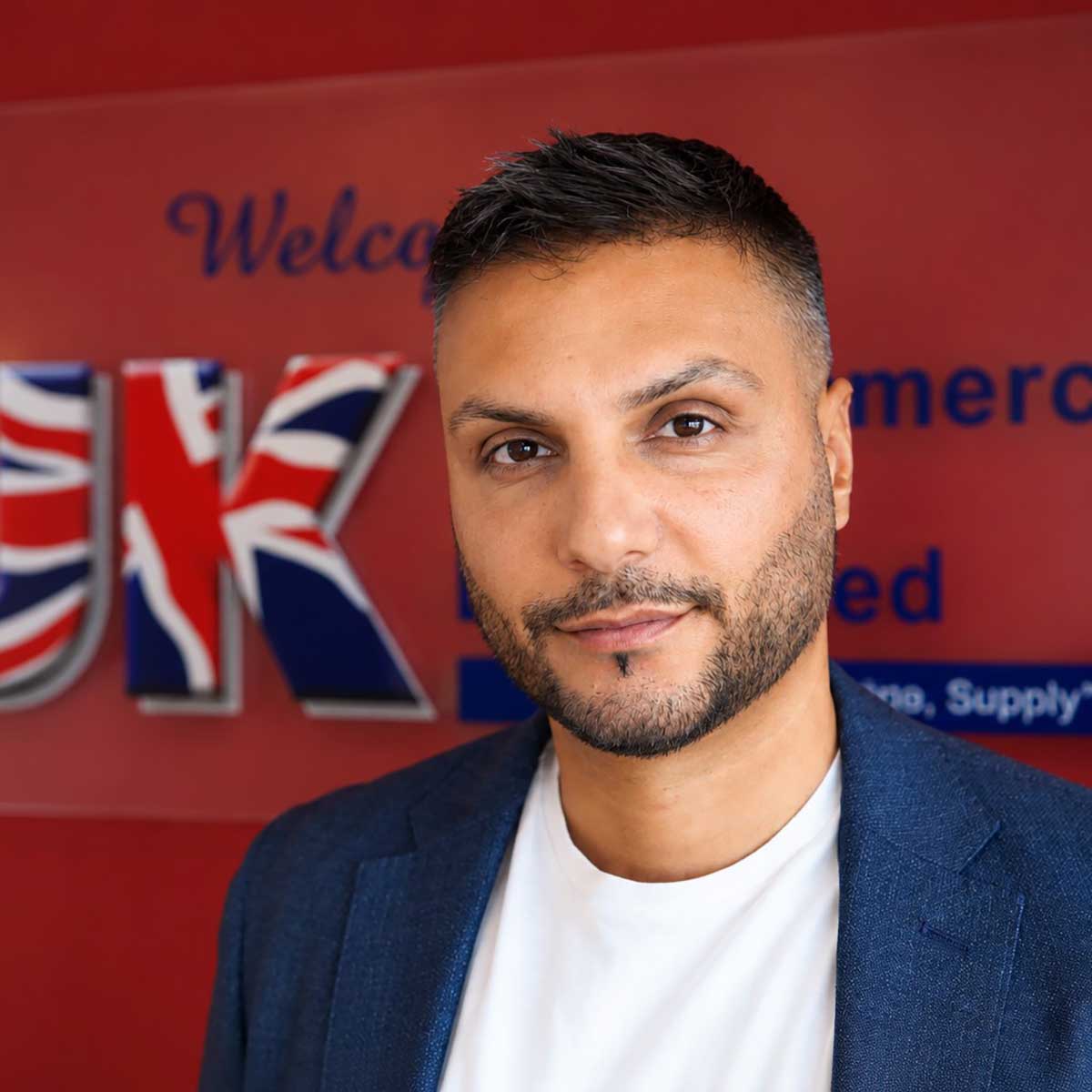
UK Commercial Group CEO Tony Earnshaw

Published

on

UK Commercial Group CEO Tony Earnshaw

Tony Earnshaw is chief executive of UK Commercial Group, a national facilities management business with offices in Gateshead, Manchester, Leeds and London. The company says he started it with £300 and that it secured £100,000 of investment on Dragons’ Den in 2009; turnover now exceeds £10m. He tells Business Matters what he has learned on the way.

What do you currently do at UK Commercial Group?

As CEO, I oversee our senior management team and provide the strategic direction for the organisation. My role is to set the vision for where we want the business to go, drive sustainable growth and ensure that every part of the company continues to deliver the high standards our customers expect from us.

A significant part of the role is looking ahead. It is important that we understand where the opportunities are, how the market is changing and what we need to do as a business to continue developing. You cannot afford to stand still, particularly when you have ambitions to grow.

Free newsletters
Advertisement

The stories that matter to UK business, straight to your inbox.

Advertisement

What does the business actually do?

We run two divisions, UK Commercial Cleaning and UK Commercial Supplies. The work ranges from deep cleaning, kitchen extraction and decontamination through to mould removal, fire and flood restoration, crime scene cleaning, window and cladding cleaning and grounds maintenance. On the maintenance side we cover HVAC, commercial ventilation, refrigeration and drainage. We also supply janitorial products and run training courses.

Our customers include NHS hospitals, care homes, schools, restaurant chains, pubs and hotels. Some of the specialist work is not what most people picture when they hear facilities management, and our teams have appeared on the Channel 4 series Crime Scene Cleaners.

What was the inspiration behind your business?

I did not grow up with a great deal, which gave me a strong determination to create opportunities for myself and build a better future. From an early stage I wanted to make something of my life, make my family proud and create the security and lifestyle that I had always aspired to achieve.

That determination has always been a major driver for me. I knew that if I wanted to achieve those things, I would have to work hard, take opportunities and be prepared to keep pushing myself.

Advertisement

Over time that ambition developed into something much bigger. It became less about what I could achieve personally and more about building a successful organisation that creates employment, develops people and gives others the opportunity to build rewarding careers of their own.

Seeing the company grow is obviously incredibly rewarding, but so is watching our employees develop and progress. When you see people taking on greater responsibility, developing their skills and building careers within the organisation, it gives you another reason to keep pushing the business forward. That is now one of my greatest motivations.

Who do you admire?

I have enormous admiration for the hardworking people within our organisation. We have many employees who consistently go above and beyond, take real pride in their work and contribute greatly to the success of the business.

You need people around you who care about what they do. I admire those who take responsibility, want to improve and understand that their individual contribution matters to the wider organisation. A successful company is never down to one person; it is built by people working together and sharing high standards.

Advertisement

Away from work, I also admire my daughter, my family and the close friends I am privileged to have in my life. They keep me grounded, give me perspective and remind me that success is not only measured by business achievements.

Looking back, is there anything you would have done differently?

There are certainly many things I would approach differently with the experience I have today. That is inevitable. As you gain experience, you learn to recognise situations differently and hopefully make better decisions.

However, I do not believe in dwelling on the past. Mistakes are an essential part of becoming a better leader and building a stronger business. If you are constantly making decisions and trying to move an organisation forward, there will inevitably be occasions when things do not work out exactly as you expected.

Some of my most valuable lessons have come from situations that did not go according to plan. The important thing is to take responsibility, understand what went wrong, learn quickly, adapt and make better decisions moving forward.

Advertisement

What defines your way of doing business?

Professionalism, quality and care define the way I do business. Customer service is extremely important to me, and I believe our reputation is built through consistently delivering on our promises and taking responsibility when something needs to be improved.

Standards matter. Customers need to know they can rely on you, and that trust has to be earned through what you actually deliver rather than simply what you say.

Developing people is an important part of building a sustainable business. If someone has the right attitude and is prepared to put the work in, I believe in giving them opportunities to show what they can achieve.

What advice would you give to someone starting out?

Begin with a clear plan and a strong understanding of what you want to achieve. Set an ambitious five-year vision, then break it down into realistic annual goals, shorter-term targets and measurable actions. A big ambition becomes far more achievable when you work towards it consistently, one milestone at a time.

Advertisement

Dream big, remain determined and do not allow setbacks to convince you to give up. There will always be challenges, and very few successful businesses or careers develop in a perfectly straight line.

Ambition is important, but it must be supported by discipline, delivery and results. Be willing to work harder than expected, learn from your mistakes and adapt when circumstances change. Keep looking at what is working, what is not working and what you can do better.

On the investment side, my advice is to be clear about what you are giving away and what you are getting back. Plenty of founders have found that the right investor matters more than the money, and the businesses that go on to do well, like the ones that outgrow the pitch, are usually the ones that kept delivering long after the cameras left.

Advertisement

Continue Reading

Business

HDFC Mutual Fund buys 13.9 lakh Entero Healthcare shares from Prasid Uno Family Trust in Rs 236 crore block deal

Published

on

HDFC Mutual Fund buys 13.9 lakh Entero Healthcare shares from Prasid Uno Family Trust in Rs 236 crore block deal
HDFC Mutual Fund on Friday bought 13.90 lakh shares of Entero Healthcare Solutions in a block deal worth around Rs 235.6 crore, according to NSE data.

The shares changed hands at Rs 1,695 apiece. Prasid Uno Family Trust was the seller, offloading the entire 13.90 lakh shares in two transactions. The trust sold 12,21,820 shares in one transaction and 1,68,180 shares in another, with both deals executed at Rs 1,695 per share.

The transaction comes as Entero Healthcare shares have gained sharply in recent sessions. The stock settled at Rs 1,732.30 on the NSE on September 18, up 3.94% from its previous close of Rs 1,666.60. During the session, the counter traded between Rs 1,669.90 and Rs 1,737.80.

Entero Healthcare Solutions has a market capitalisation of around Rs 7,539.50 crore on the NSE.

Advertisement

ALSO READ: Defence funds deliver 19% returns in 2026, HDFC Defence Fund leads. Should investors chase the rally or stay cautious?


Prasid Uno Family Trust holding
The block deal is notable given the trust’s earlier stake in the company. Surbhi Singh, through Prasid Uno Family Trust, held 45,50,320 shares, or 10.45% of Entero Healthcare Solutions, as of June 30, 2026, according to BSE shareholding data.The shares sold in Friday’s block deal represent around 3.19% of the company’s equity, based on the June 30 shareholding base. The latest transaction data does not specify the trust’s post-deal holding.

Entero Healthcare shares touched a 52-week high of Rs 1,920 on September 8 on the NSE. The stock’s 52-week low stands at Rs 944, recorded on December 29, 2025. The counter is also under the Additional Surveillance Measure (ASM) framework on the BSE.

About Entero Healthcare Solutions

Incorporated in 2018, Entero Healthcare Solutions is a healthcare products distributor in India. Its technology-driven platform provides distribution services to pharmacies, hospitals and clinics across the country.

Advertisement

The company connects healthcare-product manufacturers with healthcare providers through its integrated distribution network, while enabling pharmacies, hospitals and clinics to access a broad range of healthcare products. The company’s distribution platform is designed to provide healthcare-product manufacturers with wider reach and accessibility, while its network enables healthcare providers to source products through its relationships with manufacturers and distribution infrastructure.

Disclosure: This article has been written by Kumar Gaurav, who is not a SEBI-registered Research Analyst or an investment advisor. Gaurav does not hold any financial interest in the company as of the date of publication. The views/recommendations mentioned in this article, wherever applicable, are those of the respective SEBI-registered Research Analyst/brokerage and have been reproduced/reported with due attribution. They should not be construed as the views or recommendations of the EconomicTimes Digital or the journalist. Readers are advised to consider the original research report and make their investment decisions based on their own assessment.

Continue Reading

Business

Braveheart Bio Shares Climb 5.50% as Its Phase 3 Heart Drug Trial Rapidly Gains Momentum Following Its IPO

Published

on

Braveheart Bio Shares Climb 5.50% as Its Phase 3 Heart

SAN FRANCISCO — Shares of Braveheart Bio Inc. rose 5.50% to $29.24 in Thursday trading, adding $1.53, as the clinical-stage cardiovascular biotechnology company continued to draw investor interest following the initiation of a pivotal late-stage trial for its lead heart disease drug candidate roughly six weeks after going public.

Braveheart Bio is developing therapies for hypertrophic cardiomyopathy, a serious cardiovascular condition in which the heart muscle grows abnormally thick, making it harder for the heart to pump blood efficiently. The company’s lead candidate, BHB-1893, is an oral, next-generation small-molecule cardiac myosin inhibitor being developed to treat both the obstructive and non-obstructive forms of the disease. Braveheart has said it designed the drug to address limitations in currently available treatments in its class, aiming for rapid onset of effect, consistent depth of response, preservation of the heart’s pumping function, prompt reversibility if treatment needs to be stopped, and a more straightforward approach to dosing and patient monitoring than existing options.

The company reported second-quarter 2026 financial results and a business update on September 8, disclosing that it had formally initiated LIONHEART-HCM, a global Phase 3 trial evaluating BHB-1893 against the beta-blocker metoprolol in adults with symptomatic obstructive hypertrophic cardiomyopathy. That trial follows positive Phase 2 results in the obstructive form of the disease announced in March. Braveheart Chief Executive Officer and President Travis Murdoch, M.D., framed the milestone as validation of the company’s broader strategy following its public listing. “Our clinical programs continue to advance, and our IPO this summer has provided a strong financial foundation to advance the development of our global Phase 3 programs and evaluate the potential of BHB-1893 as the preferred treatment option in two indications,” Murdoch said. “Sites are being activated and patients are screening for our LIONHEART-HCM Phase 3 study in obstructive HCM, and we are on track to dose the first patient this year. We continue to expect results from an interim analysis from LIONHEART-HCM in the second half of 2027.”

Murdoch also provided an update on the company’s second target indication, the non-obstructive form of hypertrophic cardiomyopathy. “In addition, our program in non-obstructive HCM is advancing; we now have an active U.S. investigational new drug application and expect to initiate our NOBLEHEART-HCM Phase 3 study in the first half of 2027,” he said. That planned trial follows positive Phase 2 results in non-obstructive patients, developed in partnership with China’s Jiangsu Hengrui Pharmaceuticals, which were presented as a late-breaking study at the 2026 annual meeting of the Heart Failure Association of the European Society of Cardiology in May. In that trial, patients treated with BHB-1893 showed rapid, statistically significant improvements in cardiac biomarkers, functional status and exercise capacity compared with placebo, along with dose-dependent improvements in heart muscle relaxation and structure on echocardiogram, without any patients in the treatment groups requiring a dose interruption due to reduced heart pumping function, a safety concern that has affected some competing drugs in the same class.

Advertisement

Braveheart completed its initial public offering in August, issuing 24.4 million shares of common stock at $18 per share for gross proceeds of approximately $439.9 million, with the stock beginning to trade on the Nasdaq Global Market on August 6. Including the net proceeds from that offering, the company reported cash and cash equivalents of approximately $527.3 million on an as-adjusted basis as of June 30, which it said should be sufficient to fund its operating expenses and capital requirements into 2029, giving the company a lengthy runway to advance both Phase 3 programs toward potential regulatory approval without an immediate need to return to capital markets.

The company’s second-quarter financial results reflected the scale of investment required to support that expanding late-stage clinical program. Research and development expenses reached $11.1 million for the quarter, up sharply from essentially no comparable spending a year earlier, driven by the advancement of BHB-1893 and preparation for the global Phase 3 program. General and administrative expenses climbed to $4.8 million for the quarter as the company built out the operational infrastructure needed to function as a newly public company. Net loss attributable to common stockholders totaled $18.6 million for the quarter, or $2.51 per share, after accounting for a non-cash deemed dividend tied to the company’s earlier Series A preferred stock financing.

Braveheart’s stock has traded within a 52-week range of $24.31 to $32.00 since its public debut, with the company’s shares drawing a Strong Buy consensus rating from analysts covering the stock. Five analysts currently recommend buying the shares, with none recommending a sale, and the average 12-month price target sits at $45.25, implying substantial potential upside from current trading levels. Insider activity has also reflected confidence in the company’s prospects, with board director David Charles Lubner disclosed as having made an open-market purchase of more than 55,000 shares at $18 apiece in early August, shortly after the company’s public listing.

Braveheart’s backers include venture capital firm Andreessen Horowitz, which holds a significant ownership stake in the company through affiliated investment entities, according to regulatory filings disclosing beneficial ownership following the IPO.

Advertisement

With patient screening now underway for the LIONHEART-HCM trial and dosing of the first patient targeted before the end of the year, investors are likely to continue watching closely for further updates on trial enrollment progress, alongside the planned initiation of the company’s second Phase 3 program in non-obstructive hypertrophic cardiomyopathy expected in the first half of 2027, as the next major milestones likely to influence the stock’s trajectory in the months ahead.

Continue Reading

Business

Global Markets: French bond spread at highest since 2012 as default insurance spikes

Published

on

Global Markets: French bond spread at highest since 2012 as default insurance spikes
Investor concerns over France’s stretched finances ahead of next year’s elections drove the risk premium on French government bonds to its highest level since the euro zone debt crisis on Friday, while the cost of insuring the country’s debt also rose sharply.

The spread on French 10-year government bonds over Germany’s rose as high as 104 basis points, exceeding a whole percentage point for the first time since 2012, as investors demand higher compensation for the risk of holding the debt.

For live updates on US Markets, click here

Yields on benchmark 10-year French bonds rose 10 bps to 4.456%. French yields have risen faster than those of any other developed economy in a selloff driven by higher energy prices that has rattled global government debt markets in recent weeks.

Advertisement

France is proving particularly vulnerable in the bond selloff as it faces a challenging budget and struggles to get its fiscal position in order ahead of a presidential election next year that could make that task even harder.


France’s government plans to include a €54 billion ($62 billion) savings drive in its 2027 budget to stop the ​fiscal deficit spiralling out of control, Prime Minister Sebastien Lecornu said on Thursday, as protests over high ‌fuel prices swell.
It will already miss this year’s budget deficit target as the economy will grow less than previously expected this year.”Investors in general they are not too confident in stepping (in) and buying, and I think that’s what is driving this ongoing grind wider in spreads,” said Evelyne Gomez-Liechti, multi-asset strategist at Mizuho in London, adding that the bank was seeing little flow in French debt.

“Everyone is sidelined and not willing to buy here just in case it keeps grinding wider and wider.”

French 5-year credit default swaps, a form of protection against the risk of default, hit 41.5 bps , the highest level since the “Liberation Day” turmoil unleashed by U.S. President Donald Trump’s blanket tariffs in April last year.

They were up nearly 3 bps since Thursday’s close in their biggest one-day increase since mid-March, when the Iran war whipped up market volatility.

Advertisement

French bank stocks were also hit, with BNP Paribas down 3.6%, while Credit Agricole and Societe Generale were each down 2.5%.

France’s blue-chip CAC index was down 1.5%, slightly underperforming other regional indices.

Continue Reading

Business

HB Fuller stock hits 52-week low at 48.6 USD

Published

on


HB Fuller stock hits 52-week low at 48.6 USD

Continue Reading

Business

Darden Restaurants, Costco In Earnings Spotlight, Along With This IT Distributor

Published

on

Darden Restaurants, Costco In Earnings Spotlight, Along With This IT Distributor

Darden Restaurants, Costco In Earnings Spotlight, Along With This IT Distributor

Continue Reading

Business

Micron: Why I'm Turning Bullish Before Huge Earnings News

Published

on

ETJ: Expect Continued Underperformance From This CEF

Micron: Why I'm Turning Bullish Before Huge Earnings News

Continue Reading

Business

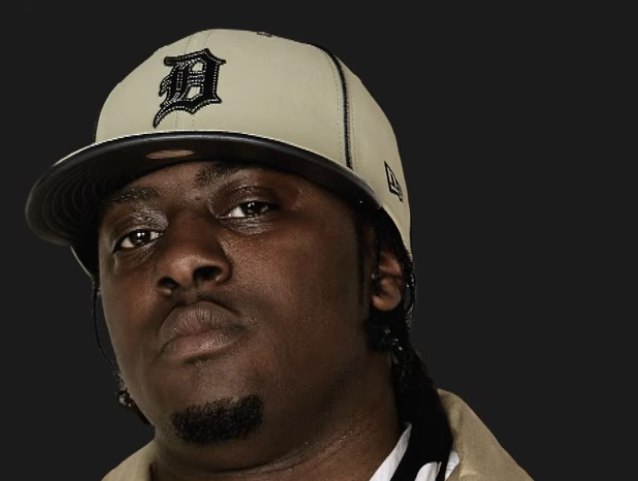
British Rapper Sway DaSafo, UK Hip-Hop Pioneer and First Unsigned MOBO Winner, Dies at Age 44

Published

on

Jeanie Poling

LONDON — Sway DaSafo, the North London rapper who became the first unsigned artist to win a MOBO Award and helped shape the sound of British hip-hop in the mid-2000s, has died at 44, according to tributes posted by fellow musicians and his record label.

News of his death was shared on Instagram on September 17 by Kream Developments, the label associated with the artist. “Devastated to hear of the sad news today,” the post read. “The passing of a personal friend, a true legend and pioneer in the UK rap game.” No cause of death has been disclosed.

Born Derek Andrew Safo on September 5, 1982, and raised in Hornsey, North London, by his Ghanaian parents, Beatrice and Alhaji, Sway attended Campsbourne Junior School before moving on to Highgate Wood Secondary School, where he began developing his interest in music production. His style drew on an eclectic range of influences, including the American rap group Bone Thugs N Harmony and local drum and bass MCs such as Skibadee and Shabba D, a combination that helped him stand out as a distinctive voice within the UK scene. Before launching his solo career, he worked alongside his cousin DJ Ink, and his relationship with the broader UK bass and drum and bass continuum ran deeper than the typical grime crossover artist of his era.

Sway emerged in the early 2000s with a sound that sat between UK hip-hop and grime, and quickly established himself as one of the most distinctive voices of that period. In 2005, he became the first unsigned rapper ever to win a MOBO Award, taking home the prize for Best Hip Hop. He followed that breakthrough the next year with his debut album, “This Is My Demo,” released independently through his own label, Dcypha Productions, in partnership with All City Music. The album was shortlisted for the Mercury Prize and earned widespread critical acclaim, later holding an aggregate score of 81 out of 100 on Metacritic based on reviews from outlets including The Guardian, Pitchfork, NME and Mojo.

Advertisement

Sway went on to sign with Akon’s label, Konvict Muzik, which released his second studio album, “The Signature LP,” in 2008. That record was shaped in part by personal loss, with Sway dedicating the project to several close friends and family members who had died during its production, including a track titled “Pray 4 Kaya,” written in memory of Kaya Bousquet. The same year, he released “Black Stars,” a track paying tribute to prominent Ghanaians across the global diaspora, reflecting his own heritage and connection to Ghana.

Beyond his own recording career, Sway built a reputation as an early supporter of other artists who would go on to achieve significant commercial success. He served as an early mentor to Ed Sheeran, offering guidance and support before Sheeran’s rise to global stardom. Sway also expanded into acting, appearing in the first two episodes of the acclaimed British crime drama “Top Boy,” adding to a body of work that spanned music production, performance and entrepreneurship through Dcypha Productions, his label, which was signed to Island Records under the Universal Music Group umbrella.

Fellow British rapper Wretch 32 paid tribute to Sway in a post shared on Instagram following news of his death. “We lost a real north London rap pioneer,” Wretch 32 wrote. “RIP sway you’ll be missed by so many thank you for everything brother.”

Sway is reported to have been survived by two sons and two daughters. Additional tributes describing his personal life, including reflections on health struggles and fatherhood, circulated online in the wake of the announcement, with friends and collaborators remembering him as both a foundational figure in British hip-hop and a deeply personal presence within his community.

Advertisement

Sway’s influence on the UK rap scene extended well beyond his own catalogue of music. His independent path to success, breaking through and winning major industry recognition without a record deal, was widely seen at the time as a significant moment for unsigned and independent artists working within British hip-hop, helping demonstrate that major label backing was not a prerequisite for critical or commercial recognition within the genre. His fusion of hip-hop with grime and drum and bass elements also helped shape the broader sonic identity of UK rap during a period when the genre was still establishing its distinct character relative to its American counterpart.

Tributes to Sway continued circulating across social media in the days following the announcement of his death, with fans and fellow artists reflecting on his catalogue, his mentorship of younger musicians, and his broader role in helping establish North London as a significant hub within the UK’s hip-hop and grime scenes during the 2000s. His discography, spanning “This Is My Demo,” “The Signature LP” and later projects including 2013’s “Wake Up,” remains widely regarded as a foundational body of work within British hip-hop.

As tributes continue to emerge from across the UK music industry, Sway is being remembered both for his individual artistic achievements, including his historic MOBO win and Mercury Prize nomination, and for the broader influence he had on a generation of British artists who followed the path he helped establish as an independent, unsigned voice within UK hip-hop.

Advertisement
Continue Reading

Business

Wendy’s franchisee files for Chapter 11 bankruptcy protection

Published

on

Wendy's franchisee files for Chapter 11 bankruptcy protection

Close-up of fast food packaging with Wendy’s logo.

Smith Collection/gado | Archive Photos | Getty Images

Meritage Hospitality, one of Wendy’s largest U.S. franchisees, filed for Chapter 11 bankruptcy protection on Thursday.

Advertisement

The filing comes as the burger chain has struggled to win over diners who have become increasingly focused on value. For six straight quarters, Wendy’s has reported same-store sales declines. A revolving door of chief executives in recent years has led to muddled turnaround strategies, and its stock has lost two-thirds of its value over the last three years.

“Because the substantial majority of Meritage’s restaurant portfolio operates under Wendy’s brand, those system-wide pressures have had a significant impact on the Company’s financial position,” Meritage said in a press release announcing the filing.

At an investor conference in June, Meritage CEO Bob Schermer said that store-level earnings before interest, taxes, depreciation and amortization had plummeted 48% in 2025. Rising beef costs and increased discounts weighed on the franchisee’s profits.

Meritage said it filed for bankruptcy to strengthen its balance sheet, and the company plans to keep its restaurants running during the restructuring process. Meritage operates 314 Wendy’s restaurants across 15 states, as well as one Bojangle’s location and five independently branded stores.

Advertisement

Meritage estimated that its assets are valued at $10 million to $50 million, with liabilities within the same range, according to a filing with the Bankruptcy Court of the Western District of Michigan. Quality Is Our Recipe LLC, the legal name for Wendy’s franchise business, is listed as its top unsecured creditor with a claim of $24.9 million for deferred franchise fees.

Choose CNBC as your preferred source on Google and never miss a moment from the most trusted name in business news.
Continue Reading

Trending

Copyright © 2025