
Business
UK Commercial Group CEO Tony Earnshaw

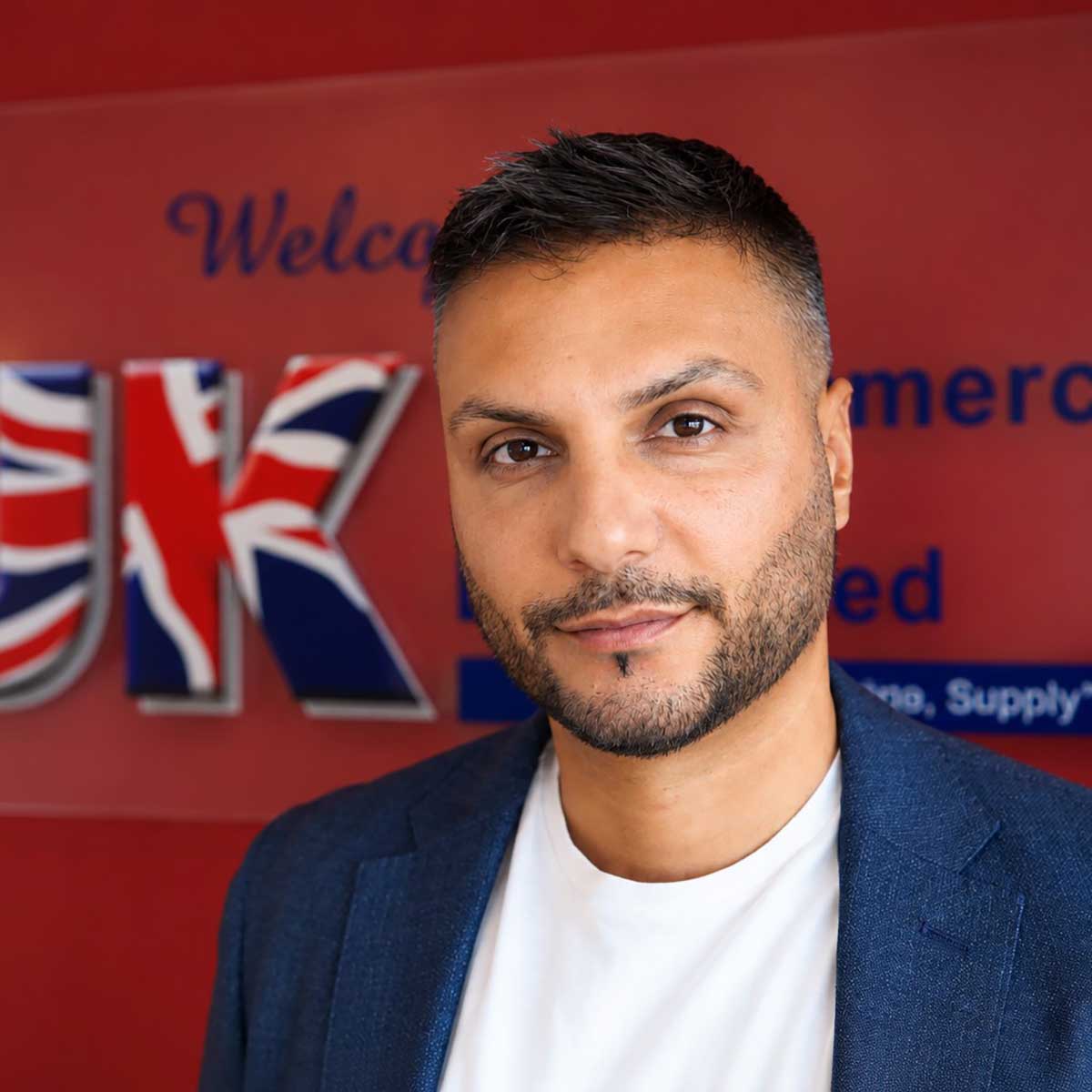
Tony Earnshaw is chief executive of UK Commercial Group, a national facilities management business with offices in Gateshead, Manchester, Leeds and London. The company says he started it with £300 and that it secured £100,000 of investment on Dragons’ Den in 2009; turnover now exceeds £10m. He tells Business Matters what he has learned on the way.
What do you currently do at UK Commercial Group?
As CEO, I oversee our senior management team and provide the strategic direction for the organisation. My role is to set the vision for where we want the business to go, drive sustainable growth and ensure that every part of the company continues to deliver the high standards our customers expect from us.
A significant part of the role is looking ahead. It is important that we understand where the opportunities are, how the market is changing and what we need to do as a business to continue developing. You cannot afford to stand still, particularly when you have ambitions to grow.
What does the business actually do?
We run two divisions, UK Commercial Cleaning and UK Commercial Supplies. The work ranges from deep cleaning, kitchen extraction and decontamination through to mould removal, fire and flood restoration, crime scene cleaning, window and cladding cleaning and grounds maintenance. On the maintenance side we cover HVAC, commercial ventilation, refrigeration and drainage. We also supply janitorial products and run training courses.
Our customers include NHS hospitals, care homes, schools, restaurant chains, pubs and hotels. Some of the specialist work is not what most people picture when they hear facilities management, and our teams have appeared on the Channel 4 series Crime Scene Cleaners.
What was the inspiration behind your business?
I did not grow up with a great deal, which gave me a strong determination to create opportunities for myself and build a better future. From an early stage I wanted to make something of my life, make my family proud and create the security and lifestyle that I had always aspired to achieve.
That determination has always been a major driver for me. I knew that if I wanted to achieve those things, I would have to work hard, take opportunities and be prepared to keep pushing myself.
Over time that ambition developed into something much bigger. It became less about what I could achieve personally and more about building a successful organisation that creates employment, develops people and gives others the opportunity to build rewarding careers of their own.
Seeing the company grow is obviously incredibly rewarding, but so is watching our employees develop and progress. When you see people taking on greater responsibility, developing their skills and building careers within the organisation, it gives you another reason to keep pushing the business forward. That is now one of my greatest motivations.
Who do you admire?
I have enormous admiration for the hardworking people within our organisation. We have many employees who consistently go above and beyond, take real pride in their work and contribute greatly to the success of the business.
You need people around you who care about what they do. I admire those who take responsibility, want to improve and understand that their individual contribution matters to the wider organisation. A successful company is never down to one person; it is built by people working together and sharing high standards.
Away from work, I also admire my daughter, my family and the close friends I am privileged to have in my life. They keep me grounded, give me perspective and remind me that success is not only measured by business achievements.
Looking back, is there anything you would have done differently?
There are certainly many things I would approach differently with the experience I have today. That is inevitable. As you gain experience, you learn to recognise situations differently and hopefully make better decisions.
However, I do not believe in dwelling on the past. Mistakes are an essential part of becoming a better leader and building a stronger business. If you are constantly making decisions and trying to move an organisation forward, there will inevitably be occasions when things do not work out exactly as you expected.
Some of my most valuable lessons have come from situations that did not go according to plan. The important thing is to take responsibility, understand what went wrong, learn quickly, adapt and make better decisions moving forward.
What defines your way of doing business?
Professionalism, quality and care define the way I do business. Customer service is extremely important to me, and I believe our reputation is built through consistently delivering on our promises and taking responsibility when something needs to be improved.
Standards matter. Customers need to know they can rely on you, and that trust has to be earned through what you actually deliver rather than simply what you say.
Developing people is an important part of building a sustainable business. If someone has the right attitude and is prepared to put the work in, I believe in giving them opportunities to show what they can achieve.
What advice would you give to someone starting out?
Begin with a clear plan and a strong understanding of what you want to achieve. Set an ambitious five-year vision, then break it down into realistic annual goals, shorter-term targets and measurable actions. A big ambition becomes far more achievable when you work towards it consistently, one milestone at a time.
Dream big, remain determined and do not allow setbacks to convince you to give up. There will always be challenges, and very few successful businesses or careers develop in a perfectly straight line.
Ambition is important, but it must be supported by discipline, delivery and results. Be willing to work harder than expected, learn from your mistakes and adapt when circumstances change. Keep looking at what is working, what is not working and what you can do better.
On the investment side, my advice is to be clear about what you are giving away and what you are getting back. Plenty of founders have found that the right investor matters more than the money, and the businesses that go on to do well, like the ones that outgrow the pitch, are usually the ones that kept delivering long after the cameras left.


Enova International: Oversold, Upgrading To Buy

Recent initial public offering NB Bancorp (NBBK) is the IPO Stock Of The Week as it attempts to find support at a key level and with the stock within striking distance of a new buy point. This regional banking name also sits on Investor’s Business Daily’s IPO Leaders screen. Massachusetts-based NB Bancorp is the holding company for Needham Bank, which…
Copyright ©2026 Investor’s Business Daily, LLC. All rights reserved. 87990cbe856818d5eddac44c7b1cdeb8
Business
Robinhood Shares Jump 8.94% as SEC’s New Tokenization Rule Cements Its First-Mover Advantage Once Again
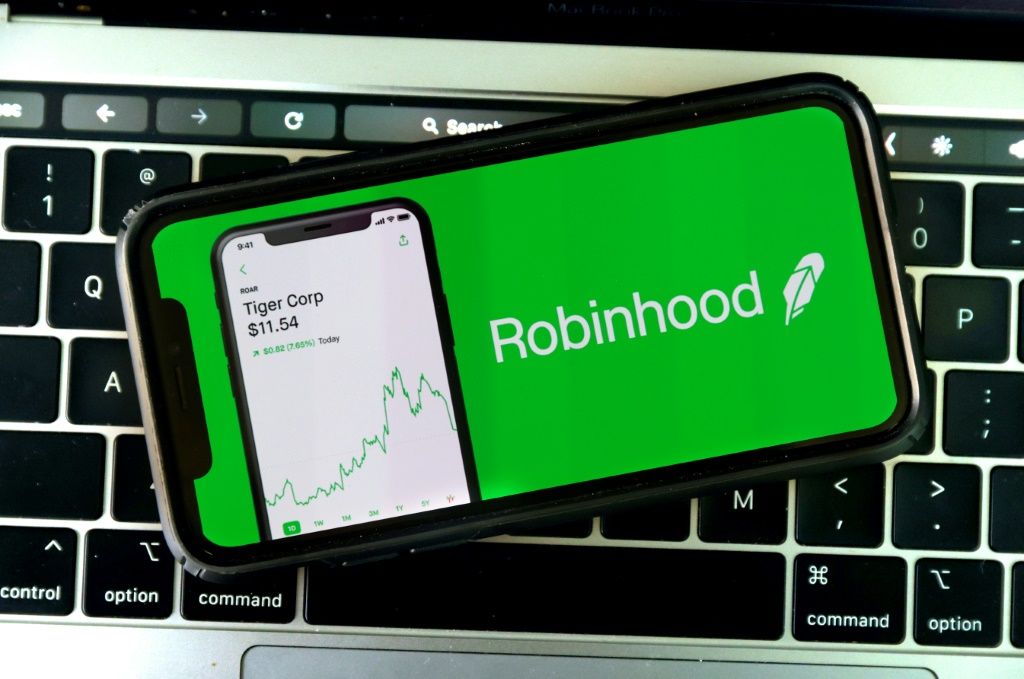
MENLO PARK, Calif. — Shares of Robinhood Markets Inc. surged 8.94% to $119.62 in Friday trading, adding $9.82, as the trading platform rode both a broader rally in crypto-linked equities and a new regulatory development from the Securities and Exchange Commission that positions the company as a direct beneficiary of the growing push to bring traditional stocks onto blockchain infrastructure.
The rally follows the SEC’s issuance Thursday of what it called an “innovation exemption” designed to facilitate trading of tokenized stocks registered under the National Market System, a move widely described as bringing U.S. equity markets closer to round-the-clock trading. Robinhood, which has positioned itself as a pioneer in retail cryptocurrency access and tokenized asset distribution, was quickly identified by market analysts as a primary beneficiary of the new exemption, given the company’s early investment in blockchain-based trading infrastructure through its proprietary Robinhood Chain platform.
Robinhood Chief Executive Officer Vlad Tenev has previously framed tokenization as central to the company’s broader growth strategy, telling CNBC earlier this month that the technology “allows us to distribute access to U.S. stocks globally.” That comment came amid a public exchange with AMC Entertainment CEO Adam Aron, who had criticized tokenized stock products as “fake equity.” Tenev responded to that criticism not with a direct rebuttal but by announcing additional perks for users of Robinhood’s tokenized stock offerings, a move interpreted by some market commentators as a pointed response to Aron’s skepticism.
Friday’s advance also came alongside a broader rally across crypto-linked equities, with Robinhood, Coinbase and Strategy Inc. all posting sharp gains as bitcoin’s price climbed above $80,000 following the Federal Reserve’s interest rate decision earlier in the week, which signaled a less aggressive path for future rate increases than some investors had anticipated.
The gains mark a sharp reversal from earlier in the week, when Robinhood shares fell between 4% and 5.5% after the Department of Justice charged two former Robinhood engineers with fraud in connection with insider trading tied to cryptocurrency listings on the platform. Investors appeared to move past that enforcement action relatively quickly, with the stock staging a technical rebound Thursday, up 5.41% and again 5.16% in separate sessions, before Friday’s larger advance. Market commentary attributed that recovery to investors choosing to focus on the company’s core platform fundamentals and growth trajectory rather than the specific conduct allegations against two former employees.
Wall Street’s assessment of Robinhood has grown increasingly bullish in recent sessions even amid that controversy. Deutsche Bank raised its price target on the stock to $138 from $136, part of a broader wave of price target increases from major banks that have pushed targets into a range of roughly $130 to $170 while maintaining Buy and Overweight ratings on the shares. Analysts have pointed to several specific growth drivers behind those higher targets, including fee revenue from Robinhood Chain now tracking above a $100 million annualized run rate, and the company’s Rothera prediction-market venture, which analysts say already generates approximately $150 million in annualized revenue and ranks among the largest prediction market platforms globally.
Robinhood’s underlying financial results have supported that optimism. The company’s most recent quarterly results showed revenue of $1.31 billion, ahead of the $1.29 billion analysts had expected, alongside adjusted earnings of 62 cents per share, comfortably beating the 43-cent consensus estimate for a surprise of more than 44%. Net income for the quarter reached $561 million, up sharply from $346 million in the prior quarter. The company’s EBITDA stands at approximately $2.3 billion, with an EBITDA margin near 49%, reflecting a business that has scaled profitability significantly as trading volumes and customer assets on the platform have grown.
Robinhood’s business today spans considerably more than its original stock brokerage offering, encompassing Robinhood Crypto, custody services, the Robinhood Wallet product, and the Robinhood Gold and Robinhood Gold Card subscription and credit offerings, reflecting the company’s broader ambition to serve as a comprehensive financial services platform rather than a narrow trading app. The company, which had approximately 2,900 employees as of its most recent disclosure, is scheduled to report its next quarterly earnings on November 4.
Not every regulatory signal facing Robinhood’s crypto and tokenization ambitions has been favorable. The U.S. Senate’s failure to pass the CLARITY Act, legislation aimed at establishing clearer regulatory guidelines for digital assets, has left a degree of ongoing uncertainty around the broader policy environment for crypto businesses, including Robinhood’s expanding blockchain-based product lineup. That legislative uncertainty has been cited by some analysts as a continuing headwind even as the SEC’s newly issued tokenization exemption offers a more immediate, favorable regulatory development for the company.
Robinhood shares have traded within a wide 52-week range spanning from $63.52 to $153.86, reflecting substantial volatility tied to both company-specific developments and broader swings in cryptocurrency market sentiment, given the platform’s significant exposure to crypto trading activity alongside its traditional brokerage business.
With the SEC’s tokenization exemption still in its early implementation stages and Robinhood continuing to expand both its blockchain infrastructure and its prediction market business, investors are likely to watch closely for further regulatory clarity, along with continued growth in Robinhood Chain’s fee revenue and Rothera’s prediction market volumes, as the next set of catalysts likely to shape the stock’s trajectory heading into its early November earnings report.
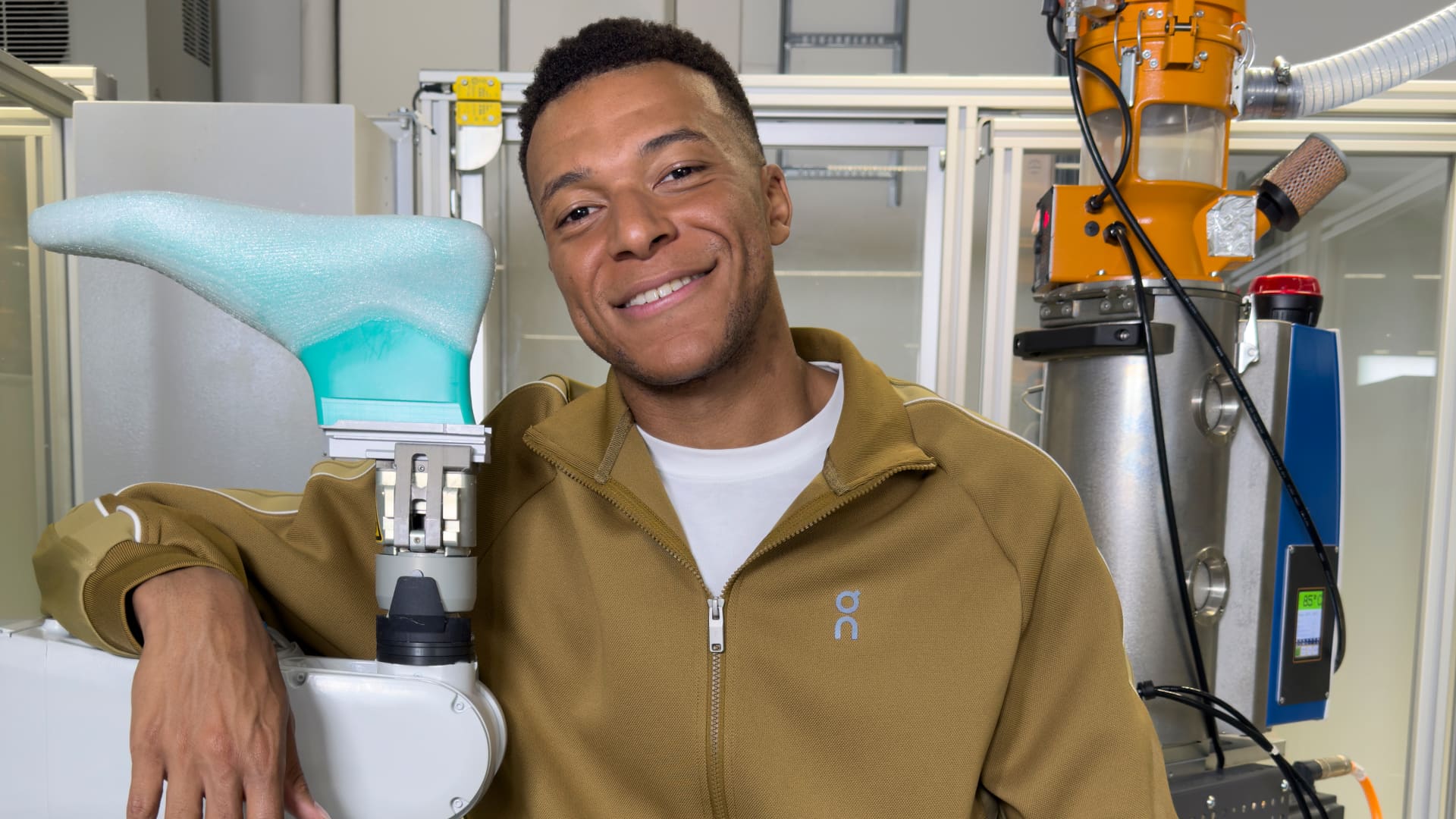

French soccer phenom Kylian Mbappé signed his new endorsement deal with On after Nike chose not to renew its deal with the international superstar, a source familiar with the matter told CNBC.
Earlier Friday, the Swiss sportswear company On said it reached an agreement with Mbappé, marking the brand’s first signing in football. The company also announced it named retired French star Thierry Henry as director of football.
As Mbappé’s contact ended in July, Nike felt it had benefitted from the prime years of his career and decided to use its endorsement money elsewhere, the source added. The 27-year-old will be 31 when the 2030 World Cup kicks off.
The move is another major change for Nike, which is trying to rebuild brand loyalty and product innovation under CEO Elliott Hill. The company’s sluggish sales, particularly struggles in China, have contributed to its stock falling about 50% in the last year.
On Enters Football alongside Kylian Mbappé.
Juergen Teller | On
Meanwhile, it’s a coup for On, which has branched more outside of its core running segment.
Mbappé joined the swoosh in 2006, when he was still a child, and has since emerged as one of the sport’s highest profile stars. The Real Madrid star is the all-time leading scorer in the men’s World Cup and for the French national team, and won the tournament with France in 2018.
In a statement, Mbappé said he was drawn to On by the opportunity to build something entirely new.
“I want to bring my experience and perspective into what we create, push what’s possible through innovation, and always stay true to the joy of football. We have a shared dream, and this is only the beginning,” he said.
On said it wants to bring a “fresh perspective” to the sport.
“Football doesn’t need another sportswear brand to do more of the same,” said David Allemann, founder and co-CEO of On, in a statement. “Football needs new ideas and a challenge to what is possible.
For years, Nike has represented many of the top soccer stars in the world including Erling Haaland, Vinicius Junior, Alexia Putellas and Sam Kerr.
Nike wished Mbappé well in a statement.
“Over nearly two decades, we’ve shared moments that shaped the game and he has been an important part of Nike Football,” the company said. “We are proud of what we achieved together on and off the pitch. As he moves into the next phase of his career, we wish him continued success for what comes next.”
In an analyst note assessing On’s ambitions in the sport, Jefferies warned that football is one of the most expensive categories to enter and that “performance credibility cannot simply be bought.”
“We see parallels to [Under Armour’s past partnership with Stephen Curry]: a star athlete who failed to establish the brand as a dominant player in the sport.”
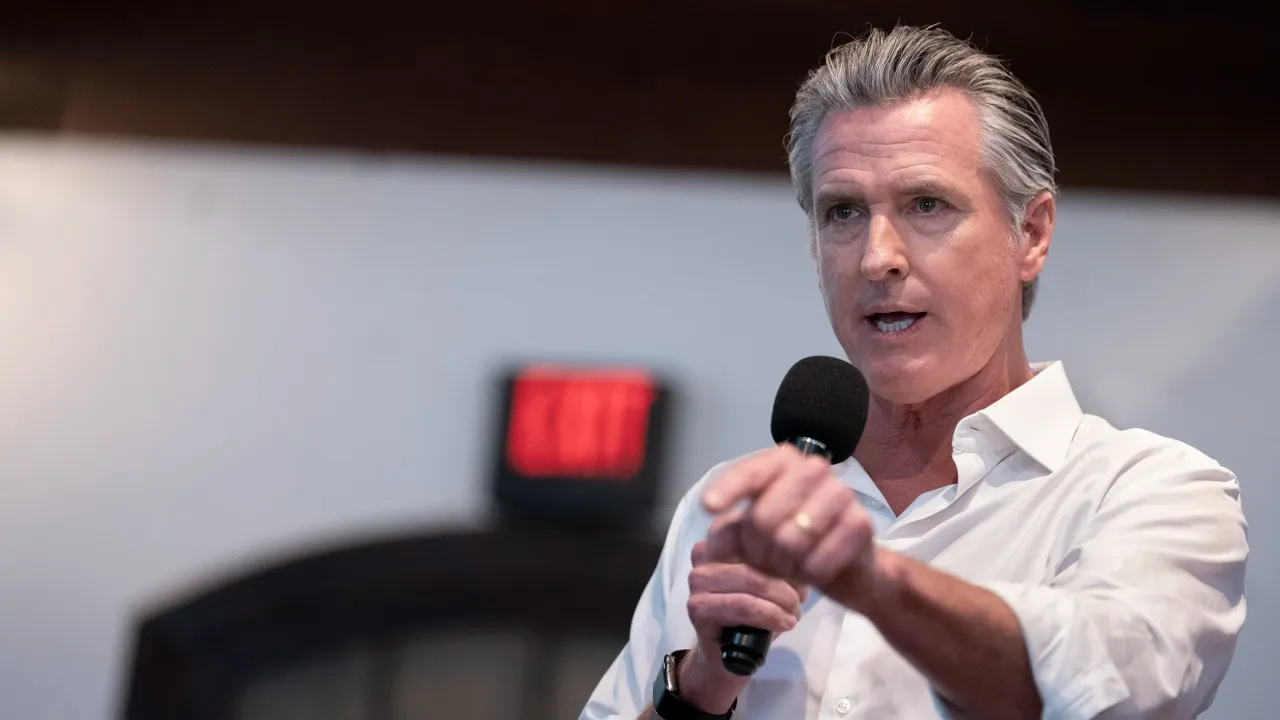
California Gov. Gavin Newsom announced an executive order aimed at reining in AI companies, while also criticizing President Donald Trump for his approach to AI. (Credit: @ThisisGavinNewsom/YouTube)
California Gov. Gavin Newsom, a likely 2028 presidential contender, signed an executive order Friday calling on the federal government to take a more active role in regulating artificial intelligence.
He said in a statement that the Trump administration has abdicated “its responsibility to protect Americans,” as AI becomes more advanced and capable by the month.
Newsom’s order recommends more stringent oversight on companies developing AI, while requiring those same firms to develop a “kill switch” for their frontier models in the event they go rogue.
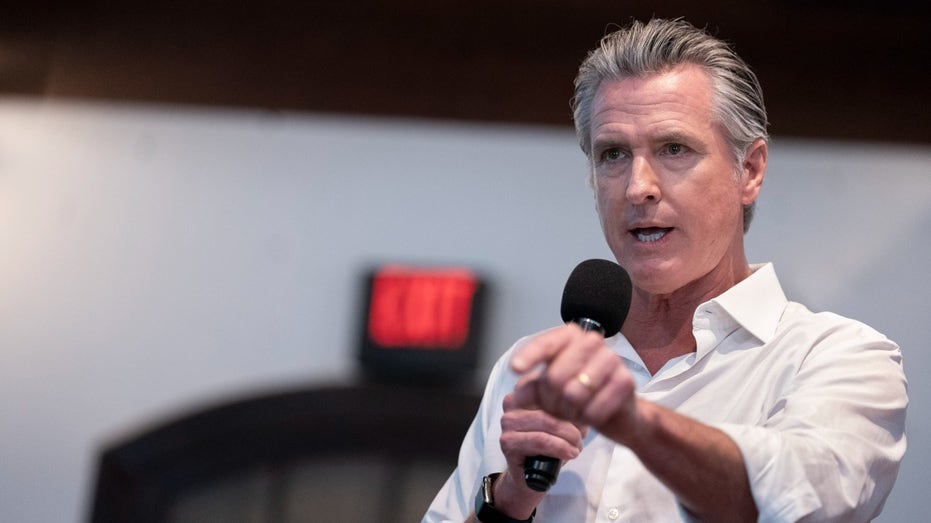
California Gov. Gavin Newsom speaks during an event held by the state Democratic Party at the Penn Center on Sept. 3, 2026, on St. Helena Island, South Carolina. (Sean Rayford/Getty Images / Getty Images)
AI HYSTERIA HAS A Y2K PROBLEM — AND THE STAKES THIS TIME COULD BE FAR HIGHER
“We’re not waiting to act – we’re going to speed up our work on substantial and responsible AI oversight before it’s too late. We’re going to do this thoughtfully but with urgent velocity; the stakes are too high to wait or delay action,” Newsom said.
In a video on his personal YouTube channel, Newsom delivered a sharp critique of President Donald Trump, who recently said that the risks surrounding AI amount to a “hoax.”
“There’s still no comprehensive federal law, none, requiring AI companies to report dangerous incidents when they happen, and President Trump has rejected calls for new regulation. No new regulation. Let it rip. He’s dead wrong,” Newsom said.
The order, Newsom said, will speed up implementation of recently enacted California laws that establish a framework for independent organizations to assess AI systems for safety and potential risk.
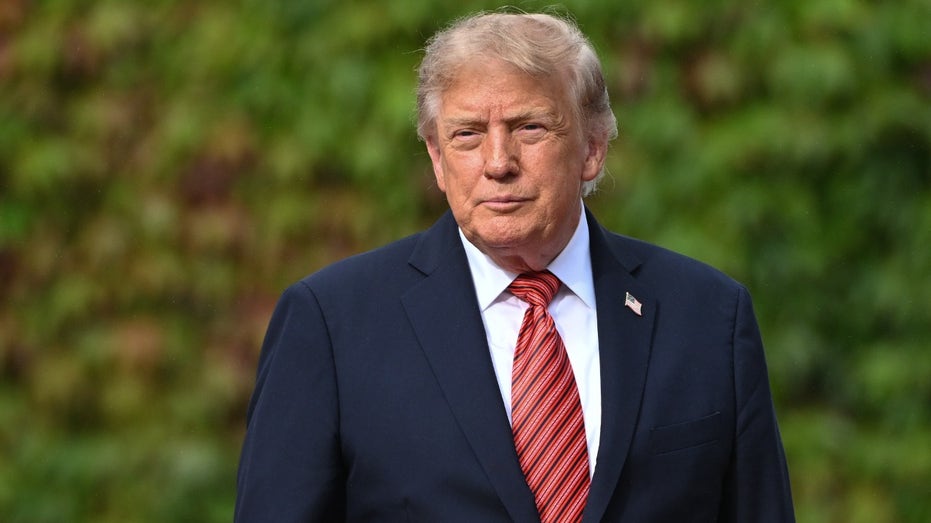
President Donald Trump pauses as he walks alone along an ivy-covered wall during his final departure from Aras an Uachtarain on Sept. 12, 2026, in Dublin, Ireland. (Artur Widak/Anadolu via Getty Images)
GOP LAWMAKERS SMELL SOMETHING ELSE BEHIND BIG TECH’S AI DOOMSDAY WARNINGS: ‘SOMETHING ELSE GOING ON’
The order also moves up implementation of California’s AI auditor registry and oversight program from January 2029 to December 2027.
Newsom acknowledged in hs video message that the idea of creating a so-called “kill switch” for out-of-control AI systems is still largely in its infancy. To explore the concept further, he said he’d be convening a panel of experts.
A kill switch “means a lot of things depending on who you talk to,” Newsom said, adding, “So we want to flesh out exactly what that means and how to come up with a framework that works.”
Sen. John Kennedy, R-La., attempted to introduce a federal AI kill switch bill this week, but his effort was blocked by Sen. Rand Paul, R-Ky.
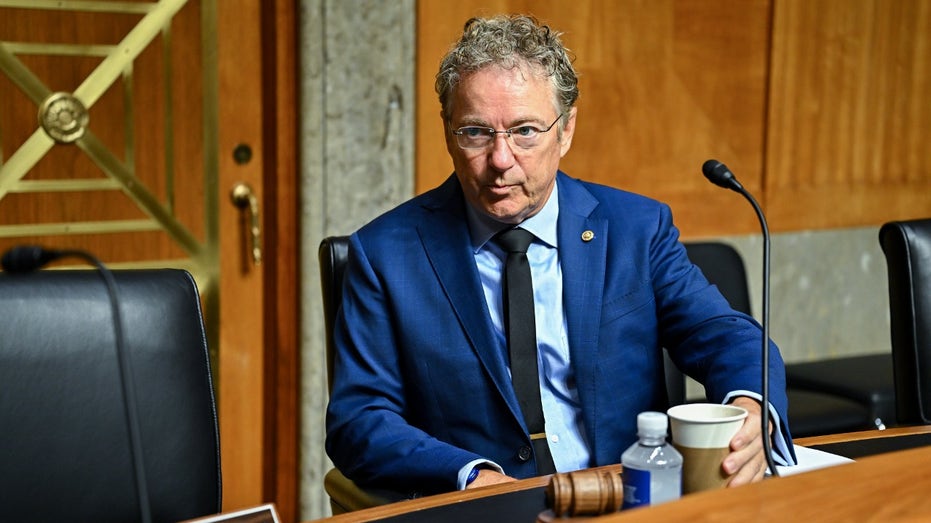
Sen. Rand Paul, R-K.Y., appears during meeting in Washington, D.C. on Aug. 6, 2026. (Graeme Sloan/Bloomberg via Getty Images)
CLICK HERE TO DOWNLOAD THE FOX NEWS APP
“I think it would be crazy to get on the floor one day and regulate an entire industry,” Paul told reporters. He argued that passing such a piece of legislation would require input from industry leaders.
Trump has generally opposed new AI regulations, arguing that excessive rules could hamper innovation. He has repeatedly defended data centers, saying they are good for the communities that host them.
He has also said that any slowdown in domestic AI development will lead to China outpacing the U.S. over time.
On Monday, Trump explicitly rejected calls from AI executives for the federal government to impose new limits on the technology. Among those calling for restraining AI were Anthropic CEO Dario Amodei, OpenAI CEO Sam Altman and xAI CEO Elon Musk.
“The only control or ‘guardrails’ that AI needs is a STRONG AND SMART (High IQ!) PRESIDENT, and the U.S.A. has that, in spades!” Trump wrote on Truth Social.
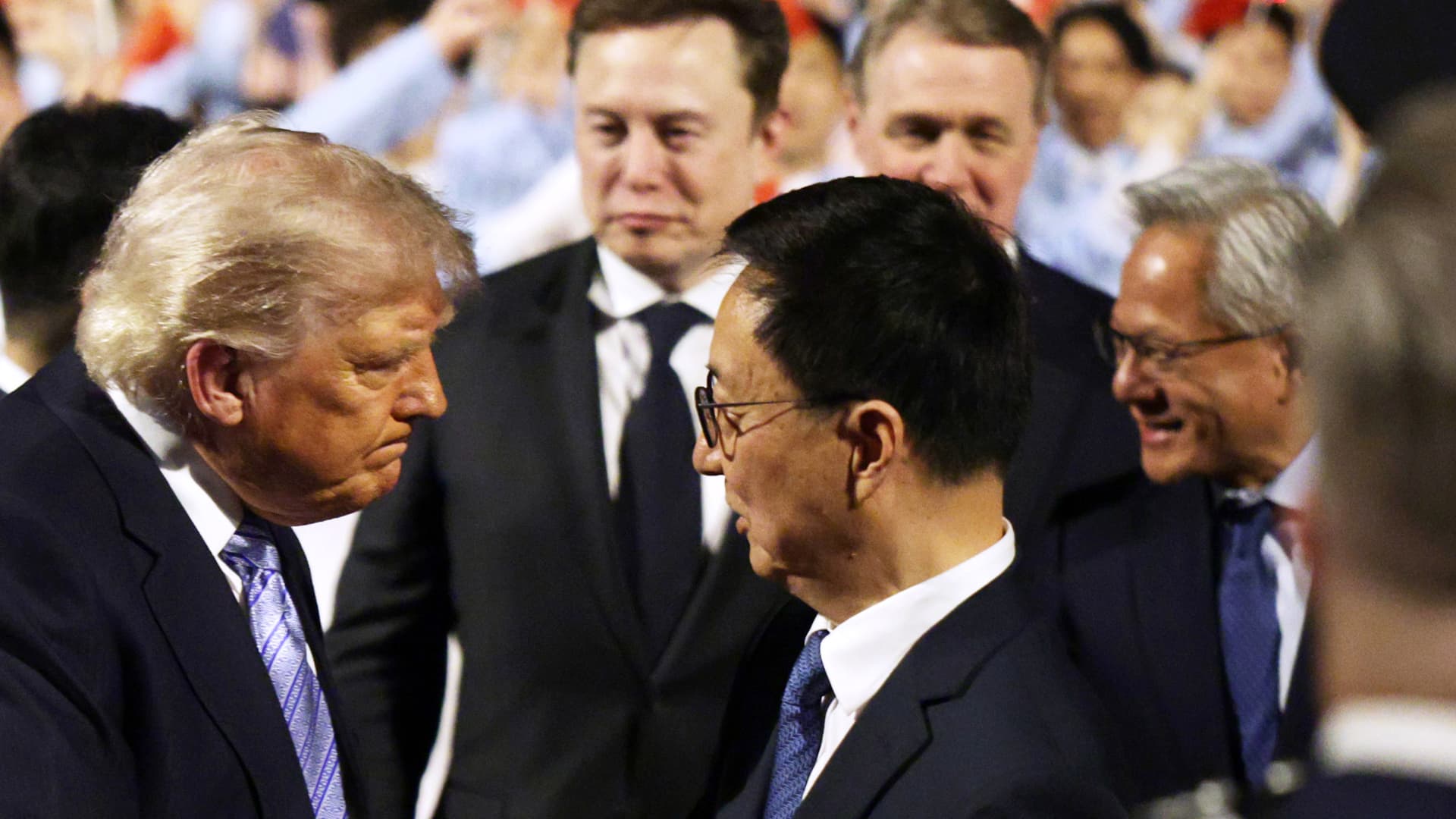
President Donald Trump greets Vice President of China Han Zheng as SpaceX CEO Elon Musk, U.S. Ambassador to China David Perdue and Nvidia CEO Jensen Huang look on at Beijing Capital International Airport on May 13, 2026.
Alex Wong | Getty Images
The American automotive industry wants President Donald Trump to maintain policies that make it difficult for Chinese automakers to operate in the U.S. — or even ban them altogether.
In a letter to Trump dated Thursday and viewed by CNBC, groups representing major facets of the U.S. automotive industry — from franchised dealers and suppliers to domestic and foreign automakers — urged the president to “maintain policies that keep the door firmly shut to Chinese automakers seeking to sell, import or manufacture vehicles inside the U.S.”
“The automotive sector is foundational to our advanced manufacturing and defense base, with the capacity and workforce to respond during a national emergency. Once that base is hollowed out, it can’t be rebuilt overnight,” the letter reads.
The letter comes ahead of Trump’s expected visit next week with Chinese President Xi Jinping in Washington, as well as Trump last week saying he would permit Chinese automakers to move manufacturing to the U.S.
“If China wanted to come in and open a plant to build their cars here, I’d be OK with it,” Trump said Sept. 11 on Fox News’ “The Ingraham Angle.”
The letter argues that allowing Chinese automakers to manufacture in the U.S. would “undermine fair competition and jeopardize the progress” the administration has made in preventing “Chinese dominance in key industries.” Chinese automakers are heavily subsidized by their government and are rapidly expanding outside of China to other countries.
The letter is the latest in a string of messages from the automotive industry to the Trump administration, but this time represented a more unified coalition.
It was signed by leaders of six trade associations that represent every major automaker operating in the U.S., including Tesla and foreign automakers, as well as the nation’s roughly 17,000 franchised dealers.

Realtor.com’s Joel Berner discusses the factors behind America’s top-ranked housing markets and what other cities can learn from them.
Housing affordability varies dramatically depending on where you live.
A new Realtor.com report released this week graded the nation’s 100 largest metro areas based on housing affordability and the pace of new home construction.
Joel Berner, senior economist at Realtor.com, told FOX Business that the rankings were designed to capture the current state of each housing market, as well as its long-term trajectory.
“It’s really a balanced look at the present and the future for how things are affordable now and how they might be affordable in years to come,” Berner said.
THE US CITIES WHERE HOME PRICES ARE FALLING THE FASTEST
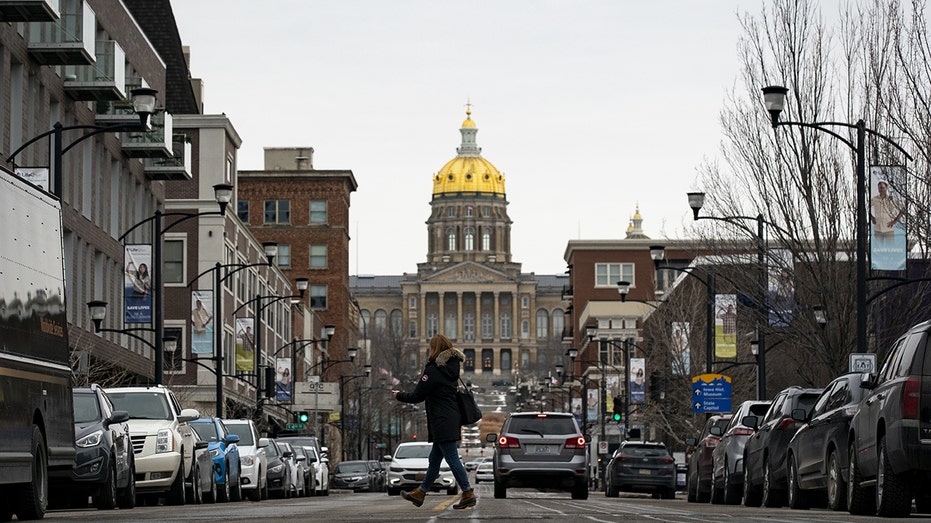
The Des Moines, Iowa, metro area topped Realtor.com’s housing report card with an A+ grade. (Photographer: Al Drago/Bloomberg via Getty Images)
Many metros across the Midwest and Sun Belt regions ranked high on the list, while several higher-cost coastal cities ranked near the bottom.
Des Moines, Iowa, topped the rankings with an A+ grade, followed by Raleigh, North Carolina; Columbia, South Carolina; Houston, Texas; and Indianapolis, Indiana.
Los Angeles ranked last with an F, followed by Providence, Rhode Island; New York City; Honolulu; and Boston.
The report comes as the U.S. continues to grapple with a housing shortage of more than 4 million homes after years of underbuilding, according to Realtor.com.
“Builders are getting squeezed on both sides,” Berner said. “Their costs are going up, whether it’s materials, labor or the cost of regulation. … And on the demand side, they’re seeing depressed buyer activity because of high mortgage rates and low buyer affordability.”

The report comes as the U.S. continues to grapple with a housing shortage of more than 4 million homes. (iStock/Getty Images Plus)
According to Berner, the highest-ranked metros generally have local governments that make it easier and faster to build new housing.
“They have local government facilitating new projects, not getting in the way, not having really restrictive zoning laws, having quick permitting processes,” he said.
“And these are places with strong job markets that are growing really fast, and the cities are allowing builders to absorb that increasing demand for homes in these growing cities by building a lot of them.”
Many of those markets also have abundant land, Berner added.
“Those places really have some advantages that the coastal cities don’t,” Berner said. “Land is much more available. … They’re also incentivizing these builders to produce dense urban housing as well as the kind of suburban developments that the developers have been working on for a number of years.”
DALLAS EMERGES AS MAGNET FOR WEALTHY BUYERS AS HIGH TAXES WEIGH ON LUXURY MARKETS, BROKER SAYS

Los Angeles ranked last in the report, earning an F grade. (iStock)
GET FOX BUSINESS ON THE GO BY CLICKING HERE
Berner said that local officials hoping to improve affordability should start by revisiting zoning rules.
“I think the first thing they should do is look at their local zoning ordinances,” Berner said.
Business
HDFC Mutual Fund buys 13.9 lakh Entero Healthcare shares from Prasid Uno Family Trust in Rs 236 crore block deal

The shares changed hands at Rs 1,695 apiece. Prasid Uno Family Trust was the seller, offloading the entire 13.90 lakh shares in two transactions. The trust sold 12,21,820 shares in one transaction and 1,68,180 shares in another, with both deals executed at Rs 1,695 per share.
The transaction comes as Entero Healthcare shares have gained sharply in recent sessions. The stock settled at Rs 1,732.30 on the NSE on September 18, up 3.94% from its previous close of Rs 1,666.60. During the session, the counter traded between Rs 1,669.90 and Rs 1,737.80.
Entero Healthcare Solutions has a market capitalisation of around Rs 7,539.50 crore on the NSE.

Prasid Uno Family Trust holding
The block deal is notable given the trust’s earlier stake in the company. Surbhi Singh, through Prasid Uno Family Trust, held 45,50,320 shares, or 10.45% of Entero Healthcare Solutions, as of June 30, 2026, according to BSE shareholding data.The shares sold in Friday’s block deal represent around 3.19% of the company’s equity, based on the June 30 shareholding base. The latest transaction data does not specify the trust’s post-deal holding.
Entero Healthcare shares touched a 52-week high of Rs 1,920 on September 8 on the NSE. The stock’s 52-week low stands at Rs 944, recorded on December 29, 2025. The counter is also under the Additional Surveillance Measure (ASM) framework on the BSE.
About Entero Healthcare Solutions
Incorporated in 2018, Entero Healthcare Solutions is a healthcare products distributor in India. Its technology-driven platform provides distribution services to pharmacies, hospitals and clinics across the country.
The company connects healthcare-product manufacturers with healthcare providers through its integrated distribution network, while enabling pharmacies, hospitals and clinics to access a broad range of healthcare products. The company’s distribution platform is designed to provide healthcare-product manufacturers with wider reach and accessibility, while its network enables healthcare providers to source products through its relationships with manufacturers and distribution infrastructure.
Disclosure: This article has been written by Kumar Gaurav, who is not a SEBI-registered Research Analyst or an investment advisor. Gaurav does not hold any financial interest in the company as of the date of publication. The views/recommendations mentioned in this article, wherever applicable, are those of the respective SEBI-registered Research Analyst/brokerage and have been reproduced/reported with due attribution. They should not be construed as the views or recommendations of the EconomicTimes Digital or the journalist. Readers are advised to consider the original research report and make their investment decisions based on their own assessment.
Business
Braveheart Bio Shares Climb 5.50% as Its Phase 3 Heart Drug Trial Rapidly Gains Momentum Following Its IPO

SAN FRANCISCO — Shares of Braveheart Bio Inc. rose 5.50% to $29.24 in Thursday trading, adding $1.53, as the clinical-stage cardiovascular biotechnology company continued to draw investor interest following the initiation of a pivotal late-stage trial for its lead heart disease drug candidate roughly six weeks after going public.
Braveheart Bio is developing therapies for hypertrophic cardiomyopathy, a serious cardiovascular condition in which the heart muscle grows abnormally thick, making it harder for the heart to pump blood efficiently. The company’s lead candidate, BHB-1893, is an oral, next-generation small-molecule cardiac myosin inhibitor being developed to treat both the obstructive and non-obstructive forms of the disease. Braveheart has said it designed the drug to address limitations in currently available treatments in its class, aiming for rapid onset of effect, consistent depth of response, preservation of the heart’s pumping function, prompt reversibility if treatment needs to be stopped, and a more straightforward approach to dosing and patient monitoring than existing options.
The company reported second-quarter 2026 financial results and a business update on September 8, disclosing that it had formally initiated LIONHEART-HCM, a global Phase 3 trial evaluating BHB-1893 against the beta-blocker metoprolol in adults with symptomatic obstructive hypertrophic cardiomyopathy. That trial follows positive Phase 2 results in the obstructive form of the disease announced in March. Braveheart Chief Executive Officer and President Travis Murdoch, M.D., framed the milestone as validation of the company’s broader strategy following its public listing. “Our clinical programs continue to advance, and our IPO this summer has provided a strong financial foundation to advance the development of our global Phase 3 programs and evaluate the potential of BHB-1893 as the preferred treatment option in two indications,” Murdoch said. “Sites are being activated and patients are screening for our LIONHEART-HCM Phase 3 study in obstructive HCM, and we are on track to dose the first patient this year. We continue to expect results from an interim analysis from LIONHEART-HCM in the second half of 2027.”
Murdoch also provided an update on the company’s second target indication, the non-obstructive form of hypertrophic cardiomyopathy. “In addition, our program in non-obstructive HCM is advancing; we now have an active U.S. investigational new drug application and expect to initiate our NOBLEHEART-HCM Phase 3 study in the first half of 2027,” he said. That planned trial follows positive Phase 2 results in non-obstructive patients, developed in partnership with China’s Jiangsu Hengrui Pharmaceuticals, which were presented as a late-breaking study at the 2026 annual meeting of the Heart Failure Association of the European Society of Cardiology in May. In that trial, patients treated with BHB-1893 showed rapid, statistically significant improvements in cardiac biomarkers, functional status and exercise capacity compared with placebo, along with dose-dependent improvements in heart muscle relaxation and structure on echocardiogram, without any patients in the treatment groups requiring a dose interruption due to reduced heart pumping function, a safety concern that has affected some competing drugs in the same class.
Braveheart completed its initial public offering in August, issuing 24.4 million shares of common stock at $18 per share for gross proceeds of approximately $439.9 million, with the stock beginning to trade on the Nasdaq Global Market on August 6. Including the net proceeds from that offering, the company reported cash and cash equivalents of approximately $527.3 million on an as-adjusted basis as of June 30, which it said should be sufficient to fund its operating expenses and capital requirements into 2029, giving the company a lengthy runway to advance both Phase 3 programs toward potential regulatory approval without an immediate need to return to capital markets.
The company’s second-quarter financial results reflected the scale of investment required to support that expanding late-stage clinical program. Research and development expenses reached $11.1 million for the quarter, up sharply from essentially no comparable spending a year earlier, driven by the advancement of BHB-1893 and preparation for the global Phase 3 program. General and administrative expenses climbed to $4.8 million for the quarter as the company built out the operational infrastructure needed to function as a newly public company. Net loss attributable to common stockholders totaled $18.6 million for the quarter, or $2.51 per share, after accounting for a non-cash deemed dividend tied to the company’s earlier Series A preferred stock financing.
Braveheart’s stock has traded within a 52-week range of $24.31 to $32.00 since its public debut, with the company’s shares drawing a Strong Buy consensus rating from analysts covering the stock. Five analysts currently recommend buying the shares, with none recommending a sale, and the average 12-month price target sits at $45.25, implying substantial potential upside from current trading levels. Insider activity has also reflected confidence in the company’s prospects, with board director David Charles Lubner disclosed as having made an open-market purchase of more than 55,000 shares at $18 apiece in early August, shortly after the company’s public listing.
Braveheart’s backers include venture capital firm Andreessen Horowitz, which holds a significant ownership stake in the company through affiliated investment entities, according to regulatory filings disclosing beneficial ownership following the IPO.
With patient screening now underway for the LIONHEART-HCM trial and dosing of the first patient targeted before the end of the year, investors are likely to continue watching closely for further updates on trial enrollment progress, alongside the planned initiation of the company’s second Phase 3 program in non-obstructive hypertrophic cardiomyopathy expected in the first half of 2027, as the next major milestones likely to influence the stock’s trajectory in the months ahead.

The spread on French 10-year government bonds over Germany’s rose as high as 104 basis points, exceeding a whole percentage point for the first time since 2012, as investors demand higher compensation for the risk of holding the debt.
For live updates on US Markets, click here
Yields on benchmark 10-year French bonds rose 10 bps to 4.456%. French yields have risen faster than those of any other developed economy in a selloff driven by higher energy prices that has rattled global government debt markets in recent weeks.
France is proving particularly vulnerable in the bond selloff as it faces a challenging budget and struggles to get its fiscal position in order ahead of a presidential election next year that could make that task even harder.
France’s government plans to include a €54 billion ($62 billion) savings drive in its 2027 budget to stop the fiscal deficit spiralling out of control, Prime Minister Sebastien Lecornu said on Thursday, as protests over high fuel prices swell.
It will already miss this year’s budget deficit target as the economy will grow less than previously expected this year.”Investors in general they are not too confident in stepping (in) and buying, and I think that’s what is driving this ongoing grind wider in spreads,” said Evelyne Gomez-Liechti, multi-asset strategist at Mizuho in London, adding that the bank was seeing little flow in French debt.
“Everyone is sidelined and not willing to buy here just in case it keeps grinding wider and wider.”
French 5-year credit default swaps, a form of protection against the risk of default, hit 41.5 bps , the highest level since the “Liberation Day” turmoil unleashed by U.S. President Donald Trump’s blanket tariffs in April last year.
They were up nearly 3 bps since Thursday’s close in their biggest one-day increase since mid-March, when the Iran war whipped up market volatility.
French bank stocks were also hit, with BNP Paribas down 3.6%, while Credit Agricole and Societe Generale were each down 2.5%.
France’s blue-chip CAC index was down 1.5%, slightly underperforming other regional indices.

Three of Jeremy Clarkson’s Grand Tour cars are for sale – including a 1982 Lancia Montecarlo Spider

Enova International: Oversold, Upgrading To Buy

Chip Stocks Hit Ceiling During Sector Rebound




-

 Tech5 days ago
The Latest Weird Thing to Play Doom Is the Mapped-Out Brain of a Fruit Fly
-

 Crypto World4 days ago
Kraken Lets xStocks Holders Earn Yield Through DeFi
-

 Crypto World2 days ago
US Charges Robinhood Engineers Over Crypto Listing Trades
-

 Entertainment7 days ago
News Specials, Movies, Shows, More
-

 Crypto World6 days ago
Can AI Build a Startup in 72 Hours? Elon Musk's Team Will Livestream the Test
-

 Crypto World4 days ago
Elon Musk Drops a Bombshell: Grok 5 Could Be the AGI Breakthrough
-

 Business6 days ago
Rivals Sam Altman and Elon Musk Rally Behind Dario Amodei’s Call for a Slowdown in AI Development
-

 Crypto World3 days ago
What Is the Status of the U.S.-Iran Peace Talks? Here's What Both Sides Are Saying
-
 NewsBeat4 days ago
‘Sick conspiracy’: Trump says only guardrails AI needs is ‘a strong and smart (High IQ!) president’ in all-caps rant
-

 Crypto World5 days ago
New Tesla Roadster Uses SpaceX Tech. Will It Impact the Stock Price?
-

 Crypto World7 days ago
Robinhood Chain Never Stopped But its Blobs Did Stop Reaching Ethereum For 14 Minutes
-

 Crypto World3 days ago
NVIDIA Analysis: Attempted Rising Wedge Breakout Amid Pressure on the AI Sector
-
 Entertainment7 days ago
New Horror Movie Officially Earns a Rare Stephen King Recommendation
-

 Business6 days ago
Marvell: Most Potent Setup Of The AI Factory Decade
-

 Crypto World4 days ago
Revolut Attackers Warn of Ongoing Daily Customer Data Leaks
-

 Crypto World4 days ago
DOJ Seeks to Seize $61M in Iran Oil Funds From Binance Accounts It Vouched For
-

 Crypto World7 days ago
Bitcoin ETFs lose $462.7M as Ethereum funds gain $196.9M
-

 Crypto World5 days ago
3 Token Unlocks to Watch in the Third Week of September 2026
-
Business4 days ago
SK Hynix ADRs Fall More Than 6% as Memory Rally Breaks on Fears of Slower AI Spending
-
Crypto World4 days ago
Can Circle’s Arc Repeat Robinhood Chain’s Meme Coin Boom?
You must be logged in to post a comment Login