
Business
Bubble Robotics Raises $5M Pre-Seed to Deploy Autonomous Ocean Robots


A British-backed robotics start-up promising to replace ageing offshore vessels and crews with always-on underwater machines has emerged from stealth with $5m (£3.95m) in pre-seed funding, signalling fresh investor appetite for so-called “physical AI” plays targeting the world’s most stubbornly analogue industries.
Bubble Robotics, founded in 2025 by former engineers from NASA and ETH Zürich, has secured the round from Episode 1 Ventures, Asterion Ventures and Norrsken Evolve, following its incubation through London-based talent investor Entrepreneur First. The company is already sitting on more than $4m of signed letters of intent across offshore wind, subsea infrastructure and maritime security, suggesting commercial pull is running well ahead of the typical pre-seed playbook.
The pitch is straightforward, if ambitious. Today, inspecting an offshore wind turbine, a buried data cable or a section of seabed pipework typically demands a chartered vessel, a specialist crew and a daily bill that can climb to $100,000. According to Bubble’s founders, between 80 and 90 per cent of those costs are tied up in the boat and the people on it, rather than in the inspection itself.
“By removing that dependency, we unlock a step change in cost, safety and operational frequency,” said Jean Crosetti, chief executive and co-founder. “What used to be episodic becomes continuous.”
The plan is to dispense with vessel-based missions altogether and instead deploy fleets of resident autonomous robots that live at sea for months at a time, continuously inspecting, monitoring and gathering data without human intervention. Crosetti likens the model to the satellite constellations that have transformed earth observation over the past decade, only pointed downward into the water column rather than up at the atmosphere.
The timing reflects a wider inflection point. Cheaper edge computing, more capable on-device AI and the rapid expansion of low-earth-orbit satellite connectivity have, between them, made persistent unmanned operations technically feasible in a way they were not even three years ago. The macro pull is equally significant: the offshore energy sector alone is forecast to need an additional 600,000 workers by 2030, a shortfall that no graduate scheme is going to plug in time.
Bubble is selling its capability on a robotics-as-a-service basis, sparing customers the upfront capital expenditure and offshore mobilisation costs that have traditionally locked smaller operators out of high-frequency inspection regimes. Target use cases span the inspection of wind turbine foundations, cables, pipes and subsea structures; benthic mapping, photogrammetry and biofouling monitoring for climate and biodiversity clients; and mine countermeasures, unexploded ordnance detection and continuous surveillance for defence and maritime security buyers.
That last category is increasingly pertinent. Recent incidents involving subsea data cables in the Baltic and North Sea have pushed the security of underwater infrastructure up the agenda for European governments and Nato, exposing how thinly monitored much of it remains. Persistent autonomous systems offer a way to maintain a continuous presence around sensitive assets without committing scarce naval resources.
Alice Bentinck, co-founder of Entrepreneur First, said the founders had stood out from the moment they met at one of the firm’s kick-off weekends. “Patricia and Jean formed a team around a shared belief and complementary skill-set: Patricia with world-class technical credibility in robotics, Jean with unusual commercial instinct and intensity. Their pace of iteration throughout the programme and strong customer obsession make Bubble Robotics a company to watch closely.”
For the wider SME ecosystem, Bubble’s emergence is a useful data point. It suggests that capital is still flowing into deep-tech start-ups with credible commercial traction, even as more speculative AI plays cool, and that the long-promised convergence of robotics, AI and connectivity is finally producing businesses with revenue lines attached, not just demos.

Jamie Young
Jamie is Senior Reporter at Business Matters, bringing over a decade of experience in UK SME business reporting.
Jamie holds a degree in Business Administration and regularly participates in industry conferences and workshops.
When not reporting on the latest business developments, Jamie is passionate about mentoring up-and-coming journalists and entrepreneurs to inspire the next generation of business leaders.


Kayne Anderson president Baker buys $339,250 in KYN stock

The announcement follows Trent’s earlier disclosure of the bonus issue alongside its Q4 results and a Rs 6 dividend. The company had at the time indicated that the record date would be announced separately.
The bonus issue marks a milestone for the Westside and Zudio parent, which has never issued bonus shares before. As part of the plan, Trent will issue around 17.77 crore equity shares of Re 1 face value each, capitalising a portion of its share premium reserves.
The company expects to complete the allotment of these bonus shares by June 21, drawing from its share premium pool, which stood at over Rs 1,900 crore as of March-end FY26.
A bonus issue involves distributing additional shares to existing shareholders at no extra cost, typically reflecting a company’s confidence in its financial position and growth outlook. While the move increases the total number of outstanding shares, it does not alter the company’s overall market capitalisation. However, it tends to improve stock liquidity and makes shares more accessible to retail investors.

Only those shareholders holding Trent shares as of May 29 will be eligible to receive the bonus allotment.
Trent reported a 26% growth in its consolidated net profit for the quarter ended March 31, 2026, at Rs 400 crore versus Rs 318 crore in the year-ago period. Its revenue from operations, meanwhile, rose 19% YoY to Rs 5,028 crore in Q4 FY26.Further, Trent has also earlier approved the plan to raise additional funds through the issue of equity shares via rights issue or other methods. The company announced an Employee Stock Option Plan (ESOP) to issue nearly 8.89 lakh shares to its eligible shareholders.
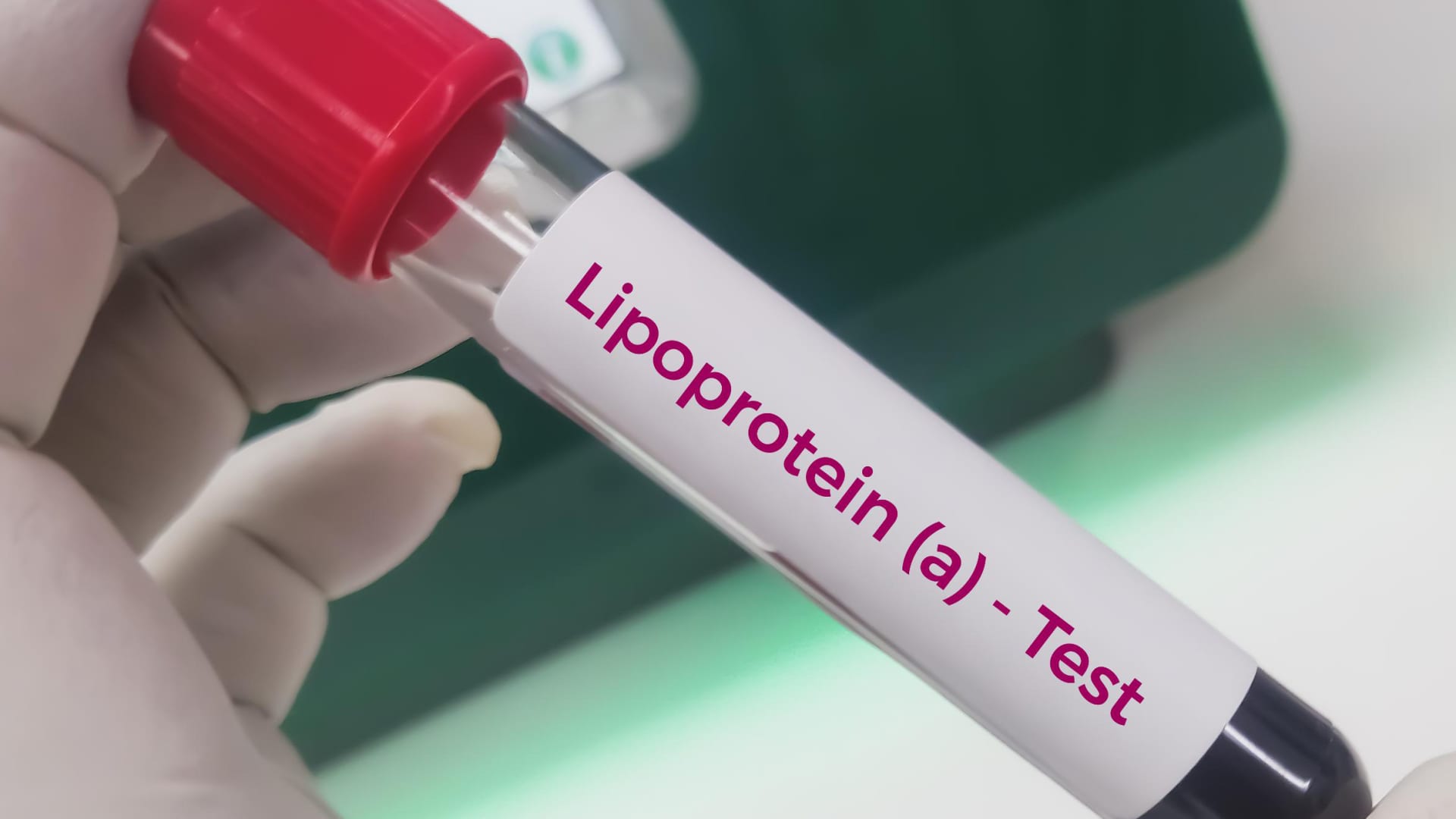
Pharma thinks it’s found the next frontier in preventing heart attacks.
Novartis, Amgen and Eli Lilly are among the drugmakers betting that slashing levels of a particularly bad form of cholesterol could deliver the next blockbusters in cardiology. All three of the pharmaceutical giants are in late-stage trials to test whether drugs that cut Lp(a) can protect people from heart attacks.
If they can, the opportunity could be massive: an estimated one in five people worldwide have elevated Lp(a), and there’s not much they can do to lower it. Evidence from human genetics suggests the idea could work, but drugmakers don’t know for sure. That makes the first late-stage trial results from Novartis, expected later this year, important for the entire pipeline.
“History has taught us you can’t make assumptions,” said Dr. Steve Nissen, chief academic officer of the Heart, Vascular & Thoracic Institute at Cleveland Clinic who is the principal investigator of Novartis’ Phase 3 Horizon trial of pelacarsen, the company’s experimental drug to lower Lp(a). “We thought raising HDL would be beneficial and that didn’t work, so I think we have to keep an open mind.”
Lp(a), or lipoprotein(a), was first discovered in 1963. It’s a more dangerous cousin to the well-known LDL cholesterol because it simultaneously clogs arteries and promotes blood clots, posing two risks with just one particle. Almost 50 years after Lp(a) was discovered, researchers found that people who have high levels of it had a more than twofold higher risk of heart attack than those who don’t.
How much Lp(a) a person has circulating in their body is almost entirely determined by their genes. Lifestyle factors like diet and exercise don’t influence Lp(a) levels like they do LDL levels, leaving people with few good options to reduce it.
Currently, doctors encourage people to focus on the factors they can change, such as lowering their LDL cholesterol, decreasing blood pressure, treating obesity and diabetes and exercising. Those strategies can help protect people from high Lp(a) for some time, Nissen said. New medicines could treat people for a longer time.
Novartis, Amgen and Lilly have already proven their experimental drugs slash levels of Lp(a) by more than 80%. Now, they will need to show that translates into tangible benefits. If that happens, the drugs could reach annual sales of $5.6 billion by 2032, according to consensus estimates from Evaluate, a pharmaceutical commercial intelligence firm.
“We don’t know how much you have to lower levels,” Nissen said. “We don’t know how high you have to be to benefit from getting your level lowered. Estimates of how much you have to lower levels to prevent events based upon genetic studies are highly variable, so we don’t have an answer, and we won’t have an answer until on the date that we unblind the trial.”
That should happen around the middle of the year, Novartis CEO Vas Narasimhan said on the company’s fourth-quarter earnings call in February. The trial is studying whether Novartis and its partner Ionis’ drug pelacarsen prevents outcomes like heart attacks and strokes in people with elevated levels of Lp(a) who already have cardiovascular disease. Novartis delayed the readout by a year because people weren’t experiencing events as quickly as the company expected in the yearslong trial.
Narasimhan has said that might have to do with the fact that researchers were managing participants’ other risk factors. He said Novartis is still excited to see the data and to potentially create “an entire new class of medicines that can help a whole group of patients that have no other option.”
Novartis’ drug uses a different mechanism than its next closest competitors from Amgen and Lilly. Those drugs, Amgen’s olpasiran and Lilly’s lepodisiran, looked more potent in mid-stage trials, leading to larger Lp(a) reductions.
Amgen’s pivotal trial results were expected later this year or early next before the company also pushed back the timeline. The company now says it plans to provide an update on timing in early 2027.
Jay Bradner, Amgen’s executive vice president of research and development, said it’s impossible to say why it’s taking longer for enough people to have heart attacks to analyze the results without seeing the data.
“The clarity of the signal from population genetics and the encouraging signs from [earlier trials] render this a very smart bet,” said Bradner. The forthcoming results from Novartis will provide direction on how Lp(a)-targeting drugs can affect clinical outcomes, he said, adding that he’s “very bullish about the hypothesis.”
Lilly expects to share data from its Phase 3 trial of lepodisiran in 2029. All of the trials are designed slightly differently, which could create variation in the results, said Dr. Michelle O’Donoghue, a cardiologist at the Mass General Brigham Heart & Vascular Institute and the principal investigator of Amgen’s Ocean(a) trial of olpasiran.
“So there’s reason to think that the magnitude of the benefit might be different across the different programs,” she said.
Despite the focus from drugmakers, few doctors test their patients’ Lp(a) levels. Less than 1% of adults were tested for it in the U.S. in 2024, and testing was concentrated in a handful of states, according to one study of electronic health records.
Screening involves a routine blood draw like what’s used to measure other types of cholesterol. Leading cardiology organizations recently started recommending every adult be tested for Lp(a) at least once in their life. Currently, some doctors are reluctant to screen people for a problem when they don’t have any medicines to offer them to treat it, Nissen and O’Donoghue said.
The Family Heart Foundation plans to advocate for adding Lp(a) to the standard lipid test that measures other types of cholesterol like LDL, said the organization’s CEO, Katherine Wilemon. Living with elevated Lp(a) and another genetic heart condition herself, Wilemon has pushed for more screening since experiencing a heart attack at 38 and founding the organization in 2011.
She said the Lp(a) drugs have already helped raise awareness about testing. If the treatments succeed in clinical trials, more screening could follow. Morningstar analyst Jay Lee thinks it could take time to build the market, especially since Novartis’ pelacarsen would initially be used for people with high Lp(a) levels and a history of cardiovascular events.
Amgen and Lilly are already testing whether drugs could protect people with elevated Lp(a) from having that first event. Those results are still years away, with Lilly’s trial expected to read out in 2029.
In the meantime, Lilly isn’t waiting to make more bets. The company is testing a daily pill, and it acquired a company that wants to use gene editing to slash Lp(a) levels with a one-time treatment.
“We’ve got a bunch of shots on goal,” Cleveland Clinic’s Nissen said. “We hope at least one of them ends up in the back of the net.”
Investors are skeptical, said Goldman Sachs analyst Asad Haider. They’re nervous what the delay in Novartis’ trial means for the drugs, and they’re concerned that even if the drugs work, it could take years for them to become mega-blockbusters, he said.
“That’s why this Novartis trial is going to be so important in how people think about the unlock,” Haider said.
Wilemon from the Family Heart Foundation thinks the market for the drugs is there. She sees screening as the most important issue and access as the second one. She points to PCSK9 inhibitors, powerful drugs that slash levels of LDL cholesterol, which struggled for years to gain traction until drugmakers lowered their prices.
But before uptake comes the data — and she said she and the whole Lp(a) community are crossing their fingers Novartis’ drug works.

Colombian peso drops 2.36% as leftist leads presidential polls

Coltin Stidham wanted to be a pilot, but his eyesight didn’t make the grade. Now, the high-school junior is training for another six-figure aviation job even more in demand.
Inside an 8,500-square-foot hangar at Middletown Regional Airport in southern Ohio, the 17-year-old is learning to become an aircraft maintenance technician—a job that doesn’t require a college degree, is AI-proof and, within several years, can earn more than $100,000.
Copyright ©2026 Dow Jones & Company, Inc. All Rights Reserved. 87990cbe856818d5eddac44c7b1cdeb8
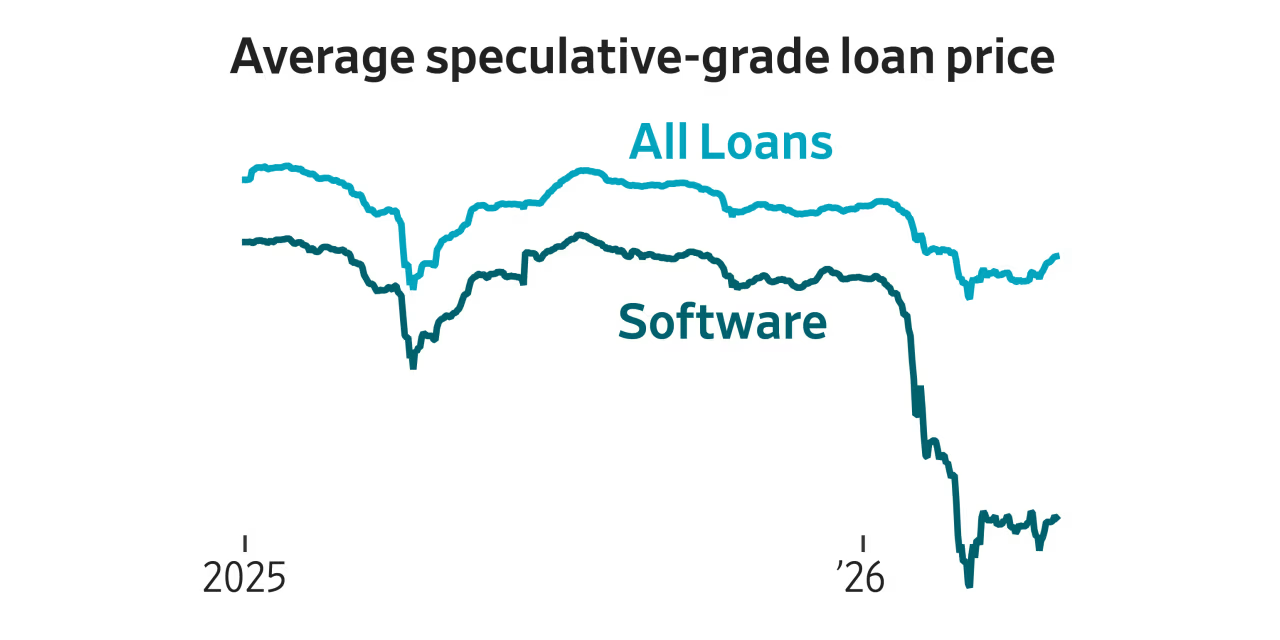
The threat that artificial intelligence tools will fuel a software apocalypse has rattled stocks, triggered record withdrawals from private-debt funds and stirred fears of a new type of credit crisis.
But a key market is sending a more mixed message: Not all software companies are equally endangered. While prices of software-company loans have fallen sharply on average since late January, a Wall Street Journal analysis of more than 100 loans showed wide variations in price moves, with parts of the sector hit much harder than others.
Copyright ©2026 Dow Jones & Company, Inc. All Rights Reserved. 87990cbe856818d5eddac44c7b1cdeb8


The company’s vinegar-based coleslaw is formulated with probiotics.

Check out what’s clicking on FoxBusiness.com.
A Princess Cruises ship recovered five bodies from the water during a voyage in Europe this month, the company confirmed.
The Sapphire Princess altered course on April 21 after crew members spotted an orange inflatable life jacket in the water while sailing en route to Cartagena, Spain, according to a statement from Princess Cruises.
The vessel deployed its Fast Rescue Boat to investigate and ultimately recovered five deceased individuals, the company said. The ship’s crew coordinated the response with the Maritime Rescue Coordination Center.
COAST GUARD PAUSES SEARCH AFTER CREW MEMBER FALLS OVERBOARD FROM NORWEGIAN CRUISE SHIP

The Princess Cruises’ Sapphire Princess remains anchored in the port of Montevideo. (Ivanna Infantozzi/AFP via Getty Images)
The individuals were not passengers or crew members aboard the Sapphire Princess, according to the company.
ROYAL CARIBBEAN PASSENGER ACCUSED OF JUMPING OVERBOARD TO DODGE VACATION GAMBLING DEBT

The Sapphire Princess altered course on April 21 after crew members spotted an orange inflatable life jacket in the water. (Johan Ordonez/AFP via Getty Images)
“We extend our sincere condolences for this loss and are grateful to our crew for their swift response and efforts to render assistance,” Princess Cruises said in a statement.
CRUISE INDUSTRY GIANT MAKES $100M STRATEGIC BET ON FLORIDA WITH MASSIVE MIAMI HEADQUARTERS
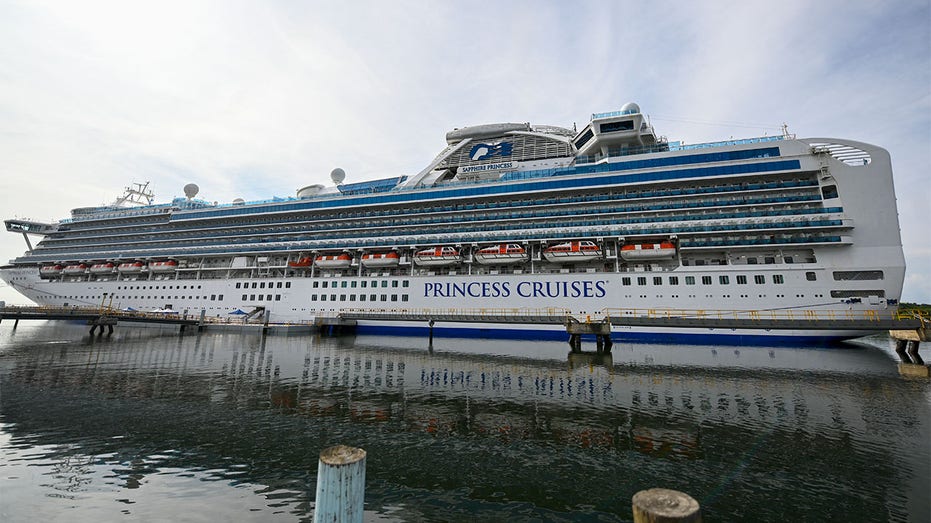
The Sapphire Princess cruise at the Marina Pez Vela Cruise Terminal in Puerto San Jose, Guatemala on Oct. 5, 2024. (Johan Ordonez/AFP via Getty Images)
The Sapphire Princess departed from Civitavecchia, Italy, on April 19 for a 14-day voyage to Copenhagen, Denmark, according to cruise tracking site CruiseMapper.
CLICK HERE TO GET FOX BUSINESS ON THE GO
Further details about the identities of the individuals or the circumstances surrounding their deaths were not immediately available.

Oil could spike above $150 if Middle East conflict drags on, analyst warns


Venezuela central bank says it and U.S. have each hired firms to audit assets abroad

Bitcoin Bulls Battle For Control With Emphasis On $80K Reclaim

The King’s state visit to Trump is a ‘national embarrassment’

Lady Catalina targets 2026 Randwick HMAS Sydney Handicap

Manchester United reach agreement with Casemiro over contract clause amid transfer speculation

US brings back mandatory military draft registration

Steven Gerrard disagrees with Gary Neville over ‘shock’ Chelsea and Arsenal claim | Football


-

 Politics7 days ago
Gary Stevenson delivers timely reminder to register to vote as deadline TODAY
-

 Fashion3 days ago
Weekend Open Thread – Corporette.com
-
 Crypto World2 days ago
Hyperliquid $HYPE Rally Builds Momentum as AI Sector Enters Prove-It Phase
-

 Politics5 days ago
Making troops accountable for war crimes threatens US alliance, ex-SAS colonel warns
-

 Politics5 days ago
Disabled people challenge government SEND proposals over segregation concerns
-

 Tech2 hours ago
Register Renaming | Hackaday
-

 Business5 days ago
Rolls-Royce Voted UK’s Most Iconic Trade Mark as IPO Register Hits 150
-

 Business4 days ago
Patterson-UTI Energy, Inc. (PTEN) Q1 2026 Earnings Call Transcript
-

 Politics5 days ago
Zack Polanski responds to home secretary’s taser threat
-
 Crypto World6 days ago
Five Value Stocks with Recovery Potential in 2026: PayPal (PYPL), Nike (NKE), and More
-

 Politics5 days ago
Starmer handler McSweeney to be dragged from shadows by Foreign Affairs Committee
-
 Sports1 day ago
IPL 2026: Ruturaj Gaikwad registers slowest fifty of the season, enters all-time unwanted list | Cricket News
-
Politics5 days ago
Wings Over Scotland | How To Get Away With Crimes
-

 Crypto World6 days ago
New York sues Coinbase, Gemini over prediction market offerings
-
Entertainment6 days ago
Sydney Sweeney cameo cut from “The Devil Wears Prada 2”, source explains why (exclusive)
-
 Business6 days ago
HCL Tech share price tank over 9% after weak Q4. JPMorgan, HSBC & 3 others cut target price
-

 Politics5 days ago
‘Iran is still a nuclear threat’
-
 Sports5 days ago
Tim Bradley names the current best in the world: “Better than Inoue and Usyk”
-

 Crypto World6 days ago
Crypto’s great hope in Senate’s Clarity Act still has a path to survive tight calendar
-

 NewsBeat1 day ago
LK Bennett closes all stores after entering administration
You must be logged in to post a comment Login