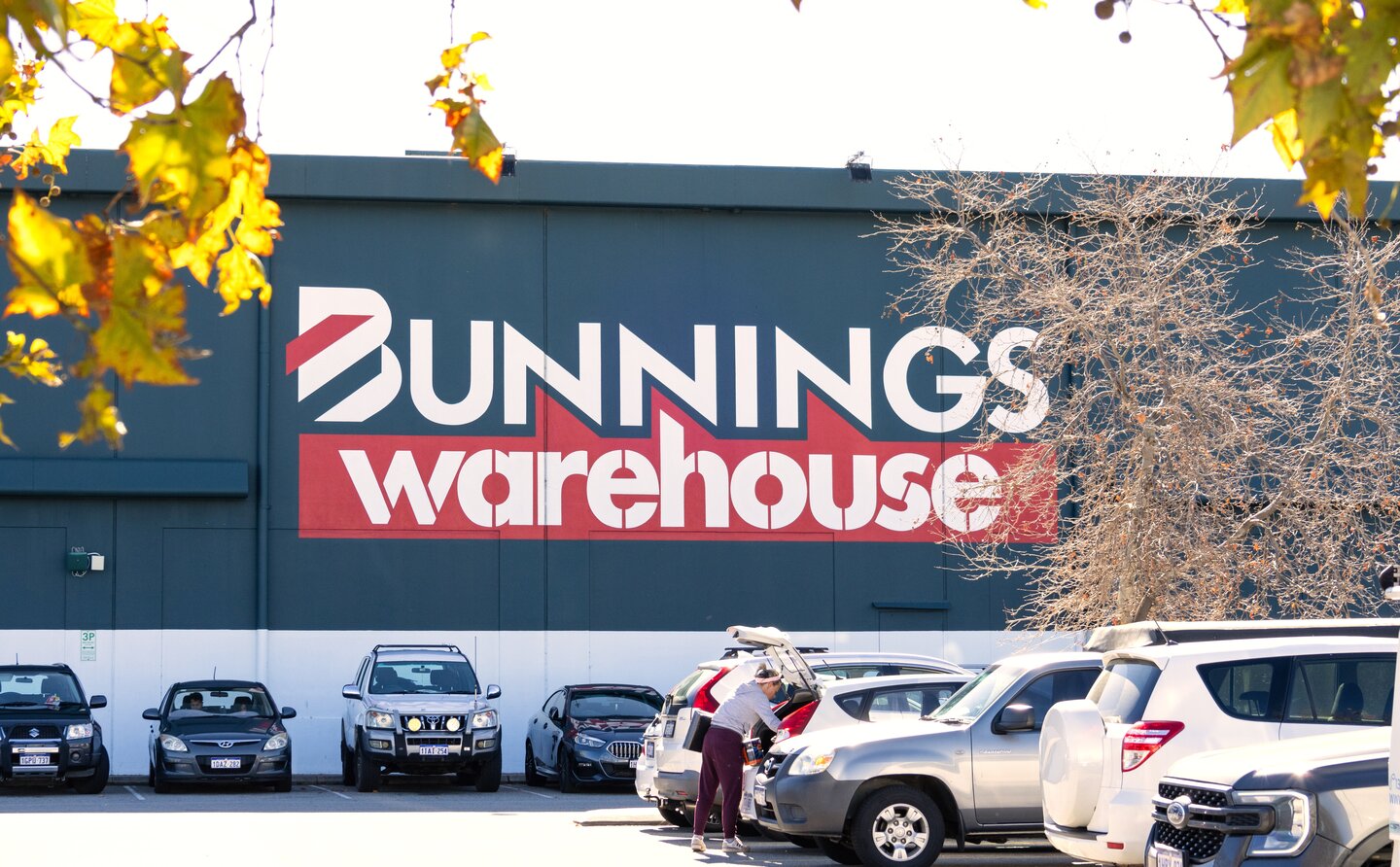
Bunnings has won the right to use facial recognition technology in its stores, in a ruling which could have major implications for Australians’ privacy rights.
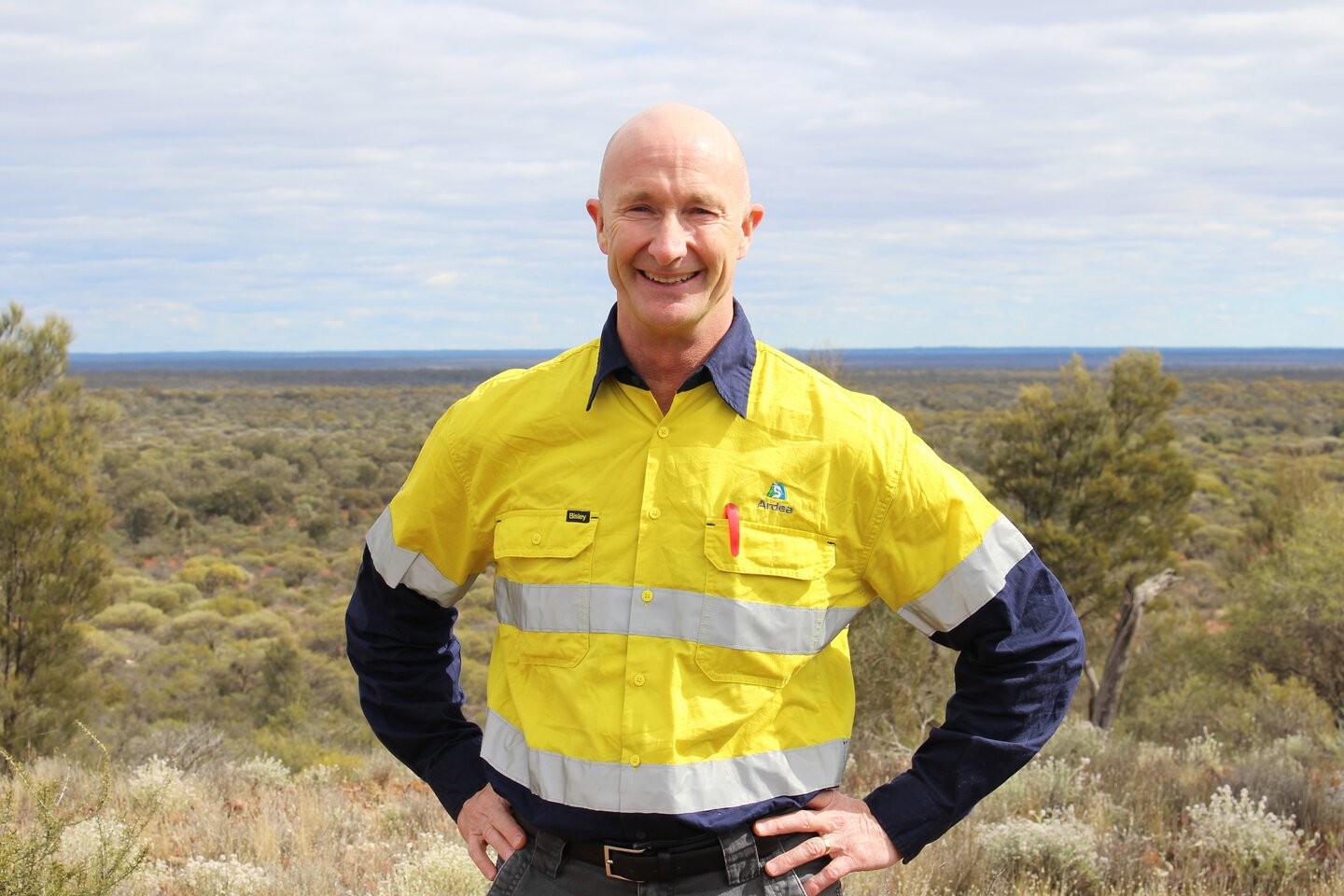
Kalgoorlie nickel aspirant Ardea Resources is poised for $1 billion in potential debt funding from Australian and US government financiers amid the push to break China’s critical minerals grasp.
Peloton posted a worse-than-expected holiday quarter on Thursday after shoppers failed to shell out for its new AI-driven product line and turned away from higher subscription prices, sending shares down more than 20% in early trading.
The connected fitness company missed Wall Street’s estimates on the top and bottom lines and fell short of its own internal sales targets in the three months ended Dec. 31 – typically the strongest for Peloton’s hardware revenue.
The company said it expects sluggish sales to continue in the current quarter. Peloton forecasts revenue between $605 million and $625 million, below expectations of $638 million, according to LSEG.
The weak results, coupled with soft guidance, are the first clues investors have that Peloton’s product overhaul may not be the sales driver the company hoped it would be.
Advertisement
The revamped assortment, which came with artificial intelligence-powered tracking cameras, speakers, 360-degree swivel screens and hands-free control, was designed to grow sales and bring in new customers. But Peloton’s results show demand has been sluggish.
“I will not be satisfied until this company is back to healthy, sustained top line growth,” CEO Peter Stern said on a call with analysts. He said the company has seen improvement in the sense that its revenue declines are getting less steep, but he acknowledged that is “not enough.”
While Peloton’s top line might be disappointing to investors, the company is still making gains in improving its profitability. Over the holiday quarter, the company generated $81 million in adjusted earnings before interest, taxes, depreciation and amortization, better than the $73 million analysts had expected, according to StreetAccount.
After it announced plans to lay off 11% of its staff last week, the company expects to generate between $120 million and $135 million in adjusted EBITDA in the current quarter, better than the $119 million analysts had expected, according to StreetAccount.
Advertisement
It raised its full-year adjusted EBITDA guidance to between $450 million and $500 million, up from a prior range of between $425 million and $475 million.
That’s welcome news to investors because it shows Peloton was able to innovate its product line without draining profitability.
Also on Thursday, the company announced CFO Liz Coddington is leaving Peloton to “pursue an opportunity outside the industry.” She’s staying on through March as the company searches for its next finance chief.
Here’s how Peloton did in its fiscal second quarter compared with what Wall Street was anticipating, based on a survey of analysts by LSEG:
Advertisement
Loss per share: 9 cents vs. 6 cents expected
Revenue: $657 million vs. $674 million expected
The company’s net loss for the quarter was $38.8 million, or 9 cents per share, a significant improvement from the $92 million, or 24 cents per share, it lost in the year ago period.
Sales fell to $656.5 million, down about 3% from $673.9 million a year earlier.
Since Peter Stern took over as Peloton’s CEO, he’s worked to generate new revenue streams and build on the company’s progress of improving its profitability.
The revamped product assortment was one of his first big moments as CEO and included new prices for both subscriptions and hardware. Despite higher prices, revenue for both hardware and subscription came in lower than expected, indicating unit sales have been weak.
Hardware sales drove $244 million in revenue during the quarter while subscriptions saw $413 million in sales, both below expectations of $253 million and $424 million, respectively, according to StreetAccount.
Advertisement
Part of the issue was Peloton had expected more of its current members to swap out their old hardware.
“We simply overestimated the rate with which existing members would want to upgrade their existing equipment to new equipment. The only historical data point we had as a company on this was when we launched Bike Plus a few years ago, and that was a really fundamental reinvention of the entire frame of the Bike,” said Stern. “And so we did not, as it turns out, see the same rate of upgrade from existing members.”
Looking ahead, investors want to see if Stern can bring the company back to growth now that expenses have stabilized and profitability is improving. In an economy where value is more important than ever, it’s been tough to convince shoppers to spend thousands on stationary bikes and treadmills.
One glimmer could be the company’s growing commercial business unit, which includes commercial versions of its Bike+, Tread+ and Row+ that will be marketed to places that have small gyms, like hotels, apartment buildings, corporate wellness centers and country clubs.
Advertisement
During the quarter, revenue in Peloton’s commercial business unit was up 10%.
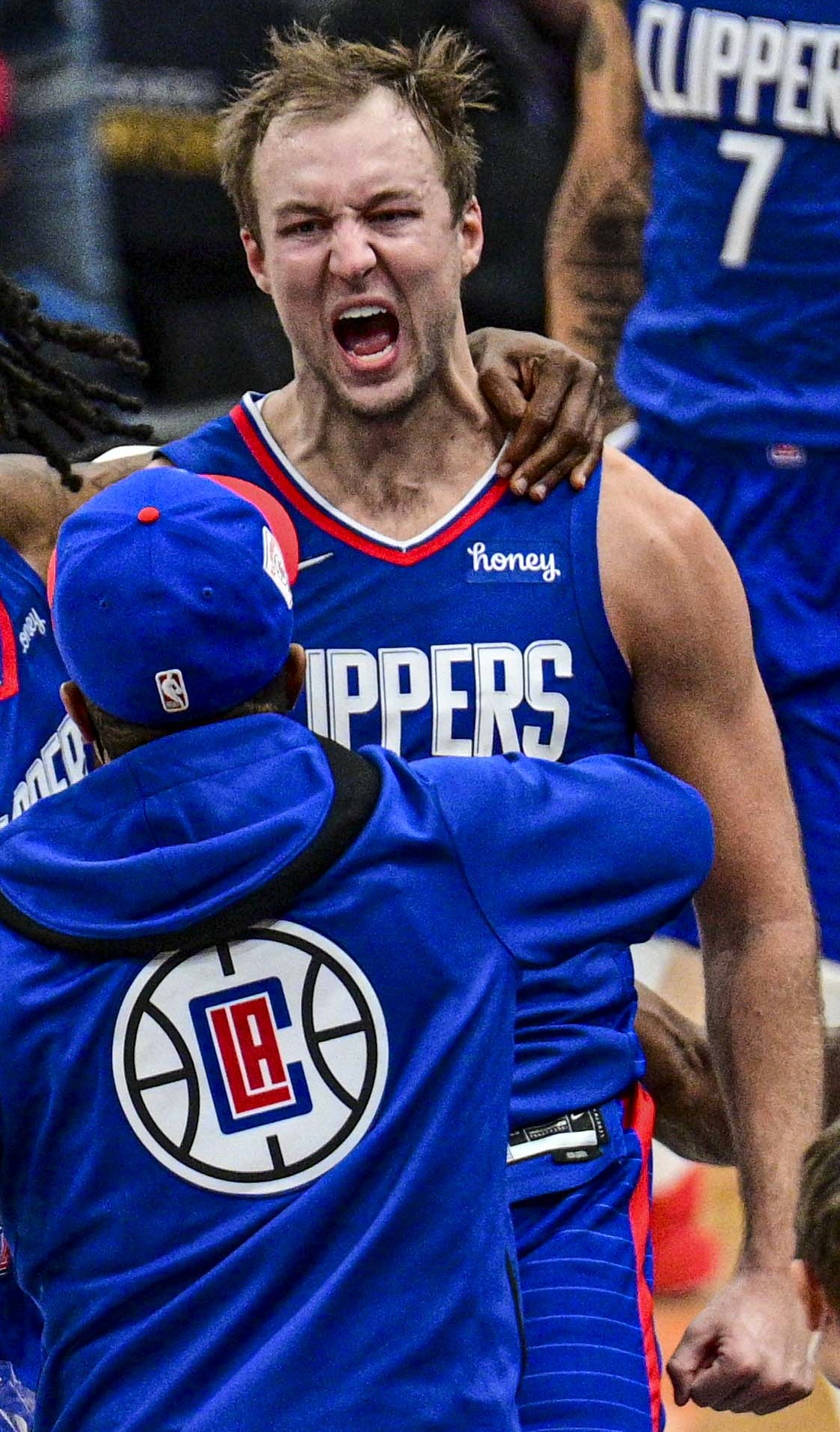
Luke Kennard is headed to Hollywood. The Los Angeles Lakers have acquired the veteran guard from the Atlanta Hawks in a deal that sends point guard Gabe Vincent and a future second‑round pick to Atlanta, giving LeBron James and Luka Dončić another high‑level floor spacer for their playoff push.
Kennard, 29, arrives in Los Angeles with a reputation as one of the NBA’s premier three‑point shooters, while the Hawks gain a veteran ballhandler, additional draft capital and financial flexibility via a sizeable trade exception.
Trade specifics and why it happened
Multiple reports say the Lakers are sending Vincent and a 2032 second‑round pick to Atlanta in exchange for Kennard. The Hawks are expected to generate an approximately $11 million trade exception in the process, giving them added flexibility for future roster moves.
Los Angeles had been widely viewed as a team in need of more shooting around its stars, and Kennard checks that box as cleanly as almost any player in the league. Atlanta, meanwhile, gains a veteran guard who can run offense and defend at the point of attack, plus a future asset, while opening cap maneuverability going forward.
Advertisement
Lakers finally get the knockdown shooter they wanted
Kennard brings a career three‑point percentage of 44.2 percent, placing him among the most accurate long‑range shooters in NBA history. This season he has been even hotter, leading the league at roughly 49.7 percent from beyond the arc at the time of the deal, according to one report.
For a Lakers team that has often struggled with spacing in the LeBron era, the fit is obvious. Kennard’s gravity should open driving lanes for James and Dončić, as well as cleaner pick‑and‑roll reads for Austin Reaves and the rest of the backcourt. Off the ball, his ability to relocate, sprint off screens and punish even brief defensive lapses will force opponents to choose between doubling stars or staying attached to one of the league’s deadliest shooters.
According to one fantasy and transaction report, the Lakers had been “in the market for another wing” and targeted Kennard specifically for his elite perimeter efficiency. The expectation is that he will begin in a second‑unit role but could close games depending on matchups and lineup combinations.
What the Hawks gain from dealing Kennard
From Atlanta’s perspective, the trade is as much about financial and structural flexibility as it is about on‑court fit. By moving Kennard’s salary and taking back Vincent plus a distant second‑round pick, the Hawks carve out an $11 million trade exception they can deploy in future deals.
Advertisement
The organization also brings in a veteran guard in Vincent, who has experience starting and coming off the bench in big playoff environments. Though his tenure with the Lakers was marred by injuries and inconsistent play, Vincent has shown at previous stops that he can defend, space the floor and run secondary offense in the right context.
For a Hawks team still trying to find the ideal mix around its backcourt core, adding a steady, defensive‑minded guard and a future draft asset while gaining flexibility can be seen as a pragmatic move, even if it means losing the league’s most efficient three‑point shooter this season.
Kennard’s journey to Los Angeles
Kennard’s move to the Lakers adds another chapter to a career that has already taken him through several franchises. Drafted 12th overall by the Detroit Pistons in 2017, he was later traded to the LA Clippers, where he emerged as a high‑volume sniper in a contender’s rotation.
In 2023 he was moved to the Memphis Grizzlies in a three‑team deal, a stop highlighted by a franchise‑record performance in which he hit 10 three‑pointers in a single game. Kennard re‑signed with Memphis in 2024 before eventually joining the Hawks on a one‑year, $11 million deal in 2025.
Advertisement
Now, with the trade to Los Angeles, he returns to a big‑market Western Conference contender that will ask him to reprise the role he played so effectively with the Clippers: a specialist whose shooting can swing playoff games.
Role and expectations in the Lakers’ rotation
Early indications are that Kennard will “play a modest role with the second unit,” according to one report, at least initially. The Lakers already feature multiple ball-dominant stars, so Kennard will not be asked to create a high volume of offense off the dribble.
Instead, his value lies in:
Spot‑up shooting from the corners and wings.
Coming off pindowns and flares to force defensive overreactions.
Functioning as a safety valve late in the shot clock when defenses collapse on James or Dončić.
Defensively, Kennard is not known as a stopper, and Los Angeles will likely scheme to protect him by pairing him with stronger, more versatile defenders in key lineups. Still, his offensive impact could outweigh matchup concerns, particularly in series where shooting is at a premium.
Vincent’s rocky Lakers stint comes to an end
For Vincent, the trade effectively closes a difficult chapter. Signed by the Lakers with hopes he would bring toughness and shooting to the backcourt, he struggled to find rhythm amid injuries and inconsistent minutes.
Advertisement
Reports describe his Los Angeles tenure as “less than stellar,” noting that the club was eager to reset that roster spot in favor of a more reliable shooter. Moving to Atlanta offers Vincent a fresh start on a team that may be better positioned to use his defensive intensity and secondary playmaking.
How this trade shapes the Lakers’ title outlook
Whether Kennard can tilt the championship odds in Los Angeles’ favor will depend on several factors: his health, his ability to hold up defensively, and how seamlessly he meshes with the team’s existing stars.
On paper, the fit is strong. The Lakers have lacked a truly elite movement shooter in recent years, and opposing defenses frequently packed the paint against James and Dončić, daring role players to beat them from outside. Kennard’s presence should make that strategy far riskier, forcing teams to either stretch their defense to the perimeter or risk giving one of the best three‑point shooters in the league clean looks.
Analysts have already framed the move as a “favorable outcome” for the Lakers, emphasizing that they acquired the NBA’s top three‑point shooter this season without sacrificing a first‑round pick or a core young player. If Kennard delivers in the playoffs the way he has at previous stops, the trade could be remembered as a turning point in Los Angeles’ push for another title in the LeBron–Dončić era.
New Orleans Saints quarterback Tyler Shough has won the 2025 Pepsi Zero Sugar NFL Rookie of the Year Award, a fan-voted prize recognizing his standout debut season that included franchise records and a surprising playoff push for the Who Dat Nation. The 24-year-old second-round pick edged out finalists like New York Giants QB Jaxson Dart, Las Vegas Raiders RB Ashton Jeanty and Carolina Panthers WR Tetairoa McMillan in online voting, capping a whirlwind year that saw him transform from unheralded draft pick to New Orleans hero.
Tyler Shough
Shough, selected No. 40 overall out of Louisville, completed just nine starts but delivered a 5-4 record as a starter, the best mark for any rookie QB in Saints history. His poise under pressure, elite completion percentage and knack for late-game comebacks earned widespread praise and positioned him as a finalist for the Associated Press Offensive Rookie of the Year, to be revealed at Thursday night’s NFL Honors in San Francisco.
Shough’s historic rookie stats lead all first-year QBs
Shough posted the highest completion rate among all rookies at 67.6 percent, good for second in passing yards with 2,384 and second in passer rating at 91.3. He shattered Saints rookie records for passing yards, touchdowns (10) and completion percentage, achievements made more remarkable by the fact he didn’t claim the starting job until Week 9 amid injuries to the depth chart ahead of him.
A signature Week 17 performance against the Tennessee Titans saw Shough go 22-of-27 for 333 yards and two touchdowns—numbers that made him just the second rookie ever to post an 80 percent-plus completion rate (81.5), 300-plus yards and a 140-plus passer rating in a single game, joining Denver’s Bo Nix in that rarified air. That outing fueled a four-game win streak, New Orleans’ longest since Drew Brees’ 2020 campaign, and kept the Saints in NFC South contention until the final weekend.
Shough’s December-January surge earned him NFL Offensive Rookie of the Month honors, and teammates like WR Chris Olave openly campaigned for his AP award consideration, calling his Titans domination “crazy.” Even with a depleted offensive line and missing stars like Alvin Kamara, Shough thrived, proving his arm talent and decision-making translated seamlessly to the pros.
Advertisement
From college journeyman to Saints savior
Shough’s path to New Orleans was anything but linear. A four-year college starter, he bounced from Texas Tech to Oregon to Louisville, posting 10,641 yards and 77 touchdowns across those stops while battling injuries that tested his resilience. Scouts praised his arm strength and mobility but questioned his durability; the Saints bet on his upside with a Day 2 pick, and he rewarded them immediately.
Injuries opened the door midseason, and Shough seized it. His debut start featured a game-winning drive capped by a 60-yard bomb to Olave, setting the tone for a stretch where he went 5-3 with nine TDs against five picks. Saints coach Kellen Moore likened the matchup against No. 1 overall pick Cam Ward to a “glimpse into the NFL’s future,” with Shough outdueling his counterpart in a comeback victory.
The Pepsi award, determined by fan balloting, reflects Shough’s rapid connection with Who Dat Nation. “I am truly humbled and honored,” Shough said in a team-released statement. “Coming in as a rookie, my goal was to do anything I could to contribute to our team’s success… This award is truly a reflection of all of their hard work,” he added, crediting teammates, coaches and fans.
Teammates, coaches rally behind Shough’s award push
Shough’s locker-room support was unanimous. RB Devin Neal tweeted “Tyler Shough = OROTY” after a key win, while Olave gutted through a back injury to post 119 yards and a score versus Tennessee, explicitly tying his effort to boosting Shough’s candidacy. “Oh yeah, it should be Tyler after this game. He went crazy today,” Olave said postgame.
Advertisement
Saints legends chimed in too. Hall of Famer Rickey Jackson and former QB Bobby Hebert praised Shough’s moxie, with Hebert noting his wins in diverse conditions—home, road, outdoors—bolster his case. The franchise hadn’t claimed an offensive or defensive rookie award since Alvin Kamara and Marshon Lattimore in 2017, making Shough’s run a potential history-maker.
New Orleans’ resurgence around Shough extended to the defense and supporting cast. Stars like Chase Young, Cam Jordan and Juwan Johnson elevated their games, turning a middling squad into contenders and drawing envy from rebuilding teams league-wide.
Statistical dominance in tight rookie QB race
Shough entered the final week as the betting favorite at +140 over McMillan, per oddsmakers, thanks to his 67.8 percent completion rate, 212.5 yards per game and 92.1 passer rating across 10 appearances. His 7.3 yards per attempt edged key rivals, and his five wins tied for the most among rookie starters despite limited opportunities.
Comparisons underscored his edge:
Advertisement
Player
Record as Starter
Comp %
Yds/Game
YPA
Passer Rating
Tyler Shough, Saints
5-3
67.8%
212.5
7.3
92.1
Shough twice topped McMillan’s Panthers, including clinching scenarios that kept Carolina’s playoff hopes alive until late. His three-game streak of 250+ yards and zero picks as a rookie ranked third all-time, per ESPN Research.
Pepsi award’s fan-voted prestige and history
The Pepsi Zero Sugar NFL Rookie of the Year, launched in recent years, carries cachet as the league’s premier fan-driven honor. Past winners include Cincinnati’s Ja’Marr Chase (2021) and Detroit’s Jahmyr Gibbs (2023), blending popular appeal with on-field impact. Shough’s victory over a loaded field—Dart, Jeanty, Henderson, McMillan and Browns LB Carson Schwesinger—highlights his breakout appeal.
Unlike AP voting by media panels, Pepsi’s online poll captured grassroots excitement, amplified by Shough’s highlight-reel throws and clutch moments. Saints social channels buzzed with fan campaigns through Jan. 30, pushing him over the top.
Shough’s intangibles shine amid adversity
What separated Shough was mental toughness. He navigated backup linemen, depleted weapons and blitz-heavy schemes without flinching, engineering comebacks like the Titans thriller where a 60-yard Olave strike flipped momentum. “Expectations remain high no matter who plays,” Shough said, crediting a next-man-up culture.
Advertisement
Analysts lauded his pocket presence and deep-ball accuracy, with Locked On Saints calling him the “clear frontrunner” after Titans heroics. NBC’s Fantasy Football Happy Hour debated his waiver-wire value but affirmed OROY buzz.
Future implications for Saints, Shough
Shough’s rookie laurels tee up big expectations. New Orleans eyes NFC South contention in 2026, with Shough as presumptive QB1 alongside rising talents like Olave and Audric Estime. An AP win tonight would cement his status; even without it, the Pepsi nod validates a season that exceeded draft projections.
For a franchise searching post-Brees, Shough embodies hope. His gratitude to fans—”Your unbelievable passion… inspires all of us”—resonates in a city where quarterback play defines identity. As he eyes Super Bowl LX honors, Shough’s message rings clear: “I can’t wait to see where we go from here!”
The fall was the second highest in the UK, only topped by Greater London
Dave Broadbent, R3(Image: R3/Appeal PR)
Yorkshire and Humber businesses navigated tough times last year to see one of UK’s biggest falls in insolvency activity, new data has revealed. The latest R3 Annual Business Health Report has been published by R3, the trade body for restructuring, turnaround and insolvency professionals, uncovering insolvency and start-up activity within the regions, while highlighting sectors under financial stress, and exploring key business pressures.
Supported by data from CreditSafe, R3’s report shows insolvency activity – which includes administration and voluntary and compulsory liquidations – decreased by 9.9% across Yorkshire and the Humber in 2025. The fall was the second highest in the UK, with only Greater London, with an 11% drop, seeing a bigger reduction, followed by the North East with a 9.3% drop.
Areas seeing the biggest jumps in insolvency activity included Northern Ireland and Wales, at 20.2% and 11.7% respectively. While insolvency activity decreased in Yorkshire last year, the region’s performance in terms of new business start-ups was less positive. New start-ups In Yorkshire fell by 8.4%, with 49,605 new businesses registered in 2025.
Only Northern Ireland saw a bigger drop in the number of new businesses, down by 35.3% to 10,781. The report also looked at sector trend, with the UK picture suggesting a fragile operating environment for many local businesses.
Advertisement
Construction continued to account for the highest number of insolvency activities in the UK in 2025 (4,584 cases), despite a modest reduction of 6% on the previous year. The sector was exposed to rising material costs, delayed payments, skills shortages and weak investor confidence.
Construction sector companies to enter administration last year included Kingston Modular Systems, in Hull, which collapsed in September with the loss of 62 jobs. Sheffield based National Timber Group, which had bases across England and Scotland, went into administration in September, but parts of the business have since been rescued.
Tucker Mechanical and Electrical Building Services in Hull(Image: Google Earth)
Wholesale and retail (4,124 cases) and accommodation and food services (3,831 cases) also saw increased insolvency activity, reflecting pressure on margins as households reined in discretionary spending and businesses struggled to absorb or pass on higher costs. Manufacturing insolvencies also remained historically high with 2,188 cases, as companies contended with energy costs, supply chain disruption and subdued export demand.
Advertisement
Dave Broadbent, chair of R3 in Yorkshire and partner at BTG, said: “Despite the drop in insolvency activity locally, the R3 report shows that businesses, both regionally and nationally, are struggling to regain their footing in 2025 after several years of economic challenges. While inflation has now eased, the cumulative impact of higher costs, tighter credit conditions and weak demand continues to place significant pressure on local companies, particularly smaller and mid-sized firms with limited financial headroom.
“As we move into 2026, while cashflow and profit margins remain under pressure, seeking professional advice at an early stage from an R3 member can make a critical difference, giving viable businesses the best chance of survival and recovery.”
On The Up PR is targeting up-and-coming businesses across the region, according to founder Rob Stewart
Rob Stewart, launching his own Bristol based PR agency(Image: Andrew Higgins/Thousand Word Media Ltd)
A former national newspaper journalist has launched a public relations agency in Bristol for up-and-coming businesses. On The Up PR has been set up by ex-Daily Telegraph journo Rob Stewart and is aimed at SMEs across the South West business community.
The company will build on his experience working in regional and national media, he said, as well as a decade in charity communications with the Alzheimer’s Society and five years with local PR agencies.
“The South West is a real hotbed of entrepreneurial activity and that has inspired me to launch On The Up PR,” said Mr Stewart.
“I know from experience there are lots of amazing stories waiting to be told by the business leaders who are driving forward the region’s start-ups, scale-ups and more established companies.
Advertisement
“And I’m really looking forward to working with those firms which are committed to using media activity as a vehicle for growth – sometimes for the first time.”
Mr Stewart, who is based in the Westbury Park area of Bristol, says he has been “on a steep learning curve” since moving away from full-time journalism but counts himself “lucky to have worked for some brilliant PR people in the South West and to have achieved what are regarded as amazing results for clients”.
“That success is down to the combination of my core journalistic skills and commercial PR know-how which means I’m now ideally positioned to help companies of all shapes and sizes share their stories to gain meaningful impact,” he added.
Mr Stewart has already secured customers including Enable Law, a South West-based medical negligence and personal injury law firm, and Bristol-based Burleigh Create design agency, while also helping launch a new pickleball enterprise in Surrey.
Global advisor to CEOs and corporate boards Ram Charan joins Mornings with Maria to discuss the growth of AI in American businesses and the impact of technology on jobs.
U.S. employers’ announced job cuts surged in the month of January and hit the highest level since 2009, a new report shows.
Global outplacement and executive coaching firm Challenger, Gray & Christmas found that employers announced 108,435 job cuts in January – an increase from the 49,795 cuts announced in the same month last year. Job cuts increased 205% from December, when there were 35,553 layoffs announced.
Advertisement
This January saw the most layoffs for the month since 2009, when 241,749 cuts were announced. It was also the highest monthly total since October 2025, when there were 153,074 layoffs.
“Generally, we see a high number of job cuts in the first quarter, but this is a high total for January. It means most of these plans were set at the end of 2025, signaling employers are less-than-optimistic about the outlook for 2026,” said Andy Challenger, workplace expert and chief revenue officer for Challenger, Gray & Christmas.
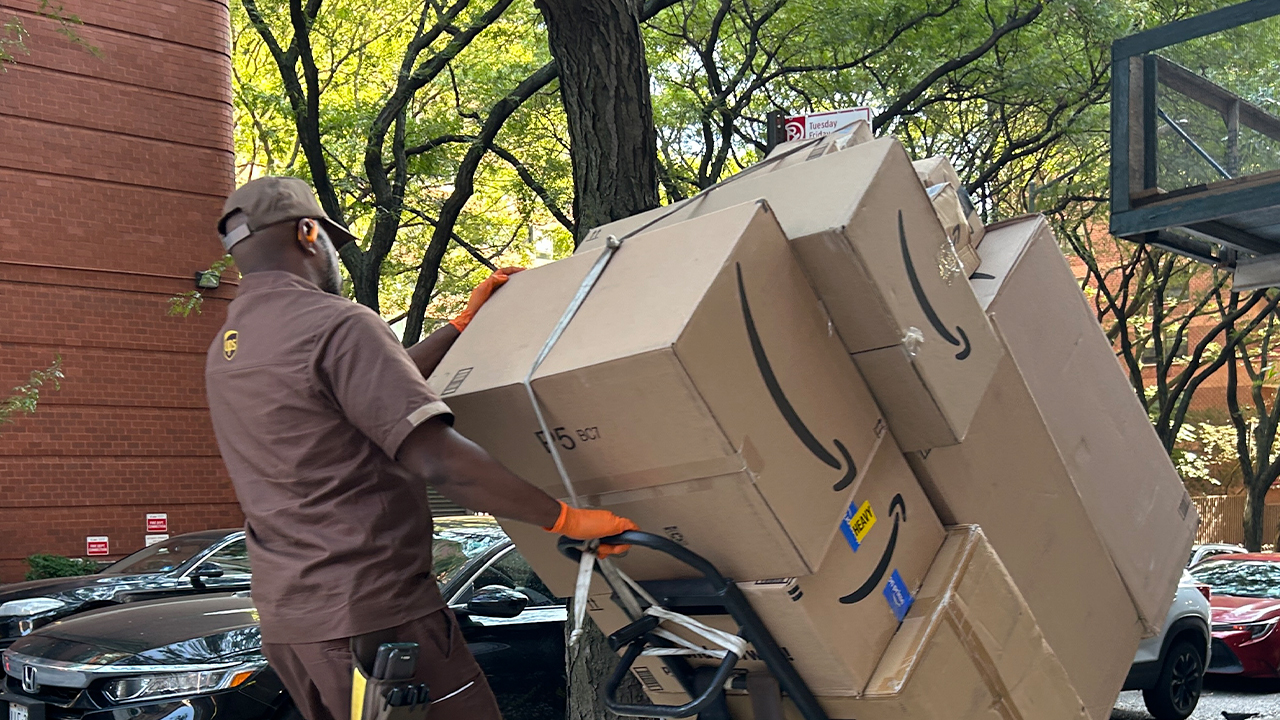
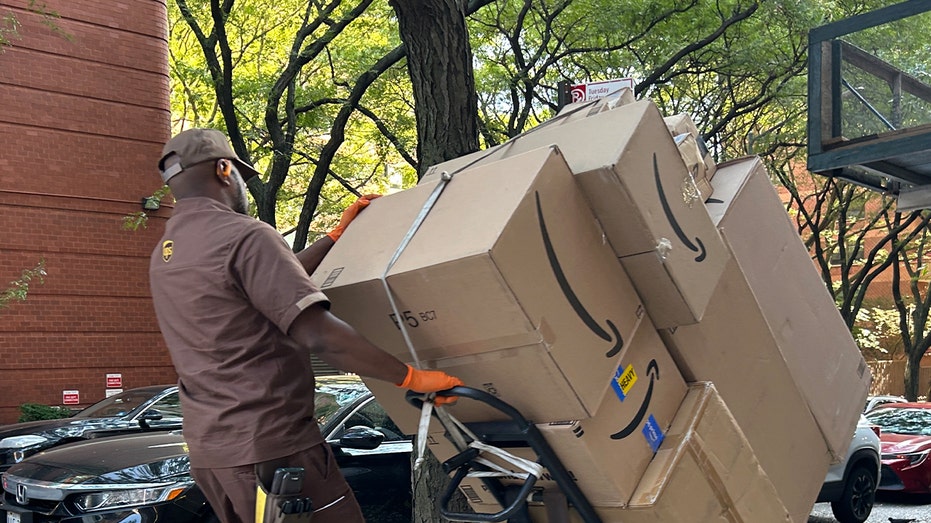
The uptick in January layoffs was driven by job cuts announced at UPS and Amazon. (Lindsey Nicholson/UCG/Universal Images Group)
The transportation sector had the highest number of job cuts in the month of January with 31,243 announced, most of which came from logistics giant UPS announcing 30,000 cuts as it scales back on handling shipments for Amazon.
Advertisement
Technology firms announced 22,291 cuts in January, most of which came from Amazon, which announced 16,000 reductions as it reorganizes its management structure.
“[Amazon] CEO Andy Jassy, like many CEOs recently, has said AI will cost jobs in the coming years, but this cut appears to be due more to over hiring and reducing layers than to the new technology,” Challenger noted.
UPS announced 30,000 job cuts as it scales back its business with Amazon. (Kevin Carter)
Healthcare companies and health products manufacturers announced 17,107 job cuts in January, which was the most for the sector since April 2020 when 19,453 cuts were recorded.
Advertisement
“Healthcare providers and hospital systems are grappling with inflation and high labor costs. Lower reimbursements from Medicaid and Medicare are also hitting hospital systems. These pressures are leading to job cuts, as well as other cutting measures, such as some pay and benefits,” Challenger said.
Chemical manufacturers announced 4,701 cuts in January, which were primarily driven by an announcement at Dow amid an AI and automation shift.
Amazon announced 16,000 layoffs amid a restructuring. (Matthias Balk/picture alliance via Getty Images / Getty Images)
The main reasons companies announced layoffs in January were contract loss, which was cited in relation to 30,784 cuts, while market and economic conditions followed with 28,392 cuts.
Advertisement
Other reasons included restructuring (20,044 cuts), closings (12,738) and artificial intelligence (7,624).
Challenger noted that it’s difficult to tell how much an impact AI is having on layoffs, saying that, “We know leaders are talking about AI, many companies want to implement it in operations, and the market appears to be rewarding companies that mention it.”
The report also found that employers announced 5,306 hiring plans in January, the lowest total for the month since Challenger’s tracking of the metric began in 2009.
Advertisement
That figure is down from the 6,089 hiring plans announced in the same month last year, as well as from the 10,496 announced in December.