Gold prices retreated modestly on Monday, closing at $4,346.60 per ounce after falling $5.00, or 0.11%, as the US-Iran peace agreement and reopening of the Strait of Hormuz eased geopolitical tensions and diminished short-term safe-haven buying.
The small decline followed a strong run that saw gold hit multiple record highs in recent sessions, driven by uncertainty over energy supplies and broader market volatility. With the ceasefire removing a major risk premium, some investors trimmed positions in the precious metal, shifting toward riskier assets like equities that rallied on the positive news.
Despite the pullback, gold remains near historically elevated levels, supported by continued central bank purchases, persistent inflation concerns and its role as a long-term store of value. The metal has benefited from diversification demand amid global economic uncertainties, even as short-term geopolitical risks have eased.
Market Reaction to Peace Deal
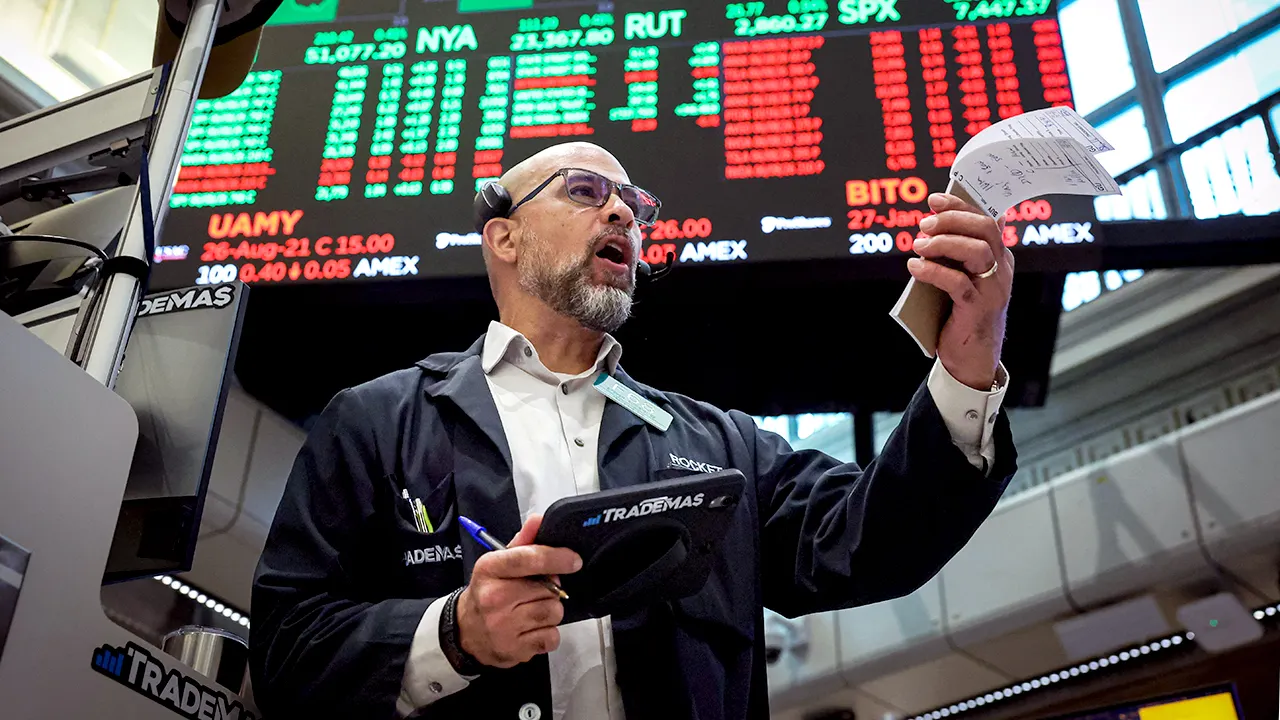
The US-Iran agreement, which includes the immediate lifting of the naval blockade and restoration of shipping through the Strait of Hormuz, triggered a broad relief rally in equities and a decline in oil prices. This environment typically pressures gold as investors move into higher-yielding or growth-oriented assets.
However, analysts note that the ceasefire is preliminary, with 60 days of technical talks on Iran’s nuclear program still ahead. Lingering uncertainties around implementation and long-term stability have prevented a sharper sell-off in gold, keeping prices supported near current levels.
The VIX, Wall Street’s fear gauge, has fallen significantly, indicating reduced market anxiety. Lower volatility generally weighs on gold, which often serves as a hedge during periods of heightened uncertainty. The current reading suggests markets are functioning with more normal risk perceptions.
Central Bank Buying and Structural Support
Central banks have been net buyers of gold for several consecutive years, providing a structural bid that has helped sustain prices even during risk-on periods. Emerging market institutions, in particular, continue to diversify reserves, viewing gold as a neutral asset less susceptible to geopolitical or currency risks.
This demand has offset some of the pressure from reduced safe-haven buying tied to the Middle East situation. Gold’s performance demonstrates its dual role as both a crisis hedge and a long-term portfolio diversifier.
Investment products tracking gold, including exchange-traded funds, have seen steady flows, reflecting ongoing interest from retail and institutional investors. The metal’s ability to maintain elevated levels despite the positive geopolitical news underscores its resilience.
Economic and Policy Factors
The US Federal Reserve’s steady policy stance has contributed to a relatively stable environment for gold. With inflation moderating but still above target in some measures, the metal retains appeal as a hedge against potential future price pressures.
Lower oil prices following the Iran deal are generally positive for gold by reducing inflationary fears and supporting real yields, but the relationship is complex. In this instance, the combination of geopolitical relief and persistent structural demand outweighed any immediate pressure from falling energy costs.
The US dollar showed mixed moves, with periods of weakness providing additional tailwinds for gold priced in the greenback. Currency fluctuations remain a key variable for the precious metal’s performance.
Sector and Mining Company Impact
Gold mining companies benefited from the recent price strength, with shares in major producers advancing. Higher prices improve margins and cash flow, potentially supporting increased exploration and development activity in the sector.
The surge in gold has implications for commodity-producing nations, bolstering export revenues and government budgets. In developing economies, gold often serves as an inflation hedge and store of value for individuals navigating currency volatility.
Investor Perspectives and Strategies
Market participants offered varied interpretations of the price action. Some viewed the modest pullback as healthy consolidation after a strong run, while others saw it as a tactical response to short-term risk reduction. Gold’s ability to hold near record levels despite positive news has impressed many observers.
For investors, gold continues to serve as a portfolio diversifier, particularly in uncertain times. While the immediate geopolitical relief has reduced some demand, longer-term factors like central bank buying and inflation hedging keep the metal attractive.
Financial advisers recommend appropriate allocation based on individual risk tolerance and portfolio goals. Gold can provide stability during periods of market stress, though it does not generate income like bonds or dividends.
Looking Ahead
Attention now turns to implementation details of the US-Iran agreement and upcoming US economic indicators. Any complications in the ceasefire or unexpected inflation data could influence gold’s trajectory in the near term.
Analysts remain generally constructive on gold’s outlook, citing structural demand and its role in diversified portfolios. Sustained strength will depend on the balance between economic growth expectations and lingering uncertainties in global affairs.
As markets digest the latest diplomatic developments, gold’s performance demonstrates its enduring appeal even as broader risk appetite improves. The metal’s record run in 2026 highlights changing fundamentals, including elevated central bank buying and persistent investor demand for diversification.
The coming weeks will bring further clarity on the peace deal’s impact and gold’s reaction to evolving economic conditions. For now, the modest pullback from record highs reflects a market adjusting to reduced immediate risks while maintaining underlying support from long-term structural factors.
Gold’s ability to reach new highs amid shifting conditions underscores its unique characteristics in an evolving economic and geopolitical landscape. Investors will continue monitoring developments in the Middle East and their implications for safe-haven demand in the weeks ahead.





















































You must be logged in to post a comment Login