
Business
CAVA: Expansion Plans Justify Valuation (NYSE:CAVA)



I am a CPA and financial consultant with over two decades of experience in financial reporting. This professional background informs my lifelong passion for investing, where I combine a natural appetite for curiosity with a disciplined, long-term approach. Through the Conviction Queue, I focus on identifying quality, founder-led businesses at attractive valuations. My primary goal is to provide deep analysis on companies with sustainable growth potential that are built to be held for years.
Analyst’s Disclosure: I/we have a beneficial long position in the shares of CAVA either through stock ownership, options, or other derivatives. I wrote this article myself, and it expresses my own opinions. I am not receiving compensation for it (other than from Seeking Alpha). I have no business relationship with any company whose stock is mentioned in this article.
Seeking Alpha’s Disclosure: Past performance is no guarantee of future results. No recommendation or advice is being given as to whether any investment is suitable for a particular investor. Any views or opinions expressed above may not reflect those of Seeking Alpha as a whole. Seeking Alpha is not a licensed securities dealer, broker or US investment adviser or investment bank. Our analysts are third party authors that include both professional investors and individual investors who may not be licensed or certified by any institute or regulatory body.


Houthis strike Israel as conflict widens; 12 US soldiers injured in a Saudi strike
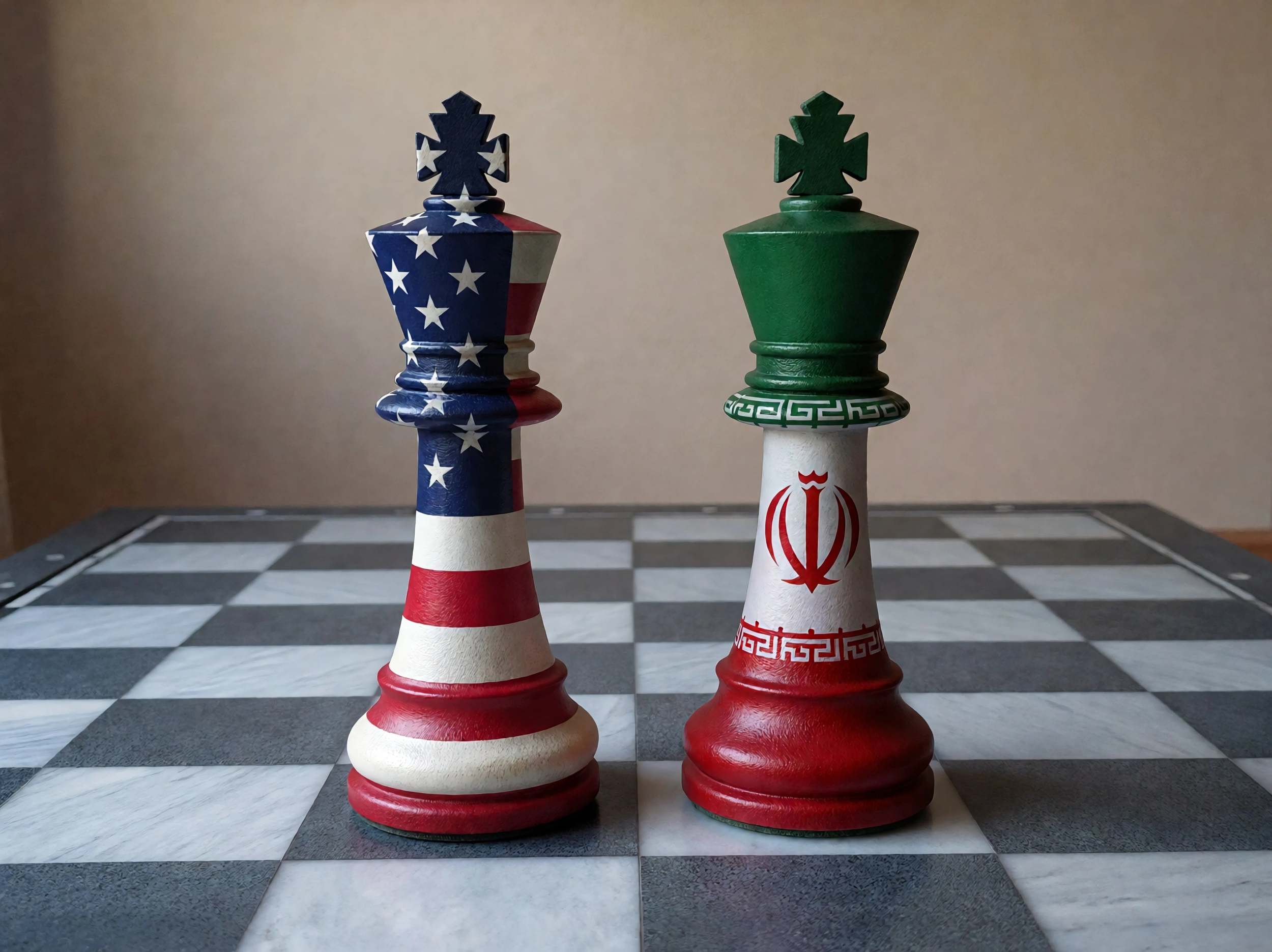
WASHINGTON — More than 2,000 people have been killed since the United States and Israel launched airstrikes against Iran on Feb. 28, 2026, igniting a high-intensity conflict that has seen Iranian retaliatory missile and drone attacks across the Middle East, with civilian deaths in Iran forming the vast majority of the toll.

The war, dubbed Operation Epic Fury by the U.S. military, began with nearly 900 joint U.S.-Israeli strikes in the first 12 hours targeting Iranian air defenses, missile sites, nuclear facilities and leadership targets. Supreme Leader Ayatollah Ali Khamenei was among those killed in the opening salvo, along with other senior officials, according to multiple reports.
As of late March 2026, casualty figures remain fluid and contested due to the fog of war, restricted access in Iran and differing methodologies used by various sources. Iranian authorities report around 1,937 deaths inside the country from U.S.-Israeli strikes, with more than 24,800 injured, including thousands of women and children. Independent monitors and rights groups cite higher numbers, with one estimate from HRANA reaching 3,389 killed, including 1,527 civilians and at least 228 children.
U.S. Central Command has confirmed 13 to 15 American service members killed, with figures varying slightly across reports. Some deaths resulted from direct Iranian attacks on U.S. bases in the region, while others stemmed from a KC-135 refueling aircraft crash over Iraq that killed six crew members. Approximately 200 to 313 U.S. troops have been wounded, though most injuries are described as minor, with many service members returning to duty.
Israeli casualties include at least four soldiers and 19 to 24 civilians killed, with thousands injured from Iranian missile barrages. Additional deaths have been reported in Gulf states and among Iranian-backed groups such as Hezbollah, where hundreds of fighters are estimated killed.
Breakdown of Reported Casualties
In Iran, the Health Ministry attributes nearly all fatalities to airstrikes on military and infrastructure sites, though civilian areas have also been hit. Reports describe strikes damaging cultural heritage in cities like Isfahan and causing secondary casualties in populated zones. U.S. and Israeli officials claim the majority of Iranian deaths — potentially over 6,000 — were military personnel, including Islamic Revolutionary Guard Corps members, while downplaying civilian impact.
Human rights organizations highlight challenges in verification, noting blackouts, disrupted communications and restricted international access. The International Federation of Red Cross and Red Crescent Societies has cited at least 1,900 killed and 20,000 injured in Iran. Some accounts mention specific incidents, such as damage to schools and hospitals, contributing to civilian tolls.
On the U.S. side, the 13 confirmed deaths include losses from enemy fire and the aviation mishap. Defense Secretary Pete Hegseth has acknowledged that more casualties are likely as operations continue. Wounded figures hover around 300 in some CENTCOM updates, with about 10 seriously injured in recent incidents like the strike on Prince Sultan Air Base in Saudi Arabia.
Israel has reported lower overall losses thanks to robust air defenses, though Iranian attacks have caused injuries and infrastructure damage. Hezbollah and other proxies have suffered hundreds of fighter deaths in related exchanges.
Gulf states have seen smaller numbers of fatalities from spillover strikes, with reports of around 25 deaths across the region in early tallies.
Context and Escalation
The conflict erupted after months of heightened tensions, with the initial U.S.-Israeli campaign aimed at degrading Iran’s nuclear program, missile capabilities and regional influence. Iranian responses included waves of ballistic missiles and drones targeting Israel, U.S. bases in Iraq, Syria, Saudi Arabia, Kuwait and other locations.
No large-scale U.S. ground invasion has occurred, with operations focused on air and naval strikes. Secretary of State Marco Rubio indicated in late March that the campaign could conclude in “weeks, not months,” though diplomacy via mediators continues amid Iranian reviews of U.S. proposals.
Millions have been displaced in Iran and Lebanon, with economic costs running into billions. Oil facilities and shipping routes have faced disruptions, raising global energy concerns. UNESCO has urged protection of cultural sites damaged in the fighting.
Casualty counts are expected to rise as strikes persist and verification improves. Independent tallies often lag official reports, and both sides accuse the other of inflating or minimizing figures for propaganda purposes.
Challenges in Tracking Deaths
Accurate accounting remains difficult in active conflict zones. Iranian state media provides one set of numbers, while U.S. and Israeli assessments emphasize military targets. Rights groups like HRANA attempt independent verification but face access barriers.
Hospitals in Iran have been strained, with reports of overwhelmed facilities treating thousands of injured. Civilian deaths, including children, have drawn international concern and calls for de-escalation.
The U.S. military has not released full details on all American fatalities, following standard notification protocols for families. Names of some fallen service members have appeared in media and Wikipedia compilations.
Broader Impact and Outlook
The human cost extends beyond direct deaths to long-term injuries, psychological trauma and displacement. Humanitarian organizations warn of potential crises in food, medical supplies and shelter as infrastructure suffers.
As negotiations hover in the background, both sides continue military operations. U.S. officials stress the campaign’s progress in degrading Iranian capabilities, while Tehran vows continued resistance.
With the conflict now over a month old, the death toll — conservatively exceeding 2,000 and potentially much higher when including unconfirmed military losses — underscores the stakes. Families on all sides mourn losses while diplomats seek paths to end the fighting.
Observers note parallels to past Middle East conflicts, where initial strikes escalated rapidly with significant civilian impact. The coming weeks may determine whether the war expands further or moves toward resolution.
For now, the verified toll stands as a grim marker of a conflict that began with targeted leadership strikes and has drawn in multiple nations across the region.

MUMBAI — Salil Arora, the 23-year-old Punjab wicketkeeper-batter, has burst onto the national cricket scene in early 2026 as one of the most talked-about young talents heading into the Indian Premier League season with Sunrisers Hyderabad.

Arora made his IPL debut for SRH in the 2026 season opener against Royal Challengers Bengaluru on March 28, capping a meteoric rise fueled by blistering T20 performances in the domestic circuit. Known for his aggressive middle-order batting and reliable glovework, the Amritsar-born cricketer represents the next wave of uncapped Indian finishers capable of changing games in the shortest format.
While still early in his professional journey, Arora’s story blends raw power-hitting, patient red-ball temperament and a quiet determination that has caught the eye of selectors and franchises alike. Here are five essential things to know about the emerging star as he navigates his first full IPL campaign.
1. Explosive T20 Power-Hitter With Record-Breaking Domestic Form
Salil Arora announced himself in dramatic fashion during the 2025-26 Syed Mushtaq Ali Trophy (SMAT), Punjab’s domestic T20 competition. In a Super League clash against Jharkhand in December 2025, he smashed an unbeaten 125 off just 45 balls, including nine fours and 11 sixes — a 39-ball century that lit up social media and auction rooms.
That knock was part of a standout season where Arora emerged as Punjab’s highest run-scorer in the tournament, amassing 358 runs at a staggering strike rate of nearly 199. His ability to clear the ropes consistently — he hit 28 sixes in the competition — earned him the nickname “Wildfire” in SRH promotional material, highlighting his finishing potential.
Ahead of IPL 2026, Arora continued his hot streak in SRH practice matches, famously smashing five sixes in five consecutive balls during a net session, sending two off veteran Jaydev Unadkat and three more off Omkar Tarmale. The display, widely shared on social platforms, fueled expectations that he could slot into SRH’s middle order as a dynamic finisher alongside established stars like Heinrich Klaasen and Travis Head.
2. Auction Success and IPL Entry With Sunrisers Hyderabad
Arora entered the IPL 2026 mega auction with a modest base price of Rs 30 lakh in the wicketkeeper category. A bidding war between Mumbai Indians and Sunrisers Hyderabad pushed his price to Rs 1.50 crore, with SRH securing his services. The investment reflects growing confidence in uncapped domestic talents who offer dual value as batters and keepers.
He made his IPL debut in the season’s opening fixture, batting at No. 7 in SRH’s lineup that featured Abhishek Sharma, Travis Head, Ishan Kishan (captain and keeper), Klaasen and Nitish Kumar Reddy. Though specific debut figures were modest, his inclusion signaled SRH’s strategy of blending youth with experience in a high-scoring league.
Franchise insiders and former players like Irfan Pathan have drawn parallels between Arora’s fearless approach and other emerging Punjab talents, suggesting he could develop into a long-term asset for SRH or the national setup.
3. Versatile Wicketkeeper-Batter With First-Class Pedigree
Beyond white-ball fireworks, Arora has shown composure in longer formats. Described as a “shy” but determined player from Punjab, he scored a patient century on his first-class debut for Punjab against Madhya Pradesh in the 2024-25 Ranji Trophy, proving he possesses the technique to build innings when required.
Primarily a right-handed middle-order batter, Arora also keeps wickets, adding valuable depth to any squad. His glovework has been solid in domestic T20s, and he has occasionally donned the big gloves in limited-overs matches for Punjab.
He represented India at the Under-19 level, featuring in the squad led by Dhruv Jurel that won the 2019 U-19 Asia Cup in Sri Lanka. That early exposure to international junior cricket helped sharpen his skills against quality opposition.
At 23, Arora balances aggressive T20 instincts with the classical foundation needed for sustained success, a combination increasingly prized in modern cricket.
4. Humble Beginnings From Amritsar and Steady Rise
Born on November 7, 2002, in Amritsar, Punjab, Salil Arora grew up in a sports-loving family and honed his game through local academies and state age-group teams. He progressed through Punjab U-19 ranks before breaking into the senior side, a journey marked by consistent domestic performances rather than overnight fame.
Colleagues and coaches describe him as grounded and hardworking, with social media posts on his Instagram (@salilarora12) reflecting a motivational mindset: “Remember why u started.” With just over 9,700 followers, his online presence remains modest compared to established stars, underscoring a focus on performance over publicity.
His rise mirrors that of several Punjab cricketers who have used domestic T20 success as a springboard to the IPL, where financial rewards and national visibility can transform careers.
5. Potential Impact in IPL 2026 and Beyond
As the IPL 2026 season unfolds, all eyes are on whether Arora can translate his domestic dominance into consistent franchise-level contributions. SRH’s attacking brand of cricket suits his power-hitting style, and opportunities in the middle order or as a finisher could see him feature regularly.
Experts have highlighted him among the top uncapped domestic players entering the 2026 season with strong form, noting his ability to accelerate innings and provide wicketkeeping cover. Success in the IPL could open doors for broader national recognition, potentially in future T20 squads.
Challenges remain, including adapting to high-pressure situations against international bowlers and managing the physical demands of a long tournament. Yet his practice-match heroics and SMAT heroics suggest a player ready for the spotlight.
Broader Context and Outlook
Arora’s emergence adds depth to India’s pool of young wicketkeeper-batters at a time when the national team seeks versatile backups to established names like Rishabh Pant and KL Rahul. His story also highlights the importance of domestic cricket as a talent pipeline in the IPL era.
With the league’s global audience, a breakout performance from Arora could elevate his profile dramatically. Punjab cricket, long a powerhouse in Indian domestic circles, continues to produce exciting talents, and Arora joins a growing list of players making their mark.
As the 2026 IPL progresses, Salil Arora’s journey will be one to watch — from patient first-class centurion to potential T20 destroyer, the young Punjabi batter embodies the blend of skill, power and opportunity defining modern Indian cricket.
Fans and analysts alike are remembering the name, as one explosive domestic season has already positioned him as a name to watch in cricket’s biggest stage.
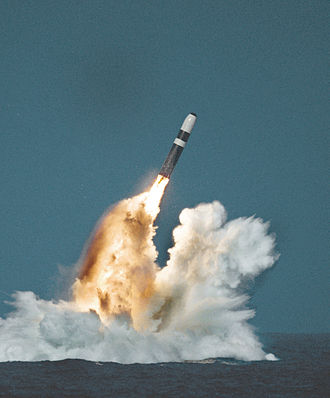
As geopolitical tensions simmer in 2026, a small group of nations dominates the global landscape of ballistic missile technology, wielding intercontinental ballistic missiles (ICBMs), submarine-launched systems and advanced medium-range weapons capable of delivering nuclear or conventional payloads across continents.

Power in this domain is measured by range, payload capacity, accuracy, mobility, multiple independently targetable reentry vehicle (MIRV) technology, penetration aids against missile defenses, and overall strategic deterrence value. Only a handful of countries possess true ICBMs with ranges exceeding 5,500 kilometers (3,400 miles), enabling global strike potential.
Publicly available assessments from arms control organizations, defense analysts and open-source intelligence as of late March 2026 point to a clear hierarchy led by established nuclear powers, with emerging players demonstrating rapid progress. Comprehensive rankings remain partly classified, but consensus from sources like the Arms Control Association, CSIS Missile Threat Project and expert analyses highlights the following top 10 countries based on the sophistication and reach of their ballistic missile arsenals.
- Russia — Russia tops nearly every assessment with the RS-28 Sarmat (Satan II), one of the world’s most formidable ICBMs. This heavy liquid-fueled missile boasts an estimated range of up to 18,000 km, a payload capacity of 10 tons or more, and the ability to carry up to 10-16 MIRVs or hypersonic glide vehicles. Designed to evade missile defenses with fractional orbital bombardment options and decoys, the Sarmat represents a cornerstone of Russia’s nuclear triad modernization. Russia also fields the RS-24 Yars and legacy systems like the SS-18 Satan, maintaining the world’s largest operational nuclear arsenal alongside advanced hypersonic capabilities.
- China — China’s rapid expansion places it a close second. The DF-41 (Dongfeng-41) road-mobile ICBM features a reported range of 12,000-15,000 km, MIRV capability (up to 10 warheads) and high mobility, making it difficult to target pre-launch. Beijing has significantly grown its ballistic missile inventory — estimated at over 3,000 total ballistic missiles — including the DF-5 series, DF-31 variants and the DF-26 “Guam Killer” intermediate-range system. China continues investing in solid-fuel technology, rail-mobile launchers and hypersonic glide vehicles, enhancing both regional and global reach.
- United States — The U.S. maintains a highly reliable and precise triad. The silo-based LGM-30G Minuteman III serves as the backbone of the land-based leg, with a range of approximately 13,000 km and single or multiple warhead options (currently configured with one warhead per missile under arms control limits). The Trident II D5 submarine-launched ballistic missile (SLBM) provides unmatched second-strike survivability from Ohio-class submarines, with ranges exceeding 12,000 km and high accuracy. The U.S. is advancing the LGM-35A Sentinel program to replace the Minuteman III, focusing on enhanced survivability and modernization.
- North Korea — Pyongyang has made striking advances with the Hwasong-17 and Hwasong-18 series ICBMs. The Hwasong-17, a massive liquid-fueled system paraded and tested multiple times, is estimated to have a range of 13,000-15,000 km or more, potentially capable of reaching the entire continental United States with a heavy payload. Solid-fuel Hwasong-18 variants improve launch readiness and survivability. North Korea continues frequent testing and claims of multiple-warhead technology, positioning it as a significant proliferator and regional threat despite international sanctions.
- India — India’s Agni-V ICBM marks its entry into true intercontinental capability, with a range of 5,000-8,000 km (some estimates higher) and MIRV development underway. The three-stage, road-mobile solid-fuel missile enhances India’s credible minimum deterrence posture against both China and Pakistan. Complementary systems like the Agni-P and submarine-launched variants strengthen the triad. India’s program emphasizes accuracy, mobility and indigenous technology, with ongoing tests refining reentry and guidance systems.
- France — As a key European nuclear power, France relies on the M51 SLBM deployed on its Triomphant-class submarines. The missile offers a range of around 8,000-10,000 km with MIRV capability and high precision. France maintains a sophisticated, independent nuclear deterrent focused on second-strike survivability, with continuous modernization of its sea-based leg and supporting infrastructure.
- United Kingdom — The UK’s nuclear deterrent centers on the Trident II D5 SLBM, shared with the U.S. program but operated from Vanguard-class (and future Dreadnought-class) submarines. With ranges exceeding 12,000 km and MIRV options, it provides continuous at-sea deterrence. The UK emphasizes a minimum credible deterrent while collaborating closely with Washington on technology and submarine platforms.
- Israel — Though officially undeclared, Israel’s Jericho III ICBM is believed to have a range of 4,800-11,500 km or more, offering strategic depth in a volatile region. The solid-fuel, road-mobile system supports Israel’s opaque nuclear posture and pairs with advanced defensive systems like Arrow and David’s Sling. Israel invests heavily in both offensive and defensive missile technologies.
- Pakistan — Pakistan’s Shaheen-III and other medium-to-intermediate range systems, including the Ababeel with MIRV claims, provide regional deterrence primarily against India. Ranges extend to 2,750 km or more for certain variants. While not yet at ICBM level, Pakistan’s program features solid-fuel mobility and rapid development, supported by a growing nuclear arsenal.
- Iran — Iran possesses the largest regional ballistic missile inventory in the Middle East, with hundreds of short- and medium-range systems capable of striking targets up to 2,000 km away. Systems like the Fateh family and others have seen production and accuracy improvements despite recent conflicts and international pressure. While lacking confirmed ICBMs, Iran’s program emphasizes saturation attacks, mobility and indigenous solid-fuel technology, raising concerns among neighbors and global powers.
Ballistic missile development in 2026 reflects broader great-power competition. Russia and China prioritize hypersonic and maneuverable reentry vehicles to complicate missile defenses. The United States focuses on modernization and arms control compliance while advancing Sentinel. Proliferation risks persist, with technology flows raising alarms in conflict zones.
Arms control frameworks like New START face strain, and transparency remains limited for many programs. Civilian casualties from conventional strikes and the existential risks of nuclear escalation underscore the stakes. Defense spending on both offensive missiles and countermeasures — such as advanced interceptors — continues to rise globally.
Experts caution that quantitative inventories (e.g., China’s large number of theater missiles) do not always equate to qualitative strategic power, where survivability, command-and-control and integration with other forces matter equally.
As testing and deployment continue, these 10 nations shape the global security environment. Diplomatic efforts to manage risks and prevent further proliferation remain critical, even as technological advances push the boundaries of deterrence and defense.
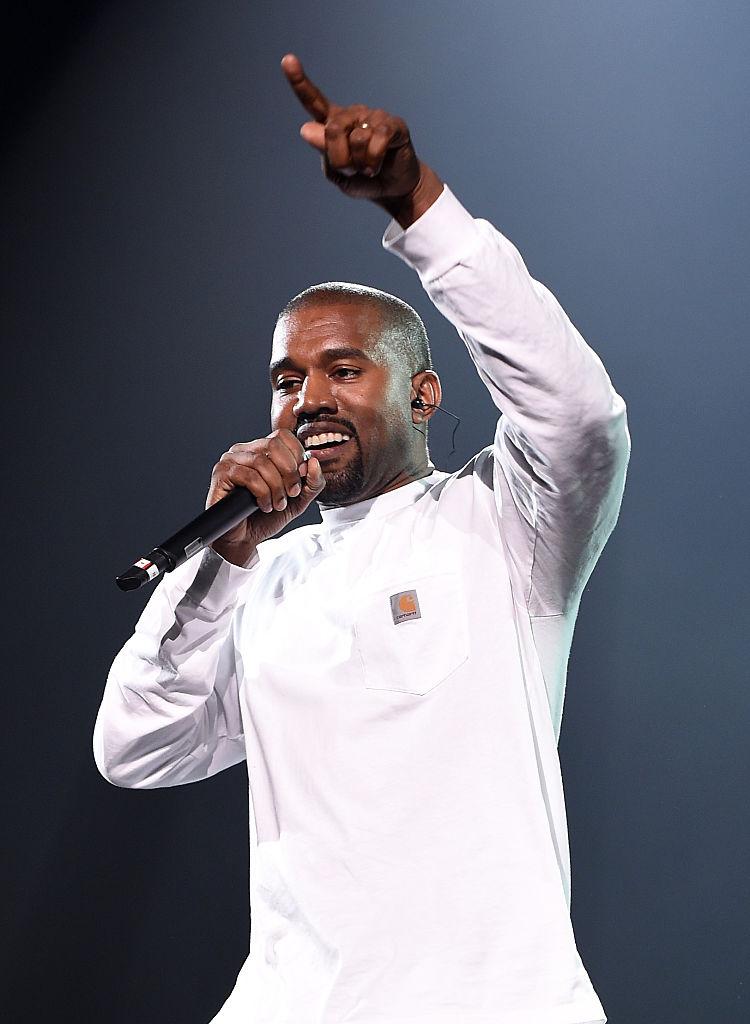
Kanye West, now known as Ye, released his 12th studio album “Bully” on March 27-28, 2026, through YZY and Gamma, capping a tumultuous rollout marked by listening parties, last-minute tracklist changes, AI controversies and a recent public apology for past antisemitic remarks.
The project, his first full solo effort since 2022’s “Donda,” arrived after multiple delays from an initial 2025 target. West premiered much of the material via a YouTube livestream listening event on March 27 before the full album hit streaming platforms the following morning. It features an 18- to 20-track lineup with guest appearances from Travis Scott, CeeLo Green, André Troutman, Don Toliver and others, alongside heavy sampling of classic soul, gospel and international artists including the Supremes, Stevie Wonder, Asha Bhosle and Fairouz.
Early critical reception is sharply divided. Some outlets hail “Bully” as West’s strongest work in years for its warm, sample-driven production that echoes the soulful textures of his 2000s output and “808s & Heartbreak.” Others dismiss it as hollow, over-processed and disconnected from the personal reckoning suggested by West’s recent Wall Street Journal advertisement, in which he addressed mental health struggles, a 2002 car crash and past behavior.
A Redemption-Focused Rollout
West placed a full-page ad in the Wall Street Journal earlier in March, framing it as a sincere apology and acknowledgment of past harm. The ad detailed specific incidents, credited individuals with helping him and referenced a bipolar diagnosis. Many expected “Bully” to engage directly with themes of accountability, mania and recovery.
Instead, the album leans heavily into sung, Auto-Tune-heavy vocals over lush, chopped samples rather than confrontational rap verses. Production draws from patient soul rearrangements, creating a “rich, warm and optimistic” atmosphere according to some reviewers, though others note a lack of emotional depth or lyrical substance. Tracks like “Beauty and the Beast,” “I Can’t Wait,” “Father” (featuring Travis Scott) and the title track have drawn praise for their sonic ambition, while the title track reportedly underwent significant rewrites between physical and streaming versions.
Controversy surrounded the use of AI. West had previously teased AI-generated elements but posted “BULLY ON THE WAY NO AI” on social media days before release. Physical vinyl copies shipped with what some called “deepfake” or heavily processed vocals on “Preacher Man,” prompting complaints from buyers. The streaming edition, which appeared later, includes additional tracks and revisions, leading to accusations of inconsistent product delivery.
The album cover features a black-and-white image of West’s son Saint wearing titanium grills, a choice many viewed as more personal than earlier rumored concepts involving provocative imagery.
Musical Style and Production
“Bully” largely abandons the industrial, chaotic energy of the “Vultures” series with Ty Dolla $ign in favor of a more introspective, melodic approach. Samples form the backbone: soulful loops, gospel-infused chords and global influences create expansive soundscapes. West handles much of the production, often layering his voice with thick Auto-Tune to create atmospheric textures rather than traditional rap delivery.
Collaborations add variety. Travis Scott appears on “Father,” while CeeLo Green lends his distinctive voice to the title track. Features from Don Toliver and others provide hooks and contrast. Reviewers note strong crate-digging moments but criticize repetitive structures and a sense that the beats sometimes outshine the performances.
At roughly 18-20 tracks depending on the version, the album clocks in as a substantial listen. Standouts frequently cited include “All the Love,” “Mama’s Favorite” and “Circles,” where the production shines with patient builds and optimistic tones. Detractors argue the project feels “empty” or like a “screensaver,” lacking the raw vulnerability or cultural provocation that defined peaks like “My Beautiful Dark Twisted Fantasy” or “Yeezus.”
Critical and Fan Response
Scores and reactions vary widely. One Irish outlet awarded it 8/10, calling it West’s “first good album in 10 years” and praising its musical quality despite the artist’s troubled recent history. Another described it as “not a disaster” but ultimately forgettable, with strong beats undermined by vague lyrics focused on love, serotonin and faith rather than deeper introspection.
Fan forums and social media reflect the divide. Some ARMY-adjacent listeners (a term sometimes cross-applied in hip-hop circles) celebrate the return to soulful roots, while others express disappointment that the album sidesteps accountability. Physical buyers reported frustration over AI elements persisting in early pressings.
The rollout itself became part of the story. Listening parties in Los Angeles and other cities generated buzz, but the album’s staggered arrival — YouTube premiere, delayed streaming, version differences — frustrated some fans accustomed to West’s unpredictable habits. A short film “Bully V1” starring his son Saint had circulated earlier, adding visual context to the project’s themes of protection and playfulness.
Context Within West’s Career
“Bully” arrives amid ongoing scrutiny of West’s public persona. His embrace of controversial figures, antisemitic statements and political alignments in recent years alienated much of the music industry and fanbase, leading to lost partnerships and diminished mainstream airplay. The Wall Street Journal ad represented a potential turning point, with West attributing some behavior to mental health and past trauma.
Musically, the project attempts to reconnect with the innovative production that made him a generational talent. Comparisons to “808s & Heartbreak” arise from the heavy Auto-Tune and sung delivery, while sample choices nod to his early soul-rap foundation. Yet many observers note a disconnect: the confession in print feels weighty, while the music remains light and detached.
Streaming numbers and commercial performance will take time to assess fully, but initial interest remains high due to West’s enduring cultural footprint. The album’s independent release via Gamma bypasses traditional major-label structures, consistent with West’s recent entrepreneurial moves under the YZY banner.
Looking Ahead
As “Bully” settles into circulation, questions linger about its long-term legacy. Will it mark a genuine artistic rebound or another footnote in West’s erratic later career? Further updates to the tracklist or additional physical variants cannot be ruled out, given his history of post-release tinkering.
For now, “Bully” stands as a sonically ambitious but lyrically elusive work from one of music’s most polarizing figures. It offers glimpses of the producer who once revolutionized hip-hop, even as the man behind the music continues navigating personal and public redemption.
Fans and critics alike will debate whether the beats compensate for the perceived emotional absence — and whether West’s latest chapter signals quiet growth or continued detachment.
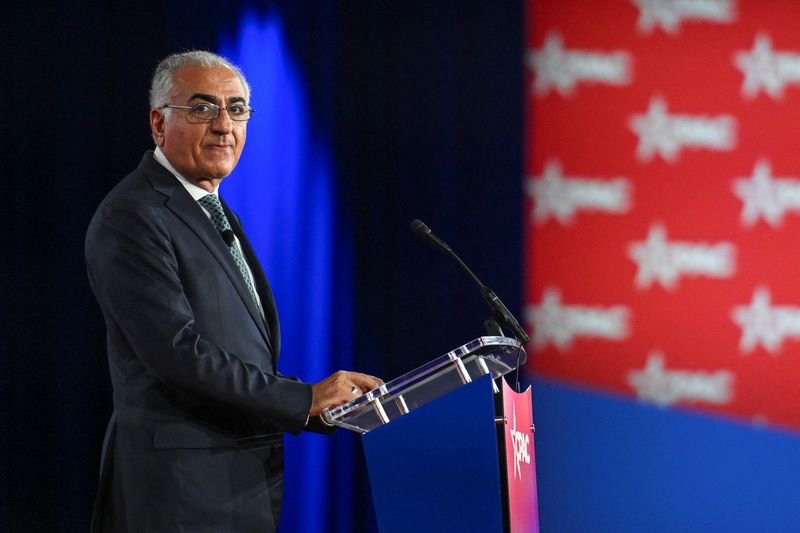

Don’t strike a deal with Iran’s current leaders, opposition figure Pahlavi warns

Biogen reports positive Phase 2 results for lupus skin drug
Lilly’s Taltz plus Zepbound shows efficacy in psoriatic arthritis trial
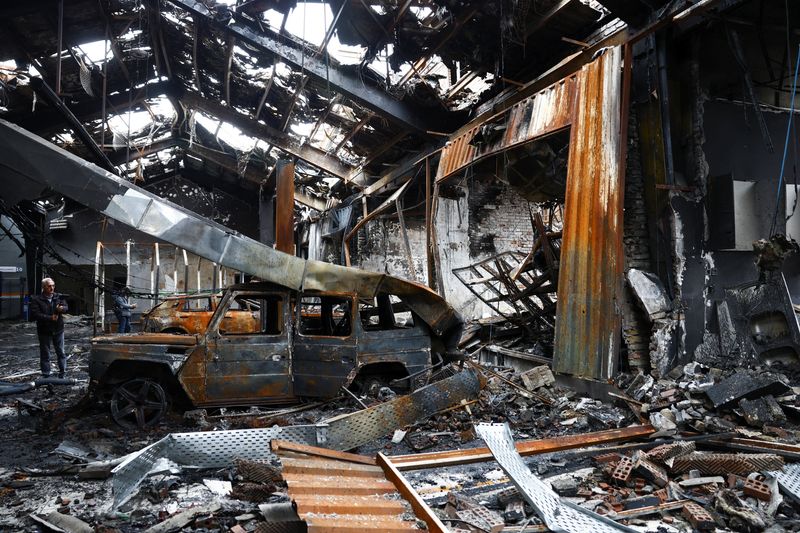

Yemen’s Houthis strike at Israel in their first such attack since Iran war began

Arlo: Poised To Keep Rallying As Subscribers Grow

Scotland held back by the decisions of Westminster, Swinney tells rally
Houthis strike Israel as conflict widens; 12 US soldiers injured in a Saudi strike

Tom Skinner says he got paid 2k, BBC says no we didn’t


-
 NewsBeat3 days ago
Manchester United reach agreement with Casemiro over contract clause amid transfer speculation
-

 News Videos3 days ago
Parliament publishes latest register of MPs’ financial interests
-

 Crypto World7 days ago
Best Crypto to Buy Now: Strategy Just Spent $1.57 Billion on Bitcoin During Fear While Early Investors Quietly Enter Pepeto for 150x Potential
-

 Crypto World7 days ago
Bitcoin Price News: Bhutan Sells $72 Million in BTC Under Fiscal Pressure, but the Smart Money Entering Pepeto Sees What the Market Does Not
-

 Sports5 days ago
Remo Stars and Kano Pillars Strengthen Survival Hopes in NPFL
-

 Business6 days ago
No Winner in March 21 Drawing as Prize Rolls to $133 Million for Next
-

 Sports5 days ago
Gary Kirsten Accuses Pakistan Cricket Board Of ‘Interference’, Mohsin Naqvi Responds
-

 Tech6 days ago
Give Your Phone a Huge (and Free) Upgrade by Switching to Another Keyboard
-

 Tech6 days ago
AI enters the chat: New Seattle dating app relies on tech to facilitate meaningful human connections
-

 News Videos5 days ago
Ch 9 Financial Management Part 1 | Detailed One Shot | Class 12 Business Studies Boards 2026
-

 Business2 days ago
Instagram, YouTube Found Responsible for Teen’s Mental Health Struggle in Historic Ruling
-

 NewsBeat22 hours ago
The Story hosts event on Durham’s historic registers
-

 Tech7 days ago
Today’s NYT Connections Hints, Answers for March 22 #1015
-
 NewsBeat3 days ago
Tesco is selling new Cadbury Dairy Milk bar and people can’t wait to try it
-

 Business6 days ago
Will Duke Basketball Win It All? Duke Basketball Enters Second Round as Third Favorite to Claim NCAA Title
-

 Sports6 days ago
2026 Kentucky Derby horses, odds, futures, preview, date: Expert who hit 12 Derby-Oaks Doubles enters picks
-
 NewsBeat6 days ago
Update on Wisbech river crash as search for teenage boy enters fifth day
-

 Tech5 days ago
Samsung will soon let you control smart home devices from your car’s dashboard
-
 Entertainment5 days ago
Cynthia Bailey Dishes on ‘RHOA’ Season 17, Discusses Kandi
-

 Fashion4 days ago
Does It Matter What You Wear When You’re Laid Off and Looking?
You must be logged in to post a comment Login