Connect with us
DAPA Banner

Business

China plus One: The Race for Indispensability in a Fragmented World

Published

on

China plus One: The Race for Indispensability in a Fragmented World

By Aseem Goyal

“Resilience is the new ROI.”

For more than two decades, China was the undisputed “Factory of the World.” Following its accession to the WTO in the early 2000s, it combined scale, cost efficiency, and ecosystem depth in ways few economies could replicate. Between 2000 and 2010, GDP growth averaged above 10 percent annually.

I saw this transformation firsthand when I arrived in Shanghai in 2005. Construction cranes dominated the skyline. Consumer demand seemed insatiable. Growth regularly exceeded 11% and peaked at 14.2% in 2007. The momentum felt historic – and it was. This was an era where “efficiency” was the only metric that mattered, and China delivered it at a scale the world had never seen.

Advertisement

But by the early 2010s, structural pressures were emerging. Labor costs were rising. Demographics were shifting. China was deliberately moving up the value chain toward higher-tech manufacturing. Geopolitical tensions intensified, intellectual property concerns grew, and trade frictions expanded into full-scale tariffs. Then, the pandemic exposed a hard truth: highly concentrated supply networks, however efficient, were fragile. Meanwhile, the new normal for China’s GDP is now 4-5%.

What followed was an architectural redesign of global production. “China plus One” became embedded in corporate strategy – not as a replacement for China, but as a mandatory insurance policy. Today, China still commands close to 30% of global manufacturing capacity and will continue to dominate for the foreseeable future. The race is not to substitute China; it is to become an indispensable node in an integrated global system.

China plus One: The Race for Indispensability in a Fragmented World

The Geopolitical Layer: Friend-shoring as Strategy

Beyond logistics, the “Plus One” architecture is increasingly defined by security and alignment. In 2026, supply chain resilience is inseparable from geopolitical “friend-shoring.” Success for these emerging hubs is often tied to their Free Trade Agreements (FTAs) and membership in blocs like the CPTPP or IPEF. For the global CEO, a “Plus One” node is only viable if it sits within a regulatory “green zone” that mitigates the risk of sudden sanctions or trade barriers. The race for indispensability is as much about diplomatic alignment as it is about factory floors.

Redefining Success: From Arbitrage to Architecture

In the early days of China plus One, success was defined narrowly: labor arbitrage. That definition is now obsolete. Success is now also defined by structural resilience – the ability of a country to anchor long-term, higher-value investment within an integrated ecosystem.

Advertisement

Today’s competitive advantage rests on five interlocking drivers:

  1. Ecosystem Depth and Speed: Competitive locations offer dense networks of tier-two and tier-three suppliers within efficient logistics corridors.
  2. Digital and Green Readiness: Renewable energy compliance (ESG) and digital-first infrastructure are now procurement prerequisites.
  3. Regulatory Harmonization and De-risking: Long-term capital flows towards countries that align with G7 or “friend-shoring” standards (e.g., GDPR-like data privacy or carbon border taxes).
  4. Labor, Skills, and Demographics: Countries that combine technical capability with favorable demographic trends gain structural leverage.
  5. Market Scale and Trade Connectivity: The most powerful model is “manufacture where you sell.” provide natural de-risking for global firms.

The Strategic Landscape: A Multi-Node Model

Country Strategic Role Primary Advantage The “Catch” (Risk)
Vietnam The Speed Champion Proximity to China; Agility Labor/Land saturation; Wage inflation
India The Scale Bet 1.4 billion market; Young Talent Execution & Regulatory complexity
Malaysia The Specialist Semiconductor/ATP leadership Smaller labor pool; High-tech niche
Indonesia The Resource Power Nickel dominance; EV potential Policy friction; Infrastructure gaps; Resource Nationalism
Thailand The Reliable Hub Automotive & Electronics base Aging population; Middle Income trap

Regional Deep Dives:

Vietnam: The Speed Champion

Vietnam has rapidly integrated into global electronics and consumer goods supply chains, attracting giants like Samsung and Apple.

Its structural advantages are competitive labor costs, extensive trade agreements, and geographic proximity to Southern China, enabling seamless component flows. However, agility alone is no longer a sustainable moat. As manufacturing wages have risen by 7-9% annually over the last few years, the country is aggressively adopting AI-driven logistics to bridge infrastructure gaps. The government’s National Digital Transformation Program targets wide-scale automation by 2030, racing to automate before rising costs erode its competitive edge.

India: The Scale Bet

India is the only contender capable of offering a China-sized alternative. India combines internal scale with external integration through FTAs, bolstered by a median age of 29 (compared to China’s 39), adding 12 million people to its workforce annually

Advertisement

India’s Production Linked Incentive (PLI) programs have catalyzed growth in semiconductors and automotive manufacturing. Crucially, India is positioning itself as a leader in Sovereign AI. Initiatives like the “India AI Mission” and the 2026 AI Impact Summit show a nation leapfrogging traditional manufacturing hurdles by integrating “Physical AI” into industrial environments. Its constraint remains execution and regulatory hurdles.

Malaysia: The Semiconductor Specialist

Malaysia competes on technical depth rather than scale. With decades of experience in semiconductors, it commands a significant share of global assembly, testing, and packaging (ATP). This ecosystem is mature and difficult to replicate.

Malaysia is also moving upstream into IC design and R&D by integrating automated precision manufacturing, thus ensuring its smaller labor pool doesn’t hinder its output. It is the indispensable node for the high-tech heart of the global supply chain.

Indonesia: The Resource Power

Indonesia controls over half of the world’s supply. Its “downstream” policies require raw materials to be processed locally, effectively forcing the creation of a domestic EV battery ecosystem.

Advertisement

Its opportunity lies in sectoral dominance. The country is aiming to be a regional AI innovation hub, using data-driven insights to manage complex resource extraction and processing. Its success depends on maintaining policy consistency and avoid spooking investors with resource nationalism.

Thailand: The Middle-Income Test Case

The “Detroit of the East” remains a reliable production hub. However, it is too advanced for low-cost labor, yet squeezed by high-tech specialists. Thailand is responding by driving Industry 5.0 adoption, using smart manufacturing systems and robotics to maintain its edge in the automotive and electronics sectors. It serves as a reminder: standing still is equivalent to moving backward.

The Hard Truth: There is No Single Winner

So who is winning the China plus One sweepstakes? The answer is not a single country. It is a multi-node model.

  • Vietnam is winning on speed.
  • India is winning on long-term scale.
  • Malaysia is winning on technical specialization.
  • Indonesia is winning the resource-driven energy transition.
  • Thailand is the reliability benchmark for middle-income hubs.

The Role of AI: The Energy-AI Paradox

In 2026, “Plus One” is also about technology parity. Companies are moving factories to build “Smart Factories using predictive maintenance, digital twins, and autonomous quality control. However, this introduces a new bottleneck: Energy Infrastructure. The question for CEOs has shifted from “Where is the labor?” to “Where is the digital infrastructure and stable power grid to support my automated fleet?” A hub’s ability to provide 24/7 green energy to power AI-integrated assembly lines is now a powerful competitive differentiator.

Designing the Future

Diversification is no longer a hedge; it is architecture. The companies that thrive over the next decade will design multi-country production systems that treat supply chains as strategic networks rather than linear pipelines.

Advertisement

No single country can replace China for the foreseeable future. But some will become indispensable complements. In the next phase of globalization, indispensability – not cost – will determine who wins.

Resilience is the new ROI.

The China plus One Checklist: Is Your Architecture Ready?

  • Technical Parity: Can this location support the same level of AI-integrated automation used in our primary hubs?
  • The Energy Moat: Does the local grid offer the 24/7 reliability and renewable energy mix required to meet our 2030 ESG mandates?
  • Ecosystem Density: Are there tier-two and tier-three suppliers within a 100km radius?
  • Geopolitical “Green Zone”: Is this nation a signatory to trade blocs (CPTPP, IPEF, etc.) that align with our primary consumer markets?
  • Talent Pipeline: Does the local vocational system support “Industry 5.0” skills, or will we face a critical shortage?

Aseem Goyal is a global financial services executive and advisor with 35 years of experience across eight international markets, including a formative tenure in Shanghai (2005–2007). He currently advises organizations on Southeast Asia expansion and is the author of an upcoming global leadership memoir.

Advertisement
Continue Reading
Click to comment

You must be logged in to post a comment Login

Leave a Reply

Business

Octopus Energy reports 50% rise in solar sales as Iran conflict drives energy fears

Published

on

Octopus

Octopus Energy has reported a sharp surge in demand for renewable technologies, with solar panel sales jumping 50 per cent in recent weeks as households react to rising energy prices linked to the Middle East conflict.

Chief executive Greg Jackson said the escalation of the US-Israel war with Iran has triggered a “huge jolt” in consumer behaviour, with demand also rising for heat pumps, electric vehicles and home charging systems.

The increase reflects growing concern among households about future energy costs, as wholesale oil and gas prices spike following disruption to supply routes and production across the region.

Jackson warned that energy bills are “very likely” to rise again from July, when Ofgem resets its price cap, which currently limits the amount suppliers can charge millions of households.

The situation has created a confusing backdrop for consumers. While the cap is due to reduce bills slightly from April for a three-month period, expectations of a renewed increase later in the year are already shaping behaviour.

Advertisement

“We’re seeing people say, ‘we’ve just got to do something about it’,” Jackson said, as households look for ways to reduce reliance on grid energy and protect themselves from future price shocks.

The surge in solar demand has been accompanied by a 30 per cent increase in heat pump sales, while enquiries for electric vehicles have risen by more than a third and interest in home chargers by around 20 per cent.

The data, based on comparisons between February and March, suggests a significant shift in consumer sentiment, with energy security and cost control becoming key drivers of purchasing decisions.

Jackson said the trend highlights a growing recognition that renewable technologies offer not only environmental benefits but also financial resilience in a volatile energy market.

Advertisement

The latest surge in demand echoes patterns seen during previous energy shocks, including the aftermath of Russia’s invasion of Ukraine in 2022, although Jackson suggested the current situation may be less severe, at least for now.

Nevertheless, he warned the UK remains highly exposed to global fossil fuel markets, where limited spare capacity means prices can rise sharply during supply disruptions.

Calls to increase domestic oil and gas production, particularly in the North Sea, would make only a marginal difference, he argued, describing the impact as “tiny” compared with the scale of global market forces.

Instead, Jackson emphasised the need to reduce electricity costs and accelerate the shift to domestically generated clean energy.

Advertisement

The debate over energy strategy is also being shaped by international competition. Jackson pointed to China’s rapid expansion of renewable infrastructure, contrasting it with what he described as Europe’s slower, more cautious approach.

While Europe continues to debate the pace of transition, China is “just getting on with it”, he said, highlighting its long-term strategy to phase out petrol infrastructure and strengthen energy independence.

The comments echo concerns raised by global investors that Western economies risk falling behind in the race to secure affordable, reliable clean energy.

Jackson also sought to address concerns about the cost of electric vehicles, arguing that the gap between EVs and petrol cars is narrowing, particularly as the second-hand market develops.

Advertisement

“The divide where lower-income households were priced out is disappearing,” he said, suggesting that electrification is becoming more accessible to a broader range of consumers.

Beyond energy, Jackson highlighted the broader societal impact of economic change, including the role of social support systems in enabling individuals to adapt to shifting labour markets.

He also warned of the transformative impact of artificial intelligence, suggesting the pace of technological change could challenge traditional notions of work and human advantage.

“We must be ready for an incredible degree of change,” he said.

Advertisement

The surge in renewable demand suggests that energy crises are increasingly acting as catalysts for structural change, accelerating the adoption of technologies that might otherwise have taken years to gain traction.

For policymakers, the challenge will be ensuring infrastructure, regulation and affordability keep pace with this shift.

For consumers, the message is becoming clearer: in an era of volatile global energy markets, investing in self-generated power is no longer just an environmental choice, it is a financial one.


Amy Ingham

Amy is a newly qualified journalist specialising in business journalism at Business Matters with responsibility for news content for what is now the UK’s largest print and online source of current business news.

Advertisement

Continue Reading

Business

Shield Yourself from Soaring Gas Prices

Published

on

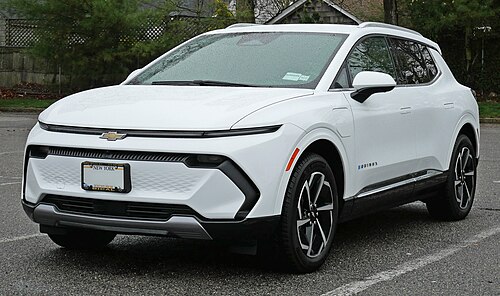
Chevrolet Equinox EV

With U.S. gasoline prices climbing above $3.98 per gallon in late March 2026 — up more than $1 since late February amid geopolitical tensions in the Middle East — many drivers are accelerating their switch to electric vehicles. The national average for regular unleaded has surged due to supply concerns, hitting household budgets hard and prompting renewed interest in EVs that eliminate gas station stops entirely.

Industry experts say the timing is ideal. Battery prices continue to fall, federal and state incentives remain available in many areas, and a wave of affordable, long-range models has arrived for 2026. From compact sedans to family SUVs, today’s EVs offer impressive ranges, fast charging and lower operating costs that can save thousands annually compared with gasoline vehicles.

Here are 10 strong electric vehicle choices for 2026 that balance price, range, performance and practicality, helping buyers sidestep volatile fuel costs. Selections draw from expert rankings by Consumer Reports, Edmunds, Car and Driver and others, focusing on models available now or arriving soon with strong real-world value.

Chevrolet Equinox EV
  1. Chevrolet Equinox EV — Starting around $35,000 (as low as $26,000 after incentives), this compact crossover stands out for affordability and everyday usability. It delivers up to 319 miles of range on select trims, comfortable seating for five and ample cargo space. Testers praise its smooth ride and balanced performance, making it an ideal “Toyota RAV4 alternative” for families seeking value without sacrificing practicality.
  2. Hyundai Ioniq 5 — Priced from about $36,600 to $46,000 after recent reductions, the Ioniq 5 offers up to 318 miles of range in rear-wheel-drive form and ultra-fast 800-volt charging that can add significant range in 15-20 minutes. Its retro-futuristic design, spacious interior and engaging drive make it a favorite among reviewers. The 2026 model benefits from improved efficiency and competitive pricing that undercuts many rivals.
  3. Tesla Model 3 — Starting near $38,630, the refreshed Model 3 remains a benchmark with ranges up to 363 miles on Long Range versions, access to Tesla’s extensive Supercharger network and over-the-air updates that improve the car over time. It excels in acceleration, minimalism and technology, appealing to tech-savvy buyers who want strong resale value and low maintenance.
  4. Hyundai Ioniq 6 — Often ranked among the top overall EVs, the sleek sedan starts around $39,000 and achieves up to 381 miles of range in efficient configurations. Its aerodynamic shape delivers excellent efficiency, while the interior feels premium. Reviewers highlight sharp handling and a quiet cabin, positioning it as a strong alternative to luxury sedans at a mainstream price.
  5. Nissan Leaf — The redesigned 2026 Leaf starts as low as $30,000-$31,000, making it one of the most budget-friendly options with ranges reaching 303 miles. It offers a familiar driving experience for traditional car buyers transitioning to electric, along with Nissan’s reputation for reliability. While charging speeds lag behind newer rivals, its low entry price and proven track record attract first-time EV shoppers.
  6. Ford Mustang Mach-E — From about $39,490, the Mach-E combines sporty styling with practical SUV utility and ranges up to 320 miles. It provides engaging dynamics inspired by the Mustang nameplate while delivering family-friendly space. Recent updates have improved range and interior quality, helping it compete directly with the Tesla Model Y in the crowded crossover segment.
  7. Kia EV3 or EV4 — Kia’s compact electric offerings, expected in the $35,000-$40,000 range, promise more than 300 miles of range with bold styling and strong value. The EV3 targets urban buyers with its small footprint, while the EV4 sedan aims for efficiency and comfort. Both benefit from Kia’s industry-leading warranty and fast-charging capability.
  8. Tesla Model Y — The best-selling vehicle in the U.S. in recent years continues strong in 2026 with competitive pricing, ranges exceeding 300 miles and unmatched convenience through the Tesla ecosystem. Its versatility as a crossover, high safety ratings and software features make it a go-to choice for many households looking to replace a gas SUV.
  9. Chevrolet Bolt EV (returning 2027 model, with 2026 availability details emerging) — Positioned as one of the most affordable long-range options around $29,000-$30,000, the refreshed Bolt targets budget-conscious buyers with improved range over previous generations. Its compact size suits city driving while delivering solid efficiency and modern features.
  10. Rivian R2 (arriving 2026) — Starting near $45,000, this smaller sibling to the R1 offers adventure capability with an estimated 330 miles of range. It appeals to outdoor enthusiasts seeking electric truck or SUV versatility at a more accessible price than the flagship models. Early buzz highlights its rugged design and off-road potential.

Why Switch Now? Savings and Practicality

At current gas prices hovering near $4 per gallon nationally — and higher in states like California — the cost of electricity for home charging is dramatically lower. Many owners report annual fuel savings of $1,000 to $2,000 or more, depending on mileage. Additional perks include smoother acceleration, quieter rides, lower maintenance (no oil changes) and access to incentives that can shave thousands off the purchase price.

Advertisement

Charging infrastructure continues expanding, with Tesla’s NACS standard gaining adoption across brands and public fast chargers becoming more common. Most recommended models support Level 2 home charging for overnight top-ups and DC fast charging for longer trips.

Experts note that total ownership costs for many EVs now undercut comparable gasoline vehicles when factoring in fuel, maintenance and incentives. However, buyers should consider local electricity rates, home charging availability and driving habits. Cold weather can reduce range, though modern thermal management systems mitigate this.

Considerations Before Buying

Test drive multiple models, as driving feel varies significantly — some prioritize comfort while others emphasize sportiness. Check eligibility for the federal EV tax credit (up to $7,500) and state rebates, which can make premium features more attainable. Evaluate real-world range using EPA estimates adjusted for conditions, and review charging options at home or work.

Advertisement

Used EV markets also offer bargains as earlier models depreciate, though battery health and remaining warranty should be verified. For those not ready for full electric, many automakers offer plug-in hybrids as a bridge.

Market Trends in 2026

The EV segment grows rapidly despite past supply chain and pricing challenges. New entries from established brands like Chevrolet, Hyundai and Kia bring down costs while improving range and charging speeds. Legacy automakers increasingly adopt the North American Charging Standard, easing compatibility concerns.

As gas prices remain volatile due to global events, EVs provide a hedge against future spikes. Long-term, falling battery costs and improving technology point to even greater affordability and performance.

Advertisement

For buyers ready to act, 2026 offers a sweet spot of choice and value. Whether prioritizing budget, luxury, performance or utility, options exist to fit most needs and lifestyles. Consulting local dealers, using online configurators and reviewing independent test results can help narrow the field.

Switching to electric not only shields drivers from soaring pump prices but also delivers modern technology and a smoother driving experience. With models spanning compact cars to family crossovers, the path to gas-free motoring has never been more accessible.

Continue Reading

Business

Jefferies reiterates Buy on Eli Lilly stock, $1,300 target

Published

on


Jefferies reiterates Buy on Eli Lilly stock, $1,300 target

Continue Reading

Business

Alphabet: 18% Off Its High, It's A Buy, Just Not An Easy One (Rating Upgrade)

Published

on

Alphabet: Don't Let The CapEx Scare You Away From A $240B Backlog (NASDAQ:GOOG)

Alphabet: 18% Off Its High, It's A Buy, Just Not An Easy One (Rating Upgrade)

Continue Reading

Business

Forrestania taps Polaris to convert Lake Johnston nickel plant to gold hub

Published

on

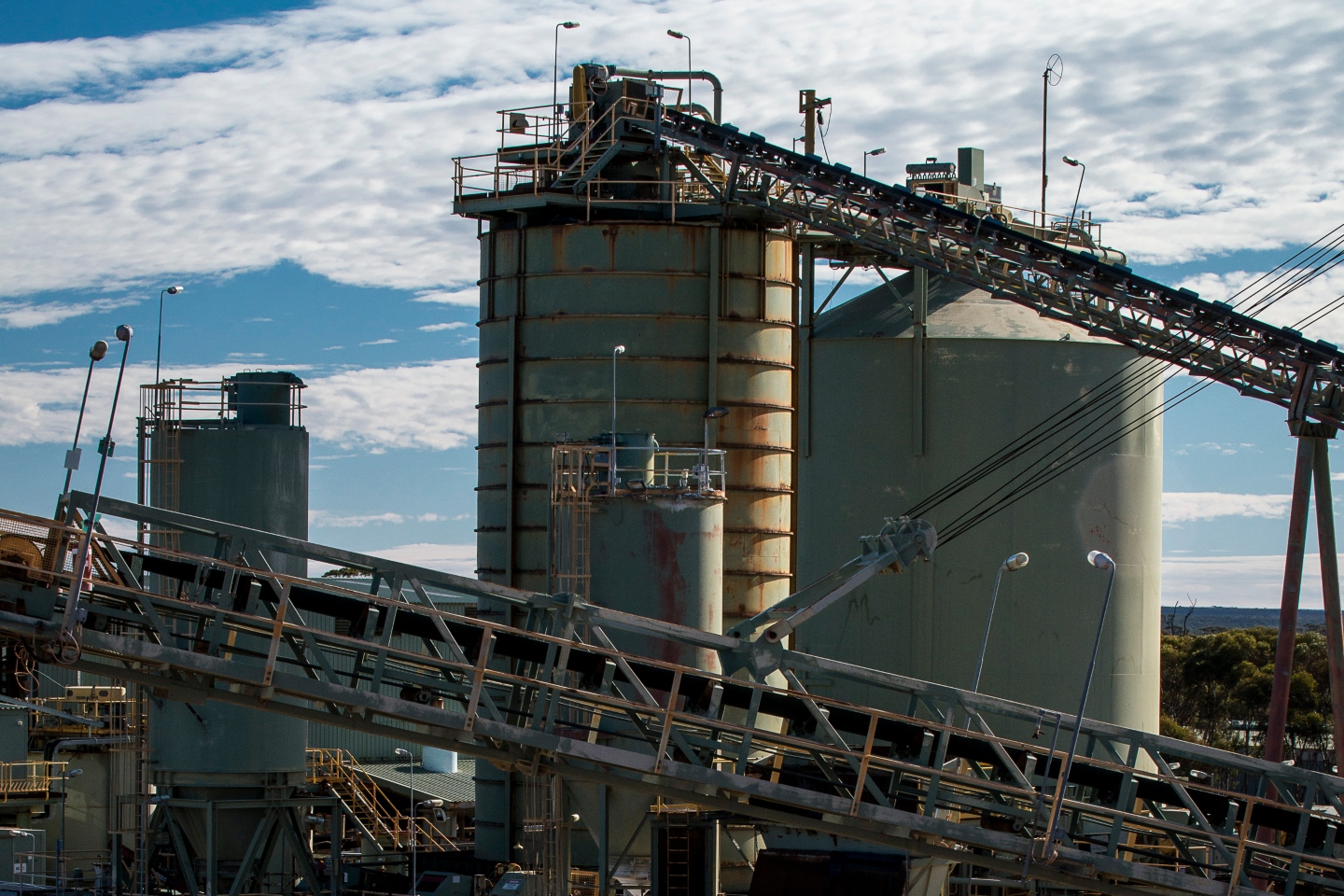
Forrestania taps Polaris to convert Lake Johnston nickel plant to gold hub

Forrestania Resources has engaged a contractor for work on reviving the long-dormant Lake Johnston processing plant to transition the nickel operation into a gold processing hub.

Continue Reading

Business

Maali Group sues Halo Civil in dispute over info access

Published

on

Maali Group sues Halo Civil in dispute over info access

Maali Group has sued Halo Civil in the state’s highest court, weeks after the company’s founder, Mitch Matera, says another dispute among the parties had been resolved.

Continue Reading

Business

FC Barcelona makes Miami HQ move official with lease at One Biscayne Tower

Published

on

FC Barcelona makes Miami HQ move official with lease at One Biscayne Tower

EXCLUSIVE: The New York-to-Florida corporate pipeline just gained one of the most valuable brands in global sports.

FC Barcelona, the world-renowned soccer powerhouse, is officially shuttering its North American headquarters in Manhattan to plant its new flag in downtown Miami at One Biscayne Tower.

Advertisement

It’s a move that CP Group Managing Partner Angelo Bianco says highlights a “liberating” business environment that traditional hubs like New York simply can no longer match.

“Miami has some special characteristics that no other market can compete with, New York or otherwise, and that is its geography and its cultural makeup,” Bianco exclusively told Fox News Digital. “The combination makes it irresistible to certain businesses that want to expand and track business in the Americas.”

MIAMI’S NEXT LEGACY MOMENT: CITY LEADERS SAY THEY’RE READY — ARE THEY?

“It’s a very business-friendly environment. And if you want to have a business and operate and grow it the way that you want, you have a very supportive government here,” he continued. “And I think that has an element to helping facilitate the huge migration that we’re seeing into the state of Florida.”

Advertisement
FC Barcelona moving headquarters to Miami

FC Barcelona is officially relocating its North American HQ from New York City to Miami’s One Biscayne Tower. (Getty Images)

FC Barcelona is the third-most valuable soccer club in the world, just behind Real Madrid and Manchester United, with an estimated worth of $5.65 billion, according to Forbes. Its executed lease agreement with CP Group at One Biscayne Tower is accompanied by four other new tenants, including Reimagined Parking, Levey & Associates, Drummond Advisors and Kirkwood.

The lease announcement comes less than three months before the Magic City hosts seven 2026 FIFA World Cup matches, with as many as 1 million visitors expected for the games. Miami-Dade County is also projecting the event to generate a $1.5 billion economic impact.

In a statement to Fox News Digital, an FC Barcelona spokesperson confirmed that “the Club is finalizing their conditioning of the new office” with its grand opening happening “in coming weeks.”

“I think the tenant is moving to a market that’s more like itself, rather than the other way around. Miami is already hot and on fire and already has a very cool, chic, hip vibe to it,” Bianco said. “And I think they chose to be in Miami in our building to be part of that.”

When it comes to courting other non-traditional corporate tenants to move away from the standard law-and-finance office mix, Bianco argued the physical aesthetic of One Biscayne Tower — with its multimillion-dollar renovations to conference centers, a fitness club, a new lobby, and a health café — serves as a closing tool for firms leaving traditional boardrooms.

“The beauty of the Miami coast is hard to compete with in any market,” he said. “So it’s a beautiful vantage. And I think a lot of people, when they come down to Miami, that’s what they were expecting in their mind when they were thinking about getting an office space.”

OVER $126M IN 60 DAYS — FLORIDA REAL ESTATE TYCOONS SAY BLUE-STATE WEALTH MIGRATION IS NOW PERMANENT

Advertisement

“Downtown has been recently renovated by the city and the pedestrian areas are finally getting to where they should be,” Bianco added. “Also, the growth in Miami is north. There’s no more growth south… and coupled with the fact that all of the mass transit stations end in the downtown [area] really gives us a wonderful combination to attract a lot of tenants and keep some renewing their leases here.”

The new year has already welcomed a fresh wave of company HQs to Miami, with names like Palantir, D-Wave Systems, GFL Environmental and Trinity Investments. In recent years, South Florida has built itself up as an established global business hub with several landmark commitments from brands relocating like Citadel, ServiceNow, Playboy, Wells Fargo, Varonis, TracFone and a handful of others.

Bianco addressed the skepticism of a Florida bubble and argued that the current influx of high-level capital signals a permanent structural change.

Advertisement
FC Barcelona celebrates a win on the futbol field

Ronald Araujo and Marc-Andre ter Stegen of FC Barcelona lift the Copa del Rey trophy after the team’s victory in the Copa del Rey Final match between FC Barcelona and Real Madrid at Estadio de La Cartuja on April 26, 2025. (Getty Images)

“What we’re seeing now is, the number of people that are moving into town with true capital and businesses is unprecedented,” he said. “I definitely see a permanence to these market conditions. I mean, of course there will be at a certain time, like every cycle, a drawback, but we’re gonna see peak-to-peak growth. And that is in industries that are here, which has become much more financial than it ever has been. They’ve been nicknaming us the ‘Wall Street of the South,’ and I see it every day.”

As the ink dries on nearly 50,000 square feet of new leasing activity by CP Group at One Biscayne Tower, the shift represents a “fundamental change” as Florida matures into a world-class competitor for infrastructure and talent. With global superstars like FC Barcelona anchoring their future in the Sunshine State, the message to legacy business hubs is clear: the center of gravity has officially swung south.

GET FOX BUSINESS ON THE GO BY CLICKING HERE

“Now we’re the third-largest state in the union. We’ve matured. And as a result of that, we’re getting the infrastructure and the base that’s gonna be necessary to take our growth to the next level,” Bianco said.

“And that is to be able to compete against older cities in the United States who have traditionally had more infrastructure than we do. And that is going to be a fundamental change,” he noted. “Between that and the internationalization of the city, Miami is gonna continue to grow and become a center of the Americas.”

READ MORE FROM FOX BUSINESS

Advertisement
Continue Reading

Business

Earnings call transcript: 51Talk Q4 2025 shows robust growth despite losses

Published

on


Earnings call transcript: 51Talk Q4 2025 shows robust growth despite losses

Continue Reading

Business

Transport for Wales support to local authorities to roll out electric vehicle charging

Published

on

Business Live

It is providing sharede national data plaform, ChargePoint Navigator, to the 22 local authorities in Wales

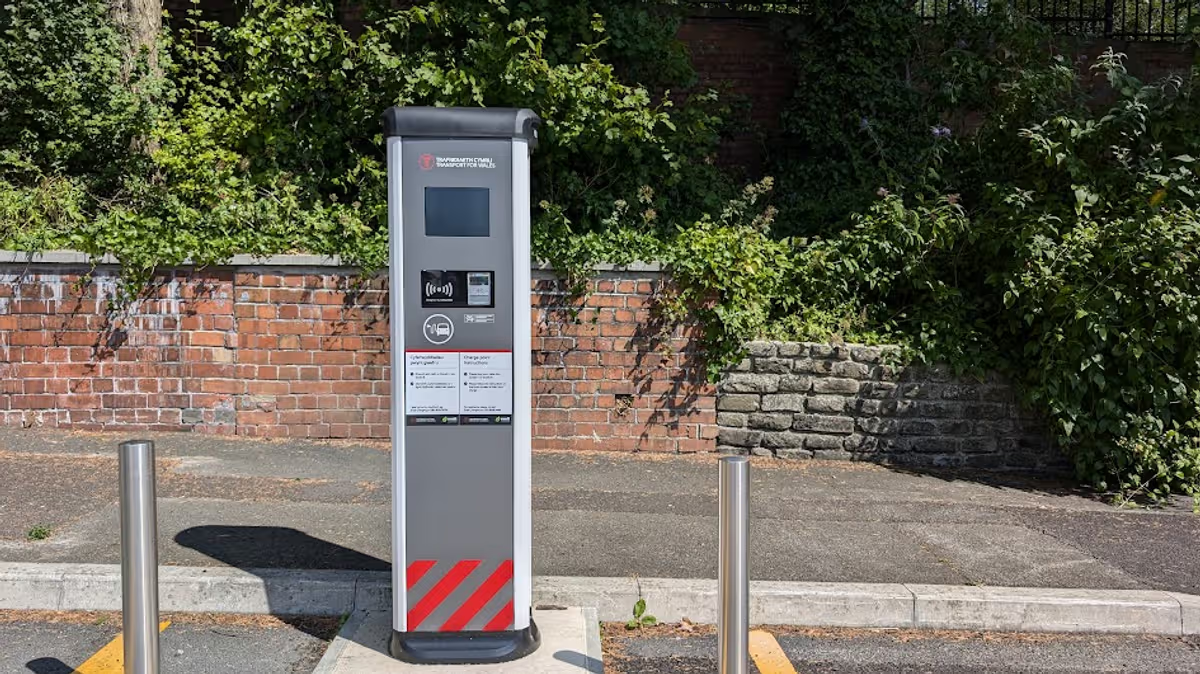
An EV charging point.

Transport for Wales (TfW) has announced a Wales-wide initiative to support the rollout of electric vehicle (EV) charging infrastructure. It is providing all 22 local authorities with free access to a shared national data platform, ChargePoint Navigator.

ChargePoint Navigator is designed to simplify site selection, reduce costs, and support EV infrastructure planning to local authorities.

Through TfW sponsorship, local authorities will now have access to a common evidence base, supporting consistent, transparent and value for money investment in charging infrastructure aligned with national transport policies.

READ MORE: First Minister commits to further empower the Development Bank of Wales but rules out a new WDAREAD MORE: Big rise in value of exports from the Welsh financial services sector

Advertisement

This marks the first time the platform has operated at a national level outside England. Originally funded and co-developed by UK Power Networks Distribution System Operator (DSO) and Field Dynamics, ChargePoint Navigator has already been adopted by more than a 100local authorities in UK Power Networks operational area and is widely endorsed with a 94% customer satisfaction rating.

This builds on the wider support Transport for Wales already offers to Local Authorities to improve access to data, strengthen in-house capability and deliver EV charging infrastructure that is sustainable and equitable.

The initiative is a key step in delivering the Wales Electric Vehicle Charging Action Plan, which highlights the need for more coordinated, data-led approaches to EV charging across Wales.

Tony Clayton, EV infrastructure programme manager at Transport for Wales said: “As Wales’ EV charging network matures, our focus is shifting from simply increasing charger numbers to ensuring provision is fair, strategic and meets the needs of communities across the country.

Advertisement

“ChargePoint Navigator supports this by bringing consistent data and shared expertise into one place, helping us raise standards and ensuring EV infrastructure contributes fully to our wider transport and decarbonisation ambitions.”

Craig Stephenson, Managing Director of Field Dynamics, said: “Local authorities play a critical role in shaping how EV charging infrastructure is delivered on the ground. “It’s vital they have the right data and tools at their fingertips to make informed decisions and to actively shape outcomes.”

Continue Reading

Business

10 Fun Facts About Socceroos Heading to 2026 World Cup

Published

on

Tim Cahill

As the Australian men’s national soccer team, affectionately known as the Socceroos, prepares for their sixth consecutive FIFA World Cup appearance in 2026, excitement is building across the nation. Under coach Tony Popovic, who took over in late 2024 and steered the team to direct qualification with key wins over Japan and Saudi Arabia, Australia is eyeing a deeper run in the expanded tournament co-hosted by the United States, Canada and Mexico.

Tim Cahill
Tim Cahill

With the final 26-player squad set to be named in late May after friendlies against Cameroon, Curaçao and Mexico, and a pre-tournament camp in Florida, fans are revisiting the team’s colorful history. Here are 10 fun facts about the Socceroos that highlight their journey from underdogs to consistent World Cup contenders.

  1. The Nickname “Socceroos” Blends Soccer and Kangaroos The moniker was coined in 1967 by Sydney journalist Tony Horstead, combining “soccer” with “kangaroo,” Australia’s iconic animal. The team embraced it during a tour to Vietnam that year, and it quickly stuck. The logo even featured a kangaroo in football boots for the 1974 World Cup. Today, the side is officially sponsored as the CommBank Socceroos, with the name symbolizing national pride and resilience.
  2. World Record for the Biggest International Win On April 11, 2001, the Socceroos demolished American Samoa 31-0 in a World Cup qualifier — the largest margin of victory in senior men’s international football history. Archie Thompson scored 13 goals, while David Zdrilic added eight. The match, played in Coffs Harbour, highlighted Australia’s dominance in Oceania before switching to the Asian Football Confederation in 2006.
  3. Six Straight World Cup Appearances Since Switching to Asia After dominating the Oceania Football Confederation (OFC) and winning the OFC Nations Cup four times (1980, 1996, 2000, 2004), Australia joined the AFC in 2006. They have qualified for every World Cup since: 2006, 2010, 2014, 2018, 2022 and now 2026. The 2006 tournament marked their best performance, reaching the round of 16 under Guus Hiddink.
  4. Tim Cahill Scored in Three Consecutive World Cups Legendary midfielder Tim Cahill became the first Australian to score in three straight World Cups (2006, 2010, 2014). His volley against Japan in 2006 was Australia’s first-ever World Cup goal, sparking a comeback win. Cahill finished with 50 international goals, the team’s all-time leading scorer.
  5. First World Cup Goal Came as an Own Goal In their 1974 debut against East Germany in Hamburg, defender Col Curran scored the first Australian goal at a World Cup — unfortunately for the wrong team. The Socceroos lost 2-0 in a tough group that included hosts West Germany. It took 32 years for Australia to register an official goal at the finals.
  6. 2022 World Cup Heroics With Penalty Shootout Drama Against Peru in the 2022 intercontinental playoff, goalkeeper Andrew Redmayne’s “wiggle routine” became legendary. Redmayne came off the bench specifically for the shootout and made the decisive save, sending Australia to Qatar. The moment captured the never-say-die spirit that defines the Socceroos.
  7. Asian Cup Champions in 2015 on Home Soil After moving to Asia, Australia hosted and won the 2015 AFC Asian Cup, defeating South Korea 2-1 in the final with a golden goal from James Troisi. It remains their greatest continental triumph and boosted soccer’s popularity Down Under, proving they could compete with Asia’s best.
  8. Diverse Squad Reflects Australia’s Multicultural Fabric The current Socceroos squad features players with roots from Croatia, Italy, Greece, Lebanon, Iraq and beyond, alongside homegrown talent. Stars like Alessandro Circati (Parma), Cameron Burgess (Swansea City) and emerging names such as uncapped call-ups Lucas Herrington and Ante Suto in March 2026 camps showcase this rich diversity that strengthens team chemistry.
  9. Mathew Ryan: The Most-Capped Goalkeeper Veteran keeper Mathew Ryan, expected to start in 2026, has been a stalwart for over a decade. With experience at clubs like Brighton, Arsenal and now Levante, Ryan provides leadership and shot-stopping reliability. Young backups like Joe Gauci (Aston Villa) and Patrick Beach (Melbourne City) signal a bright future in goal.
  10. Popovic’s Revival and Florida Prep Camp After a rocky start to 2026 qualifying under Graham Arnold, Tony Popovic’s appointment sparked a turnaround with crucial victories that secured direct qualification for the first time since 2014. The team will hold a training camp in Sarasota, Florida, ahead of a May 30 friendly against Mexico in Los Angeles, aiming to acclimatize to North American conditions for the World Cup.

Looking Ahead to 2026With FIFA ranking them around 27th in early 2026, the Socceroos enter the tournament with realistic ambitions of advancing from the group stage. Key players likely to feature include defenders like Circati and Burgess, midfielders Jackson Irvine and Aiden O’Neill, and attackers Martin Boyle and Riley McGree. The expanded 48-team format offers more opportunities for upsets.

Australia’s path reflects perseverance. From the 1974 pioneers who faced landmine concerns during training in war-torn regions to modern stars competing in Europe’s top leagues, the Socceroos embody the Australian spirit of mateship and fighting spirit.

Fans will have one final chance to see the team on home soil during the March 2026 FIFA Series matches against Cameroon in Sydney and Curaçao in Melbourne. These games serve as vital auditions for the 26-man squad, with several A-League players earning call-ups and uncapped prospects getting their shot.

The Socceroos’ story is one of evolution — from OFC powerhouse to AFC contender, from record-breakers to penalty-shootout heroes. As they head to North America, the team carries the hopes of a soccer-mad nation that has grown dramatically since that first 1922 tour to New Zealand.

Advertisement

Whether it’s the kangaroo-inspired nickname, record-shattering wins or dramatic qualifying moments, these fun facts remind supporters why the Socceroos capture hearts. With Popovic at the helm and a talented, multicultural squad, Australia aims to create new memories in 2026 and shed any remaining underdog label.

The tournament promises thrilling matches, and the Socceroos will be ready to “dance with the best” once more. For a nation where soccer continues to rise alongside other codes, this World Cup represents another milestone in the team’s proud 100-plus-year history.

Continue Reading

Trending

Copyright © 2025