
Business
Closing the innovation gap in Thailand

The Thai economy is caught in a structural growth trap, with continuously weakening growth rates. This clearly reflects that the old growth model, which relies on “quantity,” is no longer sufficient. Thailand needs to transition to “quality growth” driven by productivity and added value sustainably.
Key Takeaways
- Thailand’s growth challenge: The economy is stuck in a structural slowdown, showing that the old growth model based on quantity is no longer sufficient. The country must shift toward quality-driven growth powered by productivity and innovation.
- Weaknesses in innovation system:
- Thailand’s Global Innovation Index ranking has fallen to 45th (2025).
- R&D spending remains below 2% of GDP.
- Research personnel numbers are declining (23 per 10,000 people in 2023).
- Patent applications are very low (13 per million people in 2024).
- Financial system gaps: Businesses developing innovation, especially tech and startups, struggle to access funding due to reliance on physical collateral. Intellectual property (IP) is rarely accepted as loan security (only 0.07% of collateral assets in mid‑2025).
- International lessons: Countries like Singapore, South Korea, and Malaysia use risk-sharing mechanisms between government and financial institutions, covering 50–90% of defaults, alongside standardized IP valuation and joint investment funds.
“Innovation” is a key engine for this transition, but Thailand’s innovation development system still has several weaknesses that need urgent attention in order for the country to move towards quality growth and truly enhance its growth potential.
“Thailand’s innovation system” has not yet been able to truly translate research into commercial use.
- (1) Thailand’s innovation ranking in the Global Innovation Index, which has been declining for three consecutive years to rank 45 out of 139 countries in 2025, sending a clear signal that Thailand is losing its innovation capabilities compared to its competitors in the region.
- (2) The proportion of research and development (R&D) investment in Thailand is still below 2% of GDP, which is the country’s mid-term goal.
- (3) The number of R&D personnel in Thailand is beginning to show signs of slowing down, decreasing to only 23 people per 10,000 people (2023 data), reflecting the continuously weakening fundamental factors in creating new innovations.
- (4) The number of patent applications per 1 million people is at a low level of only 13 (2024 data), and the number of patents currently in effect is at a low level.
These data reflect that the problem with Thai innovation is not a lack of effort, but rather “Thailand’s innovation system” which is not yet conducive to converting research and development potential into real economic value.
The financial system is not yet ready for innovation: The “public-financial risk sharing mechanism” is key.
Businesses that develop innovative solutions, especially technology businesses and startups, have high growth potential but often face difficulties accessing funding due to a lack of tangible asset collateral for loans.
Currently, there are structural gaps in the allocation of funding to Thai innovation businesses, both on the supply and demand sides. On the supply side, financial institutions lack international standards for valuing intellectual property (IP) and continue to primarily rely on physical collateral. This results in risk assessments that do not align with the highly uncertain revenue streams and technological aspects of innovative business models.
On the demand side, there are not many Thai businesses ready to invest in new innovations and capable of commercialization, reflecting an economic structure that is not conducive to creating and expanding innovation-based businesses. This gap is clearly reflected in the use of intellectual property as collateral in Thailand, which, as of June 2025, will only account for 0.07% of all collateralized assets.
Lessons from various countries clearly show that a “risk-sharing mechanism between the public and financial sectors” is key to unlocking funding for innovative businesses. This is especially true when addressing issues on the supply side of capital.
For example, Singapore, South Korea, and Malaysia utilize a joint risk guarantee mechanism where the government guarantees 50-90% of the outstanding balance after a borrower defaults, reducing the risk burden on financial institutions. This is coupled with establishing internationally recognized and credible IP valuation standards and setting up public-private partnership funds. These mechanisms play a crucial role in stimulating the demand side of capital, incentivizing businesses to invest more in commercializing innovation. The risk-sharing mechanism acts as a “bridge” connecting the capital supply and the demand for innovation, enabling them to occur simultaneously.
In the world ahead, economies will increasingly be driven by “intangible assets.” Countries that design “innovative finance systems” that allow capital and innovation to progress hand-in-hand will be able to sustainably enhance their growth potential and competitiveness through innovation.
Thailand needs to design an “innovative finance system” that is part of building an innovation ecosystem.
To truly drive the Thai economy through intellectual property and innovation, it is necessary to design and adapt the financial system to support an innovation-driven economy. This is not simply about allocating additional capital, but about making the financial system “willing to provide funding” and the business sector “willing to invest” at the same time, through the following four pillars:
1. Adjust lending criteria to accommodate intellectual property as collateral , reducing reliance on physical collateral and assessing business potential based on its ability to create future value. This will enable innovative businesses to access funding in line with the innovation and commercialization cycle.
2. Systematically implement a “risk sharing” mechanism between the government and the financial sector, ranging from loan guarantees and support for IP valuation costs to mechanisms for assuming default risk, in order to remove limitations in risk management for financial institutions and increase incentives for lending to innovation.
3. Develop a central database system and practical IP valuation standards to provide the funding side with reliable information and tools to assess the risks of innovative businesses, reduce uncertainty, and facilitate greater capital flow into commercially viable innovative businesses.
4. Create “demand” incentives to encourage continuous investment in innovation development. Without a starting point for the demand for high-quality innovations to create business opportunities, innovation cannot truly be commercialized and create added value for the Thai economy.
These four pillars must be driven simultaneously through key stakeholders such as the Ministry of Finance, the Department of Intellectual Property, the Office of National Science and Technology Development Agency (NSTDA), the Bank of Thailand, and the Thai Bankers’ Association, in collaboration with the internationally recognized organization, the World Intellectual Property Organization (WIPO), which specializes in this area. Only then will the Thai financial system successfully function as a “link” between capital, innovation, and the enhancement of Thailand’s long-term economic growth potential.
Other People are Reading

The design unicorn received a $792,000 fine after four of its entities failed to lodge their financial reports on time.

President Donald Trump raised hopes of an agreement between the US and Iran after days of escalation.
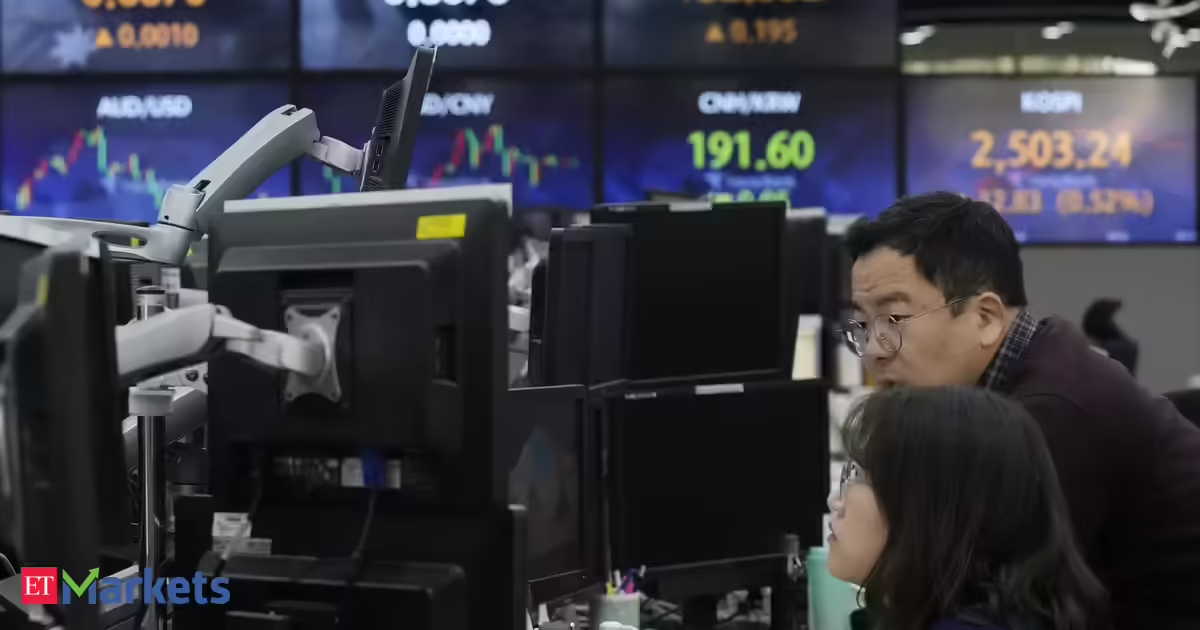
MSCI’s gauge for Asian equities climbed 1% to a record with technology shares leading the gains on renewed optimism for the artificial intelligence trade. South Korea, a poster child for AI investments, jumped 5% to an all-time high, with Samsung Electronics Co. reaching $1 trillion valuation.
Brent, the global crude oil benchmark, fell 1.3% to about $108 a barrel following Trump’s comments. The dollar, which emerged as the haven of choice during the Middle East conflict, weakened.
Contracts for the S&P 500 Index advanced 0.3% and those for the Nasdaq 100 climbed 0.7% after Trump’s comments, as cheaper oil bolstered expectations for easing inflation and stronger growth. The Wall Street gauges closed at a record high on Wednesday and the tech rally appeared to have more to run, with strong earnings from Advanced Micro Devices Inc. and Super Micro Computer Inc.
With geopolitical risk premiums easing, the prospect of lower energy costs and reduced uncertainty improves the outlook for global growth, reinforcing support for equities even at record levels. The backdrop also dovetails with a revival in the artificial intelligence trade, as easing inflation pressures and improved sentiment bolster expectations for stronger corporate earnings.

“Our base-case for markets and the economy has been that there will be a near-term resolution between the US and Iran, allowing for energy prices to fall after the Strait of Hormuz is reopened,” said Chris Senyek at Wolfe Research.
Trump said he would pause a US-led effort to help stranded ships exit the Strait of Hormuz to see if an agreement with Iran to end the war could be finalized.“Project Freedom (The Movement of Ships through the Strait of Hormuz) will be paused for a short period of time to see whether or not the Agreement can be finalized and signed,” Trump said in a social media post on Tuesday.
Cheaper oil lifted the debt market with US long bonds rebounding during the New York session, sending the 30-year yield back below 5%. Even so, bond traders are boosting wagers that the Federal Reserve’s next policy move could be an interest-rate hike rather than a cut.
Elsewhere, the yen strengthened 0.1% to about 157.70 per dollar. Gold rose 0.8% to about $4,590 an ounce.
The rebound in global stocks from their Iran war lows has been so narrow that the market is primed for broader gains triggered by even slightly positive news, according to strategists at JPMorgan Chase & Co. led by Mislav Matejka.
“Many investors are trying to read the tea leaves on the next shoe to drop with the Iran war and oil prices, but stocks have historically moved on quickly from geopolitical events, and we believe this current issue is no different,” said Julian Koski at New Age Alpha.

New Yorkers are feeling the pinch in their pocketbooks after a listeria outbreak has affected 7 million pounds of cold cuts. (Credit: WNYW)
A baby formula brand has recalled three batches after a toxin was discovered, according to the U.S. Food and Drug Administration (FDA).
According to the FDA’s report on Saturday, The a2 Milk Company (a2MC) voluntarily recalled its imported a2 Platinum Premium USA label infant formula for children between 0 and 12 months after additional testing found cereulide.
The recall highlights potential safety risks tied to cereulide contamination, a toxin that can cause vomiting and is difficult to eliminate once present in food products, raising concerns for parents of infants who rely on formula.
Cereulide is a heat-stable toxin produced by the bacterium Bacillus cereus that is primarily responsible for the “emetic” or vomiting type of food poisoning. It is notoriously difficult to eliminate because it can withstand high cooking temperatures and the acidic environment of the human stomach.
POPULAR POTATO CHIPS RECALLED DUE TO SALMONELLA FEARS

The a2 Milk Company voluntarily recalled its imported a2 Platinum Premium USA label infant formula. (FDA / Unknown)
A total of 63,078 units were affected, with an estimated 16,428 units sold to consumers.
The affected batches were only sold in the U.S. through the brand’s website, Amazon and Meijer stores.
“Importation rights expired on December 31st, 2025, and the Product has been discontinued and removed from sale prior to the initiation of the recall,” the FDA’s report read.
The recalled formula was sold in 31.7 oz tins with use-by dates of July 15, 2026, January 15, 2027, and January 21, 2027. Batch numbers include 2210269454, 2210324609 and 2210321712.
FROZEN PIZZA SOLD AT WALMART, ALDI RECALLED OVER SALMONELLA CONCERNS

No illnesses have currently been reported as a result of the formula. (Getty Images / Getty Images)
A representative for a2MC did not immediately respond to FOX Business’ request for comment.
No illnesses have been reported, but consumers are urged to throw out affected batches or return them to their place of purchase for a full refund.

Customers are urged to either discard the affected formula or to return it to its place of purchase in exchange for a full refund. (iStock / iStock)
CLICK HERE TO GET FOX BUSINESS ON THE GO
This recall follows a similar incident earlier this year, when Nestle, Danone and Lactalis pulled infant formula products over potential cereulide contamination, according to a prior FOX Business report.
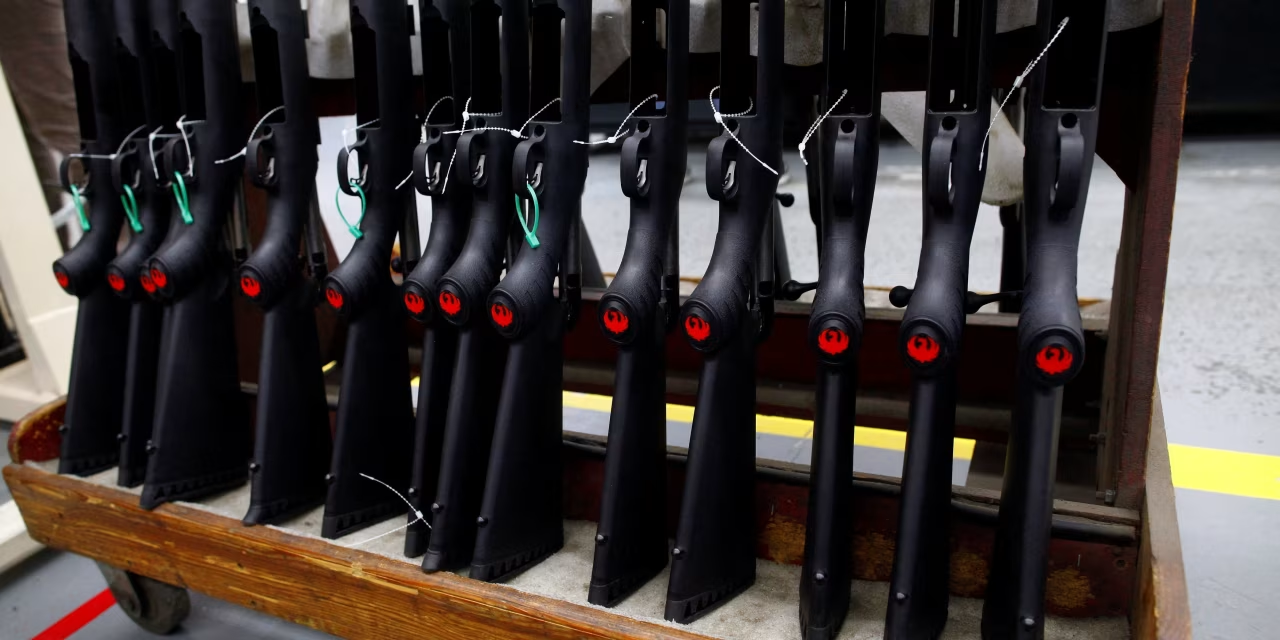
Sturm, Ruger said it has entered a strategic cooperation agreement with Beretta, following a months-long and at times contentious dispute over governance, strategy and board control.
The agreement marks a de-escalation between two of the world’s most storied gun makers.
Copyright ©2026 Dow Jones & Company, Inc. All Rights Reserved. 87990cbe856818d5eddac44c7b1cdeb8
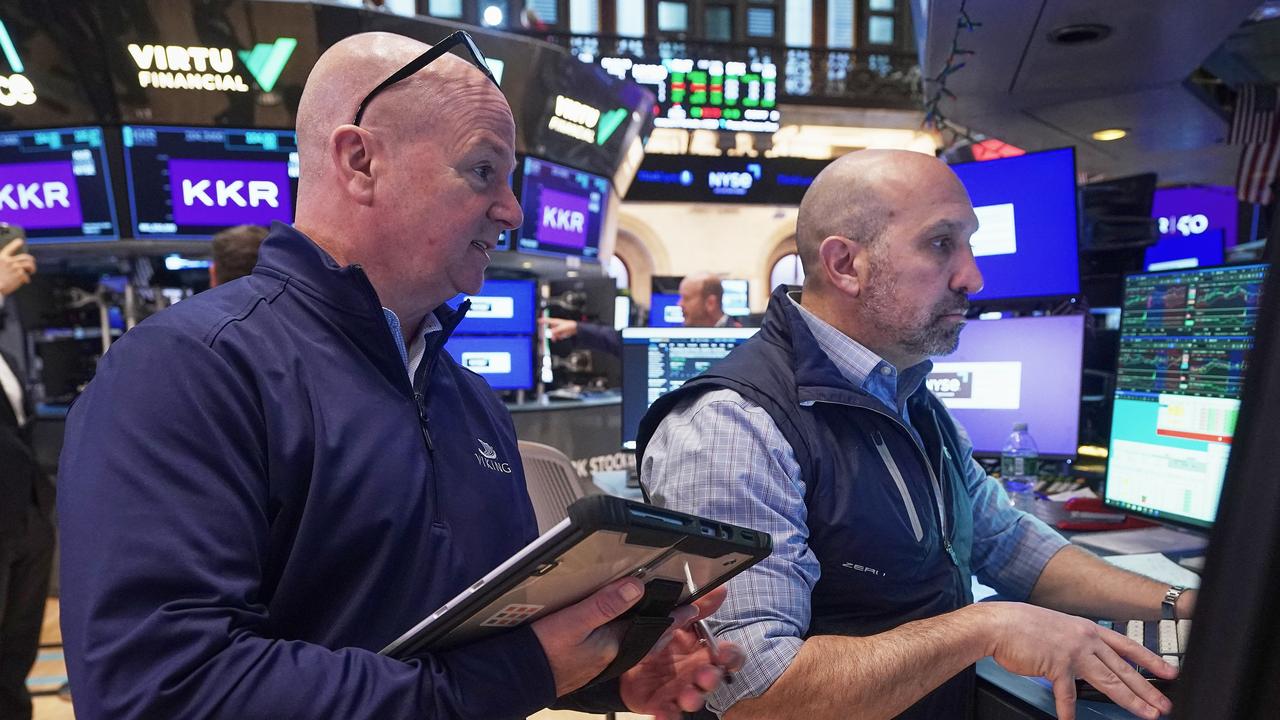
The S&P 500 and Nasdaq have notched record high closes, lifted by Intel and other AI-related stocks, as a US-Iran ceasefire held firm and investors focused on strong quarterly earnings.

Form 144 Andersons For: 5 May

Spear Invest founder and CIO Ivana Delevska discusses how Amazons investment in Anthropic is supporting the AI trade on Making Money.
An investment banker is offering up about $8 million in Bay Area real estate, including a nearly $5 million house, in exchange for stock options for AI giant Anthropic ahead of the company’s potential initial public offering (IPO).
Storm Duncan, the founder of tech investment bank Ignatious, is proposing a deal that would see him exchange a four-bedroom, five-bath estate in Mill Valley in exchange for Anthropic shares, as the company reportedly explores an IPO this year, Realtor.com reported.
Duncan’s 4,372-square-foot home was built in 2005 and has views across San Francisco Bay as well as of the surrounding, while also featuring an infinity pool and chef’s kitchen area. Realtor.com’s automated valuation models put a $4.8 million price tag on the home, while Duncan says his 11-acre property next door is worth about $4 million and would be included in a deal.
Anthropic, the creator of AI assistant Claude, is looking to secure financing based on a valuation of close to $1 trillion, according to reports, though Duncan is basing his proposed deal on an $800 billion valuation for the tech startup.
NYC LOST MORE RESIDENTS ACROSS ALL INCOME LEVELS IN 2025 AS AMERICANS FLEE HIGH-COST BLUE CITIES

A Bay Area tech investor is looking to swap about $8 million in real estate for Anthropic stock ahead of a possible IPO. (Brandon Sloter/Getty Images / Getty Images)
Duncan is hoping to make a deal with an Anthropic employee who has a large number of shares in the company that are currently illiquid, as the company hasn’t gone public and transfers of shares are subject to restrictions. While he already holds about $1 million in Anthropic shares, he wants to increase his exposure to the company.
He told Realtor.com that he sees the deal as potentially appealing to a younger Anthropic employee who could be on track to have a large amount of valuable stock in the AI company that they want to diversify out of, adding that ahead of the IPO it would allow them to lower their tax basis.
CALIFORNIA BUILT MORE HOMES THAN PEOPLE OVER SIX YEARS – SO WHY IS HOUSING STILL SO TIGHT?

Anthropic is the creator of the Claude AI assistant. (Jaque Silva/NurPhoto via Getty Images)
Duncan told the outlet that it’s a “diversification play for me, too. Less exposure to real estate, more exposure to AI. And I think Anthropic is demonstrating that it will have the most fundamental value.”
The property hasn’t been listed with agencies or the multiple listing service, according to the report, but launched a LinkedIn page for it and has received some genuine inquiries so far that haven’t led to a sale.
THESE 8 US HOUSING MARKETS FAVOR BUYERS

Duncan’s multi-million dollar property he’s offering in the swap is located in the Bay Area. (Justin Sullivan/Getty Images)
Duncan said in the report that he would structure the deal so that shares would be transferred after the lockup period concludes.
He said that he’s realistic about the possibility of finding the right buyer who has Anthropic shares worth millions of dollars, but he thought it’s worth a shot, explaining that he thinks “it’s a less than 50% chance that something happens,” in part because a “home is a very emotional purchase.”
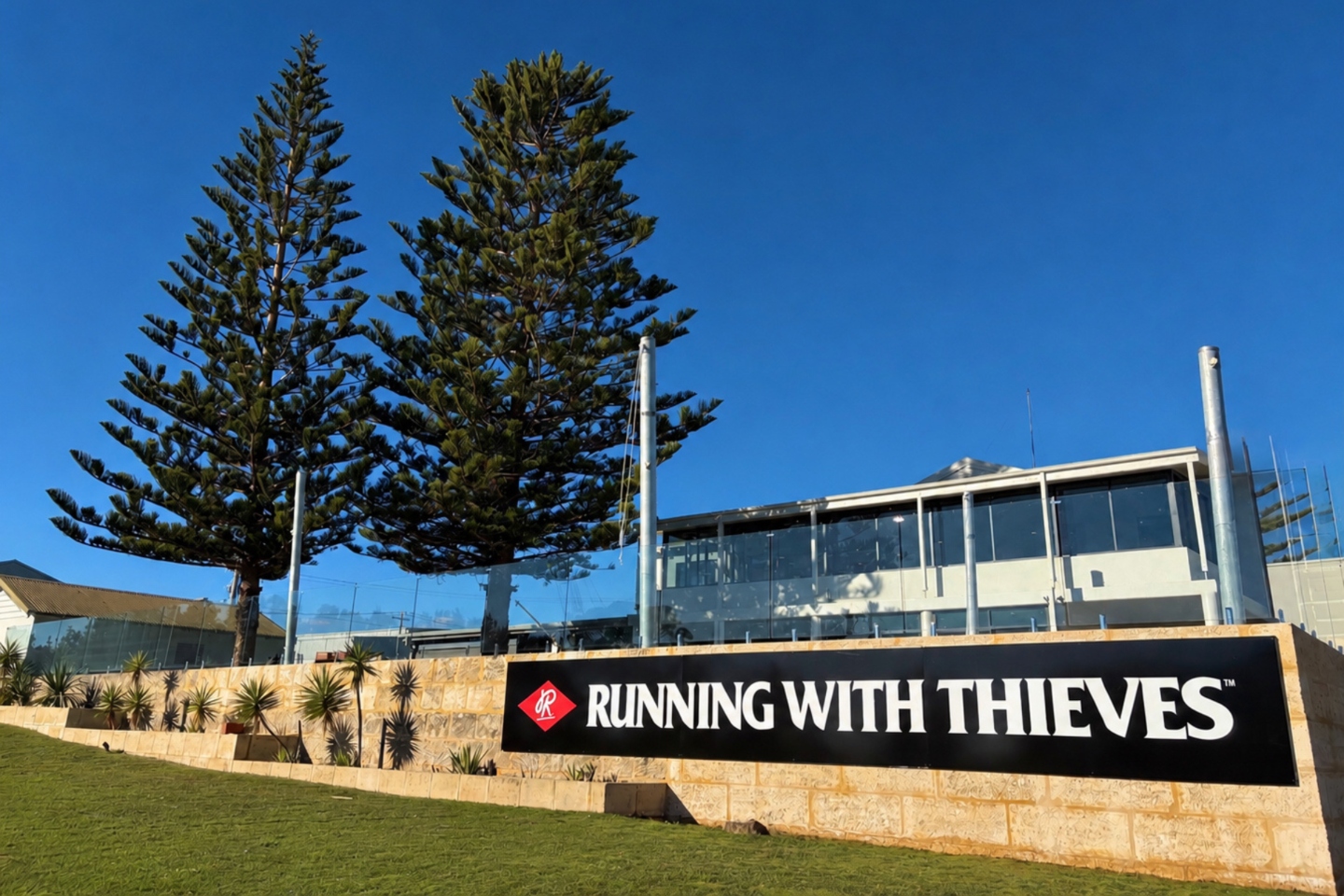
Running With Thieves is preparing to open its third planned hospitality venue in Henderson, ahead of its Port Hedland site, as it looks to capitalise on the growing defence precinct workforce.
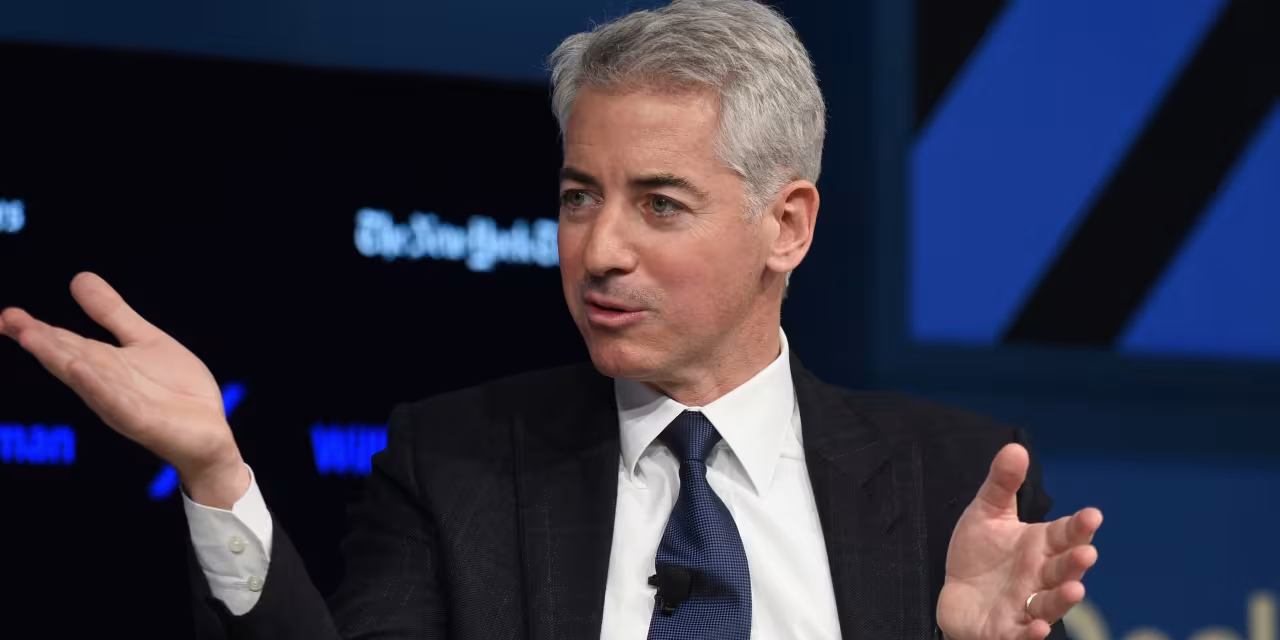
Pershing Square USA’s Poor Debut Highlights the Risks of Closed-End Funds

IPL 2026: No fortress, no momentum — Delhi Capitals’ season unravels at home | Cricket News

Thierry Henry reveals private conversation with Arsenal star before Atletico Madrid win | Football

ASIC fines Canva over tardy financials

Manchester United reach agreement with Casemiro over contract clause amid transfer speculation

US brings back mandatory military draft registration

Steven Gerrard disagrees with Gary Neville over ‘shock’ Chelsea and Arsenal claim | Football

XRP THE FLIP HAS BEEN SWITCHED BUT ITS REALLY SLOW !!!! XRP PRICE SET $180,000,000,000,00 MARKET !!!

Hanya segini bisa financial freedom di Indonesia #andryhakim #stockwise

Caleb Hammer Addresses “The Politics” Of Financial Audit | Caleb Hammer Clips
-

 NewsBeat2 days ago
Channel 5 – All Creatures Great and Small series 7 new post
-
 Business6 days ago
Tesla Officially Registers Elon Musk’s Stock: What Investors Need to Know
-
 Tech4 days ago
Trump’s 25% EU auto tariff breaches Turnberry Agreement that also covers semiconductors and digital trade
-
 Sports4 days ago
Paul Scholes issues Marcus Rashford reality check as agreement emerges over Man United star
-

 Business7 days ago
Barclay Brothers Avoid Bankruptcy: HSBC Drops High Court Petitions After IVA Deal
-
 Entertainment4 days ago
Met Gala 2026 Rumored Guest List Is Turning Heads
-

 Entertainment6 days ago
Celebrities Who Are Attending the 2026 Met Gala Event
-

 Entertainment6 days ago
Insider Claims Reason Behind Key & Peele Split
-

 Crypto World6 days ago
Meta (META) starts stablecoin payout to creators in Circle’s USDC on Polygon, Solana via Stripe
-

 Business6 days ago
Strait of Hormuz Remains Heavily Restricted on April 29 Amid Iran Conflict
-

 Tech6 days ago
Texas Instruments made a new flagship graphing calculator: the TI-84 Evo
-

 Business5 days ago
Two Powerball Tickets Split $143 Million Jackpot in Indiana and Kansas
-
Business5 days ago
Strait of Hormuz Blockade Persists Amid US-Iran Standoff, Sending Oil Prices Soaring
-

 Entertainment4 days ago
Kylie Jenner Hit With Second Lawsuit From Ex-Housekeeper
-

 Sports4 days ago
Cavaliers vs. Raptors Game 6 live score, updates, highlights from 2026 NBA playoffs first-round series
-
 Sports4 days ago
David Benavidez responds to team Canelo saying the fight will never happen
-
Business3 days ago
Winning Numbers Drawn as Jackpot Resets to $20 Million
-

 Sports6 days ago
Saudi Arabia set to withdraw LIV Golf funding after 2026 season, per reports
-
 Crypto World5 days ago
CoreWeave (CRWV) Stock Climbs 8% Despite $45M Insider Share Dump
-
 Crypto World6 days ago
Securitize and Computershare Enable Tokenized Equity Issuance for Over 25,000 U.S.-Listed Stocks
You must be logged in to post a comment Login