
Business
Crispr gene editing treatment from Intellia succeeds in Phase 3 trial


Intellia Therapeutics, building exterior and company sign, Cambridge, Massachusetts, USA.
Spencer Grant | Universal Images Group | Getty Images
Intellia Therapeutics said its Crispr-based treatment for a rare swelling condition met its goals in a late-stage trial, marking a milestone for the field of gene editing and putting the company on track to seek approval from the U.S. Food and Drug Administration.
The company’s treatment uses Nobel Prize-winning technology Crispr to edit DNA and turn off the gene that controls production of a peptide that’s overactive in people with hereditary angioedema, causing them to experience potentially life-threatening swelling attacks. Intellia’s treatment is administered once through an hourslong infusion, making the edits directly in the liver.
Intellia said the one-time treatment reduced attacks by 87% compared with a placebo, meeting the study’s main goal. Six months after treatment, 62% of patients were free from attacks and weren’t using other therapies, Intellia said.
The company described the safety and tolerability of the treatment as “favorable,” reporting the most common side effects were infusion-related reactions, headaches and fatigue. Analysts were closely watching safety in the trial since a patient in a separate trial of a different treatment from Intellia died from liver toxicity.
“When you think about where we started with Crispr, just 12 years ago with some of the fundamental insights, I think there was a lot of talk about what might be possible, and we’ve had reports along the way in terms of milestones, but this is the first Phase 3 data in any indication with in vivo Crispr where you’re actually changing a gene that causes disease,” said Intellia CEO John Leonard.
The only FDA-approved Crispr-based medicine comes from Vertex Pharmaceuticals. Called Casgevy, the gene editing is done outside the body, or ex vivo. The process requires collecting a person’s blood cells, making the edits outside the body, then reinfusing them back into a patient. Intellia’s treatment, meanwhile, makes the edits inside the body, or in vivo.
Intellia said it has started a rolling application with the FDA and plans to complete the filing in the second half of this year. The company expects to launch the treatment in the U.S. in the first half of next year, if it’s approved.
If approved, Intellia’s treatment, lonvoguran ziclumeran, will compete with about a dozen other chronic drugs for HAE. Despite the allure of a one-time treatment, genetic medicines haven’t always been a commercial successes. BioMarin withdrew its gene therapy for Hemophilia A because of weak sales, for example.
Leonard said there are important differences between the two, like the fact that BioMarin’s therapy faced questions about how long the effects would last. In contrast, he said Intellia hasn’t seen a single case in almost six years where the effects diminished over time.
Despite the results, he’s reluctant to call Intellia’s treatment a functional cure.
“I think this is a tipping point for the disease and tipping point for Crispr-based in vivo therapy where you can make a change [and] it’s permanent,” Leonard said. “And, as far as we can tell, we don’t have a single patient in this program or other program where there’s been any waning of the effect of what we did to the gene or the effect of what we’ve seen with the clinical aspects of the disease itself. So it’s pretty exciting.”


NEW YORK — GameStop Corp. shares rose 1.64% to $25.36 in morning trading Monday, extending a streak of modest gains as retail investors returned to the embattled video game retailer, once again demonstrating the unpredictable power of meme-stock momentum in 2026.

The modest advance came on above-average volume, with more than 18 million shares changing hands by mid-morning — well above the stock’s 90-day average. While the move pales in comparison to the massive surges seen during the 2021 short squeeze era, it reflects renewed enthusiasm from individual investors who continue to view GameStop as a cultural symbol of retail defiance against Wall Street.
GameStop has been trading in a relatively tight range this year after a period of stabilization following several years of extreme volatility. The company has worked to transform its business from a traditional brick-and-mortar retailer into a more diversified technology and entertainment company, but progress has been slow and profits remain elusive.
Retail Investors Drive the Action
Much of Monday’s buying appeared to originate from retail traders on platforms such as Reddit’s WallStreetBets, Stocktwits and X. Social media chatter around the ticker $GME picked up noticeably over the weekend, with users citing technical patterns and calling for a new short squeeze. While no major catalyst was announced, the collective retail interest was enough to push the stock higher in early trading.
Short interest in GameStop remains elevated compared to most stocks, though it has declined significantly from its 2021 peaks. Data from Ortex showed short interest hovering around 18-20% of the float, still enough to create potential for volatility if buying pressure intensifies.
Company Fundamentals and Strategy
GameStop continues its multi-year transformation under CEO Ryan Cohen. The company has reduced its physical footprint, expanded its e-commerce presence and explored new revenue streams including collectibles, gaming hardware and potential blockchain or NFT initiatives. However, the core retail business remains challenged by the ongoing shift to digital game downloads and intense competition from Amazon, Best Buy and Walmart.
The company’s most recent quarterly results showed narrowing losses but continued revenue pressure. Cash reserves remain strong, giving management flexibility to pursue strategic initiatives, but Wall Street analysts remain largely skeptical about long-term growth prospects. The consensus price target sits well below current levels, with most firms maintaining Hold or Sell ratings.
Meme Stock Legacy Lives On
GameStop’s place in market lore was cemented during the 2021 short squeeze, when coordinated retail buying drove the stock from under $20 to nearly $483 in a matter of weeks. That episode sparked regulatory scrutiny, congressional hearings and widespread debate about market structure and retail investor power. While such extreme moves have not repeated, the stock continues to experience periodic spikes driven by social media sentiment rather than traditional fundamentals.
Monday’s movement fits a familiar pattern: modest gains on elevated volume with heavy retail participation. Some market watchers view these episodes as harmless entertainment for individual investors, while others warn they can create misleading signals and potential losses for those chasing momentum.
Broader Market Context
GameStop’s performance comes as the wider market trades cautiously. The Dow Jones Industrial Average was little changed early Monday, while the S&P 500 and Nasdaq showed mixed results. Technology stocks provided some support, but concerns over interest rates, inflation data later this week and geopolitical tensions kept many institutional investors on the sidelines.
For meme stocks specifically, 2026 has been relatively quiet compared to previous years. While occasional spikes still occur, the phenomenon appears less intense as retail traders have diversified into other high-risk assets including cryptocurrencies and artificial intelligence-related names.
What’s Next for GameStop
The company is expected to report fiscal first-quarter results in early June. Investors will be watching closely for updates on cost-cutting measures, e-commerce growth and any strategic announcements from Chairman Ryan Cohen, who has been relatively quiet in recent months.
Analysts say near-term catalysts are limited, meaning continued price action will likely be driven more by social media sentiment than company-specific news. Technical traders are watching the $26-$28 resistance zone, with a break above that level potentially opening the door to further upside. Support sits near $22.
Investor Caution Advised
Financial advisers continue to urge caution with highly volatile names like GameStop. While the stock can deliver rapid gains on strong retail interest, it can also drop just as quickly. Long-term investors are encouraged to focus on fundamentals rather than short-term price swings.
As of Monday morning, GameStop’s market capitalization stood at roughly $8.1 billion. The company maintains a significant cash position, which provides a financial cushion but also raises questions about capital allocation and shareholder returns.
GameStop remains one of the most watched and discussed stocks on retail trading platforms. Whether Monday’s modest gain signals the start of a new leg higher or simply another short-term ripple in its volatile history remains to be seen. For now, retail traders appear once again engaged, keeping the meme stock legend alive in 2026.

Johnson & Johnson wins FDA approval for expanded Caplyta label

NEW YORK — Oruka Therapeutics Inc. (NASDAQ: ORKA) shares surged nearly 19% Monday to $82.41 in heavy trading after the clinical-stage biotech company reported strongly positive Week 16 interim data from its Phase 2a EVERLAST-A trial of ORKA-001, a novel half-life extended IL-23p19 monoclonal antibody for moderate-to-severe plaque psoriasis.

The Menlo Park, California-based company said ORKA-001 achieved a PASI 100 (complete skin clearance) rate of 63.5% at Week 16, demonstrating rapid, deep and durable responses that could position it as a best-in-class therapy with potential for once-yearly dosing. The favorable safety profile was consistent with the IL-23 class, with no serious adverse events reported.
The stock jumped as much as 25% intraday before settling around 19% higher on volume exceeding several times the daily average. The move added roughly $650 million to Oruka’s market capitalization in a single session, highlighting investor enthusiasm for its differentiated approach in the crowded psoriasis space.
Strong Efficacy Data Fuels Optimism
According to the company, ORKA-001 showed statistically significant improvements across all key endpoints at Week 16. The high rate of complete clearance (PASI 100) significantly outperformed historical benchmarks for existing IL-23 inhibitors. Updated pharmacokinetic data continued to support the potential for once-yearly maintenance dosing, a major potential advantage over current therapies that require more frequent injections.
Oruka CEO Dr. Reid Waldman called the results “transformational” in a prepared statement. “These data reinforce our belief that ORKA-001 has the potential to set a new standard for psoriasis treatment by offering superior efficacy with dramatically reduced dosing frequency,” he said. The company will host a conference call Tuesday morning to discuss the full results in detail.
Pipeline and Development Strategy
ORKA-001 is part of Oruka’s broader pipeline targeting chronic skin diseases. The company is also advancing ORKA-002, another long-acting IL-17A/F inhibitor with potential for twice-yearly dosing in psoriasis and quarterly dosing in hidradenitis suppurativa. Positive interim Phase 1 data for ORKA-002 released earlier this year showed a half-life of 75-80 days.
Analysts view the dual IL-23 and IL-17 approach as strategically smart, positioning Oruka to compete in both major pathways for inflammatory skin conditions. Wedbush Securities recently raised its price target on the stock to $85, citing strong conviction in the platform’s potential.
Market and Competitive Context
The global psoriasis treatment market is projected to exceed $50 billion by 2030, driven by demand for more convenient and effective therapies. Current injectable biologics dominate but require frequent dosing, creating an opening for long-acting options like Oruka’s candidates. If approved, ORKA-001 could capture significant market share by reducing treatment burden for patients.
Oruka went public earlier in 2026 and has seen dramatic volatility typical of clinical-stage biotech companies. The latest surge reflects renewed investor confidence following the positive data readout. The company ended 2025 with a strong cash position, providing runway through key upcoming milestones.
What’s Next for Oruka
Oruka plans to advance ORKA-001 into additional Phase 2b and Phase 3 studies while continuing development of ORKA-002. Topline data from further trials is expected later in 2026 and into 2027. Regulatory submissions could follow in 2027-2028 if development proceeds smoothly.
For patients and physicians, the results offer hope for more convenient treatment options that could improve adherence and long-term outcomes in a disease that significantly impacts quality of life. Dermatologists have expressed particular interest in the potential for yearly dosing, which could transform how psoriasis is managed.
Investor Considerations
While today’s surge reflects excitement over the data, biotech stocks are inherently volatile. Oruka has no approved products yet and faces the usual risks of clinical development, regulatory approval and commercialization. However, the strength of the Week 16 results and the potential for best-in-class dosing have many analysts bullish on the company’s prospects.
As Oruka continues to execute on its clinical milestones, investors will watch closely for further updates on both ORKA-001 and ORKA-002. The company’s ability to deliver consistent positive data could drive additional upside, while any setbacks in safety or efficacy would likely pressure the stock.
Monday’s sharp rally underscores the high-reward nature of investing in innovative biotech companies. For Oruka Therapeutics, the positive psoriasis data represents a major step forward in its mission to develop novel biologics that set new standards for treating chronic skin diseases. With a strong cash position and promising clinical results, the company appears well-positioned to advance its pipeline and potentially deliver significant value to patients and shareholders alike.

The stake sale is part of NSE’s effort to align with Petroleum and Natural Gas Regulatory Board (PNGRB) norms, which mandate that no single entity holds more than 25 per cent in the exchange.
IGX operates an electronic trading platform for natural gas, offering spot, forward and delivery-based contracts.
Following the latest dilution, NSE’s shareholding in IGX has come down to 25 per cent. Notably, the exchange had acquired a 26 per cent stake in IGX for over Rs 19 crore in March 2021 to become a co-promoter, after securing approvals from PNGRB.
Earlier this month, NSE partnered with IGX to introduce exchange-traded derivatives based on domestic natural gas prices. As part of the collaboration, NSE will launch natural gas futures contracts linked to IGX’s benchmark price index — Gas IndeX of India (GIXI), reflecting pricing based on actual trades on the IGX platform.

Moreover, IGX is also preparing to tap the capital markets. In January, the exchange announced plans to launch an initial public offering (IPO) by December this year. The draft papers are expected to be filed with the capital markets regulator Sebi in the second quarter of calendar year 2026, Managing Director and CEO Rajesh Kumar Mediratta had said.
Earlier, IEX had informed exchanges that its board had approved the initiation of the IPO process for IGX, involving shares with a face value of Rs 10.
“The IPO will be undertaken by way of an offer for sale by certain existing and eligible shareholders, subject to market conditions, receipt of applicable approvals, regulatory clearances and other considerations,” IEX had said in a stock exchange filing.

Jamie Oliver has launched a withering attack on the government’s tax treatment of British entrepreneurs, warning that ministers are “battering” the very people who power the country’s hospitality sector and risk turning Britain into an economic backwater.
Speaking to Times Radio, the celebrity chef said the cumulative weight of recent fiscal measures was choking the life out of small operators and would, in short order, make the UK “less and less important, less and less relevant” as a destination for ambition and enterprise.
“If you just batter the entrepreneurs, you’re going to get nothing,” Oliver said. “There is a lack of understanding of the chemistry of what a bubbling, buoyant, optimistic, aspirational, cool country called Britain looks like.”
His intervention lands at a particularly raw moment for the hospitality trade, which has spent the past year absorbing a punishing trio of cost increases. Higher employers’ national insurance contributions, coupled with a sharply lowered threshold at which they bite, have hit operators hardest in the wage bill. Add to that successive rises in the national minimum wage and a steeper business rates burden, and the margins of independent cafés, sandwich shops and neighbourhood restaurants have been pared to the bone.
Oliver argued that without meaningful incentives for risk-taking, Britain would forfeit its reputation as a crucible for new brands and ideas. “There needs to be enough fat in the game for people to take risk, and the association with risk and then innovation and creativity and brands … that can be amplified and grown,” he said.
His sharpest criticism, however, was reserved for what he characterised as a tax regime blind to scale. The system, he said, draws no meaningful distinction between multinational chains and the corner shop. “What’s interesting is the tax system and the government see no difference between, say, Domino’s or Starbucks and Linda and Paul down the road that run a small independent sandwich shop.” Smaller operators, he added, are being “chocked out”.
Oliver knows the sharp end of the trade better than most. His Italian-themed restaurant chain collapsed into administration in 2019, and only at the end of last year did he set in motion the revival of the Jamie’s Italian brand through a franchise tie-up with Brava Hospitality Group, the owner of Prezzo.
He is far from a lone voice. Earlier this month John Vincent, co-founder of healthy food chain Leon, accused ministers of “totally killing the restaurant industry”. Vincent, who last year bought Leon back from Asda before shuttering 22 sites as part of a restructuring, has emerged as one of the sector’s most outspoken critics, arguing that the tax burden on restaurants has become unsustainable.
When Leon filed for administration, he told the BBC the maths spoke for themselves: “Today, for every pound we receive from the customer, around 36p goes to the government in tax, and about 2p ends up in the hands of the company. It’s why most players are reporting big losses.”
For an industry that has long served as a first rung on the entrepreneurial ladder, and a generous employer of young, low-skilled and part-time workers, the warning from two of its highest-profile figures could scarcely be sharper. Unless the Treasury finds a way to differentiate between the corporate behemoths and the family-run independents, Oliver’s verdict suggests, Britain’s hospitality landscape will be poorer, blander and a good deal less ambitious for it.

Jamie Young
Jamie is Senior Reporter at Business Matters, bringing over a decade of experience in UK SME business reporting.
Jamie holds a degree in Business Administration and regularly participates in industry conferences and workshops.
When not reporting on the latest business developments, Jamie is passionate about mentoring up-and-coming journalists and entrepreneurs to inspire the next generation of business leaders.
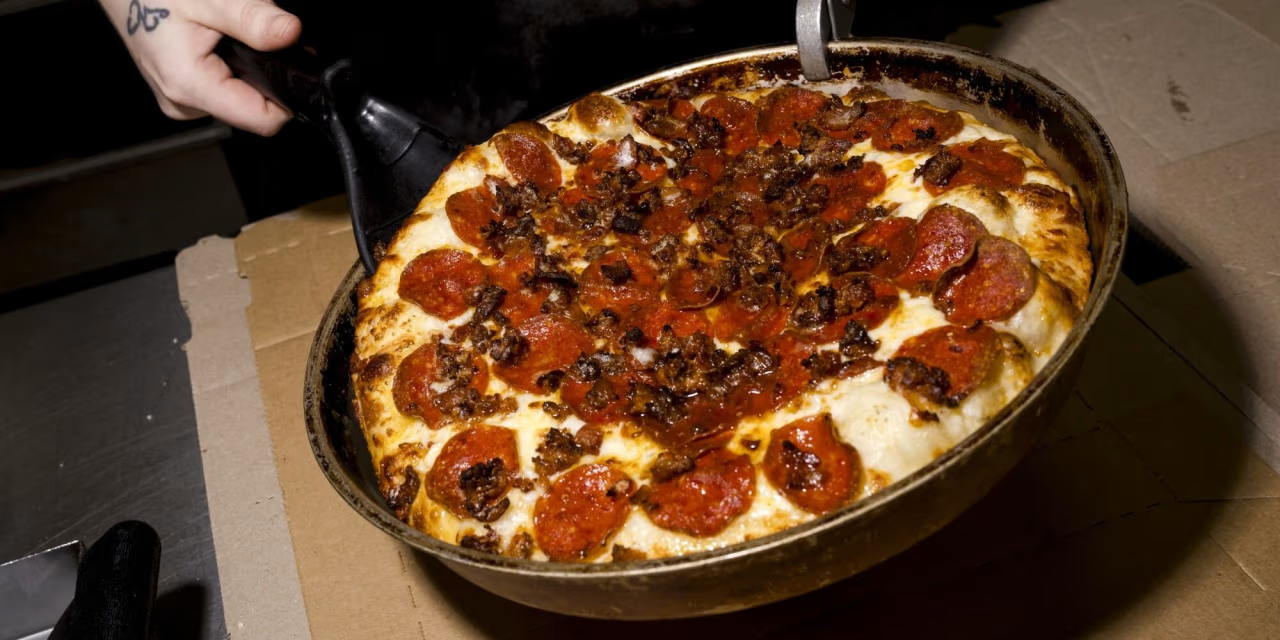
Tanking consumer sentiment, rising gas prices and heightened competition is taking a bite out of Domino’s business.
Domino’s Pizza shares fell 10% Monday after the company revised down its U.S. same-store sales growth estimates for the year. The chain said sales softened, particularly in March. Executives said that U.S. consumer sentiment has fallen to levels last seen at the height of the Covid-19 pandemic, with lower-income shoppers particularly pulling back.
“Believe me, I was not pleased with our results,” CEO Russell Weiner said during an investor call.

Stocks Are Wavering to Kick Off a Busy Week
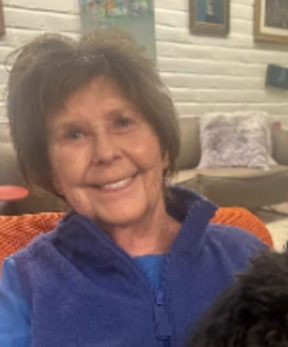
TUCSON, Ariz. — Nancy Guthrie, the 84-year-old mother of NBC “Today” anchor Savannah Guthrie, remained missing Monday on Day 87 of her abduction, with the FBI announcing fresh DNA evidence under analysis while the family issued another emotional plea for information in a case that continues to grip the nation.

Pima County Sheriff Chris Nanos confirmed that new DNA samples recovered from the Catalina Foothills area, including material from gloves and a damaged utility box near the home, are being fast-tracked at a specialized laboratory. Earlier samples had linked to unrelated individuals, but investigators say the latest batch could yield critical breakthroughs.
Blood evidence at the scene, disabled security cameras, and signs of a struggle have led authorities to treat the disappearance as a confirmed abduction with possible ransom motives. Nancy’s essential medications were left behind, raising grave concerns about her health after nearly three months without proper care.
Savannah Guthrie made a heartfelt public appeal Monday. “We just want our mom home safe. Every single day without her is painful,” she said. The family has offered a $1 million reward for information leading to Nancy’s safe return and continues cooperating fully with investigators.
Ransom Demands and Ongoing Hoaxes
Several ransom notes have been received, some demanding large cryptocurrency payments. While the family initially viewed certain communications as potentially legitimate, law enforcement has warned that multiple notes appear to be hoaxes designed to exploit their desperation. One man, Derrick Callella, faces trial for allegedly sending a fake ransom text to Savannah.
Behavioral experts suggest the perpetrator may be prolonging contact even if Nancy is no longer alive — a cruel but documented tactic in long-term kidnapping cases.
Investigation Updates
The FBI has expanded its team, bringing in additional forensic analysts and behavioral profilers. Door-to-door canvassing, drone searches, and coordination with Mexican authorities remain active after several tips pointed south of the border. Tens of thousands of tips have poured in, but officials say credible leads have slowed in recent weeks.
Sheriff Nanos stressed there are still no named suspects or persons of interest. Family members were cleared early. Rumors of arrests circulating online were quickly debunked.
Nancy’s advanced age and medical conditions remain a major concern. Profilers believe the abductor may have underestimated her frailty, which could have led to serious complications.
Family’s Emotional Struggle
Savannah and her siblings have balanced public appeals with private grief. Savannah described the uncertainty as “a special kind of torture” in recent interviews. The family has thanked the Tucson community for its support while asking for continued vigilance.
Local residents have held vigils and helped distribute flyers. Churches Nancy attended have organized prayer chains, and volunteers continue searching nearby areas.
National Attention and Implications
The case has drawn widespread attention due to Savannah’s high-profile role at NBC. It has sparked broader conversations about safety for elderly residents in affluent neighborhoods and the unique challenges of high-visibility investigations. Social media speculation has both helped generate tips and complicated the official probe.
Experts note that as time passes without resolution, the statistical likelihood of a positive outcome decreases, yet authorities continue operating under the assumption Nancy may still be alive. Cutting-edge DNA technology and private lab partnerships are being fully utilized.
What Happens Next
Investigators say they will not rest. The image of the masked suspect seen on early surveillance footage remains a focal point. Anyone with information — even small details about vehicles, strangers, or unusual activity in the Catalina Foothills around Jan. 31 — is urged to contact the Pima County Sheriff’s Office or the FBI immediately.
As Day 87 ends, the Guthrie family clings to hope while preparing for difficult possibilities. Savannah has asked for continued prayers and privacy as they navigate this ordeal, but she remains determined to keep her mother’s face and story in the public eye until Nancy is found.
The abduction of Nancy Guthrie has become far more than a local Tucson story. It stands as a heartbreaking national reminder of how quickly safety can vanish and how devastating the silence of not knowing can be. For now, the search continues, new leads are being pursued, and a family waits for the answer that could finally bring them peace.

Huntington Ingalls: Positioned For The Largest Naval Buildout In Decades
Net interest income for Q4FY26 increased 15% to Rs 945 crore from Rs 823 crore a year ago, reflecting continued expansion in the loan book. Profit before tax rose 20% to Rs 866 crore, indicating improving operating leverage despite a rise in provisions.
Assets under management (AUM) grew 23% to Rs 1,40,706 crore as of March 31, 2026, driven by healthy disbursements and demand across housing finance segments. Loan assets also rose 24% to Rs 1,23,745 crore, while quarterly disbursements increased 23% to Rs 17,506 crore.
Operational efficiency improved during the quarter, with operating expenses as a percentage of net total income declining to 19.2% from 21.8% in the year-ago period. However, loan losses and provisions more than doubled to Rs 55 crore from Rs 26 crore, reflecting a cautious stance amid a growing loan book.
Asset quality remained strong, with gross non-performing assets (GNPA) at 0.27% and net NPA at 0.11%, broadly stable compared to last year. The provision coverage ratio on stage 3 assets stood at 60%, indicating adequate buffers.
For the full year FY26, the lender reported profit after tax of Rs 2,560 crore, up 18% from Rs 2,163 crore in FY25. Net interest income rose 25% to Rs 3,752 crore, while net total income increased 23% to Rs 4,391 crore.
Profit before tax for the year climbed 20% to Rs 3,320 crore, reflecting sustained growth in lending operations. However, provisions rose sharply to Rs 191 crore from Rs 58 crore in the previous year, partly due to prudent provisioning and changes in overlays.Operating efficiency improved at the annual level as well, with the cost-to-income ratio declining to 19.7% from 20.9% in FY25. Return on assets remained stable at around 2.3%, while return on equity stood at about 12%.
The lender maintained a strong capital position, with a capital adequacy ratio of 22.46% as of March-end, supported by high credit ratings of AAA/Stable for long-term borrowings and A1+ for short-term debt.
Overall, Bajaj Housing Finance delivered consistent growth across key metrics, with strong loan expansion, stable margins and controlled asset quality, positioning it well for continued scale-up in the housing finance segment.
(Disclaimer: The recommendations, suggestions, views, and opinions given by the experts are their own. These do not represent the views of The Economic Times.)

Al Pacino Reunites With Ex On 86th Birthday

Tactical time-outs: How could football’s goalkeeper problem be fixed?

GameStop Shares Climb 1.64% as Retail Traders Revive Meme Stock Interest

Manchester United reach agreement with Casemiro over contract clause amid transfer speculation

US brings back mandatory military draft registration

Steven Gerrard disagrees with Gary Neville over ‘shock’ Chelsea and Arsenal claim | Football


-

 Politics7 days ago
Gary Stevenson delivers timely reminder to register to vote as deadline TODAY
-

 Fashion3 days ago
Weekend Open Thread – Corporette.com
-
 Crypto World2 days ago
Hyperliquid $HYPE Rally Builds Momentum as AI Sector Enters Prove-It Phase
-
Crypto World7 days ago
Bank of Hawai’i (BOH) Q1 2026: Net Income Drops to $57.4M as Net Interest Margin Expands
-

 Politics5 days ago
Making troops accountable for war crimes threatens US alliance, ex-SAS colonel warns
-

 Politics5 days ago
Disabled people challenge government SEND proposals over segregation concerns
-

 Business5 days ago
Rolls-Royce Voted UK’s Most Iconic Trade Mark as IPO Register Hits 150
-

 Business4 days ago
Patterson-UTI Energy, Inc. (PTEN) Q1 2026 Earnings Call Transcript
-

 Politics5 days ago
Zack Polanski responds to home secretary’s taser threat
-
 Crypto World6 days ago
Five Value Stocks with Recovery Potential in 2026: PayPal (PYPL), Nike (NKE), and More
-

 Politics5 days ago
Starmer handler McSweeney to be dragged from shadows by Foreign Affairs Committee
-
 Sports1 day ago
IPL 2026: Ruturaj Gaikwad registers slowest fifty of the season, enters all-time unwanted list | Cricket News
-
Politics5 days ago
Wings Over Scotland | How To Get Away With Crimes
-

 Crypto World6 days ago
New York sues Coinbase, Gemini over prediction market offerings
-
 Business5 days ago
HCL Tech share price tank over 9% after weak Q4. JPMorgan, HSBC & 3 others cut target price
-

 Politics5 days ago
‘Iran is still a nuclear threat’
-
Entertainment6 days ago
Sydney Sweeney cameo cut from “The Devil Wears Prada 2”, source explains why (exclusive)
-

 Crypto World6 days ago
Crypto’s great hope in Senate’s Clarity Act still has a path to survive tight calendar
-
 Sports4 days ago
Tim Bradley names the current best in the world: “Better than Inoue and Usyk”
-

 NewsBeat1 day ago
LK Bennett closes all stores after entering administration
You must be logged in to post a comment Login