

Business
Dave Portnoy reveals impact of Bitcoin crash on wealth


Barstool Sports founder and President Dave Portnoy blasted New York City Mayor Zohran Mamdani’s socialist agenda, warning the city is headed in a dangerous direction and saying some progressive politicians ‘hate America.’
Dave Portnoy says his latest Bitcoin investment has become an expensive lesson in timing, with the Barstool Sports founder revealing he is down millions but still has no plans to sell despite the cryptocurrency’s sharp decline.

Dave Portnoy opens up about his costly Bitcoin investment, revealing he’s down millions while explaining why he’s continuing to hold. (Jeff Bottari/Zuffa LLC / Getty Images)
Barstool Sports founder and President Dave Portnoy joined FOX Business’ Stuart Varney on “Varney & Co.” to discuss politics, sports and cryptocurrency, where he acknowledged buying Bitcoin near its recent highs and explained why he is continuing to hold the asset through the downturn.
“Yeah, I got regrets, I bought the thing at $100,000,” Portnoy said. “There’s nothing I’ve been wrong about more than Bitcoin. Every time I sell it, it goes nuclear. Every time I buy it, it tanks.”
Larry Kudlow and Paul Atkins, former SEC chairman, discuss the Trump administration’s pro-cryptocurrency stance. Atkins highlights Trump’s challenge to make the United States a crypto capital, attracting innovators back to the U.S.
Even with the losses piling up, Portnoy said he is staying invested because he believes history has repeatedly worked against him whenever he exits the market. “I’m holding, I’ll hold this thing down to zero,” he said.
“I’m losing millions to it,” he continued, while acknowledging that selling now would likely mean watching it rebound without him.
GOP LAWMAKER UNVEILS BILL TO CODIFY A STRATEGIC BITCOIN RESERVE
Portnoy expanded on his complicated history with Bitcoin during a recent appearance on Anthony Pompliano’s “The Pomp Podcast.” He recalled first buying roughly $2 million worth of Bitcoin when it traded around $11,000 after a conversation with Cameron and Tyler Winklevoss, only to sell almost immediately because he did not understand their long-term thesis. Looking back, Portnoy said the decision proved costly as Bitcoin quickly surged, eventually convincing him to re-enter the market at much higher prices.
‘Making Money’ host Charles Payne highlights the financial media’s consistent predictions of market downturns.
On the podcast, Portnoy said he still struggles to predict the cryptocurrency’s moves despite years of following it closely. “I don’t know what the hell’s going on with it,” he said when discussing where Bitcoin could go next, adding that he intends to keep holding his position even if it continues to fall.
TRUMP FINANCIAL DISCLOSURE REVEALS MORE THAN $1B IN CRYPTO INCOME DURING FIRST YEAR BACK IN OFFICE
Portnoy’s comments underscore the volatility that continues to define the cryptocurrency market, even for high-profile investors who have experienced both significant gains and steep losses.


The Week The AI Trade Broke, And Why The Data Says 'Rotation,' Not 'Recession'

CORSIA requires airlines to offset emissions growth via carbon credits. Southeast Asia could nearly triple its CEEU supply if governments authorize 54 pending projects across Vietnam, Thailand, and Myanmar. However, uneven Article 6 readiness and institutional capacity across ASEAN nations pose challenges to scaling high-quality carbon credit supply for CORSIA compliance.
Key Points
- CORSIA requires airlines to offset CO2 emissions above 85% of 2019 baseline by purchasing carbon credits (CEEUs); Asean supplies ~7% globally, mainly clean cookstoves in Cambodia and Laos, with potential to grow eightfold to 20.8 million units if governments authorize 54 pending projects across Vietnam, Thailand, and Myanmar.
- Boeing-backed report says Asean could strengthen CORSIA by expanding access to high-quality, lower-cost credits, easing rising compliance costs airlines face as credit prices tighten, while channeling climate finance regionally.
- Challenges remain: uneven Article 6 readiness and institutional capacity across Asean states, with governments cautious about overselling credits and jeopardizing their own NDC targets, limiting how quickly new supply can be authorized.
CORSIA’s Emissions Offsetting Mandate
CORSIA aims to keep international aviation’s net emissions flat by requiring airlines to offset any carbon dioxide growth above 85% of 2019 baseline levels. Airlines achieve this by purchasing and cancelling CORSIA-Eligible Emissions Units (CEEUs), each representing one tonne of CO2 reduced or removed elsewhere.
More than 130 countries participate, including seven Southeast Asian nations—Cambodia, Indonesia, Malaysia, the Philippines, Singapore, Thailand, and Vietnam. This creates mandatory demand for verified carbon credits, positioning the compliance market as a critical mechanism for balancing aviation’s growing environmental footprint against measurable climate action elsewhere.
Southeast Asia’s Emerging Supply Potential
Asean could become a major supplier of high-integrity carbon offsets, according to a report backed by Boeing, GenZero, and Abatable. The region already contributes roughly 7% of global CEEU supply, with 2.6 million credits issued from four clean cookstove projects in Cambodia and Laos.
This supply could grow nearly eightfold—to 20.8 million units—if governments swiftly issue Letters of Authorization (LoAs) for 54 additional qualifying projects, including 24 in Vietnam, 11 in Thailand, and 8 in Myanmar. Boeing’s Allison Melia emphasized that clear policy guidance and government-industry collaboration are essential to unlocking this potential, especially as tightening credit markets threaten to raise airlines’ compliance costs by billions of dollars in coming decades.
Institutional Gaps and Article 6 Readiness
Despite this opportunity, CORSIA implementation poses significant challenges for Asean governments. Environment ministries face the risk of “overselling” credits, potentially undermining their own Nationally Determined Contributions (NDCs) if too many units are authorized for export through corresponding adjustments under the Paris Agreement’s Article 6 framework.
Institutional readiness varies widely across the region. Singapore, Indonesia, Thailand, Vietnam, and Cambodia have adopted Article 6 frameworks, while Malaysia’s is still developing. Laos hosts CORSIA-eligible projects without a formal framework, and the Philippines and Singapore have completed a bilateral carbon deal absent a comprehensive rulebook. Brunei, Myanmar, and Timor-Leste remain in early stages, underscoring the need for stronger regional coordination and capacity-building to fully capitalize on CORSIA-driven demand.
Source : Asean poised for US$8.5bn windfall from UN-backed airline carbon scheme
Other People are Reading

Polibeli Group Ltd. shares jumped more than 18% to close at $10.26 Thursday, extending gains as the digital supply chain company advances its strategic expansion into artificial intelligence computing infrastructure, attracting investor interest in the competitive technology sector.
The recent rally reflects growing enthusiasm around Polibeli’s pivot from its core B2B procurement platform to high-growth AI opportunities in Southeast Asia. The company, which listed on Nasdaq earlier this year, has announced several initiatives aimed at capitalizing on regional data center demand.
Polibeli’s core business provides digital supply chain services connecting small and medium-sized retailers with suppliers across Indonesia, Japan and other markets. The company offers procurement, logistics, warehousing and digital marketing solutions while dealing in consumer electronics, household goods and beauty products.
Recent strategic moves have shifted focus toward AI infrastructure. In June, Polibeli launched a review of opportunities in AI computing services, citing the global technology trend and its regional presence as key advantages for potential projects.
The company signed a non-binding memorandum of understanding to explore development of a large-scale AI computing center in Thailand, marking a concrete step toward infrastructure ambitions. While early-stage, the initiative signals commitment to diversification beyond traditional supply chain operations.
Leadership and Operational Updates
Polibeli has undergone leadership transitions in recent months, appointing Meijun Liang as chief financial officer following the resignation of a previous executive. Such changes often accompany strategic refocus in small public companies seeking to execute ambitious growth plans.
The company reported full-year 2025 financial results showing revenue of approximately $26.42 million with ongoing losses typical of growth-stage firms investing in platform development and new initiatives. Management has emphasized long-term value creation through technology expansion.
As a newly public entity, Polibeli is navigating reporting requirements and market expectations while building its AI strategy. The Nasdaq listing provides access to capital markets essential for funding infrastructure projects that require substantial investment.
AI Infrastructure Opportunity in Southeast Asia
Southeast Asia has emerged as an attractive region for data center development due to improving infrastructure, government incentives and growing digital economy demands. Countries including Thailand, Indonesia and Malaysia are actively courting technology investments.
Polibeli’s existing customer networks and regional expertise provide potential advantages in identifying and executing AI-related projects. The company aims to complement its supply chain operations with computing infrastructure services targeting enterprise clients.
Competition in the data center space is intensifying, with major players and regional operators vying for market share. Success will depend on securing partnerships, financing and technical capabilities to compete effectively.
Analysts note that while AI infrastructure offers substantial growth potential, execution risks remain high for smaller companies entering the capital-intensive sector. Polibeli’s track record in logistics and digital platforms may provide operational synergies.
Market Reaction and Volatility
The stock’s strong performance Thursday reflects momentum trading and positive sentiment around AI themes. Trading volume was elevated as retail and institutional investors repositioned around the company’s strategic announcements.
Polibeli shares have shown significant volatility since listing, typical of small-cap technology companies with evolving business models. The recent surge has pushed the market capitalization into mid-cap territory, though valuation metrics remain elevated given current financials.
Investors are betting on successful execution of the AI pivot while acknowledging near-term challenges including integration costs and competition. Short-term price action may continue reflecting news flow and market sentiment.
Broader Context for Small-Cap Tech Stocks
Small technology companies pursuing AI opportunities have captured significant investor attention amid broader sector enthusiasm. SPAC mergers and direct listings have provided pathways to public markets for many emerging firms.
Polibeli’s transition demonstrates how established regional businesses can reposition for growth in high-potential technologies. Similar stories have played out across various sectors as companies seek to capitalize on artificial intelligence trends.
Regulatory considerations for data centers include energy consumption, environmental impact and data sovereignty requirements. Southeast Asian governments are balancing development incentives with sustainability goals.
The company’s cosmetic and wellness products, including milk-derived exosome essences and plant extracts, provide some revenue diversification while research services in cell technologies support longer-term innovation.
Outlook and Strategic Priorities
Management has outlined plans to leverage existing strengths in technology and regional presence to build AI capabilities. Capital raised through the public listing will support project development and potential acquisitions.
Upcoming financial reports will provide updates on integration progress and early AI initiative performance. Investors will scrutinize cash burn rates, partnership announcements and regulatory milestones.
The biotechnology and regenerative medicine aspects of Polibeli’s portfolio, including research into armed T-cells and exosomes, offer additional growth avenues complementing the AI infrastructure focus.
As a Cayman Islands holding company with operations in Taiwan and Southeast Asia, Polibeli navigates cross-border regulatory environments. Compliance with Nasdaq listing standards and U.S. reporting requirements adds operational complexity.
Long-term success will depend on translating strategic vision into revenue-generating projects while managing execution risks inherent in capital-intensive technology deployments. The company’s diversified approach may provide resilience across economic cycles.
Polibeli’s Nasdaq performance highlights continued market appetite for innovative technology stories in emerging markets. As the company advances its initiatives, stakeholder attention will focus on milestones demonstrating progress toward sustainable growth and profitability.

Andy Burnham, the man expected to walk into Downing Street later this month, has told business owners there is “some room” for movement on tax, signalling a rebalancing of the business rates system away from the high street and towards the vast warehouses of the online giants.
In his first broadcast interview since launching his bid to become prime minister, the newly elected Makerfield MP told LBC’s Andrew Marr that pubs, clubs and music venues would receive a 20 per cent cut in business rates under his plans, while smaller independent hospitality, leisure and retail firms would see the threshold for paying rates raised for the first time since 2017.
The cost, he said, would be met by higher levies on the giant distribution sheds operated by online retailers such as Amazon, alongside measures targeting the owners of empty high street properties, a formula that will be welcomed by the three pubs and restaurants closing every day under the weight of rising costs and tax increases.
Crucially for firms planning ahead of the autumn Budget, Burnham insisted he would honour Labour’s 2024 manifesto pledges not to raise VAT, income tax or national insurance. “I stick by the manifesto and the promises that it made,” he said. “So, let me be absolutely clear about that, but there is some room within that manifesto for movement on tax.”
The intervention comes at a delicate moment for the sector. From April 2026, the government replaced retail, hospitality and leisure relief with permanently lower business rates multipliers for qualifying properties, yet UKHospitality has warned that the 2026 revaluation still leaves many operators facing sharply higher bills. Any further relief funded by warehouse levies would mark a significant redistribution of the tax burden.
Burnham was also at pains to shore up his economic credibility, an issue that matters to the eight in ten SME owners who say they fear what a Burnham premiership would mean for their business. He has previously drawn criticism for suggesting the UK had “got to get beyond this thing of being in hock to the bond markets”, and some on the left of the Labour Party want borrowing rules relaxed to fund higher public spending.
Pressed on the point, Burnham insisted he would not be “indisciplined” with the public finances, pointing to Greater Manchester’s “rock solid” books during his time as mayor and his earlier stint as a Treasury minister in the last Labour government.
The bigger fiscal headache awaiting him is defence. Sir Keir Starmer this week announced a £15bn increase in defence spending without fully explaining where the money would come from, leaving whoever Burnham appoints as chancellor to find at least £4.7bn in savings from other departments at their first Budget this autumn.
“I wasn’t in all of the discussions, but to be fair, the government had had an internal process ongoing,” Burnham said. “What I can say to you tonight is I will take my responsibilities fully to fund the defence investment plan, if I am in the position to do so.”
Conservative leader Kemi Badenoch has accused Sir Keir of “leaving this mess to his successor” and argued the shortfall should be bridged by cutting the welfare bill rather than new taxes. Burnham, for his part, ruled out “crude cuts to benefit levels that just put people who are struggling in even worse poverty”, saying he would instead reduce the benefits bill through better technical education, work placements for 16 year olds and mental health support for those in work.
Burnham remains the only candidate to replace Sir Keir as Labour leader and is expected to become prime minister on 20 July. He has yet to name his chancellor, amid speculation the role could go to Ed Miliband, and his backing among parts of the sector is already building, with the night time industries body throwing its weight behind his push for a hospitality VAT cut.
For SME owners, the message from the presumptive prime minister is a familiar political balancing act: no movement on the big three taxes, but a clear signal that the way business property is taxed is about to change, with the high street the intended winner and the warehouse the intended payer.
Check out what’s clicking on FoxBusiness.com.
As Americans gear up to celebrate America’s 250th birthday, many major retailers and restaurants will stay open, close or operate with reduced hours on July 4.
Big-box and grocery stores, including Sam’s Club and Kroger, and several restaurants, including Olive Garden and Taco Bell, will stay open on the holiday. Other chains, including McDonald’s and Whole Foods, will remain open with adjusted operating hours.
Take a look at which major U.S. retailers will stay open for last-minute shopping runs, and which ones will stay closed:
BELOVED PIZZA CHAIN TURNS AMERICA’S 250TH BIRTHDAY INTO SUMMER-LONG CELEBRATION
Costco
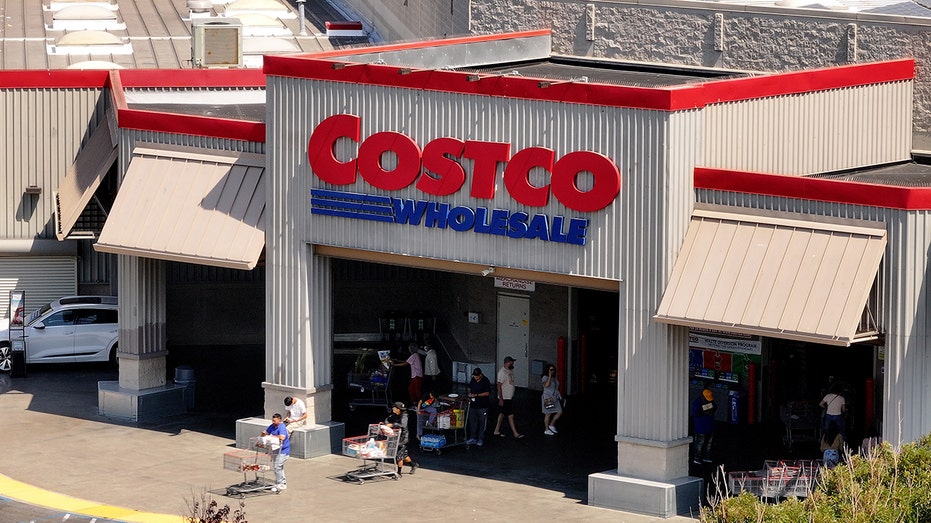
The iconic warehouse chain will close on July 4. (Justin Sullivan/Getty Images)
The warehouse chain will be closed for the July 4 holiday, according to their official website.
Target
Target stores are open during regular hours, but customers are encouraged to check with their local store to confirm hours, the company said in a statement.
Walmart
Walmart stores are open with normal operating hours, the company told FOX Business.
Kroger
Kroger stores will be open, but pharmacy and clinic hours may vary, according to the chain’s website.
Sam’s Club
The Costco competitor, Sam’s Club, will be open with normal operating hours, a spokesperson told FOX Business.
Whole Foods
Whole Foods will be open but close early, according to a statement provided to FOX Business.
“On July 4th, most Whole Foods Market stores will open at their regular time and close early, at 6:00 p.m., with a few exceptions,” the statement read.
Trader Joe’s
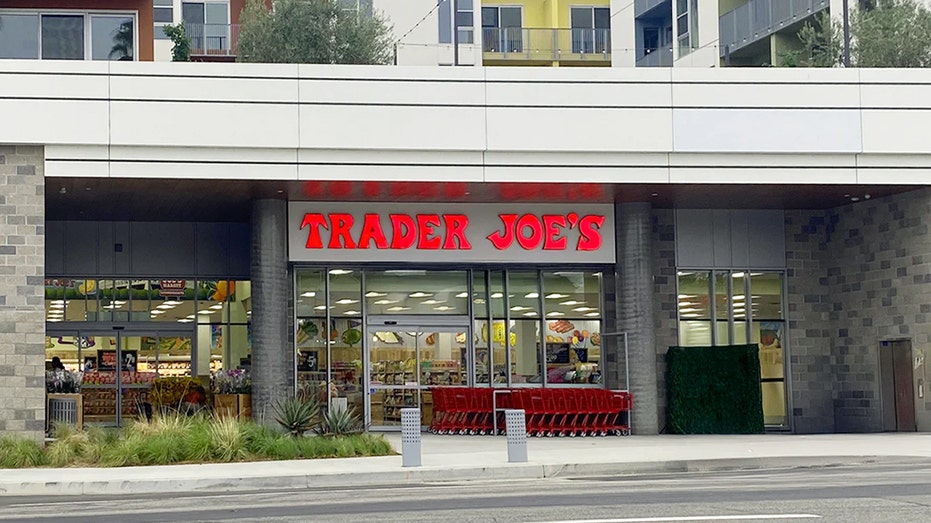
Trader Joe’s stores will remain open until 5 p.m. local time on July 4. (Trader Joe’s)
All Trader Joe’s locations will be open until 5 p.m. local time, according to the company’s website.
Dollar General
Dollar General will be open during their regular hours, which may vary by location, the company said in a statement.
Kohl’s
All Kohl’s stores will be open from 9 a.m. until 7 p.m. local time, but store hours may vary by location, according to a statement provided by the company.
Macy’s
Macy’s stores will remain open on July 3 and 4, but hours may vary by location, according to a statement provided by the company.
Home Depot
Home Depot will be open and close at 8 p.m. local time, according to the company’s website.
CVS

CVS, a partner of America250, will be open. (Zak Bennett/Bloomberg via Getty Images / Getty Images)
CVS locations will be open, though some locations will operate at reduced hours, according to the company’s website.
CVS is also partnering with America250 to play a role during celebrations in major cities like New York, Los Angeles and Boston, while maintaining a presence during parades and block parties in smaller markets.
Walgreens
Walgreens stores will operate under their regular business hours, according to a statement on the company’s website.
“Unlike previous years – when stores remained open, but most pharmacies were closed – Walgreens will keep more than 4,000 pharmacy locations open,” the company said. “This expanded availability enhances timely access to prescriptions, over-the-counter treatments, and onsite pharmacist support when patients need it most.”
Burger King
Burger King hours will vary by franchise location, according to a statement provided to FOX Business. The company encourages guests to confirm their location’s hours in person, online or through the Burger King app.
Chick-fil-A
U.S. Chick-fil-A restaurants are open on July 4, according to the company’s official website.
Chipotle
Most U.S. Chipotle locations will close at 3 p.m. local time, according to a statement provided to FOX Business.
MCDONALD’S BRINGING BACK FRIED APPLE PIE TO CELEBRATE AMERICA’S 250TH BIRTHDAY
Dunkin’
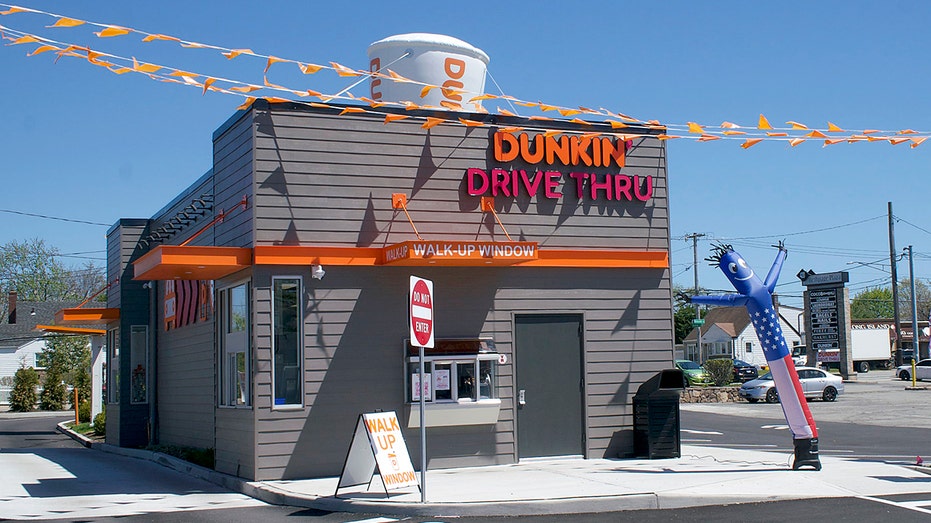
Dunkin’ will be open on normal operating hours. (Drew Singh/Newsday RM via Getty Images / Getty Images)
Dunkin’ will keep America running on the 4th as stores will be open during normal operating hours, according to a statement the coffee chain provided to FOX Business.
KFC
KFC encourages customers to check with their local locations for updated hours, according to a KFC spokesperson.
McDonald’s
Most McDonald’s locations are open on U.S. holidays, but hours may vary by location, according to a statement provided to FOX Business.
Popeyes
Popeyes locations are expected to be open, the company told FOX Business.
“Since restaurant hours are set at the local level, guests should check the Popeyes Restaurant Locator at Popeyes.com or their preferred delivery platform for the most up-to-date hours before visiting,” Popeyes said.
Starbucks
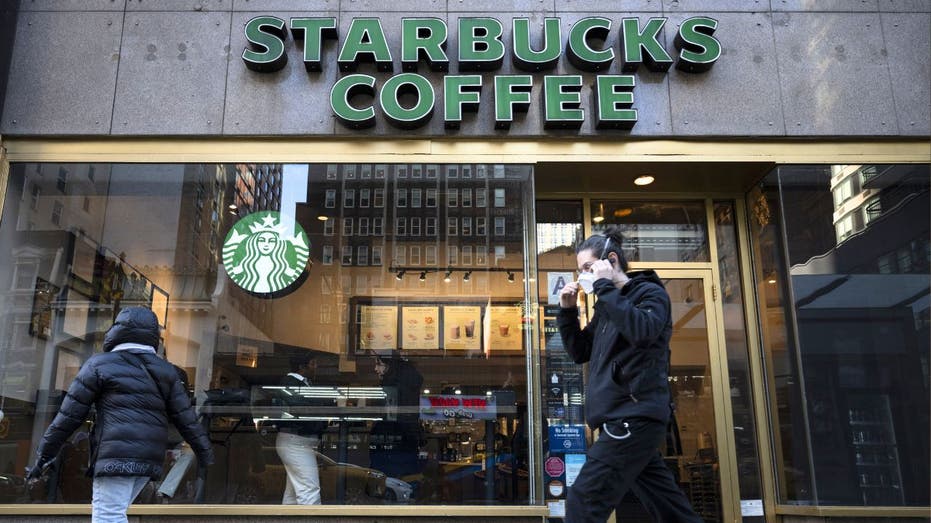
Starbucks hours may vary by location. (Mostafa Bassim/Anadolu via Getty Images)
Starbucks hours may vary by location, and the coffeehouse chain encourages customers to check with their local store for updated hours, a spokesperson for the company said.
“Coffeehouse hours vary by location, and they may occasionally adjust their hours based on business and customer needs,” the statement said. “The Starbucks app continues to be the best way for customers to find a coffeehouse, check hours, order ahead and pay.”
Taco Bell
Taco Bell will remain open on the Fourth of July, according to the company’s website.
Wendy’s
Many Wendy’s locations will be open, but the company encourages customers to check with their local restaurant as hours may vary by location, according to a statement provided by the company.
Applebee’s
Some Applebee’s locations will be open, though customers are encouraged to check with their local franchise for hours, the company said in a statement to FOX Business.
“Select Applebee’s restaurants nationwide will be open on July 4th, although hours may vary. Please contact your local Applebee’s for specific information on holiday hours as each restaurant is independently owned and operated and hours vary by location,” the company’s statement read.
GET FOX BUSINESS ON THE GO BY CLICKING HERE
Olive Garden
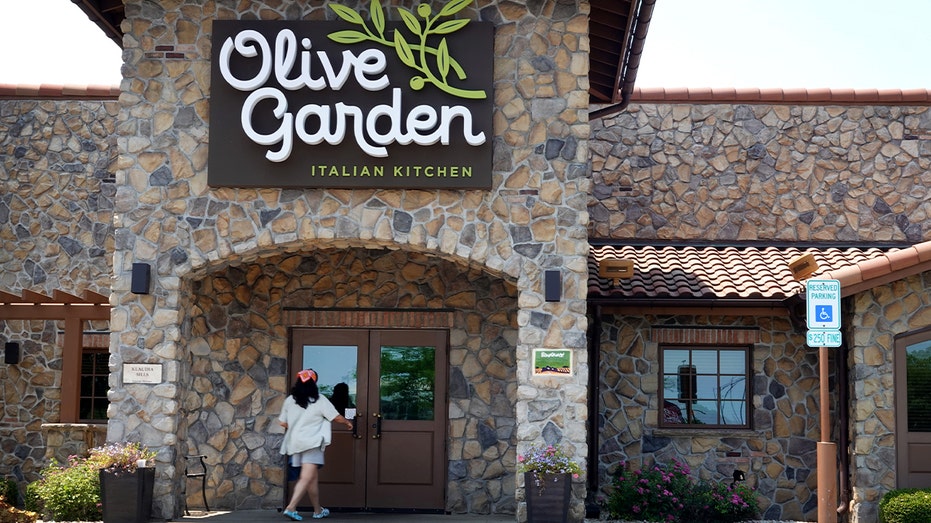
Olive Garden restaurants will remain open. (Scott Olson/Getty Images / Getty Images)
Olive Garden restaurants will be fully open with no change in operating hours, a spokesperson for the chain’s parent company, Darden, said in a statement.
FedEx
FedEx locations will be closed on July 4, according to the company’s website.
UPS
UPS locations will be closed on July 4, according to the company’s website.
USPS
USPS locations will be closed on July 4, according to the official Postal Service website.


NATO leaders to gather in Ankara, aiming to smooth over tensions with Trump
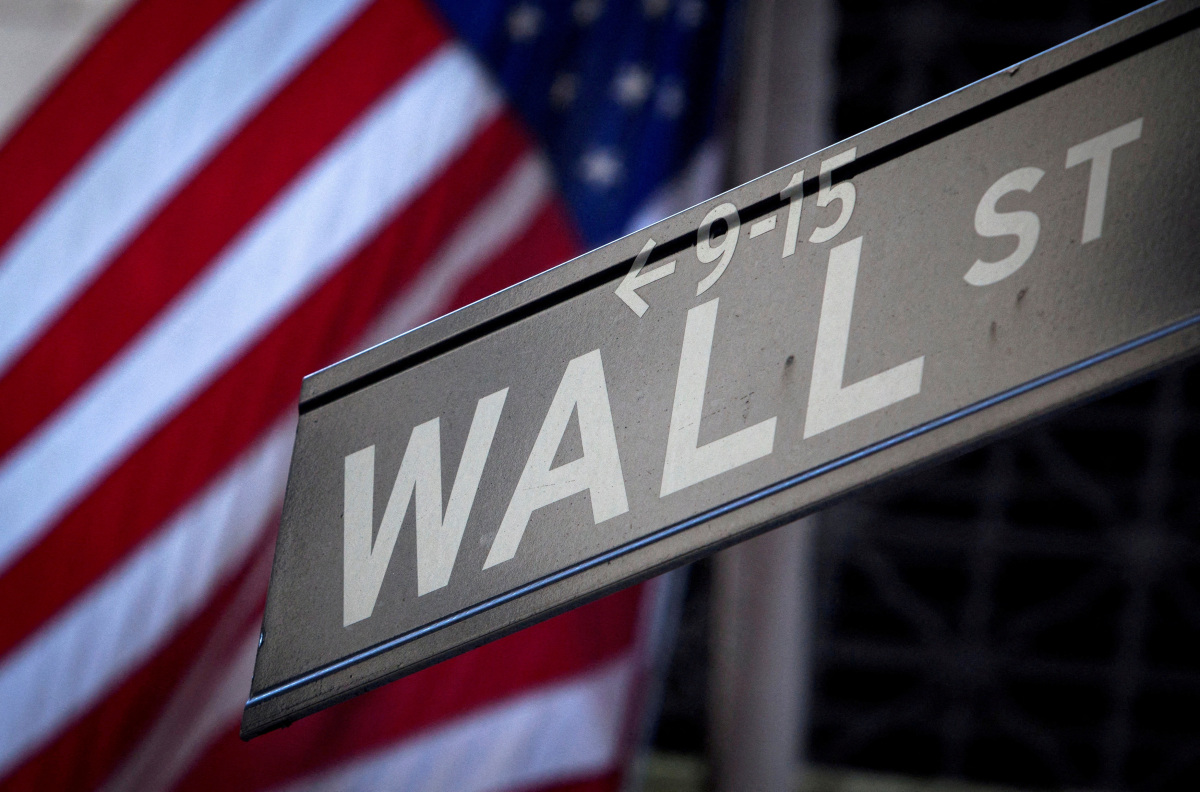
U.S. stock markets will be closed Friday in observance of the Independence Day holiday, with major exchanges including the New York Stock Exchange and Nasdaq shutting down for the long weekend as Americans prepare for celebrations.
The federal holiday falls on Saturday, July 4, prompting financial markets and many government offices to observe the closure on the preceding Friday. Trading will resume Monday, July 6, with investors returning to action after the extended break.
The New York Stock Exchange, Nasdaq and other major U.S. equity markets confirmed the holiday closure, joining bond markets and commodity exchanges in observing the day. Bond trading, futures markets and some alternative trading venues may operate with limited hours or remain closed.
Banks across the country are expected to follow the federal schedule, with most branches closed for regular business. ATM access, online banking and mobile services will remain available for customers, though in-person transactions and customer support at physical locations will be limited.
Government offices, including federal courts, post offices and many state agencies, will be closed Friday. Essential services such as emergency response and border security will continue operating normally.
Retail and Consumer Impact
Major retailers are taking varied approaches to balance holiday staffing with customer demand. Walmart, Target and other big-box stores plan to maintain regular or extended hours to accommodate shoppers stocking up for weekend barbecues and gatherings.
Grocery chains including Publix, Kroger and regional operators will operate on modified schedules in many locations, with earlier closing times to allow employees time with family. Customers are advised to check specific store hours through retailer apps or websites.
Costco warehouses are expected to remain open according to standard Friday schedules in most regions, though some locations may adjust food court and other services. Membership retailers typically prioritize consistency for their customer base during holidays.
Convenience stores, gas stations and pharmacies will largely remain open to serve travelers and last-minute needs. Many national chains plan extended hours or 24-hour operations where applicable to support holiday traffic.
E-commerce platforms including Amazon will process orders throughout the weekend, though delivery times may be affected by reduced staffing at fulfillment centers and carrier services. Same-day options could be limited in some areas.
Travel and Holiday Preparations
Travel volumes are expected to reach near-record levels as Americans take advantage of the long weekend. AAA forecasts millions of trips by car, plane and other modes, with gas prices and airport congestion under close watch.
Roadside restaurants, service stations and rest areas will operate to support highway travelers. National parks and recreational destinations anticipate heavy visitation, with some implementing reservation systems or capacity limits.
Fireworks displays, parades and community events are scheduled nationwide, with local authorities reminding residents of safety guidelines for personal fireworks use. Many municipalities have adjusted public transit schedules to accommodate event attendees.
Airlines have added capacity for holiday travel, though some flights may experience delays due to weather or staffing. Travelers are encouraged to check flight status and arrive earlier than usual at airports.
Financial and Economic Considerations
The market closure provides a brief pause for investors following recent volatility in technology and growth stocks. Major indices have shown mixed performance amid concerns over inflation, interest rates and corporate earnings.
Bond markets will also be closed, affecting trading in Treasury securities and corporate debt. Economic data releases scheduled for Friday have been adjusted or postponed to earlier in the week.
For businesses and individuals with time-sensitive financial needs, planning ahead is essential. Bill payments, transfers and other transactions can be handled through online platforms, which generally operate normally.
The holiday weekend traditionally boosts consumer spending on travel, food, beverages and recreational goods. Retail sales data for June will be closely watched when released later in the month for indications of economic health heading into the second half of the year.
Public Services and Safety
Emergency services including police, fire and medical response will operate at full capacity throughout the holiday period. Hospitals and urgent care facilities will maintain normal staffing for patient needs.
Public transportation systems in major metropolitan areas will run on holiday or weekend schedules, with potential reductions in frequency during off-peak hours. Commuters should check local transit authority websites for specific information.
National weather service forecasters are monitoring conditions that could impact outdoor celebrations, with heat advisories and thunderstorm risks possible in various regions. Officials urge caution with fireworks and outdoor cooking.
Parks departments and beach authorities are preparing for increased visitation, with additional staffing and safety measures in place. Visitors are reminded to follow posted rules and practice environmental stewardship.
Historical Context and Traditions
Independence Day commemorates the adoption of the Declaration of Independence in 1776, marking the birth of the United States. Celebrations typically include fireworks, parades, barbecues and family gatherings across the country.
The long weekend provides an opportunity for Americans to reflect on national history while enjoying time with loved ones. Travel and retail activity reflect the economic importance of holiday periods in the consumer-driven economy.
As markets close and many businesses adjust operations, digital services help maintain continuity for essential functions. Online shopping, banking and entertainment options ensure most daily needs can still be met.
The July 4 holiday serves as both a celebration of American independence and a practical reminder of the systems supporting modern life. Whether traveling, shopping or relaxing at home, millions will mark the occasion in traditional and contemporary ways.

Bitcoin traded modestly higher near $61,772 Thursday, consolidating after recent volatility as investors assessed mixed signals from institutional flows and broader cryptocurrency market sentiment heading into the second half of 2026.
The world’s largest digital asset has experienced significant price swings this year, pulling back from earlier highs above $90,000 before finding support in the low $60,000 range. Thursday’s modest gains reflected cautious optimism amid ongoing developments in regulatory frameworks and institutional adoption.
Spot Bitcoin exchange-traded funds have seen substantial activity throughout 2026, with periods of strong inflows followed by notable outflows. BlackRock’s iShares Bitcoin Trust and other major funds have accumulated billions in assets since their launch, marking a structural shift toward greater institutional participation in cryptocurrency markets.
The mixed ETF flow data highlights the evolving relationship between traditional finance and digital assets. While some institutional investors have increased allocations, others have reduced exposure amid concerns over valuation and regulatory uncertainty.
Post-Halving Market Dynamics
The April 2024 halving event, which reduced the reward for Bitcoin miners by half, continues influencing supply dynamics. Although the impact has been more muted than in previous cycles due to larger overall market capitalization, the event remains a key reference point for long-term investors.
Bitcoin’s price action in 2026 has shown reduced adherence to strict four-year cycle patterns, with macroeconomic factors, regulatory developments and ETF mechanics playing larger roles. After reaching peaks above $90,000 earlier in the year, the asset has traded in a broader range as market participants assess sustainable support levels.
Technical analysts have identified key support zones near $58,000, with recent trading activity testing these areas. A sustained move above major resistance levels could signal renewed bullish momentum, while failure to hold supports might invite additional selling pressure.
Institutional and Corporate Adoption Trends
Corporate treasuries have increasingly incorporated Bitcoin as a reserve asset, with companies like MicroStrategy maintaining significant holdings. This behavior adds a layer of demand less sensitive to short-term price fluctuations and provides validation for Bitcoin’s role in diversified portfolios.
Spot Bitcoin ETFs have facilitated easier access for traditional investors, contributing to mainstream acceptance. The products have accumulated substantial assets, though periodic outflows demonstrate sensitivity to market conditions and competing investment opportunities.
Institutional interest extends beyond ETFs to direct holdings and infrastructure investments. Mining companies, custody providers and payment processors continue expanding services to meet growing demand from both retail and institutional clients.
Regulatory and Macroeconomic Influences
The regulatory environment for cryptocurrencies has continued evolving, with clearer frameworks emerging in some jurisdictions while others maintain cautionary approaches. U.S. policy developments, including potential changes in taxation and oversight, remain influential factors for market sentiment.
Broader macroeconomic conditions, including interest rate expectations and inflation trends, have affected risk assets including Bitcoin. The cryptocurrency’s correlation with technology stocks and growth-oriented investments has increased, tying its performance more closely to traditional markets during certain periods.
Geopolitical developments and global liquidity conditions also impact Bitcoin’s price movements. As central banks navigate monetary policy decisions, Bitcoin’s narrative as a hedge against fiat currency debasement continues resonating with some long-term holders.
Technical Outlook and Market Sentiment
Bitcoin’s price has demonstrated resilience, finding support during recent corrections and showing signs of stabilization. Trading volume and open interest metrics provide mixed signals, with some indicators suggesting capitulation among weaker hands and positioning for potential recovery.
Options markets reflect heightened uncertainty, pricing in possibilities of both sharp declines and rallies. Volatility remains elevated compared to traditional assets, consistent with Bitcoin’s historical profile as a high-beta investment.
Analysts offer divergent forecasts for the remainder of 2026. Conservative estimates project consolidation or modest gains, while bullish projections point toward new highs driven by institutional adoption and scarcity dynamics. Average predictions often cluster in the $70,000 to $100,000 range by year-end.
Short-term traders focus on immediate technical levels, while long-term investors emphasize network fundamentals including hash rate, active addresses and developer activity. Bitcoin’s underlying blockchain has maintained high security and operational reliability, reinforcing confidence in its decentralized architecture.
Adoption Trends and Ecosystem Development
Beyond price speculation, Bitcoin’s utility and adoption metrics continue expanding. The Lightning Network has seen growth in transaction capacity and use cases for faster, lower-cost payments. Institutional custody solutions and payment integrations have matured, facilitating greater real-world application.
The broader cryptocurrency ecosystem, including decentralized finance protocols and related technologies, adds to overall sector momentum. While Bitcoin primarily functions as a store of value, its dominance influences market sentiment and capital flows across digital assets.
Environmental considerations around Bitcoin mining have prompted shifts toward sustainable energy sources. Many mining operations report increased use of renewables, addressing previous criticism and aligning with broader environmental, social and governance trends among investors.
Challenges persist, including scalability debates, regulatory uncertainty and competition from alternative cryptocurrencies. Bitcoin’s first-mover advantage and network effects have helped maintain its position as the leading digital asset by market capitalization.
Investor Sentiment and Risk Considerations
Sentiment indicators have fluctuated between fear and optimism, with social media discussion often amplifying price movements. Search trends and community engagement provide additional context for market psychology.
Risks for Bitcoin investors include sharp drawdowns, regulatory actions, technological disruptions and macroeconomic shocks. Diversification, long investment horizons and risk management strategies remain standard recommendations from market participants.
Despite volatility, Bitcoin has delivered substantial returns over multi-year periods for early adopters. Its fixed supply cap of 21 million coins underpins scarcity arguments, particularly as more coins become effectively lost or illiquid over time.
As global adoption grows, with more institutions and countries exploring digital assets, Bitcoin’s role in the financial system continues evolving. Central bank digital currencies and blockchain initiatives by traditional finance players may either complement or compete with decentralized alternatives.
Thursday’s price action comes as markets digest recent economic data and anticipate corporate earnings that could influence risk appetite. With Bitcoin’s correlation to equities remaining relevant, positive developments in technology and growth sectors may provide additional support.
Longer-term, the interplay between supply dynamics, institutional demand and technological maturation will shape Bitcoin’s trajectory. While short-term trading remains unpredictable, the asset’s underlying properties continue attracting dedicated holders who view it as a transformative innovation in money and finance.

Attorney General Tony Buti has travelled to South Australia for meetings with the chiefs of merged universities, ahead of a potential decision about amalgamating WA institutions.


The bites are the brand’s first single-serve snack.

Samsung distances itself from OUSD stablecoin founding consortium

Seth Rogen Reveals Reason Anne Hathaway Quit ‘Knocked Up’
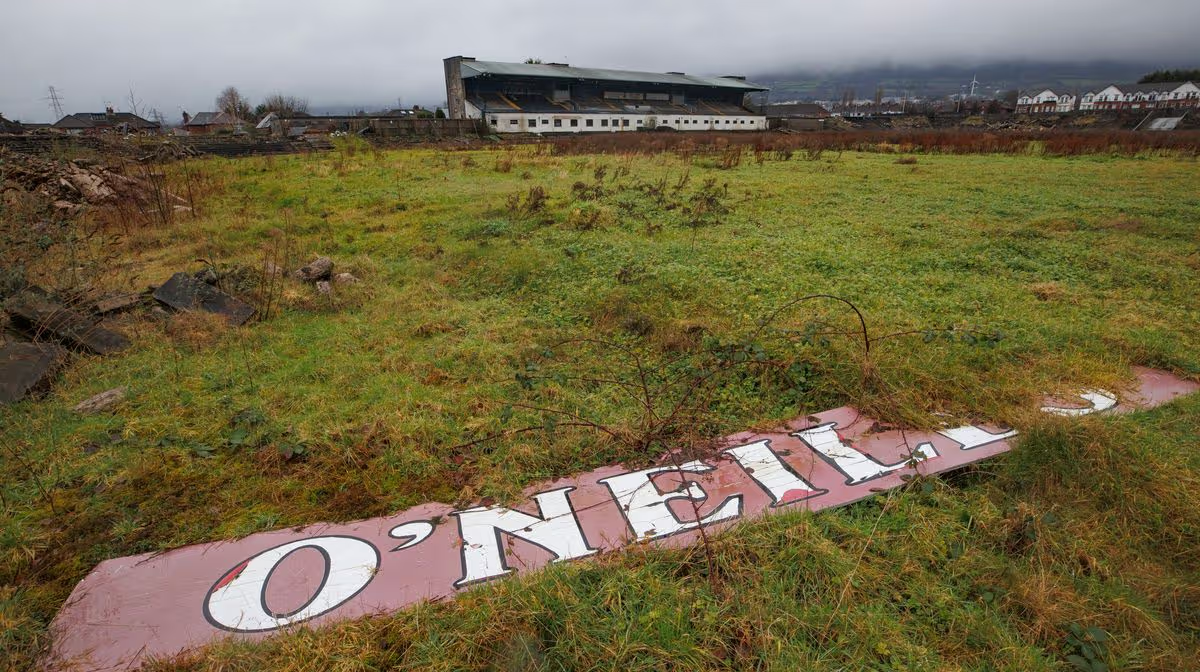
Casement Park capacity reduced to nearer 15k as GAA forced to scale back plans


-

 Fashion7 days ago
Weekend Open Thread: Staud – Corporette.com
-

 Crypto World4 days ago
Strategy authorizes up to $1.25B in Bitcoin sales under new capital plan
-

 Tech6 days ago
Claude Code turned every engineer into three. Now companies need more product thinkers
-

 News Videos5 days ago
MAJOR BITCOIN & MARKET UPDATE!!!! (MUST WATCH ASAP!!!)
-

 Politics4 hours ago
The House | “Reframing the debate from a binary discussion of winners and losers”: Yuan Yang reviews ‘We Are Not Machines’
-

 Tech4 days ago
Anonymous researcher drops 0-day ‘exploitarium’ repo
-

 Crypto World6 days ago
Coinbase, Circle Deepen Crypto Stock Losses Despite Resilient S&P 500
-

 Business4 days ago
Australia treasurer says alleged access of prime minister’s bank data ’incredibly concerning’
-

 Crypto World6 days ago
Kraken's xStocks Opens Bending Spoons IPO Registration to EEA Retail
-

 Sports7 days ago
FIH Pro League: India defeat Pakistan 7-1, register biggest win of campaign | Other Sports News
-

 Tech6 days ago
Bluekit phishing kit adopts browser-in-the-middle for login theft
-

 Tech6 days ago
Russian hackers now target Signal backup recovery keys
-

 Crypto World7 days ago
RTX holders must register wallets before token distribution begins
-
 Business4 days ago
The AI boom won’t burst all at once. It will pop in ‘rolling bubbles’: Macquarie
-

 Sports2 days ago
Broncos roster: OL Ben Powers (No. 74) entering final year of contract
-

 Tech6 days ago
Silicon Valley paid to kill AI regulation, now it wants the rules back
-

 NewsBeat3 days ago
Presenter Caroline Flack’s brother Paul Flack dies aged 55
-

 Crypto World1 day ago
Binance stock trading tops $1B in first month after launch
-
 NewsBeat1 day ago
New exhibition reflects five decades of movement between island of Ireland and GB
-

 Tech6 days ago
OpenAI mulls delaying IPO over valuation concerns
You must be logged in to post a comment Login