
Business
Dividend rush! Buy these 5 Adani stocks, 4 Tata Group stocks today to lap up payout rewards


Only those shareholders who own the shares of the companies in their demat accounts as of Friday will be eligible to receive the bonus shares. Due to SEBI’s T+1 settlement norm, investors must buy a company’s shares at least one trading day before the record date to ensure they are credited to their demat accounts by that date and thus be eligible for the corporate action. This effectively makes today the last date for investors to buy the shares to be eligible for the dividends.
Adani Group stocks turning ex-record date for dividends tomorrow
ACC, Adani Enterprises, Adani Ports and Special Economic Zone (APSEZ), Adani Total Gas, and Ambuja Cements are the five Adani Group companies that have fixed June 12 as the record date for their respective dividends.
ACC late in April had announced a dividend of Rs 7.5 per share with a face value of Rs 10 each for the financial year 2026. APSEZ will also pay a dividend of Rs 7.5 per share. Shares of Adani Group’s flagship company, Adani Enterprises, meanwhile, are set to turn ex-record date to a dividend of Rs 1.3 per share tomorrow.
Ambuja Cements and Adani Total Gas will pay dividends of Rs 2 per share and Rs 0.25 per share, respectively.
Tata Group stocks turning ex-record date for dividends tomorrow
Tata Motors, Tata Steel, Trent, and Voltas from the Tata Group also have fixed June 12 as the record date for their respective dividends, making today effectively the last day for investors to buy the stocks to be eligible for the payment.
Tata Motors, Tata Steel, and Voltas will each pay dividends worth Rs 4 per share, while Zudio and Westside-parent Trent will pay a dividend of Rs 6 per share. This comes after Trent shares turned ex-record date last week for its first-ever 1:2 bonus issue, causing the stock price to appear nearly 34% lower due to the adjustment.

Also read: Here’s how Trent’s bonus math works
Apart from the companies part of the two conglomerates, several other firms also have fixed June 12 as the record date for their dividends. Some of the notable names among them include Canara Bank (Rs 4.2 per share), ICICI Prudential Asset Management Company (Rs 12.4 per share), JM Financial (Rs 1.75 per share), Piramal Finance (Rs 11 per share), and Punjab National Bank (Rs 3 per share).Also read: Infosys, Adani Enterprises, Trent among 44 stocks going ex-date this week. Do you own any?
(Disclaimer: Recommendations, suggestions, views and opinions given by the experts are their own. These do not represent the views of The Economic Times)


Lloyds profit tops estimates as bank unveils new growth plan through 2030

Operator
Ladies and gentlemen, thank you for standing by. Welcome to Pulmonx’ Second Quarter 2026 Earnings Conference Call. [Operator Instructions] Please be advised that today’s conference is being recorded. I would like now to turn the call over to Webb Campbell, Investor Relations. Please go ahead.
Webb Campbell
Gilmartin Group LLC
Good afternoon, and thank you for joining today’s call. Joining me from Pulmonx are Glen French, President and Chief Executive Officer; and Derrick Sung, Chief Operating Officer and Chief Financial Officer. Earlier today, Pulmonx issued a press release announcing its financial results for the quarter-ended June 30, 2026. A copy of the press release is available on the Pulmonx website.
Before we begin, I’d like to remind you that management will make statements during this call that include forward-looking statements within the meaning of federal securities laws, which are made pursuant to the safe harbor provisions of the Private Securities Litigation Reform Act of 1995. Any statements contained in this call that relate to expectations or predictions of future events, results or performance are forward-looking statements.
All forward-looking statements, including, without limitations, those related to our operating trends, commercial strategies and future financial performance including long-term outlook and full year 2026 guidance, the timing and results of clinical trials, physician engagement, expense management, market opportunity, guidance for revenue, gross margin, operating expense, cash usage, commercial expansion and product demand, adoption and pipeline development are based upon our current estimates and various

As oil prices surged, treasury yields took notice, raising inflation worries in the market. Traders are keeping a watchful eye on the Federal Reserve’s expected decision to maintain interest rates today. Nonetheless, traders are fully anticipating a hike in September, with a solid possibility of another increase before the year’s end.
SBI chairman C S Setty, said that the bond attracted a wide participation of investors with did kinds bids demonstrating the trust investors place in the country’s largest bank.
“This issue attracted a robust response from investors with bids of more than 2 times against the base issue size of Rs 3,000 crores. The total number of bids received was 89 indicating participation from diverse set of qualified institutional bidders. The investors were across provident funds, pension funds, mutual funds, banks etc,” SBI said in a statement.
Based on the response, SBI accepted Rs 4,691 crore at a coupon rate of 7.75% payable annually.
The bonds are rated AA+ with stable outlook from Crisil and Care Ratings.
Business
Glen Hansard, Oscar-Winning Irish Singer of The Frames and “Once” Fame, Dies at 56 in Dublin Motorcycle Crash

Glen Hansard, the Irish singer-songwriter who won an Academy Award for the song “Falling Slowly” and fronted the rock band the Frames for more than three decades, died early Wednesday in a motorcycle crash near his native Dublin. He was 56.
Irish police said a man in his 50s died following a single-vehicle motorcycle collision in the west of Dublin, on the R109 Lower Road between Tinkers Hill and Rugged Lane. Emergency services were alerted to the crash shortly before 4:30 a.m. local time. The motorcyclist was treated at the scene but was pronounced dead a short time later, according to a police statement, which also appealed for any witnesses to come forward.
Hansard’s management company, ATC Management, confirmed his death in a statement. “With broken hearts we announce the passing of Glen Hansard who passed away, in the early hours of this morning, following a road traffic accident in Dublin,” the statement said. “Glen’s family is deeply shocked and heartbroken by this tragic loss and respectfully requests privacy at this extremely difficult time. The family is grateful for the support they have received and wishes to thank the emergency services who attended the scene.”
Born and raised in Dublin, Hansard left school at 13 to begin busking on the streets of the Irish capital before forming the Frames in 1990. The band became a fixture of the Irish rock scene over more than three decades, with Hansard as its frontman and primary songwriter throughout. He later released a series of successful solo albums, including 2012’s “Rhythm and Repose” and 2015’s “Didn’t He Ramble,” the latter of which earned a Grammy Award nomination for best folk album.
Hansard’s international breakthrough came through film rather than music alone. He had his first notable acting role playing a member of a Dublin soul band in the 1991 movie “The Commitments,” directed by Alan Parker. That early acting experience helped position him for the role that would define his career to a global audience: the lead in the 2007 independent film “Once,” directed and written by his friend and former Frames bassist John Carney.
“Once” followed a struggling Dublin street musician who falls in love with a young Czech immigrant, played by Markéta Irglová, with whom Hansard also formed the musical duo the Swell Season. The film, shot on a modest budget using handheld cameras, became a critical and commercial success. Hansard and Irglová wrote and performed all of the movie’s original music, including its centerpiece duet, “Falling Slowly,” which won the Academy Award for best original song at the 80th Academy Awards in 2008.
Accepting the Oscar alongside Irglová from presenter John Travolta, a visibly stunned Hansard told the audience, “What are we doing here? This is mad.” The moment became one of the more memorable acceptance speeches in Academy Awards history, capturing the improbability of a low-budget Irish film about two street musicians earning Hollywood’s top honor for original song.
Hansard’s road to the role was itself unconventional. Irish actor Cillian Murphy had originally been cast to star alongside Irglová, but when he withdrew from the project, Carney turned to Hansard, who had already composed the film’s music. Hansard later recalled that Murphy had reservations about some of the songs he had written for the project, a detail Hansard shared with characteristic humor in later interviews about the film’s origins.
A stage adaptation of “Once” later opened on Broadway, where it won eight Tony Awards, including best musical, further extending the reach and legacy of the story Hansard had helped create.
News of Hansard’s death prompted an outpouring of tributes from fans and public figures across Ireland and beyond. Irish Prime Minister Micheál Martin said he was deeply saddened to learn of the musician’s passing. “A talented musician and actor who made a significant contribution to Ireland’s cultural landscape over many years,” Martin wrote on social media. “My sincere sympathies to his family, friends, and fans.”
Fans shared memories of Hansard’s music and performances across social media platforms throughout the day, with many recalling his decades of busking, touring and songwriting that predated his Oscar win and continued long after it, as he remained an active and beloved figure within Ireland’s music community.
Hansard is survived by a young son, who was 3 years old at the time of his father’s death. Details regarding funeral or memorial arrangements had not been announced as of Wednesday afternoon, with his family requesting privacy in the immediate aftermath of his death.
Hansard’s career spanned more than three decades, from his earliest days busking on Dublin’s streets as a teenager to international recognition as an Academy Award-winning musician and actor. His influence on Irish music, and on the broader tradition of singer-songwriters blending intimate, personal storytelling with folk and rock instrumentation, is expected to be remembered as a defining part of his legacy in the days and weeks ahead as tributes continue to emerge from collaborators, fellow musicians and fans around the world.
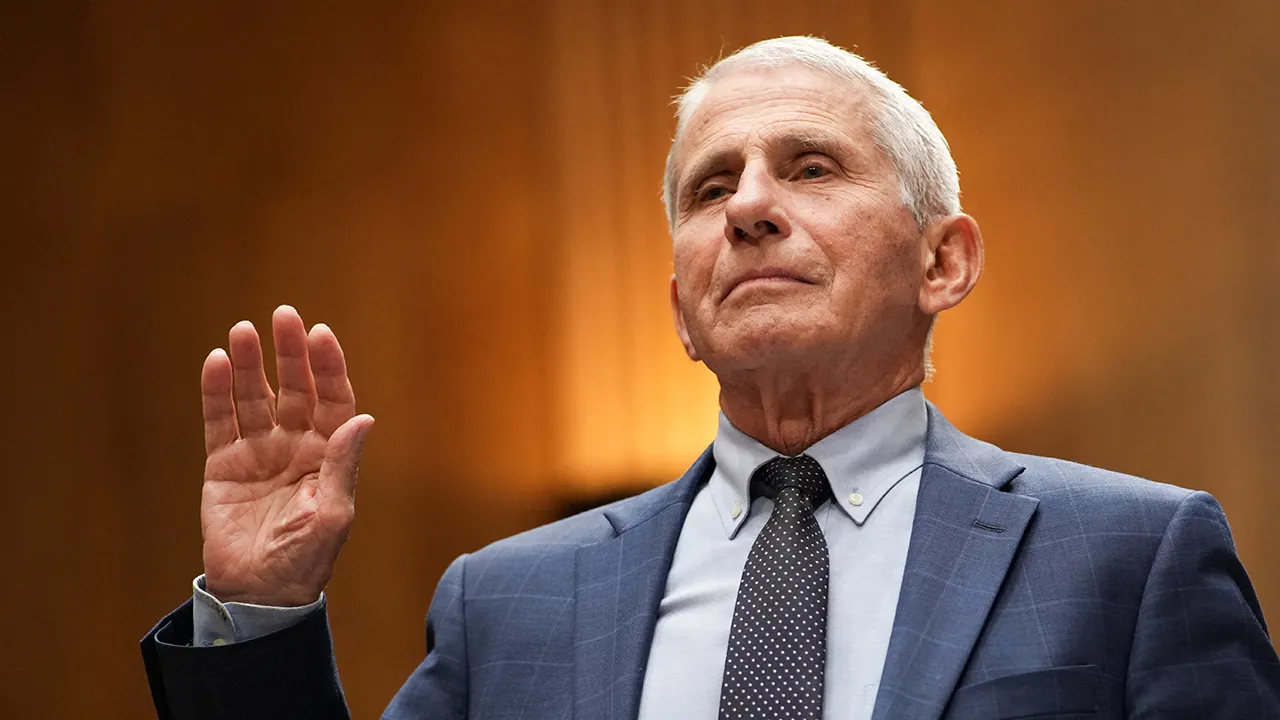
Dr. Anthony Fauci invokes his Fifth Amendment right during a Senate hearing, stating he will not answer questions from S Rand Paul.
Sen. Josh Hawley, R-Mo., accused Dr. Anthony Fauci of using taxpayer-funded staff to pursue more than $1 million in personal cash awards during the COVID-19 pandemic, allegations Fauci declined to address as he repeatedly invoked the Fifth Amendment.
The exchange came during a contentious hearing Wednesday, where the former White House COVID advisor had been subpoenaed to appear before the Republican-led committee by Sen. Rand Paul, R-Ky.
Hawley accused Fauci of directing federal employees to help secure lucrative awards while millions of Americans were grappling with the pandemic.
FAUCI PLEADS FIFTH WITH ‘ZERO LEGAL JUSTIFICATION’ AS CRITICS ERUPT AND DEMAND CONTEMPT CHARGES
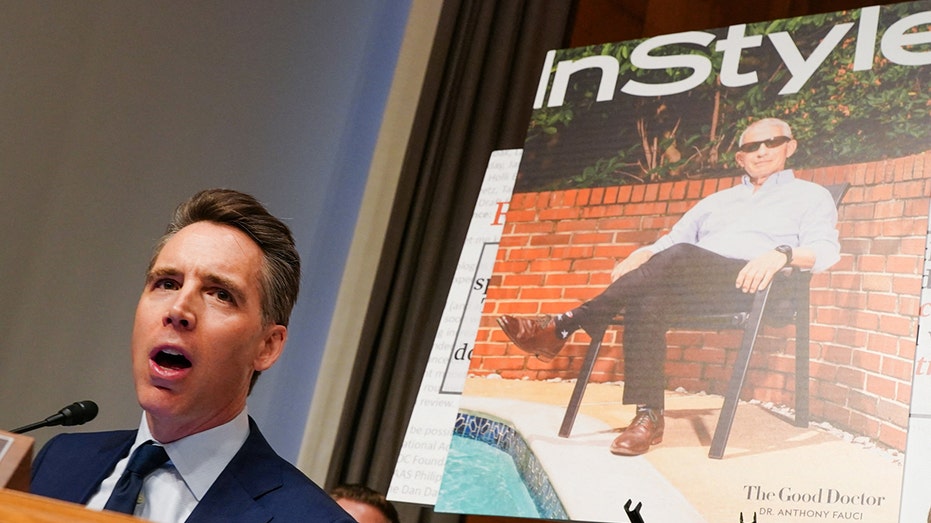
Sen. Josh Hawley, R-Mo., speaks in front of a board with an image of Anthony Fauci, the former director of the National Institute of Allergy and Infectious Diseases and medical advisor to several U.S. presidents, as Fauci (not pictured) attends a U.S (Reuters/Nathan Howard)
“You were using federal employees with taxpayer money to apply for and solicit cash prizes for you personally, cash prizes totaling over $1 million,” Hawley said. “You did all of that during the pandemic, didn’t you?”
Rather than respond to Hawley’s questions, Fauci repeatedly said, “On the advice of counsel, I respectfully decline to answer based upon my rights under the Fifth Amendment to the Constitution.”
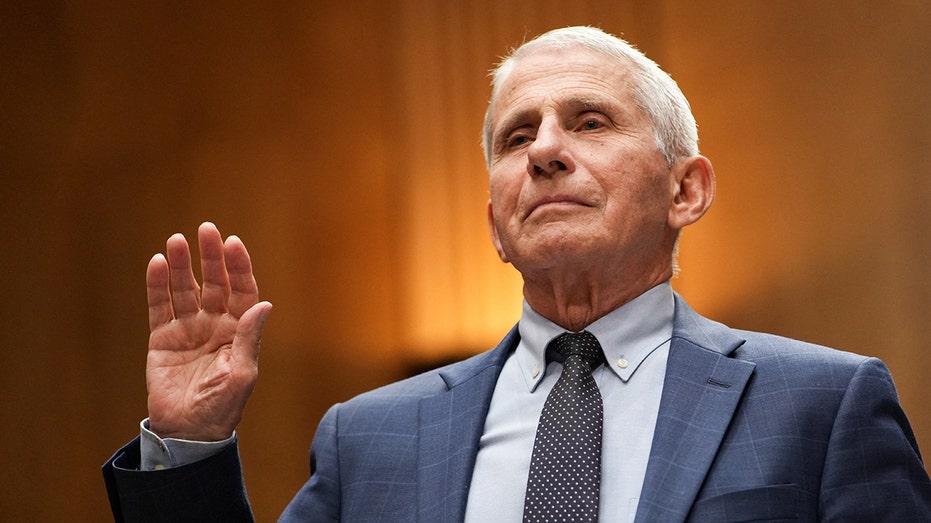
Anthony Fauci testifies under subpoena about his role in the national response to the COVID-19 pandemic at a U.S. Senate Homeland Security and Governmental Affairs Committee hearing on Capitol Hill in Washington, D.C., July 29, 2026. (Reuters/Nathan Howard)
Hawley then pointed to what he described as internal emails from Fauci’s staff, including one from former chief of staff Greg Folkers discussing a nomination for the Dan David Prize. According to Hawley, the email asked federal employees to bolster the COVID-19 section of Fauci’s nomination by providing language detailing his pandemic response.
FAUCI’S NEWLY RELEASED COVID DIARIES REVEAL BIZARRE FIXATION ON FAME AS PANDEMIC DEATHS MOUNTED
“We’re working on this nomination for the Dan David Award for Fauci,” Hawley read from the email. “We need to beef up the COVID part.”
Hawley alleged the Dan David Award carried a $900,000 cash prize and claimed Fauci used federal employees to help obtain it. He further accused Fauci of using government staff and resources to pursue at least eight additional cash awards, including honors from the Partnership for Public Service, the Adelson Prize, the Smithsonian Institution, the National Academy of Medicine and the CDC Foundation.
“In fact, you turned your staff into a full-time application machine,” Hawley said. “You actually wrote to people and said, ‘Do you think maybe I’d qualify?’”
EXCLUSIVE: BIDEN PARDON WON’T SHIELD FAUCI IF HE LIES TO CONGRESS, COMER SAYS
Hawley also alleged Fauci used eight separate federal employees on government time to assist with the award applications, asking whether the claims were true.
Fauci again declined to answer, invoking his Fifth Amendment rights against self-incrimination, something he did more than 100 times over the course of the hearing.
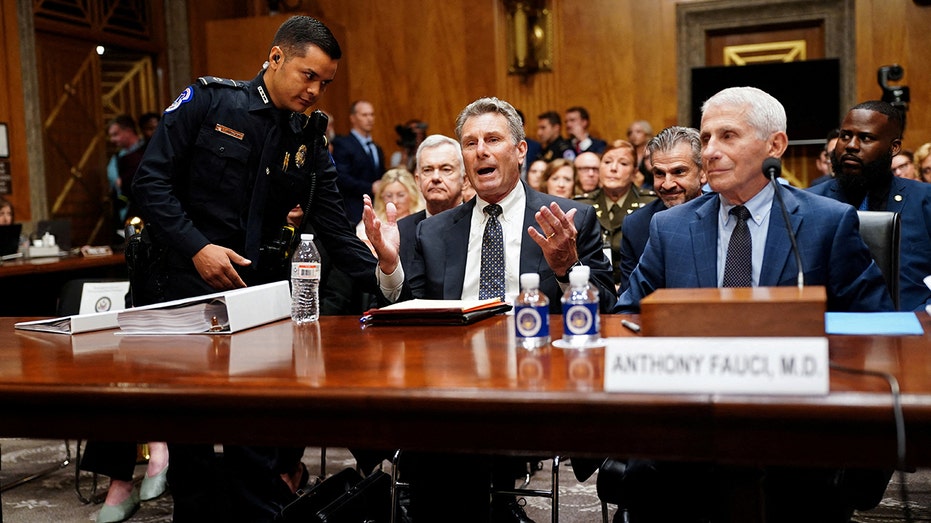
A member of the U.S. Capitol police removes David Schertler, the legal counsel of Anthony Fauci at the direction of the chairman of the U.S. Senate Homeland Security and Governmental Affairs Committee, Rand Paul, during a hearing on Capitol Hill in W (Reuters/Nathan Howard)
Although the retired infectious disease expert was granted a presidential pardon by former President Joe Biden, critics have argued he could still be prosecuted if he commits perjury while testifying under oath.
In his opening remarks, Fauci accused Paul of having an “obvious obsession with calling for my prosecution.”
“The only conclusion I can reach is that the sole reason he is calling me before this committee is to get me to say something, anything, that could vindicate his repeated public pledges that I end up, in his words, quote, behind bars, unquote,” he said.
GET FOX BUSINESS ON THE GO BY CLICKING HERE
Hawley told FOX Business that Fauci “has zero rights under the Fifth Amendment” because of his pardon.
“He got rich while people were dying,” Hawley said. “He used federal employees with taxpayer money to apply for and solicit cash prizes. He needs to answer for it.”
Fauci said he invoked the Fifth Amendment on the advice of his legal counsel, while acknowledging that doing so was difficult for him.
Business
Scientists Find First-Known Transmissible Cancer in Catfish, Raising New Questions About Contagious Tumors

Scientists studying a lake straddling the border between Vermont and Quebec have identified what researchers describe as the first known case of a transmissible cancer in catfish, a discovery that has reignited scientific interest in how contagious tumors emerge and spread across species.
Biologists with the Vermont Department of Fish and Wildlife made the discovery in Lake Memphremagog after anglers began reporting unusual findings between 2012 and 2013. Fishermen pulled numerous brown bullhead catfish from the lake covered in distinctive black spots across their bodies. When biologists examined the affected fish more closely, they determined the marks were melanoma, a type of skin cancer more commonly associated with human patients than with fish populations.
The findings, published in the scientific journal Nature, revealed that between 23% and 37% of the catfish sampled from the lake carried melanoma lesions, according to the study. Researchers said the cancerous marks could appear across various parts of the fish’s body, including their gills, lips and even their eyes.
Peter Emerson, a biologist with the Vermont Department of Fish and Wildlife, described the visual severity of the lesions in an interview with NPR. “It looks like black tar on the skin — not very pretty,” Emerson said. He added that the tumors clearly impaired the affected fish, noting they appeared in locations that would interfere with basic functions. “You can tell it doesn’t help the fish cause they’re inside the mouth, they’re on the fins,” Emerson said.
Researchers involved in the study believe the cancer is being actively transmitted between individual catfish within the lake population, rather than developing independently and simultaneously in large numbers of separate fish. According to the researchers’ hypothesis, the outbreak likely originated with a single catfish that developed a tumor, which then shed cancerous cells directly into the surrounding water. Once those free-floating cancer cells came into contact with and invaded other catfish in the lake, scientists believe the disease began spreading more broadly through the population, effectively functioning as a contagious illness rather than a series of unrelated individual cancer cases.
Researchers have proposed a possible environmental trigger for the initial outbreak. They hypothesize that extensive flooding in the region following Hurricane Irene in 2011 may have degraded water quality in Lake Memphremagog through increased agricultural and other runoff pollution entering the lake, potentially creating conditions that made the catfish population more vulnerable to developing the initial cancer that later became transmissible.
Transmissible cancers, in which cancer cells themselves function essentially as an infectious pathogen capable of spreading from one individual organism to another, remain an extremely rare phenomenon in the natural world. Prior to this discovery in catfish, scientists had documented transmissible cancers in only a small number of other species, including certain populations of dogs, Tasmanian devils, and several varieties of clams and other shellfish. The Tasmanian devil facial tumor disease is perhaps the best-documented example among vertebrates, having devastated wild Tasmanian devil populations in Australia since it was first identified in the 1990s.
The discovery of a new transmissible cancer in catfish has prompted broader scientific reflection on how common the phenomenon might actually be across the animal kingdom, and whether similar mechanisms could theoretically exist within human populations. Elizabeth Murchison, a researcher who studies transmissible cancers, addressed that broader question in comments to The New York Times. “This finding does reinforce the idea that transmissible cancers could emerge anywhere, including in our own species,” Murchison said.
Despite that observation, established medical and scientific consensus continues to hold that cancer cannot spread from person to person in the way that transmissible cancers spread among catfish, Tasmanian devils or other affected animal species. The American Cancer Society maintains that human-to-human cancer transmission is not possible under normal circumstances, and the organization has stated there is little scientific research to suggest otherwise. The extremely rare exceptions documented in human medicine, such as cancer transmission through organ transplantation from a donor who had an undetected malignancy, are considered fundamentally different from the kind of naturally occurring, environmentally spread transmissible cancers observed in the catfish population and other affected animal species.
Researchers studying the Lake Memphremagog catfish population say continued monitoring of the lake’s brown bullhead catfish will be necessary to better understand how the transmissible melanoma is spreading, whether the prevalence of affected fish is likely to increase or decrease over time, and what broader ecological consequences the outbreak might have for the lake’s catfish population and surrounding aquatic ecosystem.
The discovery adds to a small but growing body of scientific literature documenting transmissible cancers across diverse animal species, a research area that scientists say remains poorly understood despite its potential implications for broader questions in cancer biology, including how tumors evolve, spread and, in rare cases, develop the ability to survive and propagate outside the body of the organism in which they originally formed.
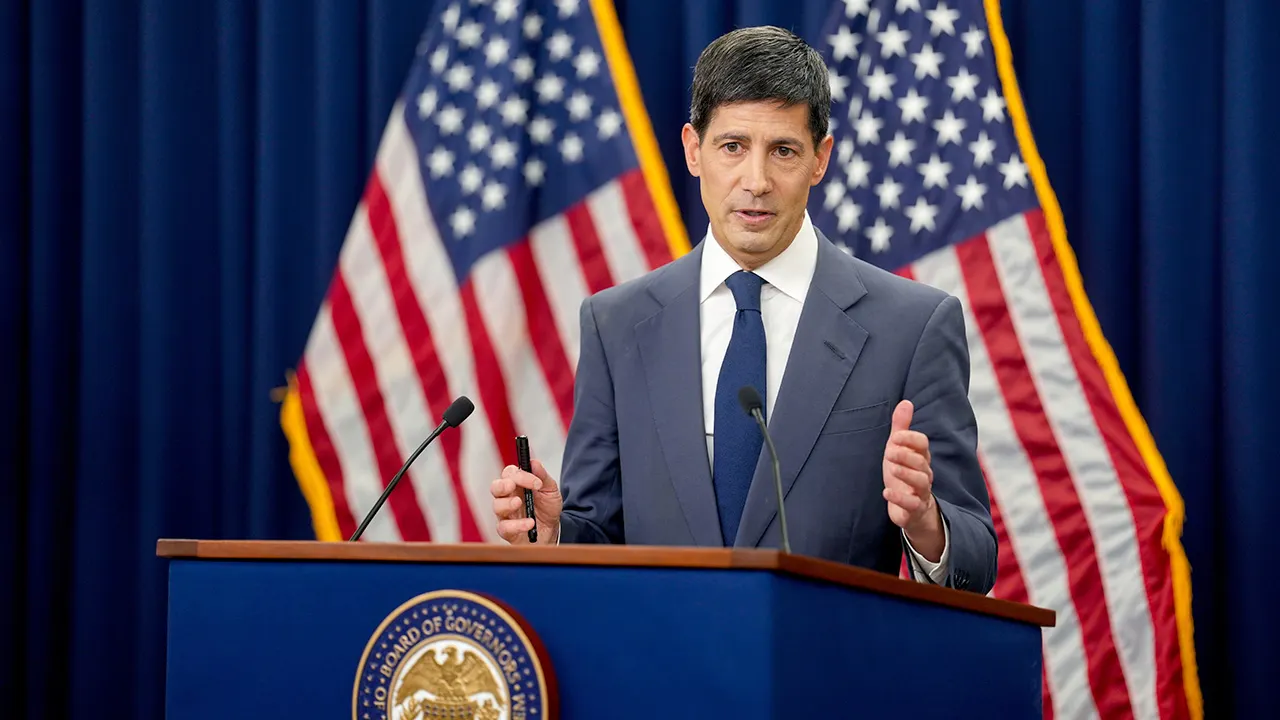
A Making Money panel reacts to the Federal Reserve leaving interest rates unchanged.
The Federal Reserve on Wednesday announced that it will hold interest rates steady due to concerns about elevated inflation amid the war in Iran.
Fed policymakers voted 9-3 to leave the benchmark federal funds rate unchanged at its current range of 3.5% to 3.75%. The move follows the central bank’s decision to hold rates steady in January, March, April and June following three successive 25-basis-point rate cuts in September, October and December to close out last year.
The Federal Open Market Committee (FOMC), the central bank’s panel responsible for monetary policy moves, noted that “economic activity is expanding at a solid pace despite elevated uncertainty that owes, in part, to the conflict in the Middle East.”
Policymakers noted that inflation remains above the Fed’s 2% goal, in part because of supply shocks driving price increases in sectors such as energy, and added that they will deliver price stability. The FOMC also noted that job growth is keeping pace with the workforce and that the unemployment rate has changed little.
HOW DOES FED CHAIR NOMINEE KEVIN WARSH VIEW THE CENTRAL BANK’S INFLATION GOAL?
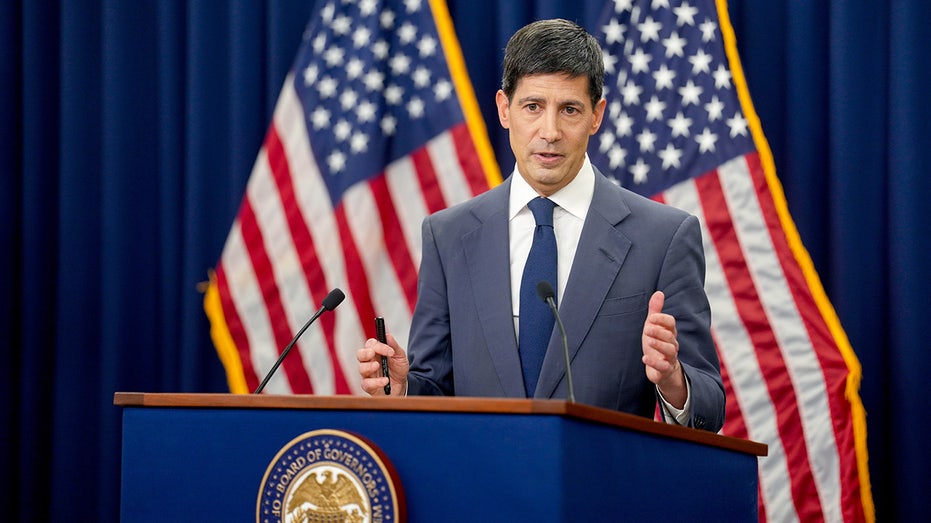
Fed Chair Kevin Warsh will hold a press conference following the decision. (Al Drago/Bloomberg via Getty Images)
Three FOMC members dissented from the decision, including Cleveland Fed President Beth Hammack, Minneapolis Fed President Neel Kashkari and Dallas Fed President Lorie Logan. Each of the dissenters voted in favor of raising the federal funds rate by 25 basis points.
The decision was the second under the leadership of Fed Chair Kevin Warsh, who has removed forward guidance from the FOMC’s post-meeting statements.
Warsh said in his opening remarks that the FOMC thinks the move to hold rates steady was “especially prudent at these uncertain times,” while emphasizing to households, businesses and market professionals that the Fed doesn’t have a soft or implicit inflation target, and remains focused on achieving 2% inflation.
“Not one of my FOMC colleagues is under any illusion, we have begun a new chapter, and we understand that the five-plus years of inflation above target cannot be cured in nine weeks, or by a single month of modest price decreases. This Fed will not waver. Our credibility rests on performing our duties and delivering on our responsibilities,” Warsh said.
FED CHAIR KEVIN WARSH SAYS CENTRAL BANK HAS ‘NO TOLERANCE’ FOR ELEVATED INFLATION
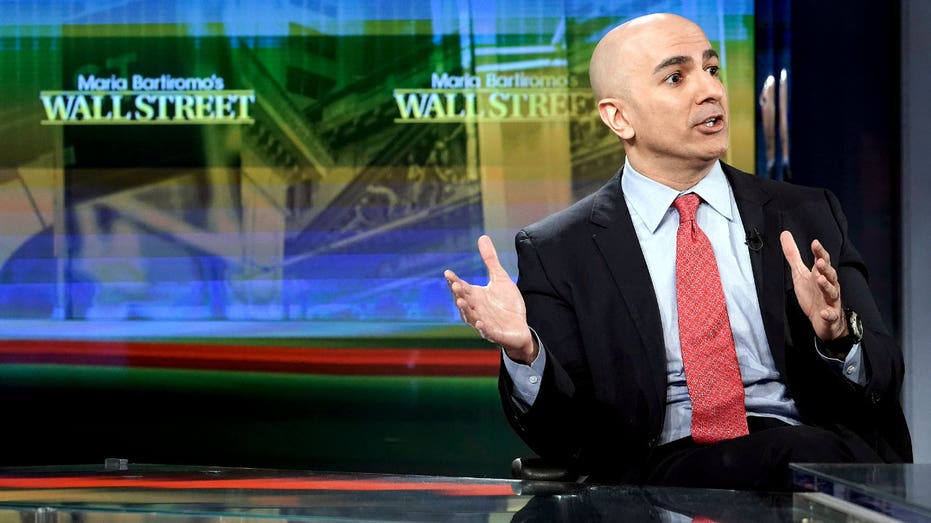
Minneapolis Federal Reserve President Neel Kashkari was among the three dissenters in the July FOMC decision. (John Lamparski/Getty Images)
The Fed chair was asked about the three dissents from the FOMC decision and replied that, “I asked for a good family fight, and I got one. That’s the designed feature.”
“There was a lot of agreement that I heard that we have the powers, the tools, also the authority to deliver stable prices. No walking back from our responsibilities. There was a large majority support for the decision we made in the room,” he said. “There was nothing inertial about that discussion, it was an active, robust discussion about what’s in the full range of what we can do and might want to do in the period ahead.”
“The path to central bank heaven requires delivering on our remit. These days, that means delivering on price stability. I wouldn’t measure that path on 42 days or any one particular meeting,” Warsh said. “And I came out of that meeting even more confident that this is the right team to win the battle against high inflation.”
FED POLICYMAKERS’ INFLATION WORRIES WEIGHED ON RATE CUT OUTLOOK AT WARSH’S FIRST MEETING
FOX Business’ Edward Lawrence asked Warsh about the argument for a pause, and the Fed chair said that he would instead characterize it as “a rigorous review of the economic situation” that entailed a review of the “big hard questions” confronting the central bank.
In response to Lawrence’s follow-up question about how he will approach his first speech at the Jackson Hole monetary policy conference as Fed chair next month, Warsh said he hasn’t started considering what will go into the speech but acknowledged the historical bent of those speeches as a means to policy. He added he would like to “frame the big questions” in monetary policy rather than focusing on more myopic decisions.
Warsh was asked about the Fed’s 2% inflation target and which metric he and policymakers will rely on. He noted the Fed’s annual strategy document points to the personal consumption expenditures (PCE) index as the “objective function there.” He added that the Fed is sticking with that, though the internal reviews he has initiated could change that strategy next year.
The Fed chair added that he’s also looking at a broader set of inflation data and said that he cares about the contributions to PCE from the consumer price index (CPI) and other economic data, adding that “my lens is broader than that, even though the remit is quite narrow.”
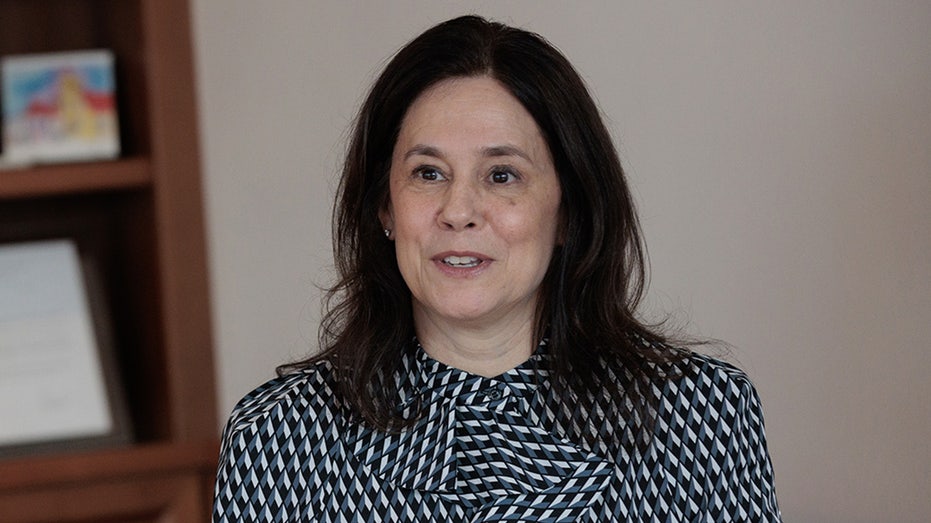
Dallas Fed President Lorie Logan joined Kashkari in dissenting in favor of a rate hike. (Shelby Tauber/Bloomberg/Getty Images)
HIGH ENERGY PRICES RISK KEEPING INFLATION ABOVE 2% TARGET, CONCERNING FED POLICYMAKERS
Warsh was asked about whether the inflation data suggests the Fed should tighten monetary policy by raising rates.
“This FOMC, this board, has been in business for eight and a half weeks. The impatience that households and businesses feel has been going for 63 months. We are on the job. We will deliver. We are focused like a laser on making sure we can do it. But the suggestion that we’re going to be able to do it with our magic wand is one I want to disabuse you and everyone else of,” he responded.
What experts are saying
Ellen Zentner, chief economic strategist for Morgan Stanley Wealth Management, said that “Warsh has described inflation as a ‘choice,’ but the Fed chose patience today amid conflicting data.”
“Warsh asked for a ‘family fight,’ and he got one – three participants dissented. The battle isn’t over, and the Fed will need to see milder inflation readings to gauge if the broader cooling trend is intact. For now, it’s likely that market pricing for a hike has simply been pushed forward. September remains a live meeting, and the incoming inflation data between now and then will be all that matters,” Zentner added.
Phil Camporeale, chief investment strategist at JPMorgan Wealth Management, said that the firm agreed with the decision to hold and noted that while the “decision was not unanimous, there was just not enough information at this point to tighten policy which the majority of the committee agreed with.”
“Despite receiving some positive core inflation data earlier in July, Warsh emphasized staying laser focused on the direction of travel in the data, not relying on just a single print,” Camporeale said. “We continue to believe the lack of bargaining power from U.S. employees as well as the base case of no further escalation in the U.S.-Iran conflict will keep the Federal Reserve on hold through the end of 2026.”
GET FOX BUSINESS ON THE GO BY CLICKING HERE
What’s next for the Fed?
The Fed’s next FOMC meeting is scheduled for Sept. 15-16, with the next rate decision due on the second day of those meetings.
Ahead of the next meeting, Warsh is expected to speak at the Jackson Hole Economic Policy Symposium, which will be held Aug. 27-29 in Wyoming. His speech will be closely watched for signs of how the Fed’s monetary policy approach may evolve.
The CME FedWatch tool shows a 41.9% chance the Fed will leave rates at their current level in September, up from 24% a day ago. It also shows a 57.2% probability of a 25-basis-point rate hike in September, up from 55.8% a day ago.
Business
10 Foods That Doctors and Registered Dietitians Recommend for People Living With Pancreatic Cancer Now

Maintaining proper nutrition during pancreatic cancer treatment presents unique challenges that most other cancer diagnoses do not, according to oncology dietitians and medical centers that specialize in the disease. Because the pancreas plays a central role in digesting food and regulating blood sugar, cancer affecting the organ can directly interfere with a patient’s ability to absorb nutrients, maintain weight and manage energy levels throughout treatment.
Medical experts emphasize that there is no single standardized diet that works for every pancreatic cancer patient. “There’s no one-size-fits-all diet,” Emma Veilleux, a registered dietitian nutritionist at the Simms/Mann-UCLA Center for Integrative Oncology, said, noting that foods that help one patient may worsen symptoms in another. Even so, several categories of food have emerged as consistent recommendations across major cancer centers and patient advocacy organizations. Here are 10 foods commonly recommended for people managing pancreatic cancer.
1. Lean poultry and fish. Protein-rich foods that are relatively easy to digest, such as chicken, turkey and fish, are widely recommended because they support the body’s ability to repair damaged tissue and maintain immune function during treatment, according to guidance from Johns Hopkins Medicine. Lean proteins are generally easier on the digestive system than fattier cuts of meat.
2. Eggs. Eggs offer a highly digestible source of protein and are frequently recommended as an easy addition to meals throughout the day, particularly for patients who struggle with larger portions and benefit from smaller, protein-dense foods that can be prepared quickly.
3. Low-fat Greek yogurt. Yogurt provides protein along with probiotics that may support digestive health, though dietitians note that dairy tolerance varies significantly among patients. Some people develop temporary lactose intolerance during treatment and may need to limit or avoid dairy products depending on how their body responds.
4. Beans and legumes. Plant-based protein sources such as beans, lentils and chickpeas provide protein, fiber and a range of micronutrients. Well-cooked legumes, including options like lentil soup, are frequently recommended because they tend to be gentler on digestion than some other high-fiber foods.
5. Nuts and nut butters. Almond, cashew and peanut butters offer concentrated calories, healthy fats and protein in small serving sizes, making them useful for patients who need to increase calorie intake but struggle to eat large meals. Nut butters spread on whole-grain crackers or toast are a commonly suggested snack option.
6. Fatty fish, including salmon. Fish such as salmon provide healthy unsaturated fats that supply energy and support cell function without the digestive difficulty that greasy or fried foods can cause. Baked or grilled preparations are typically recommended over fried versions.
7. Well-cooked vegetables. Colorful vegetables such as zucchini, carrots, spinach and sweet potatoes provide essential vitamins, minerals and fiber. Nutrition guides for pancreatic cancer patients generally recommend cooking or blending vegetables rather than eating them raw, since raw vegetables can be harder to digest for patients with compromised pancreatic function.
8. Whole grains, including oatmeal and quinoa. Complex carbohydrates such as oatmeal and quinoa provide steady energy and fiber, and are often recommended as a base for meals that also include protein and healthy fats, helping patients manage blood sugar levels more effectively than simple carbohydrates or refined sugars.
9. Soft fruits, including berries and bananas. Fruits that are easy to digest, such as mashed bananas and soft berries, provide vitamins, antioxidants and natural sweetness without the blood sugar spikes associated with added sugars. The World Cancer Research Fund International recommends at least five servings of non-starchy vegetables and fruits daily as part of broader cancer nutrition guidance, though individual tolerance should guide specific choices for pancreatic cancer patients.
10. Healthy fats, including olive oil and avocado. Unsaturated fats support cell growth, provide concentrated energy and help protect organ function, according to Johns Hopkins Medicine guidance. These fats are generally easier to tolerate than the greasy, fried or heavily processed fats found in many convenience foods, which oncology dietitians frequently recommend limiting or avoiding.
Beyond specific food choices, dietitians who specialize in pancreatic cancer care emphasize several broader strategies. Many patients benefit from eating smaller, more frequent meals throughout the day rather than three large meals, particularly if appetite changes or early fullness make larger portions difficult to manage. Patients experiencing exocrine pancreatic insufficiency, a condition in which the pancreas no longer produces enough digestive enzymes, often require prescription pancreatic enzyme supplements taken with meals to properly digest fats and absorb nutrients, according to the Pancreatic Cancer Action Network.
Unintentional weight loss is a common and serious concern for pancreatic cancer patients, sometimes driven by the cancer itself rather than simply reduced appetite. Tumors can release compounds called cytokines into the bloodstream that suppress appetite and accelerate calorie burning, a condition known as cancer cachexia. Patients experiencing weight loss of more than one to two pounds per week are generally advised to consult their care team promptly, as early intervention with nutritional supplements, calorie-dense foods or changes to enzyme dosing can help address the problem before it becomes more severe.
Certain foods are commonly advised against for pancreatic cancer patients, including fried and greasy foods, processed and red meats, foods high in added sugar, and raw or undercooked items linked to foodborne illness risk, such as raw sushi, unpasteurized dairy and deli meats, given that cancer treatment can weaken immune function and increase vulnerability to infection.
Because nutritional needs vary so significantly from patient to patient, and can change throughout the course of treatment, medical organizations including the Pancreatic Cancer Action Network and Johns Hopkins Medicine consistently recommend that patients work directly with an oncology-trained registered dietitian who can develop an individualized nutrition plan based on symptoms, treatment side effects, blood sugar management needs and overall tolerance for specific foods, rather than relying solely on general dietary guidelines.

Hammerson declares 9.67 pence interim dividend for 2026

“We have increased our overweight to mid- and small-caps given their stronger representation in high-growth, new-economy sectors and the improvement in valuations,” said Sandipan Roy, chief investment officer, Motilal Oswal Private Wealth.
 Agencies
Wealth manager recommends 50% allocation to the sector and 40% to hybrids & large caps
For hybrid strategies, he recommends lump sum deployment at current levels, while pure equity-oriented strategies should be staggered given prevailing uncertainties. Roy said meaningful corrections could be entry points for aggressive exposures.
Read more: Can Manipal Health IPO deliver long-term growth for high risk investors?
While large-cap capital goods exposure is concentrated in a limited set of established engineering companies, the midcap and smallcap universe represents a wider cross-section of India’s capex cycle.
Even in the case of healthcare the exposure in mid and small cap indices extends well beyond pharmaceuticals-capturing hospitals, diagnostics, biotechnology, CDMO, medical devices and healthcare technology, which are high growth areas.
The wealth manager points out that FII flows are rotating away from benchmark-heavy sectors such as Financials, IT, FMCG and autos towards industrial and manufacturing themes like capital goods and metals, which have higher mid and small cap representation, thus reflecting improving FII preference for manufacturing led small and midcap opportunities.
Crypto Market Likely Entering Largest Consolidation Phase

Trabzonspor and Mechelen eye Chelsea starlet Kendry Paez on loan

Mythos attack on 3rd-round PQC algorithm candidate puts it out of commission

Renter of Home in Anne Heche Crash Denies Settlement With Son

No Jackpot Winner as $257 Million Prize Rolls Over to $269 Million Monday Draw

Weekend Open Thread: Staud – Corporette.com

Crypto Is Going To Take A LOT Of You By Surprise Bitcoin Could Enact A Major Altcoin Season In 2026

Let’s Go MASSIVE for NO REASON! #gambling #casino #money #comedy #slots

A Powerful Prayer for Financial Breakthrough | God Will Make a Way Where There Seems to Be No Way
-

 Fashion6 days ago
Weekend Open Thread: Brooks Brothers
-
 Sports3 days ago
Commonwealth Games boxing: Jadumani Singh seals dominant 5-0 win over Pakistan’s Sumama Rehman to enter quarter-finals | Commonwealth Games News
-

 Business11 hours ago
Why Trees Belong on the Risk Register
-

 Tech3 days ago
Intel is reversing course and bringing hyper-threading back to its server chips
-

 Politics3 days ago
Luke Littler dismantles Gerwyn Price to retain title in Blackpool
-

 Crypto World5 days ago
Ripple bought a bank in pieces. The $4 billion audit
-

 Politics2 days ago
The Part of the Electric Transition Nobody Wants to Discuss
-
 Entertainment6 days ago
A New Post-Apocalyptic Gundam Anime Series Blasts Into SDCC
-

 News Videos3 days ago
BITCOIN JUST ENTERED THIS CRITICAL ZONE…
-

 Fashion6 days ago
16 Dresses for the High Summer Event
-

 Sports6 days ago
2026 3M Open leaderboard: Scottie Scheffler finds putter in Round 1, sits three back
-

 News Videos6 days ago
The Peugeot Family: How 200 Years of an “Old Money” Dynasty Died in A Boardroom
-

 Business1 day ago
Major shareholder moves on Canyon
-

 Crypto World4 days ago
XRP Ledger adds $2.6B as RWA inflows rank second
-

 Politics4 days ago
Spain sweeps the board at 2026 World Cup with individual awards
-

 Crypto World7 days ago
Uniswap (UNI) pushes deeper into tokenized RWAs with permissioned trading pools
-
 Entertainment2 days ago
‘Stargate’ Creator’s New Sci-Fi Series Returns for Season 3 Tomorrow
-

 Tech5 days ago
Anthropic launches Claude Opus 5, a cheaper AI model for coding, agents and enterprise workflows
-

 Entertainment4 days ago
Sara Gilson Killed By Husband After Viral “Pedophile” TikTok Video
-

 News Videos1 day ago
Claude: Build Financial Dashboards in Minutes (2026)
You must be logged in to post a comment Login