
Business
Dual nationals face scramble for UK passports as new rules come into force





The protein beverage is formulated with 10 grams of clear whey protein isolate.


Company completes expansion in Port Klang.

Chevron: Prolonged Iran War A Catalyst

Tilray Brands Is Looking Better


Terry Chrisomalis is a private investor in the Biotech sector with years of experience utilizing his Applied Science background to generate long term value from Healthcare. He is the author of the investing group Biotech Analysis Central which contains a library of 600+ Biotech investing articles, a model portfolio of 10+ small and mid-cap stocks with deep analysis for each, live chat, and a range of analysis and news reports to help Healthcare investors make informed decisions.
Analyst’s Disclosure: I/we have no stock, option or similar derivative position in any of the companies mentioned, and no plans to initiate any such positions within the next 72 hours. I wrote this article myself, and it expresses my own opinions. I am not receiving compensation for it (other than from Seeking Alpha). I have no business relationship with any company whose stock is mentioned in this article.
Seeking Alpha’s Disclosure: Past performance is no guarantee of future results. No recommendation or advice is being given as to whether any investment is suitable for a particular investor. Any views or opinions expressed above may not reflect those of Seeking Alpha as a whole. Seeking Alpha is not a licensed securities dealer, broker or US investment adviser or investment bank. Our analysts are third party authors that include both professional investors and individual investors who may not be licensed or certified by any institute or regulatory body.
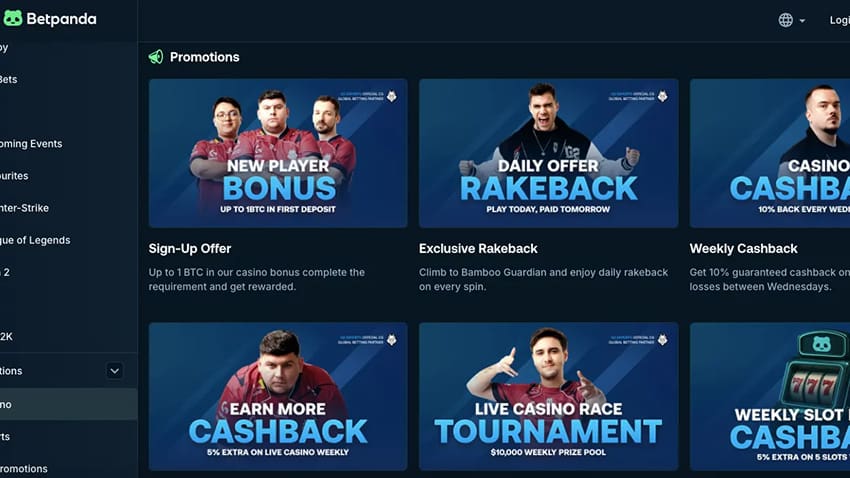
Betpanda emerges as a vibrant destination where players can explore a dynamic gaming universe, enjoy seamless navigation, and experience a sense of control over their play.
Whether you are a seasoned bettor or someone stepping into online gaming for the first time, Betpanda offers a balanced environment that feels both welcoming and engaging.
A Platform Designed with the Player in Mind
What sets Betpanda apart is its commitment to simplicity without sacrificing sophistication. From the moment you enter the platform, the interface feels intuitive. Menus are clean, categories are clearly defined, and games are easy to locate. This thoughtful design allows players to focus on what truly matters, which is enjoying the experience.
Betpanda understands that modern users value speed and convenience. The platform is optimized for both desktop and mobile devices, ensuring that gameplay remains smooth whether you are at home or on the move. This flexibility adds a layer of comfort that enhances the overall user journey.
A Diverse Library of Games
Variety is the heart of any successful gaming platform, and play at Betpanda does not disappoint. The platform hosts an impressive selection of games that cater to different preferences and skill levels. From classic table games to modern slot adventures, there is always something new to explore.
Players who enjoy strategy can dive into games that require careful decision-making, while those seeking quick entertainment can choose fast-paced options that deliver instant excitement. This diversity ensures that boredom rarely finds a place within the Betpanda ecosystem.
Additionally, the platform frequently updates its game collection, keeping the experience fresh and aligned with current trends. This ongoing evolution reflects a deep understanding of player expectations.
Secure and Transparent Environment
Trust is a crucial factor in online gaming, and Betpanda takes this responsibility seriously. The platform incorporates advanced security measures to protect user data and financial transactions. Players can engage with confidence, knowing that their information is handled with care.
Transparency is another key strength. Clear terms, fair gameplay policies, and straightforward processes contribute to a sense of reliability. When players feel secure, they are more likely to enjoy the experience without hesitation.
Smooth Payment Options
A seamless financial system can greatly enhance user satisfaction. Betpanda offers multiple payment methods, allowing players to deposit and withdraw funds with ease. The process is designed to be quick and efficient, minimizing delays and reducing frustration.
Flexibility in payment options also means that users from different regions can find methods that suit their needs. This inclusivity adds to the platform’s global appeal.
Bonuses and Promotions That Add Value
One of the most exciting aspects of playing at Betpanda is the range of bonuses and promotions available. These offers provide players with additional opportunities to extend their gameplay and explore more features.
Welcome bonuses create a strong first impression, while ongoing promotions reward loyal users. Instead of feeling like temporary incentives, these bonuses become part of a larger experience that encourages continued engagement.
However, it is always wise for players to review the terms associated with each offer. Understanding the conditions ensures a smoother and more enjoyable experience.
Responsible Gaming Approach
While the thrill of gaming can be captivating, Betpanda promotes a balanced approach. The platform encourages responsible gaming practices, reminding users to play within their limits. This focus on well-being reflects a mature and ethical perspective.
Features that allow players to manage their time and spending contribute to a healthier gaming environment. By prioritizing responsibility, Betpanda creates a space where entertainment remains positive and controlled.
Customer Support That Listens
Even the most well-designed platforms can present occasional challenges, which is why reliable customer support is essential. Betpanda offers responsive assistance to help users resolve issues quickly.
Support channels are accessible and designed to provide clear solutions. Whether it is a technical question or a payment inquiry, players can expect prompt and helpful responses. This level of care strengthens trust and enhances the overall experience.
A Community Driven Experience
Beyond games and features, Betpanda fosters a sense of community. Players are not just users but participants in a shared environment. This subtle yet powerful aspect adds depth to the platform.
Engaging with others, exploring new games together, and sharing experiences creates a more immersive atmosphere. It transforms gaming from a solitary activity into a connected journey.
Final Thoughts
Playing at Betpanda is more than just placing bets or spinning reels. It is about entering a thoughtfully crafted digital space where entertainment meets reliability. The platform’s combination of diverse games, secure systems, user-friendly design, and responsible practices makes it a compelling choice for modern players.
As the online gaming industry continues to grow, platforms like Betpanda stand out by focusing on what truly matters. A smooth experience, a sense of trust, and the freedom to enjoy gaming on your own terms. For those seeking a refined and engaging environment, Betpanda offers a journey worth exploring.

SpaceX is preparing for what could become the largest stock market debut in history after confidentially filing for an initial public offering that may value the company at more than $1.75 trillion.
The Elon Musk-led group has submitted a draft IPO registration to the US Securities and Exchange Commission, according to reports, setting the stage for a landmark listing that would dwarf previous tech flotations.
The move comes amid a surge of interest in artificial intelligence and space-based infrastructure, with other high-profile firms such as OpenAI and Anthropic also exploring potential public listings.
SpaceX’s IPO plans follow its recent merger with xAI, Musk’s artificial intelligence venture behind the Grok chatbot. The combined entity has already been valued at around $1.25 trillion, with SpaceX accounting for the bulk of that figure.
The integration of space technology with AI capabilities is central to the company’s strategy, positioning it at the intersection of two of the fastest-growing sectors in the global economy.
The company is reportedly preparing investors for the listing through a series of briefings, including an analyst day scheduled for April 21 and further meetings with banks in early May.
Analysts are also expected to be given insight into xAI’s operations, highlighting the increasing importance of artificial intelligence within the broader SpaceX ecosystem.
Founded in 2002 by Elon Musk, SpaceX has become the dominant force in the global launch market, conducting more rocket launches annually than any other company.
Its operations span advanced rocket development, satellite deployment and the fast-growing Starlink network, which provides broadband connectivity worldwide.
The company is also exploring ambitious new projects, including plans to deploy up to one million satellites designed to function as orbital data centres, potentially transforming how computing power is delivered globally.
Beyond its commercial operations, SpaceX continues to pursue Musk’s long-standing vision of expanding human presence beyond Earth.
The company is working towards establishing a self-sustaining lunar base within the next decade and has outlined plans to begin building a city on Mars within five to seven years, although Musk has indicated that the Moon remains the immediate priority.
A successful IPO at the scale envisaged would have significant implications for global financial markets, potentially becoming the largest listing ever and reshaping investor exposure to both space and AI technologies.
It would also mark a major milestone in the commercialisation of space, signalling that the sector has matured into a core component of the global technology landscape.
While details of the listing, including timing and final valuation, remain subject to market conditions and regulatory approval, the scale of the proposed IPO underscores the rapid evolution of both the space and AI industries.
For investors, the offering represents a rare opportunity to gain exposure to a company that sits at the forefront of multiple transformative technologies.
For the broader market, it could set a new benchmark for tech valuations and further accelerate competition in sectors that are already redefining the future of the global economy.

Amy Ingham
Amy is a newly qualified journalist specialising in business journalism at Business Matters with responsibility for news content for what is now the UK’s largest print and online source of current business news.


Snack manufacturers look to incorporate digital controls and high-tech automation to reduce the costs of their packaging operations.

The NFL shield logo on the field during a preseason game between the Los Angeles Rams and the Houston Texans at NRG Stadium in Houston on Aug. 24, 2024.
Ric Tapia | Getty Images Sport | Getty Images
The NFL is asking prediction market operators to keep specific event contracts that the league deems “objectionable bets” off of their platforms.
In a letter obtained by CNBC, the league outlines examples of event contracts that could be easily manipulable by a single person, inherently objectionable, related to officiating and knowable in advance — and asks that operators refrain from offering such trades.
The NFL declined to comment on which companies received the letter, but said it was sent to operators that are registered with the Commodity Futures Trading Commission and that offer NFL trades.
Prediction platforms Kalshi and Polymarket have dominated the burgeoning predictions industry in recent months, spurring sports betting incumbents like FanDuel and DraftKings to enter the predictions space, as well.
“Sports prediction markets are not effectively regulated currently,” NFL executive vice president Jeff Miller said in a statement. “We will continue to engage with the CFTC in pursuit of the necessary guardrails to protect both the integrity of the game and consumers participating in these rapidly evolving markets.”
While some leagues such as the NHL, MLB and MLS have embraced prediction markets, signing operators as partners, the NFL has been more cautious.
“There is no greater priority for the NFL than protecting the integrity of our games and the welfare of our players,” the letter stated.
In the letter, signed by NFL Chief Compliance Officer Sabrina Perel, she says it is encouraging that the CTFC recognizes that sports-related prediction markets should be regulated differently than other futures contracts.
The examples provided in the letter of events that could be easily manipulated by a single person included whether a kicker would miss a field goal, a quarterback’s first pass being incomplete or a receiver missing their first target.
The list also included nongame-related event contracts, such as broadcast mentions, or appearances by fans or celebrities at the games. During the Super Bowl, these types of wagers were extremely popular, such as whether Jeff Bezos would be in attendance.
Kalshi CEO Tarek Mansour told CNBC after the February championship game that the prediction platform saw more than $100 million in trading volume alone on a question of what halftime performer Bad Bunny’s first song would be.
The league also took issue with “inherently objectionable” wagers such as play injuries, fan safety and play misconduct.
The letter concludes by saying the NFL would be happy to meet to discuss “our views on sports prediction markets in greater detail, including prohibited bettors, information sharing with leagues and responsible betting measures.”
Disclosure: CNBC and Kalshi have a commercial relationship that includes a CNBC minority investment.
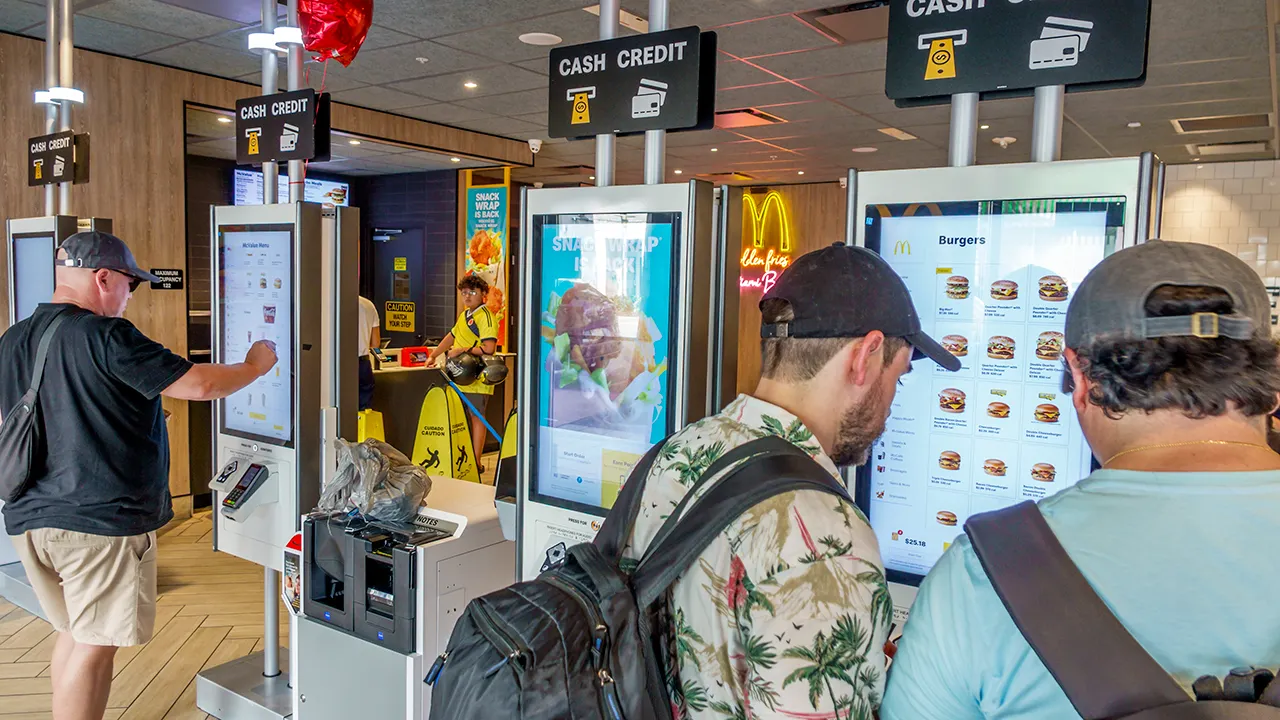
Starbird founder Aaron Noveshen told FOX Business the chain is redefining fast food with higher-quality ingredients.
McDonald’s isn’t playing chicken with the competition anymore.
On Thursday, the fast-food giant announced the full lineup of its revamped McValue menu, signaling a strategic retreat from record-high prices that have alienated its core middle-class customer base.
Starting April 21, the world’s biggest burger chain is launching a standardized, nationwide McValue menu featuring 10 items under $3 and a new $4 breakfast bundle. The new strategy prioritizes “predictable everyday low prices” over complex, app-only digital coupons, aiming to win back commuters and shift workers who rely on the Golden Arches as part of their daily routines.
“For generations, McDonald’s has been committed to delivering great value our fans can count on,” Chief Marketing and Customer Experience Officer for McDonald’s USA Alyssa Buetikofer said in a press release. “As our customers’ expectations evolve, we’re making it easier for them to get the value they’re looking for – on their terms. McValue offers more choice, more flexibility and more ways to build a meal that fits their day and budget.”
ARE ROBOTS COMING TO A MCDONALD’S NEAR YOU?
The under-$3 offerings will be available in stores every day, and throughout the year, McDonald’s will spotlight select entrée favorites at lower prices for a limited time nationwide. To start, the Sausage McMuffin will cost $1.50, and the McDouble will be priced at $2.50.

Customers using touchscreen kiosk ordering system inside McDonald’s, Washington Avenue, Miami Beach, Florida. (Getty Images)
Customers who stop by for breakfast also have $4 meal deal options, which include a Sausage McMuffin or biscuit served with a hash brown and a small coffee.
McDonald’s will continue offering its $5 and $6 lunch and dinner meal deals, originally announced last year, which come with a four-piece Chicken McNuggets, small fry and small fountain drink.
“Value at McDonald’s isn’t a moment – it’s a journey we’ve been building together over time,” store owner-operator and OPNAD Chair Scott Rodrick also said. “This next evolution of McValue builds on what fans already love, and as franchisees, we’re excited to offer fans more options that fit their lives, routines and budgets.”
Maslansky + Partners President Lee Carter comments on President Trump addressing affordability at the McDonald’s summit and Disney dropping diversity terms from their business report on ‘The Bottom Line.’
The fast-food industry is currently embroiled in a so-called “CEO war,” with major players like Wendy’s, Taco Bell and Burger King aggressively cutting prices to capture a shrinking pool of discretionary spending as U.S. inflation remains above the Federal Reserve’s target rate.
Fox News previously reported that McDonald’s prices rose sharply post-pandemic, with millennials especially vocal on social media about how much menu costs have increased since their childhoods.
A social media user shared a viral graphic claiming a McDonald’s feast once cost about $12 total — with medium fries at 99 cents, a cheeseburger at 79 cents and a Big Mac at $1.85. The post also said a Filet-O-Fish sold for $1.29 in 1991 and a medium drink for 89 cents.
GET FOX BUSINESS ON THE GO BY CLICKING HERE
Federal Reserve Board Gov. Michelle Bowman discusses where interest rates are going and the job market performance on ‘Maria Bartiromo’s Wall Street.’
The company has capitalized on its $5 meal deal, various holiday promotions and the revival of its Monopoly sweepstakes. The strategy appeared to work, as U.S. sales rose 6.8% in the fourth quarter — the biggest jump in about two years — as lower-priced offers and aggressive promotions drove traffic back into restaurants. Analysts had expected a 4.9% gain.
McDonald’s recently ranked No. 10 on Entrepreneur’s Franchise 500 annual list, which evaluates costs, fees, size, growth, support, brand strength and financial stability. The 2026 report marks McDonald’s first Top 10 appearance since 2020, when it placed No. 3. The chain ranked No. 22 in the 2025 rankings.

Terrifying Viral Web Series Makes Its Big Screen Debut

‘Clear evidence of sexism and misogyny’ within PSNI, review finds

Proda enters protein soda category


-

 Business7 days ago
Instagram, YouTube Found Responsible for Teen’s Mental Health Struggle in Historic Ruling
-

 NewsBeat6 days ago
The Story hosts event on Durham’s historic registers
-

 Sports6 days ago
Sweet Sixteen Game Thread: Tide vs Michigan
-
Entertainment3 days ago
Fans slam 'heartbreaking' Barbie Dream Fest convention debacle with 'cardboard cutout' experience
-
 Entertainment5 days ago
Lana Del Rey Celebrates Her Husband’s 51st Birthday In New Post
-
Crypto World2 days ago
Dems press CFTC, ethics board on prediction-market insider trades
-

 Crypto World22 hours ago
Gold Price Prediction: Worst Month in 17 Years fo Save Haven Rock
-

 Tech4 days ago
The Pixel 10a doesn’t have a camera bump, and it’s great
-

 Sports2 days ago
Tallest college basketball player ever, standing at 7-foot-9, entering transfer portal
-

 Tech2 days ago
EE TV is using AI to help you find something to watch
-

 Fashion5 days ago
Amazon Sundays: Soft Spring Layers
-

 Tech3 days ago
Apple will hide your email address from apps and websites, but not cops
-

 Tech2 days ago
How to back up your iPhone & iPad to your Mac before something goes wrong
-

 Politics3 days ago
Should Trump Be Scared Strait?
-

 Tech3 days ago
Flipsnack and the shift toward motion-first business content with living visuals
-

 Crypto World3 days ago
U.S. rule change may open trillions in 401(k) funds to crypto
-

 Business7 days ago
Chinese universities with military links bought Super Micro servers with restricted AI chips
-

 Fashion6 days ago
Weekly News Update, 3.27.26 – Corporette.com
-

 Tech4 days ago
Elon Musk’s last co-founder reportedly leaves xAI
-
 Crypto World4 days ago
Bitcoin’s Six-Month Losing Streak: What On-Chain Data Says About the Market’s Next Move
You must be logged in to post a comment Login