
Business
‘Effective Immediately’ As Strikes Enter Fifth Week

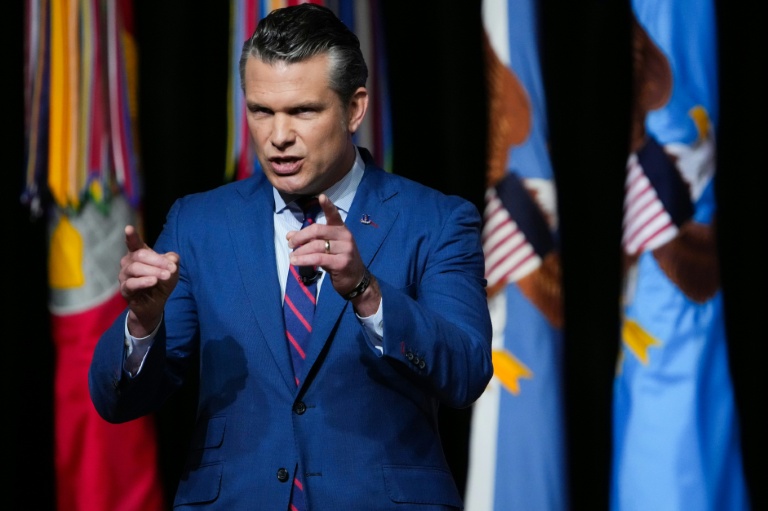
Defense Secretary Pete Hegseth has asked the U.S. Army’s top uniformed officer to step down and retire immediately, the Pentagon announced Thursday, in a surprise leadership shake-up as American forces continue airstrikes and other operations against Iran in a conflict now in its fifth week.

Gen. Randy George, who has served as Army chief of staff since August 2023, “will be retiring from his position as the 41st Chief of Staff of the Army effective immediately,” Pentagon spokesman Sean Parnell said in a statement. No reason was provided for the move.
The ouster comes as the United States wages an intensifying military campaign against Iran, launched in late February 2026 with large-scale strikes under Operation Epic Fury. U.S. and Israeli forces have targeted Iranian missile sites, air defenses, nuclear-related facilities and military infrastructure in a bid to degrade Tehran’s capabilities and prevent it from developing nuclear weapons. President Donald Trump has described the objectives as nearly complete but warned of intensified action in the coming weeks if Iran does not comply with demands to open the Strait of Hormuz and cease threats.
Hegseth also removed two other senior Army officers Thursday: Gen. David Hodne, head of the Army’s Transformation and Training Command, and Maj. Gen. William Green, the chief of Army chaplains, according to Pentagon officials who spoke on condition of anonymity to discuss sensitive personnel matters. The moves mark the latest in a broader purge of top generals and admirals under Hegseth, who has ousted more than a dozen senior officers since taking office last year.
Pentagon officials declined to elaborate on the reasons for George’s departure or the other firings. Some defense analysts and congressional sources suggested the changes reflect Hegseth’s push to install leaders more aligned with the Trump administration’s vision for a leaner, more aggressive military posture focused on great-power competition and rapid modernization.
George, a career infantryman with nearly four decades of service, previously commanded forces in Iraq and Afghanistan and oversaw Army modernization efforts under the Biden administration. His removal mid-conflict has drawn concern from some lawmakers and military observers, who worry about stability in the chain of command during active operations.
Rep. Richard McCormick, R-Ga., a Marine veteran, expressed surprise when informed of the firing during a Newsmax appearance, saying he would “look into it immediately” and describing George as a “brilliant” officer. Other Republicans have been more muted, with some praising Hegseth’s efforts to reform what they call a bloated and politicized senior military leadership.
The timing of the shake-up has raised eyebrows in Washington and among allies. The war against Iran, involving hundreds of U.S. and Israeli airstrikes, has entered its fifth week with CENTCOM releasing footage of recent attacks on drone facilities, tanks and missile launchers in central Iran. Explosions were reported near Esfahan and other sites, while Iran has responded with missile barrages toward Israel and U.S. interests in the Gulf, though many have been intercepted.
Casualty figures from Iranian sources and monitoring groups indicate at least 2,000 killed and tens of thousands wounded in Iran from the campaign, though independent verification remains difficult amid the fog of war. U.S. officials have reported limited American casualties, including several service members killed in an Iranian drone attack on a facility in Kuwait earlier in the conflict. Hegseth has criticized media coverage focusing on U.S. losses, calling it an attempt to undermine the mission.
Trump addressed the nation Wednesday evening, stating the U.S. is “on track to complete all of America’s military objectives shortly” and projecting possible wind-down in two to three weeks. He threatened to hit Iran “extremely hard” or even “back to the Stone Ages” if Tehran does not reopen the Strait of Hormuz, a critical chokepoint for global oil shipments that has seen disruptions from Iranian actions. International efforts, including a meeting of more than 40 countries convened by the UK, are pressing Iran to restore free navigation.
Hegseth has been a vocal proponent of the operation, emphasizing “no stupid rules of engagement” and a focus on decisive strikes without nation-building. In briefings, he and Joint Chiefs Chairman Gen. Dan Caine have highlighted progress in degrading Iran’s missile stockpiles and navy while stressing the campaign’s limited scope.
The Army plays a supporting but critical role in the current phase, providing logistics, air defense assets, special operations forces and readiness for potential ground contingencies, though officials insist there are no plans for a large-scale invasion. George’s office had been involved in ensuring Army units deployed in the region maintained high readiness amid the broader Middle East tensions.
With George’s exit, Lt. Gen. Christopher LaNeve has been named acting chief of staff, according to reports. LaNeve previously served as vice chief and has experience in transformation initiatives.
The firings fit a pattern under Hegseth, who earlier removed the previous chairman of the Joint Chiefs, the Navy’s top officer and other high-ranking figures shortly after assuming the role. Supporters argue the changes are necessary to root out “woke” influences and refocus the military on warfighting. Critics, including some retired officers and Democrats, call it a politicization that risks eroding morale and expertise at a dangerous time.
“Leadership transitions in wartime are always challenging,” said one former senior Army official who spoke on background. “The key is ensuring continuity in ongoing operations and clear guidance to the force.”
The Pentagon has not detailed how the changes will affect day-to-day management of Army contributions to the Iran campaign or other global commitments, including deterrence in the Indo-Pacific and support for Ukraine.
Iranian officials have denounced the U.S. and Israeli strikes as aggression and vowed continued resistance, claiming their forces retain significant capabilities despite losses. Tehran has denied seeking an immediate ceasefire on U.S. terms and accused Washington of economic warfare through disruptions in energy markets.
Global oil prices have fluctuated with news from the region, and shipping companies have rerouted vessels to avoid the Strait of Hormuz amid threats.
In Congress, reactions split along partisan lines. Some Republicans praised Hegseth for bold reforms, while Democrats questioned the wisdom of major personnel shifts during active combat.
“This is not the time for a wholesale housecleaning at the top of the Army,” said one Democratic lawmaker familiar with military issues. “Our troops deserve stable leadership when they’re supporting operations overseas.”
Hegseth, a former Fox News host and Army National Guard veteran, was confirmed as defense secretary after a contentious process. He has made reshaping the Pentagon a priority, including reversing certain diversity initiatives and emphasizing traditional warfighting skills.
The Army chief of staff position is one of the most influential in the service, overseeing training, equipping and doctrinal development for nearly 500,000 active-duty soldiers. George had been expected to serve a full four-year term.
As news of the ouster spread Thursday, senior Army officers expressed private frustration, according to multiple reports, viewing it as another sign of tension between civilian leadership and uniformed ranks.
The White House has not commented directly on the firings, deferring to the Pentagon. Trump has previously signaled support for Hegseth’s aggressive approach to national security.
With the conflict showing no immediate end despite Trump’s optimistic timeline, the leadership change adds another layer of uncertainty. Pentagon officials said operations continue without interruption, and acting leaders have been directed to maintain focus on mission requirements.
Further details on a permanent replacement for George are expected in coming days. In the meantime, the U.S. military remains engaged in what officials describe as a limited but high-intensity campaign to neutralize threats from Iran while avoiding a wider regional war.
Hegseth’s spokesman Parnell said only that the secretary continues to work closely with the president and military commanders “to ensure America’s armed forces remain the most lethal fighting force in the world.”
The developments come as diplomats explore possible off-ramps, though both sides appear dug in. Trump has said no deal is required to end U.S. involvement if objectives are met, but pressure on the Strait of Hormuz remains a flashpoint.
As the war grinds on, the sudden removal of the Army’s senior leader underscores the high-stakes environment inside the Pentagon and the administration’s determination to align senior ranks with its strategic priorities.


Form DEF 14A Brookfield Real Estate Income Trust Inc. For: 3 April

Flux Power discloses loan agreement default and ongoing negotiations
Employers added 178,000 jobs, far more than had expected, the Labor Department says.

A Gulfstream G-IV private jet on approach to Washington’s Reagan National Airport in Arlington, Virginia, June 12, 2024.
J. David Ake | Getty Images
As the Iran war pushes jet fuel prices higher, well-heeled travelers are facing hefty surcharges to fly private, sometimes on flights booked months prior, charter brokers and aviation insiders told CNBC.
Vimana Private Jets CEO Ameerh Naran said the firm recently booked a $520,000 flight from Dubai to London on a Boeing business jet for a client. That same trip cost the client $400,000 in 2023. The difference was entirely due to jet fuel prices — which now average about $4.65 a gallon globally — Naran said.
It’s yet another ripple in the recent disruptions to air travel.
More customers turned to private air travel during the pandemic to avoid crowds. The option remains popular and has become more important to the aviation sector as wealthier households prop up spending in travel and other sectors.
These deep-pocketed travelers are less likely to get priced out as airfares rise, but they have to navigate unexpected fees as brokers and charters differ on how they pass along fuel costs. Jet fuel prices in major U.S. cities were up more than 80% last month, according to Airlines for America, an industry group, citing Argus data.
Jet charter brokers like Vimana arrange flights with jet operators, which own the planes and buy fuel, on behalf of passengers. Naran said Vimana does not renegotiate contracts and does not reprice flights, but that charter prices have surged quickly.
He advised travelers to book sooner than later, saying any price hikes are likely to be sticky even if the Iran war ends soon.
Larger jet operators are slower to pass along fuel costs to passengers as they buy fuel in bulk and want to avoid alienating customers, according to Naran. However, operators will likely have to pay more at the pump when they replenish their supplies, and some are taking losses by not repricing flights, he said.
“There’s a long-term effect, because a lot of companies now will be making losses,” he said. “They’re not going to renegotiate the contract because they don’t want to spoil the relationship with the client, but if they’re making a loss today, they’ve got to recoup it.”
Jet charter prices have increased by 5% to 15% on average, with some rising by as much as 20%, since the Iran conflict began, according to charter broker Amalfi Jets’ database.
Passing costs to passengers
While some operators have raised prices on flights booked months ago and scheduled to fly in the coming weeks, Amalfi Jets CEO Kolin Jones said his company is eating the surcharges for jet card customers.
Some operators are also passing along increased war risk premiums for flights in the Gulf, though Amalfi Jets has only encountered this with three flights so far, he said. The charges added about $8,000 to $10,000 per trip, Jones said.
Gregg Brunson-Pitts of charter broker Advanced Aviation Team said that while he believes operators should honor prices for previously booked flights, repricing is a risk.
In some cases, the fees are relatively insignificant, he said, like a $1,500 surcharge for a flight from Palm Beach, Florida, to Phoenix, Arizona, on a Bombardier Challenger 300, for example. On the other hand, a round trip on a Gulfstream from the East Coast to Asia could incur $20,000 in surcharges for every dollar increase in fuel prices per gallon, he said.
Some long-haul trips have all-inclusive fuel pricing, Brunson-Pitts added.
Nearly all charter contracts include a fuel variable expense, allowing providers to charge more even if the flight was booked six months ago, according to Amanda Applegate, a partner at Soar Aviation Law.
Fractional jet owners, who share overhead costs in exchange for a set number of flight hours, typically pay an hourly rate on fuel that’s adjusted on a monthly or weekly basis. Even they may be on the hook for surcharges when fuel prices spike, Applegate said.
Private jet travelers are less price-sensitive than most flyers, and brokers told CNBC that they haven’t seen surcharges deter demand. Customers who only fly private once or twice a year for special occasions are most likely to get sticker shock, they said.
“Realistically, the individuals that are flying private, the need and want and reason of flying private does outweigh cost,” Jones said. “If you’re going to spend $25,000 on a private jet, and let’s say the cost is now $30,000, that doesn’t necessarily price people out.”
Brokers are also working to mitigate costs by refueling in countries where fuel is cheaper, even if it means additional flight time, Jones said.
Demand for private flying
So far, the business jet market is holding steady, with flights up 5% year over year in the week through March 22, according to aviation data and consultancy firm WingX.
Flexjet global CEO Andrew Collins said jet utilization by the company’s fractional aircraft owners is up 15% over last year. Clients are generally invoiced after they fly, and the company resets fuel prices toward the end of the month, taking an average of the month, he said.
Even as oil prices surge, travelers looking to avoid long lines at airports may be propping up demand for private charters.
Recent government shutdowns — a major disruption last fall and now a partial, ongoing shutdown — have left key aviation workers without pay and slowed air travel.
Most recently, that has led to hourslong lines at major U.S. airports like those serving Houston and New York as Transportation Security Administration officers called out of work while they weren’t receiving regular pay.
In the five weeks after the partial government shutdown began on Feb. 14, business jet departures increased year over year at most metropolitan airports, WingX reported.
Flexjet’s Collins said the company saw an increase in what he called “pop-up flights,” or reservations that guaranteed an aircraft within 10 hours of departure, during the recent airport chaos.
That said, Amalfi’s Jones said he has noticed some clients opting to fly on smaller aircraft to spend less.
“Some of them are very upset about that, like, ‘Hey, I used to fly on Citation Xs. Pricing is so expensive, and now I’m flying on a Hawker 800,’” Jones said. “It’s like, well, you’re still flying private. You’re going to get there maybe three minutes slower than the bigger airplane. But all in all, it’s the same kind of level of experience.”
Brunson-Pitts encouraged flyers to confirm with their broker whether they can expect a fuel surcharge or an invoice after their trip. Still, he said he expects the situation to be temporary, comparing it to oil’s rapid surge and subsequent crash from 2007 through 2008.
“This too shall pass,” he said. “That doesn’t mean it’s not painful, but the price of jet fuel rises and then it falls again.”
Samsung’s next-generation book-style foldable, the Galaxy Z Fold 8, is expected to launch in July 2026 during the company’s traditional summer Galaxy Unpacked event, with pre-orders likely opening the same day and general availability following about two weeks later, according to multiple supply chain reports and analyst projections.

The anticipated July timing continues Samsung’s established pattern for its premium foldables. The Galaxy Z Fold 7 launched on July 9, 2025, and the Fold 6 on July 10, 2024. Industry insiders and leakers, including reliable voices such as Ice Universe, point to a similar window in 2026, most likely the second week of July for the official unveiling, with retail sales commencing around July 22 or 24.
This year’s event is shaping up to be particularly significant, as Samsung is reportedly preparing not only the standard Galaxy Z Fold 8 and Galaxy Z Flip 8 but also a new “Wide” variant of the Fold 8. The wider model, sometimes referred to as the Galaxy Z Fold 8 Wide, is designed with a more expansive aspect ratio to better compete with upcoming foldable devices from rivals, including Apple’s anticipated first foldable iPhone. Carrier database listings and regulatory filings have already confirmed multiple model numbers, indicating all three devices are on track for a coordinated summer launch in the third quarter.
Expected Design and Display Improvements
Early leaks suggest the Galaxy Z Fold 8 will focus heavily on refining the foldable experience rather than overhauling the core form factor. The inner folding display is expected to measure approximately 8 inches, while the cover screen remains around 6.5 inches, both supporting smooth 120Hz refresh rates on Dynamic AMOLED panels.
A major highlight in rumors is significant progress on the persistent crease issue. Samsung is reportedly testing dual-layer ultra-thin glass combined with a laser-drilled metal support plate, aiming for a near-invisible crease when the device is unfolded. The overall chassis is expected to be thinner and lighter than previous generations, with some projections placing the weight as low as 200 grams in certain configurations.
Durability enhancements are another key theme. Stronger hinge mechanisms and improved water and dust resistance ratings are anticipated, addressing long-standing consumer feedback about foldable reliability.
Performance, Battery and Camera Upgrades
Under the hood, the Galaxy Z Fold 8 is widely tipped to feature Qualcomm’s Snapdragon 8 Elite Gen 5 (or a Galaxy-optimized variant), paired with generous RAM options of 12GB or 16GB and storage tiers ranging from 256GB to 1TB. Advanced vapor chamber cooling is expected to keep temperatures in check during demanding tasks such as gaming or multitasking across the large inner display.
Battery capacity is another area of focus, with leaks pointing to a 5,000mAh cell — a notable increase that could deliver substantially better endurance, especially when using the unfolded screen. Faster charging speeds, potentially up to 45W wired, are also rumored, along with possible improvements in wireless charging.
On the camera front, the Galaxy Z Fold 8 could see a significant leap with a 200-megapixel main sensor, supported by a 50-megapixel ultrawide lens and a 10-megapixel telephoto with 3x optical zoom. These upgrades would position the foldable closer to Samsung’s flagship Galaxy S series in photography capabilities, enhancing its appeal for content creators who value the large unfolded canvas for editing and previewing.
Software support is expected to include One UI 9 based on the latest Android version, with Samsung promising extended years of OS and security updates to match or exceed competitors in the premium segment.
Pricing and Market Strategy
Pricing is projected to remain largely consistent with recent generations, starting around $1,999 in the United States for the base model. However, some analysts speculate a modest increase in certain markets due to enhanced materials and components. The new Wide variant may carry a premium, though exact figures have not yet surfaced.
Samsung’s decision to launch both the standard Fold 8 and the wider model simultaneously appears aimed at broadening appeal and preempting competition from Apple’s rumored foldable iPhone, expected later in 2026 or 2027. By offering different screen proportions, Samsung hopes to capture users who prefer a more tablet-like experience when unfolded or a narrower profile when folded.
Production plans reportedly prioritize the Galaxy Z Fold 8, with estimates of 3.5 million units prepared ahead of launch compared to 3 million for the Flip 8, reflecting stronger expected demand for the book-style design.
Broader Context in Samsung’s Foldable Roadmap
The 2026 foldable lineup underscores Samsung’s continued dominance in the category it helped popularize. Since introducing the original Galaxy Fold in 2019, the company has iterated steadily, improving hinge durability, display quality and software optimization with each generation.
This year’s additions, including the Wide model, signal an aggressive push to expand the foldable market beyond early adopters. Features such as enhanced S Pen support (rumored to return in improved form), better multitasking and AI integrations via Galaxy AI are expected to make the devices more productive and appealing for professional users.
Global availability is anticipated shortly after the Unpacked event, with pre-orders likely including bundled accessories, trade-in deals and carrier financing options to lower the entry barrier for interested buyers.
As the July launch window approaches, more concrete details are expected through official teasers, regulatory certifications and hands-on leaks. In the meantime, speculation continues to build around how the Galaxy Z Fold 8 and its Wide sibling will differentiate themselves in an increasingly competitive foldable landscape.
For consumers considering a foldable purchase in 2026, the Galaxy Z Fold 8 appears poised to deliver meaningful refinements in nearly every area — from the display crease to battery life and photography — while maintaining the premium price point that has defined the series.
Samsung has not yet confirmed any specifics, and all details remain subject to change until the official unveiling. Enthusiasts and analysts alike will be watching closely as the company prepares what could be one of its most ambitious foldable lineups to date.


New refrigerated products part of La Tortilla subsidiary.


Petitions object to the safe use of beetroot red and spirulina.
United Airlines new Polaris seat on one of its Boeing 787 Dreamliners
Leslie Josephs/CNBC
Does it matter where you sit if you’re sipping Champagne in first class? United Airlines is betting that for some travelers looking for luxury at a discount, it doesn’t.
The carrier is launching new, cheaper tiers for its top-end Polaris and premium economy cabins that come with many of the same perks — but plenty of restrictions too.
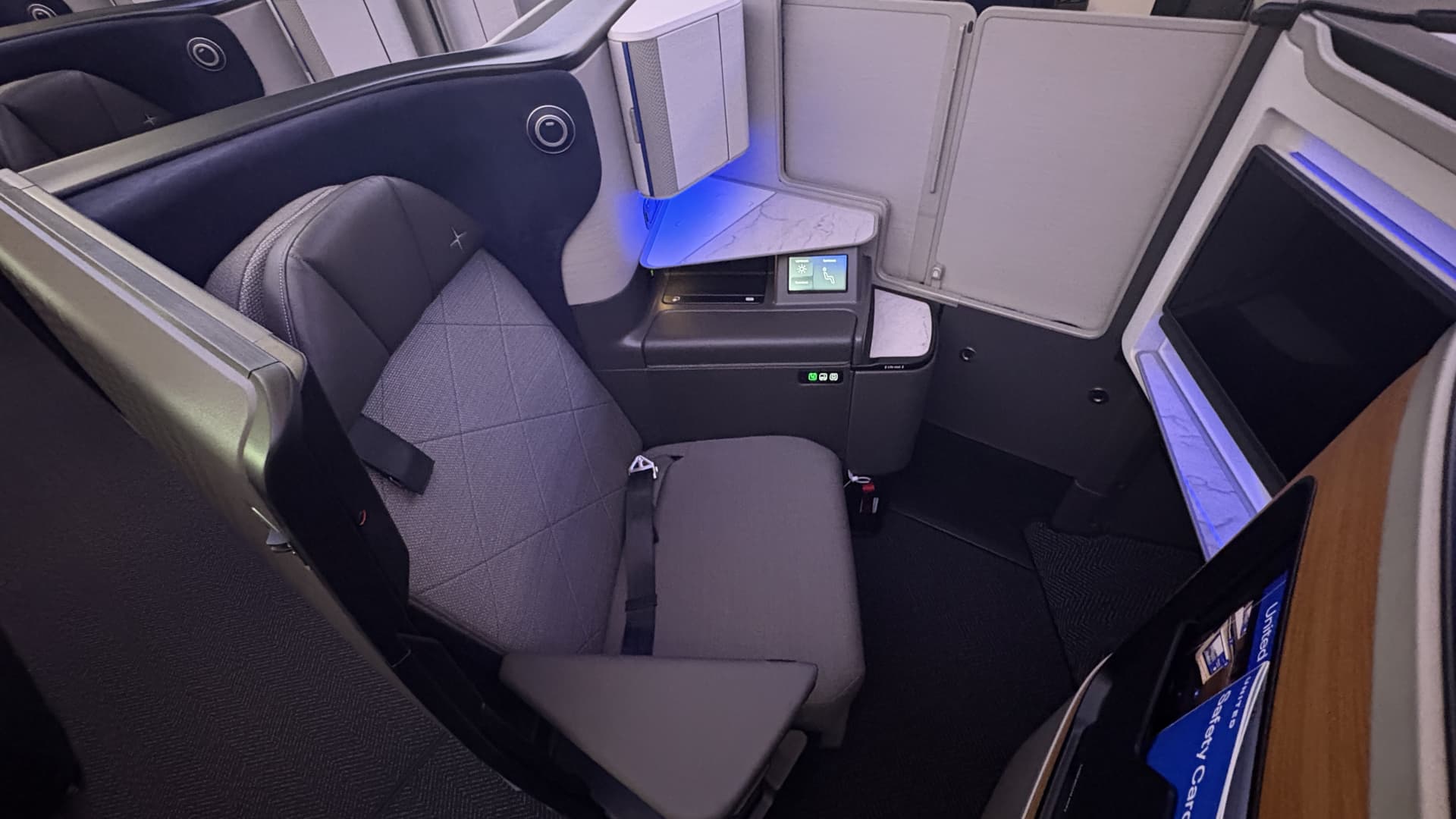
Starting this spring, United will offer “Base” Polaris fares which will include a spot in the airline’s long-haul business class cabins featuring lie-flat seats, but will charge those customers extra for advanced seat selection.
The new ticket class will also come with only one checked bag instead of two, and with access to the United Club airport lounge but not the higher-end Polaris lounge, which include showers and other plush features. Ticket changes aren’t allowed.
The other categories for Polaris will be “Standard” and the more expensive “Flexible” option that allows for customers to pay up for the new, more spacious Polaris Studio suites.
The new fares show that United — and perhaps soon, other airlines — are dividing up the front of the plane into smaller categories, just as they have with coach over the past decade, from restrictive basic economy tickets to extra legroom fares.
United’s new strategy comes as it overhauls its nearly decade-old Polaris class with new suites that feature sliding doors and bigger screens, while customers continue to show their willingness to pay more to fly in better seats. United and its competitors have been racing to add more premium seating on its planes, sometimes removing some economy seats to do so.
A spokeswoman for United said customers in Base Polaris would get the same meals — including ice cream — as other passengers in the cabin. She declined to say what the price differences between the fares will be, but said the Base Polaris fare is meant to be an entry-level point for the premium class.

United is also launching similar segmentation for its premium economy class, Premium Plus.
The new options will be available in certain markets starting this month and will expand to other international and long-haul domestic markets later this year, United said.
Rival Delta Air Lines last year said it was also considering segmenting front-of-the-plane cabins.
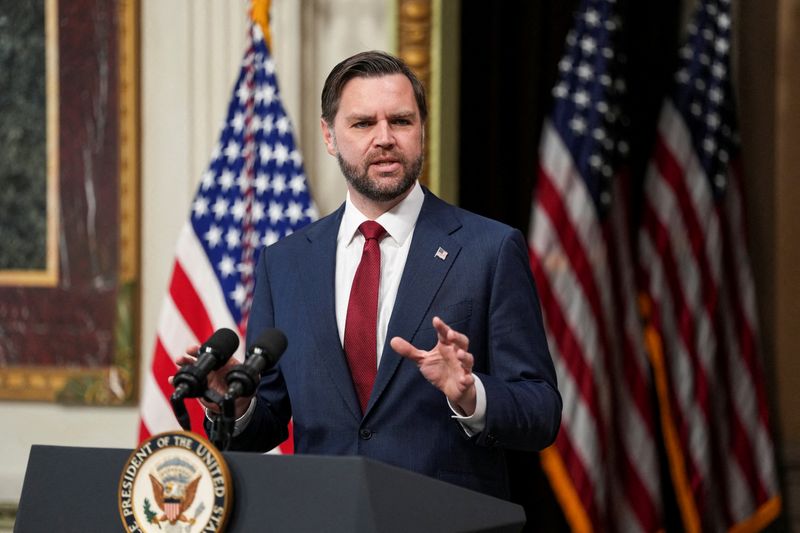

Vance to focus fraud efforts on Democratic states, Trump says

US targets Chinese chipmaking with proposed export restrictions on ASML and others

Storm Dave – weather warning for York and North Yorkshire
Form DEF 14A Brookfield Real Estate Income Trust Inc. For: 3 April

CoinDesk 20 performance update: Bitcoin (BTC) trades flat while altcoins rise

Smart energy pays enters the US market, targeting scalable financial infrastructure

Why Israel is blocking foreign journalists from entering

Bitcoin: We’re Entering The Most Dangerous Phase

Banking & Financial Current Affairs MARCH 2026 | Monthly Current Affairs Series By Sheetal Mam

How Is Everything Outpacing Inflation At The Same Time?

April 1 Financial Rule Change: Cash Deposit & Withdrawal Rules | Public TV
-

 NewsBeat7 days ago
The Story hosts event on Durham’s historic registers
-

 NewsBeat19 hours ago
Steven Gerrard disagrees with Gary Neville over ‘shock’ Chelsea and Arsenal claim | Football
-

 Sports7 days ago
Sweet Sixteen Game Thread: Tide vs Michigan
-
Entertainment4 days ago
Fans slam 'heartbreaking' Barbie Dream Fest convention debacle with 'cardboard cutout' experience
-

 Crypto World2 days ago
Gold Price Prediction: Worst Month in 17 Years fo Save Haven Rock
-

 Business13 hours ago
No Jackpot Winner and $194 Million Prize Rolls Over
-
 Entertainment6 days ago
Lana Del Rey Celebrates Her Husband’s 51st Birthday In New Post
-

 Tech4 days ago
The Pixel 10a doesn’t have a camera bump, and it’s great
-
Crypto World3 days ago
Dems press CFTC, ethics board on prediction-market insider trades
-

 Sports3 days ago
Tallest college basketball player ever, standing at 7-foot-9, entering transfer portal
-

 Tech3 days ago
EE TV is using AI to help you find something to watch
-

 Fashion5 days ago
Amazon Sundays: Soft Spring Layers
-

 Tech4 days ago
Avatar Legends: The Fighting Game comes out in July and it looks pretty slick
-

 Business1 day ago
Login and Checkout Issues Spark Merchant Frustration
-

 Fashion6 days ago
When Evening Dressing Gets Colorful for Spring
-

 Tech3 days ago
How to back up your iPhone & iPad to your Mac before something goes wrong
-

 Tech5 days ago
Elon Musk’s last co-founder reportedly leaves xAI
-

 Tech4 days ago
Apple will hide your email address from apps and websites, but not cops
-

 Crypto World4 days ago
U.S. rule change may open trillions in 401(k) funds to crypto
-

 Politics4 days ago
Should Trump Be Scared Strait?
You must be logged in to post a comment Login