
Business
Even After Doubling, Seneca Foods Corporation Offers Tasty Upside



Business
Ex-FBI Agent Criticizes Pima County Sheriff Over Sonoran Desert Search in Nancy Guthrie Case


TUCSON, Ariz. — A retired FBI special agent has publicly criticized the Pima County Sheriff’s Department over what she describes as an inadequate search of the Sonoran Desert surrounding the home of Nancy Guthrie, the missing mother of NBC “Today” show co-anchor Savannah Guthrie, as the more than six-month investigation continues without a named suspect.
Retired FBI Special Agent Jennifer Coffindaffer took to social media Aug. 19 to question why the vast desert terrain near Guthrie’s Tucson-area home had not been searched more extensively. “Why does law enforcement refuse to search the Sonoran Desert near Nancy’s house?” Coffindaffer wrote, according to International Business Times. She questioned whether searches had effectively stopped after the second day of the investigation and asked why Sheriff Chris Nanos allegedly halted broader search efforts and declined offers of support from outside volunteer groups. Coffindaffer described the desert as an ideal location for concealing or disposing of a body, arguing that its vast, remote terrain holds countless secrets that remain unexplored.
Coffindaffer’s criticism came shortly after human remains were discovered roughly 15 miles from Guthrie’s residence, near West Ajo Way and South La Cholla Boulevard. The Pima County Sheriff’s Department said the remains appeared to have been at the location for an extended period and that there was “no indication at this time” they were connected to Guthrie’s disappearance. That discovery, and the department’s rapid initial assessment ruling out a connection, prompted Coffindaffer to question how investigators could reach that conclusion so quickly, adding further fuel to renewed public scrutiny of the broader search effort.
However, online commentators have pushed back against aspects of Coffindaffer’s characterization of the investigation. An account known as Mort Investigates challenged the narrative that law enforcement had simply abandoned the surrounding desert area, arguing instead that the initial search-and-rescue phase of the investigation shifted in scope and approach as investigators increasingly came to treat Guthrie’s disappearance as a likely abduction rather than a person who had wandered off or become lost.
Contemporaneous reporting from earlier in the investigation appears to support that pushback. On Feb. 11, roughly 10 days after Guthrie was first reported missing, FBI agents and sheriff’s deputies conducted searches of desert terrain and surrounding neighborhoods around the homes of both Guthrie and her daughter, Annie. Authorities said at the time that several hundred detectives and agents were involved in the broader investigation. While that evidence does not establish whether every relevant portion of the Sonoran Desert has ultimately been searched, it directly contradicts any suggestion that authorities entirely ceased searching the surrounding terrain within the investigation’s first two days, as some critics have implied.
A separate statistical claim made by Coffindaffer has also drawn scrutiny. She cited a figure of more than 4,000 sets of unidentified human remains in connection with her criticism of the investigation, but online commentators noted that figure actually refers to migrant remains recovered across Southern Arizona since 2001, a regional total spanning more than two decades, rather than to remains found specifically near Guthrie’s home or within the specific territory searched by investigators in this case. That distinction matters significantly in assessing the validity of the underlying criticism, since a broad, multi-decade regional statistic cannot by itself establish how many unidentified remains have actually been recovered in the immediate area surrounding Guthrie’s residence or within the specific search zones investigators have covered.
Despite the mounting public criticism, Pima County authorities have continued to defend both the scope and pace of the investigation. Sheriff Chris Nanos told The Wall Street Journal last month that officials were working on the case every day alongside outside partners and specialists. Investigators have previously released doorbell camera footage showing a masked man at Guthrie’s home around the time of her disappearance and have continued analyzing DNA evidence collected during the course of the investigation. Nanos has repeatedly stressed that the case remains active rather than cold, even though no suspects have been publicly named more than six months after Guthrie’s Feb. 1 disappearance.
In an effort to generate new leads, authorities have also released the full contents of two ransom-related communications connected to the case. Guthrie’s family has offered a $1 million reward for information leading to her safe recovery, part of a broader reward pool that has also included contributions from the FBI and outside nonprofit organizations.
Guthrie, 84, was reported missing Feb. 1 from her home in Tucson’s Catalina Foothills neighborhood, with investigators believing she was abducted from the residence. The case has drawn extensive national media attention given her daughter’s prominent role as a national television news anchor, fueling sustained public interest and, at times, intense scrutiny of every development in the investigation, including competing interpretations of how thoroughly certain search areas have actually been covered.
The recent discovery of unidentified remains near Guthrie’s home has renewed that scrutiny specifically. While authorities have said there is currently no indication of any connection between the remains and Guthrie’s disappearance, they have not publicly detailed the specific forensic or investigative basis for that preliminary assessment, a gap in publicly available information that has left room for continued speculation and criticism from outside observers, including former law enforcement officials such as Coffindaffer.
As the investigation continues without a named suspect, person of interest or identified vehicle connected to Guthrie’s disappearance, both supporters and critics of the Pima County Sheriff’s Department’s handling of the case are likely to continue closely scrutinizing each new development, including any further search activity in the surrounding desert terrain and any additional forensic findings tied to the recently discovered remains, as authorities work to determine whether they bear any relationship to the broader case.
Business
Meghan’s Reported UK Acting Comeback Unlikely to Revive ‘Fab Four’ Dynamic With Kate, Royal Watchers Say
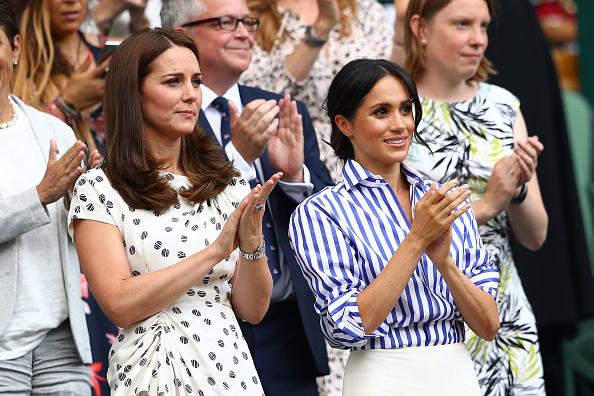
As Meghan Markle prepares to relocate to the United Kingdom alongside Prince Harry and their children, speculation is mounting over whether her reported return to acting could open the door to renewed public appearances alongside Prince William and Catherine, the Princess of Wales — a pairing once nicknamed the “Fab Four” during Harry and Meghan’s early years as senior royals. Royal commentators, however, remain broadly skeptical that any such reunion is realistic, given how far the two couples’ public roles and personal relationship have diverged since 2020.
The term “Fab Four” was coined by British media in 2018 to describe joint public appearances by William, Catherine, Harry and Meghan during the brief period when all four served together as working members of the royal family. That arrangement effectively ended when Harry and Meghan stepped back from official royal duties in January 2020 and relocated to the United States, a decision that was followed by years of public tension between the two couples, fueled in part by Harry and Meghan’s 2021 interview with Oprah Winfrey and the 2023 publication of Harry’s memoir, “Spare.”
Markle is reportedly in discussions to return to acting through a potential role on Netflix’s crime comedy series “The Gentlemen,” created by filmmaker Guy Ritchie, according to earlier reporting from Deadline and The Hollywood Reporter. Sources close to the situation have described the talks as being in early or advanced stages depending on the outlet, though none of the reporting has confirmed a finalized deal, and Netflix has not officially renewed “The Gentlemen” for a third season.
That reported return to acting comes as Harry and Meghan finalize plans for an extended stay in the UK with their two children, Archie and Lilibet, who are expected to begin school in Britain this fall. The relocation follows a private family meeting between the Sussexes and King Charles III and Queen Camilla at Highgrove House in July, which marked the king’s first time seeing his grandchildren in person in more than four years.
Commentary circulating in British and international royal media has framed Markle’s potential return to acting as an opportunity to reconnect with a UK public that has, at times, viewed her more critically than American audiences have over the years since her 2018 wedding to Harry. Some coverage has suggested that Markle’s various post-royal ventures, including her Netflix docuseries, her lifestyle brand As Ever, and her cooking and lifestyle series “With Love, Meghan,” have had mixed success in reshaping her public image in Britain specifically, even as those projects have found audiences elsewhere.
Whether a return to acting could meaningfully affect Markle’s relationship with the working royal family, particularly with William and Catherine, remains a matter of speculation rather than confirmed reporting. Royal commentators have generally emphasized that the structural gap between Markle’s role as a private individual pursuing entertainment industry projects and William and Catherine’s continued responsibilities as senior working royals makes any return to joint public appearances, of the kind associated with the original “Fab Four” moniker, highly unlikely regardless of Markle’s career choices going forward. Since 2020, William and Catherine have continued their full schedule of official royal engagements and charitable patronages, a role fundamentally distinct from the private, commercially oriented ventures Harry and Meghan have pursued since their departure.
The relationship between the two couples has shown little public sign of warming in recent years. Harry and William are widely reported to remain estranged, with limited direct communication between the brothers since 2020. During Harry’s periodic solo visits to London in recent years, including trips tied to ongoing legal proceedings, William and Catherine have on at least one occasion scheduled their own engagements away from London specifically during the overlap, according to earlier royal reporting, a pattern some commentators have cited as evidence of the brothers’ continued distance.
Markle has not returned to England since Queen Elizabeth II’s funeral in September 2022, marking the last occasion on which all four members of the so-called “Fab Four” were seen together publicly. Her upcoming return to the UK for an extended family stay would mark her first visit to the country in nearly four years, adding significant public interest to how she might navigate any interactions with the broader royal family beyond her father-in-law, King Charles.
Neither Buckingham Palace, Kensington Palace nor representatives for the Duke and Duchess of Sussex have issued detailed statements addressing speculation about Markle’s potential acting comeback or its implications for her relationship with William and Catherine specifically. Much of the current commentary on the topic reflects analysis and speculation from royal watchers and entertainment industry sources rather than confirmed, on-the-record statements from those directly involved.
As Harry, Meghan and their children prepare for their move to Britain in the coming weeks, attention is likely to remain focused on several separate but related storylines: whether Markle’s reported role on “The Gentlemen” is ultimately confirmed, how the broader royal family navigates the Sussexes’ return to more regular proximity with the rest of the family, and whether any thaw in relations with King Charles extends to William and Catherine as well. For now, royal commentators continue to characterize a full reunion resembling the original “Fab Four” dynamic as unlikely, citing both the substantial personal rift between the brothers and the fundamentally different public roles the two couples now occupy, one grounded in official royal duty and the other in private commercial and creative ventures.

Peace through strength, Taiwan president says on China battle anniversary

Robots can outrun humans, but can they plug in a cable?

Alibaba proposes Hong Kong share placement worth $10 billion

ABN AMRO: Improved Profitability And Surplus Capital Warrant An Upgrade

CEF Weekly Review: XFLT Gets New Sub-Adviser Over The Line
Business
Map Shows COVID-19 Cases Rising in Nearly Every US State as CDC Tracks Late-Summer Surge Nationwide

COVID-19 infections are growing or likely growing in nearly every U.S. state, according to the latest epidemic modeling from the Centers for Disease Control and Prevention, with a map of current transmission trends showing almost the entire country colored red for the first time this summer.
As of Aug. 19, 2026, the CDC’s Current Epidemic Trends model estimates that COVID-19 infections are growing or likely growing in 47 states, declining or likely declining in zero states, and not meaningfully changing in just two states, according to the agency’s own published data. That figure builds on an even broader assessment from the prior week; as of Aug. 12, the CDC had estimated infections were growing or likely growing in all 50 states plus the District of Columbia, with Iowa the lone exception due to insufficient data available to generate a trend estimate, according to Newsweek.
The map’s near-total shift toward growth represents a dramatic escalation compared with conditions just a month earlier. On July 22, the CDC estimated infections were growing or likely growing in only 37 states, while 11 states were classified as experiencing stable transmission at that time, according to Newsweek’s earlier reporting on the model. Those 11 pockets of stability have since disappeared entirely from the map, reflecting how quickly the summer wave expanded from a regional phenomenon centered in the South and West into a fully nationwide trend.
The CDC’s model does not attempt to estimate the actual number of Americans currently infected with COVID-19. Instead, it relies on the effective reproduction number, known as Rt, to assess whether transmission is currently trending upward, downward or holding steady in a given location, functioning as one of the agency’s earliest available indicators of shifting disease activity, often flagging emerging trends before they become visible through other, slower-moving surveillance systems such as hospitalization or emergency department data. Newsweek reported that in many states, the CDC’s model now shows a greater than 99% statistical probability that infections are actively increasing.
Large, population-heavy states have been squarely caught up in the current wave. According to Newsweek, states including California, Texas, Florida, New York, Pennsylvania, Illinois and Georgia are all showing growth under the CDC’s latest modeling, while broader regional trends spanning much of the Midwest, Northeast, South and Mountain West are reflecting the same pattern of rising transmission.
Andrew Pekosz, a professor of molecular microbiology and immunology at Johns Hopkins Bloomberg School of Public Health, told Newsweek the current nationwide surge fits a pattern the country has now experienced for several consecutive years. “This looks like a pattern that has been documented in the past few years. Late summer/early fall surge of COVID cases seems to be part of the expected pattern of COVID-19 cases that we see,” Pekosz said. He characterized the current wave’s pace as measured rather than explosive, drawing on his own recent clinical observations. “Cases are increasing at a relatively steady pace, they aren’t surging dramatically. These are the people I still see in the hospital,” Pekosz said, according to Newsweek’s reporting.
A separate expert quoted by Newsweek in coverage of the trend offered a broader framing of how COVID-19’s current seasonal pattern differs from the earlier years of the pandemic. “We are in the ‘seasonal’ phase and out of the ‘pandemic’ phase,” the professor of immunology said, describing the recurring late-summer uptick as consistent with how the virus is now expected to behave several years removed from its initial global emergence.
Despite the near-total geographic spread of rising transmission shown on the current map, health officials have continued to emphasize that overall disease severity indicators remain comparatively mild relative to earlier phases of the pandemic. The CDC’s broader surveillance data has continued to show relatively low levels of acute respiratory illness prompting medical care nationally, even as the specific trend toward increasing COVID-19 transmission has become nearly universal across the country’s state-level map.
The latest CDC estimates arrive as lawmakers continue to revisit aspects of the federal government’s broader pandemic-era response, according to Newsweek, a backdrop that has added political dimension to ongoing public discussion of how the government tracks and communicates COVID-19 trends nearly six years after the virus first emerged.
The CDC’s Current Epidemic Trends tool also allows users to view transmission estimates at the more localized Health Service Area level, in addition to the standard statewide map, offering a more granular picture of where within individual states transmission may be increasing most sharply. The agency has said it will continue updating both the statewide and localized versions of the map on a rolling basis as new surveillance data becomes available, with the CDC noting that all previous historical estimates remain accessible through its public data portal for those tracking how the current wave has evolved over time.
With nearly the entire country now shaded to indicate growing transmission, and with only a small handful of states, currently just two according to the most recent Aug. 19 update, showing stable rather than increasing spread, public health officials are likely to continue monitoring closely whether the current wave follows the same general trajectory as prior late-summer surges, typically peaking before beginning to recede as autumn approaches, or whether this year’s unusually broad geographic spread signals a somewhat different pattern than the country has experienced in recent COVID-19 seasons.
This story includes information on a virus that can pose greater risk to certain populations, including older adults and people who are immunocompromised. If you are concerned about COVID-19 symptoms, exposure or vaccination options, consult a health care provider for personalized guidance suited to your individual risk factors.
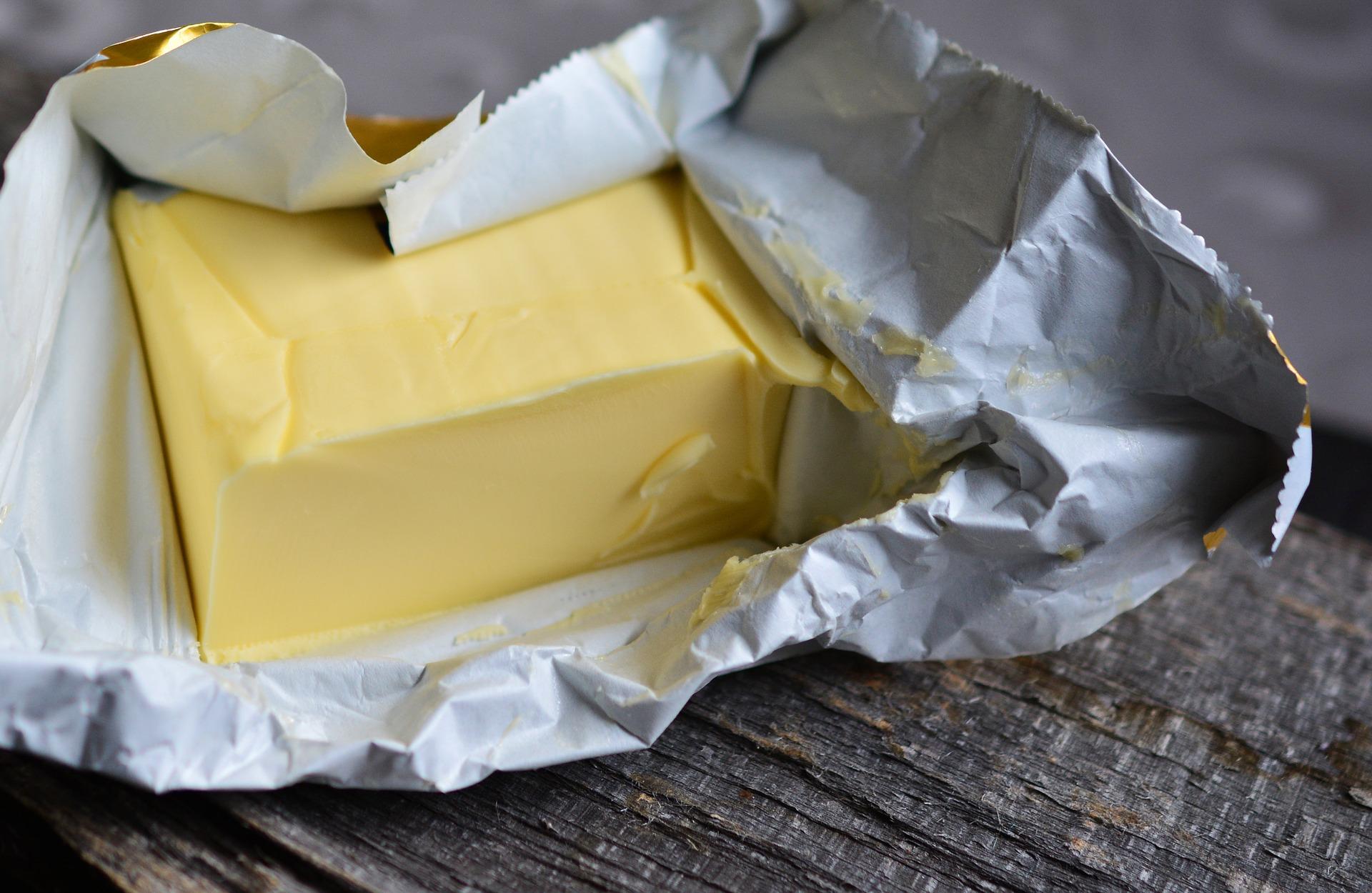
The debate over whether butter or margarine belongs in a healthier kitchen has swung back and forth for decades, with each spread taking turns as the recommended choice as nutrition science evolved. According to registered dietitians, the current answer is more nuanced than a simple verdict in either direction, and largely depends on which specific product you’re comparing and what your individual health needs are.
Butter and margarine may look nearly identical sitting side by side in a grocery store dairy case, but they are made through fundamentally different processes. Butter is a dairy product made by churning cream or milk until the fat separates from the liquid, a technique that has been used for centuries. “Butter is made by churning milk, which separates the fat from the milk. It’s then allowed to stand, which means the fat rises to the top and is then separated from the liquid,” explained Emer Delaney, a registered dietitian and founder of My Private Dietitian. By law, butter must contain at least 80% butterfat, according to the U.S. Department of Agriculture.
Margarine, by contrast, is made from blended and emulsified vegetable oils, such as sunflower or soybean oil, rather than dairy. “Margarine is made from blending different vegetable oils such as sunflower or soybean oil, which have been refined and emulsified. It was originally developed as a cheaper, ‘healthier’ alternative to butter,” Delaney said. Margarine ingredients typically include oils such as palm or soybean oil, water and emulsifiers like soy lecithin, and because it is generally plant-based rather than dairy-derived, many margarines can be made vegan.
The nutritional heart of the debate centers on fat composition. Butter is roughly 60% saturated fat, about 30% monounsaturated fat, with the remainder split between polyunsaturated fat and trace amounts of trans fat, according to USDA data. Margarine’s fat profile tends to be more evenly distributed, with monounsaturated, polyunsaturated and saturated fats each making up roughly a third of its total fat content.
That distinction matters significantly for cardiovascular health. Cardiovascular disease remains the leading cause of death in the United States, claiming 919,032 lives in 2023 alone. Because saturated fat can raise LDL, or “bad,” cholesterol, a major risk factor for heart disease, the American Heart Association recommends limiting saturated fat intake to less than 6% of total daily calories. Nutritionist and registered dietitian Amy Goodson of The Sports Nutrition Playbook explained that this is precisely where butter tends to fall short. “Traditional butter contains a substantial amount of saturated fat, which can raise LDL (‘bad’) cholesterol levels when consumed in excess,” Goodson said, adding that saturated fat has also been linked to increased cardiovascular risk and arterial plaque buildup.
Margarine’s comparatively lower saturated fat content has led many dietitians to favor it for heart health specifically, provided the right type is chosen. Johannah Katz, a registered dietitian, offered a clear recommendation on which margarine formulation to look for. “A soft, non-hydrogenated margarine or plant-based spread made with unsaturated oils is generally the better choice for heart health compared with butter,” Katz said. Maryann Walsh, a registered dietitian and president of Walsh Nutrition Consulting, echoed that guidance while emphasizing the importance of avoiding older-style hydrogenated products. “Modern-day soft or liquid margarines made with plant-based oils and without partially hydrogenated oils are reasonable swaps for those wanting a butter substitute with no cholesterol,” Walsh said.
That caveat about hydrogenated oils is critical to understanding margarine’s complicated reputation. Older stick margarines historically relied on partially hydrogenated oils to achieve a solid, butter-like texture, a process that created trans fats, which research has since shown to be even more harmful to cardiovascular health than saturated fat, simultaneously raising LDL cholesterol while lowering HDL, or “good,” cholesterol. In 2018, the Food and Drug Administration banned partially hydrogenated oils from food products, including margarine, specifically to reduce Americans’ exposure to these heart-damaging trans fats. Following that ban, a University of Minnesota School of Public Health analysis found that margarine and butter-blend products now contain substantially less saturated fat and cholesterol compared with butter, and no longer contain any man-made trans fat, a shift that has meaningfully improved margarine’s overall nutritional standing relative to butter in recent years.
Despite that improvement, dietitians caution that not all margarines are created equal, and shoppers still need to check labels carefully. Softer tub and liquid margarines generally contain less saturated fat, fewer calories and less trans fat than harder stick margarines, according to nutrition guidance published by Providence health system. The clear recommendation from that guidance: steer clear of stick margarines in favor of soft tub or liquid varieties, which tend to be formulated with healthier oil blends.
Ultimately, most dietitians agree the “healthier” choice depends heavily on individual circumstances rather than a universal rule. “When it comes to choosing between butter and margarine in terms of what’s healthier, it really depends ‘for whom,’” said Joy Erdile, a registered dietitian and founder of BetterByDesign Nutrition Ltd. “For people who need to limit saturated fat for medical reasons, avoiding butter may be necessary.” For someone managing high cholesterol or existing cardiovascular risk factors, a soft, non-hydrogenated margarine is likely the more heart-conscious option. For someone without those specific medical concerns who values whole, minimally processed foods, occasional butter in moderation may be an entirely reasonable choice.
Despite the ongoing debate, dietitians are consistent on one point: neither spread should be a significant part of anyone’s daily diet. Both butter and margarine are calorie-dense fats meant to be used sparingly as flavor enhancers rather than dietary staples, according to nutrition experts across multiple outlets covering the comparison.
For those looking to sidestep the debate altogether, some dietitians point to alternatives built around healthy plant oils. Cold-pressed olive oil or avocado oil can replace butter or margarine in cooking or drizzling applications, and for a spreadable option, one simple trick offers a middle ground. “For those interested in reducing saturated fat content, simply placing a ramekin of extra virgin olive oil in your refrigerator can be a great way to make your own whole food spread,” one nutrition expert suggested, recommending fresh herbs and garlic for a savory version, or cinnamon and cloves for something sweeter.
Ultimately, the butter-versus-margarine question doesn’t have a single universal winner. For most people without specific medical restrictions, either can fit into a balanced diet in moderation, with the specific choice best guided by individual health needs, cholesterol levels and a preference for minimally processed ingredients over a blanket recommendation favoring one spread over the other.


Dhierin-Perkash Bechai is an aerospace, defense and airline analyst.
Dhierin runs the investing group The Aerospace Forum, whose goal is to discover investment opportunities in the aerospace, defense and airline industry. With a background in aerospace engineering, he provides analysis of a complex industry with significant growth prospects, and offers context to developments as they occur, describing how they might affect investment theses. His investing ideas are driven by data informed analysis. The investing group also provides direct access to data analytics monitors.
Learn more.
Analyst’s Disclosure: I/we have no stock, option or similar derivative position in any of the companies mentioned, and no plans to initiate any such positions within the next 72 hours. I wrote this article myself, and it expresses my own opinions. I am not receiving compensation for it (other than from Seeking Alpha). I have no business relationship with any company whose stock is mentioned in this article.
Seeking Alpha’s Disclosure: Past performance is no guarantee of future results. No recommendation or advice is being given as to whether any investment is suitable for a particular investor. Any views or opinions expressed above may not reflect those of Seeking Alpha as a whole. Seeking Alpha is not a licensed securities dealer, broker or US investment adviser or investment bank. Our analysts are third party authors that include both professional investors and individual investors who may not be licensed or certified by any institute or regulatory body.

Ex-FBI Agent Criticizes Pima County Sheriff Over Sonoran Desert Search in Nancy Guthrie Case

Infantino defies FIFA vice president’s request to stay away from Caribbean youth tournament

California may get a first nuclear reactor on a boat powerful enough for 15000 homes

Weekend Open Thread – Corporette.com

Weekend Open Thread: Brooks Brothers

London Mayor Sadiq Khan handed a peerage by Keir Starmer alongside 15 other Labour figures… just days before the PM leaves No10

John Law – The First Financial Engineer – A History of Paper Money and The Mississippi Bubble

THANK YOU GOD! THE CFTC JUST SPILLED EVERYTHING!!! (INSANE XRP NEWS!)

The Importance of Financial Literacy in the Black Community | Shark Tank’s Daymond John
-

 Fashion1 day ago
Weekend Open Thread: Madewell – Corporette.com
-

 Business5 days ago
SMA Solar Technology AG (SMTGY) Q2 2026 Earnings Call Transcript
-

 Tech5 days ago
Qwen3.8-27B runs frontier-class coding agents and reasoning locally, no cloud API required
-

 Crypto World5 days ago
OCC Greenlights Trump Family Crypto Firm for Trust Charter
-

 Politics18 hours ago
6 months on, Irish renters crushed by effects of government housing bill
-

 Crypto World5 days ago
NAVI Prime launches institutional lending framework on Sui
-

 News Videos3 days ago
Don’t Leave Your Financial Future To Chance | August 19, 2026
-
 Crypto World6 days ago
Data of 54K Wallet Users Leaked, Clarity Odds Just 10%: Hodler’s Digest, Aug. 16
-

 Tech7 days ago
What are the rumors about the AirPods Pro 4?
-
 NewsBeat21 hours ago
The ‘Lucky Dip Gang’ causing carnage for clicks: After five thugs were killed speeding in the wrong direction on a motorway, GUY ADAMS investigates a sick new trend… and why police aren’t even allowed to pursue them
-

 Politics7 days ago
Britain is facing a housing disaster
-

 Business5 days ago
Stock Market Today: Tech Futures Slide As Treasury Yields Jump; Nvidia, Micron, Sandisk Sell Off
-

 Business7 days ago
Rebel Creamery files Chapter 11 with $23.8M Van Leeuwen judgment on appeal
-
 Crypto World5 days ago
Dow’s 3-Year Winning Run Isn’t a Crash Signal, Still 49% Odds of Double-Digit Gains
-

 Tech6 days ago
Straight Up the Cliff, Yunnan’s New Fuyao Ladder Turns a Three-Hour Climb Into a 50-Second Ride for Students
-
Tech5 days ago
5 Of The Most Reliable Car Brands To Consider If You’re Buying A Used SUV
-
 Tech6 days ago
OpenAI’s new ChatGPT feature logs your keystrokes and stores them in plain text
-

 Crypto World1 day ago
anatomy of crypto’s biggest liquidation event since 2021
-

 Tech7 days ago
DeepSeek’s top-ranked V4 Flash stumbles on real agent tasks as its prices surge
-
 Tech5 days ago
Nvidia discloses $21B stake in SpaceX
You must be logged in to post a comment Login