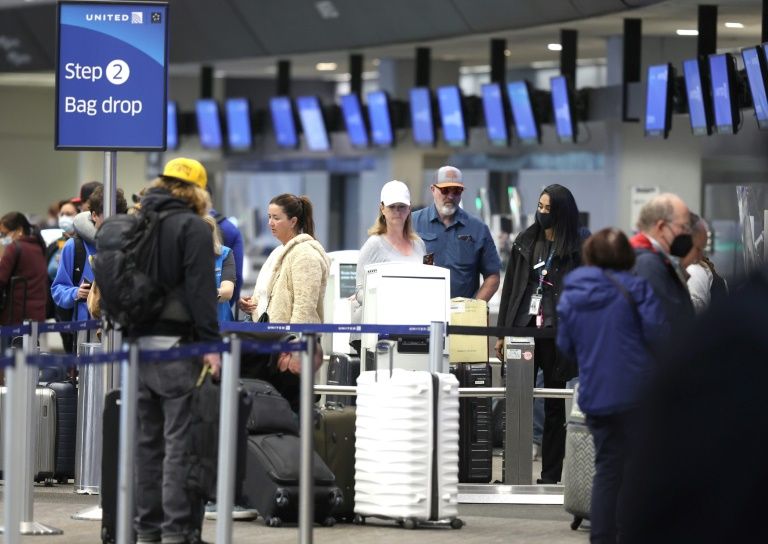
SAN FRANCISCO — Travelers heading through San Francisco International Airport on Thursday should plan for moderate TSA security lines with average waits of 15 to 25 minutes during peak morning and evening hours, according to real-time tracking data as passenger volumes build with spring travel season in full swing.
As of mid-morning on April 16, 2026, security checkpoints at SFO reported standard lane waits hovering around 18 minutes on average, with some hourly slots dipping as low as 8 to 10 minutes in off-peak periods and climbing toward 19 minutes during busier afternoon windows. TSA PreCheck lanes remained significantly faster, often clearing in under 5 minutes when available across open checkpoints.
SFO, one of the busiest airports on the West Coast, handles millions of passengers monthly through its four terminals and multiple security checkpoints. Unlike many U.S. airports staffed directly by federal TSA employees, San Francisco International relies on a private contractor model for screening, which has historically helped insulate it from some nationwide staffing shortages and federal disruptions. This setup frequently results in more predictable wait times compared to peers like Los Angeles International or New York-area hubs.
Current conditions show most checkpoints operating smoothly. In Terminal 1, Boarding Areas B and C stood open. Terminal 2’s Boarding Area D remained active. Terminal 3 had Boarding Area F1 open while F3 stayed closed. In the International Terminal, Boarding Areas A and G were operational. Travelers should double-check their assigned terminal and boarding area, as closures or consolidations can shift lines unexpectedly.
Hourly breakdowns from monitoring sites indicated lighter overnight traffic with waits as short as 4 to 8 minutes between midnight and 2 a.m. Early morning ramps up to 14-18 minutes around 3 to 6 a.m. Midday periods trended toward 10-15 minutes, while late afternoon and early evening slots — particularly 4 p.m. to 7 p.m. — represented the daily peaks with forecasts nearing 19 minutes. These figures blend data from airport reports, traveler submissions and third-party aggregators updated every 10 minutes or so.
Spring break crowds have largely passed, but April still brings steady domestic and international traffic fueled by business trips, family visits and leisure getaways to Asia and Europe. United Airlines, SFO’s largest carrier, operates extensive hubs here with flights to dozens of domestic cities and key Pacific routes. Delta, American, Alaska and numerous international airlines add to the mix, pushing total daily passengers into the six-figure range on busy days.
Airport officials recommend arriving at least two hours before domestic flights and three hours for international departures to account for check-in, security and potential gate changes. Those with TSA PreCheck, CLEAR or airline status enjoy dedicated lanes that shave significant time off the process. The MyTSA mobile app provides real-time crowd-sourced updates and historical patterns, helping passengers time their arrival.
SFO’s security experience includes standard TSA protocols: removal of liquids in 3-1-1 compliant bags, laptops and large electronics out of carry-ons, and shoes off in regular lanes. PreCheck members keep shoes and light jackets on while sending fewer items through scanners. The airport also participates heavily in the TSA’s Screening Partnership Program, using private screeners trained to federal standards.
Recent traveler reports on forums and social media described mixed but generally manageable lines. Early morning fliers often cleared in 10-15 minutes, while midday arrivals reported under 20 minutes even without expedited access. Occasional spikes occur when multiple wide-body international flights disgorge passengers simultaneously or when a checkpoint temporarily closes for maintenance.
Factors influencing today’s waits include typical Thursday patterns, with business travelers peaking in the morning and leisure passengers filling afternoon slots. Weather in the Bay Area remained mild with temperatures in the low 60s Fahrenheit, reducing any weather-related flight delays that could bunch passengers. No major alerts for construction or staffing issues appeared on the airport’s official site as of early Thursday.
For international arrivals, separate CBP processing adds another layer after landing. Passport control wait times vary but generally run shorter at SFO than at some East Coast gateways, though connecting passengers should factor in AirTrain transfers between terminals.
SFO continues investing in technology to speed screening. Automated lanes, CT scanners that allow liquids and laptops to stay in bags, and biometric options are expanding where feasible. These upgrades aim to reduce average processing time while maintaining security standards amid growing passenger numbers projected through the decade.
Travelers can check live conditions through several reliable sources. The official flysfo.com site links to normal wait time pages, though it often directs to general advisories. Third-party trackers like OnAirParking, Takeoff Timer and airlineairport.com aggregate data from TSA feeds and user reports for more granular hourly views. United Airlines has previously tested its own wait-time tools for SFO passengers.
Tips for smoother passage include packing efficiently to avoid secondary screening, enrolling in TSA PreCheck if frequent travel justifies the cost, and using mobile boarding passes to bypass paper document issues. Families with small children or passengers needing assistance should factor extra time and consider requesting escort help from airline staff.
Broader context shows U.S. airport security wait times remaining relatively stable in 2026 after post-pandemic normalization. While some hubs experience occasional 45-minute-plus backups during holiday peaks, SFO’s contractor model and proactive lane management have kept averages in the low-to-mid 20s even on heavier days.
As the day progresses, waits could ease after the morning rush and before evening peaks. Late-night departures after 8 p.m. often see the shortest lines. Passengers departing on red-eye flights benefit most from arriving closer to the recommended window without excessive buffer.
SFO’s convenient location south of San Francisco and direct BART connection from the city make ground access straightforward, though parking and rideshare drop-off zones can add minutes during busy periods. The AirTrain circulates between terminals efficiently for connections.
For those monitoring from afar, the MyTSA app remains the most official channel for crowd-sourced delay reports alongside TSA’s national wait-time resources. Historical data suggests Thursdays at SFO trend slightly busier than midweek but far calmer than Friday or Sunday peaks.
Airline customers facing tight connections should contact carriers directly for rebooking options if security delays risk missed flights. Most major operators at SFO maintain flexible policies during routine operational windows.
Overall, conditions at San Francisco International Airport today point to a typical mid-spring Thursday — manageable for prepared travelers but requiring standard planning. With average security waits in the 15-25 minute range and PreCheck options cutting that dramatically, most passengers should clear checkpoints comfortably if they build in a reasonable buffer.
The airport continues balancing growing demand with efficient operations. As international travel rebounds and domestic routes expand, SFO’s security teams and private screeners play a critical role in keeping the travel experience smooth. Travelers are encouraged to stay updated via official channels and apps right up until arrival to catch any last-minute shifts in lane status or processing times.
Whether catching an early United flight to New York, a midday hop to Los Angeles or a long-haul to Tokyo, today’s TSA picture at SFO supports on-time departures for those who arrive prepared. The Bay Area’s gateway stands ready, with lines moving steadily under mostly clear skies and routine passenger flow.











![Ripple Executives Are Aware XRP Will Be Valuable... But They LEGALLY Can't Say Anything! [MUST SEE]](https://wordupnews.com/wp-content/uploads/2026/04/1776291322_maxresdefault-80x80.jpg)







































You must be logged in to post a comment Login