
Business
Fake Sam Altman Grindr Hoax Goes Viral As He Fights Real Sexual Abuse Lawsuit From His Sister


OpenAI has confirmed that a viral series of screenshots purporting to show Chief Executive Sam Altman messaging a comedian on the dating app Grindr were entirely fabricated, a hoax that gained widespread attention online even as Altman faces an actual, ongoing federal lawsuit filed by his sister accusing him of childhood sexual abuse.
The hoax began August 5, when comedy musician Jake Schroeder posted what appeared to be Grindr screenshots on Instagram showing someone claiming to be Altman asking to meet up because he was “lonely and horny.” In the fabricated exchange, Schroeder appeared to reject the proposition, prompting the supposed Altman to respond by asking whether Schroeder had used ChatGPT to write his reply. The post quickly gained traction, collecting nearly 150,000 likes and prompting Schroeder to post a series of increasingly elaborate follow-ups, including fabricated correspondence purportedly from OpenAI’s legal team, claims of a Zoom meeting, and an alleged offer of $500 and a branded crewneck sweatshirt to make the situation go away. Schroeder later turned the bit into a song.
Despite the escalating and increasingly absurd details, a significant number of social media users believed the story was real, with one TikTok commenter asking why the situation wasn’t receiving more mainstream news coverage. An OpenAI spokesperson told Vulture the entire exchange was invented. “The posts are fake. We’ve had no interaction with this person,” the spokesperson said, confirming that Schroeder’s posts were part of an ongoing comedic bit built around fabricated direct messages rather than any real interaction with Altman.
The viral hoax unfolded against a starkly different backdrop: a genuine, high-stakes federal lawsuit in which Altman’s sister, Ann Altman, has accused him of sexually abusing her repeatedly between 1997 and 2006, beginning when she was 3 years old and he was 12. Altman has denied the allegations.
According to court filings, an informal discovery conference was held August 3 in the case, which remains active in federal court in Missouri. Ann Altman, now 30 and representing herself in the litigation, is scheduled to sit for a deposition August 17. That deposition follows a recent push by Altman’s attorneys to move the case forward more quickly. In filings submitted in July, Altman’s legal team accused Ann of failing to provide requested documents, schedule her deposition, or arrange an independent medical examination as requested during discovery. The filing stated that Altman “is eager to defend himself against the baseless claims” and argued that the delays were preventing him from mounting a full defense.
The lawsuit has already cleared one significant procedural hurdle. A judge previously determined that some of Ann Altman’s original claims had been filed outside the applicable statute of limitations, but permitted her to amend her complaint under a Missouri law governing claims of childhood sexual abuse, which allows plaintiffs to bring such claims until age 31. Ann Altman’s former attorneys later moved to withdraw from the case, citing what they described in court filings as “an unfortunate general breakdown in the attorney-client relationship,” leaving her to represent herself moving forward.
Altman has also filed a countersuit against his sister for defamation, seeking a symbolic $1 in damages along with a formal court ruling declaring her claims false. According to earlier reporting from Reuters, Ann Altman’s original complaint sought at least $75,000 in damages, plus punitive damages, for injuries she said included post-traumatic stress disorder, severe emotional distress, mental anguish and depression tied to the alleged abuse.
Sam Altman and other members of the Altman family have publicly and consistently denied Ann’s allegations. In a joint statement posted on social media shortly after the lawsuit was first filed, Altman, his mother and his two brothers called the claims “utterly untrue” and said the situation had caused “immense pain” to the entire family. The family statement also described difficulties they said they had faced caring for Ann amid her mental health challenges, saying she receives ongoing monthly financial support from the family that they expect to continue for the rest of her life, while asserting that she has continued to seek additional money from them.
Altman, 39, co-founded OpenAI and became one of the most prominent figures in the technology industry following the 2022 public release of ChatGPT, the company’s flagship artificial intelligence chatbot. His personal fortune has been estimated in the billions of dollars, drawn largely from a broad portfolio of venture capital investments, though he has said repeatedly that he holds no equity stake in OpenAI itself.
The contrast between the viral, entirely fictional Grindr hoax and the ongoing federal litigation has drawn attention from commentators tracking both stories, with the fabricated social media saga generating far more casual online engagement than the more serious, real legal proceedings unfolding in parallel. As the case moves toward Ann Altman’s scheduled deposition later this month, further developments in the litigation are expected in the weeks ahead.
If you or someone you know has experienced sexual assault or abuse, help is available. Contact the RAINN National Sexual Assault Hotline at 800-656-HOPE (4673) or visit rainn.org for free, confidential support available 24 hours a day, seven days a week.


Computershare FY26 slides: 7% EPS growth beats, stock falls on outlook
Users of PetLibro, the smart pet feeder and water fountain brand, reported renewed problems accessing the company’s app Wednesday morning, according to outage-tracking service Downdetector, marking the second consecutive day the service has experienced connectivity issues.
Downdetector said user reports indicating problems with PetLibro began climbing at 9:24 a.m. Eastern time Wednesday. The tracking service posted about the rising reports on its official account on the social platform X, asking affected users to describe how the outage was impacting them and tagging the post with the hashtag “PetLibroDown.” A separate post from Downdetector had flagged a wave of reports the previous afternoon, indicating problems dating back to at least 12:11 p.m. Eastern time Tuesday, suggesting Wednesday’s disruption may represent a continuation or recurrence of an issue that first surfaced a day earlier.
Reports of trouble with PetLibro’s app first began building Monday, according to posts on the online forum DesignTAXI Community, where users described rising volumes of Downdetector reports starting around 8:09 a.m. Eastern time that day. Users affected by the outage have described receiving error messages, including one reading “Server request error. Please try again later,” when attempting to open the app to check on their pets’ feeders.
As of Wednesday, PetLibro had not issued a detailed public statement addressing the scope, cause or expected resolution timeline for the outage. Downdetector’s tracking methodology relies on real-time, user-submitted reports rather than direct access to PetLibro’s internal systems, meaning the true scale of the disruption, including how many users were affected and which specific features were degraded, remained difficult to independently verify.
PetLibro’s connected products, including its line of Wi-Fi-enabled automatic pet feeders and water fountains, rely on cloud connectivity to allow owners to remotely monitor their pets, adjust feeding schedules, and receive alerts through the company’s smartphone app. When the app or its underlying servers experience an outage, affected users can lose the ability to check on their devices remotely or make schedule changes in real time, though feeders generally continue operating on previously programmed schedules stored locally on the device itself, independent of the app’s connectivity status.
Past outages affecting PetLibro’s app have illustrated both the convenience and the limitations of relying on cloud-connected pet care devices. During an earlier outage affecting the company’s service, some users reported on social media that scheduled feedings continued to execute normally even while the app was inaccessible, since feeding schedules are typically stored on the device rather than requiring a live connection at the moment of each feeding. However, other users during that same episode reported that feeders they had attempted to reset or reprogram during the outage failed to carry out feedings as expected, illustrating that the practical impact of an outage can vary depending on when and how a user’s device was configured before the disruption began.
Troubleshooting guides published in response to PetLibro app issues have generally recommended a series of basic steps for affected users, including switching from Wi-Fi to cellular data, restarting the affected smartphone, trying an alternate Wi-Fi network or mobile hotspot, and, if a specific feeder appears disconnected, unplugging the device for approximately 30 seconds before restarting both the feeder and the home router. PetLibro has previously advised customers experiencing connectivity problems to try changing networks specifically when the app fails to load or a device will not reconnect.
By midday Wednesday, at least one outage-monitoring service, Entireweb Status, reported that PetLibro appeared to be “operating normally,” logging only a small number of user reports in the preceding 24-hour window, suggesting the disruption may have already been resolved, or was substantially reduced in scope, by the time some tracking services checked in later in the day. That assessment stood in some tension with Downdetector’s report of renewed complaints beginning at 9:24 a.m. Wednesday, underscoring the difficulty of pinning down the precise timeline and scope of intermittent, recurring service issues using third-party tracking tools alone.
PetLibro, whose products are marketed under the DesignLibro Inc. corporate entity, has built a growing customer base among pet owners seeking connected, app-controlled feeding and hydration solutions for cats and dogs. As with many connected consumer device companies, the reliability of PetLibro’s cloud infrastructure has periodically come under scrutiny from users during past service disruptions, with some expressing frustration that core functions of their pet care devices depend on consistent app and server connectivity rather than operating fully independently.
This remains a developing situation, and additional details regarding the precise scope, underlying cause and full resolution timeline of this week’s PetLibro outage were not immediately available as of Wednesday. The company had not issued an official public statement addressing the disruption, leaving affected pet owners largely reliant on troubleshooting guides and social media reports from other users to gauge whether the issue was continuing to affect their own devices.
Business
ERock Stock Soars 24% After Record $1.7 Billion Backlog Fuels Strong Q2 2026 Revenue Growth
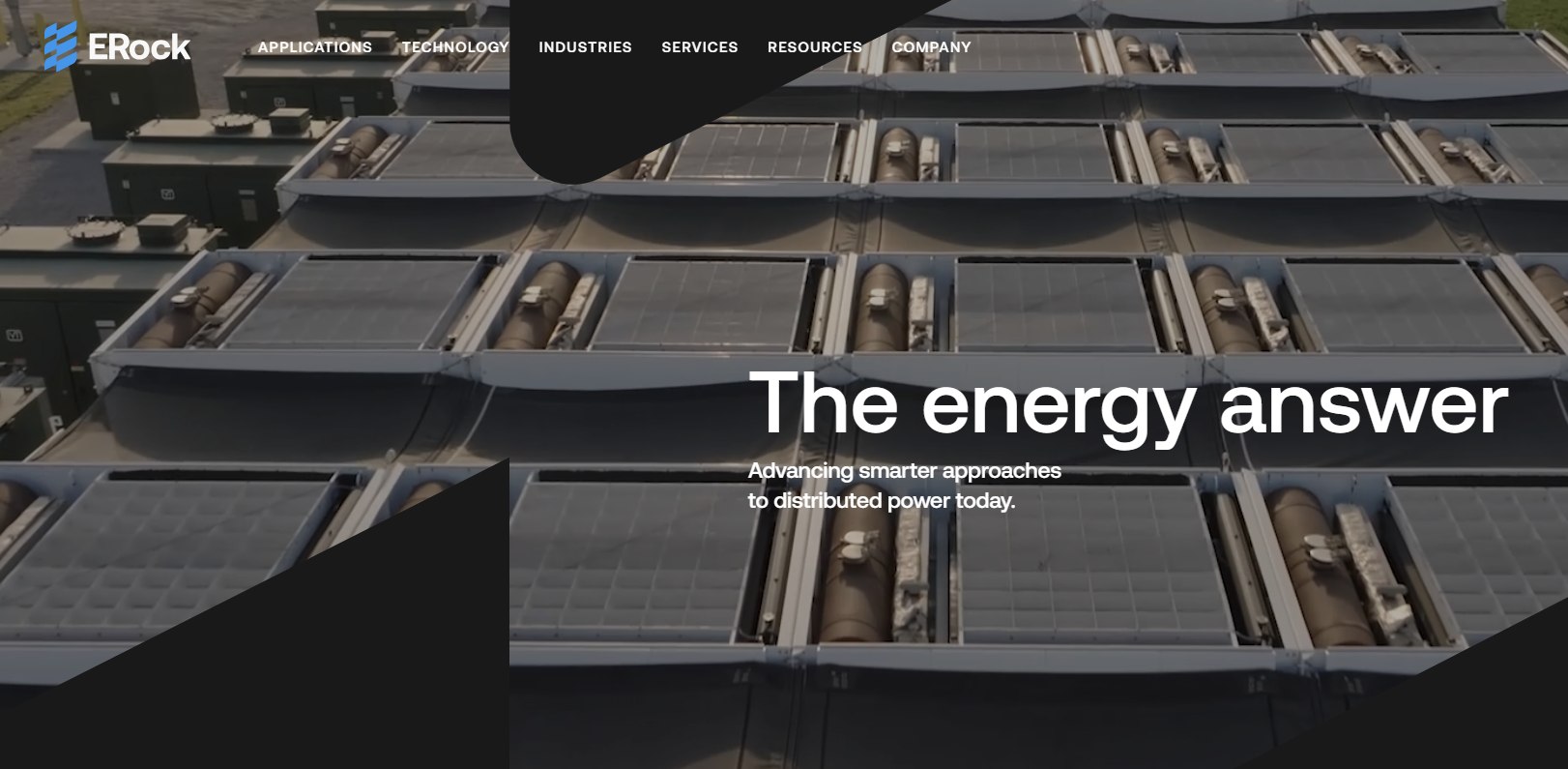
HOUSTON — Shares of ERock, Inc. surged Wednesday after the natural gas power systems provider reported a record contracted backlog and strong sequential revenue growth for the second quarter of 2026, driven largely by surging demand from artificial intelligence data center customers.
The stock traded at $13.99, up $2.74, or 24.38%, as of 10:24 a.m. Eastern time, extending gains from Tuesday’s after-hours session, when shares initially jumped 22.67% to $13.80 following the earnings release, up from a previous close of $11.25.
ERock reported second-quarter revenue of $39.9 million, up 26% sequentially from $31.7 million in the first quarter of 2026. Power system sales, the company’s core business line, jumped 67% sequentially to $26.5 million, driven by generator deliveries and installation work. Despite the revenue growth, the company posted adjusted EBITDA of negative $14 million and an earnings-per-share loss of 6 cents, reflecting the continued investment ERock is making to scale its manufacturing and deployment capacity.
The centerpiece of Tuesday’s report was ERock’s disclosure of a record contracted backlog of approximately $1.7 billion, roughly a tenfold increase from the same period a year earlier. Company management attributed the surge directly to rising demand from data center customers racing to secure reliable onsite power as artificial intelligence infrastructure buildouts strain existing electrical grid capacity across the country. Executives pointed to the record backlog, a growing number of new project starts, and what they described as a sold-out production schedule as evidence that ERock’s growth trajectory should continue through the second half of the year.
ERock’s leadership team, including Chief Executive Officer John Carrington, Chief Financial Officer Ian Blakely and President Corey Amthor, hosted a conference call Wednesday morning to discuss the results in greater detail with investors and analysts.
The company, founded in 2006 and headquartered in Houston, designs, deploys, operates and maintains distributed power generation systems built around its proprietary natural gas generators and embedded software technology. ERock markets its systems as a way for data centers, utilities, manufacturers, health care systems and government organizations to secure rapid, reliable onsite power in the face of grid interconnection delays and rising outage risk, positioning the company squarely within the broader infrastructure buildout tied to the artificial intelligence boom.
ERock went public in June, pricing its initial public offering at $21.50 per share and selling 27.9 million Class A shares to raise approximately $600 million, valuing the company at roughly $5.9 billion at the time of its debut. Shares opened trading on the New York Stock Exchange on June 10 and briefly touched an all-time high of $20.70 that same day, before falling sharply in the weeks that followed. The stock hit a 52-week low of $8.88 on July 29, more than 58% below its opening-day peak, as investors weighed the company’s substantial net losses against its long-term growth potential in a market still working to price newly public, capital-intensive infrastructure companies tied to the AI buildout.
Wednesday’s rally marks a significant reversal from that low point, though the stock remains well below both its IPO price and its first-day trading high. Even with the recent gains, ERock shares would need to climb significantly further to reclaim the levels seen immediately after its public debut.
Wall Street analysts have remained broadly bullish on the stock throughout its short trading history. Morgan Stanley, JPMorgan and Evercore ISI have all initiated coverage with positive ratings, with Morgan Stanley and JPMorgan both assigning Overweight ratings and Evercore ISI issuing an Outperform rating shortly after the company’s IPO. Bank of America upgraded the stock to Buy from Neutral in mid-July, citing the recent pullback in shares as a potential buying opportunity. As of early August, eight analysts covering the stock recommended buying it, with none recommending a sell, giving the stock an overall Strong Buy consensus rating. The average 12-month price target for ERock stood at $22.63 heading into Wednesday’s results, implying substantial potential upside from where shares had been trading prior to the earnings report.
ERock’s rapid backlog growth reflects a broader trend reshaping the power generation industry as data center operators increasingly turn to onsite natural gas generation to bridge the gap between soaring electricity demand and the slower pace of traditional utility grid expansion. Industry analysts have pointed to persistent interconnection delays facing new data center projects seeking to connect to regional power grids as a key driver of demand for companies like ERock that can deploy generation capacity more quickly than traditional utility infrastructure allows.
With a substantially larger contracted backlog now in place and management signaling continued strength in orders heading into the back half of 2026, investors are likely to focus in the coming quarters on ERock’s ability to convert that backlog into delivered projects and improved profitability, particularly given the company’s continued net losses even as revenue has grown sharply since its public listing just two months ago.
Check out what’s clicking on FoxBusiness.com.
Home Depot CEO Ted Decker is taking a temporary medical leave of absence, the company announced on Wednesday.
The home improvement retailer expects Decker, who also serves as chair and president, to return “within the next few months,” according to a Home Depot news release.
During his absence, Senior Executive Vice President Ann-Marie Campbell will oversee Home Depot’s day-to-day operations. Chief Financial Officer Richard McPhail will oversee Home Depot’s financial management and the company’s Pro subsidiaries.
HOME DEPOT CUTS 800 JOBS, ORDERS CORPORATE STAFF BACK TO OFFICE FULL TIME
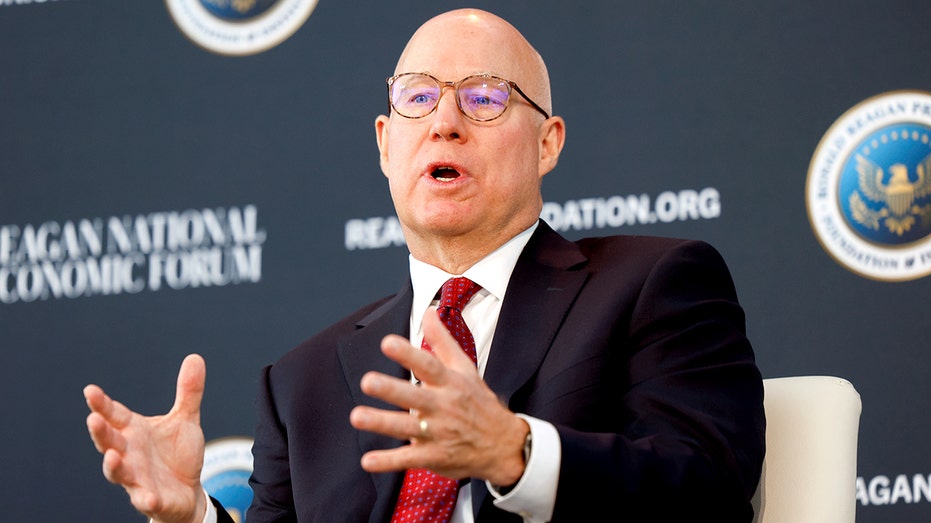
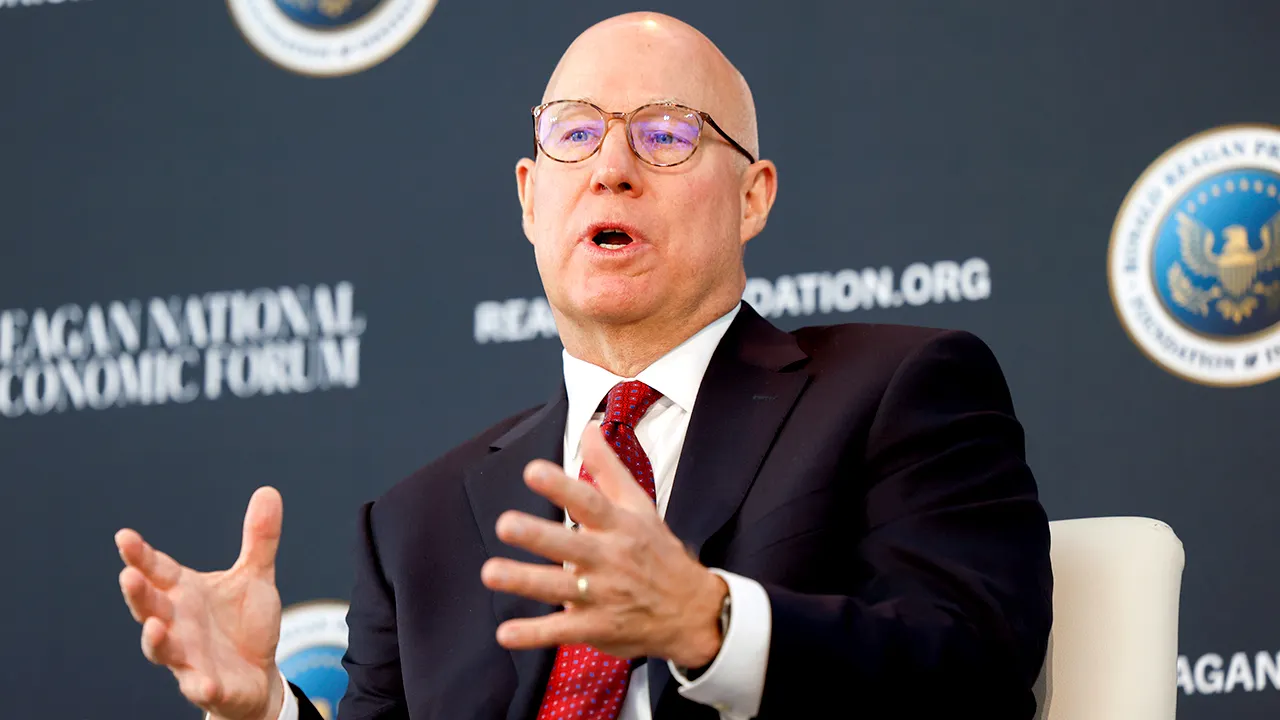
Home Depot CEO Ted Decker will return from a medical leave of absence “within the next few months.” (Caroline Brehman/Bloomberg via Getty Images)
Independent lead director Greg Brenneman will chair Home Depot’s board while Decker is on leave.
“The Home Depot has the best management team in retail. Both Ann-Marie and Richard are strong, seasoned executives who have worked together for more than 20 years,” Brenneman said in a statement. “We are confident in Ann-Marie’s and Richard’s ability to lead the company during this time, and we look forward to Ted’s return.”
HOME SELLERS COULD BOOST OFFERS BY THOUSANDS WITH THIS SURPRISING PAINT COLOR
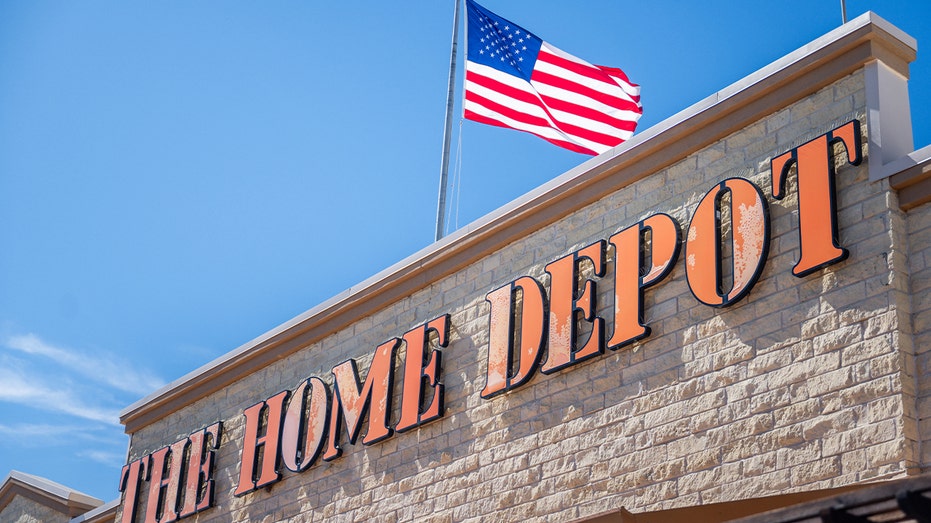
During his absence, Senior Executive Vice President Ann-Marie Campbell will oversee Home Depot’s day-to-day operations. (Brandon Bell/Getty Images)
Campbell has been Home Depot’s senior executive vice president since November 2023 and began her career at the company as a cashier in 1985, according to an SEC filing.
McPhail has served as the company’s CFO since 2019 and joined Home Depot in 2005.
“At this time, no changes have been made to Ms. Campbell or Mr. McPhail’s compensation related to their assumption of the responsibilities of the Office of the CEO,” the filing noted.
BED BATH & BEYOND LAUNCHES HUNT FOR AMERICA’S OLDEST COUPON WITH $100K PRIZE UP FOR GRABS
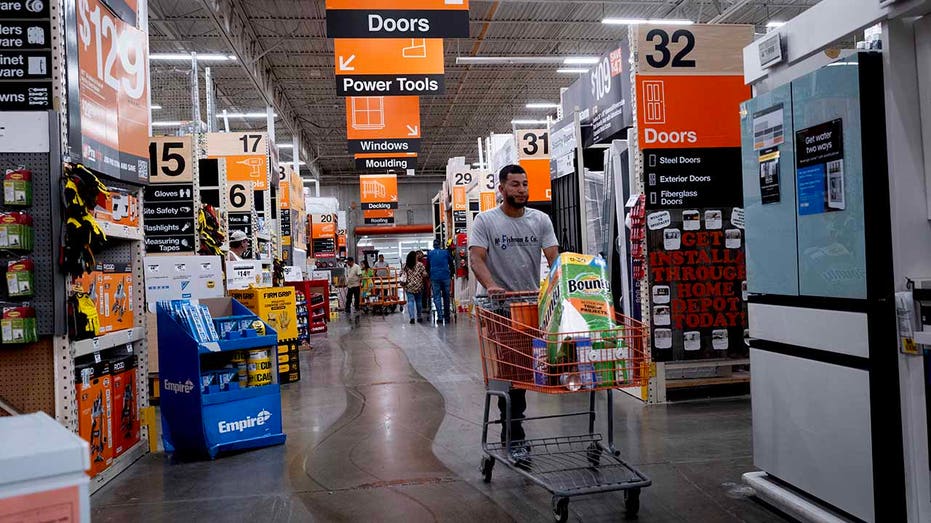
At the end of its first quarter, Home Depot operated 2,361 retail stores and more than 1,280 SRS locations across the U.S., Canada and Mexico. (Scott Olson/Getty Images)
GET FOX BUSINESS ON THE GO BY CLICKING HERE
At the end of its first quarter, Home Depot operated 2,361 retail stores and more than 1,280 SRS locations across the U.S., Canada and Mexico. The company employs more than 470,000 associates.
FOX Business reached out to Home Depot for more details.

LOS ANGELES — The Los Angeles Lakers are being sold to businessmen Josh Kushner and Bob Iger for $12.5 billion, a record price for a professional sports franchise, multiple sources told ESPN, marking the second change in controlling ownership for the storied NBA team in less than a year.
Kushner and Iger had previously been involved in exploring an NBA expansion franchise in Las Vegas, but in a stunning shift, the two pivoted to make an aggressive offer to purchase the Lakers outright from Mark Walter, who had bought a controlling interest in the team from the Buss family last October for a then-record franchise valuation of approximately $10 billion.
In a joint statement, Kushner and Iger described the opportunity as a career milestone. “As lifelong NBA fans, we are deeply honored for the opportunity to become stewards of the Los Angeles Lakers, one of the most iconic sports franchises in the world. We have immense respect for the leadership and vision of Jerry and Jeanie Buss,” they said. “Our long-term commitment is to build on that foundation, compete at the highest level, and serve this extraordinary team, its fans, and the city of Los Angeles.”
Walter, in his own statement, reflected on his brief but eventful tenure atop the franchise. “Owning the Los Angeles Lakers has been one of the great honors of my life,” Walter said, adding that he would carry forward his appreciation for the team’s community and fan base, and expressing confidence that “the best is still ahead” for the franchise under new ownership.
According to Axios, Kushner and Iger work together on a sports-focused investment platform called Thrive Eternal, which is expected to invest in the deal but is limited under NBA ownership rules to holding no more than a 20% stake in the team. Kushner and Iger are each expected to invest individually as well, with Kushner serving as the franchise’s control owner, according to a person familiar with the arrangement. Additional investors are expected to join the ownership group before the deal is finalized.
The sale covers only the Lakers themselves. Neither the WNBA’s Los Angeles Sparks nor the Los Angeles Dodgers, both also owned by Walter, are part of the transaction, according to multiple reports, and Walter will retain control of both franchises along with his other sports holdings. Walter, 66, built his fortune in the insurance industry and serves as chief executive and chairman of TWG Global, a diversified holding company with stakes across multiple professional sports organizations, including the Dodgers, the Sparks, Premier League club Chelsea and the Professional Women’s Hockey League. Through TWG Motorsports, Walter also owns several auto racing teams, including the Cadillac Formula 1 team.
The sale comes as Walter faces a federal investigation tied to allegations of tax fraud involving other companies under his control. Bloomberg reported in July that federal prosecutors in Manhattan are examining whether Delaware Life Insurance Co. and Clear Spring Life and Annuity Co., two insurers controlled by Walter, failed to properly disclose that their private credit holdings backed other ventures tied to the billionaire. The U.S. Securities and Exchange Commission is separately running a parallel investigation into the matter, according to the Bloomberg report.
Kushner, 41, is the founder and managing partner of venture capital firm Thrive Capital and serves as co-founder and vice chairman of Oscar Health. He is the younger brother of Jared Kushner, son-in-law of President Donald Trump, and was previously a minority owner of the Memphis Grizzlies before purchasing a stake of less than 5% in the Miami Heat last year. His wife, supermodel Karlie Kloss, holds a limited partnership stake in the WNBA’s New York Liberty.
Iger, 75, stepped down this year as chief executive of The Walt Disney Company, succeeded by Josh D’Amaro after a tenure that included two separate stints leading the entertainment giant, from 2005 to 2020 and again from 2022 to 2026. In 2024, alongside Willow Bay, Iger became the controlling owner of the National Women’s Soccer League’s Angel City FC.
The proposed sale still requires approval from the NBA’s board of governors, a process that can take several weeks to complete. The board’s next scheduled meeting is set for next month in New York, where the transaction is expected to be formally considered.
The Lakers have been owned by the Buss family since 1979, when Dr. Jerry Buss purchased the team from Jack Kent Cooke, subsequently building it into one of the most successful and popular franchises in American professional sports. The team’s 17 championships rank second only to the Boston Celtics’ 18 for the most in NBA history, with 12 of those titles won during the Los Angeles era.
The ownership change comes amid a period of significant transition for the Lakers on the court as well. The team is entering a new era led by six-time NBA All-Star Luka Dončić following the offseason departure of longtime superstar LeBron James, who left the Lakers this summer to sign with the Philadelphia 76ers after eight seasons in Los Angeles. The Lakers finished fourth in the Western Conference last season before being eliminated by the Oklahoma City Thunder in the conference semifinals.
With the deal still pending league approval, further details on the transaction, including the full composition of the incoming ownership group, are expected to emerge in the weeks ahead as the sale moves through the NBA’s formal review process.
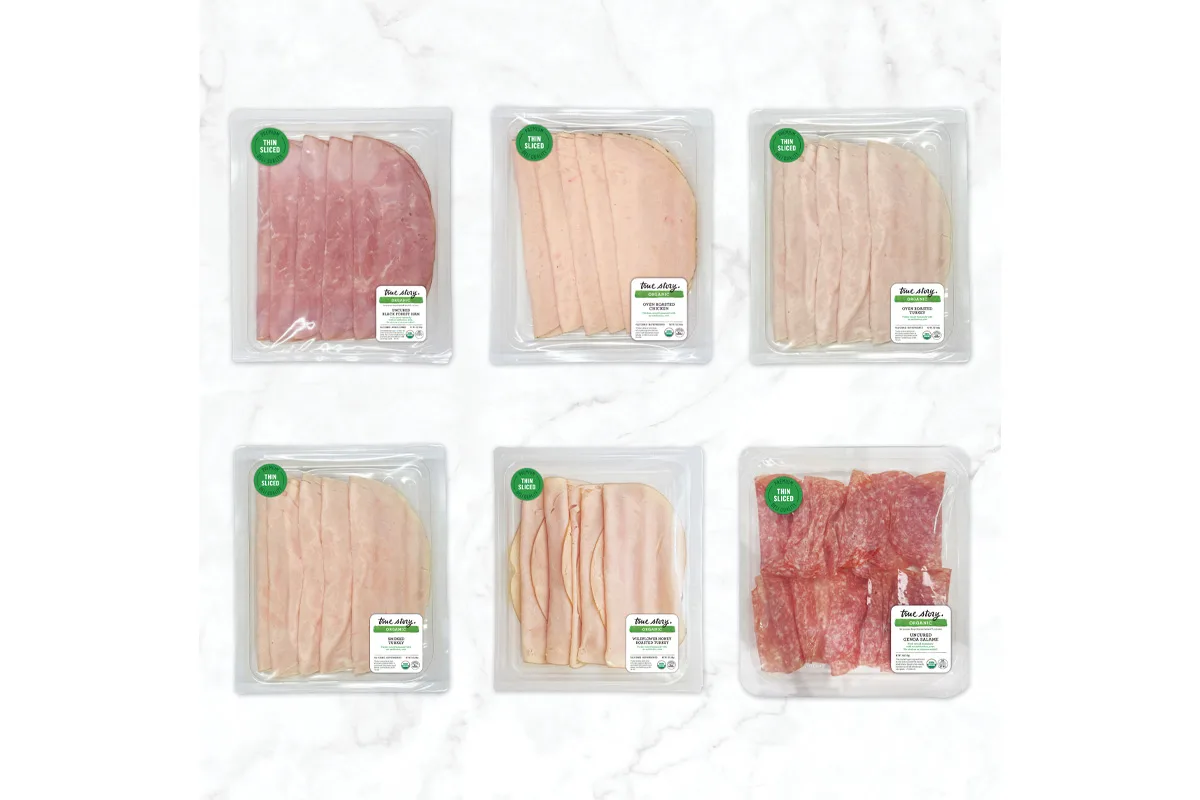

The organic, sliced meats are available in six varieties.
Gerber Kawasaki president and CEO Ross Gerber discusses SpaceX approaching its first earnings report and SpaceX, Tesla merger speculation on ‘The Claman Countdown.’
Tesla is planning to build a massive solar cell factory in Texas that it expects to cost $10.1 billion, according to documents the company filed with the state.
Dubbed Project Crystal Sun, the site would sit just outside Houston in Fort Bend County, according to the documents.
In its pitch to state regulators, Tesla said if Texas rejected the project, it would “miss the opportunity to attract billions of dollars in investment, help create thousands of full-time jobs for its residents and become a hub for domestic solar cell manufacturing in the U.S.”
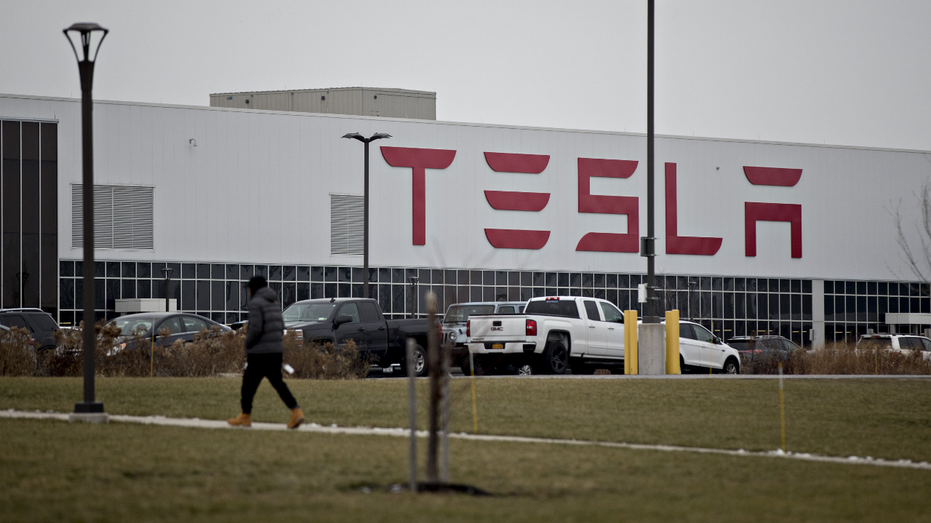
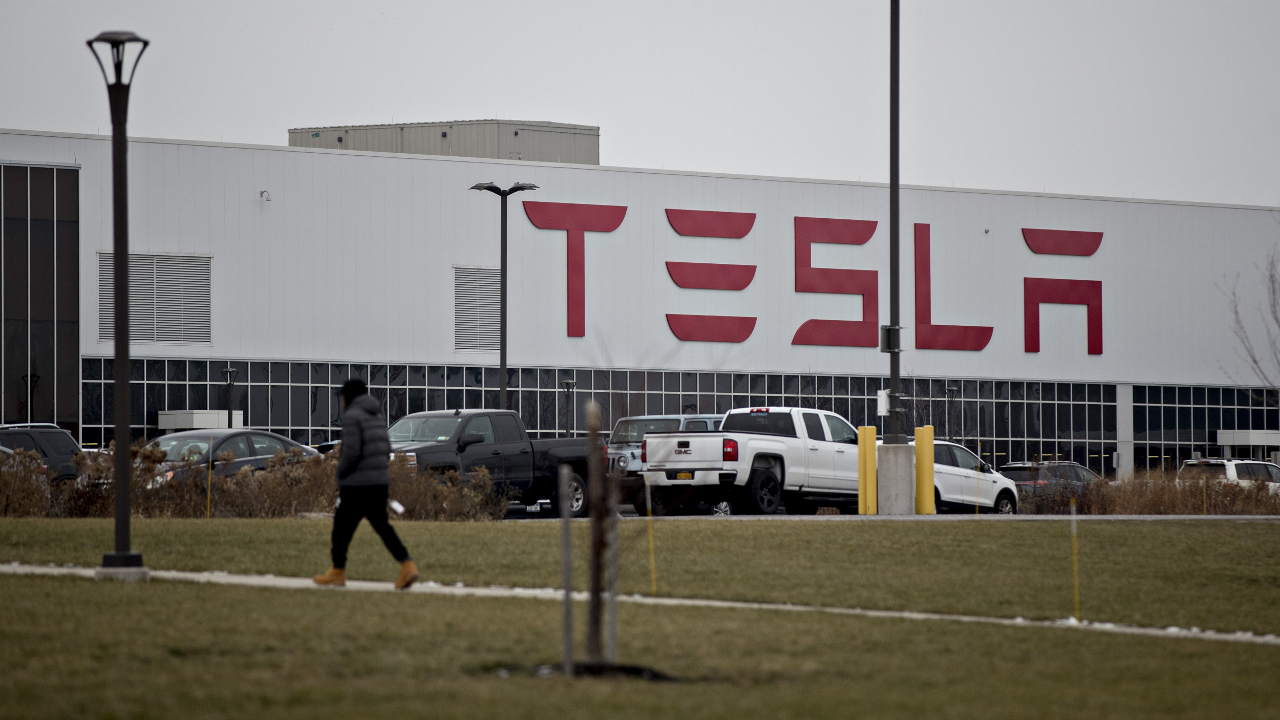
Tesla solar panel factory in Buffalo, New York, on Dec. 26, 2018. (Andrew Harrer/Bloomberg via Getty Images)
NEW TESLA SOLAR-POWERED CHARGING STATION OPENS
“Tesla is currently evaluating the feasibility of constructing its solar cell manufacturing facility at various locations across multiple U.S. states,” the company told the state comptroller’s office.
If built, the facility would create more than 9,700 permanent full-time jobs, as well as 1,147 temporary construction jobs, Tesla said.
Tesla estimated it would owe about $1.1 billion in local property taxes on the project over the next 37 years if it is not granted incentives.
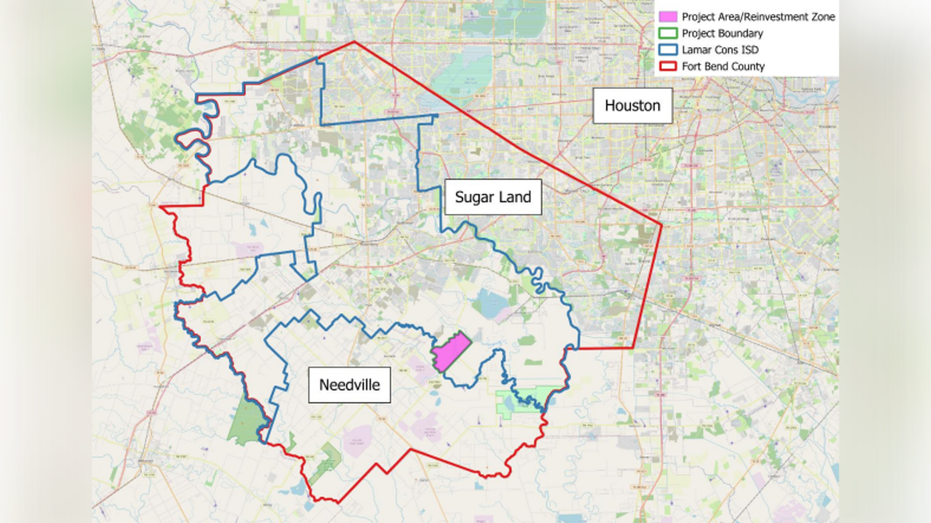
A map showing where Tesla’s proposed solar panel factory would be built. (Tesla)
TESLA TOUTS 380,000 UNSUPERVISED ROBOTAXI MILES WITH ‘ZERO NOTABLE INCIDENTS’
Tesla plans to break ground on the factory this year and complete construction by 2028, with commercial operations expected to begin in 2029.
| Ticker | Security | Last | Change | Change % |
|---|---|---|---|---|
| TSLA | TESLA INC. | 327.05 | -5.76 | -1.73% |
| SPCX | SPACE EXPLORATION TECHNOLOGIES CORP. | 147.76 | +14.47 | +10.86% |
It’s not clear whether the factory’s solar panels will be produced for installations on the ground or in satellites.
Tesla CEO Elon Musk also runs SpaceX, which operates thousands of satellites in low-Earth orbit, all of them equipped with solar panels.

Elon Musk speaks during the World Economic Forum (WEF) annual meeting in Davos on January 22, 2026. (Fabrice COFFRINI / AFP via Getty Images)
CLICK HERE TO DOWNLOAD THE FOX NEWS APP
Although Tesla’s filings did not reveal the expected output of the proposed solar factory, Musk has previously outlined a goal of setting up 100 gigawatts of domestic solar production.
The U.S. Energy Information Administration said 100 gigawatts is roughly equal to 8% of the entire country’s power grid capacity.


Sessy launches with three Korean American-inspired cooking essentials.

Lumentum's AI Opportunity Just Got Bigger

U.S. budget deficit widens to $1.8 trillion through July
Computershare FY26 slides: 7% EPS growth beats, stock falls on outlook

Coldcard flaw exposed $116M self-custody risk: Gray

Titan Ultra rookie Bryan Sajonia goes down with knee injury


-

 Fashion5 days ago
Weekend Open Thread: Mattifying Sunscreen
-

 Fashion5 days ago
Frugal Friday’s Workwear Report: Cap-Sleeve Pointelle Crewneck Sweater
-

 News Videos4 days ago
Can Astrology Help Find Gold and Silver Trends? A Financial Astrology Guide
-

 Sports7 days ago
Jordan Coyle & Cordiamo take Laya Arena Stakes at RDS
-
 Business7 days ago
US stocks: Dow closes at record on Mideast optimism; SpaceX, AMD drag Nasdaq
-

 Politics6 days ago
Reform UK And Greens Sink To Lowest Favourability Ratings To Date
-

 Business7 days ago
Supply chain issues impact Ingredion
-

 Tech5 days ago
Rinn Pharma & Biopharma to join NordicPharmaTrain network
-

 Business4 days ago
How to Start a Cleaning Business: A Step-by-Step Guide
-

 Business3 days ago
Datadog: Best Of Breed For Multiple Reasons
-

 Business4 days ago
BDC Weekly Review: Private BDC Q2 Numbers Are Strong
-
 NewsBeat21 hours ago
Communication cards help banking customers access services or report scams
-
Sports7 days ago
Spider-Man: Brand New Day ending explained: Is Peter Parker alive?
-

 Tech6 days ago
Price Hikes May Be Coming for PC Motherboards Next
-

 Business6 days ago
Brightwater secures funding for WA-first dementia projects
-
 Crypto World7 days ago
Galaxy Digital Stock Slides 14% as Crypto Prices Hit Earnings
-
 Business2 days ago
Oil Price Today (August 11): Crude oil rises to $88 after Trump’s compensation demand dents Hormuz opening. Here’s why
-
 Politics7 days ago
The Not-So Talented Mr Arday
-

 Tech6 days ago
How to Use Your Phone as a Webcam on PC and Mac (2026)
-

 Business6 days ago
SpaceX Shares Plunge 13.6% After First Public Earnings as AI Capex Surge and Lockup Spark Selloff
You must be logged in to post a comment Login