

Business
Fear Index Jumps as Tech Rout Worsens


The most widely-followed gauge of market fear and uncertainty was rising on Friday as investors carried on ditching chip makers and other AI stocks.
The Cboe Volatility Index, or VIX, climbed 1.6 points to more than 18 in early trading. Any reading of above 20 tends to signal heightened volatility.
The VIX was moving higher as futures tracking the tech-heavy Nasdaq 100 slumped 1.6%.

Business
Kanazawa University Blood Test Detects 90% of Early-Stage Pancreatic Cancers Missed by Standard Test
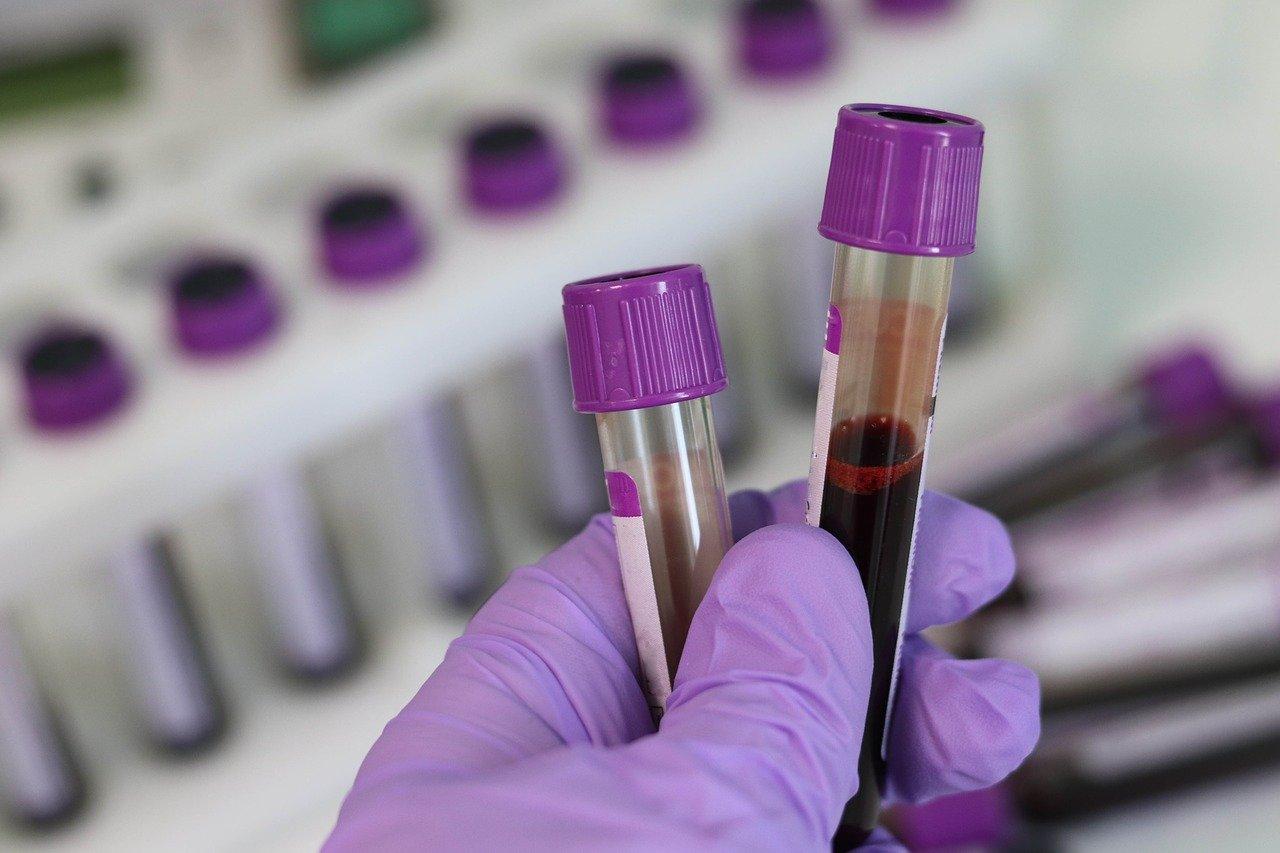
Researchers at Japan’s Kanazawa University have developed a blood test capable of detecting 90% of the earliest-stage pancreatic cancers, a finding that could significantly improve survival odds for a disease long considered one of the most difficult cancers to catch in time for effective treatment.
Pancreatic cancer remains notoriously hard to diagnose early, with symptoms typically emerging only after the disease has already advanced. In Japan, the five-year survival rate for the disease stood at just 8.5% between 2009 and 2011, according to data from the National Cancer Center. Surgery following an early diagnosis remains the only treatment offering a realistic chance at a cure, but early-stage cases currently account for only 2% to 3% of all pancreatic cancer diagnoses, meaning most patients are identified only after the disease has already reached an advanced, harder-to-treat stage.
To address that gap, a research team led by Dr. Taro Yamashita, dean of the Graduate School of Advanced Preventive Medical Sciences and a professor of gastroenterology at Kanazawa University’s Faculty of Medicine, previously developed a diagnostic test called Panregza, which combines analysis of gene expression patterns drawn from peripheral whole blood with measurement of the tumor marker CA19-9, a protein commonly used in existing pancreatic cancer screening. While Panregza had already demonstrated effectiveness in diagnosing advanced pancreatic cancer, researchers had not previously determined how well it could detect the disease at its very earliest stages, when treatment odds are dramatically better.
The new study analyzed 10 patients diagnosed with stage 0 or stage I pancreatic cancer, representing just 4% of a total pool of 253 patients, and compared their results against those of 104 healthy individuals. Researchers evaluated three separate diagnostic approaches: gene expression patterns from peripheral whole blood alone, the standard CA19-9 tumor marker test alone, and the combined Panregza test incorporating both measures.
Using a panel of 56 gene probes, the whole blood gene expression approach on its own detected nine of the 10 early-stage cancer cases, translating to a 90% detection rate. The standard CA19-9 test, by comparison, detected only one of the 10 cases, a 10% detection rate, highlighting a substantial gap in performance between the two methods when it comes to catching the disease at its earliest, most treatable point. The combined Panregza test, which blends both measures, landed between the two individual approaches, demonstrating 60% sensitivity alongside 93.3% specificity, meaning it was highly effective at correctly ruling out cancer in people who did not have the disease, even if its overall detection rate for early cases fell short of the gene-expression test used on its own.
“These findings indicate that gene expression analysis from peripheral whole blood is a highly effective method for detecting early-stage pancreatic cancer,” Yamashita said in a statement accompanying the research.
The stakes tied to catching the disease earlier are substantial. According to data from the Innovative Research and Development Center for Pancreatic Cancer at Kanazawa University Hospital, five-year survival rates reach 100% among patients diagnosed at stage 0 and 74.4% among those diagnosed at stage I, a dramatic improvement over the single-digit survival rates typically associated with pancreatic cancer diagnosed at more advanced stages. Researchers said that gap underscores the critical importance of developing tools capable of identifying the disease before symptoms emerge.
Explaining the biological basis behind the test, researchers noted that most of the cells analyzed in the blood samples are immune cells rather than cancer cells themselves, and that the presence of even a very small tumor appears to alter the gene activity of those immune cells, even during the disease’s earliest stages. That mechanism suggests the test can detect genetic changes associated with pancreatic cancer in the bloodstream even before a tumor grows large enough to be found through conventional imaging, and even before CA19-9 levels themselves begin to rise, a scenario in which standard blood-marker testing would typically still appear normal.
Outside experts reviewing the findings offered cautious optimism about the test’s potential impact. Dr. Ligresti, whose full name and institutional affiliation were not specified in initial coverage of the study, described the results as “a potential game-changer” in comments reported by Newsweek, while also cautioning that the trial involved a very small number of early-stage cases. “Although that’s a small trial, it fits in with the current research and thinking for sure,” Ligresti said, adding that the approach “requires further validation in larger, diverse populations” before it could be adopted more broadly in clinical practice. Ligresti also pointed to the test’s potential value for screening patients already considered at elevated risk for pancreatic cancer, saying a highly sensitive blood test of this kind “could revolutionize these efforts, allowing us to identify patients who are candidates for curative surgery before symptoms ever arise.”
The Panregza diagnostic kit is currently marketed commercially in Japan by Cubix Inc., building on research the Kanazawa University team has pursued for several years. An earlier version of the underlying blood messenger RNA screening system, developed by many of the same Kanazawa University researchers, was first published in the journal Cancer Science in 2019, establishing the foundational gene-panel approach that has since been refined and tested specifically for its ability to detect the disease at its earliest, most treatable stages.
Researchers cautioned that despite the promising early results, the current findings stem from a relatively small sample of just 10 early-stage patients, meaning larger, more diverse studies will be needed before the gene-expression approach could realistically be adopted as a widespread screening tool for the general population or even for high-risk groups specifically. Even so, the research adds to a growing body of scientific work focused on developing blood-based screening tools capable of catching notoriously hard-to-detect cancers, including pancreatic cancer, well before symptoms typically prompt patients to seek medical evaluation in the first place, a shift researchers say could meaningfully improve survival outcomes for a disease that has historically offered patients very little advance warning.
Business
Who Missed Taylor Swift and Travis Kelce’s Wedding? The Biggest Celebrity No-Shows Explained
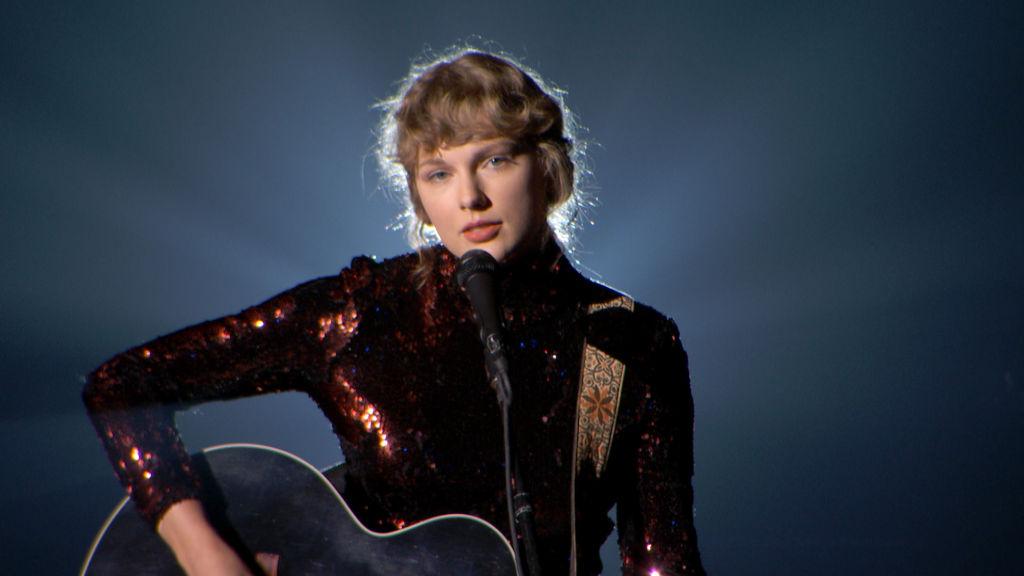
Taylor Swift and Travis Kelce welcomed roughly 1,000 guests to their wedding at New York City’s Madison Square Garden on July 3, but a number of familiar faces from the couple’s extended circle were noticeably absent from the celebration, with reasons ranging from scheduling conflicts to a technical mishap to lingering personal tension.
Among the most talked-about absences were Blake Lively and Ryan Reynolds. Lively’s ongoing legal battle with her “It Ends With Us” co-star Justin Baldoni drew Swift into the dispute after private text messages involving the singer were unsealed in court, complicating what had once been a close friendship between Swift and Lively. Initial reports suggested Swift had deliberately left Lively and Reynolds off the guest list altogether. One source described the shift in the relationship bluntly. “Taylor’s in a different place now and she just wants to be around people she trusts and who bring her peace,” the source said. “It’s a shame because she and Blake really were close, but she doesn’t think it’s something that’s going to be fixed. As far as [Taylor’s] concerned, their friendship is done.”
A separate source, however, offered a more nuanced account, telling the Daily Mail that Lively had in fact been invited and that the two women had spoken by phone ahead of the wedding. “Everyone around Taylor is aware that Blake could attend. She may not, but that won’t be because she isn’t welcome,” the source said, adding that Lively appeared to be working her way back into Swift’s inner circle. “Blake is on the cusp of getting a second chance, and they have had some loose conversations to test the waters to get the trust back. Blake is slowly getting back into the fold now that Taylor is having a change of heart.”
NBA Hall of Famer Charles Barkley confirmed he skipped the wedding for reasons entirely unrelated to any personal rift, explaining on the radio show “Unfiltered with Ricky Bo and Bill Colarulo” that he simply avoids large formal events altogether. “I thought it was gonna be a c— show,” Barkley said, adding that he holds Travis and his brother Jason Kelce in high regard despite only having met Swift once. “I love Travis and Jason [Kelce], and I’ve only met Taylor one time. But, yeah, I did get an invite, but I said, ‘Hey, you know what, that’s just too much. I just want to hang out and play golf, but I don’t want to dress up and all that other stuff.’ But I appreciate the invitation, it was pretty special.”
Model Jaime King, whose son Leo is Swift’s godson, also missed the ceremony, with a representative explaining the decision reflected the family’s approach to the godmother relationship rather than any snub. “The reason Jaime chose Taylor as Leo Thames’s godmother is because they both believe that being a godmother is a deeply personal and spiritual commitment that has nothing to do with public appearances,” publicist Jane Owen told Page Six, noting that Leo instead celebrated the marriage in his own age-appropriate way during summer break.
Singer-songwriter James Taylor, whom Swift was named after, confirmed during a July 3 concert in Massachusetts that he and his wife, Caroline “Kim” Smedvig, had received an invitation but were unable to attend because of a scheduled Fourth of July performance with his All-Star Band. “I do want to wish the couple all happiness and smooth sailing and strength when it can’t be smooth,” Taylor told the crowd that night.
Several other artists and friends within Swift’s broader circle were absent as well, including Lorde, amid past rumors of tension between the two, and Eras Tour opening act Maisie Peters, who confirmed on “The Zach Sang Show” in May that she had not been invited. “But I think that’s OK … obviously I’m a huge fan. And maybe one day I’ll get to try the sourdough,” Peters said.
Margaret Qualley also skipped the celebration despite her husband, Jack Antonoff, a longtime Swift collaborator, being in attendance. A source later confirmed the couple had separated after nearly three years of marriage, explaining her absence.
Music producer Garret “Jacknife” Lee missed the wedding under unusual circumstances, according to an op-ed his wife, Melissa Garner Lee, published in HuffPost on July 8. Melissa wrote that her husband had received the invitation via text but dismissed it as spam. “‘I got a text but I thought it was spam,’ he told me, sounding defensive. ‘WHAT!?’ I asked in total disbelief,” she wrote, recalling his explanation. “Yeah — remember I told you I got a text from her manager? But I didn’t respond to it. It didn’t sound like him.” Despite the missed opportunity, Melissa said the couple’s relationship remained solid. “A missed wedding will not be what breaks us. We’re stronger than that. Still, it would’ve been fun to see her dress,” she wrote.
Fanatics CEO Michael Rubin went so far as to move his annual White Party from its traditional Fourth of July weekend slot to July 1, reportedly anticipating a conflict with the wedding, but ultimately was not invited at all. “I was not at the wedding,” Rubin told TMZ. “No invite for me. Travis is a great guy, they’re a great couple and I’m so happy for them.”
Miles and Keleigh Teller also skipped the ceremony amid rumors of a falling out with Swift. Prince William played coy when asked directly by Amanda Holden whether he had received an invitation, saying, “No comment. I’m hoping and I’m sure there might be an invitation around but we’ll see.” While William and Kate Middleton did not ultimately attend the roughly 1,000-guest ceremony, reports indicated the royal couple held a private meeting with Swift and Kelce shortly before the wedding took place.
Actor Robert Pattinson, whose fiancée Suki Waterhouse did attend, cited work commitments for his own absence. “I was working,” Pattinson told Entertainment Tonight on July 6. “I was shooting Batman this morning. Very busy.” Television host Ryan Seacrest similarly had to withdraw after initially planning to attend, telling listeners of his radio show on July 6 that a Disney assignment forced him to cancel. “I RSVP’d to go, and then Disney hired me to do the Fourth of July 250 special on the third and the fourth, so I had to cancel,” Seacrest said. “It wasn’t a waste! I was actually really excited. I was kind of torn.”


Steven Cress is VP of Quantitative Strategy and Market Data at Seeking Alpha. Steve is also the creator of the platform’s quantitative stock rating system and many of the analytical tools on Seeking Alpha. His contributions form the cornerstone of the Seeking Alpha Quant Rating system, designed to interpret data for investors and offer insights on investment directions, thereby saving valuable time for users. He is also the Founder and Co-Manager of Alpha Picks, a systematic stock recommendation tool designed to help long-term investors create a best-in-class portfolio.Steve is passionate and dedicated to removing emotional biases from investment decisions. Utilizing a data-driven approach, he leverages sophisticated algorithms and technologies to simplify complex, laborious investment research, creating an easy-to-follow, daily updated grading system for stock trading recommendations.Steve was previously the Founder and CEO of CressCap Investment Research until its acquisition by Seeking Alpha in 2018 for its unparalleled quant analysis and market data capabilities. Prior to that, he had also founded the quant hedge fund Cress Capital Management, after spending most of his career running a proprietary trading desk at Morgan Stanley and leading international business development at Northern Trust.With over 30 years of experience in equity research, quantitative strategies, and portfolio management, Steve is well-positioned to speak on a wide range of investment topics.
Analyst’s Disclosure: I/we have a beneficial long position in the shares of MU either through stock ownership, options, or other derivatives. I wrote this article myself, and it expresses my own opinions. I am not receiving compensation for it. I have no business relationship with any company whose stock is mentioned in this article.
Seeking Alpha’s Disclosure: Past performance is no guarantee of future results. No recommendation or advice is being given that any particular security, portfolio, transaction or investment strategy is suitable for any specific person. The author is not advising you personally concerning the nature, potential, value or suitability of any particular security or other matter. You alone are solely responsible for determining whether any investment, security or strategy, or any product or service, is appropriate or suitable for you based on your investment objectives and personal and financial situation. Steven Cress is the Head of Quantitative Strategy at Seeking Alpha. Any views or opinions expressed herein may not reflect those of Seeking Alpha as a whole. Seeking Alpha is not a licensed securities dealer, broker or US investment adviser or investment bank.
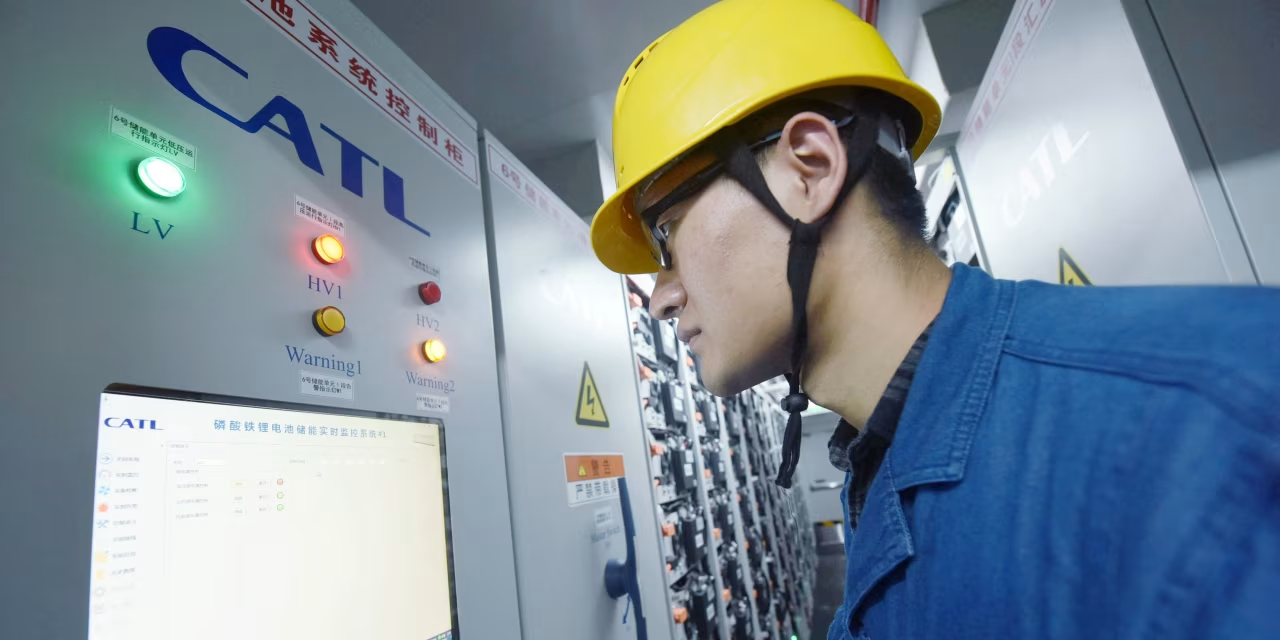
Imagine a group of battery banks that together have enough power to keep all of Texas and California going on a peak summer day. That is what China has built in the space of just five years—and it is just getting started.
With the artificial-intelligence boom straining power grids, Beijing is betting on large-scale battery storage banks the size of shipping containers to help manage the load. The technology is particularly valuable in China because the country is heavily investing in solar and wind power, which can’t produce 24-hour-a-day power. Battery storage soaks up excess electricity during sunny and windy days and releases the juice later when it is needed.
Copyright ©2026 Dow Jones & Company, Inc. All Rights Reserved. 87990cbe856818d5eddac44c7b1cdeb8

Boeing on track for 2028 Air Force One delivery, costs rise
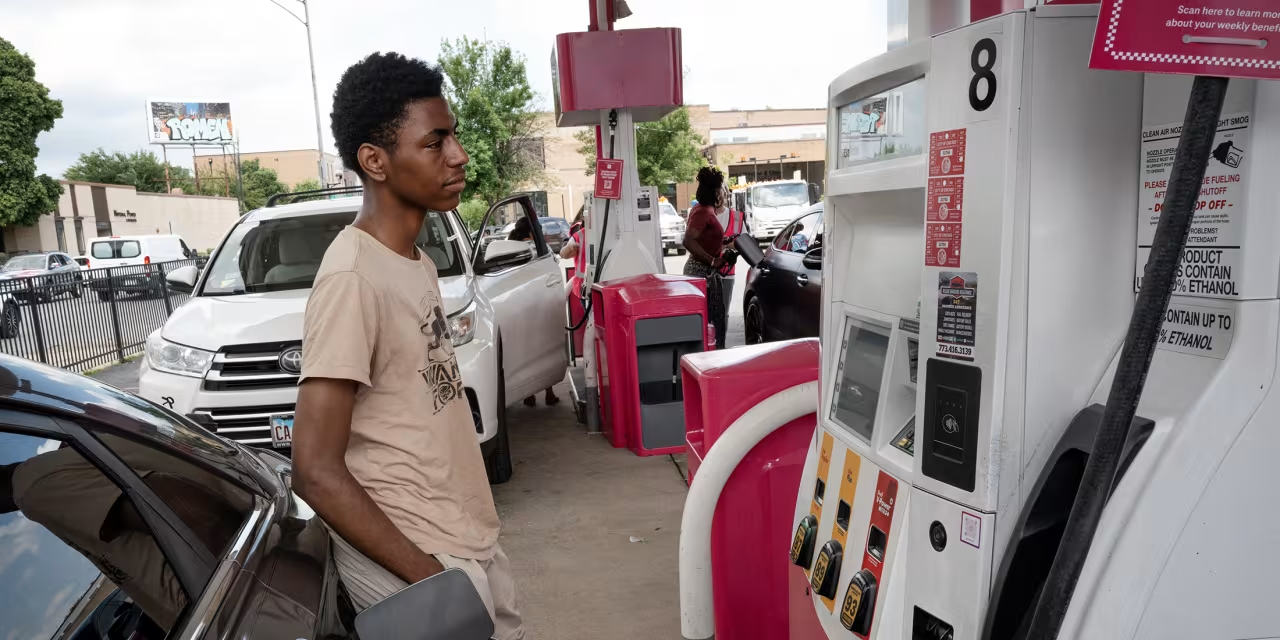
National average gasoline prices are just under $4 a gallon and could hit that mark in the next day or so, according to Patrick De Haan, the head of petroleum analysis at GasBuddy.
GasBuddy has the national average price at $3.98 a gallon, up 16 cents a gallon from a week ago and 86 cents a gallon from a year ago.
AAA is tracking a national average price of $3.99 a gallon.

cagkansayin/iStock via Getty Images

During the second quarter of 2026, the Praetorian Capital Fund LLC (the “Fund”) depreciated by 4.39% net of fees. Given the Fund’s concentrated portfolio structure and focus on asymmetric opportunities, I anticipate that the Fund will be rather volatile from quarter to quarter. During the second quarter, our core portfolio positions depreciated moderately, while the Event-Driven book also experienced declines.
*Net return varies from gross return as it accounts for management fees and incentive allocations. Please see the additional disclaimers on the final page of this document.
Markets Are Complex
Six months ago, if you had asked me what would happen during a Mid-East war, I’d have guessed that gold and US Treasuries would rally on a global flight to safety. Nope, they declined—markets are complex. I would have guessed that if we drew more than a billion barrels of global commercial inventories, oil would scream out of control. Nope, it’s effectively unchanged since the conflict began—markets are complex. If you asked me how our core book would do, I’d have told you that we’d likely outperform given our heavy weighting towards volatility and inflation beneficiaries. Nope, we’ve given up ground—markets are complex.
I’ve always been of the view that in the short run, markets can trade at literally any price level. Throughout my career, I have repeatedly been humbled by securities that have exceeded even my wildest expectations of where they could trade. While the overall decline in our portfolio was quite moderate by this Fund’s standards, I remain humbled, as I really would have expected our book to have performed better in a Mid-East war that saw increased volatility and inflation readings. Markets are complex.
It’s worth taking a step back and trying to frame what happened. As you know, I’m firmly of the view that we’re in a Feudalist economic system . Rather than rehash my view of Feudalism again, just think of it this way: the oligarchs of foreign countries underpay their workers to produce products for our citizens to consume. Their resulting dollar earnings are then recycled into US Dollar risk assets, leading our currency and assets to be overvalued, our businesses unable to compete globally outside of a handful of sectors like technology, and our economy effectively hollowed out. Our overpriced assets then allow increased consumption, and the cycle begins anew. This ecosystem benefits the top few percent of families in both nations, while impoverishing everyone else. Economic Feudalism.
When Hormuz was closed, some unique trends happened, briefly alleviating Feudalism globally. As Asian Mercantilists were unable to procure affordable energy products, they chose to ration supply to their industries. Products that had been subsidized by cheap loans and labor for decades suddenly traded up to free-market levels, and US industries suddenly became competitive again. There was then a wave of hiring across dozens of US industries, as Asia was unable to produce competing products. You could say that the Iranians undertook the anti-involution campaign that China keeps talking about, yet never seems to pursue. The global economy upticked dramatically, and the global recession took a pause, as the chains of Feudalism were briefly broken. The result was that many of our portfolio’s trends reversed—we’re long Feudalism. Many years ago, they used to talk about Risk-on or Risk-off trades. I think in terms of Feudalism and Run-It-Hot. Main Street actually had a few good months due to the war, but our book is not positioned for that. Now with the war seemingly trailing off (or maybe not??), our positions are beginning to bounce back.
For better or worse (mostly worse), Feudalism is the dominant mindset amongst elites globally—in many ways, our domestic economic policies are simply a mirror reflection of our trading partners’ imbalances. We all suffer together economically, though it is quite good for those at the top. Last April, Trump tried to put up trade barriers and reverse this situation, but to undo Feudalism, US equities would decline dramatically. As I like to remind people, during the Trade War, Main Street won for 6 days. Trump couldn’t even take that much pain. Hence my confidence in Feudalism accelerating, until both sides make a political decision to undo it. But why would they?? Everyone at the top is winning—hence it will continue, with brief pauses along the way. In our portfolio, we continue to double down on Feudalism (though we do have a large refinery position to hedge this exposure, and it hedged beautifully), while focusing on eliminating positions that are tied to real GDP growth. The most recent quarter was a short-lived speed bump in this process, but even the Iranians have a stock market—maybe they also prefer Feudalism??
Thoughts on the Event-Driven Book
Ever since Trump returned to power, our Event-Driven book (ED) has underperformed my expectations. I’m used to a world where securities trend, and I can use very tight risk profiles to manage the exposures within this book. The staccato nature of Trump tweets leads to an extreme level of disjointed market action, which doesn’t really work well with many of our strategies. During the second quarter, we gave back the majority of the gains from the first quarter, before I chose to cut off the ED book for the summer (risk discipline says that when you’re taking losses, you stop what you’re doing). We’re roughly flat for the year on the ED book, which is annoying for something that’s almost always been a profit center. While it hasn’t caused harm, the recent performance of the ED book is certainly not what I’d normally underwrite in our Fund’s return profile, especially as we’ve now had seven consecutive years where the ED book has been additive to returns.
The book did poorly during Trump’s first term, only to excel when events moved beyond his control during COVID. When I reboot the book during the fall, I plan to target more single-stock situations, where we’ve done well over the past year and change, avoiding macro-type situations, where Trump frequently creates discontinuous markets. This is quite similar to what worked during the last Trump Presidency. Unfortunately, sometimes I need to relearn the old lessons.
Let’s Talk AI
Clearly, AI has been the biggest market trend for the past few years. I’m embarrassed to say that not only did we miss participating, but we actively sought out ways to fade it. To date, I remain of the view that most of the capital invested in this sector will be impaired. I think of AI much like other massive multi-year capex programs over the past two centuries: the canals, the railroads, and the fiber buildout. Great expenditures of capital produced only bankruptcy and loss for those who spent the capital.
When looking at AI, I frequently think of the Panama Canal, which bankrupted the French, before getting completed by the US government. To date, it is unclear if the canal has even earned its construction cost in inflation-adjusted terms, much less a positive return on capital, and that is for one of the most strategic and monopolistic assets in the world. On the other hand, the railroads and the fiber buildouts suffered from endless competition, overcapacity and high fixed costs, necessitating endless discounts to gain share. They’ve been even worse investments. At the same time, they’ve been great value creators for those who were adjacent. As I look around my office, I see many items that transited the Panama Canal or rode the rails. This communication is likely reaching you through fiber that was laid down by a now-bankrupted telecom. We are all beneficiaries of this malinvestment, while the shareholders who funded it have suffered the consequences. Unfortunately, I used my history lens to contemplate AI, rather than join in the orgy of speculation.
If you think of the railroad buildout, two types of players won. On one hand, you have Carnegie, Frick and the other suppliers to the railroad buildout. On the other hand, you have Rockefeller and the agriculturalists who played the railroads off each other to procure cheap transport. We should have owned the suppliers to AI, which have been phenomenal trades. Unfortunately, I kept thinking that eventually adult supervision would step in and end this overspending. Why would asset-light tech companies pivot to become asset-heavy capital immolators?? No one wants to be a shale company . In that vein, I was wrong—or at least early in seeing AI for what it is. The buildout continues, even though there’s a dawning realization that the economics are brutally awful ( much as I intimated almost a year ago ) . It has gone on for three years longer than I ever thought possible, but I now think that we’re nearing a crossroads in terms of the ability to continue growing capex spend at the current rate—the rate of change in spend is indeed inflecting lower. As a result, those funds chasing the AI bottlenecks will be painfully surprised when new supply magically comes online, just as growth slows, in my opinion. It was an amazing run (which we missed). However, I think these cyclical industries will ultimately return to their roots and be cyclical—crushing the hopes and dreams of shareholders. I have feared this moment, and missed out on the AI capex plays—much to our detriment, as they’ve been one of the strongest macro trends in a market that has been surprisingly devoid of deep and liquid trends to play over the past few years.
Having missed out on being Carnegie, I want to focus on being Rockefeller. What industries will use AI to dramatically reduce their costs?? Who will find ways to grow revenue by utilizing AI?? We have some interesting ideas, and I’m sure we’ll think of more. Taking it a bit further along in this process, if corporates become focused on using AI to reduce headcount, who else benefits as millions of workers need to reskill?? We’ve purchased shares of the two largest technical colleges in the US (more below in the positions section), as I believe that they’ll be dramatic beneficiaries of this reskilling trend. I’m sure there are other ancillary trends for us to try and capture, and we’re actively seeking them out as AI continues to evolve.
We’re decidedly an anti-tech fund. We watch tech as it drives trends, but we rarely invest in tech itself—instead I want to seek out the second-order beneficiaries, as tech is a really tough place to make money . The corollary is that in a market that’s driven by a handful of tech names, we’re likely to lag on the performance side. In a complete AI mania, as we’ve just witnessed, I’d expect us to lag even worse, hopefully catching up through outperformance on the flip side as AI names surrender their gains. It’s too soon to tell if the bubble has reached its peak, but for the first time since it began, I am recognizing a growing realization that much of the capital invested in AI has been squandered. If that becomes the accepted wisdom, I’d expect that the spending will slow, followed by the deluge.
It’s worth remembering that the AI buildout represents between 2 and 3% of GDP before including the multiplier effects inherent in any massive capex program. The Wealth Effect is many multiples larger. I feel fully justified in saying that this bubble now supports in excess of 10% of US GDP, with many other countries also benefitting mightily. I don’t mince words when I say that if this goes in reverse, it will be a mess. The fiber buildout within the internet bubble was a little more than 1% of US GDP, with a far smaller Wealth Effect. Even then, the unwind led to a mild recession, which coincidentally caused the S&P to decline by 49% and the NASDAQ to decline by 78%. I think the AI unwind could lead to a deeper recession and a nasty decline from much higher starting valuations.
In fact, it’s so scary to contemplate that I expect the government to step in and halt the decline. This will officially kick off phase II of “Project Zimbabwe.”
Positioning
In the Q1/26 letter, I noted that many of our names were breaking out to new highs, and that experience taught me that I should expect them to continue to trend higher—especially as I expected that many of them would report strong calendar Q1 earnings. While I was correct on the second part of this view (with few exceptions, earnings were quite strong), I was wrong about new highs. You could say that a quick pause in Feudalism was responsible, as we mostly saw a bifurcation in performance, and our only “Run-It-Hot” sector, refiners, powered higher. Unfortunately, this was offset by pullbacks in our Precious Metals basket (somehow war is bad for precious metals??) and our Emerging Markets basket, as war is potentially bad for them. Fortunately, Marex (MRX – USA) powered higher on elevated volatility, though our Event-Driven book gave back prior gains. In all, it was an uneventful quarter compared to many others, though frustrating all the same, as things seemed like they were setting up to blast off.
With the war seemingly on-again/off-again, depending on what middle-of-the-night posting Trump sends out on any given day, I remain hopeful that prior trends in motion can resume their upwards motion.
My Own Exposure to This Fund
I would never ask you to invest in this Fund, if I didn’t have the vast majority of my own capital also invested in this Fund. Due to an accident of history, for the past 8 years, I have had a large personal investment in a publicly traded company, Mongolia Growth Group (MGG) that I couldn’t figure out what to do with, as I couldn’t figure out how to liquidate the assets in Mongolia.
In 2025 after much toil and heartache, we started the process of returning capital to shareholders and during May of 2026, that process was completed. I personally received a large cash distribution, and invested almost all of it into the Fund as of July 1, excluding a portion that was used to pay off a loan tied to the office building that our Fund operates out of (you could say that paying off this loan was an investment in strengthening our Fund’s management company).
Subsequent to these transactions, my only investments outside of the fund are 50 Class B shares of Berkshire Hathaway (BRK/B – USA)—the legacy of a single share I bought while in college, so that I could attend the annual meetings, and my residual shares of MGG. At this point, MGG has a small pool of capital and is seeking to merge with some other company. Should we find an attractive merger partner, I will likely step down as Chairman of the company, ending a 15-year journey in public markets—I have already stepped down as CEO. Hopefully, this will complete a process to concentrate all of my personal investments through this fund.
I want you to know that there are positives and negatives to having the fund’s CIO with such a focused personal investment. On one side, I’m rather highly incentivized to get it right. On the other side, I’m likely to be rather risk-averse. Unlike anyone else in this fund, I do not have other investments to balance out my investment in this fund, and I literally cannot afford to get it wrong. This risk discipline can cut both ways, hence why I flag it. However, I want you to know that after many years, I’ve finally concentrated all of my personal investments into this fund.
Position Review (Top core position weightings at quarter end from largest to smallest)
Emerging Markets Basket
For the past decade and change, Emerging Markets have been in a relative bear market, as investor capital has migrated to US markets. In the process, many Emerging Markets have gotten quite cheap when looking at them from a valuation perspective. This Fund has a sweet spot for cheap assets, but Emerging Markets have been cheap for quite some time now. You could have said the same thing years ago and would likely be sitting on paper losses today, while having tied up capital. What you need is a catalyst that unlocks this value. I believe that catalyst is a potential decline in the US Dollar, tied to policy changes emanating from the Trump Administration. For MAGA policies to work, the US needs to follow a weak-dollar policy. At the same time, Emerging Markets, which frequently borrow in US Dollars, are hamstrung by a strong Dollar, but a weakening Dollar is a boon to their economies. As a result, I’ve built up positions in various Emerging Markets that are highly impacted by the US Dollar, with the view that a weakening Dollar should be a catalyst for asset values.
Precious Metals Basket
In an inflationary world with loss of faith in Central Banks, precious metals tend to do well. We own two companies that should be beneficiaries of precious metals either appreciating or at least staying at elevated prices. Neither of these companies is directly in the mining business, which is risky and capital-intensive—though one is a service provider to miners.
Technical Colleges; Lincoln Educational Services (LINC – USA) and Universal Technical Institute (UTI – USA)
These two technical colleges are helping to train the next generation of skilled tradespeople and medical workers. As AI reduces the demand for office workers, many millions of existing workers must be reskilled, while high school graduates will naturally seek out better job opportunities that offer higher wages, with less career risk.
LINC and UTI are the two largest technical colleges in the US. I expect them to continue opening new campuses and growing student counts. Based on management guidance, they’re both quite cheap looking out a few years, net of startup costs for new campuses. I think they’ll dramatically overshoot guidance in terms of new student starts, utilization and recruitment costs, leading to substantial margin growth on relatively fixed-cost structures.
Refiners
Refiners have suffered for over a decade (excluding the immediate aftermath of the Ukraine war), leading many Western refiners to shut, rather than invest substantial capital in upgrades to meet spurious mandates. Meanwhile, China flooded the world with refined product, destroying economics for everyone. Over the past few years, China has chosen to shut so-called teapot refiners and pivot larger refiners to petrochemicals. At the same time, demand for refined products has continued to grow, and for the first time in very many years, the crack spread has become elevated on a forward basis, indicating a tightness in the markets.
On the supply side, we have relatively good visibility in terms of which new refineries will come online, with some uneconomic ones still slated to shut. On the demand side, most data providers assume a rather balanced market with demand growth staying anemic. I don’t think this is a bad assumption, as the world is in a recession.
However, should there be economic growth, even just some wisps of growth as the Dollar declines and Emerging Markets (which have a huge marginal propensity to consume petroleum products as they see growth) recover, energy demand could exceed estimates.
This had previously been my energy thesis, basically that 8 billion people want the same standard of living that 1 billion in the First World have today. Now, I believe I’ve found a better way to express it, as it takes many years to build a new refinery. Meanwhile, new oil supply can come online far faster, leading to a bottleneck that extracts most of the pricing economics in a demand recovery.
We own two diversified refining companies with clean balance sheets, a strong propensity for buybacks, and a valuation that is at a substantial discount to replacement cost of their refineries. I think this trade works if governments return to pro-growth policies or the US Dollar weakens enough that EM energy demand can increase.
Think of this position as a hedge should global economic growth accelerate, though it can also experience periods of excess earnings should geopolitical volatility change global trading patterns and increase domestic crack spreads.
St. Joe (JOE – USA)
JOE owns approximately 165,000 acres in the Florida Panhandle. It has been widely known that JOE traded for a tiny fraction of its liquidation value for years, but without a catalyst, it was always perceived to be “dead money.”
Over the past few years, the population of the Panhandle has hit a critical mass where the Panhandle now has a center of gravity that is attracting people who want to live in one of the prettiest places in the country, with zero state income taxes and few of the problems of large cities.
The oddity of the current disdain for so-called “value investments” is that many of them are growing quite fast. I believe that JOE may grow revenue at a rapid rate for the foreseeable future, with earnings growing at a much faster clip. Meanwhile, I believe the shares trade at an attractive multiple on Adjusted Funds from Operations (AFFO), while substantial asset value is tossed in for free.
Besides the valuation, growth, and high Return on Invested Capital (ROIC) of the business, why else do I like JOE? For starters, land tends to appreciate rapidly during periods of high inflation. More importantly, I believe we are witnessing a massive population migration as people with means choose to flee big cities for somewhere peaceful.
I suspect that every convulsion of urban chaos and/or tax-the-rich scheming will launch JOE shares higher, and it will ultimately be seen as the way to “play” the stream of very wealthy refugees fleeing for somewhere better.
In summary, our names mostly suffered a setback this quarter, despite putting up strong first quarter earnings results in the aggregate. I expect continued positive results for the second quarter, to be reported over the coming weeks.
On the flip-side, there is a growing realization that the AI buildout was a massive misallocation of capital. Should this buildout slow, I think we will get a steep decline in equity markets and finally set the stage for “Project Zimbabwe.” My plan remains to keep exposures lower than normal and await such a smash before deploying capital at bargain levels.
Sincerely,
Harris Kupperman
Appendix
*Net return varies from gross return as it accounts for management fees and incentive allocations. Please see the additional disclaimers on the final page of this document.
Editor’s Note: The summary bullets for this article were chosen by Seeking Alpha editors.
AI CapEx, Hyperscalers, And The Next Earnings Wave
Business
Does Lamine Yamal Have Better Career Numbers Than Lionel Messi Did at Age 19? A Full Statistical Breakdown
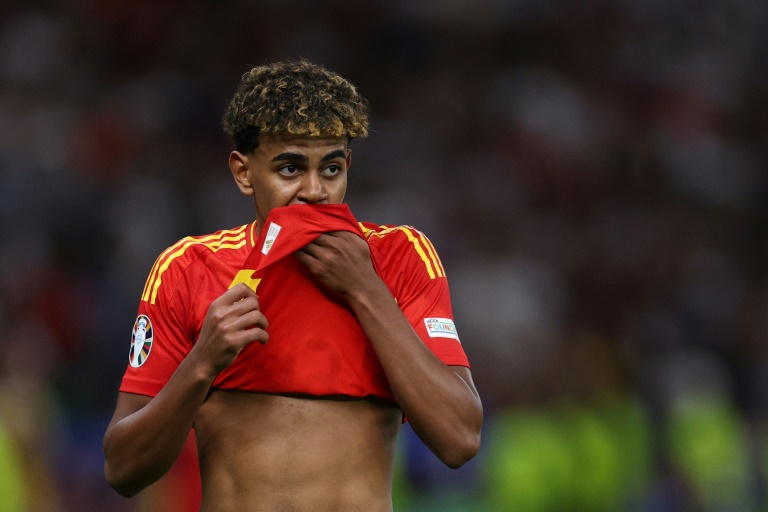
Lamine Yamal turned 19 on July 13, just one day before Spain’s World Cup semifinal win over France, and the numbers behind his career to that point are striking when placed alongside Lionel Messi’s own record at the identical age. By nearly every statistical measure, Yamal has already outpaced where Messi stood as a teenager, though the full picture requires more context than a simple goal count.
According to tracking compiled by Messi vs Ronaldo Football, Yamal had scored 56 official career goals through age 19, nearly double the 30 career goals Messi had managed by the same birthday. Yahoo Sports similarly reported that Yamal reached his 19th birthday with 30 club goals and seven international goals, for a combined total that dwarfed Messi’s nine total goals at the same point in his career, a gap made more striking given that Messi had accumulated his modest total across far fewer appearances than Yamal has already logged.
That appearance gap is one of the most significant differences between the two players’ developmental paths. According to PlanetFootball, Yamal has approached 200 senior appearances for club and country by age 19, more than 70 matches beyond what Messi and Cristiano Ronaldo had combined by their own 19th birthdays. Yamal made his senior debut for Barcelona at just 15 years old in 2023, giving him a multi-year head start on Messi, who did not make his own senior debut until age 17 in October 2004 and did not score his first goal until roughly seven months later, at 17 years and 10 months old, when he became the youngest goal-scorer in La Liga history at the time.
The gap widens further when factoring in assists. PlanetFootball reported Yamal has produced 64 career assists by age 19, giving him a combined 56 goals and 64 assists, a tally that already ranks him among the most productive teenage players in football history, alongside legendary figures including Pelé, Diego Maradona and Ronaldo Nazário. Messi, by contrast, had virtually no assist production at the equivalent stage of his career; ESPN reported that by the end of his age-17 season, Messi had scored just one La Liga goal and recorded zero assists, a stark contrast to Yamal’s 11 goals and 17 assists at the same developmental point during his own age-17 campaign.
Trophy accumulation follows a similar pattern favoring Yamal’s head start. According to Olympics.com, Yamal had collected five major trophies by age 17, compared with just one for Messi at the same age. By age 18, Yamal had already won UEFA Euro 2024 with Spain, becoming the youngest player in the tournament’s history to feature, provide an assist, score a goal, register a goal involvement in a major tournament final, and win the competition outright, all before he had turned 18. Messi, by comparison, did not make his senior international debut for Argentina until age 18, one full year after Yamal had already broken into Barcelona’s first team.
Yamal’s World Cup performance in 2026 specifically has been more modest than his overall career trajectory might suggest. Yahoo Sports reported that Yamal scored just one goal during the tournament, against Saudi Arabia, a moment that made him the ninth-youngest player in World Cup history to score a goal, coming in 14 days younger than Messi had been when he reached the same milestone. Messi, by contrast, entered Sunday’s final having scored eight goals during the 2026 tournament, reflecting the two decades of experience separating the pair even as Spain’s broader defensive strength, rather than any shortcoming from Yamal individually, has been credited with carrying the team through to the final without requiring heavy attacking output from its teenage star.
Statisticians tracking the pair’s careers have cautioned against reading too much into the early numbers alone. According to Messi vs Ronaldo Football’s analysis, “A teenager out-scoring Messi’s teenage self is remarkable and, on its own, not yet meaningful,” noting that Messi at 19 was still a substitute breaking into an already title-winning Barcelona side, with his truly historic decade of production not beginning until later in his 20s. The site’s data shows Messi’s career goal total exploded from 30 at age 19 to 279 by age 24, a stretch of production the analysis described as “the stretch that separates generational starts from generational careers,” representing the real benchmark Yamal will need to match in the years ahead rather than his early-career head start alone.
Messi himself has publicly acknowledged Yamal’s talent, identifying him specifically among the sport’s most promising young players. “There’s a very good generation of young footballers who have many years ahead of them,” Messi said at an Adidas event last year. “If I have to choose someone, because of the age and because of the future that he has, I’ve heard that they have chosen Lamine Yamal and without doubt [it’s him] for me, too.”
Spain teammate Dani Olmo offered a more cautious framing when asked directly to compare the two players, emphasizing that Yamal’s path remains distinctly his own. “Nothing can be said about the paths, right? Lamine has his own path,” Olmo said. “Comparing him to Messi is crazy. Although Lamine is spectacular, he gives us a lot, but he will give us much more in the future.”
Spain manager Luis de la Fuente, sitting alongside Yamal at a pre-match press conference around his birthday, offered a similarly grounded assessment of the pressure surrounding the young forward’s development. “He’s 19, madre mia,” de la Fuente said. “I would say to him: relax, enjoy it. Anxiety, out! Let him enjoy it. Lamine’s great day is still to come at this World Cup.”
Taken together, the statistical record shows Yamal has clearly outproduced Messi’s own teenage numbers across nearly every measurable category, from goals and assists to trophies and total appearances. Whether that early statistical edge ultimately translates into a career matching Messi’s eventual peak, a stretch that saw Messi score more than 500 goals between ages 20 and 30 alone, remains the far larger and still entirely unanswered question hanging over Yamal’s career as he enters his 20s.


Hunting Alphas manages a long-only, zero-leverage global equity portfolio through a Self Managed Super Fund. The main portfolio managed is defensive in nature and on a risk-adjusted basis, it has outperformed the market, generating 7.5% annualized alpha, Sortino ratio of 2.0, Information Ratio of 0.67, and low max drawdowns.Hunting Alphas’ articles are 5-Minute Stock Pitches that focus on the core stock drivers based on fundamentals, sentiment, valuations, and technical analysis across all types of sectors.Portfolio performance is shared monthly, portfolio holdings disclosed weekly and all the Excel models for the 5-Minute Pitches are shared on the Hunting Alphas website. Note: Hunting Alphas is related to VishValue Research on Seeking Alpha.
Analyst’s Disclosure: I/we have no stock, option or similar derivative position in any of the companies mentioned, and no plans to initiate any such positions within the next 72 hours. I wrote this article myself, and it expresses my own opinions. I am not receiving compensation for it (other than from Seeking Alpha). I have no business relationship with any company whose stock is mentioned in this article.
Seeking Alpha’s Disclosure: Past performance is no guarantee of future results. No recommendation or advice is being given as to whether any investment is suitable for a particular investor. Any views or opinions expressed above may not reflect those of Seeking Alpha as a whole. Seeking Alpha is not a licensed securities dealer, broker or US investment adviser or investment bank. Our analysts are third party authors that include both professional investors and individual investors who may not be licensed or certified by any institute or regulatory body.

Man’s body pulled from River Clyde in Glasgow in early hours tragedy

Kanazawa University Blood Test Detects 90% of Early-Stage Pancreatic Cancers Missed by Standard Test

Bold Soul slated for jumps career switch in 2026 after Flemington Cup win


-
 NewsBeat3 days ago
London Mayor Sadiq Khan handed a peerage by Keir Starmer alongside 15 other Labour figures… just days before the PM leaves No10
-

 Fashion2 days ago
Weekend Open Thread – Corporette.com
-

 Politics1 day ago
The House | The City of London can help the new chancellor deliver growth in every postcode
-

 Politics4 days ago
Young campaigners urge incoming PM to act on outdoor junk food ads
-

 Crypto World4 days ago
CFTC blocks Kalshi from unwinding Michigan trades after court order
-

 Business4 days ago
Nvidia Stock Slips After Big Tuesday Rally as Huang Confirms Vera Rubin Chip Is Now in Production Today
-

 Crypto World1 day ago
Ripple Payments Joins MiCA With 14 Firms, Does It Mean Anything For XRP?
-

 Politics4 hours ago
Democrats look to World Cup watch parties to register thousands of voters
-
 Entertainment4 days ago
Disney’s Most Ambitious Failed Star Wars Attraction Is Coming to SDCC
-

 Crypto World2 days ago
Ripple wins EU-wide access as ESMA adds it to MiCA register
-
 Crypto World2 days ago
Two July Windows Left: The CLARITY Act’s Senate Fight and What Failure Means
-

 Business4 days ago
Palantir Shares Rise After Expanded Nvidia Partnership and Fresh Analyst Upgrades Ahead of Earnings Day
-

 Crypto World3 days ago
Injective Submits SEC Transfer-Agent Registration to Onchain Ownership Records
-

 Tech6 days ago
Get Your ESP32 Sunny Side Up With This Solar Dev Board
-

 News Videos5 days ago
XRP BOMBSHELL… XRP OMBOARDED FOR TRANSACTIONS!!!
-

 NewsBeat2 days ago
Registration is now open for March for Men with Kev 2026
-

 Tech5 days ago
Dark Secrets Emerge When Jailbreaking LLMs
-
 Sports4 days ago
New Cornerback Enters Vikings Trade Rumor Mill
-

 News Videos2 days ago
Money | Class 12 Economics | CBSE Board Exam 2026-27
-

 Business3 days ago
Banco Bilbao Vizcaya Argentaria, S.A. (BBVA) Discusses Global Macro Environment and Economic Outlook for Core Markets Transcript
You must be logged in to post a comment Login