Connect with us
DAPA Banner
DAPA Coin
DAPA
COIN PAYMENT ASSET
PRIVACY · BLOCKDAG · HOMOMORPHIC ENCRYPTION · RUST
ElGamal Encrypted MINE DAPA
🚫 GENESIS SOLD OUT
DAPAPAY COMING

Business

FedEx Corporation 2026 Q4 – Results – Earnings Call Presentation (NYSE:FDX) 2026-06-23

Published

on

OneWater Marine Inc. (ONEW) Q1 2026 Earnings Call Transcript

This article was written by

Seeking Alpha’s transcripts team is responsible for the development of all of our transcript-related projects. We currently publish thousands of quarterly earnings calls per quarter on our site and are continuing to grow and expand our coverage. The purpose of this profile is to allow us to share with our readers new transcript-related developments. Thanks, SA Transcripts Team

Continue Reading
Click to comment

You must be logged in to post a comment Login

Leave a Reply

Business

Johnson & Johnson Shares Climb as Pharma Giant Raises Outlook and Pushes U.S. Investments

Published

on

An Australian court upheld a landmark class-action lawsuit against Johnson & Johnson for "negligent" marketing of pelvic mesh implants

NEW YORK — Johnson & Johnson shares advanced Tuesday, reflecting investor confidence in the health care conglomerate’s raised full-year guidance and ongoing commitment to innovation and domestic manufacturing expansion.

The stock traded at $235.53, up 1.81 percent or $4.19, in morning activity on the New York Stock Exchange. The gain came amid broader market stability and positive sentiment around the company’s pharmaceutical pipeline and operational performance.

Johnson & Johnson raised its 2026 outlook following a solid first quarter. The company now projects reported sales between $100.3 billion and $101.3 billion, with adjusted earnings per share expected in the range of $11.45 to $11.65. The updates reflect stronger-than-anticipated demand for key products.

First-quarter results showed reported sales of $24.1 billion, up 9.9 percent year-over-year. Adjusted earnings per share reached $2.70, topping consensus estimates. Innovative Medicine and MedTech segments drove growth, with several blockbuster drugs posting double-digit increases.

Advertisement

CEO Joaquin Duato highlighted the company’s strategic positioning. In recent remarks, he credited supportive U.S. tax policies for enabling significant domestic investments. The company plans more than $55 billion in U.S. spending, including $1 billion in Florida, to bolster manufacturing and research capabilities.

“We have the best talent, we have the best investment environment and, very importantly, we have now the tax policy enacted with this administration that has enabled us to be competitive,” Duato said. “Now we can create high-skilled jobs, we can invest in America, and we can be competitive.”

The investment push aligns with Johnson & Johnson’s focus on strengthening its U.S. footprint amid evolving global supply chain dynamics. The company continues advancing its pharmaceutical pipeline, with notable progress on treatments for immunology, oncology, and other therapeutic areas.

Portfolio Performance and Pipeline Momentum

Advertisement

Johnson & Johnson’s diversified business model provides resilience. The Innovative Medicine segment, encompassing pharmaceuticals, delivered strong results led by products such as Tremfya, Darzalex, and other oncology and immunology therapies. MedTech offerings in surgical and vision care also contributed meaningfully.

Analysts point to robust growth prospects. Earnings are projected to expand at an annual rate of around 8 percent over the coming years, supported by new product launches and label expansions. Revenue growth is expected near 6 percent annually.

Recent regulatory and clinical updates bolster optimism. Positive data on combination therapies and next-generation treatments have analysts raising price targets. Consensus forecasts suggest potential upside from current levels.

The company maintains a strong balance sheet, enabling continued research and development investment exceeding $1 billion annually in certain areas, alongside shareholder returns through dividends. Johnson & Johnson has a long track record of dividend growth.

Advertisement

Market Position and Challenges

Johnson & Johnson operates in a competitive health care landscape. Patent expirations on older drugs present headwinds, but the company offsets these through innovation and strategic acquisitions. Ongoing litigation related to talc and other matters remains a focus, though management has set aside reserves and continues defending its positions.

Broader industry trends favor established players with diversified portfolios. Demand for treatments addressing chronic conditions, aging populations, and advanced medical technologies supports long-term growth. Johnson & Johnson’s global reach and manufacturing expertise provide advantages.

Second-quarter earnings are scheduled for mid-July. Analysts anticipate continued momentum, with consensus estimates calling for earnings per share around $2.83.

Advertisement

Strategic Initiatives

Beyond financial performance, Johnson & Johnson advances several key initiatives. Investments in U.S. facilities aim to enhance supply chain security and support job creation. The company also emphasizes sustainability and digital transformation across operations.

Duato has outlined a vision centered on patient breakthroughs and sustained growth. “Our goal is to continue to deliver sustained growth through patient breakthroughs,” he noted.

The company’s MedTech business benefits from innovation in areas such as orthopedics, vision, and interventional solutions. Recent product approvals and pipeline candidates position it for future expansion.

Advertisement

In pharmaceuticals, focus areas include immunology, where drugs like Tremfya continue gaining traction, and oncology, with multiple assets showing promise in clinical trials. These developments underpin the raised guidance.

Valuation and Analyst Sentiment

Johnson & Johnson trades at a premium valuation consistent with its quality and stability. Forward price-to-earnings multiples reflect expectations of reliable cash flow generation and growth. Dividend yield remains attractive for income-focused investors.

Wall Street maintains a generally favorable view. Many analysts rate the stock as a Hold or Buy, citing its defensive characteristics and pipeline strength. Recent earnings beats and guidance increases have reinforced confidence.

Advertisement

Risks include regulatory changes, competitive pressures, and macroeconomic factors affecting health care spending. Johnson & Johnson’s scale and diversified revenue streams help mitigate these challenges.

Looking Ahead

As Johnson & Johnson progresses through 2026, attention will center on execution of its raised targets and advancement of key programs. The company’s ability to deliver consistent results while investing for the future will shape its trajectory.

With shares showing strength amid positive updates, Johnson & Johnson continues demonstrating resilience in a dynamic health care environment. Its focus on innovation, operational excellence, and shareholder returns positions it as a cornerstone of many investment portfolios.

Advertisement
Continue Reading

Business

How UK SMEs can build a reliable SERP data pipeline without burning budgets or breaking rules

Published

on

Successful digital marketing involves constant review of your SEO, PPC campaigns and website UX, which can result in a sense akin to FOMO for marketers concerned about getting the best possible ROMI (Return on Marketing Investment).

Search still drives intent-led leads for most UK firms. Google says it handles trillions of searches each year. That scale brings noise, fast shifts, and sudden drops that you only spot with clean data.

Business Matters often covers growth levers that sit between marketing and ops. Rank tracking sits right there. It looks simple, but many SMEs lose weeks to bans, skewed results, or tool sprawl.

Why SERP data fails in the real world

Most teams start with a SaaS rank checker. That works until you need local packs, “near me” terms, or niche pages. Then you need raw results, not a single rank number.

Google also personalises results by place, device, and past clicks. Even “incognito” runs still vary by IP and locale. If you collect data from one office line, you log a view that few users see.

Sites also fight bots. They add rate limits, CAPTCHAs, and soft blocks that return empty pages. Your pipeline can “work” but still record bad data.

Advertisement

Design a lean pipeline before you add tools

Start with business questions, not keywords

Set a short list of board-level signals. Track share of page one for your top offers. Track how often maps show rivals ahead of you. Track brand vs non-brand split for your key pages.

Keep the first data set small. You can scale later once the flow stays stable. You also cut cost by scraping less and learning more.

Control pace and shape of requests

Scrapers fail when they hammer endpoints. Set a low request rate per target and add random gaps. Rotate user agents and keep headers steady for each session.

Cache what you can. A results page rarely needs a second pull in the same day. Reuse HTML for parse tests, so you do not hit the live page each run.

Advertisement

Pick an IP plan that matches the job

IP choice drives both access and data quality. Data centre IPs cost less, but blocks often follow. Mobile IPs help with hard targets, but they cost more and add churn.

Many SMEs need steady geo results for a set of towns. A fixed IP per town helps you spot real change, not drift. Many teams start with a static residential proxy.

Do not treat proxies as a magic key. Keep the same slow pace and clean sessions. You buy headroom, not a free pass.

Compliance: reduce risk without killing the project

Scraping sits in a grey zone for many firms. You must manage legal risk, client trust, and supplier terms. A simple rule helps: collect what you need, and keep it for as short a time as you can.

Advertisement

UK GDPR sets clear stakes. Fines can reach £17.5m or 4% of global annual turnover. You rarely need personal data for SERP work, so design the pipeline to avoid it.

Log only what supports audits and fixes. Store the query, time, locale, and parse status. Drop cookies and raw pages fast unless you need them for proof.

Check the terms for each target and for any API you use. Treat robots.txt as a signal for crawl care, not as a shield. Run your plan past counsel when the data will feed pricing, credit, or high-stakes claims.

Make the output fit how SMEs run

Engineers love raw feeds. Leaders want a short view of risk and return. Give both by splitting outputs into two layers.

Advertisement

Send the raw rows to a store you can query. Then publish a weekly pack with three charts: wins, losses, and causes. Tie each cause to an action, like “fix title,” “ship page speed,” or “build links to this page.”

Set a clear service level. Define how fast you detect a drop and how fast you alert. When the pipeline meets that bar, scale coverage and add new regions.

A good SERP pipeline does not chase vanity ranks. It gives SMEs early warning and sharp proof. That helps you spend less on guesswork and more on work that moves sales.

Advertisement

Continue Reading

Business

WA's top foundations in $580m giving year

Published

on

WA's top foundations in $580m giving year

There has been a shake-up on the list of the state’s biggest foundations amid a boom in philanthropic giving.

Continue Reading

Business

KB Home (KBH) Q2 2026 Earnings Call Transcript

Published

on

OneWater Marine Inc. (ONEW) Q1 2026 Earnings Call Transcript

KB Home (KBH) Q2 2026 Earnings Call June 23, 2026 5:00 PM EDT

Company Participants

Jill Peters – Senior Vice President of Investor Relations
Jeffrey Mezger – Executive Chairman
Rob McGibney – CEO, President & Director
William Hollinger – Senior VP & Chief Accounting Officer

Conference Call Participants

Advertisement

John Lovallo – UBS Investment Bank, Research Division
Matthew Bouley – Barclays Bank PLC, Research Division
Stephen Kim – Evercore ISI Institutional Equities, Research Division
Michael Dahl – RBC Capital Markets, Research Division
Alan Ratner – Zelman & Associates LLC
Rafe Jadrosich – BofA Securities, Research Division
Paul Przybylski – Wolfe Research, LLC
Jade Rahmani – Keefe, Bruyette, & Woods, Inc., Research Division
Jay McCanless – Citizens JMP Securities, LLC, Research Division

Presentation

Operator

Advertisement

Good afternoon. My name is John and I’ll be your conference operator today. I would like to welcome everyone to the KB Home 2026 second quarter earnings conference call. All participant lines are in a listen-only mode. [Operator Instructions] This conference call is being recorded, and a replay will be accessible on the KB Home website until July 23rd, 2026.

I will now turn the call over to Jill Peters, Senior Vice President, Investor Relations. Thank you, Jill. You may begin.

Jill Peters
Senior Vice President of Investor Relations

Advertisement

Thank you, John. Good afternoon, everyone, and thank you for joining us today to review our results for the second quarter of fiscal 2026. On the call are Jeff Mezger, Executive Chairman, Rob McGibney, President and Chief Executive Officer, Bill Hollinger, Senior Vice President and Chief Accounting Officer, and Thad Johnson, Senior Vice President and Treasurer.

During this call, items will be discussed that are considered forward-looking statements within the meaning of the Private Securities Litigation Reform Act of 1995. These statements are not guarantees of future results and the company does not undertake any obligation to update them. Due to

Advertisement
Continue Reading

Business

Clay Craft India shares to list today. Check GMP ahead of debut

Published

on

Clay Craft India shares to list today. Check GMP ahead of debut
Clay Craft India is set to make its stock market debut on Wednesday with the grey market signalling a positive listing. The company’s shares were quoting at a grey market premium (GMP) of around 13%, indicating a potential listing gain of about Rs 26 over the issue price of Rs 203 per share, though GMP is an unofficial indicator and may not reflect the actual listing performance.

The Rs 110.11-crore NSE SME IPO was subscribed 103.06 times during the three-day bidding period, led by strong demand from non-institutional investors and qualified institutional buyers.

The NII portion was subscribed 153.95 times, while the QIB category was booked 119.19 times. The retail investors’ quota attracted 71.76 times subscription. Overall, the issue received bids for 37.18 crore shares against 36.08 lakh shares on offer.

The IPO was entirely a fresh issue of 54.24 lakh equity shares, with proceeds earmarked primarily for setting up an additional manufacturing facility at Manda, Rajasthan, besides general corporate purposes. Hem Securities was the book-running lead manager, while KFin Technologies acted as the registrar.

Advertisement

About the company

Founded in 1994, Clay Craft India manufactures bone china crockery and ceramic tableware used across households, hotels, restaurants and corporate gifting. Its portfolio includes dinnerware, mugs, platters, tea and coffee sets, and customised ceramic products for institutional customers.
The company also caters to the HoReCa (hotel, restaurant and catering) segment and offers nearly 5,770 SKUs across multiple product categories. It has an extensive distribution network and employs more than 1,390 people.

Financial performance

Clay Craft reported healthy financial growth in FY26. Total income rose 20% year-on-year to Rs 184.57 crore, while profit after tax increased 30% to Rs 27.01 crore. EBITDA stood at Rs 41.96 crore, compared with Rs 35.39 crore in the previous year, while the company’s net worth improved to Rs 166.06 crore.


Despite the strong subscription and positive grey market premium, investors will closely watch the stock’s listing performance amid broader sentiment in the SME segment, where post-listing returns have remained mixed in recent months.
(Disclaimer: Recommendations, suggestions, views and opinions given by the experts are their own. These do not represent the views of Economic Times)

Continue Reading

Business

Form 144 MANITOWOC CO INC For: 23 June

Published

on


Form 144 MANITOWOC CO INC For: 23 June

Continue Reading

Business

Form 144 Vera Therapeutics For: 23 June

Published

on


Form 144 Vera Therapeutics For: 23 June

Continue Reading

Business

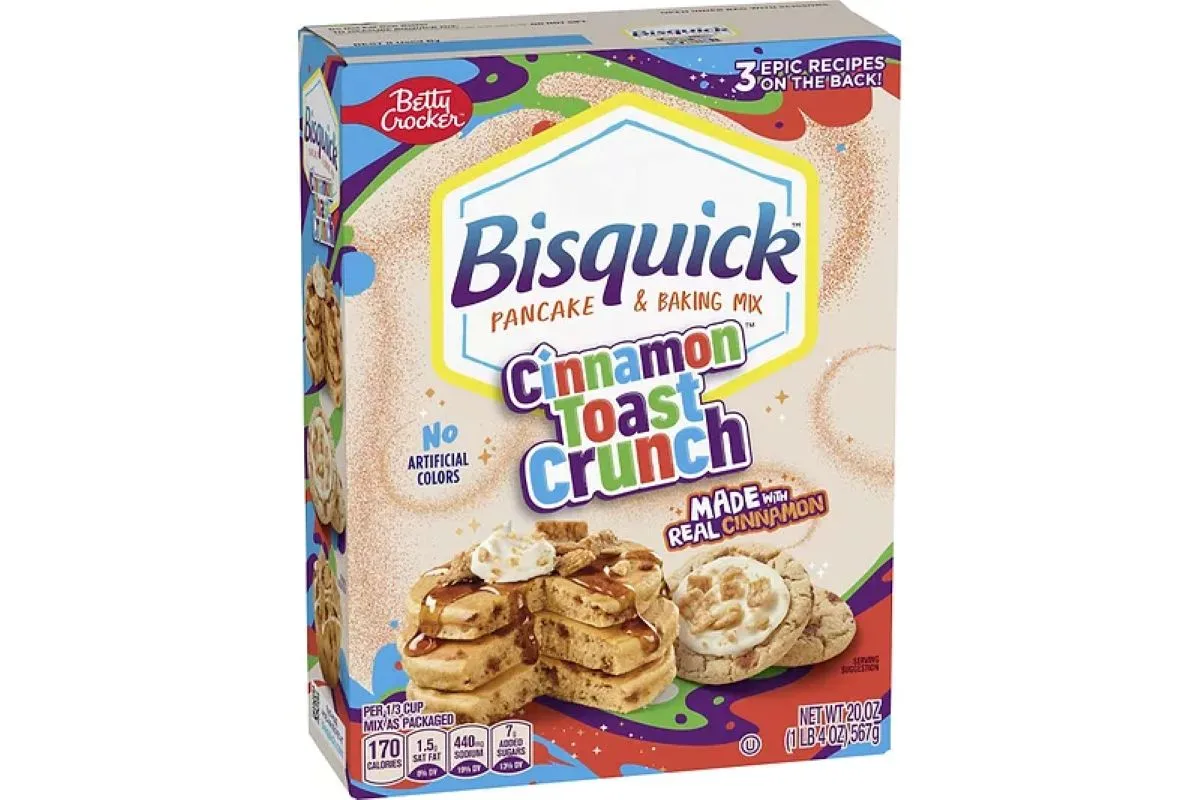
Cinnamon Toast Crunch baking mix leans into comfort

Published

on

Cinnamon Toast Crunch baking mix leans into comfort

General Mills’ executive talks product rollout and Betty Crocker brand.

Continue Reading

Business

Dollar at 13-month high as rate hike bets, stock rout boost demand

Published

on

Dollar at 13-month high as rate hike bets, stock rout boost demand
The U.S. dollar extended gains to reach a fresh 13-month high against a basket of major currencies on Wednesday as investors sought shelter from a tech stock sell-off and positioned for Fed rate hikes.

A broad sell-off in technology and semiconductor shares has dragged global stocks lower as investors take profits on a long rally, sparking safe-haven demand for dollar and bonds.

Meanwhile, expectations of a U.S. rate hike continued to build with Federal Reserve officials sounding increasingly ‌hawkish amid the ⁠strength of ⁠the U.S. economy. Markets are pricing in a 37% chance of a 25-basis-point hike at the July meeting, up from 8.5% a week ago, and 70% for September up from 29.1%, according to CME FedWatch.

The dollar index, which measures the greenback against a basket of currencies including the yen and the euro, climbed to a high of 101.44, the strongest level since May 13, 2025.

Advertisement

“The U.S. dollar is still the preferred safe-haven,” said Ray Attrill, head of FX strategy at National Australia Bank.


“Obviously the momentum is on its side at ⁠the moment, but ‌I think there is a lot priced in,” he said. “We’ll have to see a correction in risk sentiment, one that’s broader rather than just the tech sector, or the market ⁠further ratcheting up its expectations for hikes, before the dollar can go very much higher from here.”
The euro last traded at $1.1375, near a one-year low. The British pound weakened slightly to $1.3199, after Bank of England policymaker Alan Taylor said an “extended hold” for interest rates was the right response to inflation pressure. The risk-sensitive Australian dollar was steady at $0.6918 ahead of the latest CPI reading later in the day. The New Zealand dollar weakened 0.05% to $0.5665, a fresh seven-month low.

Also supporting the safe-haven demand, the U.S. and Iran appeared to be at odds on some major aspects of their ‌framework including nuclear issues and control of the Strait of Hormuz, raising questions about the viability of their fragile peace deal.

YEN LANGUISHES

The Japanese yen last traded at 161.57 after briefly weakening to a two-year low of 161.93 late ⁠on Monday as the greenback extended its gains. A break above 161.96 would leave the yen at its weakest level since 1986.

The latest round of verbal warnings from Japanese officials had done little to relieve sustained pressure on the currency, amid wide U.S.-Japan rate differentials and doubts about Tokyo’s commitment to intervention.

Advertisement

The Japanese yen could weaken to 165 per dollar if the Fed raises interest rates this year, former Bank of Japan policymaker Sayuri Shirai said.

Some Bank of Japan board members called for further interest rate hikes to push the central bank’s policy rate closer to levels deemed neutral to the economy, a summary of opinions at their June policy meeting showed on Wednesday.

Continue Reading

Business

Oil Price Today (June 24): Crude oil near 4-month low as more tankers pass through Hormuz. What are experts saying?

Published

on

Oil Price Today (June 24): Crude oil near 4-month low as more tankers pass through Hormuz. What are experts saying?
Oil prices extended their decline on Wednesday, hovering near the four-month lows touched in the previous session, as signs emerged that more oil tankers stranded in the Gulf since the start of the Iran conflict are preparing to move through the Strait of Hormuz.

Crude oil price on June 24

Brent crude futures fell 37 cents, or 0.5%, to $76.71 a barrel, while U.S. West Texas Intermediate crude slipped 36 cents, or 0.5%, to $72.85 a barrel. Both benchmarks had already lost nearly 1% on Tuesday and hit their weakest levels since early March.

The market has been under pressure this week after Washington granted Tehran a 60-day sanctions waiver following initial peace talks, allowing Iran to continue selling oil. Prices have also been weighed down by easing hostilities in Lebanon.

Also read: Rs 1.5 lakh cr behind 2025! Can Jio & NSE IPOs put 2026 on course for another record year?

On Tuesday, Oman and Iran agreed to continue discussions on the future administration of navigation through the Strait of Hormuz. U.S. Secretary of State Marco Rubio said any attempt by Iran to impose transit fees would be in violation of international law.

Advertisement

However, questions remain over how durable the agreement will prove. U.S. President Donald Trump said on Tuesday that Iran had agreed to allow nuclear inspections “into infinity,” a claim Tehran disputed, saying no such concession had been made during negotiations.

What’s next for prices?

Despite the recent slide in oil prices, a complete reopening of Hormuz is expected to be a complex process. It will require careful coordination of vessel movements, restarting oil wells, repairing infrastructure, and agreeing on de-mining operations. Some shipowners also remain wary of operating conditions in the strait and the wider Persian Gulf.
Analysts note that global oil inventories were depleted during the extended disruption of shipping through the Strait of Hormuz and will take time to rebuild. Stockpiles could continue falling before fresh Gulf supplies begin reaching international markets.
Read more: NSE and Ambani are about to see if India’s retail crowd still has ‘buy the dip’ energy left
Last month, Saudi Aramco Chief Executive Officer Amin Nasser cautioned that disruptions in the Strait of Hormuz could delay a return to stability in global oil markets until 2027. According to Nasser, prolonged interruptions could affect nearly 100 million barrels of oil supply each week. Saudi Aramco remains the world’s largest oil producer.

(Disclaimer: Recommendations, suggestions, views and opinions given by the experts are their own. These do not represent the views of The Economic Times)

Continue Reading

Trending

Copyright © 2025