

Business
FIIs pull out massive Rs 20,637 crore in single day on Friday. What led to this sharp exit?


Before this, the sharpest fall occurred last month (April 2, 2026), when FIIs pulled out Rs 19,837 crore in a single day, data from ACE Equity showed.
The selloff came as benchmark indices fell 1.5%, with market participants attributing much of the late-session weakness to passive fund flows linked to the index reshuffle. The scale of foreign investor activity stood out not just because of the outflow figure, but also because of the sheer volume traded during the session.
FPIs accounted for Rs 198,465 crore of trading activity out of the NSE’s total turnover of Rs 287,452 crore, representing nearly 69% of the day’s traded value, provisional data on the NSE showed.
Despite ending the day as net sellers of Rs 20,637 crore, FPIs traded nearly 9.6 times that amount during the session. In comparison, domestic institutional investors (DIIs) were net buyers of Rs 16,260 crore and recorded total trades worth Rs 53,772 crore, or around 3.3 times their net purchase value.

The high participation prompted questions over whether the activity was solely driven by MSCI-related portfolio adjustments or whether high-frequency trading (HFT) strategies amplified volumes around the index rebalance. The size of the turnover also sparked debate over how much of the reported foreign outflow reflected actual portfolio repositioning and how much may have been linked to short-term trading activity.
Nilesh Shah, MD of Kotak Mahindra Asset Management, questioned whether the surge in activity was surprising given that Indian equities are currently not a key focus area for FPIs. He also asked whether Friday’s volumes were driven purely by MSCI rebalancing or whether high-frequency trading (HFT) activity around the index reshuffle had amplified turnover. Shah further wondered how much of the reported net FPI outflow of Rs 20,637 crore could be attributed to HFT trades.Market expert Gurmeet Chadha also questioned the sharp rise in trading volumes, arguing that ‘speed and money muscle’ were being used to distort market moves. He further highlighted the addition of 31,000 short contracts even as Brent crude hovered around $90 a barrel and hopes of a weekend deal persisted. Calling the activity suspicious, he said ‘we need to act and trap this cartel’.
According to Abhilash Pagaria, Head of Alternative and Quantitative Research at NuvamaWealth, the rebalancing led to outflows of around Rs 8,000-8,500 crore. He said the figure was somewhat higher than in previous reviews due to free-float adjustments in stocks such as Bajaj Finance, HUL and TCS, among others, describing the impact as a one-time adjustment arising from a new methodology.
MSCI Rejig
MSCI’s latest review saw Federal Bank, MCX, NALCO and Indian Bank added to the MSCI Standard Index, while Hyundai Motor India, Jubilant FoodWorks, Kalyan Jewellers and RVNL were removed. The changes took effect at the close of trade on May 29.
The review also resulted in weight increases for Adani Power, BPCL, Nykaa, Trent and OFFS. Despite the reshuffle, India’s overall weight in the MSCI Standard Index remained broadly stable at around 12.3%, compared with 12.4% earlier. The total number of Indian constituents in the index also remained unchanged at 165.
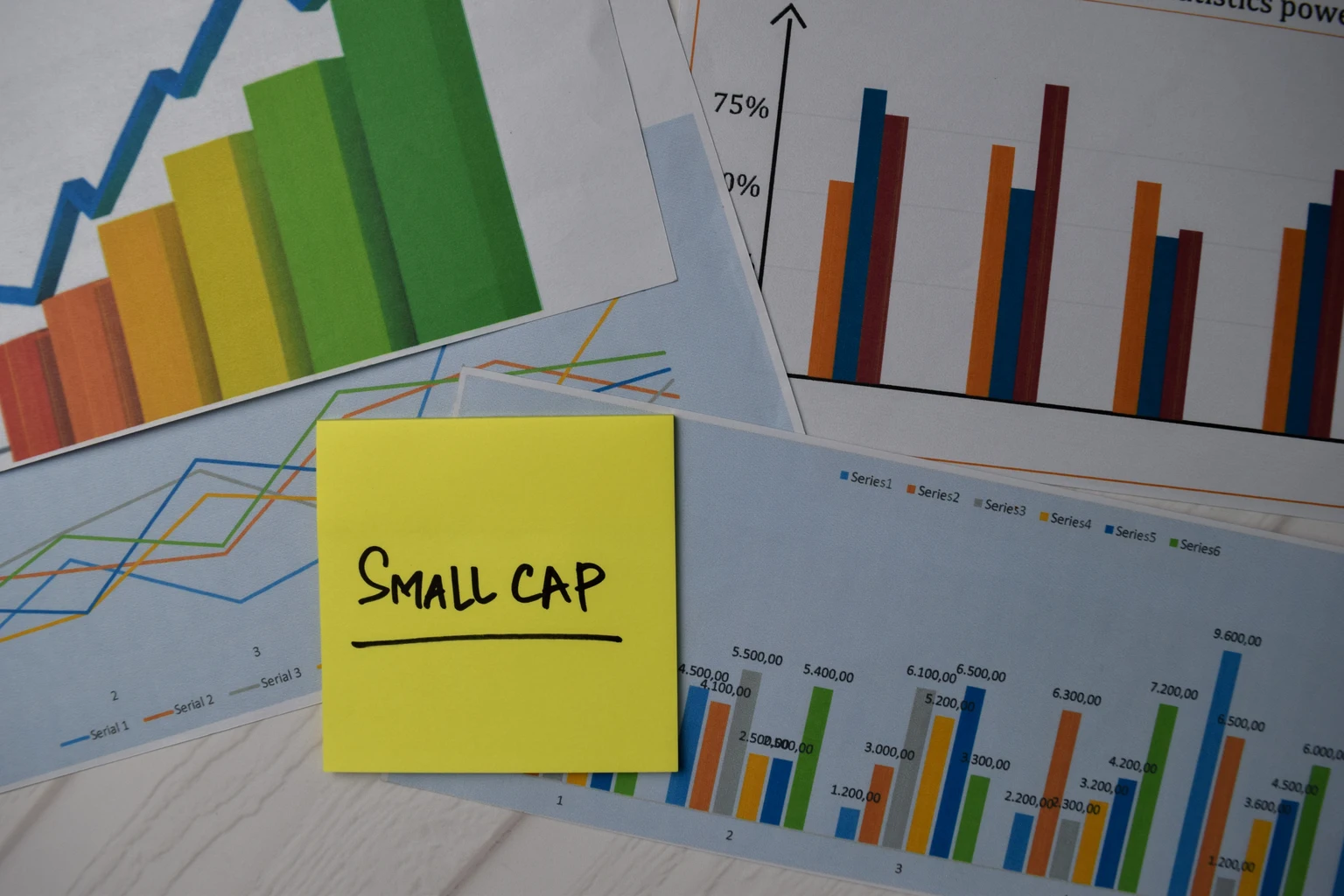
Beyond the Standard Index, MSCI announced a broader rejig of its Small Cap Index. According to Nuvama, more than a dozen Indian stocks were excluded, reducing the India stock count to 459 from 474. New additions included IREDA, Anthem Biosciences, Fractal Analytics, Pine Labs and Emmvee Photovoltaic, while Cello World, Redtape, Raymond Lifestyle, Indigo Paints, Balu Forge and Blue Jet Healthcare were among the exclusions.
Index review days typically witness elevated volumes as passive funds tracking MSCI benchmarks adjust their holdings to match the revised composition.
(Disclaimer: Recommendations, suggestions, views and opinions given by the experts are their own. These do not represent the views of The Economic Times)

Northern Trust Asset Management is a global investment manager that helps investors navigate changing market environments in efforts to realize their long-term objectives.
Entrusted with $1.2 trillion in assets under management as of March 31, 2024, we understand that investing ultimately serves a greater purpose and believe investors should be compensated for the risks they take — in all market environments and any investment strategy. That’s why we combine robust capital markets research, expert portfolio construction and comprehensive risk management in an effort to craft innovative and efficient solutions that seek to deliver targeted investment outcomes.
As engaged contributors to our communities, we consider it a great privilege to serve our investors and our communities with integrity, respect and transparency.
Northern Trust Asset Management is composed of Northern Trust Investments, Inc., Northern Trust Global Investments Limited, Northern Trust Fund Managers (Ireland) Limited, Northern Trust Global Investments Japan, K.K., NT Global Advisors, Inc., 50 South Capital Advisors, LLC, Northern Trust Asset Management Australia Pty Ltd, and investment personnel of The Northern Trust Company of Hong Kong Limited and The Northern Trust Company. Note: This account is not managed or monitored by Northern Trust Asset Management, and any messages sent via Seeking Alpha will not receive a response. For inquiries or communication, please use Northern Trust Asset Management’s official channels.

Ramiro Valdes, lauded as hero of Cuban revolution, dies at 94
Business
People ticketed for vandalizing Washington Reflecting Pool to be fully prosecuted, US Attorney Pirro says


People ticketed for vandalizing Washington Reflecting Pool to be fully prosecuted, US Attorney Pirro says

France faces economic slack as structural shifts weigh on demand- Citi

Inflation Data, FedEx, Micron, KB Home, Darden, and More to Watch This Week

BlackRock Emerging Markets Fund Q1 2026 Commentary

Gabelli Dividend & Income Trust Q1 2026 Commentary

A company of Manulife Investment Management, John Hancock Investment Management serves investors through a unique multimanager approach, complementing our extensive in-house capabilities with an unrivaled network of specialized asset managers, backed by some of the most rigorous investment oversight in the industry. The result is a diverse lineup of time-tested investments from a premier asset manager with a heritage of financial stewardship. Note: This account is not managed or monitored by John Hancock Investment Management, and any messages sent via Seeking Alpha will not receive a response. For inquiries or communication, please use John Hancock Investment Management’s official channels.

Invesco is an independent investment management firm dedicated to delivering an investment experience that helps people get more out of life.Be the first to know! Sign up for Invesco US Blog and get expert investment views as they post.Disclosure for all Invesco US articles: Before investing, carefully read the prospectus and/or summary prospectus and carefully consider the investment objectives, risks, charges and expenses. The information provided is for educational purposes only and does not constitute a recommendation of the suitability of any investment strategy for a particular investor. Invesco does not provide tax advice. The tax information contained herein is general and is not exhaustive by nature. Federal and state tax laws are complex and constantly changing. Investors should always consult their own legal or tax professional for information concerning their individual situation. The opinions expressed are those of the authors, are based on current market conditions and are subject to change without notice. These opinions may differ from those of other Invesco investment professionals. NOT FDIC INSURED MAY LOSE VALUE NO BANK GUARANTEE All data provided by Invesco unless otherwise noted. Invesco Distributors, Inc. is the US distributor for Invesco Ltd.’s retail products and collective trust funds. Invesco Advisers, Inc. and other affiliated investment advisers mentioned provide investment advisory services and do not sell securities. Invesco Unit Investment Trusts are distributed by the sponsor, Invesco Capital Markets, Inc., and broker-dealers including Invesco Distributors, Inc. PowerShares® is a registered trademark of Invesco PowerShares Capital Management LLC (Invesco PowerShares). Each entity is an indirect, wholly owned subsidiary of Invesco Ltd. ©2015 Invesco Ltd. All rights reserved.
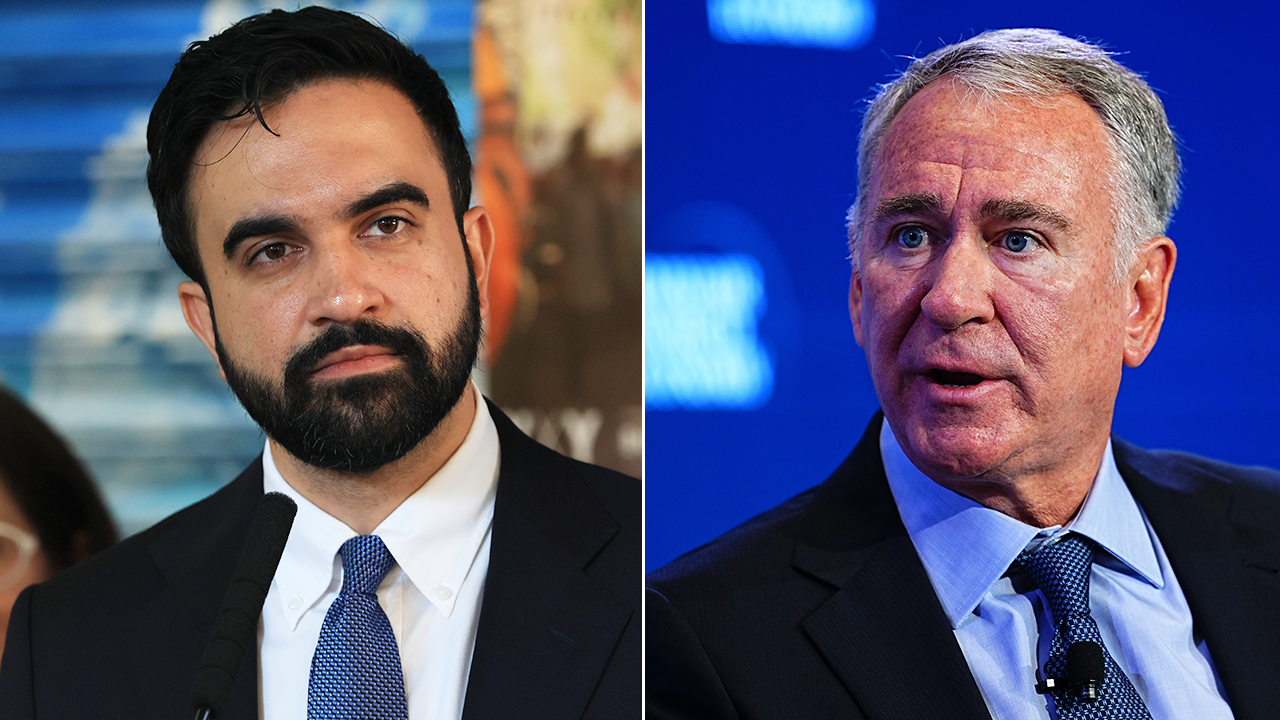
Manhattan Institute expert Adam Lehodey says NYC Mayor Zohran Mamdani’s outreach to Wall Street leaders signals a recognition that New York cannot fund progressive priorities without keeping businesses and wealthy investors in the city.
Billionaire Citadel founder Ken Griffin is encouraging New York’s business leaders to take on socialist Mayor Zohran Mamdani, warning that the city’s future could be at risk if employers and investors stay quiet.
“They need to find their voice and fight for their city,” Griffin said Thursday at a Manhattan event, according to Bloomberg.
“My advice is to speak up. What’s the worst that’s going to happen? It will be that New York empties of talent and that’s a catastrophe. If the mayor wants to say a few words about you, your record speaks for itself: You create jobs, you create value and you pay taxes.”
MAMDANI’S WALL STREET COURTSHIP SPARKS CRITICISM OF ANTI-BILLIONAIRE AGENDA
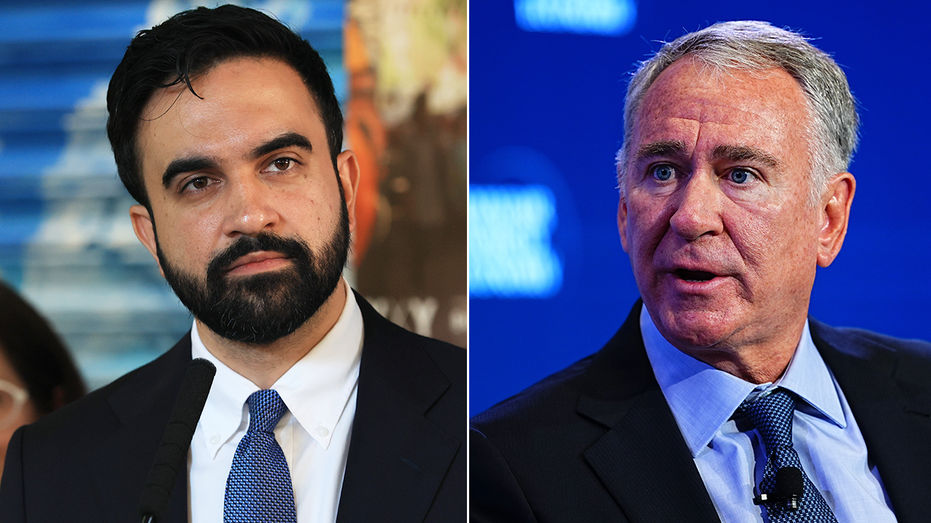
The Citadel founder is clashing with New York City Mayor Zohran Mamdani over taxes targeting the ultra-wealthy and intensifying crime, reviving the same tensions that drove him to pull his business and billions out of Chicago. (Spencer Platt/Aaron Schwartz/Bloomberg/Getty Images / Getty Images / Getty Images)
Griffin’s remarks mark the latest chapter in an ongoing clash between Wall Street’s billionaire class and Mamdani, whose proposals to raise taxes on wealthy New Yorkers and luxury property owners have drawn fierce criticism from business leaders concerned about the city’s economic competitiveness.
The financial titan, whose net worth is estimated at $48.3 billion according to the Bloomberg Billionaires Index, argued that New York’s corporate leaders should focus on the long-term future of the city rather than short-term political battles.
BILLIONAIRE KEN GRIFFIN SAYS CITADEL’S CHICAGO EXODUS WAS ‘NOT HARD,’ CITES CRIME, TAXES
“Everything should be viewed through the lens of, Citadel will be here far longer than he’ll be mayor,” Griffin said.
The comments come as Griffin and Mamdani appear to be cautiously opening a dialogue after months of public sparring over taxes, wealth and the city’s business climate.
The socialist mayor recently reached out to Griffin after previously criticizing the billionaire hedge fund manager over his Manhattan penthouse and personal wealth. Mamdani notably stood outside Griffin’s luxury property to promote his proposal to raise taxes on second homes in New York City worth more than $5 million.
CHICAGO KNOWS WHAT HAPPENS WHEN KEN GRIFFIN TURNS ON A CITY, NOW MAMDANI MAY FIND OUT
New York City Mayor Zohran Mamdani’s “pied-a-terre” wealth tax on luxury properties ignites a contentious debate, drawing strong criticism from Citadel CEO Ken Griffin and hedge fund manager Bill Ackman.
The outreach comes as some business leaders warn New York risks alienating major employers and investors — a concern Griffin has raised before in another major American city.
The tensions have fueled concerns among some business leaders that New York could follow a path similar to Chicago, where Griffin spent years criticizing crime, taxes and public policy before moving Citadel’s headquarters to Miami in 2022. The relocation marked the departure of one of the financial industry’s most influential firms and underscored the economic impact that can follow when a major corporate player leaves a major city.
GET FOX BUSINESS ON THE GO BY CLICKING HERE
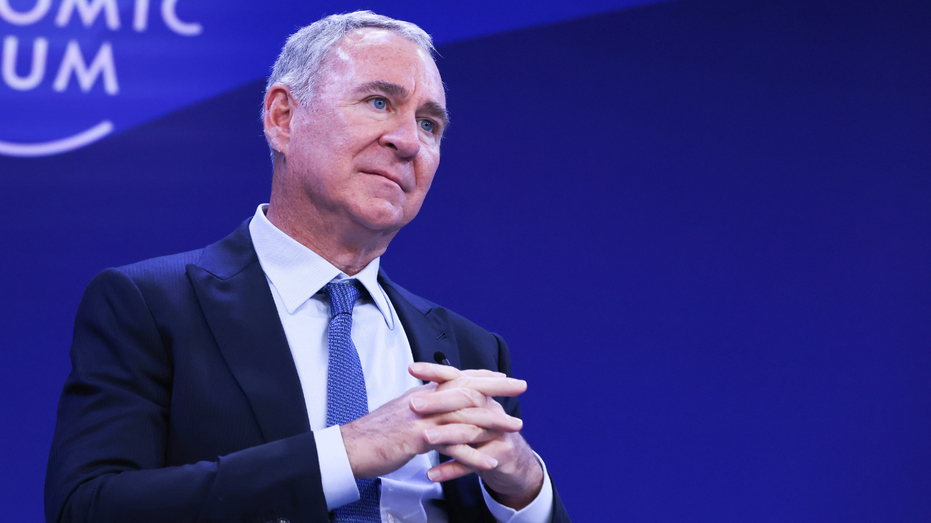
Citadel founder and CEO Ken Griffin described New York City Mayor Zohran Mamdani’s “tax the rich” video targeting him as a “creepy and weird” political advertisement. (Krisztian Bocsi/Bloomberg via Getty Images / Getty Images)
Griffin has repeatedly pointed to Florida’s business climate as a model and warned that policies targeting high earners and businesses could make New York less competitive.
Griffin said he plans to talk to Mamdani “at some point in the months ahead.”
“Let’s see where he is on the state of policy at that time,” he said. “Actions speak louder than words.”

Canada’s Leylah Fernandez wins in first round at Bad Homburg Open

Sunday Reboot: The right marketing, the wrong changes

Sumsub Adds MCP Integration to Automate Compliance Setup with AI


-
 Crypto World7 days ago
Zimbabwe Requires Crypto Businesses to Register Annually Under New FIU Regulations
-

 Fashion2 days ago
Weekend Open Thread: Miami – Corporette.com
-
 Business2 days ago
Wall Street Week Ahead: Investors see Micron earnings as pulse check of AI rally momentum
-
 Crypto World6 days ago
Crude Oil Plunges Over 4% as US-Iran Agreement Reopens Hormuz Strait
-

 Crypto World2 days ago
HIVE shares jump as $220M AI deal speeds Bitcoin mining pivot
-

 Tech7 days ago
Over 400 Arch Linux packages compromised to push rootkit, infostealer
-
 Tech5 days ago
The Adder At The Heart Of Intel’s 8087 FPU
-
 Tech7 days ago
Microsoft Updates Six Windows’ Apps. ‘Photos’ Gets Watermarks for Copilot Images (Off by Default)
-
 Sports3 days ago
FIFA World Cup 2026: Canada beat 9-men Qatar 6-0 to register first ever win | FIFA World Cup 2026
-

 Business23 hours ago
Soccer-U.S. defends Iran World Cup travel restrictions, says discussions ongoing
-

 Tech7 days ago
Etzioni on AI: Backlash against AI-generated text mirrors the anti-GMO movement
-

 Tech7 days ago
Today’s NYT Connections Hints, Answers for June 15 #1100
-
 Tech7 days ago
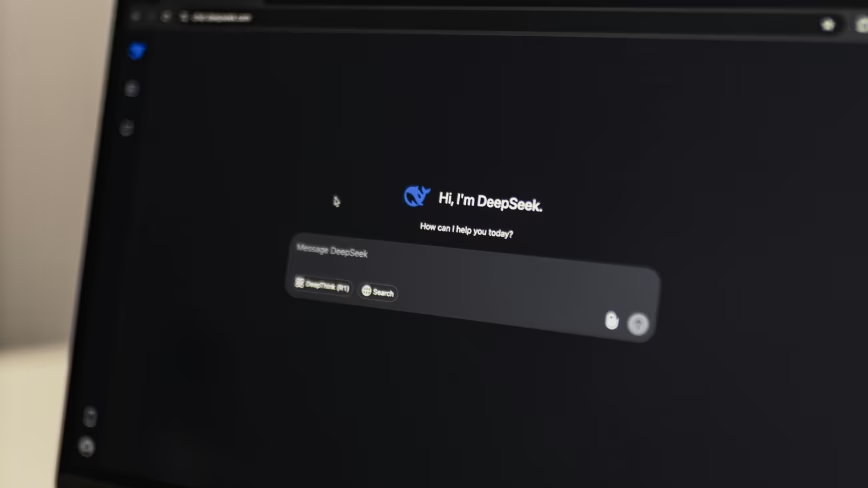
Chinese AI models are learning to detect safety tests and adjust their behaviour accordingly
-

 Politics7 days ago
The countless control rooms running the World Cup in New York and New Jersey
-

 Entertainment7 days ago
Embrace Seaside Vibes With the 15 Hottest Rope Sandals
-

 Tech4 days ago
Weeks Of In-The-Field Testing And A Verdict
-
 Crypto World4 days ago
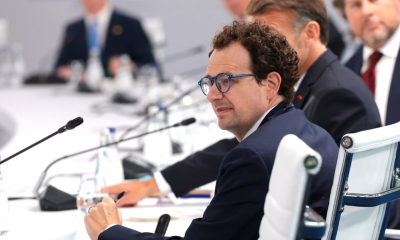
Anthropic’s Dario Amodei Urged AI Unity at G7, Even as US Banned His Models
-

 Tech3 days ago
Adobe adds its AI assistant to Premiere, Illustrator and InDesign
-

 Crypto World1 day ago
Jake Chervinsky accuses CME of protecting derivatives monopoly
-

 Tech7 days ago
What Was The 2-Minute Rule On Netflix?
You must be logged in to post a comment Login