
Business
Florida leads US states with $4,433 average tax refund, report finds

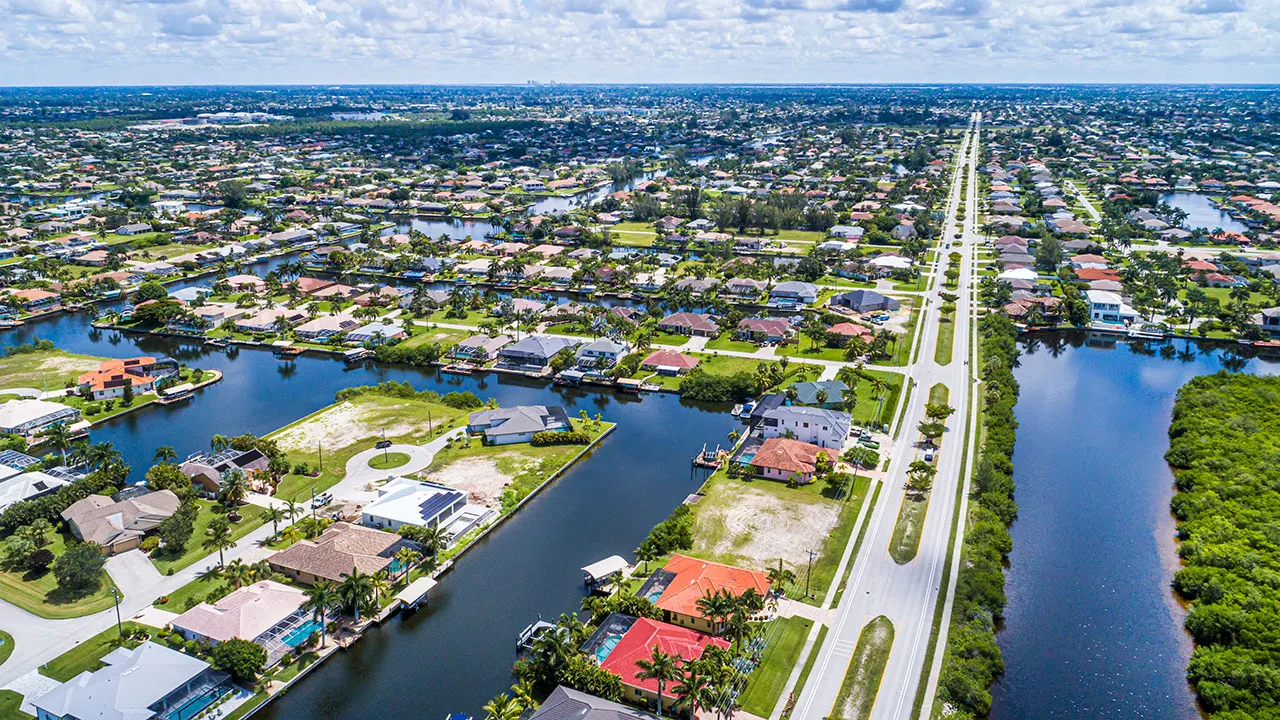
Lisa Greene-Lewis, CPA and TurboTax expert, offers some last minute tips for taxpayers filing their 2025 tax returns ahead of the midnight deadline on Tax Day.
Americans are facing a midnight deadline to file their 2025 tax return, but the refunds that await the majority of taxpayers are larger on average than a year ago – with taxpayers in certain states receiving higher refunds, according to a new report.
An analysis by Upgraded Points of how refund amounts have changed across geographic areas and income levels finds that the estimated average refund for 2026 is $3,571, with 72.9% of taxpayers receiving refunds. That’s above the record set in 2022 of $3,252, though the share of refund recipients is down from 77.1% in 2021.
The larger refunds across the nation come following the enactment of the One Big Beautiful Bill Act, which extended a host of tax policies that were set to expire and included new policies aimed at providing tax relief for income from tips and overtime, Social Security, and other provisions like the auto loan interest deduction for new, U.S.-made cars.
While those policy changes occurred for all U.S. taxpayers, residents of some states are seeing larger refunds than their peers in other parts of the country based on the IRS data used to compile the report.
TAX DAY IS HERE: ADVICE FOR LAST-MINUTE FILERS RACING AGAINST THE CLOCK
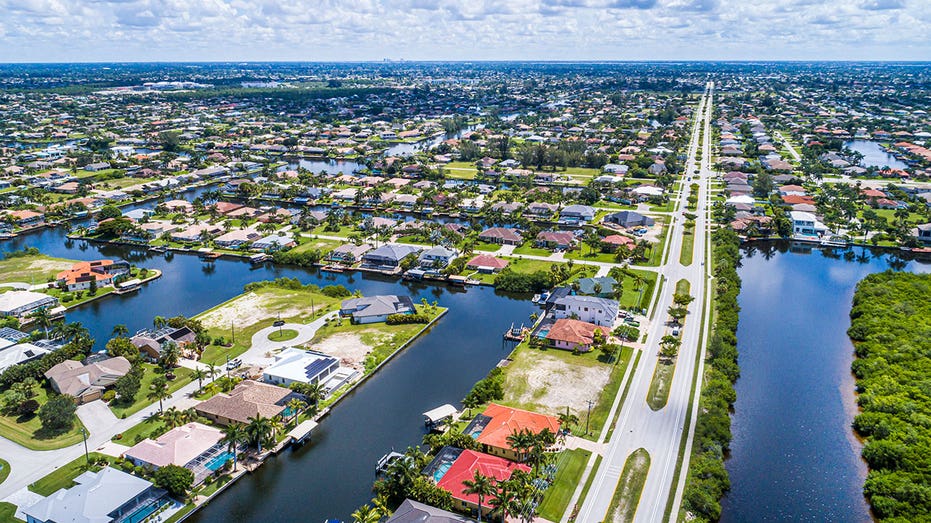
Florida taxpayers are receiving the largest average tax refunds this year, according to the report. ( Jeffrey Greenberg/Education Images/Universal Images Group via Getty Images)
The Upgraded Points analysis found that the state with the highest average refund was Florida with $4,433 after adjusting for inflation. That’s out of more than 11.1 million federal tax returns filed, of which 67.1% yielded a refund for the taxpayer.
“While Tax Day isn’t usually a day for celebration, Americans can rejoice knowing they will likely receive a larger tax return or owe less than in years past. I am proud to have supported the Working Families Tax Cut Package – the largest tax cut in history for working Americans,” Sen. Ashley Moody, R-Fla., told FOX Business.
“On average, Floridians will receive the largest average federal tax refunds in the country, keeping hard earned dollars in the pockets of workers, families, and businesses,” Moody added.
IRS REFUND TRACKER EXPLAINED: WHAT YOU NEED TO KNOW BEFORE THIS YEAR’S TAX FILING DEADLINE

Florida’s Collier County, home of the city of Naples, ranked in the top five largest average tax refunds. (iStock)
Texas ranked second with an average refund of $4,344 out of 13.6 million returns filed by Lone Star State taxpayers, with 71.3% receiving a refund.
A pair of states in the Mountain West ranked third and fourth, with Wyoming taxpayers getting an average refund of $4,282 with 68.8% of the 280,750 returns filed receiving a refund, followed by Nevada’s average refund of $4,193 with 69.6% of the Silver State’s 1.6 million returns receiving a refund.
Louisiana rounded out the top five with an average refund of $4,117 across nearly 2 million returns filed with a 73% refund rate, which Upgraded Points noted ranked as the third-highest refund rate among states.
The county level data in the report showed even higher refunds in wealthy enclaves around the country.
HOW TO FILE A TAX EXTENSION BEFORE THE APRIL 15 DEADLINE

Wyoming’s Teton County, home of Jackson, had the largest average tax refunds among U.S. counties. (Daniel Acker/Bloomberg via Getty Images)
Wyoming’s Teton County, which is home to the town of Jackson, had the largest average refund in the country of $15,156, out of the 15,210 federal returns filed with only 51.9% receiving a refund.
Pitkin County, Colorado, which is where the town of Aspen is located, had an average refund of $8,756 based on 10,520 returns filed with a 52% refund rate.
Utah’s Summit County, which includes Park City, had an average refund of $8,481 with 55.8% of the nearly 25,000 returns filed receiving a refund.
GET FOX BUSINESS ON THE GO BY CLICKING HERE
Collier County, Florida, home to the city of Naples, had an average refund of $7,764 with 56.6% of the 214,600 filers receiving a refund.

Pershing Square USA’s Poor Debut Highlights the Risks of Closed-End Funds

Axsome Therapeutics COO Mark Jacobson sells $1.08m in stock
Business
Upstart Holdings, Inc. 2026 Q1 – Results – Earnings Call Presentation (NASDAQ:UPST) 2026-05-05


Seeking Alpha’s transcripts team is responsible for the development of all of our transcript-related projects. We currently publish thousands of quarterly earnings calls per quarter on our site and are continuing to grow and expand our coverage. The purpose of this profile is to allow us to share with our readers new transcript-related developments. Thanks, SA Transcripts Team

NEW YORK — DigitalOcean Holdings Inc. (NYSE: DOCN) shares exploded more than 35% Tuesday morning, surging to around $147.61 after the cloud infrastructure company reported blockbuster first-quarter 2026 results that far exceeded Wall Street expectations and highlighted accelerating AI-driven growth.

The stock, which closed Monday at roughly $108, jumped as much as 38.55% intraday on heavy volume as investors cheered record revenue, strong customer expansion and upbeat guidance tied to its expanding “agentic inference cloud” platform. The move added billions to the company’s market capitalization in a single session.
DigitalOcean reported first-quarter revenue of $257.9 million, up 22% year-over-year and well above analyst estimates of approximately $249.8 million. Non-GAAP earnings per share reached $0.44, crushing consensus forecasts of $0.27. The company also posted robust growth in key metrics, including million-dollar customer ARR surging 179% and AI customer ARR jumping 221%.
AI and Inference Cloud Driving Surge
Management highlighted strong traction in its AI-native offerings, including the recently launched Inference Engine. The company noted that AI workloads are becoming a significant growth driver, with customers reporting substantial cost savings and performance improvements compared to larger cloud providers.
Annual run-rate revenue reached $1.032 billion, up 22% year-over-year. Net income attributable to common stockholders stood at $16 million. Executives expressed confidence in continued momentum, citing demand from startups and enterprises building AI applications on the platform.
Raised Guidance Fuels Optimism
DigitalOcean also provided optimistic forward-looking commentary, reinforcing investor enthusiasm. The strong beat and positive tone on AI opportunities triggered widespread analyst upgrades and price target increases in recent weeks, setting the stage for Tuesday’s breakout.
Company Transformation and Strategy
DigitalOcean has evolved from a developer-friendly VPS provider into a specialized cloud platform focused on simplicity, affordability and high-performance AI inference. Its agentic inference cloud targets workloads that require fast, cost-effective model deployment — a sweet spot as AI adoption accelerates among smaller companies and startups.
The company operates a global network optimized for low-latency applications and has been winning business from customers seeking alternatives to hyperscale providers like AWS, Azure and Google Cloud. Recent product launches and acquisitions have strengthened its position in the fast-growing inference market.
Analyst and Market Reaction
Wall Street responded positively to the results. Multiple firms raised price targets following the report, with several highlighting DigitalOcean’s ability to capture AI market share while maintaining disciplined growth. The stock’s dramatic move reflects both the earnings surprise and broader enthusiasm for AI infrastructure plays.
Volume surged as retail and institutional investors piled in. The rally marks one of the largest single-day percentage gains for the stock in recent memory and pushes it to fresh all-time highs.
Valuation and Outlook
Even after today’s surge, analysts see further upside potential given the company’s growth trajectory. However, the rapid move also raises questions about near-term valuation and the risk of profit-taking. DigitalOcean trades at a premium multiple, reflecting expectations of sustained high growth in the AI cloud sector.
For the remainder of 2026, the company expects continued expansion in its core business and AI offerings. Investors will watch upcoming quarters for evidence of sustained momentum and margin trends as the company invests in capacity.
Broader Context
DigitalOcean’s performance comes amid a strong period for select cloud and AI infrastructure names. While larger hyperscalers dominate headlines, smaller, specialized providers like DigitalOcean are carving out niches with better economics for certain workloads. Tuesday’s reaction underscores investor appetite for companies delivering tangible AI growth.
As the earnings season progresses, DigitalOcean’s results provide a positive data point for the broader technology sector. The company’s focus on developer experience and cost efficiency continues to resonate in a market seeking practical AI solutions.
The stock’s explosive move on Tuesday highlights the market’s reward for companies that execute well in high-growth areas. Whether this momentum sustains will depend on future delivery, but the Q1 report has clearly energized investors and reaffirmed DigitalOcean’s position as a rising player in the cloud and AI infrastructure landscape.

U.S. stocks moved lower in premarket trading Monday, challenging last week’s record run for the S&P 500 that powered by the best pace of earnings gains in five years, amid reports from Iran’s Fars news agency that two Iranian missiles struck a U.S. warship near Jask Island near the Strait of Hormuz.
The crux of Brockman’s testimony so far has been that Musk was aware of plans to shift OpenAI to be more of a traditional for-profit business. When the company started, it was a non-profit, then it added a for-profit arm in order to raise billions of dollars in funding for investors, before deciding last year to make the for-profit part of the company the focus.
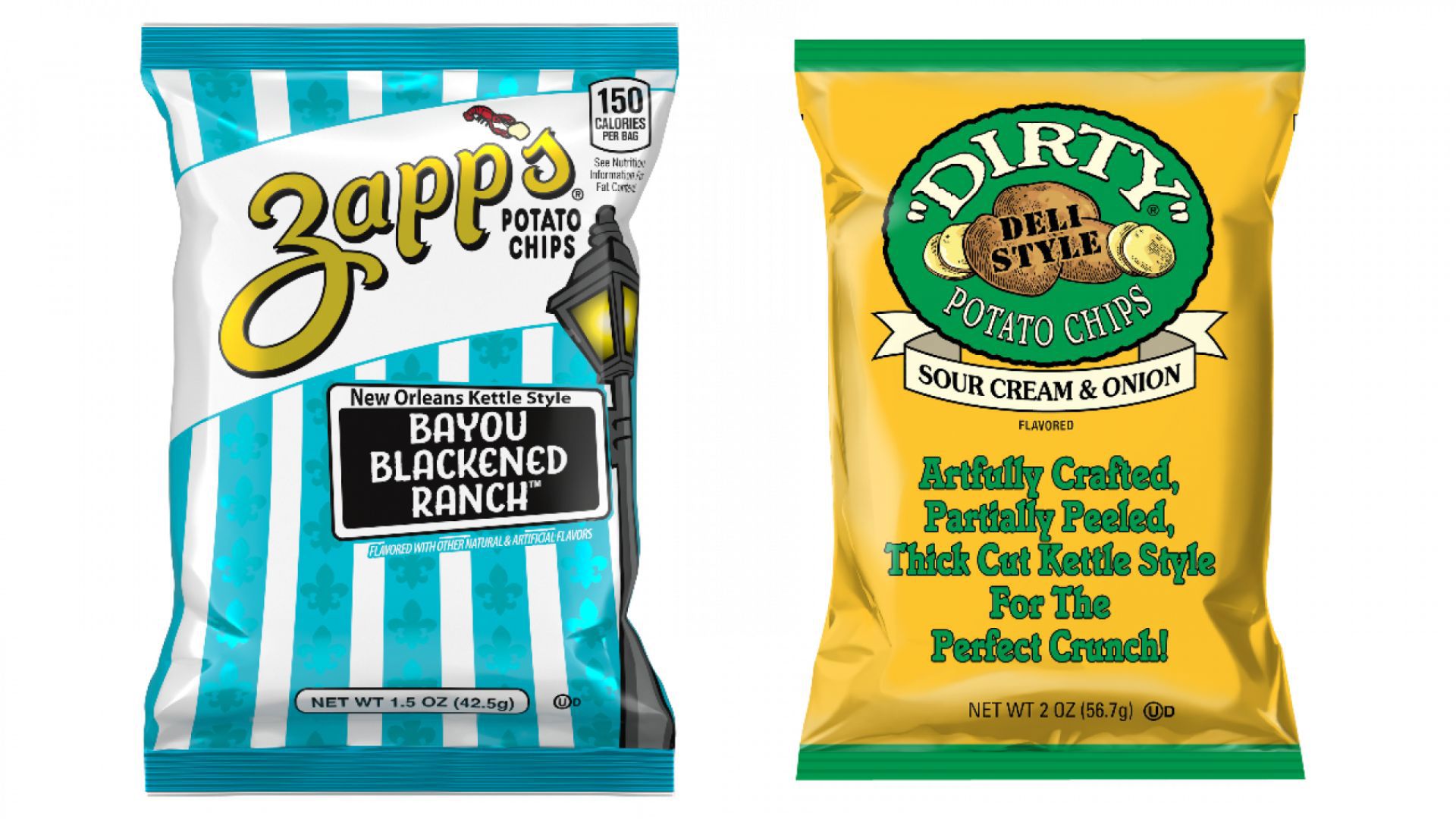
NEW YORK — Utz Quality Foods LLC is voluntarily recalling certain varieties of its popular Zapp’s and Dirty brand potato chips due to potential Salmonella contamination in a seasoning ingredient, the U.S. Food and Drug Administration announced Monday, urging consumers to check their pantries and return or discard affected products.

The recall, issued out of an abundance of caution, affects limited batches of chips sold nationwide. It stems from notification that a third-party seasoning containing dry milk powder, sourced from California Dairies Inc., may contain Salmonella. Although the affected seasoning batches tested negative for the bacteria before use, Utz initiated the voluntary action to prioritize consumer safety.
No illnesses have been reported in connection with the recalled chips as of Tuesday. Salmonella can cause serious and sometimes fatal infections, particularly in young children, the elderly, pregnant people and those with weakened immune systems. Healthy individuals may experience fever, diarrhea, nausea, vomiting and abdominal pain.
Affected Products and Distribution
The recall includes specific sizes and flavors of Zapp’s and Dirty potato chips with particular best-by dates and batch codes. Examples include various Zapp’s Bayou Blackened Ranch, Dirty varieties and other flavored options in bags ranging from 1.5 ounces to 8 ounces. Full details, including UPC codes, best-by dates and batch information, are available on the FDA’s website.
The products were distributed through retail stores across the United States. Consumers who purchased the items should stop eating them immediately, dispose of them safely or return them to the place of purchase for a refund. Retailers have been instructed to remove the products from shelves.
Company Response and Consumer Advice
Utz Quality Foods emphasized that consumer safety is its top priority. “We are recalling these products out of an abundance of caution,” the company stated. No other Utz products are affected. The company is working closely with the FDA and suppliers to investigate the issue and prevent future occurrences.
The FDA advises anyone who has consumed the recalled chips and experiences symptoms of Salmonella infection to contact their healthcare provider. Symptoms typically appear six hours to six days after exposure and can last four to seven days in most cases. Severe cases may require hospitalization.
Broader Context of Food Safety
This recall highlights ongoing challenges in the snack food supply chain, particularly with ingredients like dry milk powder that can harbor bacteria if not properly handled. Salmonella outbreaks linked to processed foods have occurred periodically, prompting heightened vigilance from manufacturers and regulators.
The FDA classifies recalls based on risk levels. While this action is precautionary, officials stress the importance of checking product labels and staying informed through official channels. Consumers can visit the FDA’s recalls page or sign up for alerts to receive timely notifications.
Impact on Consumers and Industry
Popular snack brands like Zapp’s, known for bold Cajun-inspired flavors, and Dirty, recognized for its kettle-cooked varieties, enjoy loyal followings across the South and beyond. The recall may temporarily disrupt availability, but Utz has assured the public that unaffected products remain safe and widely available.
Industry experts note that voluntary recalls demonstrate responsible corporate practices, even when test results are negative. Such actions help maintain consumer trust in the food supply while underscoring the complexity of modern manufacturing with multiple suppliers.
What Consumers Should Do
Check your pantry for any Zapp’s or Dirty potato chips purchased recently. Compare UPC codes, best-by dates and batch information against the FDA’s detailed list. If in doubt, throw it out. Wash hands thoroughly after handling potentially affected products and sanitize any surfaces they contacted.
For questions, contact Utz Consumer Relations or consult the FDA recall notice. Retailers participating in the recall will handle returns smoothly, minimizing inconvenience for shoppers.
Preventing Future Risks
Food safety advocates encourage consumers to stay informed and practice safe handling. Proper storage, checking expiration dates and following recall notices contribute to reducing foodborne illness risks. The incident also reinforces the value of robust supplier oversight and testing protocols in the snack industry.
As investigations continue, the FDA and Utz will provide updates if additional products or details emerge. For now, the focus remains on protecting public health through swift action and transparent communication.
This precautionary recall serves as a reminder of the vigilance required in food production. While no illnesses have been linked, consumers are urged to err on the side of caution with the specified products. The snack industry’s quick response helps preserve confidence while addressing potential risks promptly.

The tribunal observed that the CCI did not provide a chance to Grasim Industries to present their arguments, after it differed from the findings of DG, its probe Unit.
The Competition Commission of India (CCI) had imposed a penalty on Grasim Industries in March 2020 for allegedly abusing its dominant position with respect to supply of VSF to spinners in India in which it has a dominant position.
Also Read: NCLAT dismisses Vedanta’s plea against Adani’s Jaiprakash bid
The order was challenged by Grasim before the NCLAT, which is also an appellate authority over CCI, which asked the regulator to hear afresh.

A two-member National Company Law Appellate Tribunal (NCLAT) bench said the CCI itself has “differed from findings of the DG”, its probe unit, regarding their directions for disclosure of discounting/pricing policy and sale to “buyers” who can trade the VSF.
In such cases, where is a difference between CCI and DG, it “requires the Commission to give opportunity to the opposite party (Grasim)”, said the NCLAT while citing previous judgments.NCLAT said CCI “had omitted to give notice” to the Grasim Industries regarding the disagreement and has thereby “deprived” the Aditya Birla Group firm “an opportunity to defend itself” against the proposed actions.
“We set aside the impugned order and remand it back to the Commission with a direction to provide an opportunity to the Appellant wherever the Commission differs with the findings of the DG and to decide the case expeditiously in a time-bound manner,” NCLAT said.
The NCLAT also made it clear that it has “not commented on the merits of the case” while passing the order, the CCI “should not be influenced by anything contained in this judgement”.
CCI in its order had said it had abused its dominant position in the market for supply of VSF to spinners in India by charging discriminatory prices to its customers, besides imposing supplementary obligations upon them.
The CCI has directed the company to “refrain from adopting unfair/discriminatory pricing practices and also refrain from seeking the consumption details of VSF from the buyers”.
Further, the watchdog had asked Grasim Industries to put in place a discount policy, which is transparent and non-discriminatory to all market participants, and to make it easily and publicly accessible/available.
A complaint alleging unfair business practices was filed against Association of Man Made Fibre Industry of India, Grasim Industries, Thai Rayon, and Indo Bharat Rayon. The three companies are part of the Aditya Birla Group.
VSF is a versatile, biodegradable, cellulosic fiber used widely in fashion apparel, home textiles, and non-woven hygiene products.
Known for its soft texture, high absorbency, and excellent drape, VSF is often blended with cotton, polyester, or linen to enhance comfort, durability, and fabric quality.

New agreements between the companies and the Commerce department build on Biden-era pacts.

Assets under management crossed the Rs 60,000 crore milestone and stood at Rs 60,348 crore at the end of March, the company said in its audited quarterly results.
Net interest income, including fees and other income, rose 78% YoY to Rs 1,276 crore during the quarter.
Pre-provision operating profit came in at Rs 695 crore, up 109% YoY, reflecting stronger operating leverage and higher business volumes.Net interest margin, including fees and other income, improved to 9.05% in the March quarter from 8.62% in the December quarter, an expansion of 43 basis points sequentially. The lender also reported improvement in asset quality.
Gross non-performing assets stood at 1.44% at the end of March, compared with 1.51% in the previous quarter. Net non-performing assets improved to 0.74% from 0.80% in the December quarter.
Credit cost as a percentage of average AUM eased to 2.51% in the March quarter from 2.62% in the previous quarter. Stage 1 assets, which represent the healthiest portion of the loan book, stood at 97.5% of on-book assets compared with 97.4% in the previous quarter.
The company said its secured-to-unsecured on-book mix stood at 54:46 during the quarter. Capital adequacy ratio stood at 16.83% as of March 31, with Tier-I capital at 15.90%, both above regulatory requirements.
Following its recently completed Rs 2,500 crore qualified institutional placement, the company said its simulated capital adequacy ratio would rise to 20.74% based on the March balance sheet, giving it additional headroom for growth.
Liquidity buffer stood at Rs 7,590 crore as of March 2026. Cost of borrowing declined marginally to 7.63%, lower by 2 basis points compared with the previous quarter.
Commenting on the results, Managing Director and CEO Arvind Kapil said the company had reached an “inflection point” in its growth journey. “We have reached a pivotal inflection point in our growth trajectory. By simultaneously expanding our yields and optimizing our operating architecture, we are seeing a powerful expansion in incremental NIMs,” he said.
Poonawalla Fincorp said it continued to invest in technology, adding 19 new AI projects during the quarter, taking the total number of AI-led initiatives to 76, of which 42 have already been implemented.

Pedestrian dies after being hit by car in Peterborough
Pershing Square USA’s Poor Debut Highlights the Risks of Closed-End Funds
Prophet launches AI-powered prediction market with live $10,000 trading tranche

Manchester United reach agreement with Casemiro over contract clause amid transfer speculation

US brings back mandatory military draft registration

Steven Gerrard disagrees with Gary Neville over ‘shock’ Chelsea and Arsenal claim | Football


-

 NewsBeat2 days ago
Channel 5 – All Creatures Great and Small series 7 new post
-
 Business6 days ago
Tesla Officially Registers Elon Musk’s Stock: What Investors Need to Know
-
 Tech4 days ago
Trump’s 25% EU auto tariff breaches Turnberry Agreement that also covers semiconductors and digital trade
-
 Sports4 days ago
Paul Scholes issues Marcus Rashford reality check as agreement emerges over Man United star
-

 Business7 days ago
Barclay Brothers Avoid Bankruptcy: HSBC Drops High Court Petitions After IVA Deal
-

 Entertainment4 days ago
Met Gala 2026 Rumored Guest List Is Turning Heads
-

 Entertainment6 days ago
Insider Claims Reason Behind Key & Peele Split
-

 Entertainment6 days ago
Celebrities Who Are Attending the 2026 Met Gala Event
-

 Tech6 days ago
Texas Instruments made a new flagship graphing calculator: the TI-84 Evo
-

 Crypto World6 days ago
Meta (META) starts stablecoin payout to creators in Circle’s USDC on Polygon, Solana via Stripe
-

 Business6 days ago
Strait of Hormuz Remains Heavily Restricted on April 29 Amid Iran Conflict
-

 Business5 days ago
Two Powerball Tickets Split $143 Million Jackpot in Indiana and Kansas
-
Business5 days ago
Strait of Hormuz Blockade Persists Amid US-Iran Standoff, Sending Oil Prices Soaring
-

 Entertainment4 days ago
Kylie Jenner Hit With Second Lawsuit From Ex-Housekeeper
-
Business3 days ago
Winning Numbers Drawn as Jackpot Resets to $20 Million
-
 Sports4 days ago
David Benavidez responds to team Canelo saying the fight will never happen
-

 Sports6 days ago
Saudi Arabia set to withdraw LIV Golf funding after 2026 season, per reports
-
 Crypto World5 days ago
CoreWeave (CRWV) Stock Climbs 8% Despite $45M Insider Share Dump
-

 Sports4 days ago
Cavaliers vs. Raptors Game 6 live score, updates, highlights from 2026 NBA playoffs first-round series
-
 Crypto World6 days ago
Securitize and Computershare Enable Tokenized Equity Issuance for Over 25,000 U.S.-Listed Stocks
You must be logged in to post a comment Login