

Business
GameStop Shares Edge Higher as Retailer Navigates Post-Earnings Momentum and Strategic Moves


NEW YORK — GameStop Corp. shares traded modestly higher at $21.58, up 0.56 percent or 12 cents, in mid-morning trading Wednesday as the video game retailer continued to draw attention following its strong first-quarter results and ongoing strategic initiatives under Chairman and CEO Ryan Cohen.
The modest gain comes amid broader market fluctuations and reflects sustained investor interest in the meme stock favorite, which has seen significant volatility in 2026 tied to earnings beats, share repurchase plans and ambitious acquisition pursuits. GameStop’s market capitalization hovers around $9.6 billion, with the company leveraging a substantial cash position to explore growth opportunities beyond traditional retail.
GameStop reported record quarterly net income of $389.6 million for the period ended May 2, 2026, compared to $44.8 million in the prior year. Operating income reached $143.3 million, the highest first-quarter figure in company history. Net sales grew 14 percent year-over-year to $835.3 million, driven largely by strength in collectibles, which accounted for over 41 percent of revenue.
The board approved a new $2 billion discretionary share repurchase program, signaling confidence in undervaluation and providing a potential support mechanism for the stock price. This authorization replaced an earlier plan and underscores Cohen’s focus on capital allocation.
Strategic Shifts and eBay Pursuit
Cohen has aggressively pushed for transformation, including an unsolicited proposal to acquire eBay in a deal valued at approximately $56 billion. The bid, combining cash and stock, was rejected by eBay’s board, but Cohen has indicated continued interest in exploring combinations that leverage GameStop’s physical footprint and eBay’s e-commerce strengths.
The company is pivoting toward higher-margin segments like collectibles while optimizing its store network. Recent store closures reflect efforts to streamline operations amid industry shifts toward digital gaming and collectibles-driven traffic. Cohen’s vision emphasizes using GameStop’s balance sheet — bolstered by nearly $9.7 billion in cash, securities and related assets — for accretive moves.
A major long-term performance award for Cohen, potentially worth up to $35 billion if aggressive targets are met, has drawn scrutiny. The stock-option grant vests based on achieving significant market capitalization and EBITDA milestones, with no base salary or traditional compensation for the executive. A shareholder lawsuit seeks to block the package, alleging governance concerns, though supporters view it as fully aligned with shareholder value creation.
Q1 Performance Details
Adjusted operating income for the quarter stood at $140.5 million, excluding certain items. The company highlighted reduced selling, general and administrative expenses, contributing to margin expansion. Collectibles sales provided a bright spot as the company capitalizes on trading cards, memorabilia and other enthusiast-driven categories.
Cash flow remains robust, positioning GameStop advantageously compared to many traditional retailers facing digital disruption. The company continues to manage inventory and supply chain dynamics in a competitive gaming landscape dominated by console cycles and digital downloads.
Market Sentiment and Volatility
GameStop retains its status as a meme stock with a dedicated retail investor base. Options activity and social media buzz often amplify price movements, though recent trading has been relatively contained compared to earlier surges. Analysts note mixed sentiment, with some highlighting valuation appeal while others caution on long-term retail headwinds.
The stock has traded in a range throughout 2026, reacting to earnings, strategic announcements and broader market trends. Wednesday’s slight uptick follows post-earnings momentum from early June, when shares responded positively to the profit beat and buyback news before some consolidation.
Short interest remains a factor, though reduced from peak levels during earlier volatility episodes. The company’s substantial cash reserves provide a buffer against downturns while enabling offensive moves like the eBay proposal.
Challenges in Retail Landscape
Traditional video game retail faces ongoing pressure from digital distribution, subscription services and shifting consumer habits. GameStop has responded by diversifying revenue streams and optimizing its brick-and-mortar presence. Store closures in early 2026 reflect this adaptation, aiming for greater efficiency.
Competition from online giants and specialized collectibles platforms adds complexity. Cohen’s leadership, credited with turning around operations since 2021, focuses on operational discipline and opportunistic growth. The company reduced legacy debt and built liquidity, providing flexibility uncommon among peers.
Outlook and Analyst Perspectives
Wall Street views vary, with some seeing potential in collectibles expansion and capital returns while others question sustainable revenue growth. Consensus highlights the importance of execution on strategic initiatives. Upcoming quarters will test progress in margin improvement and new revenue channels.
Investor attention remains high due to the company’s cultural significance and activist-driven narrative. Ryan Cohen’s stake and influence continue to shape expectations, with supporters betting on transformative moves and skeptics pointing to retail sector challenges.
Broader market context, including consumer spending trends and gaming industry cycles, will influence performance. GameStop’s ability to navigate these dynamics while pursuing larger opportunities like eBay will be closely watched.
As of mid-morning trading, volume was in line with recent sessions. The stock’s resilience around current levels suggests some stabilization following Q1 volatility, though meme-stock characteristics mean rapid shifts remain possible on news flow.
GameStop’s evolution from pure-play retailer to a more agile entity with significant cash resources positions it uniquely. Whether through organic growth, acquisitions or shareholder returns, the coming months could clarify its strategic direction amid a dynamic industry landscape.

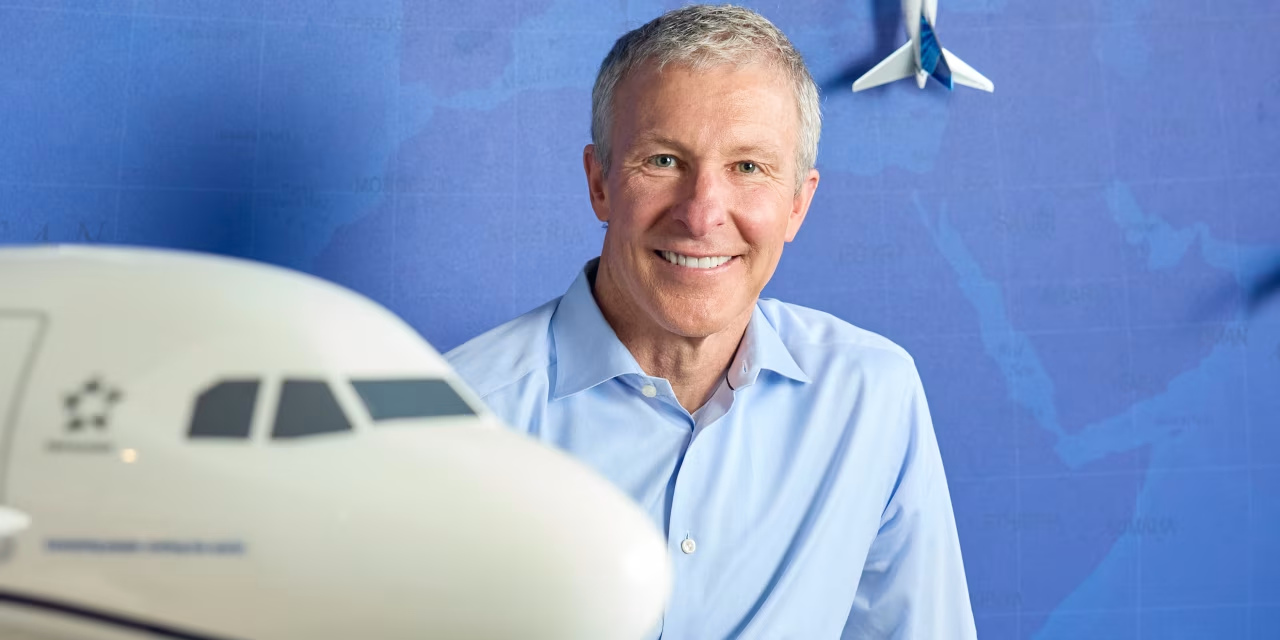
, on the hunt for a megadeal, last year approached Delta Air Lines DAL about a merger that would have combined the two most valuable U.S. carriers, according to people familiar with the matter.
As part of the pitch, United Chief Executive Scott Kirby made a call to Delta CEO Ed Bastian, some of the people said.
Copyright ©2026 Dow Jones & Company, Inc. All Rights Reserved. 87990cbe856818d5eddac44c7b1cdeb8
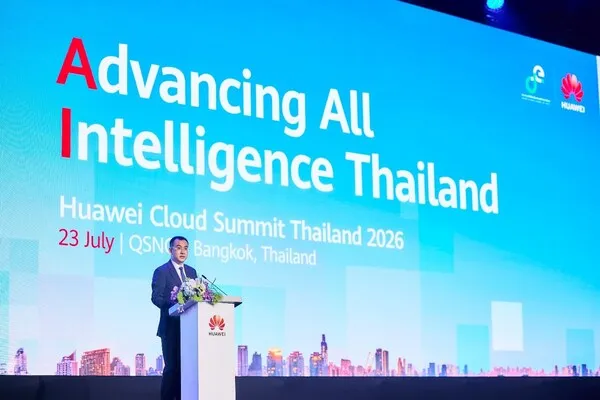
BANGKOK, July 24, 2026 /PRNewswire/ — Huawei Cloud hosted Huawei Cloud Summit Thailand 2026, bringing together leaders from government, business, industry partners, and the technology community to exchange views on how cloud and AI can support Thailand’s digital economy. During the event, Huawei Cloud announced “Huawei Cloud Agentic Infrastructure: Now Available for Thailand” and officially launched Huawei Cloud CodeArts Agent Open Beta Testing (OBT) in the country.
Mr. Sunny Shang, President of Huawei Cloud APAC, outlined the company’s commitment to working with customers and partners to build an AI-driven digital future for Thailand. Regarding the government’s direction, the Ministry of Digital Economy and Society emphasized the acceleration of digital transformation through national AI policies, public-sector adoption, and stronger public-private collaboration.
The public-sector highlighted how AI can improve government operations and make public services faster and more convenient. NECTEC also presented a Government AI case study covering the development of AI infrastructure and platforms, as well as AI chatbots and intelligent assistants designed to support government officials and improve services for citizens.
Building the Foundation for the Agentic AI Era
Mr. Surasak Wanichwatphibun, CTO of Huawei Cloud Thailand said Huawei Cloud will continue to strengthen its technological capabilities and build a robust computing infrastructure to drive AI innovation across enterprises.
At the center of the announcement is Agentic Infra, a new infrastructure designed specifically for developing and deploying AI agents. It supports efficient token generation, unified scheduling of general-purpose and AI computing resources, continuous learning, and secure and autonomous agent operations.
Mr. Surasak introduced four new features under Agentic Infra:
- UnifiedBus-based AI Cluster Service (AICS), which supports highly efficient token generation
- Agentic Memory Storage Service (AMS), which delivers PB-scale memory storage to address a key bottleneck in agent memory, enabling long-horizon tasks and facilitating continuous learning.
- AgentSphere, which offers a secure and autonomous runtime environment for AI agents
- CCE VolcanoNext, which enables unified scheduling of general-purpose and AI computing resources
CodeArts Agent OBT Launches in Thailand
Another major highlight was the launch of Huawei Cloud CodeArts Agent OBT in Thailand, giving local developers and enterprises an opportunity to experience Huawei Cloud’s coding agent and provide feedback before its wider release.
CodeArts Agent combines IDE functionality, autonomous development capabilities, and coding models. It supports project-level code generation, code completion, R&D knowledge Q&A, and unit test case generation.
The platform also applies Specification-Driven Development (SDD) to help development teams maintain code quality from the requirements stage through to final delivery.
It is worth mentioning that this release also introduces the Agent Team mode, which can automatically form a development team, enabling multiple agents to collaborate concurrently and execute tasks simultaneously.
By reducing repetitive tasks, CodeArts Agent can help developers work more efficiently and allow organizations to bring digital products and services to market faster.
The OBT launch forms part of Huawei Cloud’s efforts to support Thailand’s developer community and make AI-assisted software development more accessible to organizations of different sizes.
Strengthening Security for Enterprise AI
Mr. Surasak also emphasized security, stability, and quality as key priorities for enterprise AI adoption. As cyberattacks become increasingly automated and AI-driven, Huawei Cloud has upgraded its security services in two areas: protecting AI systems and using AI to strengthen cyber defense.
Its model lifecycle security solution covers AI infrastructure, training data, model inference, and agent applications.
For enterprises concerned about data sovereignty and privacy, Huawei Cloud provides dedicated security zones that allow customers to independently manage their encryption keys while preventing platform administrators from accessing customer data. Software-hardware integration and hardware acceleration are also used to maintain encryption performance without compromising service efficiency. Huawei Cloud has also introduced Data Capsule technology, which ensures that data can only be used within authorized environments and automatically becomes invalid if moved outside a designated security zone.
Showcasing AI Use Cases Across Industries
Huawei Cloud Summit Thailand 2026 also featured AI and cloud use cases from organizations in Thailand. These included the development of AI platforms and intelligent assistants for the public sector, the use of AI coding and large language models in banking, and AI-powered learning and skills development platforms for the HR sector.
Huawei Cloud and its partners also shared how ecosystem collaboration can help solve industry challenges and accelerate AI adoption among enterprises.
About Huawei Cloud Thailand
Huawei Cloud Thailand is a leading cloud service provider committed to accelerating Thailand’s digital transformation under the mission of “In Thailand, For Thailand.” According to the latest report from Gartner, Huawei Cloud is ranked No.3 by revenue in Thailand’s Infrastructure as a Service (IaaS) market, solidifying its position as one of the most trusted and fastest-growing international cloud providers in the country.
As the first international public cloud vendor to establish local data centers in Thailand, Huawei Cloud now operates three Availability Zones, ensuring high reliability and low-latency connectivity for local users. Leveraging Huawei’s 30-plus years of expertise in ICT infrastructure, it integrates cutting-edge Artificial Intelligence (AI), Cloud-Native 2.0, and Big Data technologies to empower over 40 government agencies and thousands of enterprises across the Kingdom. By building a robust digital ecosystem and fostering local talent, Huawei Cloud aims to drive Thailand’s “Digital Economy” forward, bringing cloud and intelligence to every corner of the country for a fully connected, intelligent future.
For more information, please visit Huawei Cloud Thailand online at
https://www.huaweicloud.com/intl/th-th/ or follow us on:
The information provided in this article was created by Cision PR Newswire, our news partner. The author's opinions and the content shared on this page are their own and may not necessarily represent the perspectives of Thailand Business News.
Other People are Reading

Tesla: AI And Robotic Dreams Hit Cash Flow Reality
Business
Niecy Nash Reveals Taylor Swift and Travis Kelce Locked Up Guests’ Phones in Glass Cases at Their Wedding

Actress Niecy Nash-Betts is offering fans some of the most detailed firsthand accounts yet of Taylor Swift and Travis Kelce’s closely guarded wedding, revealing that guests were required to hand over their phones during the ceremony as part of the couple’s extensive privacy measures.
Appearing on “Jimmy Kimmel Live!” this week, Nash-Betts described the unusual security protocol guests encountered at the July 3 wedding, held at Madison Square Garden in New York City. “They took your phone, they put it in a glass case. It was crazy,” Nash-Betts said, describing the lengths the couple went to in order to prevent photos or details from leaking before they were ready to share them.
Guests kept in the dark under strict secrecy
Nash-Betts, who attended the ceremony with her wife, Jessica Betts, said the secrecy extended well beyond the day of the wedding itself. Guests were reportedly bound by non-disclosure agreements and instructed not to reveal any details about the event, even to close friends, until the couple was ready to make information public. Reflecting on the pressure to stay quiet, Nash-Betts said she felt comfortable finally discussing the day now that other details have already surfaced publicly. “I don’t think I’m speaking out of school because y’all seen it all online now,” she said.
Despite the tight restrictions, Nash-Betts made clear the event left a lasting impression. Describing the ceremony itself, she said simply, “Oh, it was so good!” She also confirmed widely circulated reports that comedian Adam Sandler officiated the wedding, joking about his appearance for the occasion and noting that he “looked decent” for the formal affair.
A wedding built around privacy
Swift and Kelce’s July 3 nuptials drew roughly 1,000 guests spanning the sports, music and entertainment industries, according to details previously reported around the event. Given the scale and star power involved, the couple reportedly took several additional steps beyond phone confiscation to keep specifics of the day under wraps.
According to TMZ, each wedding invitation was individually watermarked with the recipient’s first and last name repeated throughout the document, a measure designed to allow the couple to trace any leaked invitation back to the guest who shared it. Security around the event was similarly extensive: reports indicate roughly 70 detectives and 50 police officers were deployed for both the July 2 rehearsal dinner and the wedding itself, an operation aimed at protecting guest privacy and preventing paparazzi from capturing unauthorized photos.
A lighter side: games, raffles and luxury prizes
Beyond the security details, Nash-Betts also gave audiences a glimpse into the celebratory side of the event, describing a series of games guests could play throughout the reception. Winners received tickets that were entered into a raffle for a range of high-end prizes, including Cartier watches, Chanel handbags and even a vintage car. Nash-Betts described the activity as one of the more memorable parts of the night, adding that she didn’t feel she was revealing anything guests hadn’t already shared publicly themselves.
Nash-Betts’ longtime connection to Kelce
Nash-Betts’ presence at the wedding reflects a friendship that developed between her and Kelce well before Saturday’s revelations. The two first connected while filming Kelce’s acting debut on Ryan Murphy’s FX series “Grotesquerie” in 2024, a collaboration that led to a lasting rapport between them. Nash-Betts has previously appeared as a guest on “New Heights,” the podcast Kelce co-hosts with his brother, Jason, where she has spoken warmly about the tight end and his relationship with Swift.
During an earlier appearance on that podcast, Nash-Betts described fielding frequent messages from people hoping she might reveal details about Kelce’s relationship with Swift, saying acquaintances often reached out under flimsy pretenses just to try to get information out of her. Kelce, for his part, has publicly thanked Nash-Betts for helping shield the relationship from unwanted scrutiny during its early stages, at one point telling listeners simply, “Me and Tay are absolutely happy,” a comment that underscored the couple’s desire to keep their personal life largely private even as their public profile grew.
Part of a broader wave of wedding details
Nash-Betts isn’t the only guest to have offered insight into the closely watched celebration. Earlier this month, fellow attendees Kyle and Kristin Juszczyk described the wedding as “legendary” in comments to Page Six, adding to a growing collection of secondhand accounts from guests slowly filling in details about a day the couple themselves have largely declined to discuss publicly.
“Good Morning America” anchors Robin Roberts, George Stephanopoulos and Michael Strahan had previously offered a limited on-record picture of the event, but Nash-Betts’ account on “Jimmy Kimmel Live!” has provided some of the most specific details shared publicly so far, from the phone lockup procedure to the raffle prizes and Sandler’s officiating role.
Couple has yet to comment directly
As of this week, representatives for Swift and Kelce had not responded to requests for comment on the details shared by Nash-Betts or other guests. The couple has largely allowed friends and attendees to characterize the event in the weeks since the ceremony, rather than issuing their own public statements or releasing official wedding photos.
With guest accounts continuing to trickle out through interviews and podcast appearances, the full picture of Swift and Kelce’s Madison Square Garden wedding is gradually coming into focus, even as the couple itself maintains the same low profile that defined the planning and execution of the event in the first place.
Business
Warriors’ Failed Pursuit of LeBron James Leaves Steph Curry Without Help in the Twilight of His Career
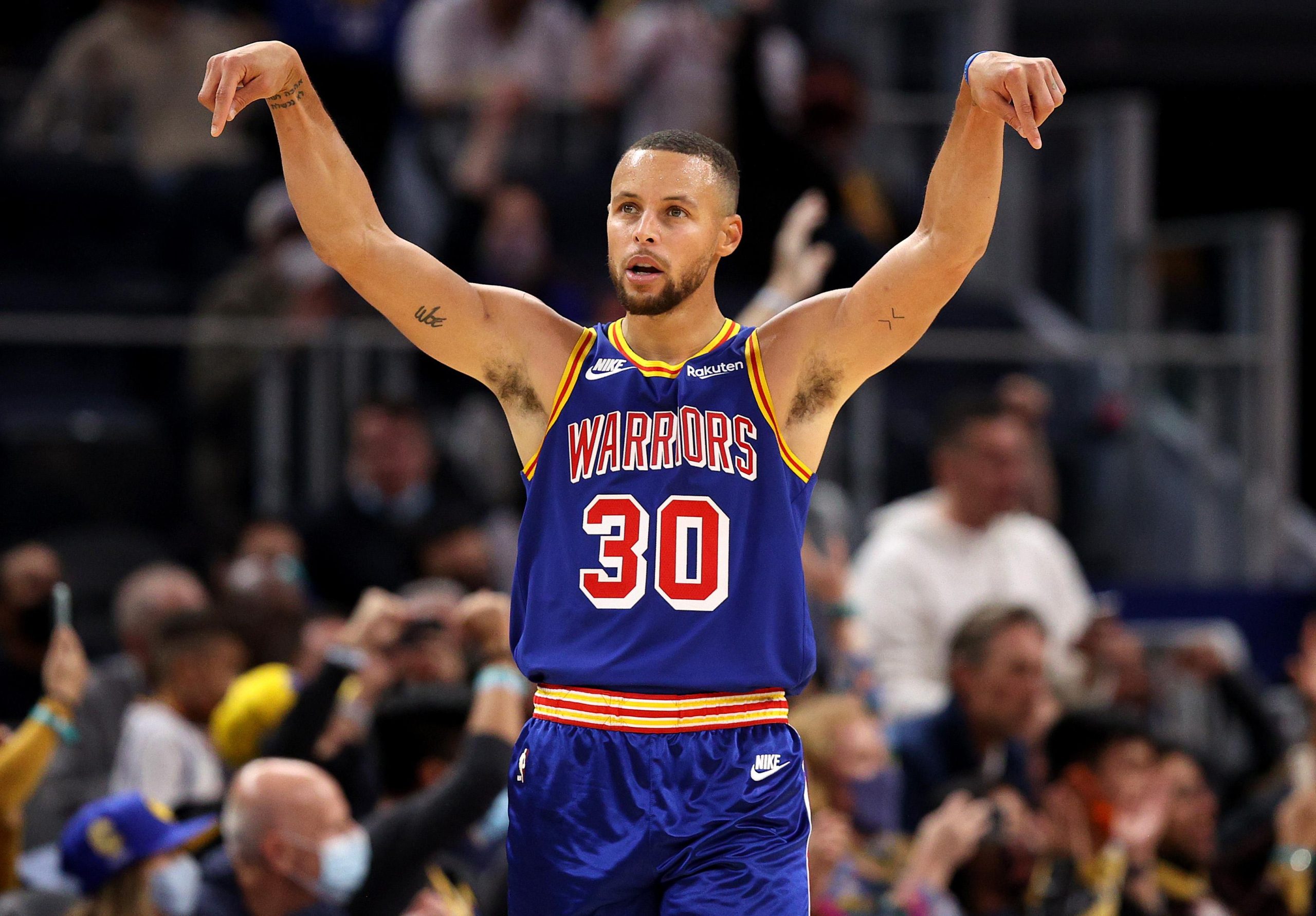
The Golden State Warriors went all in this offseason to lure LeBron James to the Bay Area, pairing the pitch with a run at Washington Wizards big man Anthony Davis in hopes of assembling a superstar core around Stephen Curry. Instead, James chose the Philadelphia 76ers, leaving Golden State largely running back the same roster from a season that ended without a playoff appearance — and leaving Curry, now approaching 39, with a far murkier path to one more championship.
A calculated but unsuccessful pitch
The Warriors’ pursuit of James wasn’t subtle. Curry himself made a personal appeal to James on “Good Morning America” during the free agency period, part of a broader campaign to convince the 41-year-old superstar that Golden State offered his best shot at a fifth championship ring. Draymond Green added to the effort by declining his $27.7 million player option for the 2026-27 season, a move that created additional salary-cap flexibility specifically aimed at helping the Warriors put together a competitive offer for James.
According to multiple reports, Golden State’s full plan involved more than just signing James outright. The front office was simultaneously working to trade for Davis, hoping that adding the 10-time All-Star big man would sweeten the pitch and give James a more complete supporting cast alongside Curry and Green. That trade would have required Golden State to send Jimmy Butler, along with multiple first-round picks and pick swaps, to Washington. Ultimately, the Warriors chose not to pull the trigger on that deal, and James signed with Philadelphia instead, joining Joel Embiid, Tyrese Maxey and Jaylen Brown on a roster he reportedly believes gives him the best chance to contend for a title in what he has described as the final chapter of his playing career.
A disappointing offseason by most accounts
With James off the board, the Warriors have been left with a roster that looks largely unchanged from the group that missed the playoffs last season. Golden State re-signed Al Horford, Kristaps Porzingis and De’Anthony Melton, and added rookie Yaxel Lendeborg with the No. 11 overall pick in the draft, but made no major trades or free-agent additions beyond those moves. NBC Sports Bay Area’s Dalton Johnson has described the offseason as a disappointment for a franchise that came off a 37-win season and missed the playoffs for the fourth time in seven years, arguing Golden State needed a marquee addition to claw its way back into contention.
Lendeborg does offer some reason for optimism. The 23-year-old was named MVP of the Las Vegas Summer League after averaging 14.8 points, 6.8 rebounds and four assists, showing early signs of the kind of versatile, do-it-all game that could eventually earn him a role on a veteran roster. Whether he’s ready to make a meaningful impact in his rookie season, though, remains an open question.
Injuries complicate an already difficult picture
Golden State’s outlook is further clouded by injuries to two key rotation pieces. Butler, who suffered a torn ACL, and Moses Moody, who tore his left patellar tendon, are both expected to miss the start of the season, thinning out a roster that already lacked star power beyond Curry and Green. ESPN’s Anthony Slater offered a cautiously optimistic update on Butler’s recovery timeline during a recent appearance on “NBA Today,” saying doctors and people close to Butler have indicated progress. “He’s a little over five months from the ACL surgery,” Slater said, adding that Butler has “turned the corner a little bit in the last few weeks.”
Much of Golden State’s hope for a competitive season rests on how quickly Butler can return to form. When Butler joined the Warriors in a midseason trade in February 2025, the team went 23-7 the rest of that season, a stretch that offered a glimpse of what a healthy, fully integrated roster built around Curry, Green and Butler could look like. But that stretch also came with caveats — before Butler’s injury this past January, the Warriors had been inconsistent for much of the season, raising questions about how sustainable that earlier surge really was.
Porzingis remains a wild card
Kristaps Porzingis, acquired last February, represents another variable the Warriors are counting on. He appeared in just 15 games last season due to a series of health issues, and Golden State’s ability to build a consistent rotation may hinge heavily on whether he can stay on the court for a full season this time around.
A crowded, difficult conference
Even under the best-case scenario, in which Butler returns healthy and effective, Porzingis stays on the floor, and Lendeborg contributes immediately, the Warriors will be competing in a Western Conference that includes the Oklahoma City Thunder and San Antonio Spurs among the teams jockeying for the top of the standings. Golden State’s roster, as currently constructed, offers no obvious individual addition capable of closing that gap on its own.
What might have been
For Curry, the offseason represents another missed opportunity to add star power around him as he enters the later stages of his career. The idea of James and Curry sharing a Warriors backcourt carried particular resonance given their partnership on last summer’s gold-medal-winning U.S. Olympic team, where James earned MVP honors and Curry delivered several of the tournament’s most memorable performances. That chemistry never translated to an NBA roster, and with James now in Philadelphia, any such pairing appears unlikely to happen at this stage of either player’s career.
Barring further roster additions before the season begins, the Warriors appear positioned to lean heavily on internal development and health rather than star power this year. For a franchise that won four championships between 2015 and 2022, and for a player in Curry still widely regarded as the greatest shooter in NBA history, the coming season now looks far more uncertain than the front office had hoped when its pursuit of James began.
Business
Nikola Jokic, Giannis Antetokounmpo Headline What Could Be the Richest NBA Free Agent Class Ever in 2027
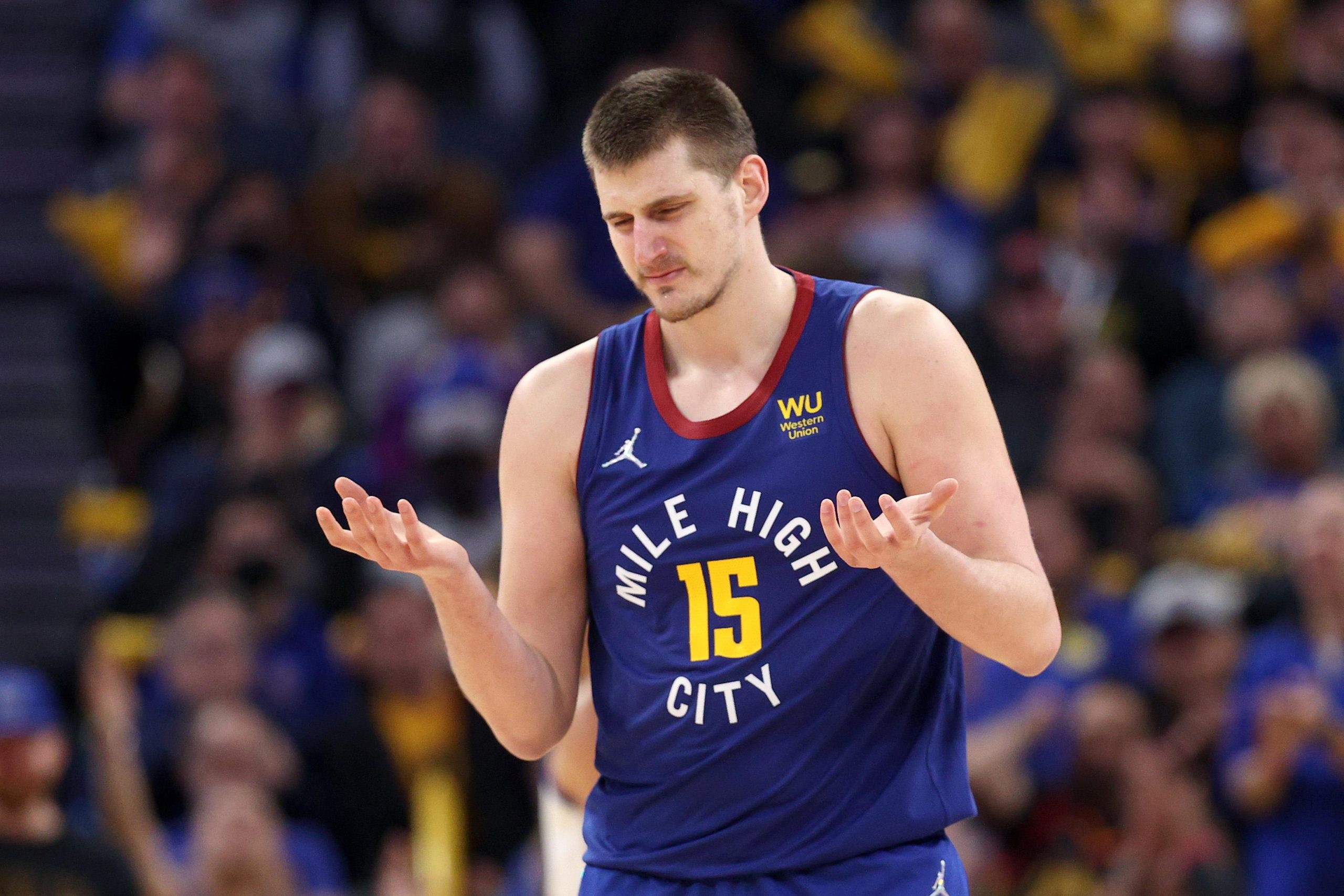
The 2027 NBA offseason is still more than a year away, but early projections already point to it becoming the richest free agent class the league has ever seen, headlined by two of basketball’s biggest current stars: Nikola Jokic and Giannis Antetokounmpo.
Both players carry player options for the 2027-28 season worth roughly $62.8 million, and both are widely expected to command contracts that would make them the first players in any of North America’s four major professional sports to earn more than $75 million in a single season. Combined, Jokic and Antetokounmpo have won five NBA Most Valuable Player awards, and both figure to still be playing at an All-NBA level when free agency opens, barring injury.
A market shaped by star power and scarcity
NBA free agency has long operated on a simple principle: teams are willing to back up the proverbial Brinks truck for a single transformative star, even when the odds of actually landing that star and building a championship contender around him are slim. The 2027 class appears built to test that principle at an unprecedented scale, given how many established, championship-caliber players carry either unrestricted free agency or player options that year.
Jokic, who will be 32 in 2027, remains under contract with the Denver Nuggets through his option year, while Antetokounmpo, set to turn 33, holds his option with the Miami Heat, the franchise that acquired him in a blockbuster trade this past offseason. Whether either player ultimately exercises those options, re-signs long-term with his current team, or tests the open market remains to be seen, but their mere presence atop the list ensures 2027 will draw outsized attention across the league regardless of how things unfold.
A deep supporting cast of stars
Jokic and Antetokounmpo are far from alone at the top of the list. Anthony Davis, who will turn 34 in 2027, also carries a $62.8 million player option, this time with the Washington Wizards. Stephen Curry, who will be 39, is set for unrestricted free agency, as is Kawhi Leonard, who turns 36 that year.
Kevin Durant, who will be 39 in 2027, holds a $46 million player option with the Houston Rockets, while Kyrie Irving carries a $42.4 million option with the Dallas Mavericks at age 35. Karl-Anthony Towns, set to turn 32, has a $61 million option with the New York Knicks, and Jimmy Butler, who will be 38, is projected for unrestricted free agency as well.
Rounding out the list of established veterans are Brandon Ingram, holding a $41.9 million option with the Los Angeles Clippers; Jalen Green, with a $36 million option with the Phoenix Suns; Julius Randle, holding a $35.8 million option with the Brooklyn Nets; Rudy Gobert, with a $38 million option with the Minnesota Timberwolves; and Paul George, who carries a $56.6 million option with the Boston Celtics at age 37.
A mix of veterans and rising talent
The 2027 class isn’t limited to established superstars deep into their careers. Two of the league’s younger standouts also appear on the list under team-option rookie-scale contracts: Cooper Flagg, who will be just 20 years old and carries a $15.2 million team option with the Mavericks, and Dylan Harper, turning 21, with a $14 million team option held by the San Antonio Spurs. Both players remain under their teams’ control at that stage, but their inclusion underscores how quickly the league’s next generation of stars is beginning to factor into long-term roster planning across the association.
Other notable names include Zach LaVine, unrestricted at 32; Michael Porter Jr., a restricted free agent at 29; Jrue Holiday, holding a $37.2 million option with the Portland Trail Blazers at 37; Tyler Herro, unrestricted at 27; and Jerami Grant, with a $36.4 million option tied to the Memphis Grizzlies at 33. Additional depth pieces on the list include Josh Hart, Isaiah Stewart and Kristaps Porzingis, each carrying team or player options with their respective franchises at more modest salary figures relative to the class’s top tier.
Why the class matters now
Even though the 2027 offseason remains well over a year away, the sheer volume of star-level talent set to hit the market is already shaping how front offices around the league are approaching roster construction, salary-cap planning and trade strategy in the interim. Teams hoping to create max-level cap space by the summer of 2027, or positioning themselves as attractive destinations for a star seeking a new home, are likely to factor this looming class into decisions made well before free agency actually opens.
The presence of both Jokic and Antetokounmpo near the top of the list carries particular significance given their sustained dominance in recent seasons. Both players have anchored deep playoff runs and remain central figures in their respective franchises’ championship aspirations, meaning any decision either makes about his future would send ripple effects across the league regardless of whether it results in an actual change of team.
For now, the 2027 free agent class remains largely theoretical, built on player options and contract structures that could shift considerably between now and when free agency actually opens. Injuries, trades, and the results of the intervening seasons could all reshape which players ultimately test the market and which choose to remain with their current teams.
Still, with two former MVPs projected to potentially reset the league’s salary ceiling, and a deep supporting class of veteran stars and emerging young talent behind them, early indications suggest the 2027 offseason has the potential to be one of the most consequential in recent NBA history — a summer teams around the league are already beginning to plan for, more than a year in advance.

I’m a retail investor based in Sydney with three years of experience focusing on achieving financial independence through strategic investments in AI-driven companies. Although I don’t come from a traditional finance background, I’ve developed a strong passion for understanding how artificial intelligence is transforming the global economy. Over the past few years, I’ve become increasingly fascinated by the possibilities of AI—how it’s reshaping industries, driving innovation, and creating new investment frontiers. My portfolio is primarily centered around leading AI-related companies such as NVIDIA and others at the forefront of this technological revolution. I believe we’re only in the early stages of AI’s impact, and the coming decade will present remarkable opportunities for both retail and institutional investors. My goal is to continue learning, sharing insights, and building long-term wealth by investing in the technologies shaping our future.
Analyst’s Disclosure: I/we have no stock, option or similar derivative position in any of the companies mentioned, but may initiate a beneficial Short position through short-selling of the stock, or purchase of put options or similar derivatives in INTC over the next 72 hours. I wrote this article myself, and it expresses my own opinions. I am not receiving compensation for it (other than from Seeking Alpha). I have no business relationship with any company whose stock is mentioned in this article.
Seeking Alpha’s Disclosure: Past performance is no guarantee of future results. No recommendation or advice is being given as to whether any investment is suitable for a particular investor. Any views or opinions expressed above may not reflect those of Seeking Alpha as a whole. Seeking Alpha is not a licensed securities dealer, broker or US investment adviser or investment bank. Our analysts are third party authors that include both professional investors and individual investors who may not be licensed or certified by any institute or regulatory body.

Professional equity portfolio manager for a boutique buy-side asset manager.My focus is on finding high-quality companies, applying a disciplined approach to valuation and identifying underappreciated opportunities. My goal is to identify opportunities in cash-rich companies with strong balance sheets and shareholder friendly policies. I endeavour to incorporate a mix of quantitative and qualitative measures to identify opportunities in stocks. Long-only approach with a long-term investment focus.
Analyst’s Disclosure: I/we have no stock, option or similar derivative position in any of the companies mentioned, and no plans to initiate any such positions within the next 72 hours. I wrote this article myself, and it expresses my own opinions. I am not receiving compensation for it (other than from Seeking Alpha). I have no business relationship with any company whose stock is mentioned in this article.
Seeking Alpha’s Disclosure: Past performance is no guarantee of future results. No recommendation or advice is being given as to whether any investment is suitable for a particular investor. Any views or opinions expressed above may not reflect those of Seeking Alpha as a whole. Seeking Alpha is not a licensed securities dealer, broker or US investment adviser or investment bank. Our analysts are third party authors that include both professional investors and individual investors who may not be licensed or certified by any institute or regulatory body.


“AWS Certified AI Practitioner Early Adopter”I am a DevOps Engineer for a major, wholly owned subsidiary of a large-cap Fortune 500. I have been the primary driver of Anthropic-based tooling in our company’s division, and have successfully pushed for the division-wide integration of tools like Claude Code via AWS Bedrock. I am currently spearheading the implementation of AI-infrastructure in our division.I am a true subject-matter expert on the actual buildout, deployment, and maintenance of AI tools and applications. I have increasingly deep knowledge on the science behind generative AI systems as a result of first-hand experience with machine learning algorithms, model training, and model deployment.I contribute to Seeking Alpha as an outlet to share my AI and machine learning insights through an investment-focused lens.Closely associated with LL InsightsPer TipRanks (6/26/25) – 2 Year Timeframe#716 out of 31,463 Financial Bloggers #1,222 out of 41,143 experts
Analyst’s Disclosure: I/we have no stock, option or similar derivative position in any of the companies mentioned, and no plans to initiate any such positions within the next 72 hours. I wrote this article myself, and it expresses my own opinions. I am not receiving compensation for it (other than from Seeking Alpha). I have no business relationship with any company whose stock is mentioned in this article.
Seeking Alpha’s Disclosure: Past performance is no guarantee of future results. No recommendation or advice is being given as to whether any investment is suitable for a particular investor. Any views or opinions expressed above may not reflect those of Seeking Alpha as a whole. Seeking Alpha is not a licensed securities dealer, broker or US investment adviser or investment bank. Our analysts are third party authors that include both professional investors and individual investors who may not be licensed or certified by any institute or regulatory body.


I am an independent trader and analyst specializing in the micro-cap market. My strategy combines technical analysis with the CAN SLIM method, developed by William O’Neil, to identify high-growth, underanalyzed companies. I focus on financial trends, profit growth, and institutional capital accumulation to uncover stocks with significant upside potential. In addition to equities, I have experience in Forex trading, which has helped me better understand price movements, market volatility, and sentiment-driven trends. My research approach integrates both fundamental and technical analysis, allowing me to identify strong growth stocks before they gain widespread attention. Key indicators I prioritize include relative strength, trading volume shifts, and accelerating profit growth—all of which help pinpoint stocks with the highest potential. Writing for Seeking Alpha is an integral part of my investment process, enabling me to refine my strategies, test investment theses, and engage with the investor community. In my articles, I aim to deliver in-depth company analyses, focusing on stocks with strong growth trends, improving fundamentals, and technical setups that signal potential breakouts. Through structured research, I strive to enhance market understanding and provide actionable investment insights.
Analyst’s Disclosure: I/we have no stock, option or similar derivative position in any of the companies mentioned, and no plans to initiate any such positions within the next 72 hours. I wrote this article myself, and it expresses my own opinions. I am not receiving compensation for it (other than from Seeking Alpha). I have no business relationship with any company whose stock is mentioned in this article.
Seeking Alpha’s Disclosure: Past performance is no guarantee of future results. No recommendation or advice is being given as to whether any investment is suitable for a particular investor. Any views or opinions expressed above may not reflect those of Seeking Alpha as a whole. Seeking Alpha is not a licensed securities dealer, broker or US investment adviser or investment bank. Our analysts are third party authors that include both professional investors and individual investors who may not be licensed or certified by any institute or regulatory body.

8 Greatest Modern Rom-Coms Based on Books

How I made Millions from a N50,000 salary

Luxurious Ripon spa hotel with a Michelin-starred restaurant


-

 Fashion2 days ago
Weekend Open Thread: Brooks Brothers
-

 Crypto World5 days ago
Grayscale Files For Worldcoin ETF, WLD Registers Sharp Rise
-

 Tech6 days ago
Sail Virtually Aboard The “Itanic” With IA-64 Emulator
-
 Tech6 days ago
Turtle Beach Command Series KB7 review: a nifty screen-equipped gaming keyboard
-

 NewsBeat6 days ago
Unregistered fitter used Gas Safe logo on business flyers
-
 Business5 days ago
New Jersey voter registration controversy explained: How 6,600 noncitizens got on the rolls, and what happens next
-
 Entertainment5 days ago
Johnny Depp’s R-Rated Gothic Cult Classic Gets New Release Ahead of Sydney Sweeney Remake
-

 Tech6 days ago
Watch Flock Safety CEO Garrett Langley discuss the future of surveillance at TechCrunch Disrupt 2026
-

 Crypto World4 days ago
Ethics, other provisions in crypto Clarity Act to be further discussed
-
 NewsBeat6 days ago
Shanghai science forum photos show China’s AI and robotics advances in rivalry with US
-

 Crypto World6 days ago
Circle’s President Sold Over 360,000 Shares, The Filings Explain Why
-

 Tech7 days ago
Subway Sandwich Computers Get a Second Life as Gaming Machines
-

 NewsBeat5 days ago
How a former Blue Peter presenter stunned America’s Got Talent judges
-

 News Videos3 days ago
The Peugeot Family: How 200 Years of an “Old Money” Dynasty Died in A Boardroom
-

 Sports3 days ago
2026 3M Open leaderboard: Scottie Scheffler finds putter in Round 1, sits three back
-

 Fashion3 days ago
16 Dresses for the High Summer Event
-

 Tech6 days ago
The 35 Best Board Games for Family Game Night
-

 Entertainment7 days ago
Stephen Colbert Returns to Social Media After Late Show End
-

 Crypto World6 days ago
Andrew Cuomo joins OKX board as crypto exchange expands in U.S.
-
 Entertainment2 days ago
A New Post-Apocalyptic Gundam Anime Series Blasts Into SDCC
You must be logged in to post a comment Login