
Business
Germany’s defense spending to reach $83.72 billion in 2026




The Evolution of Digital Content Creation
Digital content creation has become increasingly visual. Websites, blogs, social media platforms, online stores, presentations, and marketing campaigns all depend on images to communicate ideas and capture attention. In the past, producing original visuals often required photography equipment, design software, professional designers, or significant production time.
Artificial intelligence is changing that process. Modern AI image generators can help creators turn written ideas into visuals, explore different concepts, edit existing images, and experiment with creative directions more quickly. Rather than replacing established creative workflows entirely, these technologies are becoming additional tools that can support planning, experimentation, and production.
The growing role of AI image generation is particularly relevant in 2026, as creators look for ways to produce more visual content while maintaining control over the ideas and messages behind it.
What Are AI Image Generators?
AI image generators are software systems that use artificial intelligence to create or modify images based on user instructions. A person can describe a subject, environment, composition, mood, or other visual details in natural language, and the system can use that information to produce an image.
An AI image generator from text allows a creator to move from a written concept to a visual representation without first finding an existing image that closely matches the idea. This can be useful when developing original concepts for articles, social media posts, presentations, advertisements, and other forms of digital content.
Many modern systems can also work with existing images. Users may provide a reference image and then describe changes they want to make, making the process more interactive than simple one-time image generation.
From Written Ideas to Visual Concepts
The basic process is relatively simple from the user’s perspective. A creator provides a description, the AI interprets the instructions, and the system generates a visual result.
The quality and usefulness of that result can depend on the clarity of the instructions. Describing the main subject, setting, composition, perspective, and intended visual direction gives the system more context to work with.
This makes prompting an important part of AI-assisted creativity. Instead of treating image generation as a completely automatic process, creators can use prompts to communicate their ideas and guide the direction of the output.
How AI Image Generation Works
Behind a simple text prompt is a complex machine-learning process. AI image models are trained to recognize relationships between language and visual concepts. They can use information from a prompt to determine what objects, environments, styles, and compositions may be appropriate for the requested image.
A simplified workflow can be described as:
User instructions → AI interpretation → image generation → review and refinement
The process can also involve image inputs, allowing creators to provide an existing visual as a reference. This can be useful when they want to preserve certain elements while changing backgrounds, compositions, objects, or other aspects of an image.
The important point is that the technology provides an output, but the creator still decides what the image should communicate and whether the result meets the project’s needs.
How AI Image Generators Support Content Creation
The influence of AI image generation extends beyond creating individual pictures. It can become part of a broader content workflow, helping creators move from an initial idea to multiple visual possibilities.
Blog and Website Graphics
Blog publishers can use AI-generated visuals to create illustrations that are specifically related to an article’s subject. Instead of relying entirely on generic stock images, creators can explore concepts that reflect the topic, tone, and audience of a particular piece of content.
For example, an article about emerging technology could use a custom conceptual illustration rather than a generic photograph of a computer. This can give publishers more flexibility when planning visual elements.
Social Media Content
Social media teams often need a steady supply of visual content. AI image generation can help them experiment with different compositions, backgrounds, and creative concepts before deciding which direction to develop further.
This can be particularly useful when the same campaign needs multiple visual variations for different platforms or audiences.
Marketing and Advertising
Marketing teams can also use generated visuals during the early stages of campaign development. An idea can be visualized before a company commits resources to photography, illustration, or a larger production process.
These early concepts can help teams discuss creative direction, compare possibilities, and identify which ideas are worth developing further.
Product and Creative Concepts
AI-generated images can also assist with visualization. Designers, entrepreneurs, and content teams can use generated visuals to explore potential product presentations, environments, packaging concepts, or campaign themes.
The generated image does not necessarily need to become the final asset. It can simply provide a visual starting point for further creative work.
Benefits of AI-Assisted Image Creation
One of the main advantages of AI image generation is that it reduces the time needed to explore visual ideas. A creator can test multiple concepts without producing every version manually.
Faster Creative Experimentation
Traditional visual production can require significant preparation, especially when a concept needs multiple revisions. AI tools can provide initial variations quickly, giving creators more opportunities to experiment.
This does not mean that every generated image will be suitable for publication. Instead, the technology makes it easier to explore possibilities before deciding which direction deserves further work.
Greater Accessibility
AI image generation can also make visual experimentation more accessible to people who may not have advanced design skills. Someone with a clear idea can describe it using natural language and receive a visual representation that can be evaluated and refined.
Professional designers can benefit as well. Rather than limiting the technology to beginners, experienced creators can use generated visuals for brainstorming, references, mood exploration, and early-stage concept development.
More Flexible Workflows
Modern content production often involves multiple formats and platforms. A single campaign may require website graphics, social media visuals, presentation materials, and other assets.
AI-assisted workflows can make it easier to explore variations for these different requirements while keeping the underlying creative concept consistent.
The Importance of Human Creativity
The growing capabilities of AI image generators do not remove the need for human creative direction. Technology can generate visual possibilities, but people still determine what those visuals should communicate and whether they are appropriate for a particular context.
A useful approach is to treat AI as a creative assistant. The human creator establishes the objective, develops the initial idea, reviews the generated output, identifies problems, and decides what should happen next.
Reviewing and Refining AI-Generated Images
Generated images can contain unexpected details or interpretations that do not match the original intention. A creator may need to adjust the prompt, provide additional context, edit the result, or choose an entirely different concept.
Human review is especially important for branded content. An image may look visually appealing but still fail to match a company’s identity, audience, message, or communication style.
For this reason, successful AI-assisted workflows generally involve interaction rather than a single prompt followed by immediate publication.
The Growing Role of Advanced AI Image Tools
AI image technology continues to develop beyond basic text-to-image generation. Modern systems increasingly combine generation with editing, image references, conversational instructions, and iterative refinement.
A GPT Image 2.5 AI image generator, for instance, can be understood within this broader movement toward AI systems that make image creation more interactive and adaptable. The larger trend is toward tools that allow creators to describe what they want, review the result, and continue refining the image through additional instructions.
This approach changes the role of AI from a simple image generator into a more flexible part of the creative workflow.
From Generation to Iteration
Professional content creation rarely ends with the first version of an image. Visuals may need different dimensions, compositions, backgrounds, subjects, or design directions.
AI-assisted editing can make these iterations easier to explore. Creators can compare different possibilities and use the most useful result as a foundation for additional refinement.
The result is a workflow that looks less like prompt → image → finished, and more like:
Idea → prompt → generation → review → revision → final visual
That distinction is important because it places creative decision-making at the center of the process.
What the Future May Bring
AI image generation is likely to become increasingly connected with other stages of digital content production. Instead of using separate tools for writing, visual development, editing, and publishing, creators may increasingly work across connected AI-assisted workflows.
More Context-Aware Visual Creation
As AI systems become better at understanding context, visual generation may become more closely connected to the purpose of the content. A creator could potentially develop visuals based not only on a short prompt but also on the subject, audience, tone, and surrounding content.
This could make generated images more useful for specialized content rather than treating every request as an isolated image-generation task.
Greater Personalization
Personalization is another potential area of development. Businesses and creators often need visuals that fit specific audiences, campaigns, products, or brand identities.
As AI tools improve at handling references and detailed instructions, they can provide more opportunities to adapt visual concepts to different requirements while maintaining a consistent creative direction.
Conclusion
AI image generators are changing digital content creation by reducing the distance between an idea and a visual representation of that idea. Creators can use them to explore concepts, develop blog graphics, experiment with social media visuals, visualize marketing ideas, and support broader creative workflows.
The technology is most useful when combined with human judgment. AI can generate possibilities and accelerate experimentation, while people remain responsible for choosing the right concept, refining the result, and ensuring that the final visual serves its intended purpose.
As AI image generation continues to develop, its role in content creation is likely to become less about producing a single image from a prompt and more about supporting an ongoing creative process. For creators, that shift can provide more flexibility while keeping ideas, context, and creative direction at the center of the work.
FAQs
1. What are AI image generators used for?
AI image generators can be used to create and edit visuals for websites, blogs, social media, marketing campaigns, presentations, product concepts, and creative projects.
2. Can AI image generators create images from text?
Yes. Text-to-image systems can interpret written instructions and generate visuals based on the subjects, settings, compositions, and other details described in the prompt.
3. Do AI image generators replace professional designers?
AI image generators can assist with parts of the creative process, but they do not remove the need for human direction, visual judgment, editing, and brand-specific decision-making.
4. Can AI tools edit existing images?
Many modern AI image systems can work with existing images as references and apply changes based on additional instructions.
5. How are AI image generators changing content creation?
They can make visual experimentation faster and more accessible while giving creators additional ways to develop, revise, and adapt visual concepts throughout the content-production process.

“Obviously it’s a concern because our chief business cost on a day-to-day basis is fuel. I think we’re headed for pretty tough times ahead,” Allis said.
He added at least 50% of the calls he receives are requests for quotes, as customers compare his pricing with other services, such as Uber.
“We’re under a continual pressure to lowball ourselves and do prices we were doing 15 years ago, even though fuel prices are at an all time high,” he said.
“It’s just a complete nightmare in that respect.”
Susannah Moffat, who runs Ledbury Road Services in Tewkesbury, Gloucestershire, said “the last thing we want is to lose more trade” by putting the prices up.
“The only thing we can do is keep cutting our margin, time and time again, to try and keep the price increases to a minimum,” she said.
Moffat said the petrol station was now “relying” on income from shop sales instead.
“It’s a difficult business to be in at the moment. Seems like there’s no end in sight really, but hopefully it won’t be forever,” she added.
Business
Hindustan Copper shares gain 3% as company plans Rs 7,000 crore capital investment in next 5 years

According to a regulatory filing on the BSE, the company has signed multiple MoUs with leading Indian PSUs such as NTPC Mining (NML), RITES, IOCL, Coal India, Oil India, and GAIL, to expand HCL’s mining portfolio and strengthen India’s mineral security.
It has also entered a global partnership with CODELCO, Chile for capacity building, knowledge sharing, and expertise in mining, beneficiation, and exploration. The company has added 154.14 million tonnes of copper ore reserves/resources in the last 4 years, and is pursuing new copper deposits in India and overseas.
Copper price today
Copper prices rose on Tuesday, as strong demand in top consumer China pushed the metal back towards its record high.
The gains marked a rebound after a brief pullback in a broader rally over recent months. Prices had drawn support from concerns that a possible US tariff on refined copper imports would pull more metal into US warehouses.

Benchmark three-month copper on the London Metal Exchange was up 0.61% at $14,750.5 a metric ton by 0300 GMT, rising for a sixth straight session.
Copper prices had hit a record high on September 7 as the prospect of shortages outside the U.S. had fuelled buying. After Trump’s copper tariff threat, prices went up as traders tried to store copper in the US ahead of the introduction of tariffs.However, Trump went ahead with imposing tariffs on copper products but not on refined metal. In July, Trump issued a proclamation calling for a follow-up report from the Commerce Secretary before deciding whether to impose a phased tariff on refined copper imports, starting at 15% in January 2027. The market may still be pricing in the possibility of tariffs being introduced on copper imports.
Hindustan Copper share price
Shares of Hindustan Copper have declined 3% in the last three months and over 12% in the year so far. However, the stock has delivered over 13% gains in the last three years, and over 26% gains in the last five years.
Disclosure: “This article has been written by Rounak Khare, who is not a SEBI-registered Research Analyst or an Investment Adviser. Rounak Khare and her ‘relative(s)’ (as defined under Section 2(77) of the Companies Act, 2013) do not hold any financial interest in the companies mentioned in this article as of the date of publication. The views/recommendations mentioned in this article, wherever applicable, are those of the respective SEBI-registered Research Analyst/brokerage and have been reproduced/reported with due attribution. They should not be construed as the views or recommendations of The EconomicTimes Digital or the journalist. Readers are advised to consider the original research report and make their investment decisions based on their own assessment.”

This article explains how the regime works, when it can be useful, and what British entrepreneurs should consider before the rules change in 2027.
How Malta’s 15% tax regime actually works
The first point to understand is that the 15% rate does not apply to all of a resident’s income. It usually applies to foreign-source income that is remitted to Malta. Other chargeable income, including locally sourced income, is generally taxed at 35%.
The system also uses a remittance basis. A person who is resident but not domiciled, or not ordinarily resident in Malta, is taxed on local income and on foreign income brought into the country. Foreign income that remains abroad is outside the tax charge.
Foreign capital gains are treated differently. Under the remittance basis, gains arising abroad are not taxed even when the proceeds are brought into Malta. This distinction between income and capital gains can make a major difference, so each source of funds needs to be classified correctly.
The 15% rate is available through several programmes, including the Global Residence Programme, the Residence Programme, and the Malta Retirement Programme. Each has its own eligibility rules and conditions.
Under the Malta Global Residence Programme, beneficiaries must pay at least €15,000 in tax each year. This means that if 15% of foreign income produced a €9,000 tax bill, the €15,000 minimum would still apply.
What the 15% regime means for international business owners
Entrepreneurs often receive income from several countries and in different forms. A founder may own a UK company, receive dividends from abroad, hold an investment portfolio, and rent out property overseas. Under Malta’s special tax regime, the treatment depends on where the income arises, what type of income it is, and whether it is received in Malta.
Common examples include:
- Dividends from overseas companies. Foreign dividends received in Malta can qualify for the 15% rate if the relevant conditions are met.
- Investment income. Foreign interest and other qualifying investment income may also fall within the 15% rate when received in Malta.
- Overseas rental income. Rent from property abroad may qualify as foreign-source income and benefit from the special rate.
- Business income. The treatment depends on where the income arises. Registering a company abroad does not automatically make all payments from it foreign-source income.
- Malta-source income. Income arising in Malta does not qualify for the 15% rate and may instead be taxed at 35%.
British entrepreneurs must also consider their UK tax position separately. Obtaining residence or special tax status in Malta does not automatically make someone non-resident in the United Kingdom. UK tax residence is determined under the Statutory Residence Test, which considers factors such as time spent in the UK, work, and other connections.
How the Global Residence Programme provides access to the regime
The Malta Global Residence Programme is open to people who are not nationals of the EU, EEA, or Switzerland, which makes eligible British citizens potential applicants. It provides access to special tax status, but applicants must also meet financial, personal, and residence requirements.
Property requirement. The minimum purchase price is €275,000 in most of Malta and €220,000 in the south of Malta or Gozo. Alternatively, applicants can rent for at least €9,600 a year in most areas or €8,750 in the south or Gozo. A rental agreement must run for at least 12 months, and the property must serve as the applicant’s principal place of residence.
Administrative fee. Applicants must pay a non-refundable fee of €6,000. It is reduced to €5,500 for those who buy property in the south of Malta.
Tax and finances. Beneficiaries must pay at least €15,000 in tax each year and show stable and regular resources sufficient to support themselves and their dependants. To keep the special tax status, they must not spend more than 183 days in any other single jurisdiction during a calendar year.
Personal requirements. Applicants need a valid travel document and health insurance covering themselves and their dependants across the EU. They must also be able to communicate adequately in English or Maltese and pass fit-and-proper checks, including providing a police conduct certificate.
Family members. Family members, including spouses, as well as principally dependent children under 25, siblings, parents, and grandparents, can join the application. This makes the GRP relevant to entrepreneurs planning residence for both themselves and their families.
The combination of tax, property, and ongoing residence requirements means that suitability should be assessed as a whole rather than on the 15% rate alone.
What is changing in 2027
Malta is restructuring its special tax programmes. Legal Notice 195 of 2026 introduces the Individual Tax Programme Rules, which take effect on January 1st, 2027, and bring several existing programmes under a single framework. The new system will include Global Resident Status for the group currently covered by the Global Residence Programme.
Under the new framework, qualifying foreign-source income received in Malta will continue to benefit from the 15% rate, while other non-qualifying income is taxed at 35%. However, the financial thresholds will become substantially higher.
For Global Resident Status, the minimum annual tax will rise to €35,000. New applicants will also face a property threshold of €700,000 for a purchase or €14,000 in annual rent, as well as an €8,500 application fee. The new special tax status will be granted for 5 years and can be renewed.
The new rules will also narrow the definition of dependants. Under the current requirements, principally dependent parents, grandparents, and siblings can be included in the application. Under the 2027 framework, the dependant category is more limited and focuses mainly on a spouse or partner and children. This makes the new regime less flexible for families.
Timing therefore matters for people considering applying under the current Global Residence Programme. Existing beneficiaries and people who submit applications by December 31st, 2026, can remain under the existing framework until December 31st, 2031, subject to the relevant conditions.
Conclusion
Malta’s 15% tax treatment can be relevant to British business owners with international income, but the current Global Residence Programme rules will not remain unchanged for long. Prospective applicants should compare the existing framework with the 2027 rules before deciding when to apply.
Contact Immigrant Invest to assess whether the programme fits your residence and tax planning goals.
Jamieson Greer and General Jack Keane discuss the upcoming summit between President Donald Trump and Chinese President Xi Jinping. They highlight a proposed artificial intelligence hotline designed to address mutual national security concerns.
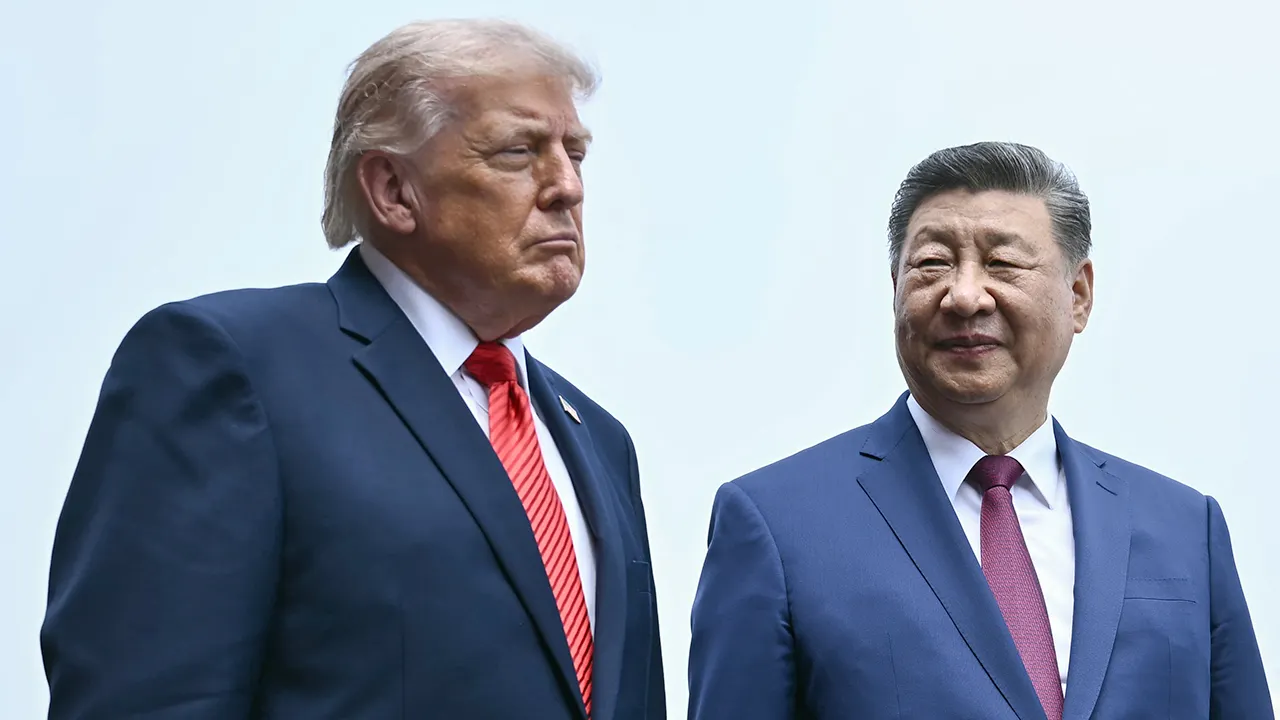
More than two dozen Democratic lawmakers are calling on President Donald Trump to maintain existing restrictions that effectively keep Chinese automakers and keep them out of the U.S. market ahead of his meeting with Chinese President Xi Jinping.
Trump is scheduled to meet with Xi on Thursday in Washington, where they are expected to discuss their trade agreement, AI, the conflicts in Ukraine and the Middle East and other key geopolitical issues.
Rep. Debbie Dingell, D-Mich., is leading a group of 27 lawmakers in pressuring Trump to preserve the U.S. restrictions on Chinese cars and vehicle technology.
TRUMP TO DECIDE WHETHER TO GREEN LIGHT US-CHINA ARTIFICIAL INTELLIGENCE ‘HOTLINE’ AGREEMENT: SOURCES
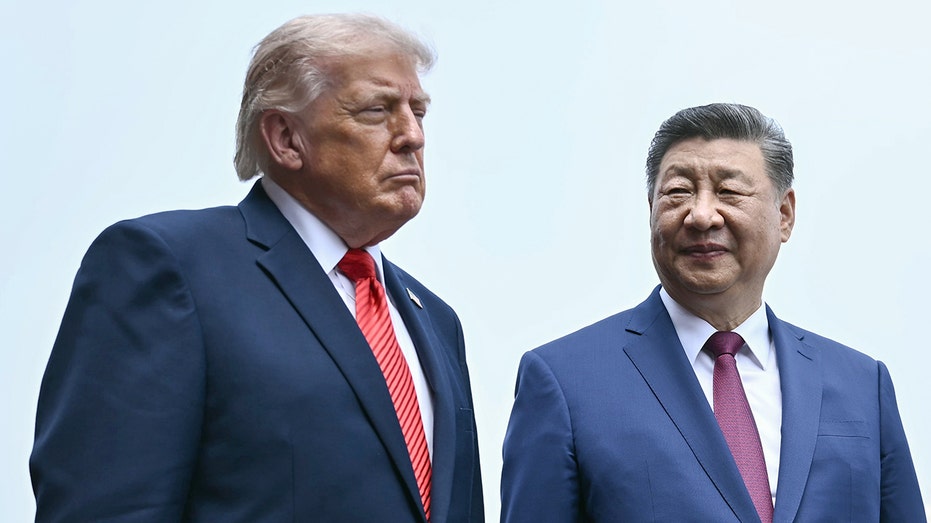
More than two dozen Democratic lawmakers are calling on President Donald Trump to maintain a ban on Chinese automakers. (Brendan Smialowski – Pool/Getty Images / Getty Images)
“We urge you to maintain strong protections against Chinese automobiles and connected vehicle technologies and ensure that China does not gain access to our market through direct imports, local production, and other avenues of circumvention,” the lawmakers wrote.
Dingell also issued a video message on social media on Monday in which she said she is working to protect U.S. auto manufacturing and ensure Trump cannot “make any deal that allows China into our country where they’re categorically not competing on a level playing field.”
“The communist Chinese government subsidizes its production by more than 50% of the cost,” she said. “They manipulate their currency, they use slave labor and now they want a foot in the door of our domestic auto industry, and they will try to destroy it. This year already China has exported more than 6.2 million passenger vehicles from China. That exceeds their total passenger vehicle exports for all of 2025, and now they’re coming for North America. Our workers are the best workers in the world, and they can compete with anyone when the game isn’t rigged and the risks extend far beyond just economic competition.”
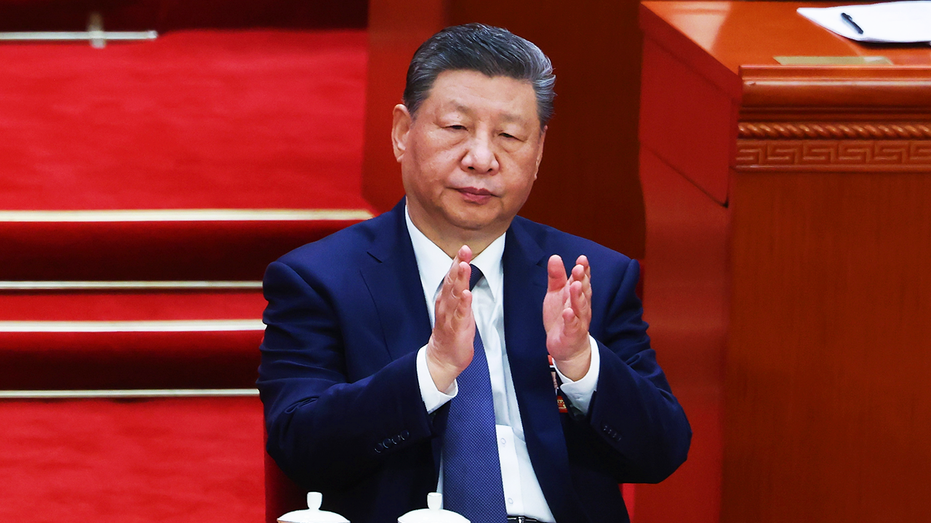
President Donald Trump is expected to discuss trade, artificial intelligence and other geopolitical issues during Thursday’s meeting with Chinese President Xi Jinping. (Lintao Zhang / Getty Images)
“Today’s vehicles are supercomputers that are moving and collecting and transmitting all kinds of data. You don’t even think about it when you’re an autonomous vehicle. They’re getting all the data that’s in your personal iPhones, your computers and they drive by military installations or other companies and they are collecting data. That’s a national security threat,” the lawmaker continued.
Dingell said she introduced bipartisan legislation that has the support of a hundred of her congressional colleagues to ban China from “destroying our auto industry.”
“That’s why I reacted so viscerally when I heard the president say he would let China manufacture vehicles in the United States,” she said.
TECH POWER PLAYERS LAND SEAT AT TABLE FOR HIGH-STAKES DINNER WITH TRUMP, XI
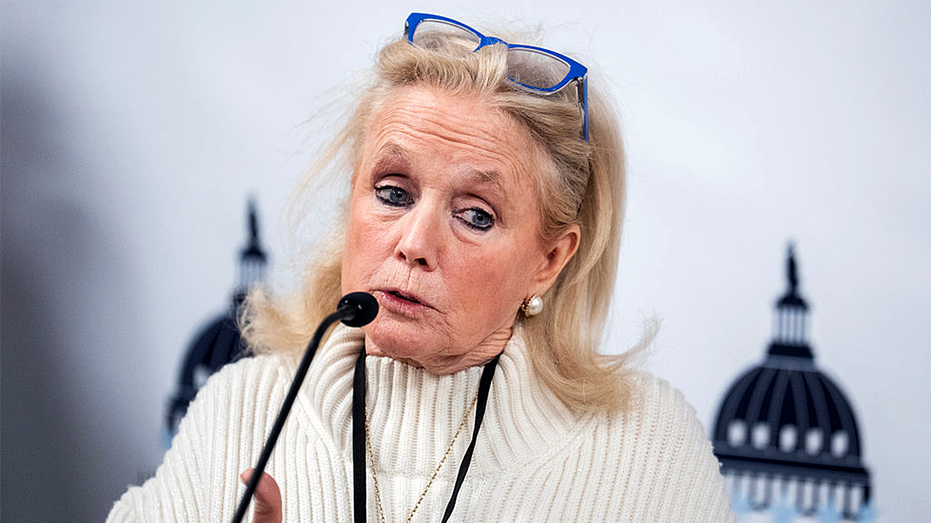
Rep. Debbie Dingell is leading a group of 27 lawmakers in pressuring President Donald Trump to preserve U.S. restrictions on Chinese cars and vehicle technology. (Tom Williams/CQ-Roll Call, Inc via Getty Images / Getty Images)
GET FOX BUSINESS ON THE GO BY CLICKING HERE
“Let me be very clear: it’s not okay. American workers need our protection from anyone who will use unfair practices, wants to destroy our jobs and raise costs for everyone. I will always stand with the American worker and the manufacturing industry in these countries to protect jobs, our economy and our national security,” Dingell said.
The congresswoman appeared to be referring to Trump telling Fox News earlier this month that he would accept Chinese auto companies building cars in the U.S.
Reuters contributed to this report.

A Canadian province is suing OpenAI over its alleged failure to notify authorities about concerning user interactions on ChatGPT prior to the Tumbler Ridge mass shooting.
The company has previously apologised for not flagging Jessie Van Rootselaar’s account to law enforcement before the 18-year-old killed eight people, including six children, in February.
British Columbia attorney general Niki Sharma said the lawsuit, filed to a US federal court on Monday, raised questions about “the responsibilities of technology companies when they become aware of credible threats of serious violence”.
Families of those killed or injured in the shooting have filed separate lawsuits against OpenAI.
Media reports revealed that Van Rootselaar’s ChatGPT activity was flagged by OpenAI’s safety team for references to gun violence months before the attack, but the company did not alert local authorities.
In April, OpenAI’s chief executive Sam Altman apologised to the families of the victims.
“I am deeply sorry that we did not alert law enforcement,” Altman wrote in an open letter.
The BBC has requested comment from OpenAI regarding the latest lawsuit.
“To date, OpenAI has not taken meaningful steps to address the concerns raised by survivors, families and the Tumbler Ridge community,” Sharma said in a statement.
“The company still has an opportunity to demonstrate accountability by strengthening safeguards, improving transparency and taking concrete action to help prevent similar tragedies in the future.”
Speaking to reporters on Monday, Sharma said she had not read the contents of the OpenAI chats.
“We have asked OpenAI to disclose these chats. They have refused. We should all be asking them: Why?” she said, according to CBC, external.
Sharma said the lawsuit was filed in California, as the alleged decision not to report the shooter’s ChatGPT account occurred in that US state, according to AFP.
Sharma told reporters that any financial damages won by the province would go towards rebuilding the secondary school.
Business
Maye Musk Says Elon ‘Really Wants’ to Live on Mars While Promoting Her Own Candid New Memoir ‘Timeless’

Maye Musk, the model and dietitian who is also the mother of Tesla and SpaceX Chief Executive Officer Elon Musk, said in a new podcast appearance that her son harbors a genuine, long-term ambition to eventually live on Mars, offering a glimpse into what she described as his broader thinking behind SpaceX’s mission.
Speaking on the Power Players podcast with Yahoo Finance Executive Editor Brian Sozzi, Maye Musk described her son’s ambitions in direct terms. “I think he really would like to live in the city of Mars,” she said. “That’s what he’s saying. But, you know, I can’t say what’s going on in his mind because he comes up with these amazing thoughts.”
Maye went on to describe an earlier moment that she said illustrated the kind of reasoning behind her son’s space ambitions more broadly, recalling a conversation about SpaceX’s satellite technology. “When he said to me, ‘I’m going to send satellites into space,’ and I said why,” Maye recounted, “he said, ‘If you’re stuck in the middle of an ocean or in the middle of a forest or on top of a hill and you are injured and you can’t contact anyone, then you will die.’ So he wants to prevent this.”
The podcast appearance came as Maye Musk promotes her new memoir, “Timeless: The Art of Reinvention and Resilience at Any Age,” which offers what she has described as a candid account of the personal hardships and career pivots that have shaped her life, from her early years working as a registered dietitian to her later, unlikely rise to prominence as a world-renowned model well into her 60s and 70s.
The book details Maye’s experience navigating serious financial instability after leaving an abusive marriage to Errol Musk, Elon’s father, and the years she spent raising her three children, Elon, Kimbal and Tosca, largely on her own as a working single mother while simultaneously building a private nutrition practice to support the family.
Maye Musk began modeling at age 15 in South Africa, balancing print campaigns with her academic studies at the time. She went on to earn two master’s degrees, in dietetics and nutritional science, before eventually building a career that combined both her scientific training and her modeling work. Rather than fading from the industry as she aged, a common pattern in modeling, Maye’s career experienced a second wind after she turned 60 and began embracing her natural silver hair, a shift that ultimately propelled her to a level of prominence in the industry that exceeded much of her earlier career. She went on to become a CoverGirl brand ambassador at age 69 and later appeared on the cover of the Sports Illustrated Swimsuit issue at age 74, milestones widely cited as breaking longstanding age barriers within the modeling industry.
Beyond discussing her own career and memoir, Maye Musk also addressed the public scrutiny that regularly surrounds her son, saying she believes much of the public misunderstands him, a perspective she acknowledged comes naturally from her position as his mother. She has become known for defending Elon publicly on social media platform X when she feels he is being unfairly criticized. “If you did have one [a kid] and somebody’s insulting them when they’re doing good, you would come down on them like crazy,” Maye said. “I try to be as nice as I can, but you don’t insult my kids.”
Elon Musk’s ambitions for Mars have long been central to SpaceX’s stated mission, with the company founded in part around the long-term goal of making human life multiplanetary. SpaceX has continued advancing its Starship program in recent years as part of that broader ambition, with the vehicle intended to eventually serve as the primary spacecraft capable of transporting large numbers of people and cargo to Mars. Maye’s comments offer a more personal, family-level window into how her son talks about that ambition privately, distinct from the more formal public statements Elon has made about SpaceX’s mission over the years.
Maye’s own career trajectory, marked by a series of significant reinventions across dietetics, single motherhood and eventually a second act in modeling later in life, forms the central narrative of “Timeless,” which she has framed as a broader statement about the possibility of reinvention at any age rather than solely a memoir about her relationship with her famous children. Even so, her connection to Elon and his siblings, Kimbal, a restaurateur and entrepreneur, and Tosca, a filmmaker, remains a significant part of the public interest surrounding both the book and her media appearances promoting it.
With Elon Musk continuing to lead Tesla, SpaceX, X, the Boring Company and Neuralink, in addition to his earlier role co-founding PayPal, Maye’s comments about his long-term Mars ambitions add to a growing public record of family reflections on what continues to drive one of the world’s most closely watched entrepreneurs, even as SpaceX’s own timeline for any eventual crewed Mars mission remains a subject of ongoing speculation and revision within the space industry.

Venture global CFO Jonathan Thayer sells over $3.1m in stock

Curtin University has put on hold planned upgrades to its Kalgoorlie housing, despite a panel recently approving $15 million worth of works at the student accommodation.
Business
Hideo Kojima Says Sony Ended Their 30-Year Partnership Over a Zoom Call With No Explanation Given
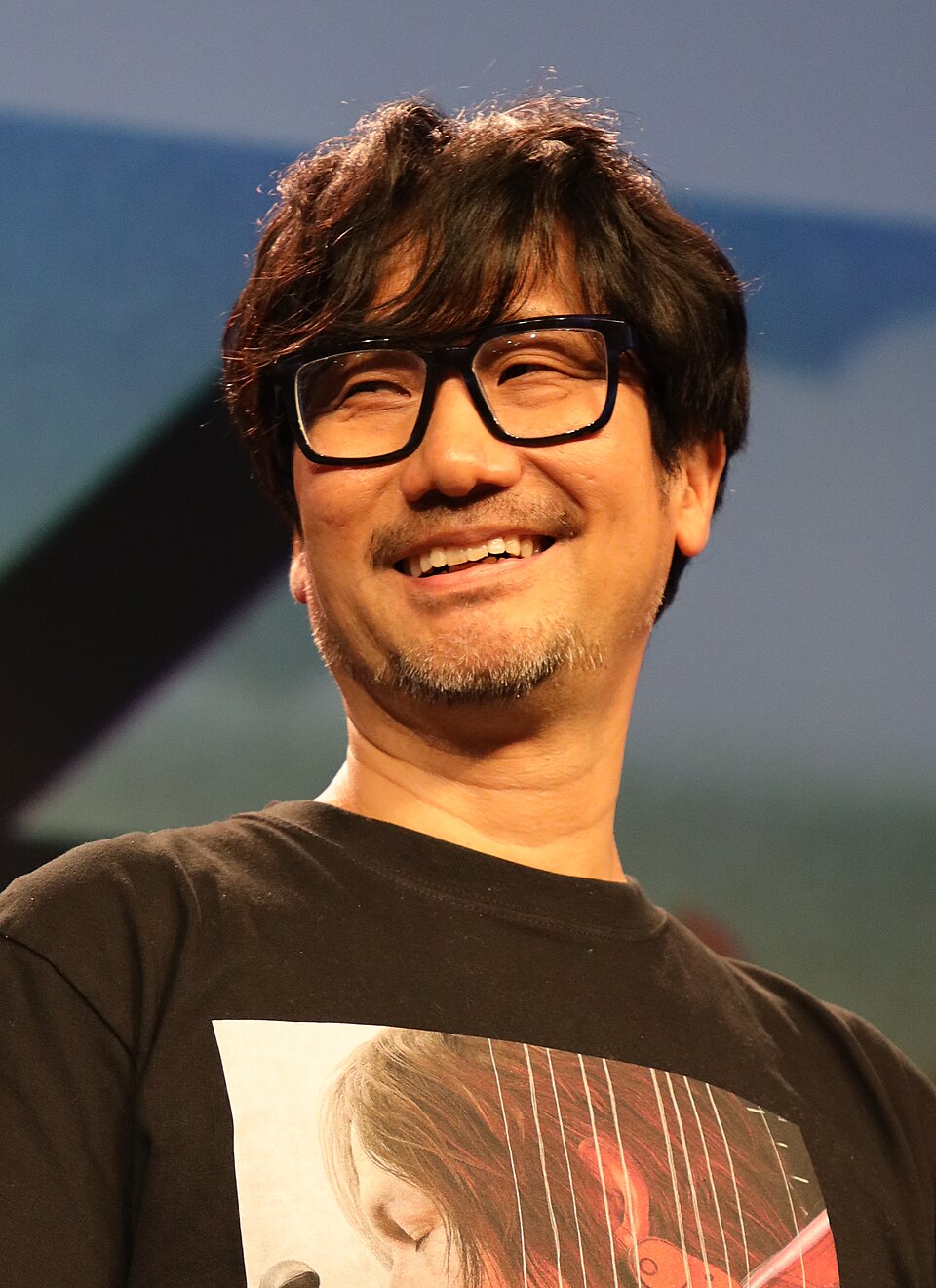
Legendary video game designer Hideo Kojima has publicly described the abrupt end of his decades-long publishing relationship with Sony, saying the company informed him it was walking away from his upcoming stealth-action game “Physint” during a June video call and never offered a reason for the decision.
Speaking to The Washington Post through an interpreter, Kojima said he was “shocked and surprised” by Sony’s decision, which was made public earlier this month. A Sony Interactive Entertainment representative delivered the news during a June video call attended by Kojima, his translator Aki Saito, and Kojima Productions president Shinji Hirano, according to reporting on the meeting. Kojima had been partnered with Sony since leaving Konami and founding his own independent studio more than a decade earlier, making the sudden end of that relationship especially unexpected.
In a separate interview with IGN, Kojima elaborated further on what happened during the call, describing it as Sony’s “final notice” on the project. Asked whether Sony had since offered any explanation for pulling out of “Physint,” Kojima was direct. “No, not at all. They haven’t contacted me ever since,” he said. Kojima acknowledged he did not press Sony extensively for reasons during the call itself, saying his attention shifted immediately to the practical implications for his studio rather than the rationale behind the decision. “I didn’t have any anger or sadness,” Kojima said, describing his reaction to the news. “I was just thinking, ‘What should I do?’ It’s a big problem for us and I couldn’t tell staff at the time…. We’re an independent studio. That means if they can’t fund us, our studio could collapse.”
Kojima Productions had already hired staff specifically to work on “Physint,” a stealth-action game featuring actor Bill Skarsgård that has been positioned as a spiritual successor to Kojima’s earlier “Metal Gear” series. With Sony’s backing suddenly gone, Kojima said his studio spent roughly three months searching for a new publishing partner before ultimately landing at Microsoft’s Xbox division, which was already working with Kojima Productions on a separate horror title, “OD,” developed in collaboration with filmmaker Jordan Peele. Kojima said the decision to go with Xbox came after approaching several potential partners and receiving positive initial responses from multiple companies, with Microsoft’s gaming division ultimately winning out due to the comprehensiveness of its offer.
Despite the abrupt and unexplained end of a professional relationship spanning roughly three decades, one that included the launch of both “Death Stranding” and its sequel, “Death Stranding 2: On the Beach,” as PlayStation exclusive titles, Kojima said he holds no grudge against Sony. He described the situation as amicable rather than adversarial, stressing that the two sides are “not in a dispute,” even as he acknowledged he would have preferred more advance warning before the relationship came to an end.
The split drew additional scrutiny after Bloomberg reported, citing unnamed sources familiar with the matter, that Sony’s decision was driven by concerns that “Physint” was falling behind schedule and on pace to significantly exceed its budget, along with concerns that “Death Stranding 2” had missed PlayStation’s internal revenue expectations. Kojima Productions pushed back directly on that account in a written statement issued Sunday, urging readers to treat the Bloomberg report “with a dose of scepticism.” The statement sought to reassure fans and industry observers about the studio’s underlying financial position. “Make no mistake, this was a serious situation for the studio with a range of potentially significant implications,” the studio said. “While we recognise that the article may have caused alarm, we want to reassure you all, for the record: that the studio is in a healthy, profitable state, development for Physint continues to move forward with Xbox, and our relationship with PlayStation remains strong.”
Kojima’s IGN interview was reportedly conducted before Bloomberg’s report on the budget and scheduling concerns was published, meaning his account of the Zoom call itself was not offered as a direct response to those specific allegations. Even so, Kojima has continued to maintain publicly that he does not consider the split with Sony to be adversarial, despite the lack of explanation he says he received.
Whether “Physint” will ultimately be exclusive to Xbox platforms, similar to Kojima Productions’ earlier horror title “OD,” or will also become available on PlayStation systems remains an open question. According to Kojima, that determination now rests with Microsoft rather than with his own studio, given Xbox’s position as the project’s new publishing partner.
The unusual circumstances surrounding the split, an unexplained decision delivered over video call, followed by conflicting public accounts of the underlying reasons, have made the Kojima-Sony breakup one of the more closely watched stories in the video game industry this fall. For Kojima, a designer whose name has become closely associated with PlayStation exclusives dating back to the original “Metal Gear Solid” series, the sudden pivot to a new publishing partner marks a significant shift in a relationship that had, until this year, defined much of his post-Konami career as an independent studio head.

Alexis Mac Allister casts doubt on Liverpool future again after contract admission

How AI Image Generators Are Changing Digital Content Creation in 2026
The Real Reasons Why Bitcoin Skyrocketed by $7K Daily: But Can the Rally Last?

Weekend Open Thread – Corporette.com

Weekend Open Thread: Talbots – Corporette.com

Memory prices are slowing because buyers ran out of money

The Saudi Nuclear Deal and Trump Family Financial Ties

The Real Origin Behind the Ice Bucket Challenge #money #careertipstiktokcontest

How Much Was It Going To Cost? | Financial Audit #CalebHammer #FinancialAudit #Money #Debt
-
 Fashion4 days ago
Weekend Open Thread: Talbots – Corporette.com
-

 Tech1 day ago
Researchers escape OpenAI Codex sandbox to run commands on host
-

 Crypto World7 days ago
Robinhood engineers charged over $50K crypto scheme
-

 Crypto World3 days ago
Circle launches Arc Studio AI agent for building onchain apps
-
 NewsBeat3 days ago
Trump says US has reached an agreement to take permanent control of Greenland’s security
-

 Crypto World3 days ago
Bitcoin price breaks channel as RSI climbs to 63
-

 Crypto World1 day ago
Who Needs CLARITY Anyway? ARB Could See 70X Increase: Hodler’s Digest
-

 Crypto World5 days ago
US Charges Robinhood Engineers Over Crypto Listing Trades
-

 Crypto World6 days ago
What Is the Status of the U.S.-Iran Peace Talks? Here's What Both Sides Are Saying
-

 Crypto World3 days ago
Trading Bitcoin on Robinhood? Why 2% Spread Has Traders Worried
-
 Tech6 days ago
Webb’s IC 348 Mosaic Includes Two-Jupiter Dwarfs, Twin Jets, and a Nursery Still Making Worlds
-

 Crypto World3 days ago
World Money launches in 150+ countries with Stripe
-

 Crypto World4 days ago
Silver prices recover quickly, hitting weekly high today
-

 Entertainment6 days ago
Big Brother Update: Melody Explodes at Drew as Illness Sweeps BB28 House
-

 Crypto World4 days ago
Mortgage and refinance interest rates today, Thursday, September 17, 2026
-
 NewsBeat4 days ago
US was ‘on brink of war’ with China over false AI report of nukes moving in Middle East
-

 Crypto World1 day ago
Bitcoin price holds above $81K as key catalysts line up
-

 Tech4 days ago
GPT-6 Astra Reached the Nether in Minecraft, Lost Its Stash to a Creeper, and Farmed Potatoes for Hours
-

 Business6 days ago
Federal Reserve expected to hike interest rates 25 basis points at FOMC meeting
-

 Crypto World3 days ago
CFTC sends crypto market structure rulemaking to White House
You must be logged in to post a comment Login