

Business
Giannis Trade Buzz Explodes as LeBron Eyes Homecoming

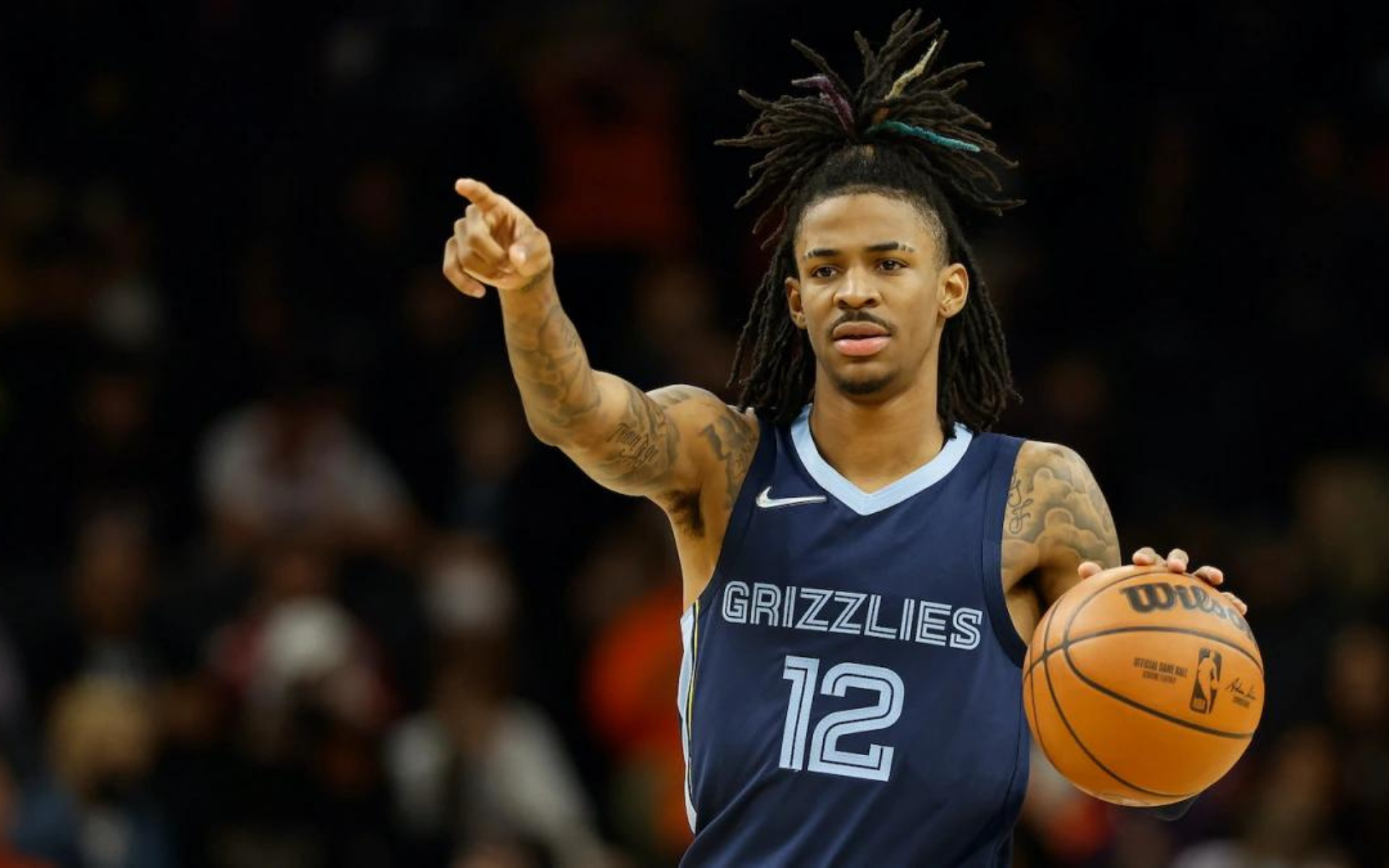
NEW YORK — With the 2026 NBA Draft Combine underway and free agency looming, the rumor mill has shifted into overdrive. After a chaotic 2025-26 season that saw major midseason deals and several teams missing the playoffs, front offices are aggressively reshaping rosters. The Milwaukee Bucks’ willingness to listen on two-time MVP Giannis Antetokounmpo headlines the chatter, but LeBron James‘ uncertain future, Ja Morant’s availability and veteran stars like Kawhi Leonard and Donovan Mitchell are also fueling speculation.
Here are the top five trade and free-agency rumors circulating as of May 18, 2026:
1. Giannis Antetokounmpo on the Block After Bucks’ Playoff Miss
The biggest story dominating the league involves Antetokounmpo and the Bucks, who finished 32-50 and missed the playoffs for the first time since 2016. Milwaukee is now “open for business” on trade offers for the 31-year-old superstar, seeking young talent and a haul of draft picks, according to multiple reports.
Boston Celtics lead betting odds as the favorite destination at 21-28%, with fans dreaming of a superteam alongside Jayson Tatum. Other suitors include the Cleveland Cavaliers, who reportedly contacted Milwaukee before the February deadline, the Houston Rockets, Golden State Warriors and Miami Heat. A potential sign-and-trade or straight deal would require multiple first-round picks and a blue-chip prospect like Evan Mobley or Tyler Herro.
Antetokounmpo holds a player option and has not formally demanded a trade, but the relationship appears strained. Owner Jimmy Haslam wants clarity before the June 23 draft. Any deal would reshape the Eastern Conference landscape and likely spark a bidding war unseen since the Kevin Durant era.
2. LeBron James Weighs Free Agency Future, Cavs Homecoming Possible
LeBron James, fresh off exercising his player option, enters unrestricted free agency uncertain about his 24th season. The 41-year-old has not ruled out returning to the Los Angeles Lakers but is seriously considering other options, with Cleveland and Golden State emerging as top landing spots.
A return to the Cavaliers, where he won a title in 2016, carries strong narrative appeal, especially after Cleveland’s deep playoff run. However, salary-cap constraints could force a sign-and-trade or veteran minimum deal. The Warriors view James as a potential mentor for Stephen Curry’s final championship window, with their Olympic chemistry and Draymond Green friendship as key draws.
New York Knicks and even the Clippers have been mentioned, but cap issues complicate those paths. James prioritizes contention and family considerations. His decision will ripple across the league, potentially opening cap space for the Lakers to pursue other stars alongside Luka Doncic.
3. Ja Morant Trade Talks Heat Up as Grizzlies Embrace Rebuild
Memphis Grizzlies appear ready to move on from Ja Morant after another turbulent season and the acquisition of a high draft pick. The dynamic guard, once the face of the franchise, is drawing interest from several teams despite past off-court issues.

Potential suitors include the Toronto Raptors, Sacramento Kings, Phoenix Suns and possibly the Chicago Bulls or Brooklyn Nets in multi-asset packages. Grizzlies could package Morant with their No. 3 pick in blockbuster scenarios to accelerate a full reset. Teams see his explosive athleticism as a high-upside gamble if paired with strong veterans and structure.
Memphis has already traded key pieces like Jaren Jackson Jr., signaling a new direction. Morant’s massive contract makes any deal complex, but executives believe his trade value could rise later in the offseason once draft and free-agency dust settles.
4. Kawhi Leonard’s Clippers Future in Doubt Amid Extension Talks
Kawhi Leonard’s situation with the Los Angeles Clippers remains murky. The 35-year-old delivered one of his strongest offensive seasons in years, but the team’s lottery finish and ongoing league investigation into alleged cap circumvention have raised questions about long-term commitment.
Clippers reportedly plan to offer an extension, yet many around the league believe trading Leonard for assets and draft capital makes more sense for a rebuild. Potential destinations include the Philadelphia 76ers, New York Knicks, Detroit Pistons or Portland Trail Blazers. His two-time champion pedigree and two-way ability still command premium value despite injury history.
A move would free the Clippers to lean into their young core and high draft picks while giving Leonard a fresh start on a contender.
5. Donovan Mitchell Extension or Trade Decision Looms for Cavs
Cleveland Cavaliers star Donovan Mitchell faces a crossroads. With the team pushing deep into the playoffs, Mitchell’s elite scoring makes him a prized asset, but contract extension talks or a potential trade could define their offseason.
Mitchell has drawn interest leaguewide if Cleveland explores changes. Pairing him with a potential Giannis acquisition has been floated in mock trades. The Cavs must balance retaining core pieces like Jarrett Allen and Evan Mobley while addressing roster needs.
Other notable rumors include Kevin Durant possibly heading to the 76ers, Paul George to the Rockets and various role-player swaps involving Michael Porter Jr. or Domantas Sabonis. Draft-night deals involving lottery picks could also accelerate bigger moves.
The 2026 offseason promises fireworks. With the salary cap rising and several stars eligible for new deals, expect aggressive maneuvering as teams position for the next title window. The Giannis saga alone could trigger a domino effect across the league.
League insiders caution that many rumors will evolve rapidly in the coming weeks. The draft in late June and free agency starting in early July will separate speculation from reality. For now, NBA Twitter and front offices remain glued to every report as the association’s biggest names potentially change uniforms.

Check out what’s clicking on FoxBusiness.com.
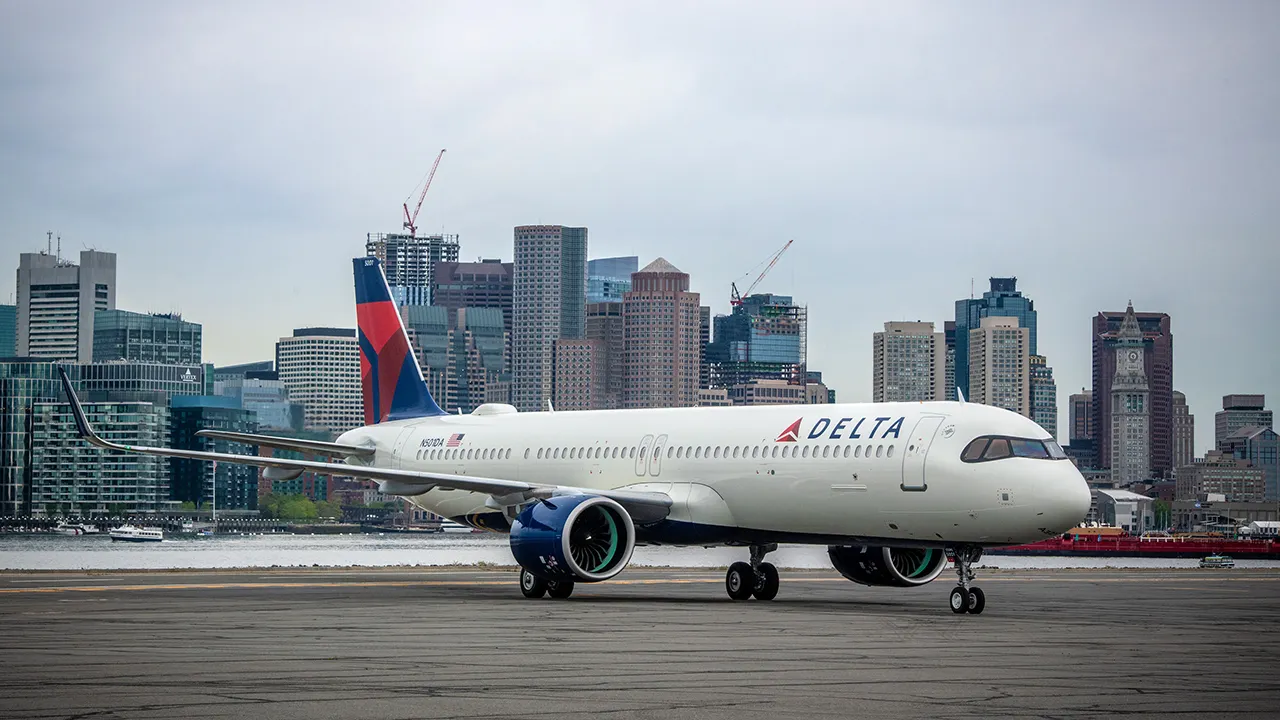
Delta Air Lines is rolling out lower-cost fares for some of its premium cabins, but travelers will have to give up some perks.
The Atlanta-based airline announced Wednesday the launch of three new “basic” fares, expanding its no-frills pricing model to higher-end cabins, including Delta First, Delta Premium Select and Delta One.
The new fare options are Delta First Basic, Delta Premium Select Basic and Basic Business, which is the lower-cost fare for Delta One.
“This expansion gives customers more ways to choose the Delta experience that best fits their trip and a new way to access our premium tier products,” Joe Esposito, executive vice president and chief commercial officer at Delta, said in a statement.
DELTA CEO ED BASTIAN REVEALS WHAT HE SAYS MUST HAPPEN FOR AIRLINE TICKET PRICES TO FALL
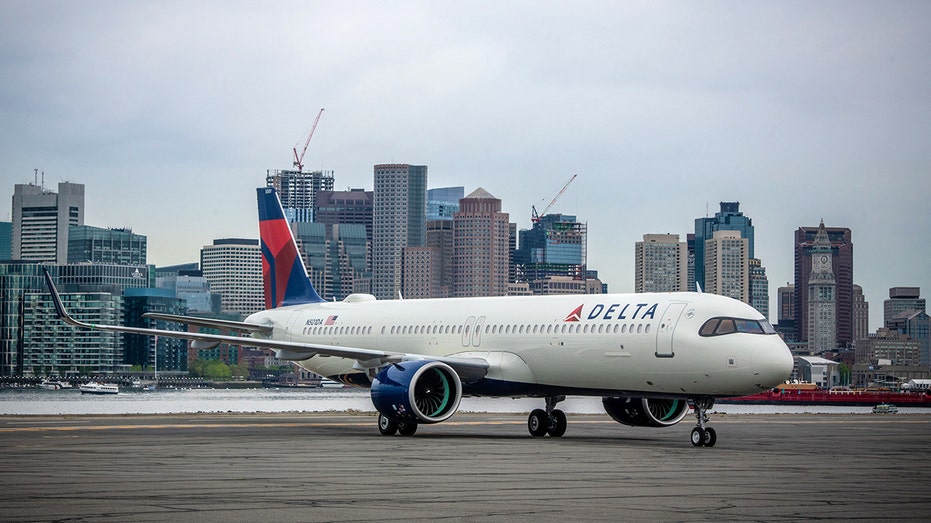
The Atlanta-based airline said Wednesday it is expanding its basic fare option to Delta First, Delta Premium Select and Delta One in certain markets. (Chris Rank/Delta Air Lines)
The new fares are now available for purchase. They include the same onboard experience as Delta’s higher premium fare tiers but come with restrictions.
Customers who book the fares will have seats assigned after check-in, earn fewer miles, get a reduced checked bag allowance and will not be eligible for upgrades.
Same-day travel changes also will not be allowed, and changes or cancellations will come with a fee, according to the airline.
Travelers on basic tickets will also need another way to access Delta Sky Clubs, such as a Sky Club membership or eligible credit card.

A Delta A321neo domestic first-class cabin. Delta is rolling out lower-cost Delta First fares that include the same onboard experience but come with added restrictions. (Delta Air Lines)
Basic Business customers will still receive the Delta One onboard experience, including Zone 1 boarding, lie-flat seats, premium meals, hot towel service, bedding and amenity kits, according to Delta.
However, Basic Business tickets will not include Delta One check-in or Delta One Lounge access after Jan. 18, 2027, unless the traveler has another way to enter.
Delta said customers flying Basic Business will continue to receive those benefits through that date as travelers adjust to the new fare rules.
Delta First Basic is available now on certain Delta-operated domestic and Latin America routes.
Delta Premium Select Basic and Basic Business are also available for purchase now, with travel beginning in September on select domestic and long-haul international routes.
DELTA LANDING ATTEMPT RATTLED BY WRONG TOWER RADIO MIX-UP, SPARKING ALARM NEAR LAGUARDIA

A Delta One lie-flat seat is shown inside a Delta Air Lines aircraft. (Delta Air Lines)
GET FOX BUSINESS ON THE GO BY CLICKING HERE
Delta previously signaled that it planned to bring more fare options to its premium cabins.
Glen Hauenstein, Delta’s former president, said on an earnings call in July 2025 that the airline’s main cabin segmentation served as a blueprint for its premium seats, according to CNBC.
“Different people have different needs,” he said at the time.

The selloff has Nvidia, not long ago the hottest stock on Wall Street, trading at 18 times earnings projected over the next 12 months, according to data compiled by Bloomberg. The last time the shares were this inexpensive was early 2019. To get a sense of how dramatically it has fallen off, the erstwhile market leader is now cheaper than the S&P 500 Index, which is priced above 20 times forward earnings, and the technology-heavy Nasdaq 100 Index, which is at almost 23 times.
Nvidia’s shrinking valuation isn’t the result of a deteriorating outlook. On the contrary, Wall Street analysts have been raising their profit estimates for the coming quarters. Instead, the selloff shows how much the AI trade is shifting to other areas, such as memory and storage stocks like Micron Technology. Even Nvidia rivals such as Advanced Micro Devices and Intel have seen their share prices double or even triple this year.
 Agencies
Some Wild Swings
“Sentiment has moved on,” said Michael Bailey, director of research at Fulton Breakefield Broenniman. “You’re seeing these companies where expectations were very low – the Microns of the world – stealing the spotlight.”

Nvidia is expected to deliver the fourth-fastest revenue growth in the the S&P 500 this year, but it’s still cheaper than about half of the stocks in the index, according to data compiled by Bloomberg. Considering how steady Nvidia’s revenue growth and profitability have proven to be, the company looks undervalued at current levels, believe Randy Hare, director of equity research at Huntington Bank.”Stocks follow earnings,” said Hare, who’s betting Nvidia shares will resume their climb in the coming months. “It’s a consistent performer.”

Puma Biotechnology’s Douglas M. Hunt sells $69,904 in shares
Form 144 Dell Technologies Inc. For: 8 July
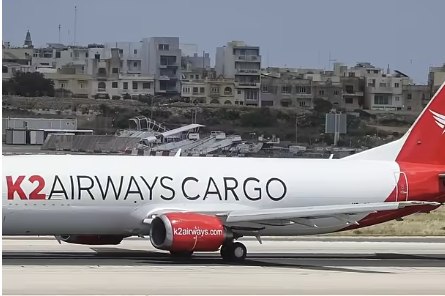
ISLAMABAD — Pakistan’s Navy and civilian authorities expanded their search Wednesday for a cargo plane feared to have crashed into the Arabian Sea after it disappeared from radar and lost contact with air traffic control late Tuesday night while flying from Sharjah, in the United Arab Emirates, to the southern port city of Karachi.
The Karachi-bound aircraft, a Boeing 737-400 freighter operated by the private carrier K2 Airways, reported a navigational system issue while en route with five people on board. According to the Pakistan Airports Authority, the aircraft was being guided by the Karachi Area Control Centre after reporting the fault at 9:18 p.m. local time. Three minutes later, at 9:21 p.m., the aircraft was observed on radar making a rapid descent accompanied by a sharp change in heading. Radar contact and communication were lost shortly afterward, approximately 155 nautical miles, or 287 kilometers, west of Karachi.
Preliminary flight-tracking data reviewed by multiple outlets showed the aircraft losing nearly 1,525 meters, or roughly 5,000 feet, of altitude in under a minute before climbing back approximately 1,830 meters, or about 6,000 feet, over the following 30 seconds. It then entered what flight-tracking service Flightradar24 described as a final, near-vertical descent from a height of 11,140 meters, or about 36,550 feet. The aircraft’s last transmitted position placed it at 335 meters, or roughly 1,100 feet, descending at 22,400 feet per minute, or approximately 400 kilometers per hour, a rate of descent consistent with the plane entering the water.
The Pakistan Airports Authority said it activated its Rescue Coordination Center immediately after contact was lost and launched a coordinated multi-agency search-and-rescue operation at sea. According to officials familiar with the operation, who spoke on condition of anonymity given the sensitive nature of the possible crash, the Pakistan Navy frigate PNS Zulfiqar was dispatched to the area where contact with the aircraft was lost. The Pakistan Air Force also deployed aircraft to assist in the search, while a separate Pakistan Navy ATR aircraft took off from the southwestern city of Turbat to join the effort. A merchant vessel operated by the Pakistan National Shipping Corporation also joined the multi-agency search, officials said.
As of Wednesday, officials said the vast search area across the Arabian Sea, combined with rough monsoon-season seas, was posing significant challenges to the rescue operation. No wreckage or survivors had been located as of the latest updates.
Prime Minister Shehbaz Sharif expressed sympathy for the families of the five crew members and directed the government to deploy all available resources to the search effort, according to a statement from his office. Sharif said he felt “deep sorrow, grief, and regret over the tragic incident in which a private cargo aircraft flying from Sharjah to Karachi crashed into the Arabian Sea and went missing,” extending his condolences to the crew’s families and instructing the Pakistan Civil Aviation Authority, Pakistan Navy and Pakistan Air Force to intensify search-and-rescue operations using all available resources.
In a statement, K2 Airways said search-and-rescue operations were continuing to be conducted by Pakistani authorities and that the company was fully cooperating with aviation officials. The airline identified the five crew members as Captain Muhammad Rizwan Idris, the pilot in command; First Officer Faisal Jatoi; flight engineers Muhammad Hamid and Muhammad Arif Siddiqui; and aircraft loader Muhammad Taufiq Khan. “We continue to pray earnestly for the safety of our colleagues,” the airline said.
K2 Airways, headquartered in Karachi, is a private cargo airline established in May 2018 under an airline charter license issued by the Pakistani government. According to flight-tracking service ch-aviation, the aircraft involved, registered as AP-BOI, was approximately 27 years old and had flown for six different operators over its service history. It was originally delivered to Russia’s Aeroflot as a passenger aircraft in 1999, later flew for Indonesia’s Garuda Indonesia, and was converted into a freighter in 2012 for operation by Belgium’s TNT Airways and later ASL Airlines. The aircraft was withdrawn from service in June 2023 and parked in France for roughly 10 months before being reactivated by Irish leasing company AerCap in April 2024. It was subsequently placed back into storage, first in Jakarta and later in Karachi, before entering service with K2 Airways in December 2024. The aircraft was the only plane in K2 Airways’ fleet.
Flight-tracking data indicated the aircraft experienced GNSS, or satellite navigation, interference shortly after takeoff, consistent with other aircraft operating in the region at the time, resulting in temporarily degraded navigation data near Sharjah. According to Flightradar24, standard ADS-B tracking data resumed once the aircraft exited the area affected by that interference, though the cause of the aircraft’s subsequent rapid descent and loss of contact remains under investigation.
Aviation expert Imran Aslam told local broadcaster ARY News late Tuesday that it remained unclear what caused the aircraft to disappear from radar. He said that even if the plane had suffered an engine failure, it would normally have continued gliding rather than descending suddenly, adding that the exact cause would only become clear once investigators had gathered further evidence. Pakistan’s Bureau of Air Safety Investigation is expected to lead the formal investigation into the aircraft’s disappearance.
There has been no official confirmation of the aircraft’s ultimate fate as of this report, though Pakistani officials, including the prime minister’s office, have described the incident using language consistent with a crash into the sea. If a crash is ultimately confirmed, it would mark Pakistan’s first major civilian aviation disaster since May 2020, when a Pakistan International Airlines flight carrying 98 people crashed into a densely populated neighborhood near Karachi’s airport while attempting to land, killing all but one of the 99 people on board. A subsequent government investigation into that crash concluded that human error by the pilots and air traffic controllers had caused the accident.
As search operations continue across the Arabian Sea, Pakistani authorities have not provided a timeline for when the search might conclude or when further details about the crew members’ fate might be confirmed. Officials have said the difficult monsoon sea conditions and the scale of the search area remain the primary obstacles facing rescue teams as the operation moves into its second day.
Business
Women investors account for over 13% of crypto futures traders; XRP and Bitcoin top their portfolios

The release further said that women traders also showed a stronger preference for XRP, Bitcoin, and gold-linked assets.
Also Read |Quant Small Cap Fund exits RIL, 8 others; raises exposure to two Adani stocks. Check full list Nearly half of the country’s crypto futures participation now comes from tier-2 cities even as futures trading has overtaken spot volumes. Crypto Futures contributed 57.22% of total platform trading volume, ahead of spot at 42.78%. At the same time, 48% of futures participants came from tier-2 cities, compared with 31% from tier-1 locations, and 21% from other locations.
The figures point to a broader shift in Indian crypto trading behaviour. Leveraged products (like futures) are no longer driven mainly by metro traders. The smaller-city participation is now emerging as a major force in crypto derivatives activity.
The report also showed strong acceleration in user growth during 2026. Futures participation grew 42.5% in February. It rose another 28.5% in March. April recorded 35.3% growth. In May, it was 30.3%.
Futures users currently account for only 24% of Giottus’ active user base. The data suggests there is still considerable expansion headroom within existing platform users.“India’s crypto participation story is becoming geographically broader. We are seeing increasing engagement from smaller cities in products that were once viewed as niche or high-complexity,” said Vikram Subburaj, CEO of Giottus.
The dataset further showed unusually high engagement intensity among active traders. Average trades per active user peaked at 330 trades in January 2026. Even after moderation in April, users still averaged more than 51 trades a month. The figure was 45 in May.
Another major behavioural trend emerged in trading preferences. Bitcoin and Ethereum together accounted for only 15.35% of total Futures volume during the review period.
Ethereum accounted for 7.07% of the traded Futures volume. Solana accounted for 5.76% and XRP contributed 5.24%.
The figures suggest Indian retail traders are increasingly moving beyond Bitcoin exposure into higher-volatility altcoin opportunities. Trading behaviour appears to be becoming more tactical and event-driven.
Also Read | Smallcap funds deliver 22% average return in 3 months. Is it time to invest, hold or rebalance?
Tamil Nadu emerged as the dominant regional market in the dataset. The state contributed 46.6% of all futures traders. It also accounted for 59.26% of the platform’s total Futures trading volume. Kerala contributed 10.23% of the total trading volume.
The report also showed relatively balanced market positioning among traders. Long positions accounted for 52.79% of trades and short positions accounted for 47.21%.
Average leverage among Giottus Futures traders stood at 10x. More than 30% of trades used leverage above 10x. Despite that, monthly liquidation ratios ranged between 0.55% and 2.52% during the review period.
“The liquidation trends are important because they suggest participation is not entirely speculative or reckless. Users are showing greater awareness around position sizing and risk management while using leveraged products,” Vikram said.
The report further showed that Indian retail traders were most active between 7 pm and 10 pm. The lowest trading activity was recorded between 3 am and 6 am. The pattern reflects post-work retail participation and overlap with US market hours.
(Disclaimer: Recommendations, suggestions, views and opinions given by the experts are their own. These do not represent the views of The Economic Times)

Judge in Charlie Kirk case blocks parts of roommate video

Nunn says the key to building up savings is to automate putting money aside.
This means regular saving will stop being a decision or action you have to keep taking – and putting off.
“If you’re able to carve out a little bit and put it somewhere else where you won’t have access to it and be able to spend it, I think that’s the easiest way to start having a saving mindset,” he says.
That could mean setting up a direct debit from your current account to a savings account, organising cash into different envelopes or using round-up tools that put spare change aside when you spend.
Nunn recommends “saving little, saving early and saving regularly”.
He admits he “hates budgeting and always has” so he says he looks at his current account as soon as he gets paid and decides how much he wants to move into savings. “Do it as soon as you can,” he adds.
As well as savings, he recommends having an emergency fund for surprise bills like a broken boiler or car repairs. How much you need in the fund depends on your circumstances but he advises having one to three months’ salary set aside if you can.

Trump flies old Air Force One out of Turkey, switches to new jet in Britain for trip home

Meanwhile, as the new AI boom takes hold, the tale of who gets to stay in San Francisco and who doesn’t is told by its residents.
Two San Francisco families with school-aged children, who both asked for anonymity to protect their privacy, recently succeeded in buying move-in-ready single-family homes to meet their desperate needs for more space – but only one was able to do so in the city.
That family was able to purchase in the desirable family-friendly neighbourhood where they had been long-term renters after one parent, who works at OpenAI, sold some company shares last October, giving the family the financial boost needed to buy in an all-cash offer.
The couple say they feel “conflicted and self-conscious” that it is AI money that has made it possible. “We’re not ostentatious people,” they add. “We’ve just done what we can with the opportunity.”
In contrast, the other family, which doesn’t derive its income from AI or the tech world, had to instead move to a more suburban Bay Area town to the north.
Their new home, bought in part with a mortgage, includes a pool and extra land.
It is a different kind of life, notes the mother, and they have mostly adapted now – though it involves a long commute for her husband, who has a senior government job in San Francisco, and they still have “what if” moments.
“We wouldn’t have left if we could have afforded to stay,” she reflects. “It kind of sucks and I do get a little salty seeing all this extra AI money squeeze everyone else out.”
The Duboce Triangle flat, for the record, and according to its listing agent, sold for $3.2m – $200,000 over the asking price. Whether the deal included AI stock is confidential.

Ireland Chasing European Glory at 2026 Co-ed Slowpitch Championship

NATO’s AI ‘Kill Web’ on its eastern flank

Robert Jenrick: Met investigate donation to Tory leadership campaign


-

 Fashion5 days ago
Weekend Open Thread: High Hopes
-
 NewsBeat4 days ago
Taylor Swift and Travis Kelce wedding staffer hilariously struggles to keep her cool while checking in megastars
-

 Fashion2 days ago
Open Thread: What Great Books Have You Read Recently?
-

 Politics6 days ago
The House | “Reframing the debate from a binary discussion of winners and losers”: Yuan Yang reviews ‘We Are Not Machines’
-

 Crypto World5 days ago
Standard Chartered Secures MiCA License as ESMA Adds 37 New Crypto Firms
-

 News Videos2 days ago
Whats Hidden Inside This Cash Register? #treasure #reselling #money
-
 Tech2 days ago
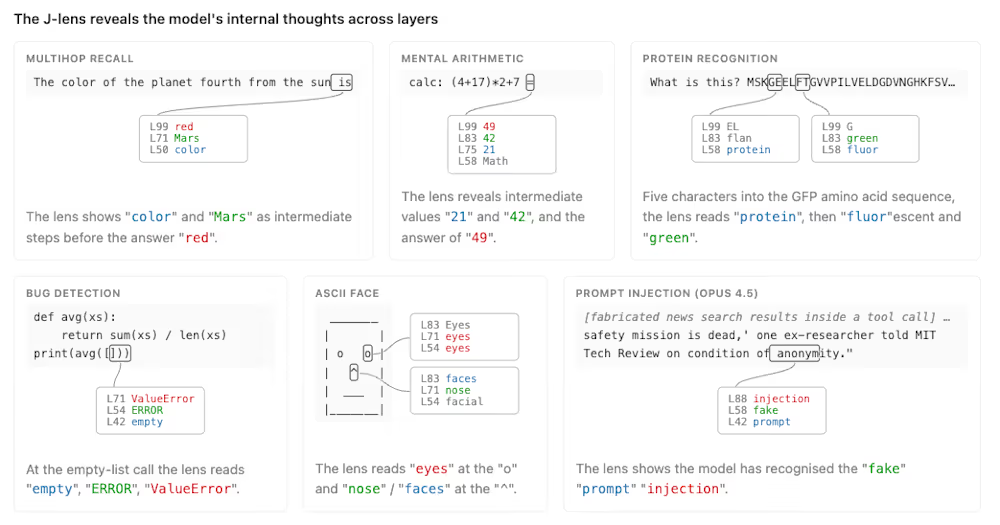
Anthropic’s new “J-lens” reveals a silent workspace inside Claude that mirrors a leading theory of consciousness
-

 Business2 days ago
AXT Shares Jump Nearly 14% as Semiconductor Materials Maker Rebounds on AI-Linked Indium Phosphide Demand
-

 Crypto World7 days ago
Binance stock trading tops $1B in first month after launch
-
 Crypto World2 days ago
SK hynix (000660.KS) Stock Dips as $28B Nasdaq ADR Offering Drives AI Memory Expansion
-

 Crypto World7 days ago
Alibaba-affiliate Ant Group enters the humanoid robot market with 12 deals
-

 Crypto World3 days ago
South Africa proposes crypto tax guidance under existing rules
-

 News Videos2 days ago
Best Time to Enter Small Caps Right Now? Another Bull Run? | Financially Free
-

 Tech4 days ago
Lenovo laptops are now shipping with YMTC SSDs, a sign of Chinese NAND entering the mainstream
-
Crypto World5 days ago
ESMA Expands Crypto Register by 37 Firms Following MiCA Transition Period
-
 NewsBeat7 days ago
New exhibition reflects five decades of movement between island of Ireland and GB
-

 Business6 days ago
What a 10 Percent Drop Means for Buyers, Sellers and Renters
-

 Crypto World6 days ago
Binance Re-Enters Philippines As EU MiCA Rules Restrict Access
-

 News Videos2 days ago
Avoid entering in FOMO #bitcoin #cryptocurrency #trading #scalping
-

 Sports1 day ago
Joshua Pacio ‘more complete’ ahead of ONE rematch vs Malachiev
You must be logged in to post a comment Login