

Connect with us

Business

Honda recalls 880,000 vehicles over rear suspension corrosion risk

Published

on

Honda recalls nearly 99,000 vehicles over air bag deployment defect

Honda is recalling more than 880,000 SUVs and pickup trucks in the U.S. because a key rear suspension part can rust and fail, increasing the risk of a crash.

The recall covers 880,514 vehicles, including certain 2016-2022 Honda Pilot, 2017-2023 Honda Ridgeline, 2019-2023 Honda Passport and 2014-2020 Acura MDX models, according to the National Highway Traffic Safety Administration (NHTSA). 

Advertisement

The issue involves the rear subframe, a structural component underneath the vehicle that helps support the rear suspension. In states where road salt is commonly used during winter, the rear subframe may corrode over time. 

HONDA VEHICLES

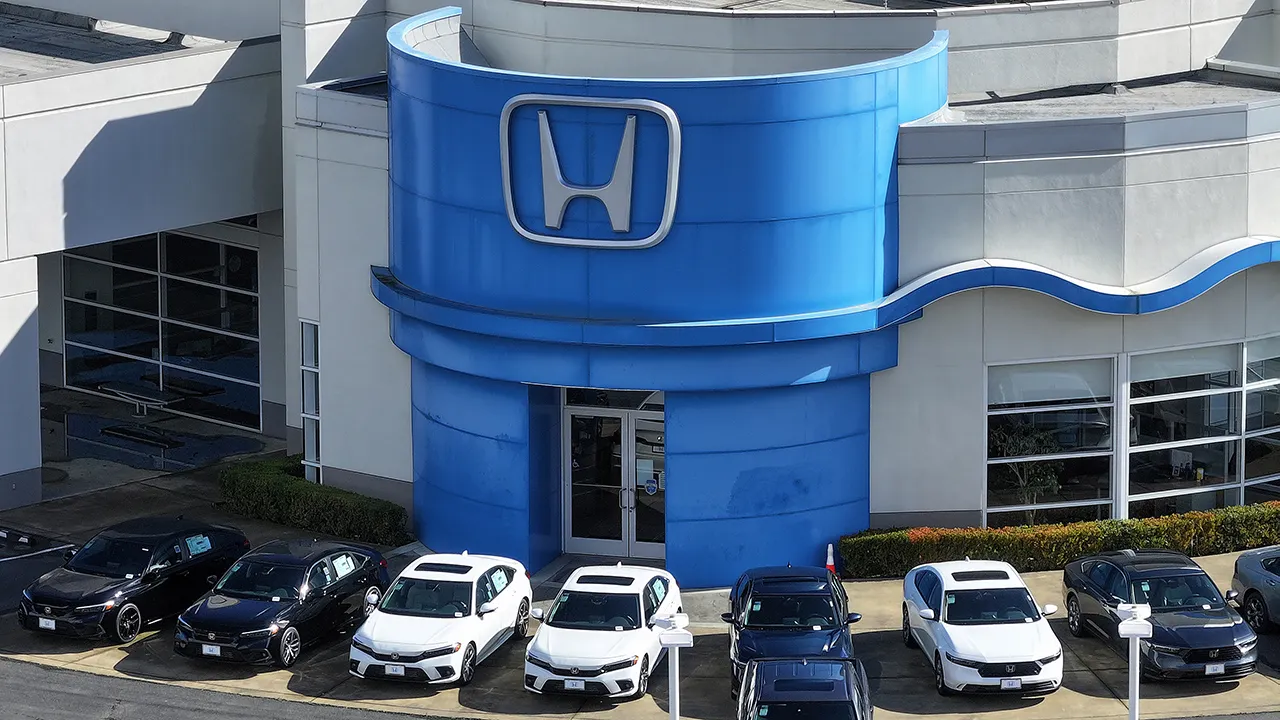
The recall covers 880,514 vehicles. (Justin Sullivan/Getty Images)

“As the corrosion progresses, material thinning and driving vibrations could cause the mounting area to fracture and fail,” NHTSA said.

MORE THAN 1 MILLION JEEP VEHICLES RECALLED OVER FIRE RISK AS OWNERS WARNED NOT TO PARK INSIDE

Drivers may notice abnormal noises or vibration from the rear suspension, as well as changes in vehicle handling while driving, the agency added.

Advertisement

The affected vehicles were sold in states including Connecticut, Illinois, Indiana, Iowa, Maine, Maryland, Massachusetts, Michigan, Minnesota, New Jersey, New York, Ohio, Pennsylvania, Rhode Island, Vermont, Virginia, West Virginia, Wisconsin and Washington, D.C., among others, according to NHTSA.

KIA RECALLS 6K VEHICLES DUE TO POSSIBLE SEAT BELT DEFECT THAT COULD RAISE INJURY RISK

Ticker Security Last Change Change %
HMC HONDA MOTOR CO. LTD. 26.11 -0.60 -2.25%

Honda dealers will inspect the rear subframe and install a reinforcement kit. If necessary, they will also repair or replace rear subframe components at no cost to owners.

The automaker said it had received no reports of injuries or deaths in the U.S. related to the issue as of May 28.

Advertisement

Honda shares were down 1% in late afternoon trading and are down more than 10% year to date.

SUBARU RECALLS NEARLY 70,000 SUVS AFTER MOONROOF PANELS DETACH WHILE DRIVING

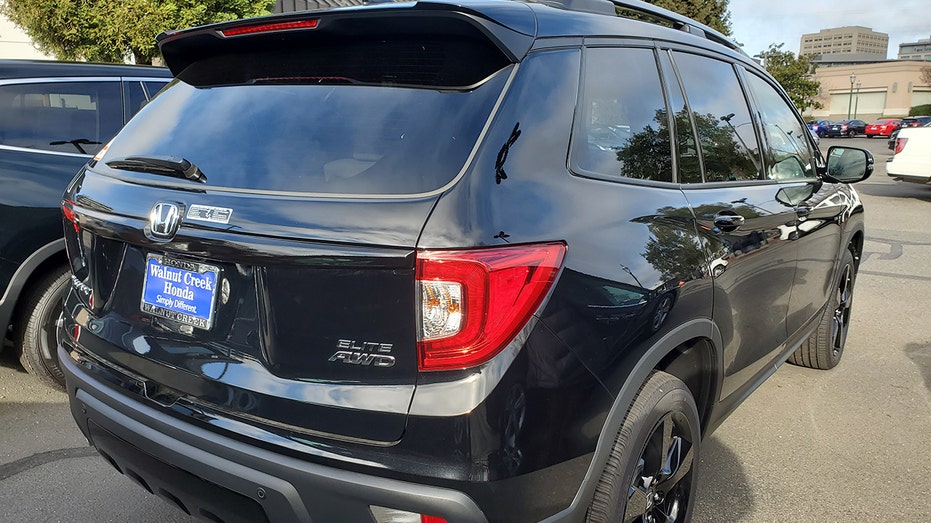
Honda Passport

A view of a Honda Passport SUV in Walnut Creek, California, on Jan. 30, 2020.  (Smith Collection/Gado/Getty Images)

The recall comes after Honda announced last month that it was recalling nearly 99,000 vehicles in the U.S. over a separate defect that could cause airbags to deploy unexpectedly during a crash.

GET FOX BUSINESS ON THE GO BY CLICKING HERE

Advertisement

FOX Business reached out to Honda for comment.

Continue Reading
Click to comment

You must be logged in to post a comment Login

Leave a Reply

Business

South Korean Actor Hwang Jung-min’s Agency, Accuser Trade Claims Over Stalking Allegations in Court Fight

Published

on

Natalie Portman

A woman who has publicly alleged private misconduct by South Korean actor Hwang Jung-min pushed back Wednesday against her characterization by the actor’s talent agency as a criminal stalker, telling reporters that a legal fight between the two sides remains active in the courts.

The woman, identified only by the initial “A” in Korean media reports in keeping with local privacy conventions, told the entertainment outlet StarNews that she had seen the official statement issued by Hwang’s agency, Sam Company. “Regardless, it’s a fact that a 3 million won fine was issued, and I’m currently disputing multiple cases in formal trial,” she said, referring to roughly $2,200 in South Korean currency.

She went on to characterize the agency’s public statement as a deliberate framing strategy. “That’s probably all Hwang Jung-min’s side can say right now,” she said. “The only thing they can do at this point is push this narrative as far as possible, painting me as a stalking criminal.”

The dispute traces back to allegations the woman first raised on her personal social media account regarding Hwang’s private conduct. According to StarNews’s reporting, Hwang and the woman first met in August 2023 and maintained contact over roughly two years, during which time she says the relationship grew close. The woman has alleged that during that period, Hwang made sexually suggestive remarks to her, proposed meetings and a business partnership, and exchanged selfies and photographs with her.

Advertisement

Hwang’s agency, Sam Company, issued a formal response disputing the woman’s characterization of their relationship entirely, describing her instead as “a stalking crime suspect who has continuously harassed Hwang Jung-min.” The agency said Hwang had filed a criminal complaint against the woman, and that a court had imposed provisional restraining measures against her on three separate occasions, including orders barring her from approaching Hwang. The agency further stated that a summary court order had found her guilty of stalking and imposed a fine of 3 million won, and said the company intended to pursue additional legal action over what it described as maliciously edited posts targeting the actor.

Court records cited in the reporting confirm that the woman received a summary fine order of 3 million won on stalking charges in February. She has not accepted that outcome and is currently contesting it through a formal trial process, according to her own statement to reporters. Separately, in February, the woman filed a civil lawsuit against Hwang seeking approximately 200 million won, or roughly $145,000, in damages, according to the same reporting.

The dispute has continued to escalate publicly in the days since the initial allegations surfaced, with additional claims and counterclaims emerging from both sides. According to related coverage, questions have also been raised about whether the woman contacted a minor connected to Hwang, allegations that have added a further layer of controversy to the case, though the specifics of those additional claims remain contested between the parties. Separately, disputes have emerged online over the authenticity of audio recordings connected to the case, with conflicting claims about whether the recordings were artificially manipulated or whether the application used to create them makes such manipulation technically implausible.

Hwang Jung-min is one of South Korea’s most prominent film actors, known for a body of work spanning several decades and multiple major domestic box office successes, including roles in films that have drawn wide critical acclaim within the Korean film industry. His representation by a major talent agency and his public profile in South Korea mean that legal disputes involving him tend to draw substantial domestic media coverage, as has been the case with this dispute since it first became public.

Advertisement

Cases involving stalking allegations in South Korea are governed under the country’s Act on Punishment of Stalking Crimes, which was substantially strengthened in recent years following a series of high-profile stalking-related violent incidents. Provisional restraining measures of the kind the agency said were imposed against the woman are a common tool used by South Korean courts in stalking cases to separate parties while a criminal investigation or prosecution proceeds, distinct from a final determination of guilt.

Both the criminal case against the woman and her separate civil damages lawsuit against Hwang remain active and unresolved as of Wednesday, according to the available reporting, with the woman having formally challenged her stalking conviction rather than accepting the summary fine order. Neither Hwang nor his agency has publicly addressed the woman’s specific underlying allegations regarding his private conduct in detail beyond disputing her characterization of their relationship and asserting that she is the one engaged in a pattern of unlawful harassment.

With both legal proceedings ongoing, further developments in the case are expected to continue drawing significant attention from South Korean entertainment media in the weeks ahead, particularly as the formal trial contesting the woman’s stalking conviction moves forward alongside her separate civil suit against the actor.

Advertisement
Continue Reading

Business

Lenzing Grimsby jobs at risk as major lyocell plant announces plans to close by 2027

Published

on

Business Live

The Lenzing Group has announced plans to cease production at its Grimsby lyocell manufacturing facility by the end of 2027 as part of a global restructure, putting 215 jobs at risk

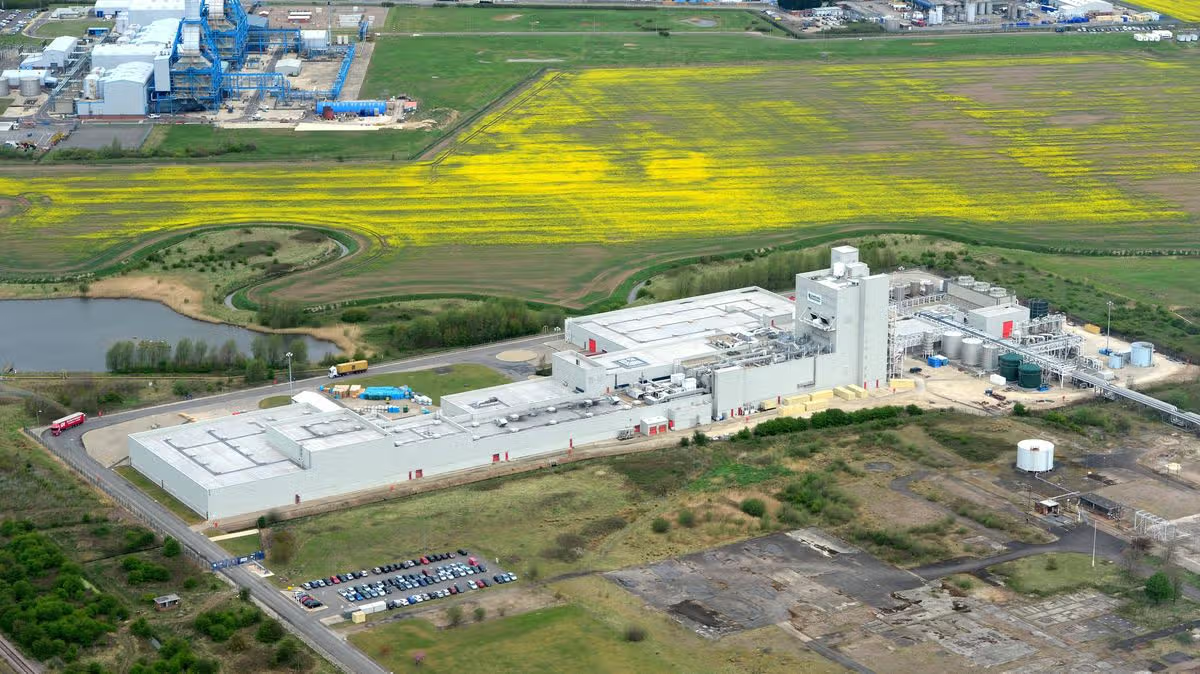
An aerial view of the Lenzing Fibres Grimsby plant

An aerial view of the Lenzing Fibres Grimsby plant(Image: Grimsby Telegraph/Pom Flying Club Ltd)

The owners of a major Grimsby employer have unveiled plans to halt production by the end of next year as part of a worldwide restructure, placing more than 200 jobs under threat.

The Lenzing Group is headquartered in Lenzing, Austria, and operates sizeable production facilities and offices in the US, China, Indonesia and at Grimsby’s Energy Park Way.

Advertisement

Lenzing’s manufacturing plant in Grimsby specialises in producing lyocell – a contemporary, plant-based textile made from wood pulp, widely recognised in the clothing industry under the brand name Tencel. However, group executives have announced proposals to close the facility by the end of 2027 as part of efforts to reduce its overall footprint.

The company says it will explore “strategic options” for the Grimsby plant and other affected sites in Austria and Indonesia, including their potential sale to new owners “or other value-preserving solutions”. Lenzing has confirmed that 215 people are employed at the site.

Shutting the facility would bring to a close nearly 30 years of manufacturing in the region, having originally opened under Courtaulds Fibers in 1998. Its global leadership team in Austria announced the closure as part of a new “Grow Nonwovens, Reset Textiles” strategy, which the company says has been devised to safeguard its long-term future.

Lenzing confirmed: “As part of its transformation and product portfolio optimsation, Lenzing is consolidating its fiber production footprint alongside the ongoing sale process of the Indonesian viscose site, PT South Pacific Viscose. In addition, Lenzing plans to phase out production at its fiber plants in Heiligenkreuz, Austria by end of 2026 and in Grimsby, UK by end of 2027,” reports Grimsby Live.

Advertisement

Georg Kasperkovitz, chief executive of the Lenzing Group, said: “With “Grow Nonwovens, Reset Textiles”, Lenzing is taking decisive steps to reposition the company for long-term success in a fundamentally changing market environment. By combining a streamlined premium product portfolio, improved competitiveness and a strong proprietary innovation pipeline, we are creating the foundation for profitable growth and a more focused, resilient Lenzing.”

He added: “At the same time, this transformation will strengthen our main production site in Lenzing, Austria, and support a sustainably profitable and competitive future for the site. In parallel, Lenzing is evaluating strategic options for the affected sites, including potential divestment or other value-preserving solutions.

“Should no viable outcome be achieved, Lenzing plans to implement a structured and orderly wind-down, with a strong focus on safety, supply reliability, and continuity for customers, as well as social and environmental responsibility. For affected employees in Grimsby, Lenzing will engage with employee representatives and relevant stakeholders regarding appropriate support and mitigation measures.”

The consolidation proposals follow Lenzing having already cut 267 jobs across several sites so far this year, generating annual savings of €25m. The company stated its plan “is designed to improve competitiveness, profitability and return on invested capital, positioning Lenzing for long‐term growth in higher‐value markets” and to “better serve the needs of brands and retailers in Western and Asian markets even better”.

Advertisement

Lenzing’s global headcount is anticipated to be reduced by approximately 2,000 positions by the end of next year, having employed around 8,100 members of staff at the close of 2025. The company confirmed the cuts will “primarily affect employees at the aforementioned sites in Heiligenkreuz (Austria), Grimsby (UK), and Purwakarta (Indonesia).”

The announcement is set to deliver a devastating blow to the region’s manufacturing sector, arriving five years after Lenzing Fibers Grimsby ploughed a reported £20m into a new waste water treatment plant at the site.

The company’s most recent accounts, for 2024, reveal turnover fell from £117m to £107m, though the previous year’s loss of £1.7m was turned around into an operating profit of £19m. Directors pointed to robust demand for its products while cautioning that cost pressures remained an ongoing concern.

A spokesman for Lenzing said: “Around 215 employees work at the Grimsby site. Lenzing will engage with employee representatives and relevant stakeholders regarding appropriate support and mitigation measures for the affected persons. At this point, it is too early to make definitive statements about the transition of employees within the business.”
Advertisement
Continue Reading

Business

High Liner Foods adds frozen seafood meals

Published

on

High Liner Foods adds frozen seafood meals

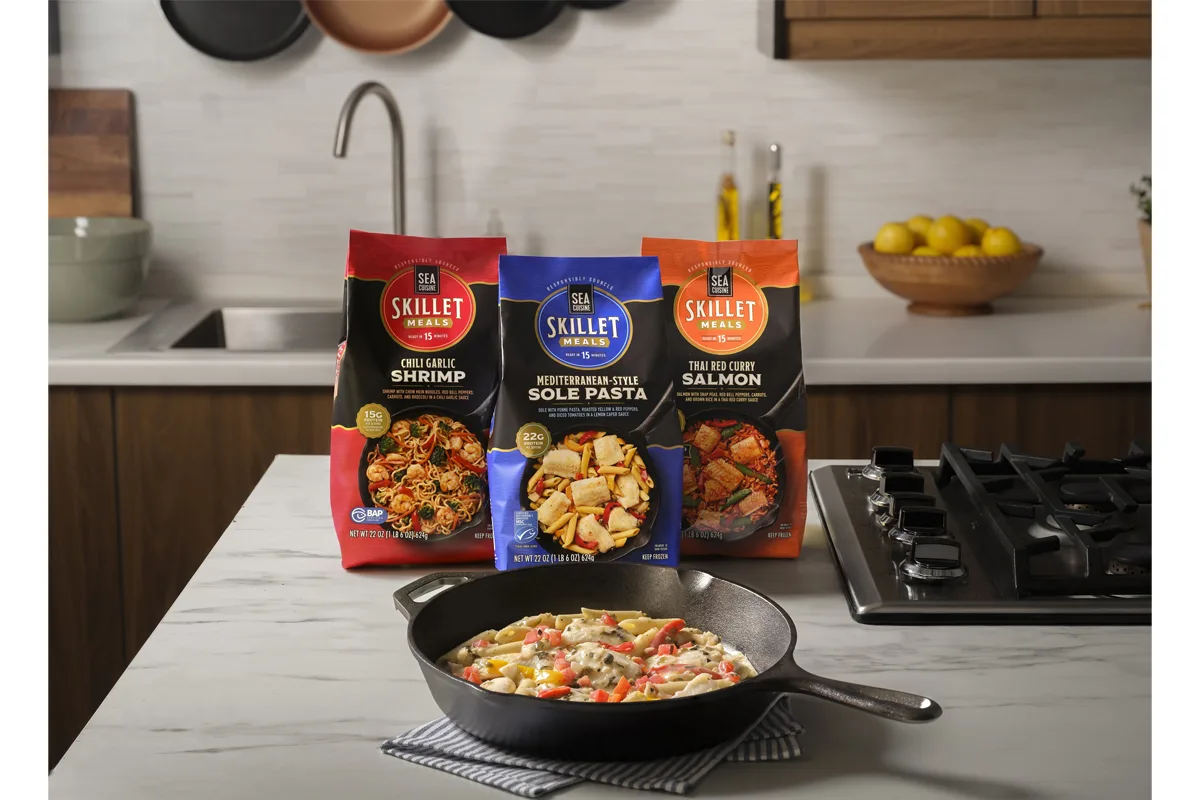
The line features three frozen prepared meals.

Continue Reading

Business

TransUnion EVP Mohamed Abdelsadek sells $1.99 million in company stock

Published

on


TransUnion EVP Mohamed Abdelsadek sells $1.99 million in company stock

Continue Reading

Business

HRT Financial LP sells $897,030 of Twin Vee PowerCats (VEEE) stock

Published

on


HRT Financial LP sells $897,030 of Twin Vee PowerCats (VEEE) stock

Continue Reading

Business

Nasdaq Falls 1.45% as Oil Surge From Iran Attack and Chip Selloff Rattle Markets Before Fed Decision

Published

on

The Nasdaq logo is displayed at the Nasdaq Market site in Times Square in New York

The Nasdaq Composite fell 1.45%, or 360.37 points, to 24,516.54 in midday trading Wednesday, as surging oil prices tied to renewed fighting between the United States and Iran combined with another sharp selloff in chipmaker stocks to weigh on technology shares ahead of the Federal Reserve’s latest interest rate decision.

A resurgence in Middle East violence drove Brent crude oil prices above $90 a barrel, stoking fresh concerns about inflation and pushing bond yields higher, a combination that dimmed investor appetite for riskier assets across markets. The broader S&P 500 also declined, while the Nasdaq 100 index, which tracks the largest non-financial companies on the exchange, lost 1.2% during the session.

Wednesday’s losses extended a chip-sector selloff that has now stretched across multiple trading sessions. The rout began after reports emerged Monday of a breakthrough in Chinese chipmaking technology, sending semiconductor stocks tumbling and dragging the Nasdaq toward correction territory even before Wednesday’s additional pressure from rising oil prices. The selling intensified further following disappointing earnings from South Korean chipmaker SK Hynix, whose second-quarter profit rose sixfold from a year earlier but still fell short of analyst expectations, a shortfall that reinforced investor concerns about whether the artificial intelligence spending boom driving much of the past year’s chip-sector profits may be beginning to moderate.

The chip selloff has hit Asian markets especially hard in recent sessions. South Korea’s SK Hynix plunged more than 14% at one point this week, while Samsung Electronics fell more than 13% during the same stretch, contributing to the KOSPI index’s worst two-day decline on record. That selling pressure spread to U.S. premarket trading, with Micron Technology down more than 4%, Nvidia off roughly 1.2%, and Intel and Advanced Micro Devices each falling more than 3% at various points during the week’s trading.

Advertisement

Tuesday’s session had shown a notably different pattern from Wednesday’s broader decline, with the Dow Jones Industrial Average climbing 0.93% even as the Nasdaq slipped 0.63%, reflecting a rotation into more defensive, less technology-heavy sectors. Health care and financial stocks reached fresh intraday all-time highs Tuesday, with the State Street Health Care Select Sector SPDR ETF gaining 2.7% and the State Street Financial Select Sector SPDR ETF adding 0.5%, as investors continued shifting away from the technology trade that has dominated market gains for much of the past year.

Even amid the broader tech-sector weakness, some individual stories stood out. Apple briefly became only the second publicly traded company in history to reach a $5 trillion market capitalization on Tuesday, achieving the milestone less than a year after first surpassing $4 trillion, with the achievement coming just a day before the company was scheduled to report its own quarterly earnings.

Not all of Wednesday’s market pressure traced back to chips and oil. Target shares fell more than 7% after the retailer forecast a larger-than-expected decline in full-year sales, while Estee Lauder dropped more than 5% following weaker-than-expected 2026 earnings-per-share guidance, adding company-specific disappointments to the broader macroeconomic headwinds weighing on stocks.

Wednesday’s trading also comes as investors brace for a heavy stretch of corporate earnings from some of the technology sector’s largest AI infrastructure spenders. Results from Microsoft and Meta Platforms, due later this week, are expected to offer additional clarity on whether massive capital expenditure commitments tied to artificial intelligence are translating into revenue growth substantial enough to justify current spending levels, a question that has increasingly weighed on sentiment toward mega-cap technology stocks in recent weeks.

Advertisement

The market’s attention is also fixed on the Federal Reserve’s policy announcement due later Wednesday. JPMorgan’s base case scenario calls for a hawkish hold from the central bank, which the bank has said could leave the S&P 500 roughly flat to slightly lower depending on the specific language used in the accompanying statement. Analysts have said that if Fed Chair Kevin Warsh signals openness to a rate cut at the central bank’s September meeting, markets could respond positively, whereas a more cautious tone emphasizing persistent inflation risks, particularly given this week’s spike in oil prices, could extend the current bout of selling pressure.

Despite Wednesday’s decline, market breadth data from earlier in the week showed a more complicated picture than the headline index moves alone suggest. During Tuesday’s session, 382 individual holdings within a broader market index advanced even as chip stocks were “getting hammered,” according to market commentary, illustrating how narrowly concentrated the technology-sector selling has been relative to the performance of the broader market.

Not every chip-related stock has suffered equally during the recent downturn. Sandisk has remained the best-performing stock in the S&P 500 for the year despite the recent sector-wide selloff, still up more than 360% year to date, according to market data, underscoring the significant divergence in performance even among companies operating within the same beleaguered sector.

With the Fed decision, Middle East tensions and a wave of major technology earnings all converging within the same trading week, investors are broadly expecting continued volatility across the Nasdaq and broader U.S. equity markets in the sessions immediately ahead, as the market works to reconcile competing signals about interest rate policy, geopolitical risk and the durability of the artificial intelligence investment cycle that has driven much of the past year’s technology-sector gains.

Advertisement
Continue Reading

Business

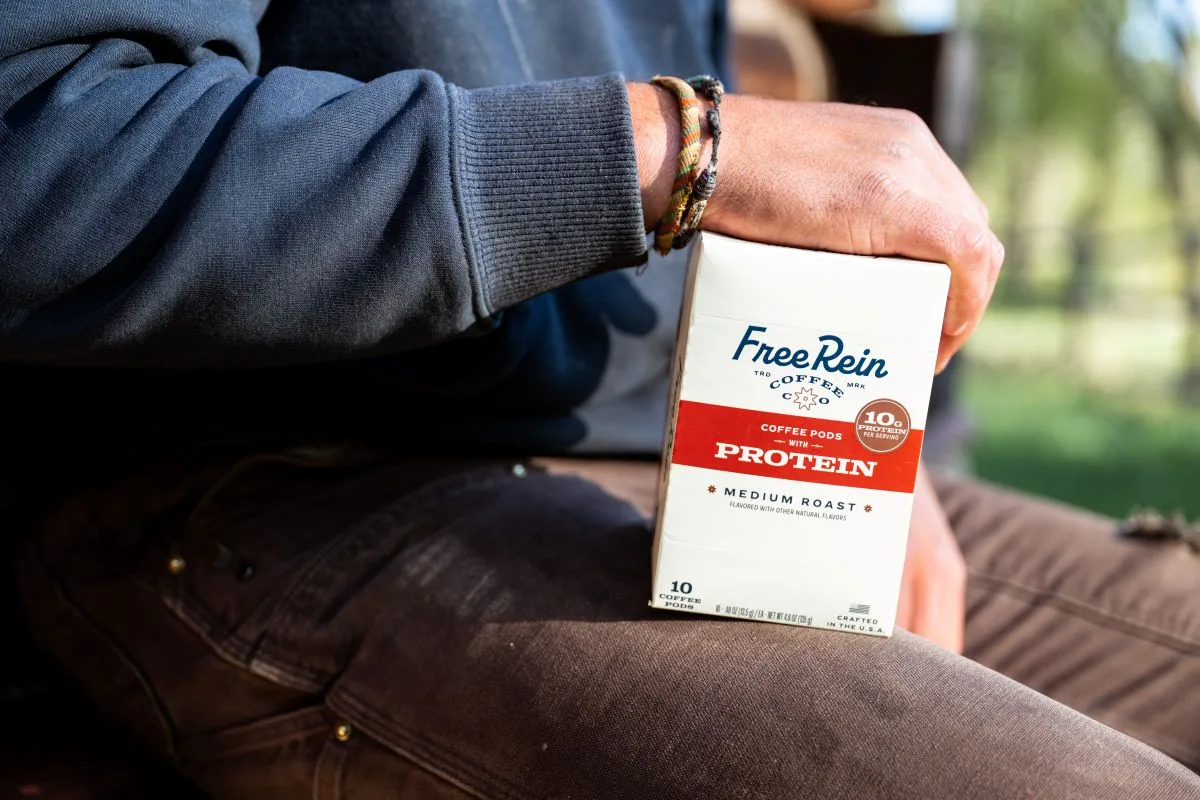
Free Rein Coffee taps into protein trend

Published

on

Free Rein Coffee taps into protein trend

The company’s new product line features coffee pods and cold brew formats.

Continue Reading

Business

Starbucks (SBUX) Q3 2026 earnings

Published

on

Starbucks (SBUX) Q3 2026 earnings

Starbucks on Wednesday raised its full-year outlook after reporting its fourth straight quarter of same-store sales growth.

For fiscal 2026, Starbucks now expects adjusted earnings per share in a range of $2.55 to $2.65, up from its prior outlook of $2.25 to $2.45 per share.

It now also projects global same-store sales will rise nearly 6% and U.S. same-store sales will climb more than 6%; the company was previously forecasting global and U.S. same-store sales growth of at least 5%.

“This was the quarter our momentum became truly measurable,” CEO Brian Niccol said in a video shared with the company’s earnings press release.

Advertisement

The coffee giant also reported quarterly earnings and revenue that topped analysts’ expectations.

Shares of the company jumped as much as 9% in extended trading.

Here’s what the company reported for the quarter ended June 28 compared with what Wall Street was expecting, based on a survey of analysts by LSEG:

  • Earnings per share: 85 cents adjusted vs. 66 cents expected
  • Revenue: $9.32 billion vs. $9.16 billion expected

The coffee giant reported fiscal third-quarter net income attributable to Starbucks of $1.05 billion, or 91 cents per share, up from $558.3 million, or 49 cents per share, a year earlier.

The company’s operating margins expanded to 13.6%, up from the year-ago period margins of 13.3%, thanks in part to tariff refunds. Starbucks did not say exactly how much it received in refunds.

Advertisement

“The refunds we received in Q3 largely offset related tariffs incurred in the first three quarters of fiscal 2026,” CFO Cathy Smith said on the company’s earnings conference call.

Excluding restructuring costs and other items, Starbucks earned 85 cents per share.

Net sales dropped 1% to $9.3 billion due to the company’s sale of a controlling stake in its China business. In November, Starbucks announced it was forming a joint venture with Boyu Capital, which would take over operations in the coffee chain’s second-largest market.

Although Starbucks’ overall revenue fell, its sales at stores open at least 13 months climbed 7.9%, topping Wall Street estimates of 6%, according to StreetAccount.

Advertisement

The coffee chain reported increases in both transactions and average check, showing that customers are returning to its cafes and spending more on their orders.

Under Niccol’s “Back to Starbucks” strategy, the company has focused on improving service and making cafes more welcoming in its home market. To do so, the chain has invested in labor and renovations to its coffee houses, earning some grumbling from investors. But the efforts seem to be paying off for Starbucks, which had seen its sales slump as it lost many of its loyal customers to competitors like Dutch Bros.

The company’s North American same-store sales increased 8.1% in the quarter. Traffic to those restaurants jumped 4.5%. With a 3.5% increase in average ticket, customers were also spending more on their orders, paying to modify their lattes and adding food items alongside their drinks.

In addition to improving its operations, Starbucks has also retooled its menu, cutting unpopular items and launching new drinks. Niccol said the chain would test “spritzers” — sparkling versions of its Refreshers — in select markets.

Advertisement

Refreshers have grown to become a $2 billion drink platform for Starbucks and often drive customers to its cafes during the afternoon, helping fuel business outside of the morning coffee rush. In the fiscal third quarter, revenue from Refreshers climbed by a double-digit percentage, executives said.

Outside of Starbucks’ home market, same-store sales rose 5.7%. With the formation of the China joint venture, roughly 90% of the company’s international locations are now licensed, according to Niccol. The asset-light model is often more attractive to investors, who like the long-term lift to earnings the structure usually brings.

During the quarter, Starbucks opened 175 net new stores and surpassed 1,000 cafe “uplifts,” reaching its fiscal 2026 goal ahead of schedule. Starbucks is now targeting at least 1,500 store renovations by the end of fiscal 2026 and accelerating its plans further in the next fiscal year.

The cafe makeovers cost roughly $150,000 on average and result in higher transactions, Niccol said on the company’s earnings conference call. The changes vary based on location, but generally customers can expect more seating, warmer lighting and dark wood paneling.

Advertisement

Smith also said that the company is assessing its North American store footprint, which could result in it shuttering more stores. In fiscal 2025, the company’s North America footprint shrank by 1% due to closures.

Correction: This story was updated to correct that Starbucks’ North American same-store sales rose 8.1%. A previous version misstated the figure.

Continue Reading

Business

US Fed chair Kevin Warsh says this after holding rates steady

Published

on

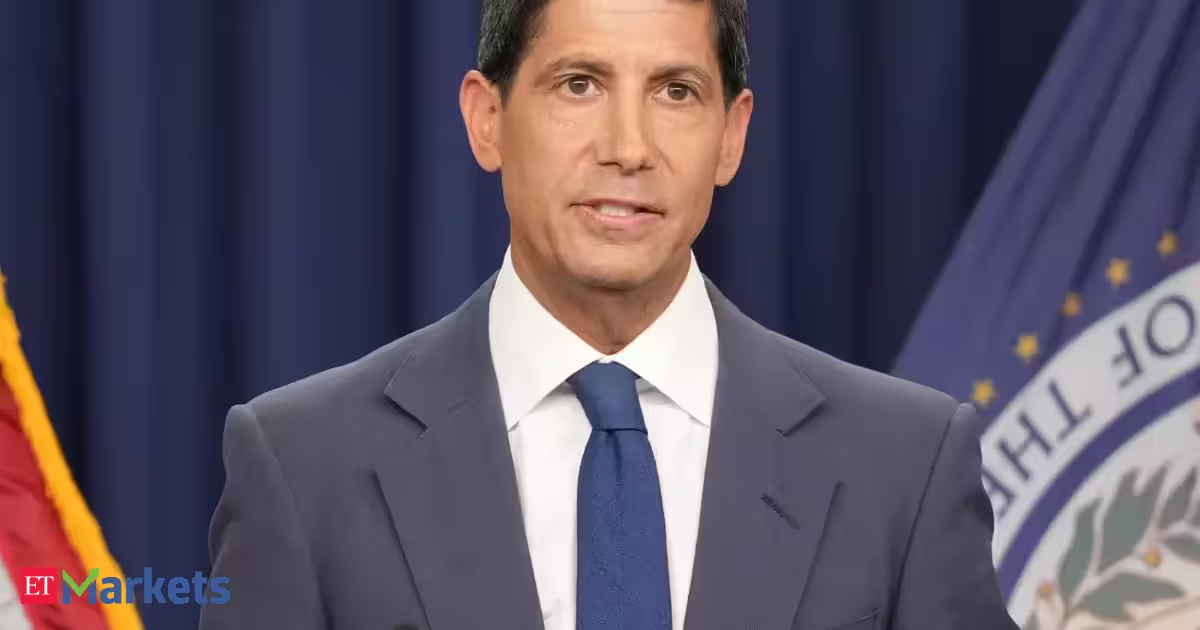
US Fed chair Kevin Warsh says this after holding rates steady
US Federal Reserve Chairman Kevin Warsh said he is fully committed to delivering price stability amid high inflation stoked by the escalating Iran war. Not giving any forward outlook or deeper insight into the FOMC policy, he said he had full confidence in the board despite the dissents to deliver the remit of reining in inflation.

Reiterating that the committee was committed to delivering the 2% target, Warsh noted that there was perhaps a misimpression among market participants and households and businesses that despite setting the inflation target at 2%, the Fed was more tolerable to higher inflation target, in what is known in economics as revealed preference. But the Board, during its meeting in the last two days, reiterated its commitment to the 2% target, he said.

Warsh noted that the focus of the committee was on trying to understand and identify the underlying inflation dynamics and shocks, and they were trying to understand to what extent these shocks were broadening in their effects and impact the prices that are quite far removed from it.

“Our goal is to have growth that is broadening and inflation that is becoming more limited,” he said, adding that he was sure that the views of the memebers would refine in this direction in the future.

Advertisement

Also read: US Federal Reserve keeps rates steady as Iran-driven inflation risks keep markets on edge


Warsh said forward guidance was more prudent in crisis situations not in benign conditions.
“Well, in crisis mode, that strikes me as a ⁠very prudent policy. ‌But in more benign conditions, it ⁠strikes me as worth revisiting,” Warsh told a news conference. “But markets and market participants and reporters have learned to devour all that ‌information. So I take seriously that the pullback of forward guidance ⁠requires some transition.”He added that central bankers are naturally inclined to tighten policy when they see stable employment and underlying inflation moving higher.

Warsh asserted that the U.S. central bank has no higher “soft target” ‌for inflation ⁠and ⁠is determined to meet its longstanding 2% goal despite leaving rates unchanged amid elevated inflation readings.

“For some households, businesses, ⁠and market ‌professionals, five years of high inflation have ⁠left a mistaken impression -that’s hard to shake – that the Fed’s implicit inflation target was somehow above 2%,” Warsh told a news ‌conference. “Let me reiterate: there is no soft inflation target. There ⁠is no soft implicit target, not on this committee’s watch. There’s only a target, and it’s 2%.”

He also ⁠said that he’ll be sticking with post-Federal Open Market Committee ⁠meeting press ‌conferences for now. “Between ⁠now and year end, my predecessors and the Federal Reserve committed to ‌press conferences this year. I’m committing to ⁠press conferences this year.”

Advertisement

Warsh explained on Wednesday why he notes ‌how ⁠the financial market ⁠has moved to price in tighter monetary policy in the absence of central bank guidance, but he’s not ⁠obliged to ‌follow what traders and investors are ⁠doing.

“I was comforted that markets in the intermeeting period weren’t reacting to us” in moving to price in tighter financial conditions, Warsh ‌said.

“I think has been a useful development,” Warsh said, ⁠while adding, “we don’t endorse any particular market move, but I’d also suggest we observe them with keen interest.”

Referring to the three dissenting votes favoring rate hikes versus the ⁠Federal Open ‌Market Committee decision to hold ⁠the federal funds rate steady, Warsh said that “I asked for a good family fight, and ‌I got one. That’s the purpose. That’s the design ⁠feature,” adding “there was a large majority support for the decision that we made in the room.”

Advertisement

(With inputs from Agencies)

Continue Reading

Business

Chipotle Mexican Grill (CMG) Q2 2026 earnings

Published

on

Chipotle Mexican Grill (CMG) Q2 2026 earnings

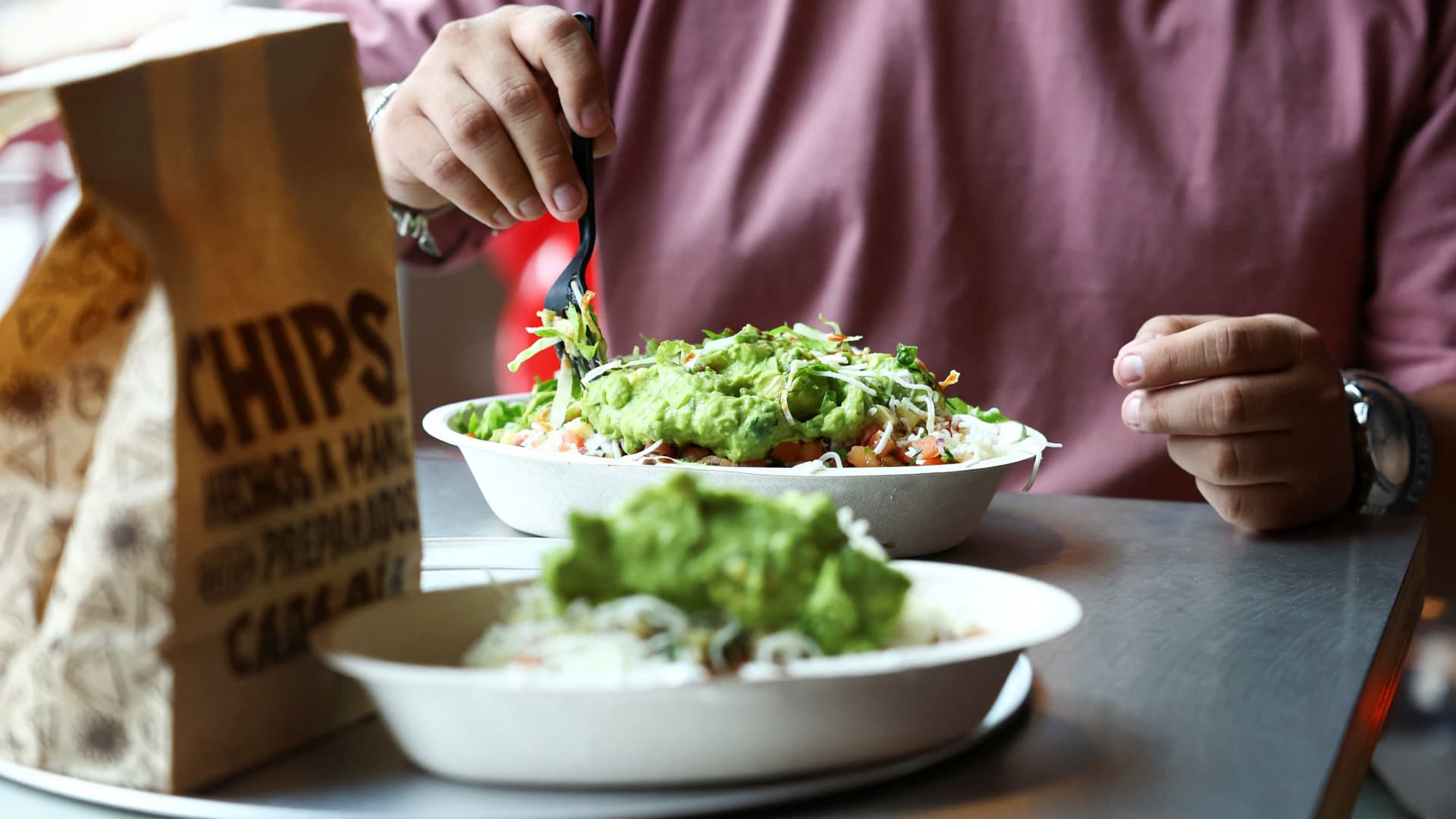
A customer prepares to eat at the first Chipotle fast-food restaurant in northeastern Mexico on its opening day in San Pedro Garza Garcia, Mexico, July 16, 2026.

Daniel Becerril | Reuters

Chipotle Mexican Grill on Wednesday raised its same-store sales growth forecast for the year after topping analysts’ quarterly earnings and revenue expectations.

Advertisement

The restaurant company is now projecting that its same-store sales will increase by a low single digit percentage in 2026, higher than its previous outlook of flat same-store sales for the full year.

After a shaky 2025, Chipotle is successfully luring customers back — even with spiking gas prices and other higher costs pressuring dining budgets.

“We’re seeing encouraging progress because we’re focused on the right growth drivers—bringing meaningful menu innovation to our guests, deepening engagement through Chipotle Rewards, elevating hospitality in every restaurant, and expanding opportunities to serve more group occasions,” CEO Scott Boatwright said in a statement.

The report came amid heightened scrutiny of food safety at chains serving fresh lettuce due to the U.S. cyclospora outbreak. Company executives on a call with analysts said that Chipotle “maintains a very robust food safety program.” The company said its lettuce is sourced from California and is not impacted by the outbreak.

Advertisement

Still, Chipotle said the cyclospora outbreak had about a 2 percentage point impact on sales in the second half of July, which it incorporated into its guidance.

Here’s what the company reported compared with what Wall Street was expecting, based on a survey of analysts by LSEG:

  • Earnings per share: 33 cents adjusted vs. 32 cents expected
  • Revenue: $3.35 billion vs. $3.33 billion expected

The company’s stock climbed about 6% in extended trading.

Chipotle reported second-quarter net income of $403.5 million, or 32 cents per share, down from $436.1 million, or 32 cents per share, a year earlier. Excluding impairment and restructuring costs and other items, the company earned 33 cents per share.

Revenue climbed 9.3% to $3.35 billion.

Advertisement

Same-store sales rose 2.2%, lifted by a 1% increase in traffic to restaurants. Total check size inched up 1.2% compared with the year-ago period.

On a call with analysts, Boatwright said the company’s performance was driven by strength in its seasonal Chipotle Honey Chicken and recently introduced cilantro lime sauce, as well as its rewards program.

Boatwright also said Chipotle’s menu innovation had an “outsized impact” on it winning over both younger consumers and lower-income diners.

“We believe Chipotle continues to offer one of the strongest value propositions in the industry,” Boatwright said on the call.

Advertisement

During the quarter, Chipotle opened 100 new locations and one international restaurant operated by a partner.

Choose CNBC as your preferred source on Google and never miss a moment from the most trusted name in business news.
Continue Reading

Trending

Copyright © 2025