

Business
How Medication Errors Occur in Indianapolis Healthcare Facilities


When you consider medication errors in Indianapolis healthcare facilities, multiple factors come into play. Errors often result from prescribing inaccuracies, communication lapses, and confusion caused by similar drug names or packaging.
High patient volumes and human factors like fatigue further complicate safe medication administration. Understanding these elements is essential, but the root causes are more nuanced than they initially appear—unpacking them reveals systemic challenges that demand attention.
Common Types of Medication Errors in Indianapolis
In Indianapolis healthcare facilities, five primary types of medication errors frequently occur: prescribing mistakes, transcription errors, dispensing inaccuracies, administration faults, and monitoring lapses. When reviewing these, you’ll notice medication mislabeling is a critical factor, particularly during dispensing, where incorrect labels can lead to improper drug selection. Dosage miscalculations commonly arise during prescribing and transcription phases, risking underdosing or overdosing. Administration faults often result from misinterpretation of dosage instructions or timing errors. Monitoring lapses include failure to detect adverse reactions or therapeutic inefficacy after medication administration. Understanding these error categories is essential for implementing targeted preventive measures, enhancing patient safety, and reducing adverse drug events in Indianapolis healthcare settings. If you or a loved one has suffered due to such mistakes, seeking legal help for medication error claims can ensure your rights are protected and proper accountability is pursued.
Role of Communication Breakdown Among Healthcare Providers
Three critical communication breakdowns among healthcare providers greatly contribute to medication errors in Indianapolis facilities. When you analyze these errors, it’s clear that inconsistent communication styles and lack of collaborative strategies often lead to misunderstandings. You must recognize these key issues:
- Ambiguous verbal orders due to varying communication styles, causing misinterpretation.
- Incomplete or delayed information exchange during patient handoffs, disrupting continuity of care.
- Insufficient use of standardized communication protocols, hindering effective teamwork.
Impact of Similar Drug Names and Packaging Confusion
Although healthcare professionals endeavor for accuracy, similar drug names and packaging often lead to confusion that compromises medication safety. You need to recognize that name similarity creates a critical risk factor, as look-alike or sound-alike drug names increase the likelihood of selection errors during prescribing, dispensing, or administration. Additionally, packaging design plays a pivotal role; when medications share comparable color schemes, fonts, or label layouts, it becomes challenging to differentiate them quickly, especially in high-pressure environments. To mitigate these risks, you should implement strategies such as utilizing tall man lettering, distinct color coding, and standardized label formats. By addressing both name similarity and packaging design, you can greatly reduce the occurrence of medication errors stemming from misidentification in Indianapolis healthcare settings.
Challenges in Dosage Calculation and Administration
You’ll encounter significant challenges when calculating complex dosage formulas, as even small errors can lead to critical consequences. Human factors like fatigue and cognitive overload further increase the risk of miscalculation during administration. Additionally, current technology often falls short in providing reliable support to prevent these errors effectively.
Complex Dosage Formulas
When dealing with complex dosage formulas, even experienced healthcare professionals can encounter difficulties that increase the risk of medication errors. You must navigate intricate calculations requiring exact dosage precision to guarantee patient safety. Errors often arise from misinterpretation of formulas or improper unit conversions. To mitigate these risks, consider the following critical factors:
- Variability in patient-specific parameters such as weight, age, and renal function complicates dosage determination.
- The need to adjust doses for medications with narrow therapeutic indices demands rigorous calculation accuracy.
- Ambiguities in prescribing information or incomplete data can lead to incorrect formula application.
Human Factors Impact
Since human factors considerably influence dosage calculation and administration, understanding these challenges is essential to reducing medication errors. When you’re tasked with calculating dosages, cognitive overload can impair your ability to process complex formulas accurately, especially under time pressure. This mental strain often leads to miscalculations or overlooked significant details. Additionally, environmental distractions in busy healthcare settings—such as noise, interruptions, and multitasking demands—further compromise your focus and precision. These factors collectively increase the risk of administering incorrect medication amounts. To mitigate these risks, it’s vital to acknowledge how human cognitive limitations interact with the clinical environment, affecting your decision-making and execution during medication preparation. Recognizing these influences allows for targeted strategies that support your accuracy and patient safety.
Technology Limitations
Although technology is designed to enhance accuracy in dosage calculation and administration, inherent limitations can introduce new challenges that compromise patient safety. When you depend on electronic systems, issues such as inconsistent data integration between devices and electronic health records can lead to incorrect dosage recommendations. Additionally, software reliability remains a critical concern—bugs or glitches may cause system crashes or erroneous alerts, increasing the risk of medication errors. You also have to evaluate user interface design flaws that can confuse healthcare providers during critical tasks. Key challenges include:
- Incomplete or incompatible data integration disrupting workflow continuity
- Software reliability issues causing unexpected failures or inaccurate calculations
- Complex interfaces leading to user mistakes under time pressure
Addressing these limitations is essential to reduce errors in Indianapolis healthcare facilities.
Influence of High Patient Volume on Medication Safety
Because high patient volume often stretches healthcare resources thin, medication safety can be considerably compromised in Indianapolis facilities. You’ll notice that patient overload intensifies the risk of medication errors by increasing cognitive load on healthcare providers. When staffing shortages occur simultaneously, your ability to maintain rigorous medication administration protocols diminishes. This heightened workload leads to rushed processes, reduced double-checking, and potential lapses in communication. In such environments, even minor distractions can result in incorrect dosages or overlooked contraindications. To mitigate these risks, you must understand how patient volume directly correlates with error frequency and prioritize resource allocation accordingly. Without addressing the pressure from patient overload and staffing shortages, medication safety protocols are vulnerable to breakdowns, ultimately affecting patient outcomes in Indianapolis healthcare settings.
Effects of Electronic Health Record System Limitations
When electronic health record (EHR) systems have limitations, your ability to accurately document and access medication information is compromised, increasing the likelihood of errors. EHR usability issues often create barriers, making it difficult for you to efficiently navigate the system, which can lead to overlooked alerts or incomplete medication histories. Additionally, data entry errors become more frequent when interfaces are unintuitive or poorly designed, resulting in incorrect dosage or drug selection.
Key effects of EHR system limitations include:
- Increased risk of transcription mistakes due to complex navigation
- Delayed medication administration caused by slow system response
- Miscommunication from incomplete or inaccurate electronic records
These technical constraints directly impact medication safety, demanding improved EHR design to reduce error potential and enhance clinical workflow.
Human Factors Contributing to Medication Mistakes
You need to contemplate how staff fatigue directly impairs cognitive function, increasing the likelihood of medication errors. Communication breakdowns among healthcare teams further exacerbate these risks by causing misinterpretations or incomplete information transfer. Addressing these human factors is essential to improving medication safety in Indianapolis healthcare facilities.
Staff Fatigue Impact
Although healthcare professionals are trained to maintain vigilance, staff fatigue greatly undermines their ability to administer medications accurately. When you face prolonged shifts and insufficient rest, your cognitive functions decline, increasing the risk of medication errors. Staff burnout further exacerbates this vulnerability by impairing concentration and decision-making skills. Effective fatigue management becomes essential to mitigate these risks in Indianapolis healthcare settings.
Consider these critical factors:
- Extended work hours lead to decreased alertness and slower reaction times.
- Inadequate fatigue management protocols fail to identify and address exhaustion.
- Chronic staff burnout disrupts consistent adherence to medication protocols.
Communication Breakdown
Since clear communication is essential to patient safety, any breakdown in information exchange greatly increases the risk of medication errors. When you’re involved in Indianapolis healthcare settings, lapses often stem from unclear or incomplete communication between providers, nurses, and pharmacists. Effective communication strategies, such as standardized handoff protocols and electronic documentation, are vital to mitigate these risks. You must also emphasize interdisciplinary collaboration, ensuring all team members share accurate, timely information regarding medication orders and patient status. Failure to adopt these approaches can lead to misunderstandings, omitted details, or incorrect dosages. By systematically addressing communication breakdowns through targeted interventions, you contribute to a safer medication administration process, reducing errors caused by human factors within complex healthcare environments.
Training and Education Gaps in Medication Management
While healthcare providers in Indianapolis endeavor for accuracy, gaps in training and education greatly contribute to medication errors. You must recognize that incomplete or inconsistent training programs undermine medication safety by leaving staff unprepared to handle complex drug regimens or new technologies. Critical deficiencies include:
- Insufficient emphasis on high-risk medications and their specific protocols
- Lack of standardized competency assessments following training sessions
- Limited ongoing education to keep pace with evolving pharmaceutical guidelines
These gaps mean you may encounter situations where healthcare workers are unaware of updated best practices or fail to apply them correctly. Addressing these training shortcomings is essential for minimizing errors and enhancing patient safety across Indianapolis healthcare facilities. Without robust, continuous education, the risk of medication mishandling remains unacceptably high.
Strategies for Detecting and Reporting Medication Errors
To effectively minimize medication errors, you need to implement robust error detection techniques such as automated alerts and regular chart audits. It’s vital to establish clear reporting protocols that encourage prompt and accurate documentation of incidents. These strategies work together to enhance patient safety and improve overall medication management.
Error Detection Techniques
Although medication errors can have serious consequences, identifying them promptly is essential to mitigating harm and improving patient safety. You rely on robust error detection techniques integrated within healthcare workflows to catch discrepancies early. Advanced monitoring systems continuously analyze medication administration data, flagging anomalies for review. To enhance your detection capabilities, consider implementing:
- Automated barcode scanning to verify medication identity and dosage before administration
- Real-time electronic health record (EHR) alerts triggered by conflicting prescriptions or allergies
- Regular audits using data analytics to identify patterns indicative of systemic errors
Reporting Protocols
Detecting medication errors is only part of the process; you also need clear and structured reporting protocols to guarantee these errors are communicated effectively and addressed promptly. Implementing advanced reporting systems allows you to systematically capture incidents, ensuring no error goes undocumented. These systems facilitate real-time data entry, promoting accuracy and timeliness. Critical to your approach is error categorization, which organizes errors by type, severity, and cause, enabling targeted analysis and intervention. By standardizing reporting formats and integrating automated alerts, you enhance transparency and accountability within Indianapolis healthcare facilities. Your commitment to a robust reporting protocol not only supports regulatory compliance but also drives continuous quality improvement, ultimately reducing medication-related risks and improving patient safety outcomes.
Technological Innovations to Prevent Medication Errors
While medication errors remain a persistent challenge, advancements in technology have markedly enhanced prevention strategies in Indianapolis healthcare facilities. You can now rely on AI assisted prescribing systems, which analyze patient data and drug interactions to recommend ideal medication plans, reducing human error. Barcode scanning is another critical tool, ensuring accurate medication administration by matching drugs to patient records in real time. Additionally, electronic health records (EHR) integration streamlines information sharing, minimizing miscommunication among care providers. Key technological innovations include:
- AI assisted prescribing for predictive accuracy
- Barcode scanning to verify medication and patient identity
- EHR integration for thorough data access and error reduction
Frequently Asked Questions
How Do Medication Errors in Indianapolis Compare to National Averages?
You’ll find Indianapolis medication errors slightly above national averages, highlighting gaps in medication safety. To improve error prevention, you must analyze local data trends and implement targeted protocols enhancing accuracy and monitoring within healthcare facilities.
What Legal Actions Can Patients Take After a Medication Error?
You have patient rights to seek legal recourse after a medication error, including filing malpractice claims or complaints. Consulting a healthcare attorney helps analyze negligence, establish liability, and pursue compensation for damages or harm suffered.
Are There Specific Indianapolis Hospitals Known for Higher Medication Error Rates?
You won’t find publicly available error statistics pinpointing specific hospitals in Indianapolis; healthcare facilities report errors variably, making it challenging to identify those with higher medication error rates based on current data transparency and reporting standards.
How Do Insurance Companies Handle Costs From Medication Errors?
Insurance coverage typically excludes costs directly from medication errors, so you’ll find error reimbursement handled through provider liability claims or malpractice insurance, requiring detailed documentation and analysis to determine responsibility and financial accountability accurately.
What Role Do Pharmacists Play in Preventing Medication Errors in Indianapolis?
Pharmacists in Indianapolis have critical responsibilities in error prevention, including verifying prescriptions, monitoring drug interactions, and educating patients. You rely on their analytical skills to reduce medication errors and guarantee safe, effective treatment outcomes.

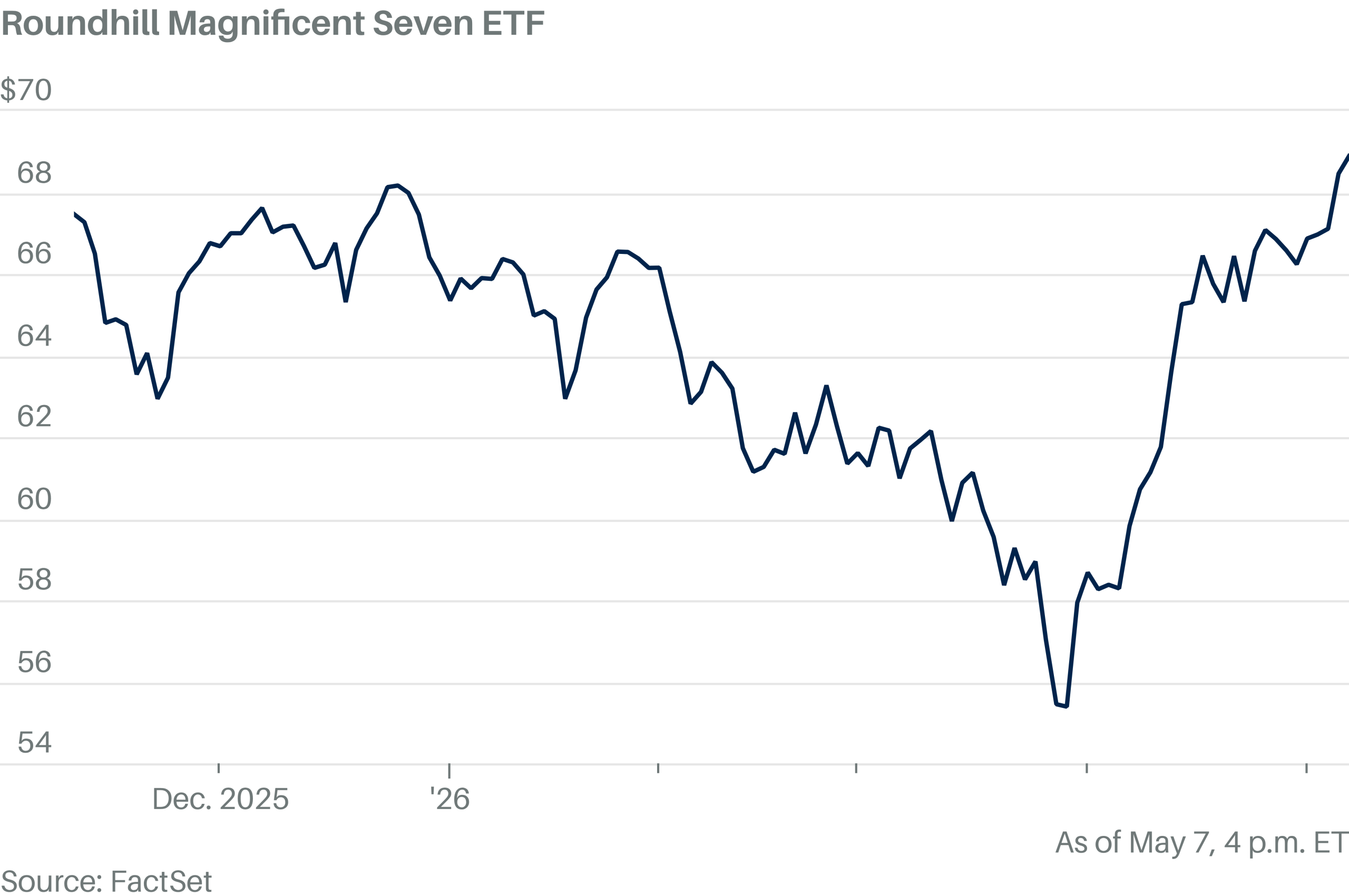
Megacap tech stocks were racking up gains ahead of the opening bell on Friday, putting an exchange-traded fund that tracks the blue-chip on course for a record high.
Roundhill’s Magnificent Seven ETF climbed 0.6% in premarket trading. If it can hold those gains until the close, it would lock in its first all-time high since October 2025.
Each member of the Magnificent Seven was rising in the premarket, with chip designer Nvidia and electric-vehicle maker Tesla up by nearly 1%.
Business
Ignore market noise, India’s long-term story intact, say D-Street bulls Ramesh Damani and Sunil Singhania

Speaking at a fireside session during the Groww India Investor Festival 2026 in Mumbai, both investors urged retail participants to ignore short-term market noise and stay focused on long-term wealth creation through disciplined investing.
“We have become used to markets delivering 15-20 percent returns every year after COVID. Markets do not move in a straight line,” Damani said, cautioning investors against drawing conclusions from short-term corrections or temporary underperformance.
Referring to past market cycles, Damani said benchmark indices across global markets have frequently moved sideways for long stretches, even while fundamentally strong companies continued to steadily create substantial shareholder value beneath the broader market’s muted performance.
“When I started my investing journey, the Sensex was below 1,000. Today it is above 80,000. There is no reason to believe India’s next 10-20 years will not continue to create massive wealth,” he said.

Addressing concerns over persistent foreign institutional investor outflows and India lagging peers such as Korea, Taiwan and the US in recent months, Damani argued that fears of a slowdown in domestic investor participation were overstated.
“Whenever foreigners sell, someone is buying those stocks. Domestic investors understand Indian businesses best, and they are backing Indian companies with conviction,” he said.FIIs have offloaded domestic equities worth Rs 2.06 lakh crore in 2026, remaining net sellers for the third successive month-to-date. They have sold shares worth Rs 14,231 crore, so far this month. In less than five months, foreign investment outflow has surpassed 2025 figures of Rs 1.66 lakh crore.
Also read: FIIs sell over Rs 2 lakh crore worth of Indian equities in 2026. What lies ahead?
Nifty is down over 7% on an year-to-date basis even as its Asian peers like Shanghai Composite (4%), Nikkei 225 (21%) and Kospi (74%) have outperformed the headline index. Its Wall Street rivals like Dow (2.5%) and Nasdaq Composite (13%) have also fared better.
Echoing a similar sentiment, Abakkus Asset Manager Founder Sunil Singhania said India’s economic model remains fundamentally stronger because of its consumption-led growth engine, though he acknowledged that India has not yet emerged as a dominant player in sectors such as semiconductors and deep technology.
“There is no doubt that several global companies have done phenomenally well in AI and semiconductors. But consumption and people ultimately sustain economies, and India remains one of the strongest long-term consumption stories globally,” Singhania said.
Both investors repeatedly stressed the importance of patience and compounding, warning retail investors against chasing speculative returns or shifting between trending asset classes.
“There is no secret to wealth creation. The real secret is compounding,” Damani said during the audience interaction, adding that investors should focus on quality businesses and allow investments time to grow.
Sectoral opportunities
Damani remains bullish on defence, infrastructure, logistics and energy-linked businesses, arguing they could emerge as long-term beneficiaries in an increasingly fragmented geopolitical environment.
“The world has changed. Every country now wants stronger self-defence and supply-chain independence,” he said, adding that investors would need to reposition portfolios for a changing global order.
Asset allocation: Gold/silver
The two investors also pushed back against the growing retail fascination with gold and silver following the sharp rally in precious metals.
Singhania called gold and silver as non-productive assets while emphasising the importance of equities, referring to them as growing assets. He recommended only limited allocation towards precious metals.
(Disclaimer: The recommendations, suggestions, views, and opinions given by the experts are their own. These do not represent the views of The Economic Times.)

Used cars are offered for sale at a dealership on July 11, 2023 in Chicago, Illinois.
Scott Olson | Getty Images
The head of one of the nation’s largest auto finance lenders isn’t overly concerned about rising consumer automotive debt and inflated used car prices leading to longer loans on vehicle purchases.
His main reasoning? The percentage of income consumers are spending on their vehicles has remained relatively flat compared with 2019, before the coronavirus pandemic led to inflated pricing as demand surged but inventories stayed low.
“If I just told you, ‘Car prices going up, interest rates going up, insurance prices going up,’ you would say, ‘You know what, consumers must be paying more as a ratio to the income,’” Capital One Auto President Sanjiv Yajnik told CNBC. “However, if you look at every quintile of salary and earnings of people, the payment-to-income ratio has remained fairly flat.”
While Capital One reports median monthly car ownership payments have jumped from $390 to $525 since 2019, data provided exclusively to CNBC from its automotive unit suggest that vehicle costs have stayed relatively stable compared with income. That’s because, overall, the payment-to-income ratio has remained flat at approximately 10% since 2019, according to the automotive arm of the American bank.
Capital One Auto found 80% of car purchasers who finance a vehicle are below the generally recognized payment to income threshold of 15%.
“The consumer is being cautious. They’re being responsible. This is a much healthier way to do things than the alternative, because it’s not a discretionary spend,” said Yajnik, referring to consumers prioritizing vehicle payments for transportation, including work.
To get to that goal, however, more consumers are taking on longer loans to keep payments affordable.
The auto finance veteran’s view contrasts with others in the industry who view the longer term loans as a detriment to consumers’ pocketbooks.
They argue that so-called “forever loans” of six years or more have led to many buyers, particularly of new vehicles, being underwater on the equity of their cars and trucks. That means they owe more than their vehicle is worth when they decide to trade it in.
Edmunds reports roughly 26% of used vehicles purchased that involved a trade-in vehicle had negative equity this year through April. The amount of negative equity averaged $5,105, a 35% increase from 2019.
“As loan term lengths increase on average, the pace at which consumers make progress paying down their balance slows,” Jessica Caldwell, head of insights for CarMax‘s Edmunds, wrote in a recent online post. “If consumers then trade in their vehicle too soon for any reason, they are increasingly left holding more loan debt.”
Regarding financing for new vehicles during the first quarter, 90.2% of new vehicle loans involving trade-ins with negative equity carried terms of at least 72 months, and 43% extended to 84 months, according to Caldwell. The average negative equity trade-in was $7,183 during the quarter for new vehicles, according to Edmunds.
Those figures have been climbing since 2022, when inflated used vehicle values caused by a pandemic-fueled chip shortage insulated more shoppers from carrying debt into their next vehicle.
Consumers need to keep their vehicles for more time to make the long loans worth it, according to Yajnik. But that can also cause increases in maintenance costs as well as the likelihood that a vehicle needs repairs that exceed its value or has to be scrapped altogether.
“Yes, it takes longer to get your equity, but in the meantime, you get a use of the car, and you’re earning money,” said Yajnik, a 28-year veteran of Capital One who has led the automotive lending division since 2008.
The average listed price of a used vehicle was $25,390 in March, according to Cox’s most recent data. That compares to new vehicles, which depreciate faster, at $48,667.
Cox Automotive reports if all other things are equal on a loan, financing for a $30,000 vehicle at a 9% annual percentage rate would cost $3,100 more on an 84-month term than a 48-month loan. However, there’s a $264 difference in the monthly payments, which Yajnik said makes it more affordable for many consumers, especially those in lower income brackets.
“There’s obviously going to be pockets that have problems, but one has to start from a different place, which is, for which reason are people buying cars, and are they doing so irrationally?” Yajnik said.
Business
Birla Corporation Q4 results: Cons PAT jumps 14% despite marginal revenue uptick; Rs 12.50/share dividend announced

The cement maker posted a marginal uptick in its revenue at Rs 2,836 crore in Q4FY26 was versus Rs 2,815 crore posted by the company in the corresponding quarter of the previous financial year. It was up 0.8%, year-on-year.
The company’s board recommended a dividend of Rs 12.50 per share on 7,70,05,347 ordinary shares for the financial Year 2025-26. It will be paid within 30 days from the date of approval by the shareholders at the company’s upcoming Annual General Meeting.
The PAT surged 459% quarter-on-quarter versus Rs 53 crore in Q3FY26 while the topline grew 31% compared to Rs 2,159 crore in the January-March quarter of FY26.
The company incurred expenses of Rs 2,522 crore in the quarter under review versus Rs 2,064 crore in Q3FY26 and Rs 2,497 crore in Q4FY25. This implies a 22% sequential growth in its expenses and a 1% YoY growth. The expenses were made on material used by the company, purchases of stock-in-trade, employee benefits and finance cost.
The profit before tax (PBT) stood at Rs 380 crore in Q4FY26 versus Rs 80 crore in Q3FY26 and Rs 328 crore in Q4FY25.
For the full financial year, PAT stood at Rs 558 crore versus Rs 295 crore in FY25, recording a jump of 89%. The topline was reported at Rs 9,656 crore in FY26 versus Rs 9,214 crore, a 5% rise.The debt-to-equity ratio in FY26 fell 5 bps to 0.51% versus 0.56% in the previous financial year.
(Disclaimer: The recommendations, suggestions, views, and opinions given by the experts are their own. These do not represent the views of The Economic Times.)

Citi explains why oil prices haven’t gone even higher


Financial analyst by day and a seasoned investor by passion, I’ve been involved in the world of investing for over 15 years and honed my skills in analyzing lucrative opportunities within the market.I specialize in uncovering high quality dividend stocks and other assets that offer potential for long term-growth that pack a serious punch for bill-paying potential. I use myself as an example that with a solid base of classic dividend growth stocks, sprinkling in some Business Development Companies, REITs, and Closed End Funds can be a highly efficient way to boost your investment income while still capturing a total return that follows traditional index funds. I created a hybrid system between growth and income and manage to still capture a total return that is on par with the S&P.
Analyst’s Disclosure: I/we have no stock, option or similar derivative position in any of the companies mentioned, and no plans to initiate any such positions within the next 72 hours. I wrote this article myself, and it expresses my own opinions. I am not receiving compensation for it (other than from Seeking Alpha). I have no business relationship with any company whose stock is mentioned in this article.
Seeking Alpha’s Disclosure: Past performance is no guarantee of future results. No recommendation or advice is being given as to whether any investment is suitable for a particular investor. Any views or opinions expressed above may not reflect those of Seeking Alpha as a whole. Seeking Alpha is not a licensed securities dealer, broker or US investment adviser or investment bank. Our analysts are third party authors that include both professional investors and individual investors who may not be licensed or certified by any institute or regulatory body.


I’m a full-time individual investor with over ten years of experience in the stock market. I look for asymmetric opportunities—situations where the potential upside is much bigger than the downside—even if the timing or exact path is uncertain. I often lean toward classic value ideas, but I’m happy to explore growth or tech opportunities when the risk-reward ratio is compelling. I especially enjoy digging into businesses that are overlooked or out of favor in the current market environment. Writing on Seeking Alpha gives me the chance to share my thoughts and investment ideas with a broader audience. My aim is to provide clear and useful analysis, but I also simply enjoy the process. Investing is something I’m genuinely passionate about, and writing allows me to turn that passion into conversations with other investors.
Analyst’s Disclosure: I/we have a beneficial long position in the shares of SIVEF either through stock ownership, options, or other derivatives. I wrote this article myself, and it expresses my own opinions. I am not receiving compensation for it (other than from Seeking Alpha). I have no business relationship with any company whose stock is mentioned in this article.
Seeking Alpha’s Disclosure: Past performance is no guarantee of future results. No recommendation or advice is being given as to whether any investment is suitable for a particular investor. Any views or opinions expressed above may not reflect those of Seeking Alpha as a whole. Seeking Alpha is not a licensed securities dealer, broker or US investment adviser or investment bank. Our analysts are third party authors that include both professional investors and individual investors who may not be licensed or certified by any institute or regulatory body.

TeraWulf: Entering Execution Phase

When parents receive a cerebral palsy diagnosis for their child, one of the first questions that surfaces is whether anything could have been done differently.
According to the CDC’s 2024 surveillance data, cerebral palsy affects approximately 3.3 per 1,000 children in the United States, making it the most common motor disability in childhood. As medical understanding of brain development and pregnancy complications has advanced, researchers have identified specific risk factors that contribute to cerebral palsy—some preventable, others beyond our current control.
The question of prevention matters more than ever as prenatal care standards evolve and birth practices continue to improve. For expectant parents and families already navigating this diagnosis, understanding the complex web of factors that can lead to cerebral palsy provides both clarity and a foundation for informed decision-making. This knowledge doesn’t change what’s already happened, but it can guide future pregnancies and help families understand the intricate biological processes that affect brain development during the most vulnerable periods of a child’s life.
Why Understanding Cerebral Palsy Causes Matters Today
Cerebral palsy represents a group of permanent movement and posture disorders caused by damage to the developing brain, typically occurring before, during, or shortly after birth. The complexity of this condition stems from the fact that multiple pathways can lead to the same outcome—brain injury that affects motor control and development.
Current research has moved far beyond the outdated assumption that most cerebral palsy cases result from birth trauma or oxygen deprivation during delivery. Scientists now understand that the majority of cases—roughly 70 to 80 percent—actually originate from events that occur during pregnancy, when the brain is forming its fundamental structures. This shift in understanding has profound implications for prevention strategies and helps explain why some children develop cerebral palsy despite what appears to be an uncomplicated birth.
The brain damage that causes cerebral palsy most commonly affects areas responsible for movement, balance, and posture. Depending on which brain regions are impacted and the extent of the damage, children may experience anything from mild coordination difficulties to severe physical disabilities affecting multiple limbs. What makes this condition particularly challenging to predict is that similar brain injuries can produce vastly different outcomes—one child might have subtle learning differences, while another requires extensive physical support.
Modern medical imaging and genetic testing have revealed that cerebral palsy often results from a combination of factors rather than a single catastrophic event. A child might have a genetic predisposition that makes their brain more vulnerable to injury, experience a maternal infection during a critical development window, and then encounter additional stress during birth. This layered risk model explains why prevention efforts must address multiple potential causes rather than focusing solely on delivery complications.
Understanding these complexities becomes crucial when families face decisions about future pregnancies or when pursuing complex birth injury cases that require detailed analysis of medical care standards. The timeline of brain development and the specific periods when different types of damage can occur directly influence both medical prevention strategies and legal considerations about when preventable harm may have occurred.
What Prenatal and Perinatal Factors Increase Cerebral Palsy Risk?
The period from conception through the first month after birth represents the highest-risk window for the brain injuries that cause cerebral palsy. During pregnancy, the developing brain undergoes rapid cell division and organization, making it particularly vulnerable to disruption from infections, inflammation, or reduced blood flow.
Maternal infections during pregnancy pose one of the most significant modifiable risk factors. When a pregnant woman contracts certain viral or bacterial infections—including cytomegalovirus, toxoplasmosis, rubella, or even severe urinary tract infections—the resulting inflammatory response can cross the placenta and interfere with fetal brain development. The timing of infection matters critically; infections during the second trimester often prove most damaging because that’s when crucial brain structures are forming.
Pregnancy complications that reduce oxygen or nutrient flow to the developing baby also increase cerebral palsy risk substantially. Placental problems like placenta previa or placental abruption can starve the brain of oxygen during critical development periods. Similarly, severe maternal conditions such as uncontrolled diabetes, high blood pressure, or thyroid disorders can compromise the intricate environment the developing brain requires.
Multiple pregnancies carry inherently higher risks, not just because of the increased likelihood of premature birth, but because of complications specific to sharing space in the womb. Twin-to-twin transfusion syndrome, where one baby receives too much blood flow and the other too little, can cause brain damage in either child. Even when one twin is lost during pregnancy, the surviving twin faces elevated cerebral palsy risk due to the sudden changes in blood flow and potential clotting complications.
The timing of birth itself plays a crucial role, with babies born before 32 weeks facing dramatically higher cerebral palsy rates—sometimes 40 to 100 times higher than full-term infants. Premature babies’ brains are not only less developed but also more susceptible to bleeding and infection. The delicate blood vessels in their developing brains can rupture under stress that a full-term baby’s brain would handle without injury.
How Genetic Factors Influence Cerebral Palsy
While environmental factors during pregnancy often take center stage in cerebral palsy discussions, genetic influences play a more significant role than many families realize. Recent research suggests that genetic factors may contribute to 10 to 15 percent of cerebral palsy cases, either as direct causes or by making children more vulnerable to other risk factors.
Single gene mutations can directly cause cerebral palsy-like symptoms, particularly in cases involving metabolic disorders or abnormal brain development. Mutations affecting genes responsible for brain cell migration, blood vessel formation, or cellular energy production can lead to the motor and cognitive challenges characteristic of cerebral palsy. These genetic forms often run in families and may be identifiable through genetic testing.
More commonly, genetic variations increase susceptibility to brain injury without directly causing cerebral palsy. Some children inherit genetic traits that make their brains more sensitive to inflammation, less able to recover from oxygen deprivation, or more prone to bleeding. When these children encounter additional risk factors—like maternal infection or premature birth—they’re more likely to sustain brain damage than genetically typical children facing the same challenges.
Chromosomal abnormalities represent another genetic pathway to cerebral palsy. Conditions like Down syndrome often include cerebral palsy as one component of a broader pattern of developmental differences. In these cases, the altered genetic blueprint affects multiple body systems, including the brain regions controlling movement and coordination.
The interaction between genetic predisposition and environmental factors explains why some families experience cerebral palsy in multiple children despite similar pregnancy care, while others face significant pregnancy complications without any lasting effects. Understanding these genetic components is increasingly important for family planning decisions and for developing personalized prevention strategies.
How Environmental Factors Affect Cerebral Palsy Development
Environmental influences during pregnancy extend far beyond obvious toxins to include factors that many families don’t recognize as risks. Maternal stress, whether from major life events, chronic illness, or socioeconomic pressures, can trigger inflammatory responses that affect fetal brain development. While normal daily stress poses little risk, severe or prolonged stress may increase cerebral palsy likelihood by disrupting the hormonal environment crucial for healthy brain formation.
Nutritional deficiencies during pregnancy, particularly deficits in folate, iron, or omega-3 fatty acids, can impair brain development and increase vulnerability to other risk factors. Maternal malnutrition doesn’t need to be severe to affect fetal brain development; even moderate deficiencies during critical development windows can have lasting consequences.
Exposure to certain medications during pregnancy requires careful risk-benefit analysis. While most prescription medications are safe, some antibiotics, anticonvulsants, and psychiatric medications may increase cerebral palsy risk if used during specific developmental periods. The challenge lies in balancing maternal health needs against potential fetal risks—sometimes treating maternal conditions actually reduces overall risk to the developing baby.
Environmental toxins including lead, mercury, and certain pesticides can cross the placental barrier and interfere with normal brain development. Even low-level exposures that wouldn’t affect adult health may disrupt the precise cellular processes required for proper brain formation. Geographic factors, occupational exposures, and household environments all contribute to cumulative toxin loads during pregnancy.
Which Birth Complications and Brain Development Issues Cause Cerebral Palsy?
The birth process itself, while representing only a small percentage of cerebral palsy causes, involves intense physical stresses that can occasionally overwhelm a baby’s developing brain. Prolonged labor or difficult deliveries sometimes reduce oxygen flow to the brain for periods long enough to cause permanent damage. However, contrary to historical assumptions, most babies tolerate even challenging deliveries without lasting neurological effects.
Hypoxic-ischemic encephalopathy—brain injury from oxygen deprivation—represents the most serious birth-related cause of cerebral palsy. This condition occurs when blood flow to the brain is severely compromised during delivery, often due to umbilical cord complications, placental problems, or maternal blood pressure crises. The extent of brain damage depends on both the severity and duration of oxygen deprivation, with some children recovering completely while others develop severe disabilities.
Neonatal strokes affect approximately 1 in 2,000 newborns and can occur before, during, or immediately after birth. These strokes—caused by blood clots or bleeding in the brain—often go unnoticed initially because newborns can’t communicate symptoms. Brain imaging may reveal stroke damage months later when parents notice delayed motor development or asymmetric movement patterns.
Infections during the newborn period pose particular dangers because babies’ immune systems are still developing. Bacterial meningitis, viral encephalitis, or severe sepsis can cause brain inflammation and damage that leads to cerebral palsy. Group B strep infections, transmitted from mother to baby during delivery, represent one of the most preventable causes of newborn brain infection.
Severe jaundice that goes untreated can cause a condition called kernicterus, where high levels of bilirubin damage brain cells controlling movement and hearing. While routine newborn screening has made kernicterus rare in developed countries, it remains a preventable cause of cerebral palsy when appropriate monitoring and treatment are delayed.
Brain hemorrhages in premature infants represent another critical pathway to cerebral palsy. The fragile blood vessels in developing brains can rupture from changes in blood pressure, oxygen levels, or blood flow that occur during intensive care treatment. While neonatal intensive care saves many lives, the interventions required for survival sometimes contribute to brain injury in the most vulnerable babies.
The period immediately following birth continues to pose risks as newborns adapt to breathing, maintaining body temperature, and managing blood sugar independently. Severe complications during this transition—particularly prolonged low blood sugar, persistent breathing difficulties, or temperature regulation problems—can stress the brain enough to cause lasting damage.
What Prevention Strategies Can Lower Cerebral Palsy Risk?
Modern prevention strategies focus on reducing known risk factors rather than eliminating cerebral palsy entirely, since many contributing factors remain beyond medical control. Comprehensive prenatal care represents the most effective prevention approach, starting with pre-conception counseling that addresses genetic risks, maternal health optimization, and lifestyle modifications that support healthy brain development.
Infection prevention during pregnancy offers some of the most tangible risk reduction opportunities. This includes routine screening for and treatment of urinary tract infections, group B strep testing near delivery, vaccination against preventable diseases, and careful food safety practices to avoid toxoplasmosis and listeria. While not all infections can be prevented, reducing exposure and ensuring prompt treatment when infections occur significantly lowers cerebral palsy risk.
Management of maternal health conditions before and during pregnancy can prevent many of the complications that threaten fetal brain development. Controlling diabetes, treating high blood pressure, managing thyroid disorders, and addressing blood clotting problems all contribute to creating the stable environment developing brains require. Sometimes this means adjusting medications or increasing monitoring frequency, but untreated maternal conditions typically pose greater risks than carefully managed treatment.
Timing of delivery decisions has evolved substantially as research reveals the optimal balance between fetal maturity and pregnancy risks. While preventing premature birth remains a priority, understanding when the risks of staying in the womb outweigh the risks of early delivery helps guide decisions about timing interventions. Advanced fetal monitoring and improved neonatal care have expanded the safety margin for these complex decisions.
Magnesium sulfate administration to mothers in preterm labor has emerged as one of the most evidence-based cerebral palsy prevention strategies. Research shows that magnesium sulfate given to women delivering before 32 weeks can reduce the risk of cerebral palsy in their babies by approximately 30 percent. This relatively simple intervention demonstrates how targeted prevention strategies can have meaningful impacts.
The reality is that many cerebral palsy cases occur despite excellent medical care and optimal conditions. Current prevention strategies can reduce risk but cannot eliminate it entirely. For families navigating this complex landscape, understanding both the possibilities and limitations of prevention provides a realistic framework for making informed decisions about pregnancy care and family planning. The goal is not perfection, but rather the best possible outcomes given current medical knowledge and individual circumstances.
Business
The Kraft Heinz Company 2026 Q1 – Results – Earnings Call Presentation (NASDAQ:KHC) 2026-05-09

Q1: 2026-05-06 Earnings Summary
EPS of $0.58 beats by $0.08
| Revenue of $6.05B (0.80% Y/Y) beats by $167.59M

Seeking Alpha’s transcripts team is responsible for the development of all of our transcript-related projects. We currently publish thousands of quarterly earnings calls per quarter on our site and are continuing to grow and expand our coverage. The purpose of this profile is to allow us to share with our readers new transcript-related developments. Thanks, SA Transcripts Team

Mag 7 Stocks Jump as Market Rallies on Trump Iran Reassurance

Paris Saint Germain launch retro-style home kit ahead of 2026-27 campaign | Football News

iOS 26 review one year later

Manchester United reach agreement with Casemiro over contract clause amid transfer speculation

US brings back mandatory military draft registration

Steven Gerrard disagrees with Gary Neville over ‘shock’ Chelsea and Arsenal claim | Football


-
 Crypto World1 day ago
HarrisX Poll Found 52% of Registered Voters Support the CLARITY Act
-

 NewsBeat6 days ago
Channel 5 – All Creatures Great and Small series 7 new post
-

 Crypto World2 days ago
Upbit adds B3 Korean won pair as Base token gains Korea access
-

 Tech5 days ago
Image AI models now drive app growth, beating chatbot upgrades
-

 News Videos6 days ago
AP Dhillon – Old Money (Official Audio)
-
 NewsBeat2 days ago
NCP car park operator enters administration putting 340 UK sites at risk of closure
-

 Fashion19 hours ago
Weekend Open Thread: Marianne Dress
-

 Sports7 days ago
Five killed in Texas plane crash identified as Amarillo pickleball players
-
Entertainment7 days ago
New Netflix Movies in May 2026 — My Top 3 Picks to Stream
-
 Crypto World7 days ago
Pi Network Mandates Protocol 23 Upgrade for All Mainnet Nodes Before May 15 Deadline
-

 Entertainment6 days ago
Melissa Joan Hart and More Stars Attend 2026 Kentucky Derby
-
Entertainment6 days ago
Anna Nicole Smith’s Daughter Attends 2026 Kentucky Derby
-

 Crypto World6 days ago
Bitcoin mining equities rise in 2026 as BTC lags behind
-
Entertainment6 days ago
Venus Williams’ Best Met Gala Looks Over the Years
-

 Business6 days ago
Luka Doncic Injury Update: Doncic’s Hamstring Recovery Slows Lakers’ Hopes Against Thunder: Can He Run Yet?
-
Entertainment6 days ago
“Storage Wars” star Darrell Sheets' ex-wife breaks silence on his death
-

 Sports6 days ago
Is Man United v Liverpool on TV? Channel, streaming and how to watch Premier League fixture
-

 Business7 days ago
Kuwait International Airport Resumes Operations After Closure as Regional Tensions Ease in 2026
-
 Entertainment7 days ago
Netflix’s 10-Part Miniseries Based on a True Story Is a Perfect Weekend Binge
-
Crypto World7 days ago
Q1 2026 Tech Layoffs AI Wave Hits 81,747 as Firms Shift to AI Infrastructure
You must be logged in to post a comment Login